Qualified Subchapter S Trust Requirements
Description
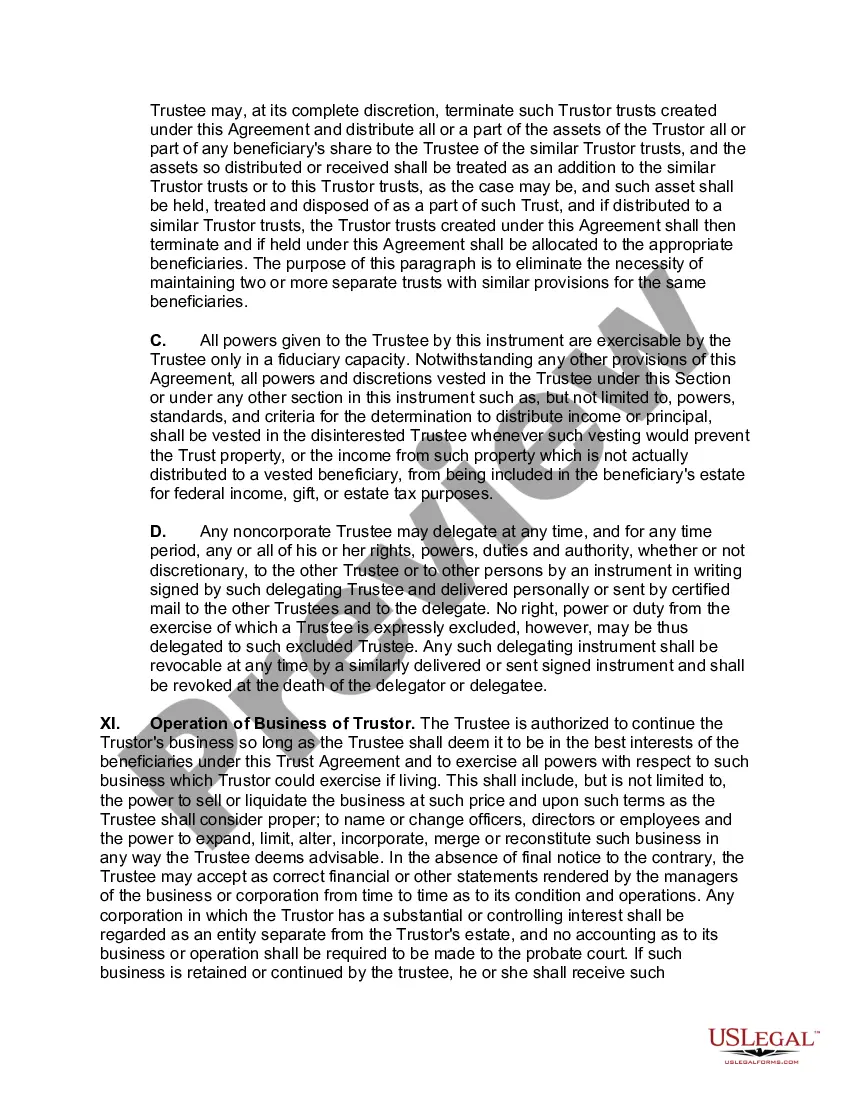
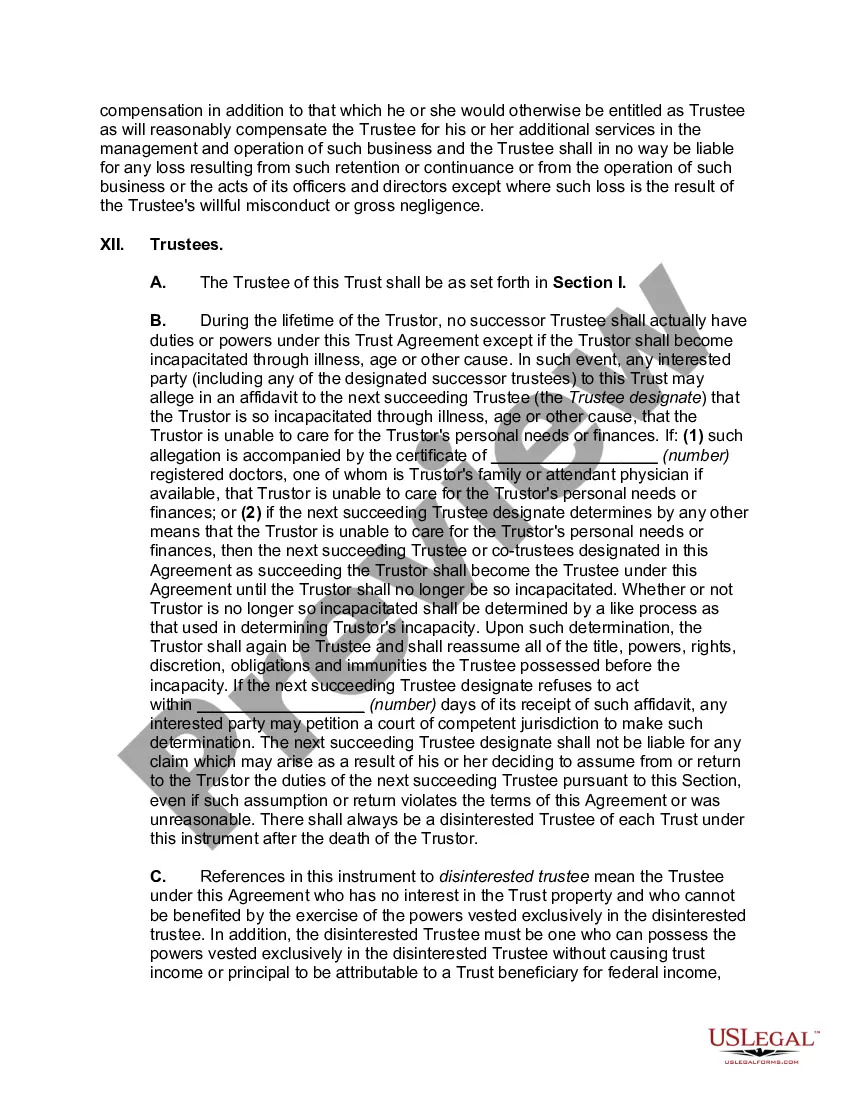

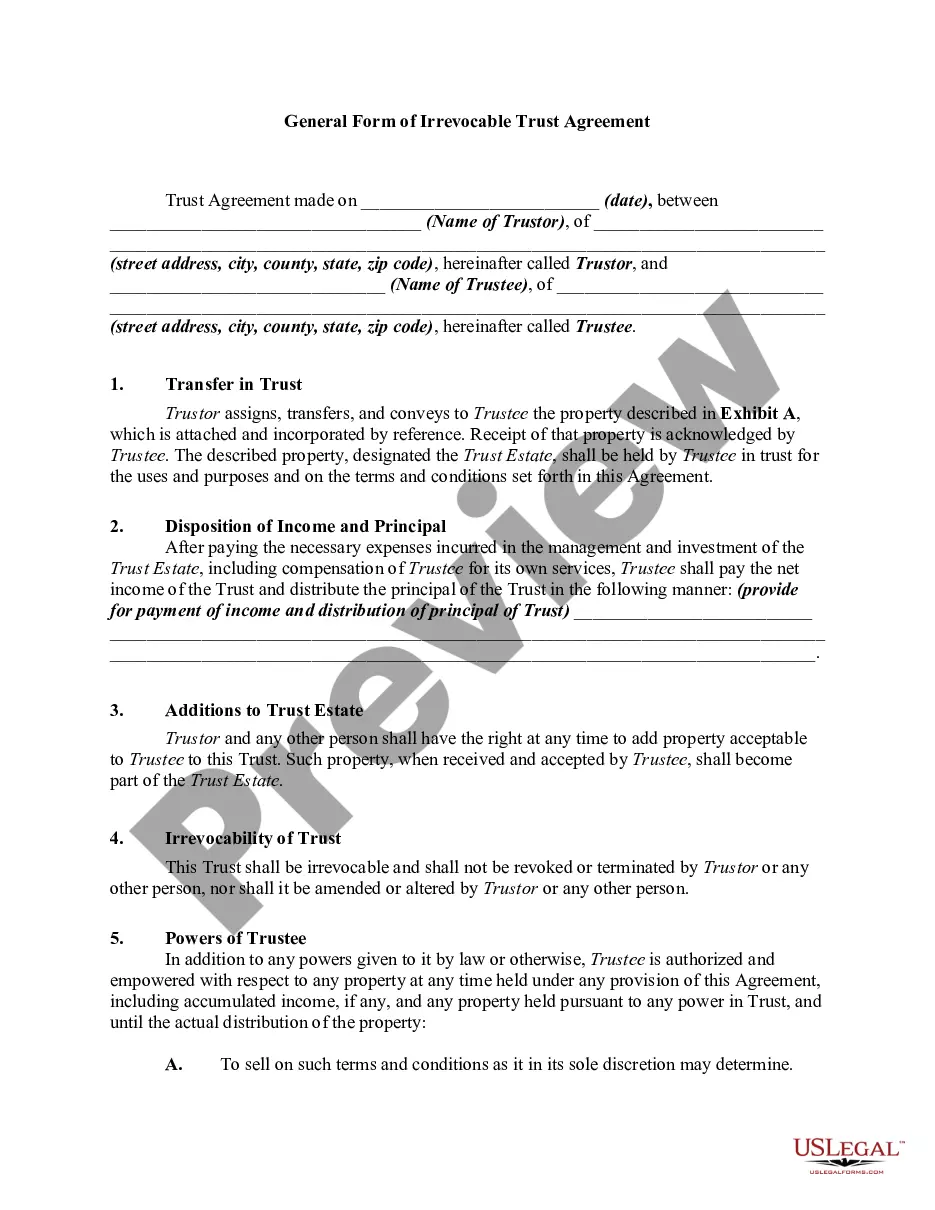
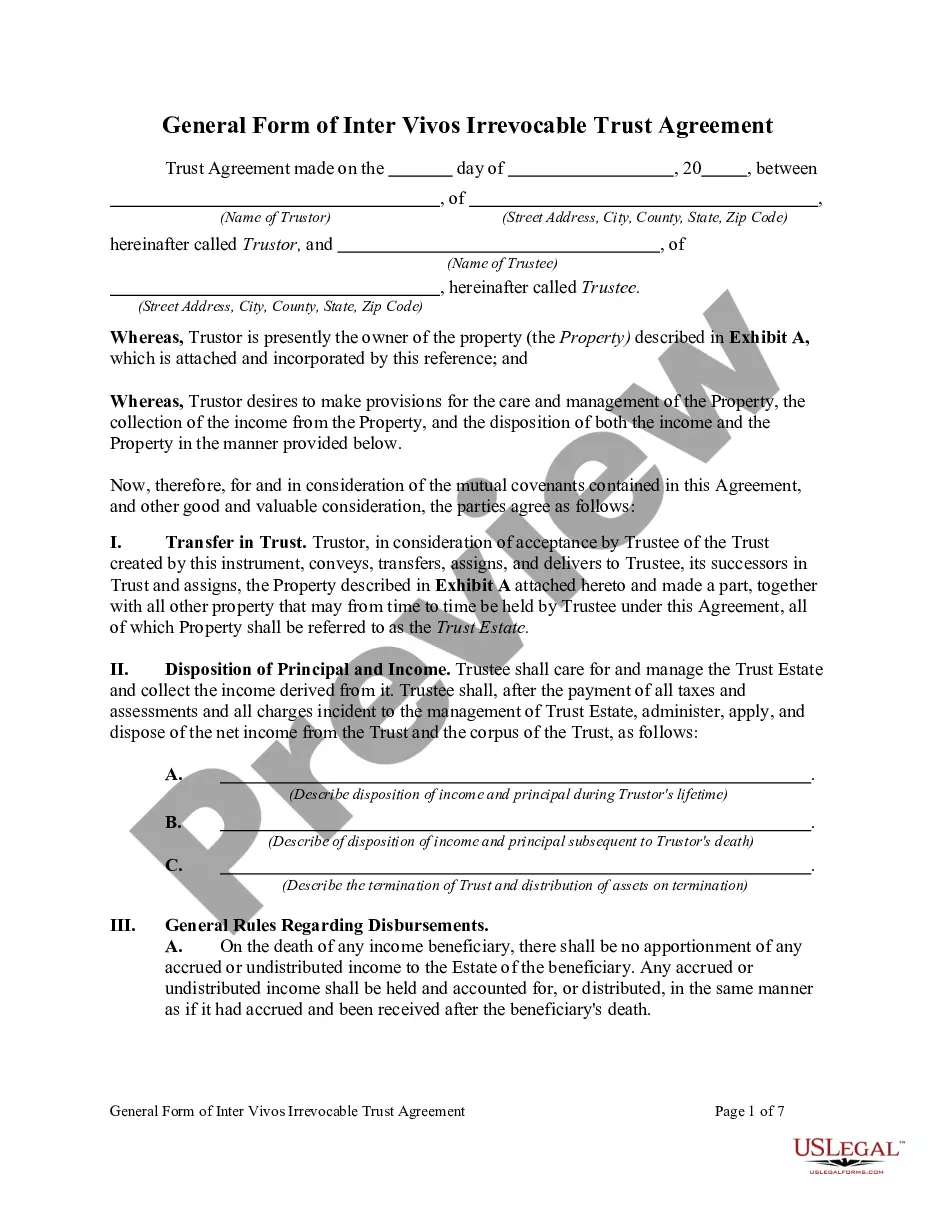
Get your form ready online
Our built-in tools help you complete, sign, share, and store your documents in one place.
Make edits, fill in missing information, and update formatting in US Legal Forms—just like you would in MS Word.
Download a copy, print it, send it by email, or mail it via USPS—whatever works best for your next step.
Sign and collect signatures with our SignNow integration. Send to multiple recipients, set reminders, and more. Go Premium to unlock E-Sign.
If this form requires notarization, complete it online through a secure video call—no need to meet a notary in person or wait for an appointment.
We protect your documents and personal data by following strict security and privacy standards.

Make edits, fill in missing information, and update formatting in US Legal Forms—just like you would in MS Word.

Download a copy, print it, send it by email, or mail it via USPS—whatever works best for your next step.

Sign and collect signatures with our SignNow integration. Send to multiple recipients, set reminders, and more. Go Premium to unlock E-Sign.

If this form requires notarization, complete it online through a secure video call—no need to meet a notary in person or wait for an appointment.

We protect your documents and personal data by following strict security and privacy standards.
Looking for another form?

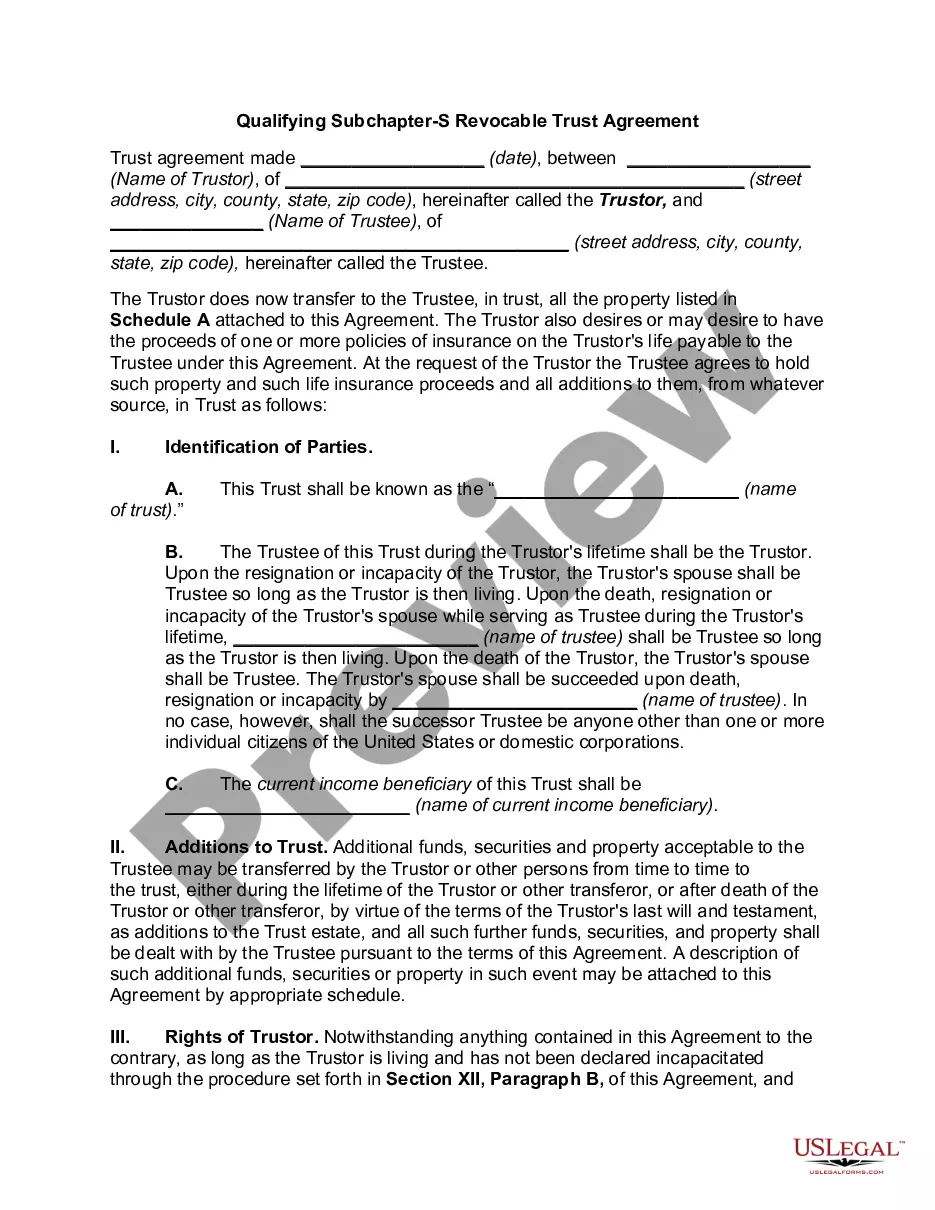
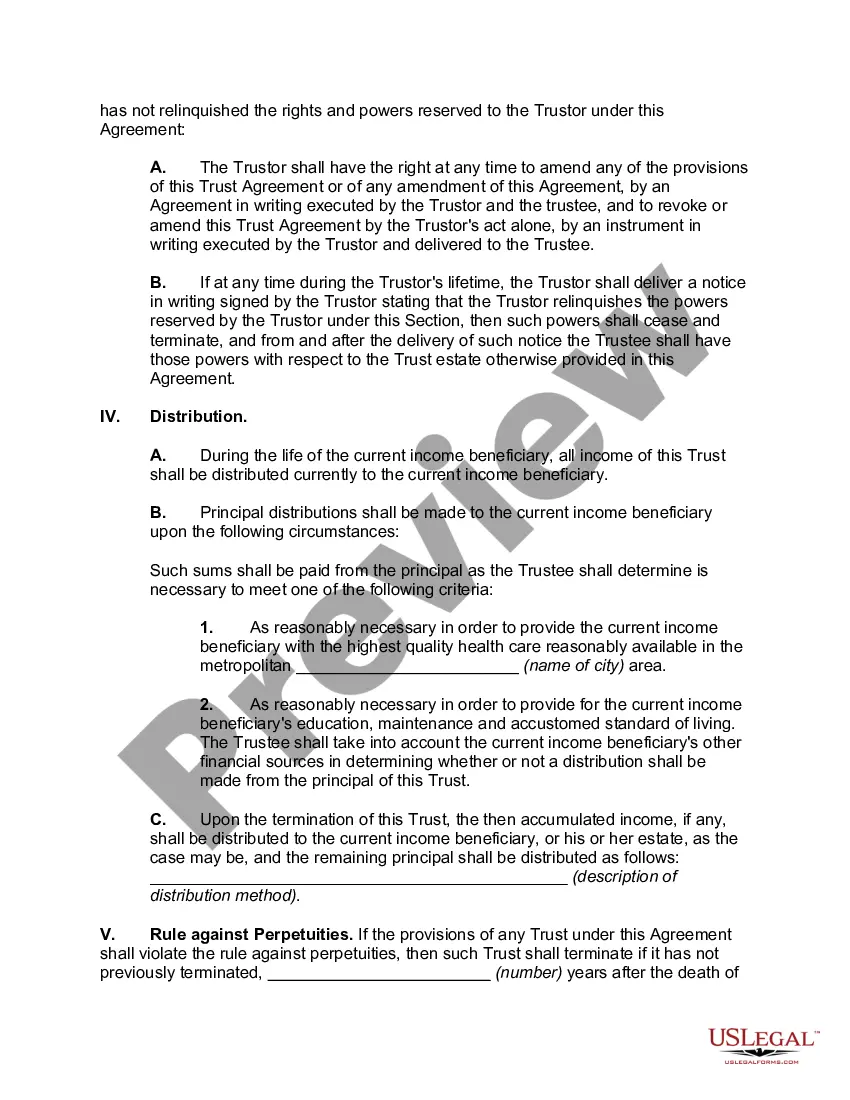
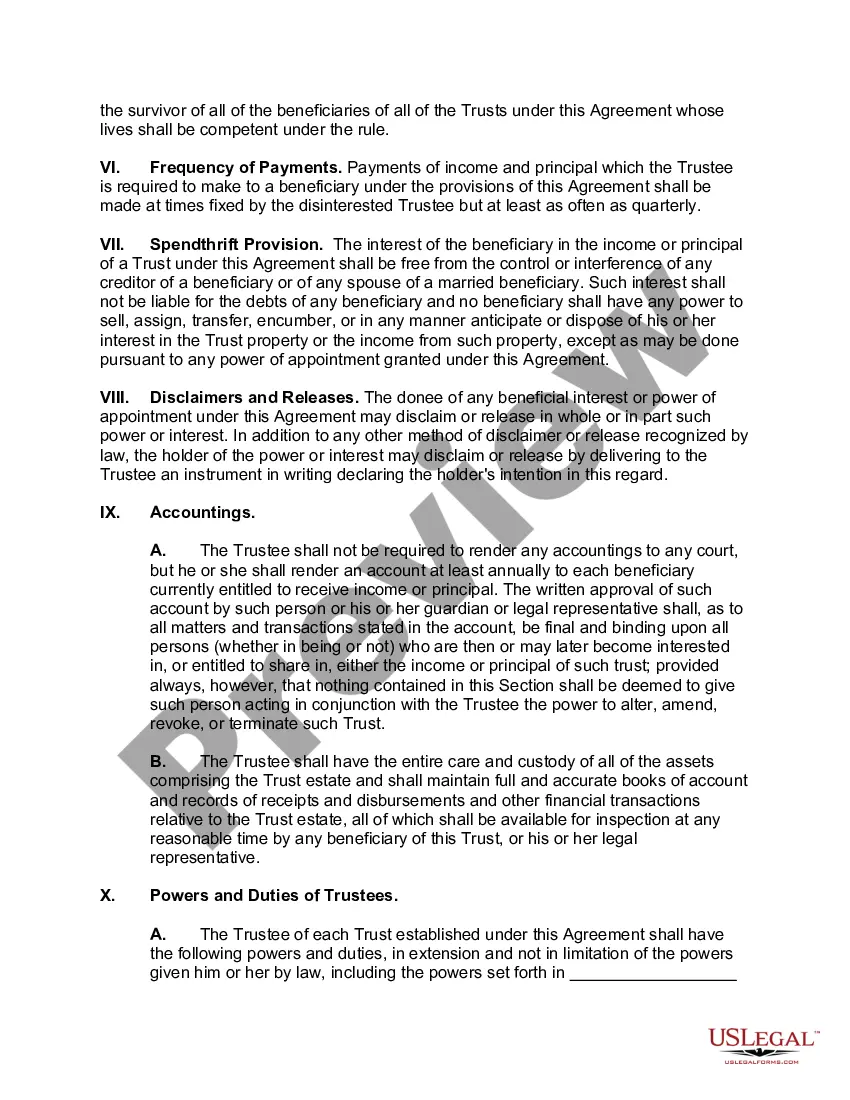
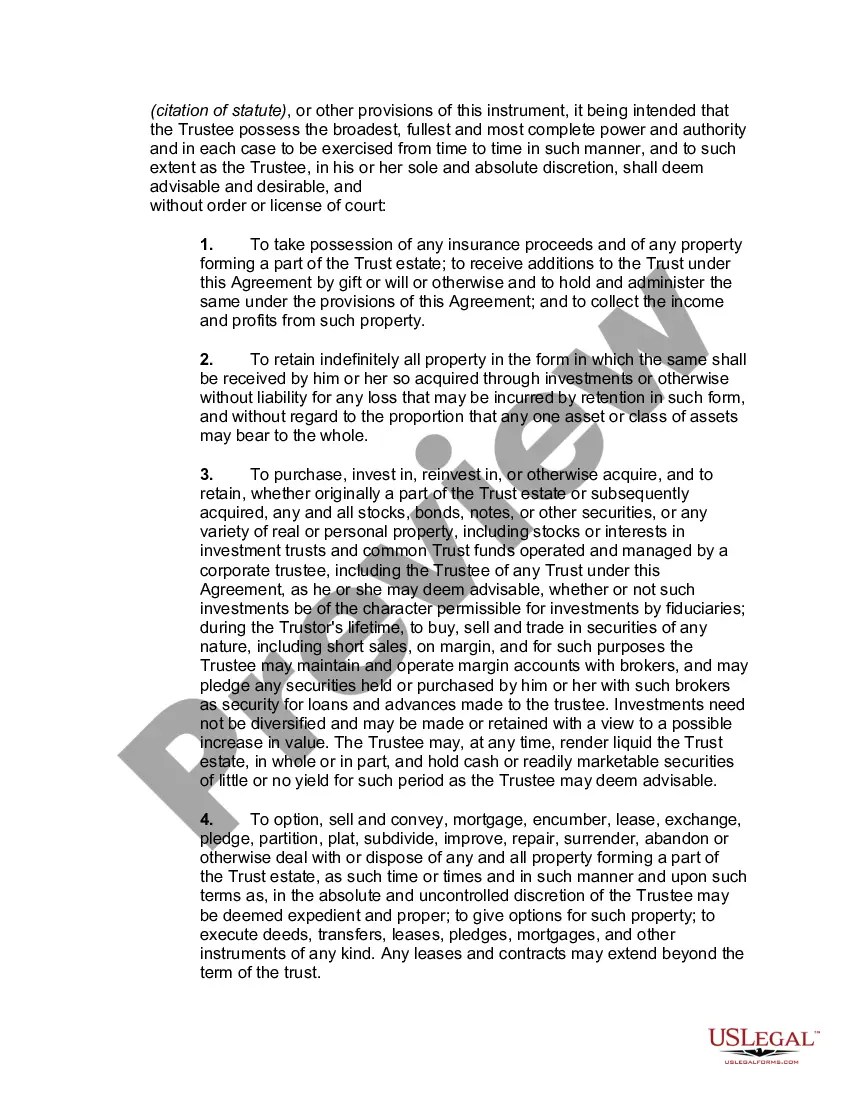
How to fill out Qualifying Subchapter-S Revocable Trust Agreement?
Locating a reliable source for acquiring the latest and applicable legal templates is a significant part of navigating bureaucracy.
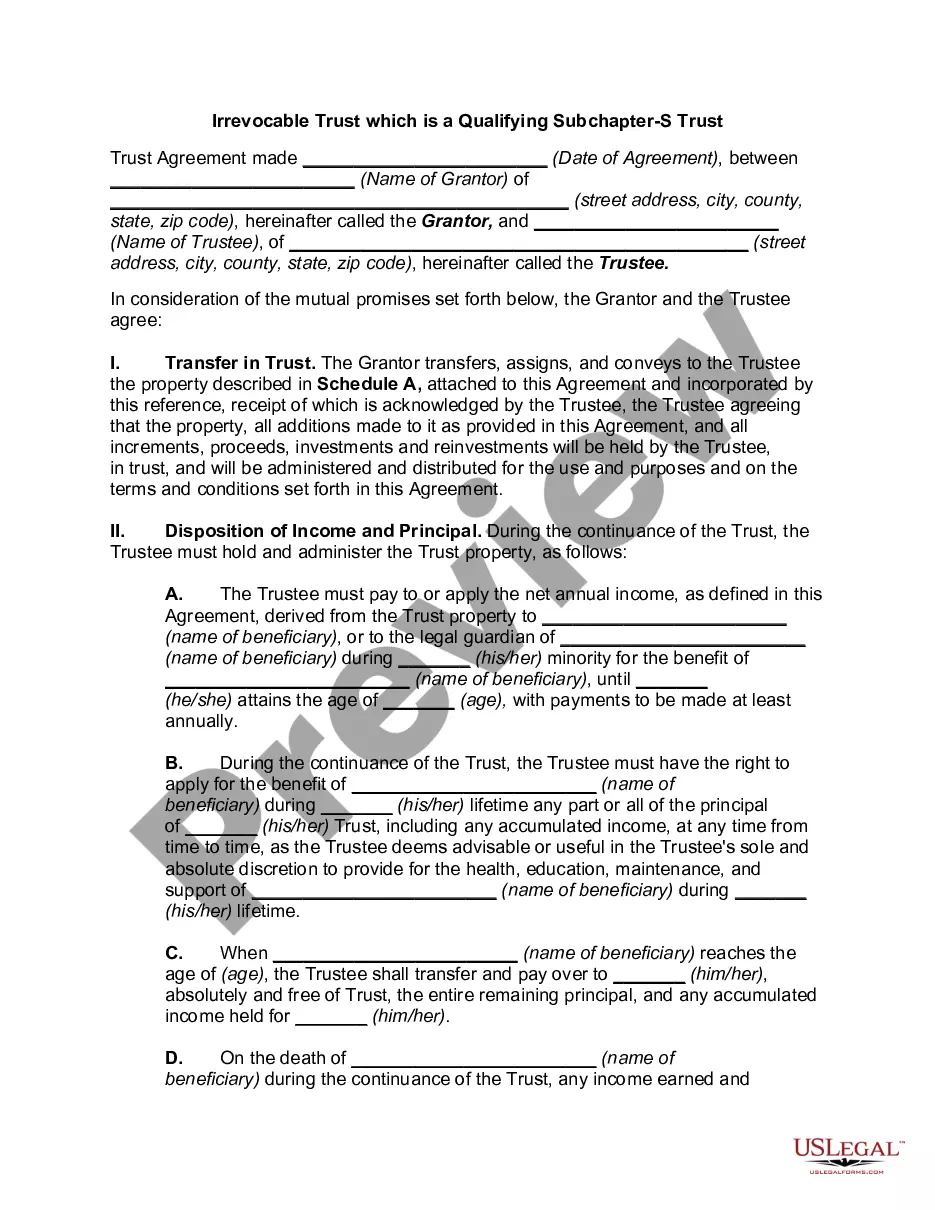
Identifying the appropriate legal documentation demands accuracy and meticulousness, which underscores the importance of obtaining samples of Qualified Subchapter S Trust Requirements solely from reputable sources, such as US Legal Forms. A faulty template can consume your time and delay your current situation.
Eliminate the stress that accompanies your legal paperwork. Discover the vast US Legal Forms database where you can locate legal templates, assess their applicability to your situation, and download them immediately.
- Utilize the library navigation or search option to locate your template.
- Examine the form’s details to ensure it meets the standards of your state and county.
- Check the form preview, if available, to confirm the template is what you need.
- Continue searching to find the suitable template if the Qualified Subchapter S Trust Requirements do not align with your needs.
- If you are confident about the form’s applicability, download it.
- If you are a registered user, click Log in to verify and access your selected forms in My documents.
- If you have not created an account yet, click Buy now to obtain the template.
- Choose the pricing plan that suits your needs.
- Proceed with the registration to finalize your purchase.
- Complete your transaction by selecting a payment method (credit card or PayPal).
- Choose the document format for downloading Qualified Subchapter S Trust Requirements.
- Once you have the form on your device, you can modify it with the editor or print it to complete it manually.
Form popularity
FAQ
To become a Qualified Subchapter S Trust (QSST), a trust must meet specific requirements outlined by the IRS. First, the trust must be irrevocable, meaning the grantor cannot alter or terminate it. Additionally, only one current beneficiary can receive distributions, and the trust must distribute all income to that beneficiary annually. Following these guidelines ensures compliance with the qualified subchapter s trust requirements, allowing the trust to hold shares in an S corporation without jeopardizing the S status.
A qualified subchapter S refers to a trust or entity that meets the IRS criteria to participate in S corporation taxation. Understanding the qualified subchapter S trust requirements is essential for anyone looking to leverage the benefits of S corporations. Proper compliance ensures that the entity remains in good standing and maximizes tax benefits.
A qualified Subchapter S trust is a specific type of trust that allows its beneficiaries to enjoy the benefits of S corporation taxation. It must follow the qualified subchapter S trust requirements, including having only individuals as beneficiaries. This structure helps maintain the tax advantages of S corporations while providing flexibility for estate planning.
To elect as a qualified subchapter S trust, the trustee must file Form 2553 with the IRS, indicating the trust's intention to be treated as a qualified S trust. This election must be made within a certain timeframe, typically within two months and 15 days of the trust's formation. It's advisable to consult with a tax advisor to navigate these requirements correctly.
A qualified S Corp trust is a trust that meets specific IRS criteria to hold stock in an S corporation. This type of trust must adhere to the qualified subchapter S trust requirements, ensuring it has eligible beneficiaries and is irrevocable. Establishing a qualified S Corp trust can help in maintaining the S corporation's tax status while avoiding potential penalties.
To determine if a trust is qualified, you should review its structure against the qualified subchapter S trust requirements outlined by the IRS. Look for factors like whether the trust is irrevocable and if all beneficiaries meet eligibility criteria. Consulting with a legal professional or using platforms like US Legal Forms can provide clarity on your specific situation.
To meet the qualified subchapter S trust requirements, the trust must be irrevocable and must have only eligible beneficiaries, such as individuals or certain estates. Additionally, the trust cannot have more than one current beneficiary who is an individual. Understanding these criteria is essential for ensuring tax benefits associated with S corporations.