Qualified Subchapter S Trust Definition
Description
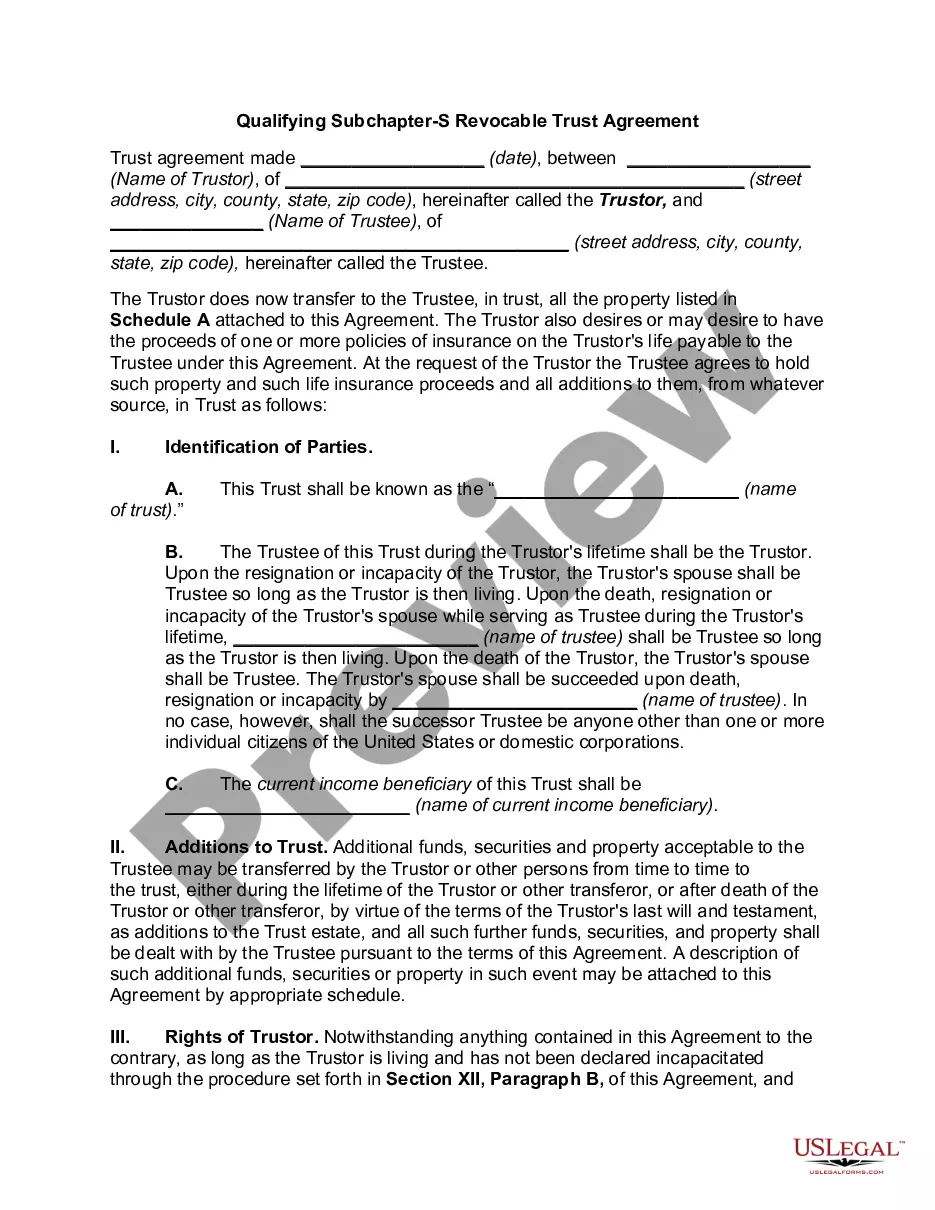
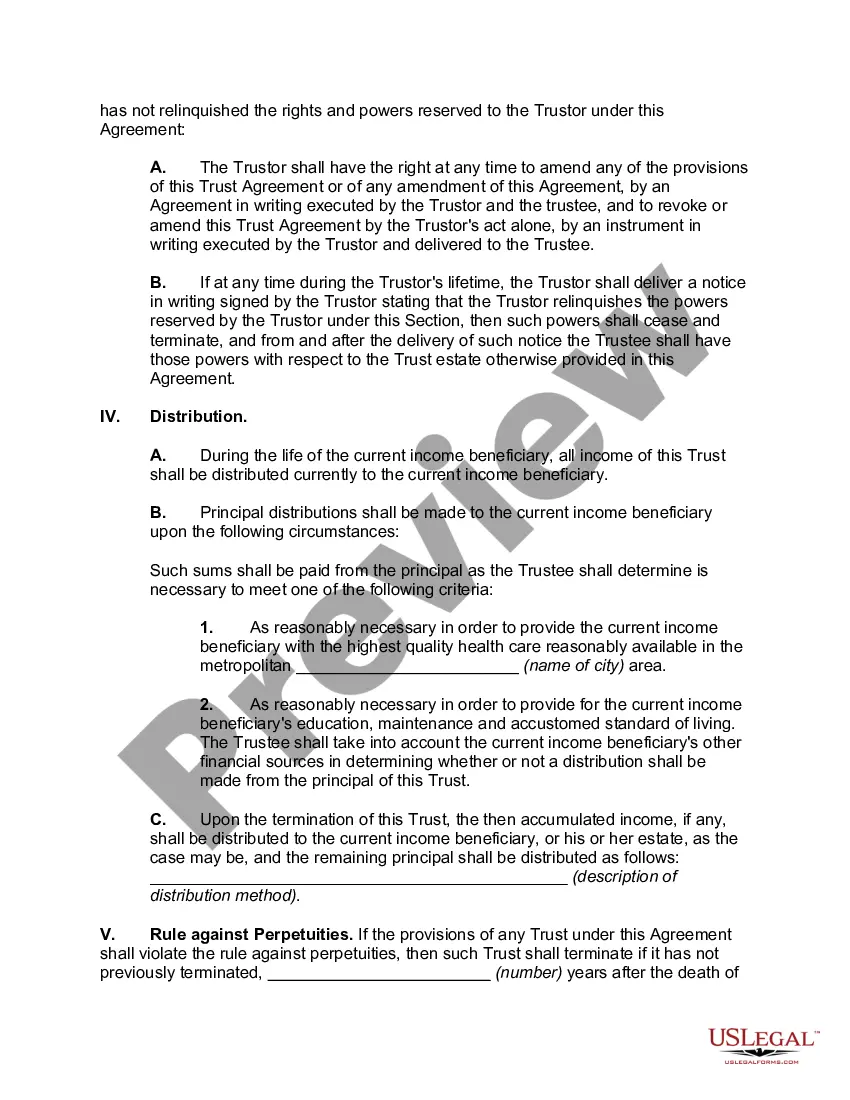
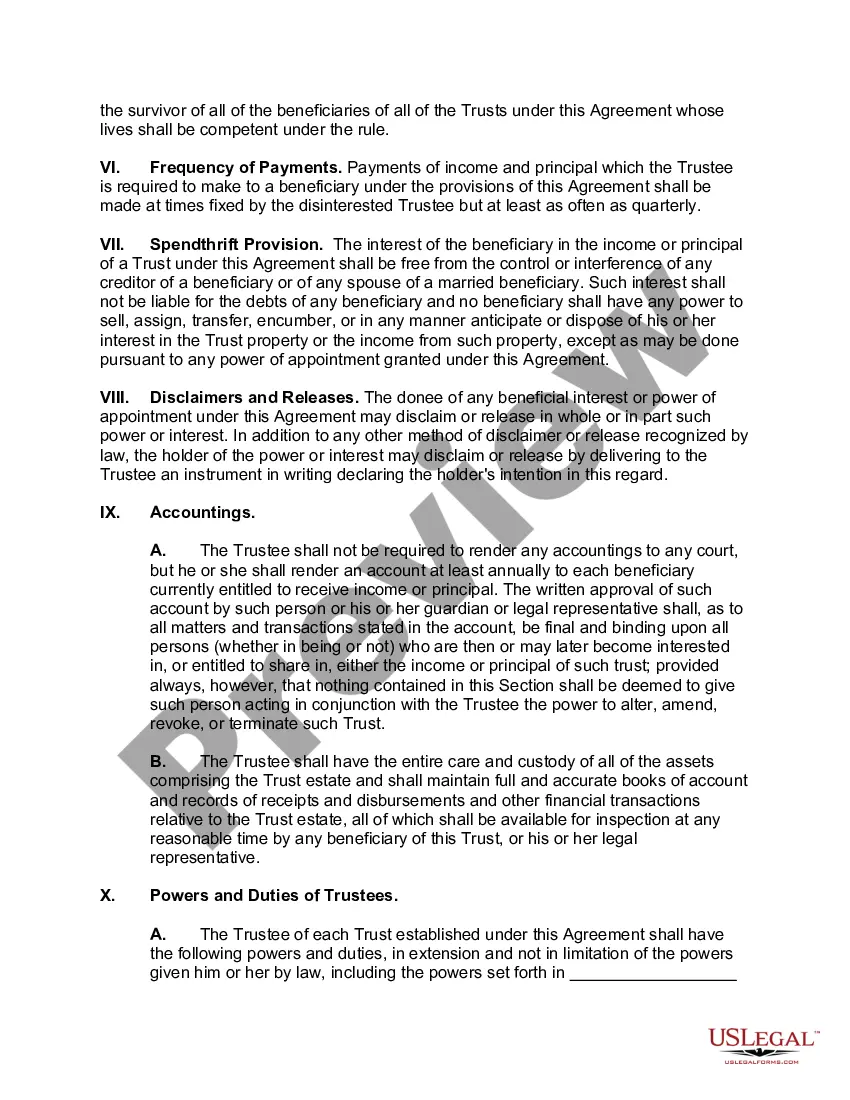
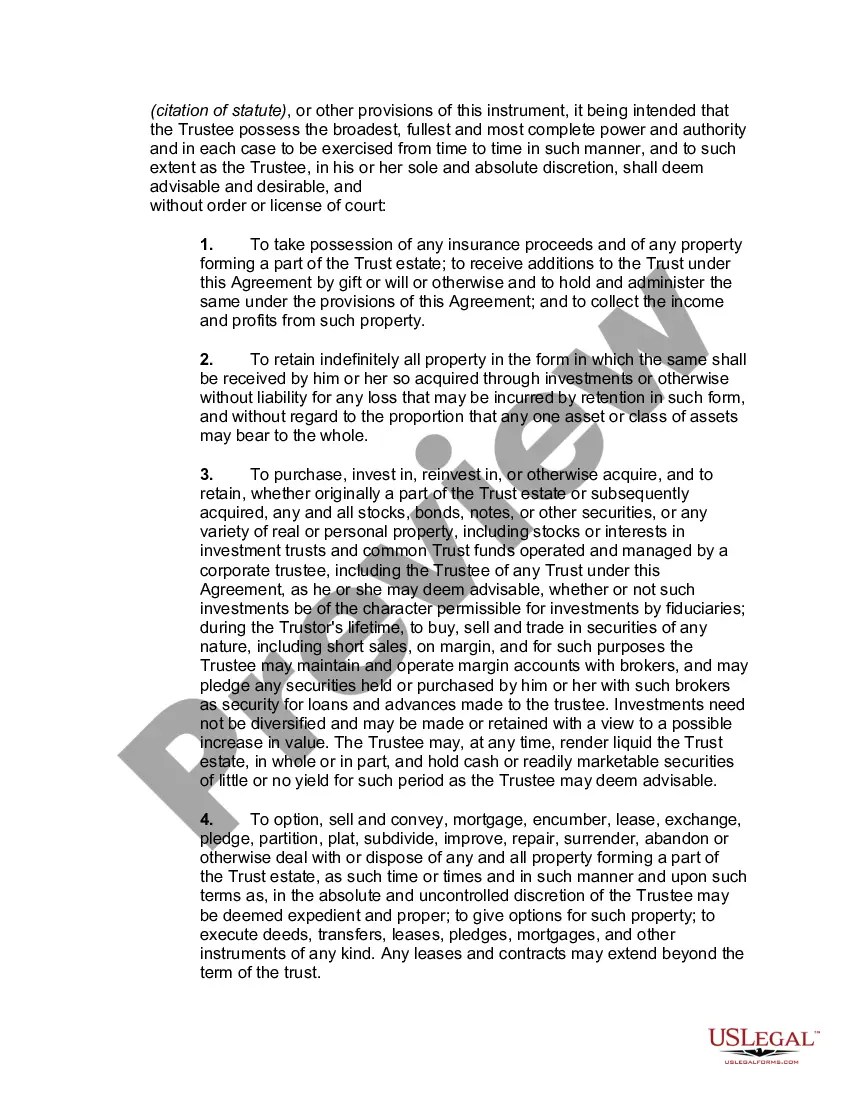
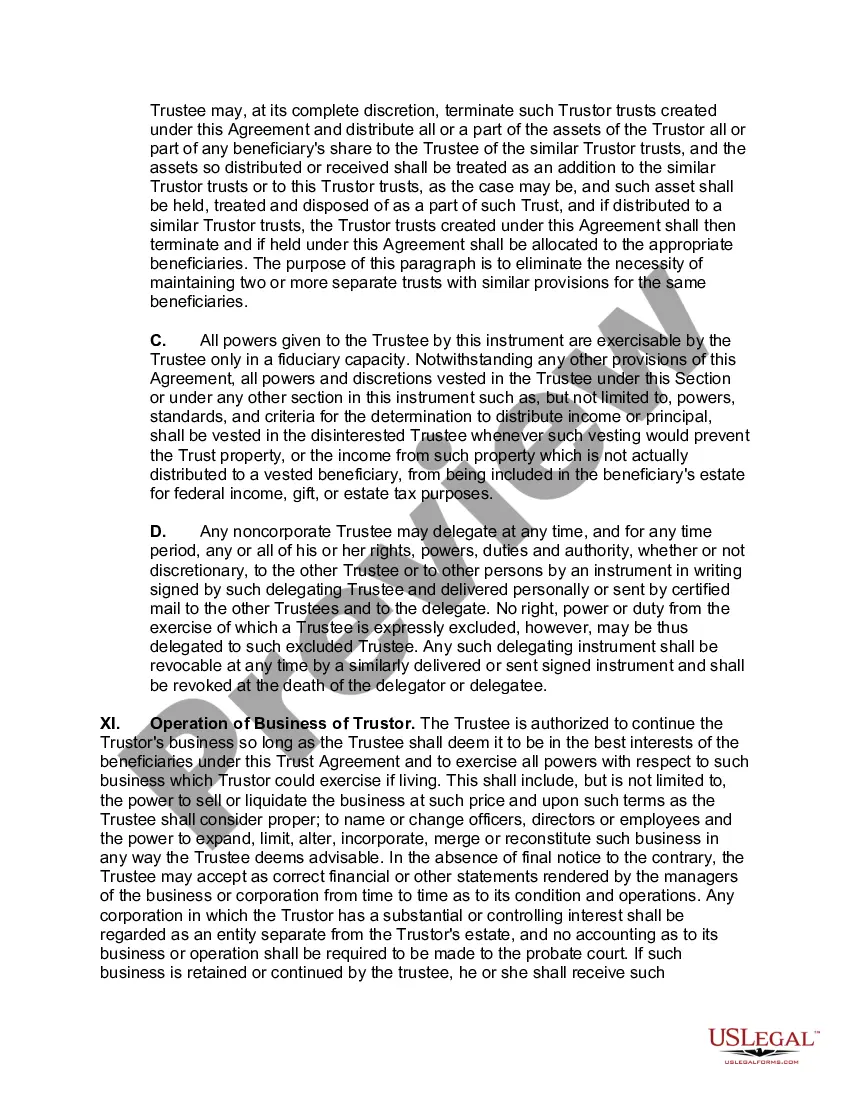
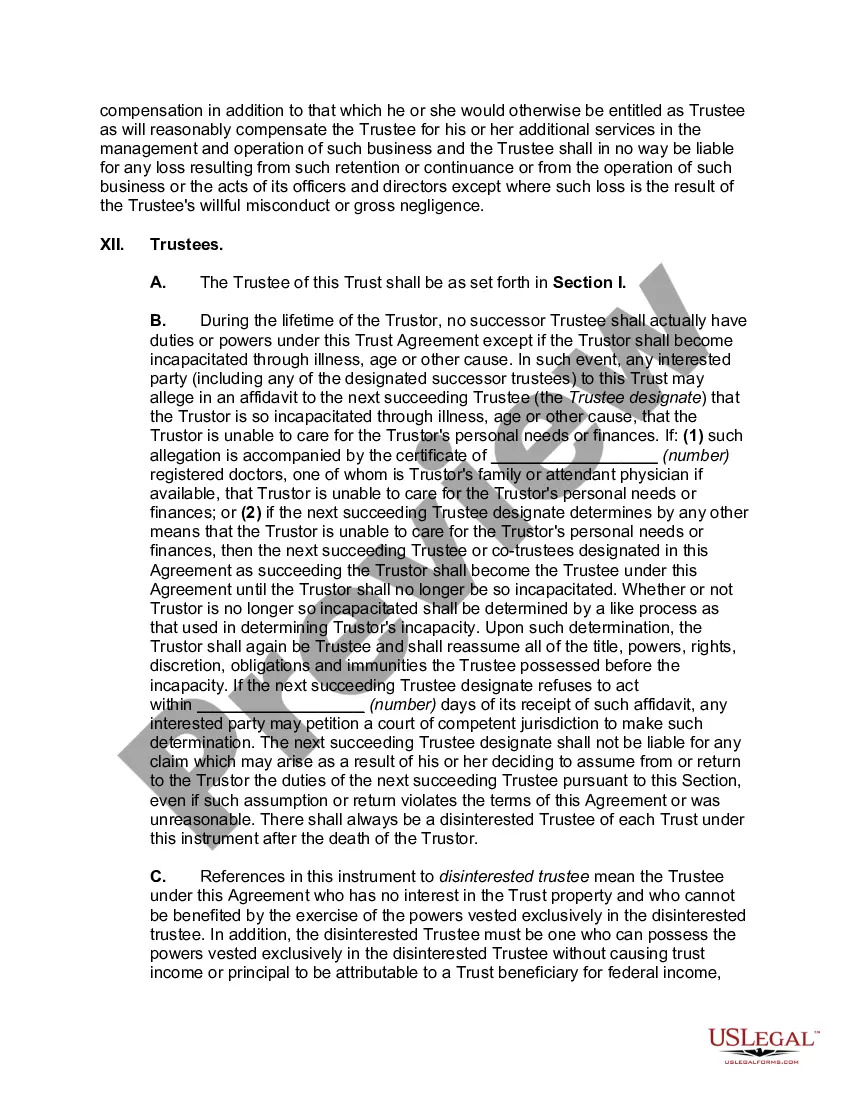

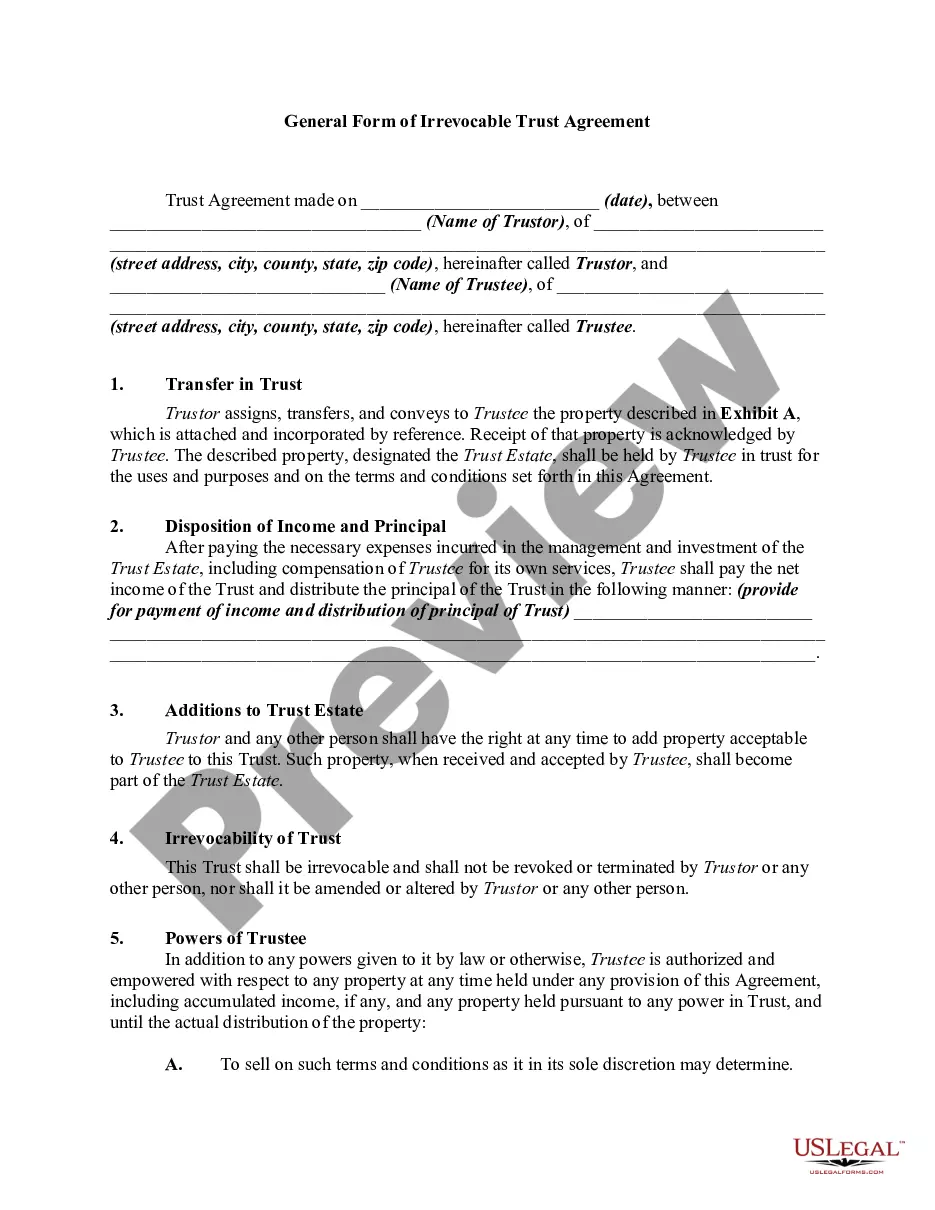
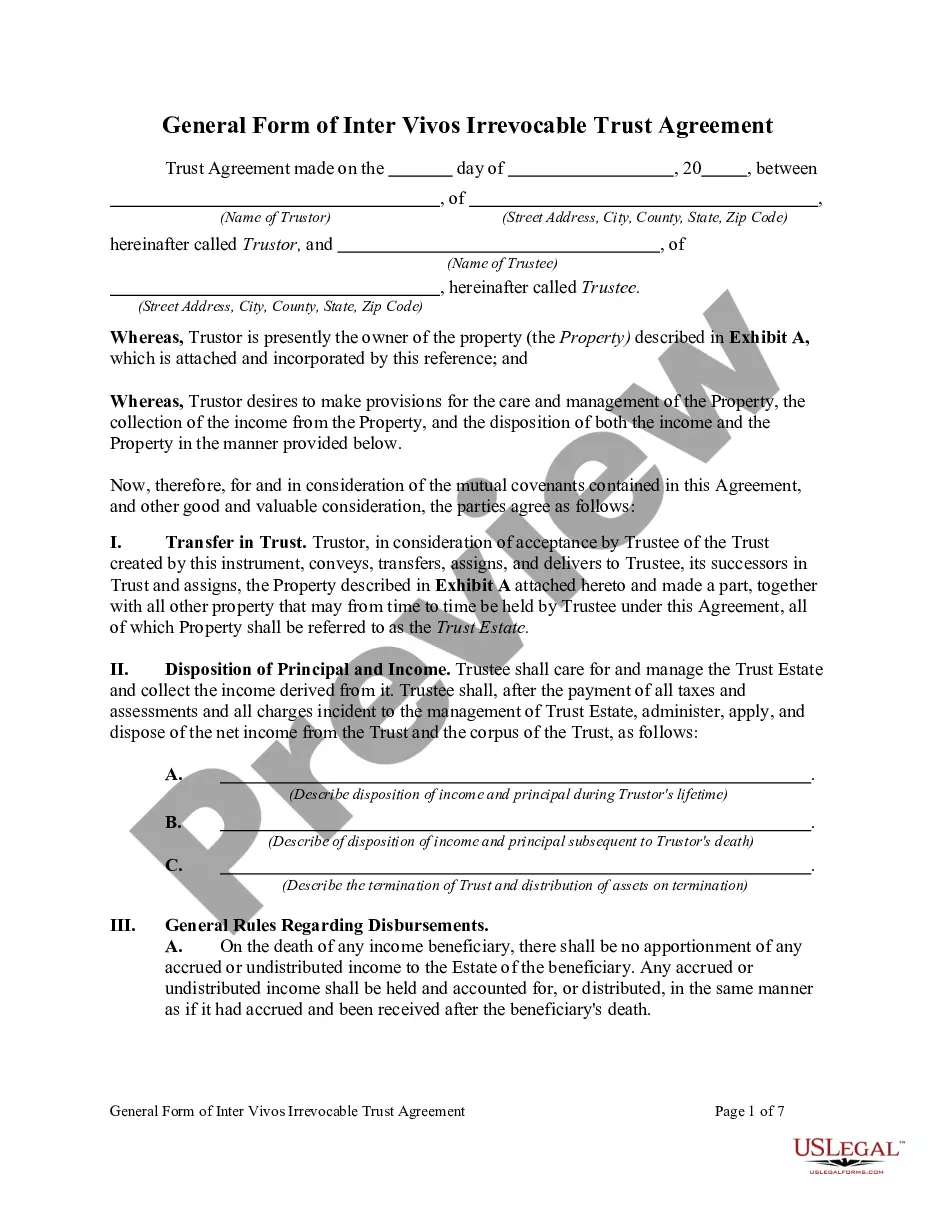
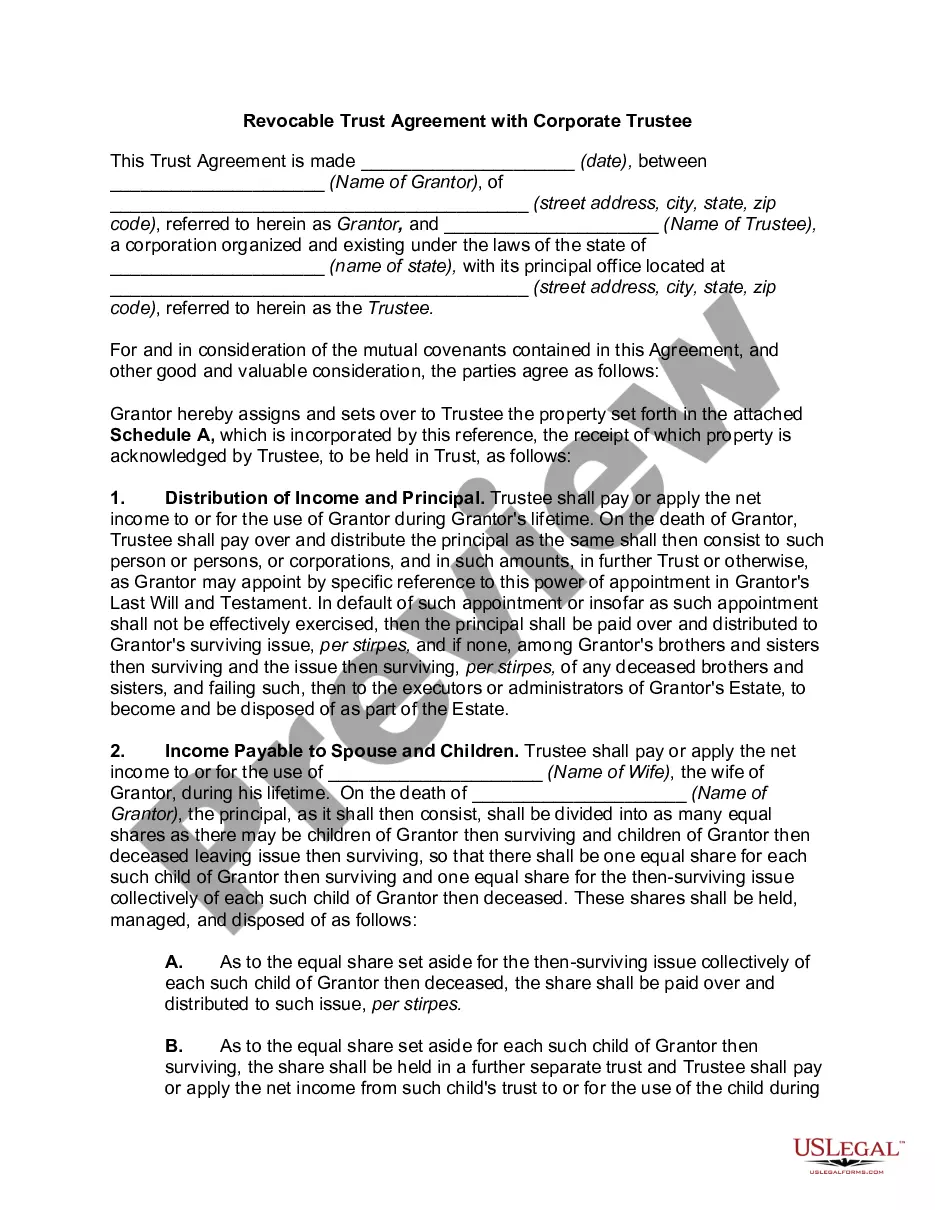
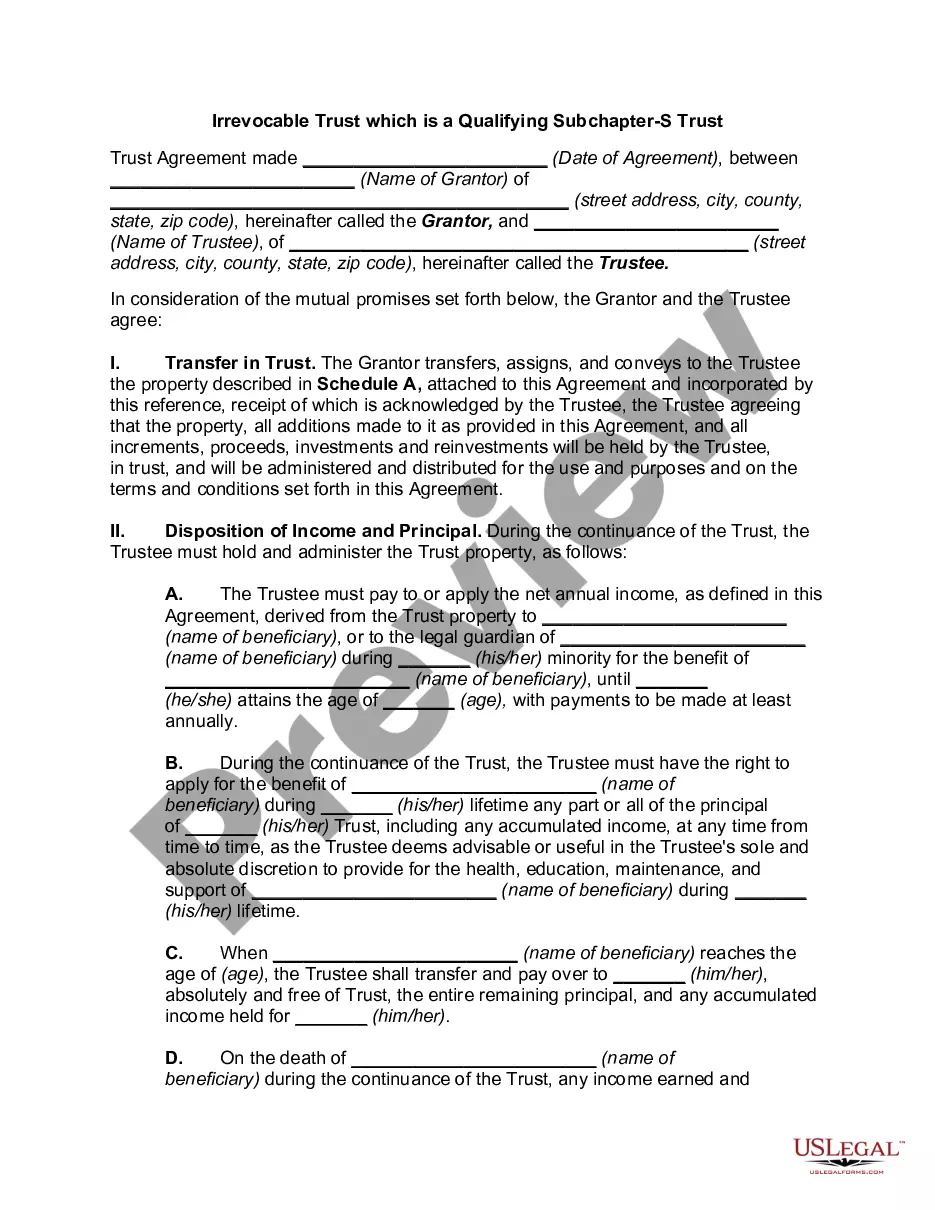
Get your form ready online
Our built-in tools help you complete, sign, share, and store your documents in one place.
Make edits, fill in missing information, and update formatting in US Legal Forms—just like you would in MS Word.
Download a copy, print it, send it by email, or mail it via USPS—whatever works best for your next step.
Sign and collect signatures with our SignNow integration. Send to multiple recipients, set reminders, and more. Go Premium to unlock E-Sign.
If this form requires notarization, complete it online through a secure video call—no need to meet a notary in person or wait for an appointment.
We protect your documents and personal data by following strict security and privacy standards.

Make edits, fill in missing information, and update formatting in US Legal Forms—just like you would in MS Word.

Download a copy, print it, send it by email, or mail it via USPS—whatever works best for your next step.

Sign and collect signatures with our SignNow integration. Send to multiple recipients, set reminders, and more. Go Premium to unlock E-Sign.

If this form requires notarization, complete it online through a secure video call—no need to meet a notary in person or wait for an appointment.

We protect your documents and personal data by following strict security and privacy standards.
Looking for another form?






How to fill out Qualifying Subchapter-S Revocable Trust Agreement?
- Log into your US Legal Forms account if you have previously registered. Ensure your subscription is active before proceeding.
- Browse the comprehensive library and select the specific form that aligns with your needs. Carefully review the preview and description to confirm it meets local jurisdiction standards.
- If the desired template is unavailable, use the search function to find alternative forms that may suit your case.
- Once you've found the right document, click the 'Buy Now' button and choose a suitable subscription plan. Register an account if you haven't done so already.
- Complete the purchase by submitting your payment information using a credit card or PayPal.
- Download the completed form directly to your device for immediate use. Access it anytime through the 'My Forms' section in your account.
US Legal Forms not only provides a robust collection of legal documents, but it also ensures users have access to premium expert assistance, making document completion straightforward and legally compliant.
Start your journey towards secure and well-organized estate planning today. Visit US Legal Forms and access thousands of forms at your fingertips!
Form popularity
FAQ
The type of trust that can own an S corporation shares includes certain grantor trusts and qualified subchapter S trusts. These trusts are structured to meet IRS criteria, ensuring shareholders receive appropriate tax treatment. It is essential to understand the qualified subchapter S trust definition when setting up a trust to own S corporation shares. Visit UsLegalForms to find comprehensive resources for creating eligible trusts.
A charitable remainder trust typically cannot own S corporation stock due to IRS regulations. The restrictions are in place to maintain the tax benefits associated with S corporations. To operate within legal guidelines, the trust must align with the qualified subchapter S trust definition. For detailed assistance, consider consulting UsLegalForms.
Eligible trusts include grantor trusts and qualified subchapter S trusts among others. Importantly, these trusts must adhere to specific guidelines set by the IRS to avoid taxation issues. If you are unsure about which trusts qualify, understanding the qualified subchapter S trust definition can help clarify your options. UsLegalForms offers reliable information on this subject.
An S corporation can be owned by specific types of entities that meet IRS requirements. Only individuals, certain trusts, and estates are eligible to be shareholders. This is crucial because these entities must comply with the qualified subchapter S trust definition to ensure proper tax treatment. If you seek to navigate this complexity, consider exploring resources at UsLegalForms.
Yes, an irrevocable trust can own a corporation. However, the trust must meet certain requirements to qualify under the specific laws governing corporate ownership. This structure can provide benefits such as asset protection and estate planning advantages. Understanding the qualified subchapter S trust definition is important when considering this option.
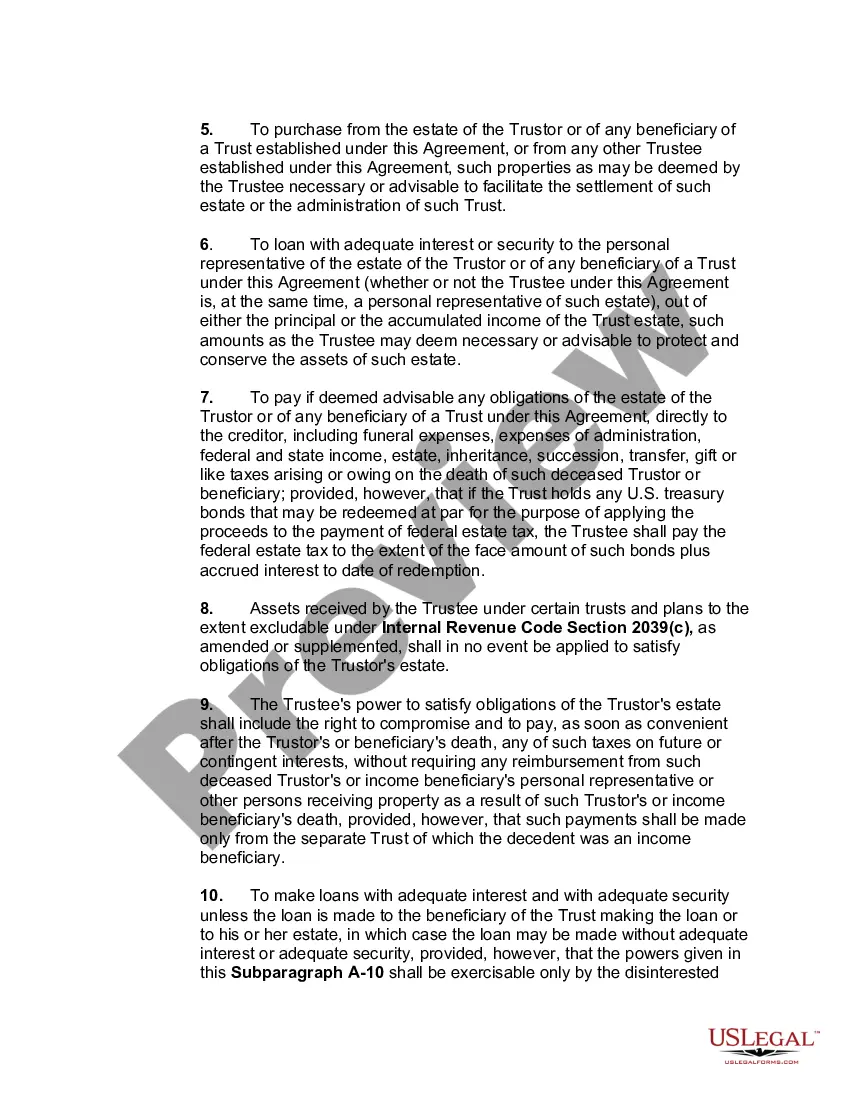
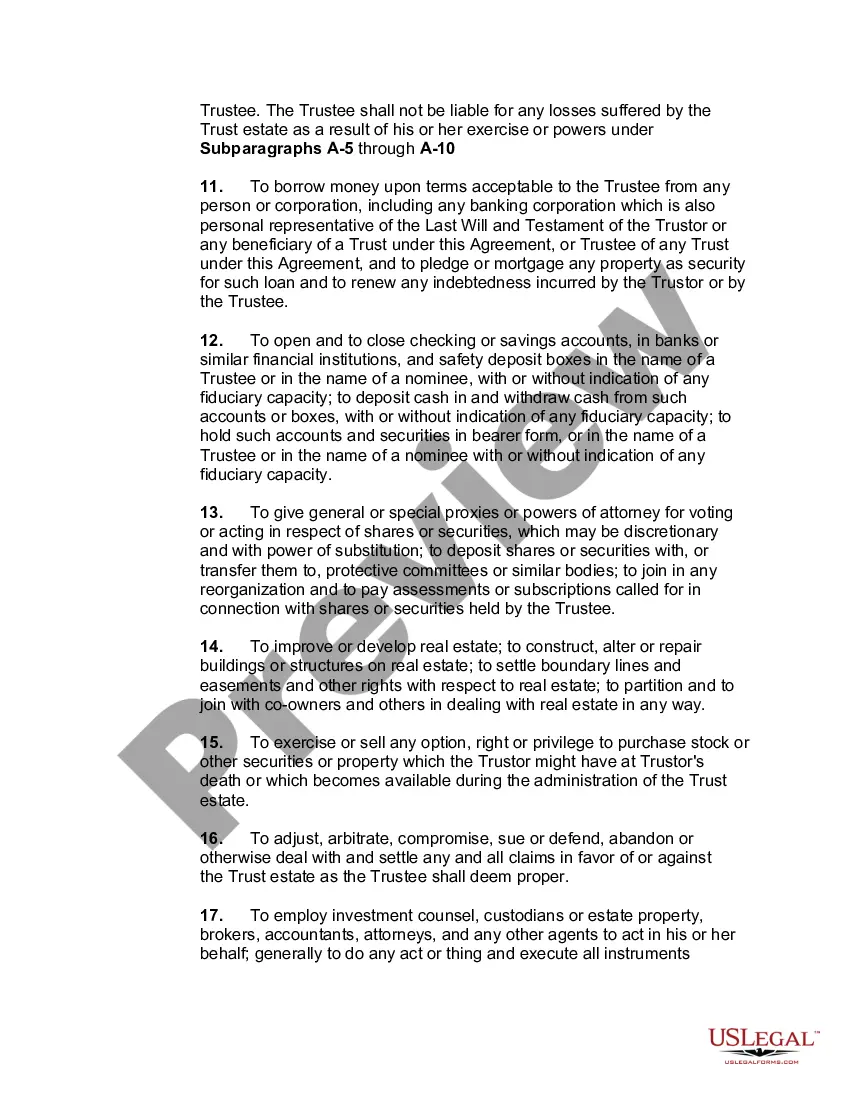
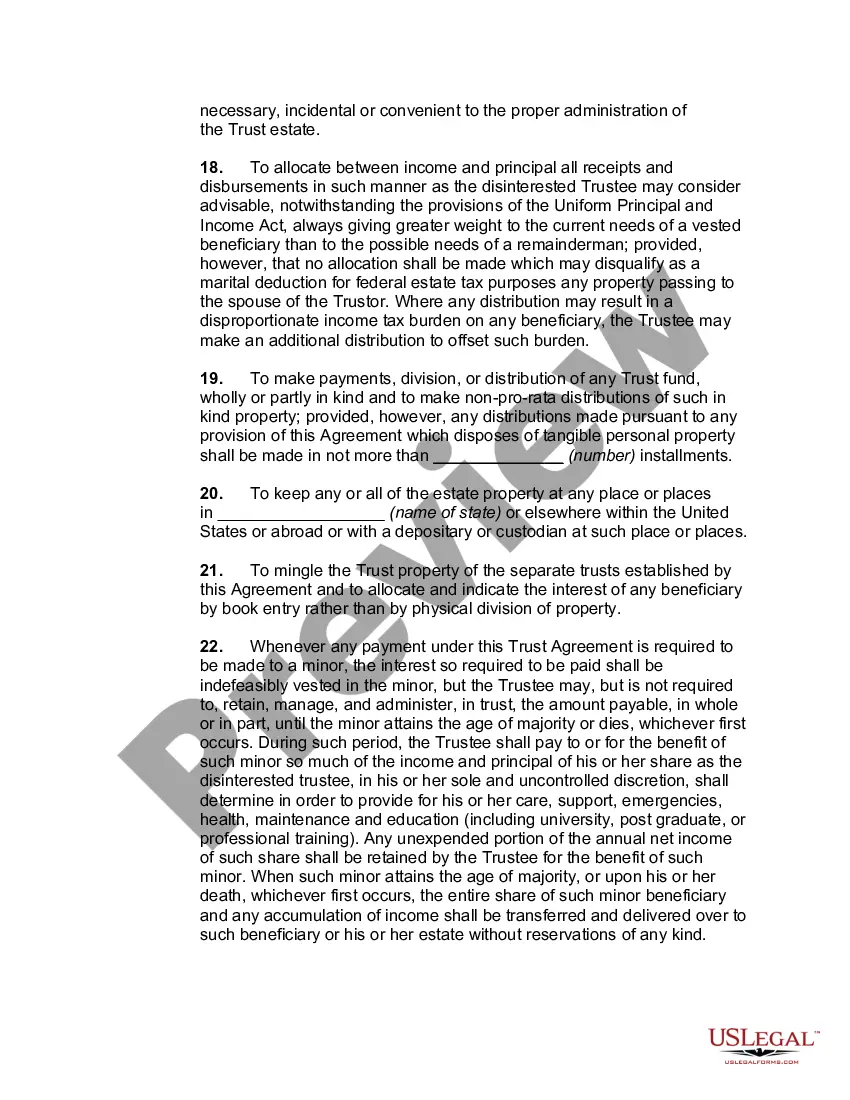
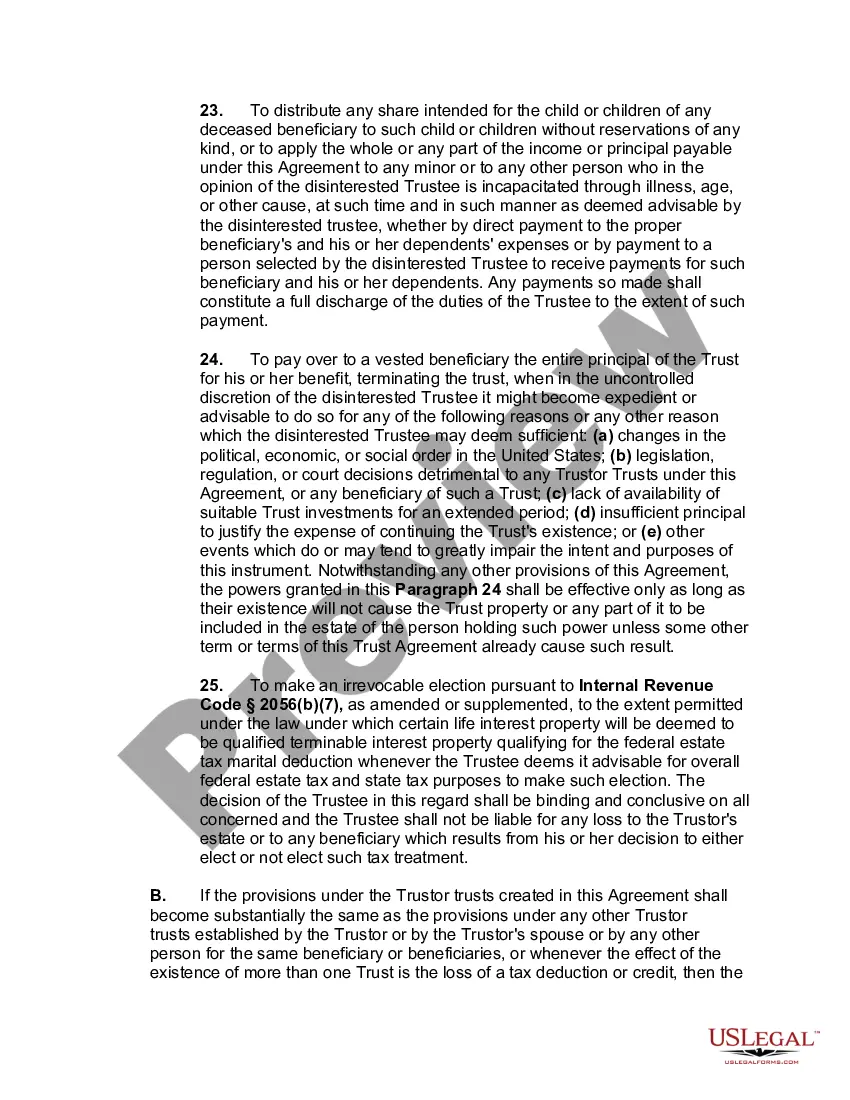
A qualified subchapter S trust election under section 1361(d)(2) allows a trust to be treated as a shareholder of an S Corporation. This election is vital for ensuring the trust does not interfere with the S Corporation's tax status. It requires that all beneficiaries be individuals, estates, or certain charitable organizations. Understanding this election is essential for anyone looking to utilize the qualified subchapter s trust definition effectively.
To transfer a corporation to a trust, start by drafting the trust document. Make sure it meets the criteria of a qualified sub-S trust according to the IRS. Next, you will need to execute a stock transfer by formally changing the stock ownership to the trust. By following this process, you can enjoy the benefits associated with the qualified subchapter s trust definition.
Yes, you can place an S Corporation into a trust, specifically a qualified sub-S trust. This strategy allows the corporation to maintain its S status while providing benefits such as asset protection and estate planning advantages. It's crucial to ensure the trust meets IRS standards to avoid any tax issues. Understanding the qualified subchapter s trust definition will help you navigate this process smoothly.
Transferring an S Corporation into a trust involves several steps. First, you need to create a qualified subchapter S trust that meets IRS requirements. After that, you can transfer the shares of your S Corporation to the trust, ensuring the trust remains compliant with S Corporation regulations. By following the qualified subchapter s trust definition criteria, you can secure the benefits of both the trust and the corporation.
A qualified sub-S trust, or QSub, is a specific type of trust defined under the Internal Revenue Code. It allows individuals to hold shares of an S Corporation without jeopardizing the corporation's tax status. This type of trust must meet certain requirements to qualify, offering tax benefits and control over assets. Essentially, understanding the qualified subchapter s trust definition can help you manage your S Corporation effectively.