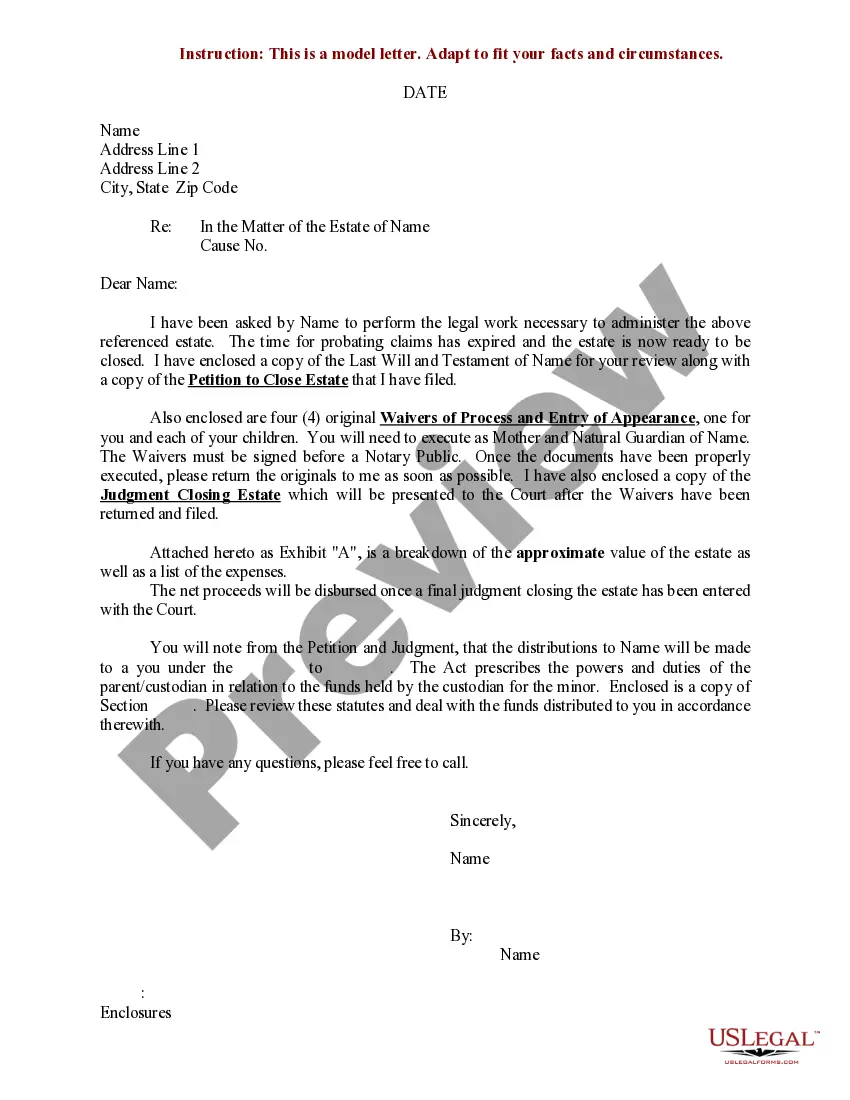
Examples Of Administrative Expenses For An Estate
Description
Get your form ready online
Our built-in tools help you complete, sign, share, and store your documents in one place.
Make edits, fill in missing information, and update formatting in US Legal Forms—just like you would in MS Word.
Download a copy, print it, send it by email, or mail it via USPS—whatever works best for your next step.
Sign and collect signatures with our SignNow integration. Send to multiple recipients, set reminders, and more. Go Premium to unlock E-Sign.
If this form requires notarization, complete it online through a secure video call—no need to meet a notary in person or wait for an appointment.
We protect your documents and personal data by following strict security and privacy standards.

Make edits, fill in missing information, and update formatting in US Legal Forms—just like you would in MS Word.

Download a copy, print it, send it by email, or mail it via USPS—whatever works best for your next step.

Sign and collect signatures with our SignNow integration. Send to multiple recipients, set reminders, and more. Go Premium to unlock E-Sign.

If this form requires notarization, complete it online through a secure video call—no need to meet a notary in person or wait for an appointment.

We protect your documents and personal data by following strict security and privacy standards.
Looking for another form?
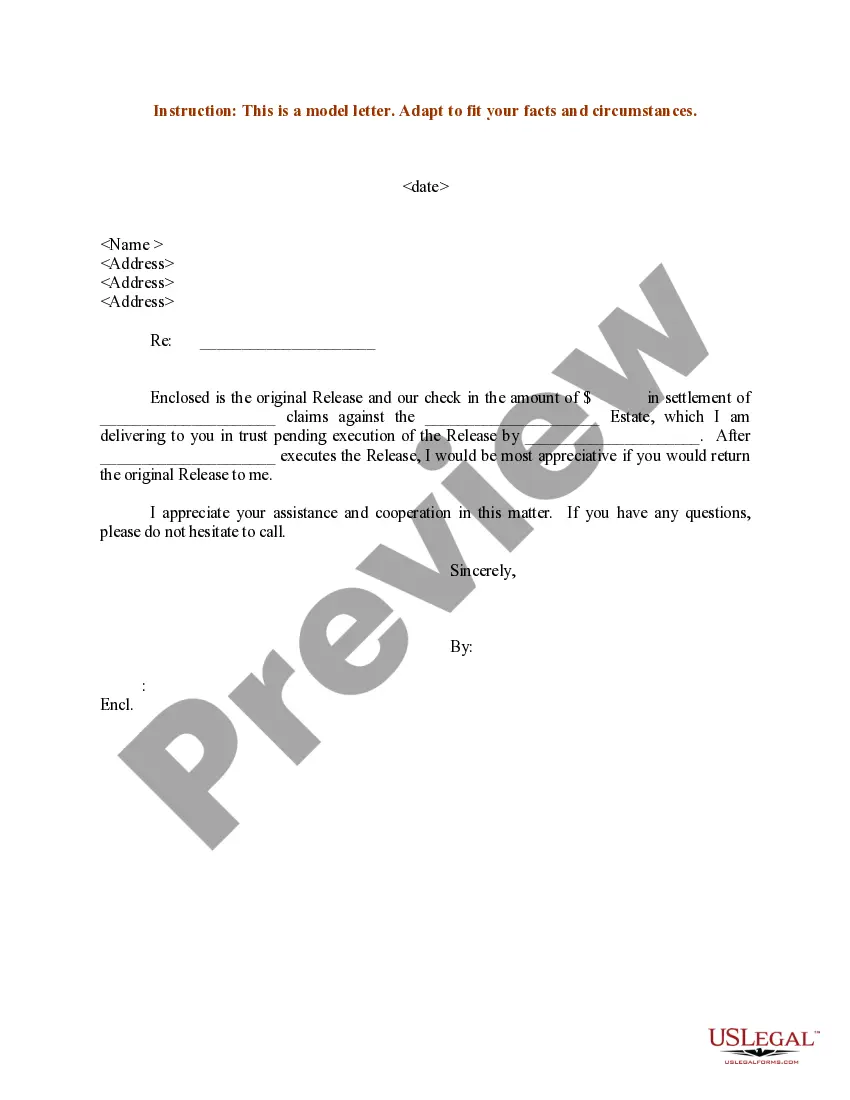
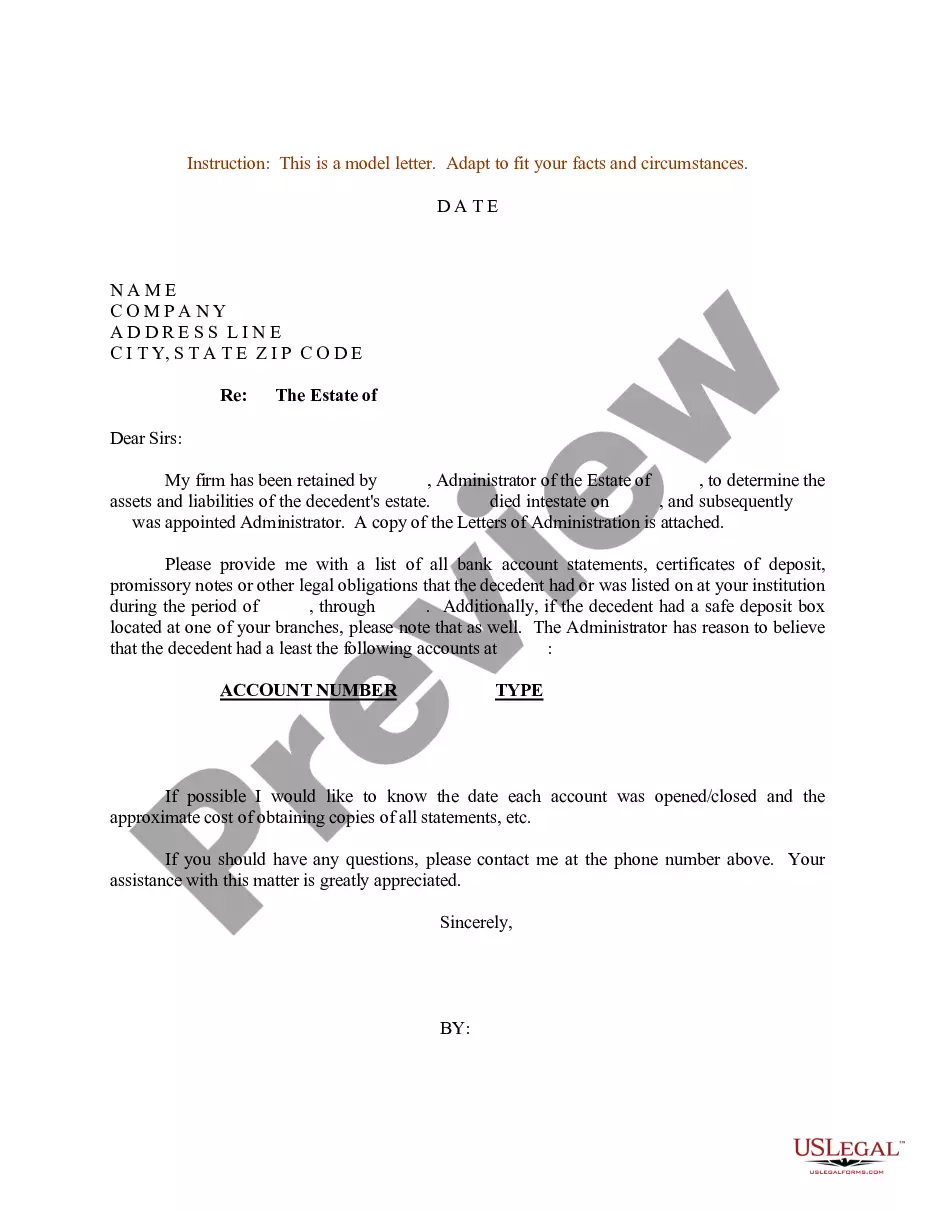
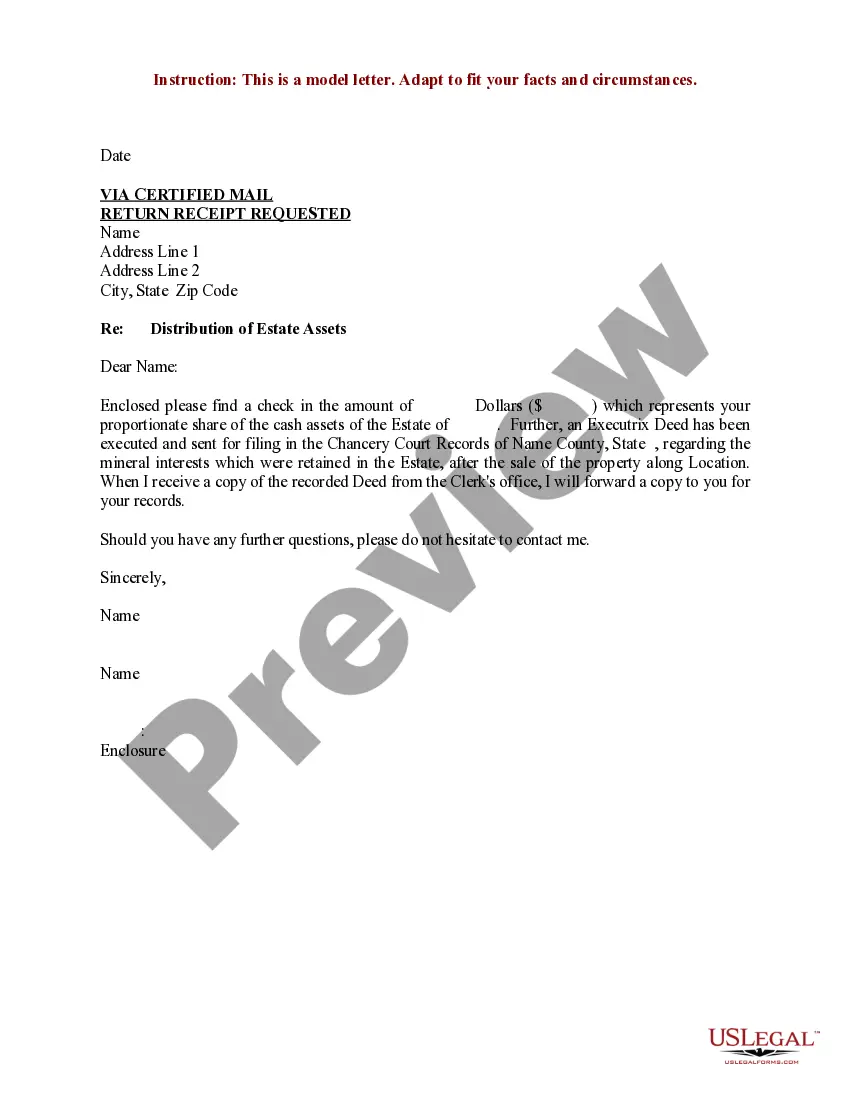
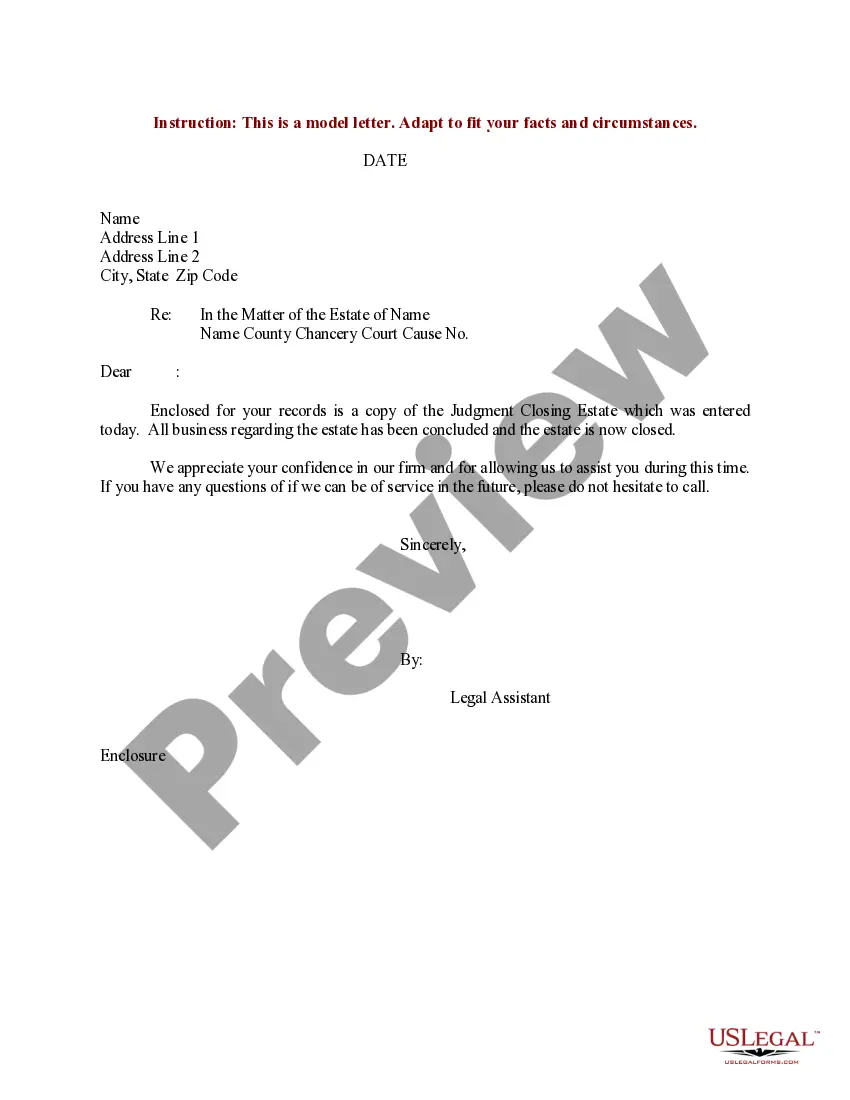
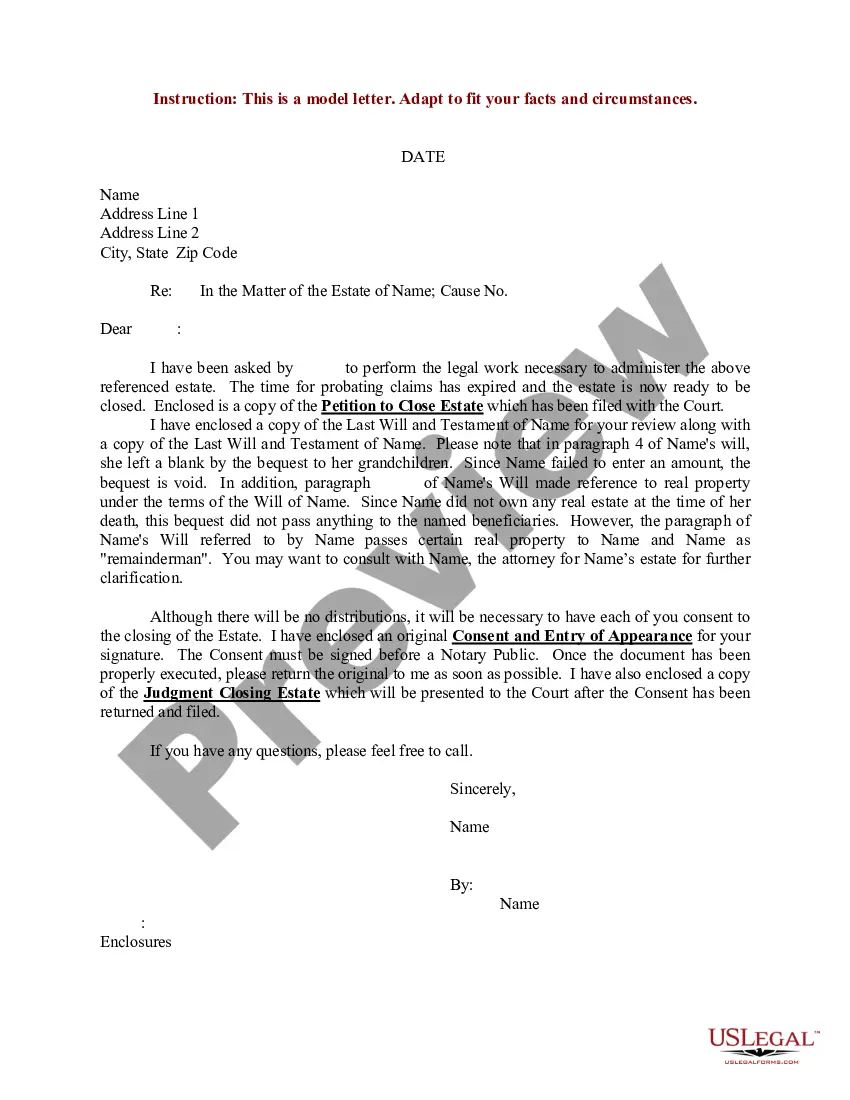
How to fill out Sample Letter For Closing Of Estate With Breakdown Of Assets And Expenses?
It’s evident that you can’t transform into a legal authority instantly, nor can you swiftly learn how to draft Examples Of Administrative Expenses For An Estate without possessing a distinct set of expertise.
Producing legal documents is a labor-intensive endeavor necessitating particular education and abilities.
So why not entrust the creation of the Examples Of Administrative Expenses For An Estate to the specialists.
You can revisit your forms from the My documents section at any time.
If you’re a current client, you can simply Log In, and locate and download the template from the same section.
- Explore the document you require by utilizing the search bar at the top of the page.
- View it (if this feature is available) and peruse the additional description to ascertain if Examples Of Administrative Expenses For An Estate is what you’re looking for.
- Initiate your search again if you seek a different template.
- Register for a complimentary account and select a subscription plan to purchase the form.
- Select Buy now. Once the payment is processed, you can obtain the Examples Of Administrative Expenses For An Estate, complete it, print it, and deliver or mail it to the appropriate parties or organizations.
Form popularity
FAQ
When calculating the gross estate, there are deductions you can take to lower the taxable amount. Three examples of administrative expenses for an estate that qualify as deductions are funeral expenses, debts owed by the decedent, and expenses related to estate administration. These deductions can significantly impact the estate's tax liability.
A legal separation is when a married couple decides to live separately but remains legally married. A divorce, however, is the legal dissolution of marriage ? meaning the court terminates the marriage's legal bond, determines child custody and support, and divides assets and liabilities.
Connecticut doesn't require spouses to separate before divorce. But many spouses do separate, or at least consider it. If separation is something you're thinking about, you need to look into whether moving out of the family home?either before or during divorce?is in your best interest.
Connecticut does not apply a simple 50/50 split. Instead, state law allows the courts to split the property in a matter it deems ?fair.? It is important to note that the term ?property? is broad.
Most states, including Connecticut and New York, utilize the common law property system. Under this system, property acquired by a married person during marriage is the property of that person separately, unless the person agrees with his or her spouse to hold the property jointly.
The process to file legal separation in Connecticut is as follows: File a petition for legal separation with the court. ... Serve the petition to your spouse. ... Attend a hearing with the court. ... The court will issue a decree of legal separation if it finds that you have met the grounds for legal separation.
The process for divorce and separation are nearly identical, both beginning when one spouse files a motion (request) with the court. The couple will work together to negotiate the terms, and if either spouse objects to a specific condition, the court will evaluate the case and settle the dispute.
In Connecticut, all property owned by either spouse, including property acquired prior to marriage, is considered within the jurisdiction of the family court to divide and distribute in a manner the court deems fair, although the division is not necessarily equal.
Yes ? you could date. The question is whether you should date.