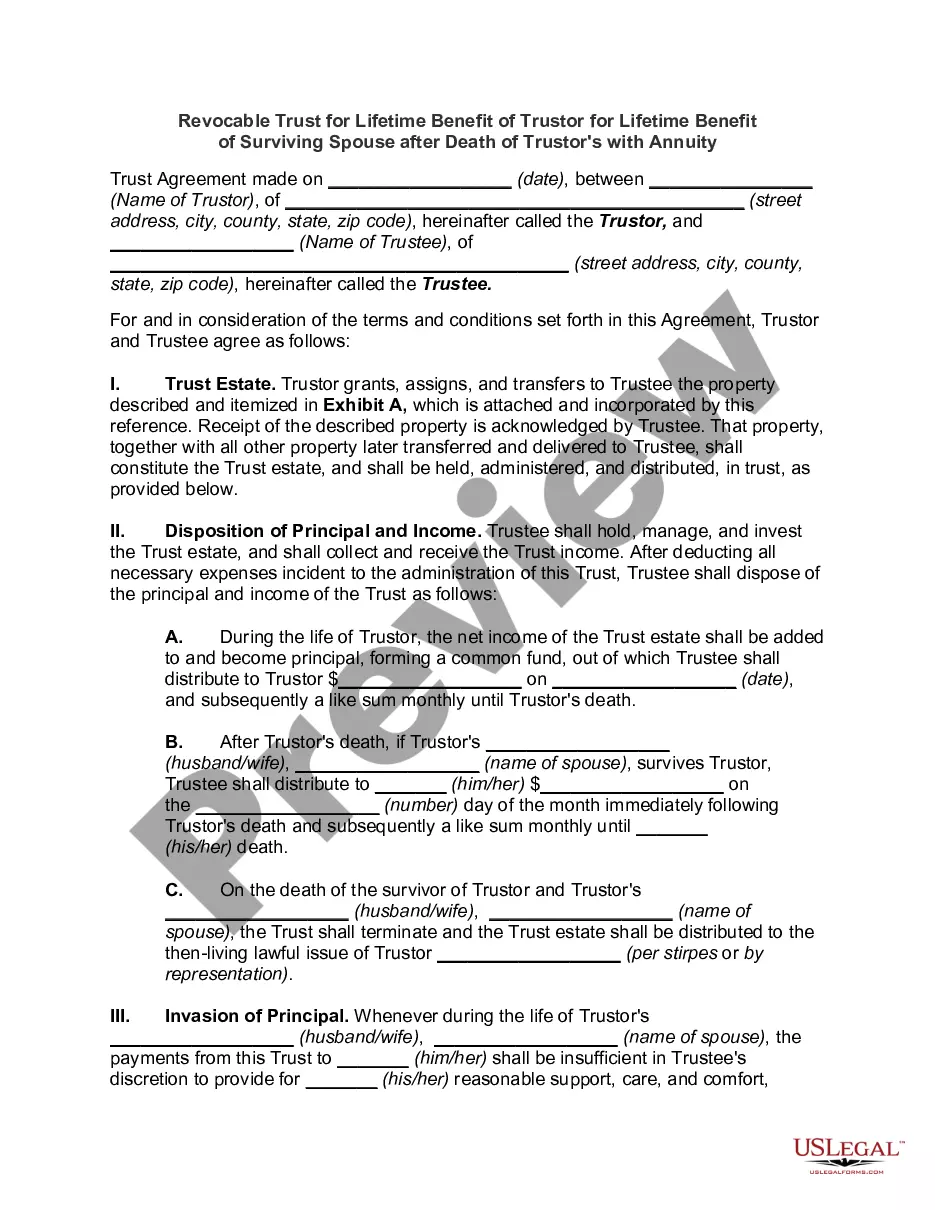
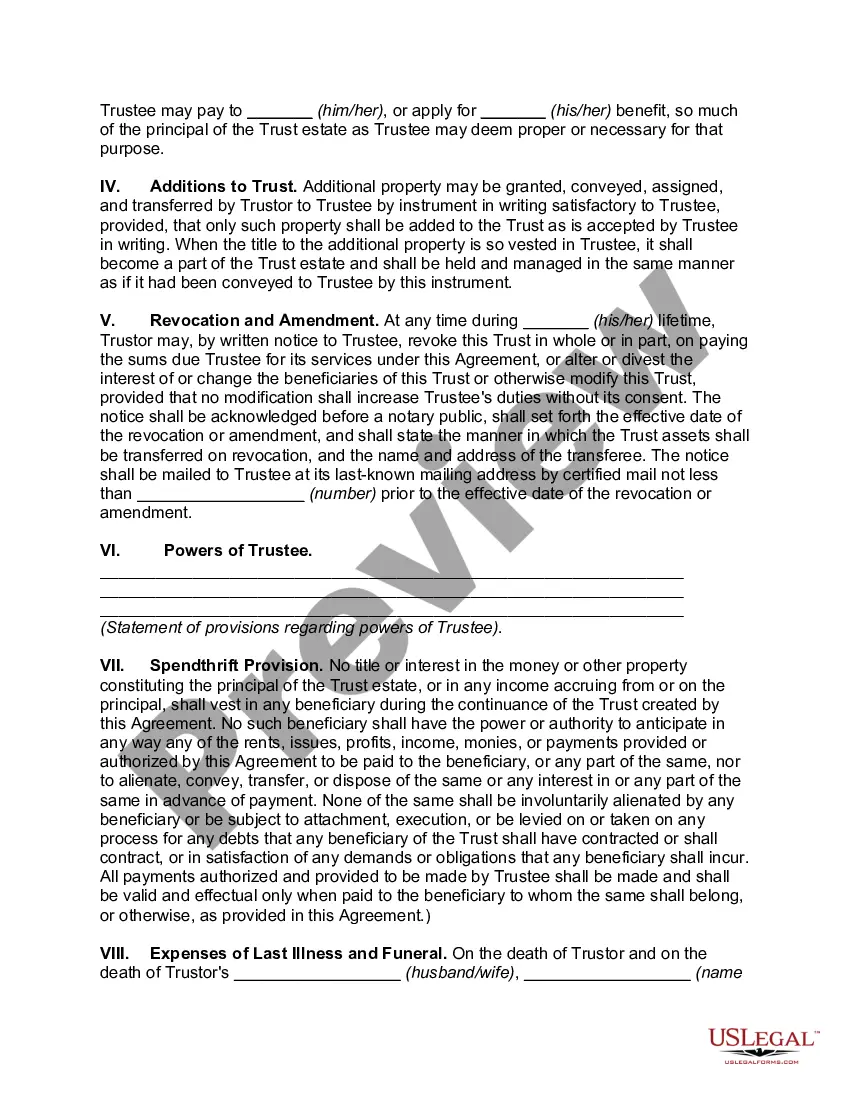
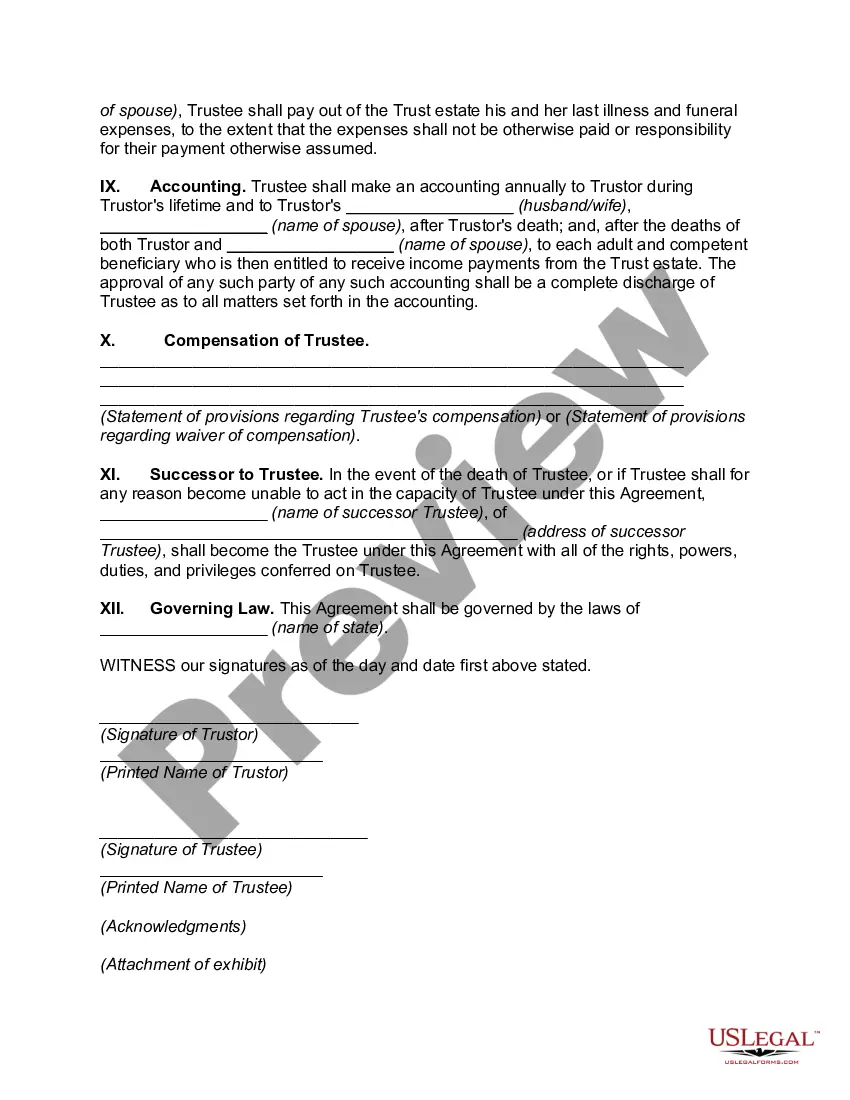
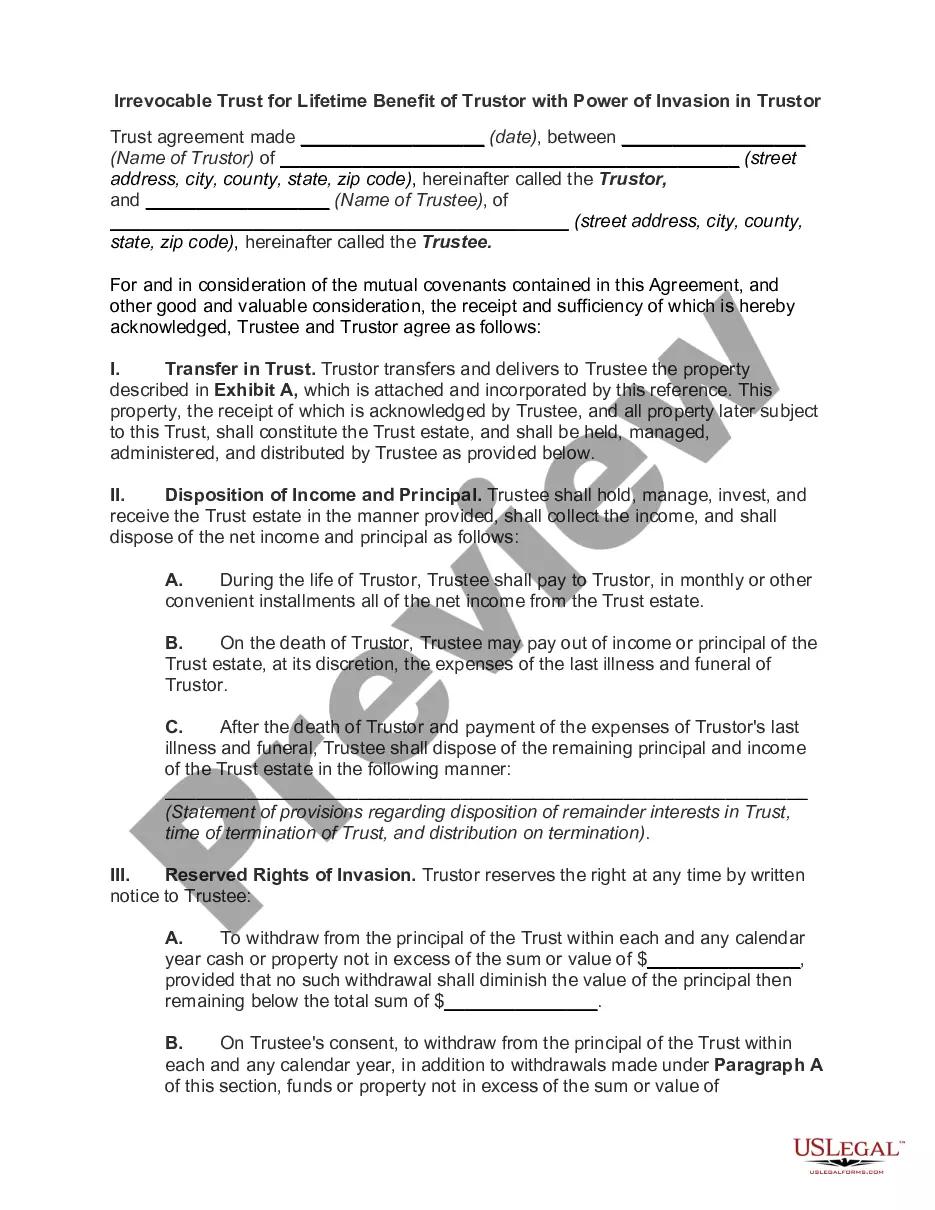
Trust After Death For Funeral
Description
Get your form ready online
Our built-in tools help you complete, sign, share, and store your documents in one place.
Make edits, fill in missing information, and update formatting in US Legal Forms—just like you would in MS Word.
Download a copy, print it, send it by email, or mail it via USPS—whatever works best for your next step.
Sign and collect signatures with our SignNow integration. Send to multiple recipients, set reminders, and more. Go Premium to unlock E-Sign.
If this form requires notarization, complete it online through a secure video call—no need to meet a notary in person or wait for an appointment.
We protect your documents and personal data by following strict security and privacy standards.

Make edits, fill in missing information, and update formatting in US Legal Forms—just like you would in MS Word.

Download a copy, print it, send it by email, or mail it via USPS—whatever works best for your next step.

Sign and collect signatures with our SignNow integration. Send to multiple recipients, set reminders, and more. Go Premium to unlock E-Sign.

If this form requires notarization, complete it online through a secure video call—no need to meet a notary in person or wait for an appointment.

We protect your documents and personal data by following strict security and privacy standards.
Looking for another form?








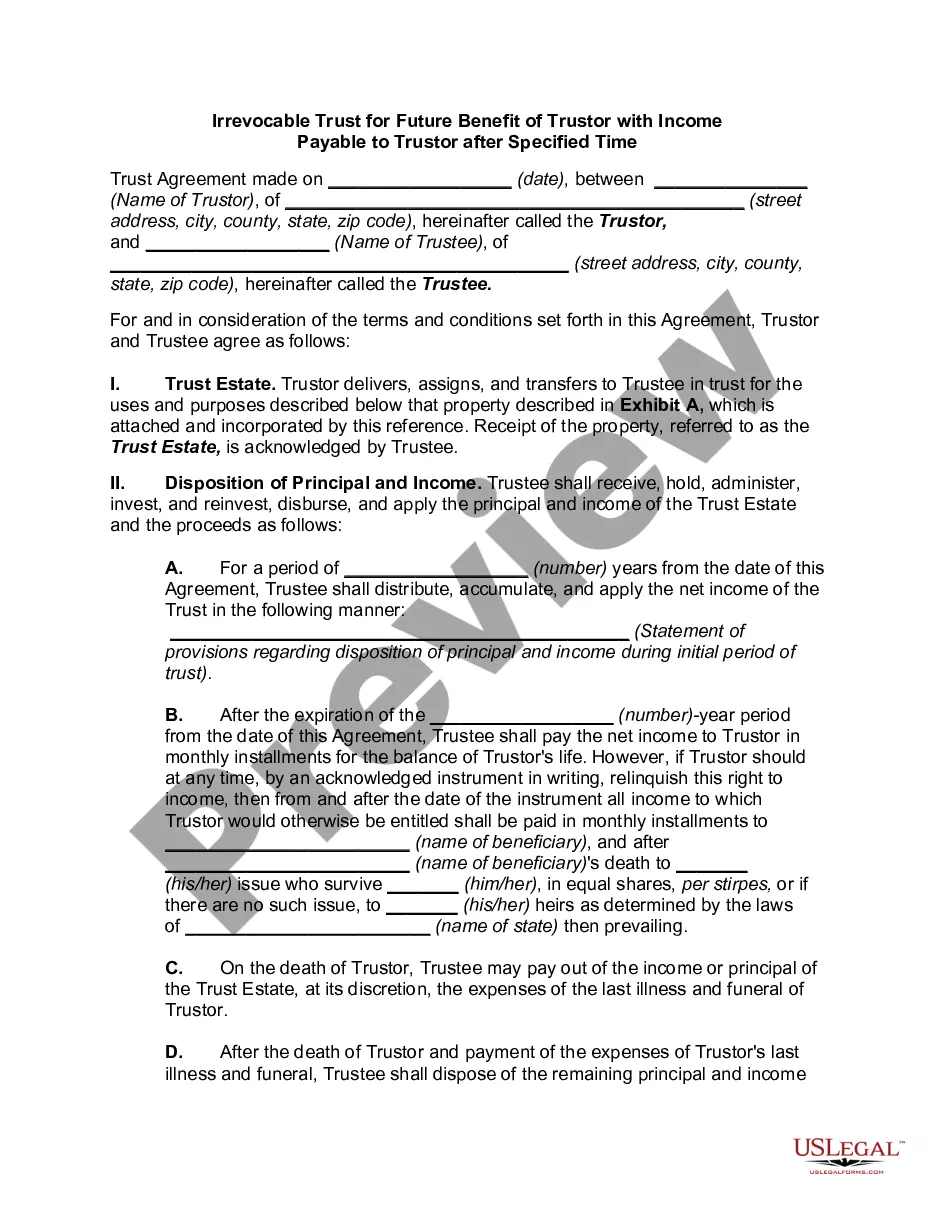
How to fill out Revocable Trust For Lifetime Benefit Of Trustor For Lifetime Benefit Of Surviving Spouse After Death Of Trustor's With Annuity?
Managing legal documents can be challenging, even for experienced experts.
When you're looking for a Trust After Death For Funeral and don't have the opportunity to thoroughly search for the suitable and latest version, the tasks can be overwhelming.
US Legal Forms meets all of your requirements, whether they are for personal or business documents, all in one convenient location.
Take advantage of sophisticated tools to create and manage your Trust After Death For Funeral.
Here are the steps to follow after obtaining the desired form: Check to ensure it’s the correct document by previewing it and reviewing its information.
- Access a valuable library of articles, guides, and tools related to your needs and circumstances.
- Save time and energy in finding the documents you require, using US Legal Forms' advanced search and Review feature to locate the Trust After Death For Funeral you need.
- If you're a member, Log In to your US Legal Forms account, search for the desired form, and download it.
- Check your My documents tab to review the documents you've previously acquired and organize your folders as necessary.
- If this is your initial experience with US Legal Forms, create a free account for unrestricted access to all platform benefits.
- Utilize a comprehensive online form collection that can significantly improve how individuals deal with these matters.
- US Legal Forms stands as a leader in the realm of online legal documents, offering over 85,000 state-specific legal forms accessible at any time.
- With US Legal Forms, you can gain access to forms specific to your state or county.
Form popularity
FAQ
Typically, a trust cannot be created after a person's death, as trusts require the grantor's living intention to establish terms for asset distribution. However, a will may direct the creation of a trust upon a person's passing, allowing specific arrangements to be made for funeral expenses or other needs. This approach ensures that your intentions are clear and respected. Services like UsLegalForms can assist in drafting a will that effectively addresses these arrangements.
In addition to financial ease, a funeral trust may also reduce emotional stress on your loved ones by pre-planning many specific details. For instance, the style of burial or cremation, funeral attire, viewing hours and more can all be pre-determined when the funeral trust is created.
A testamentary trust is a trust that is to contain a portion or all of a decedent's assets outlined within a person's last will and testament. A testamentary trust is not established until after the person passes away in which the executor or executrix settles the estate as outlined in the will.
A QFT is generally an arrangement that would otherwise be treated as a grantor trust, under which an individual purchases funeral services or necessary property for himself or herself, or for another individual, from a funeral home prior to death and funds the purchase via contributions.
Once the grantor passes on, the revocable trust will become an irrevocable trust, and it will need its own EIN. Some trust funds are going to be taxed under their own EIN, while other trusts are going to be taxed to the beneficiary instead. This depends on the way that the trust has been formed.
Once the grantor passes away, the trust needs its own tax number, as the grantor's Social Security number is no longer sufficient. Therefore, while a revocable trust does not initially need an EIN, it's an excellent idea to apply for one just as you would for an irrevocable trust to avoid difficulties managing it.