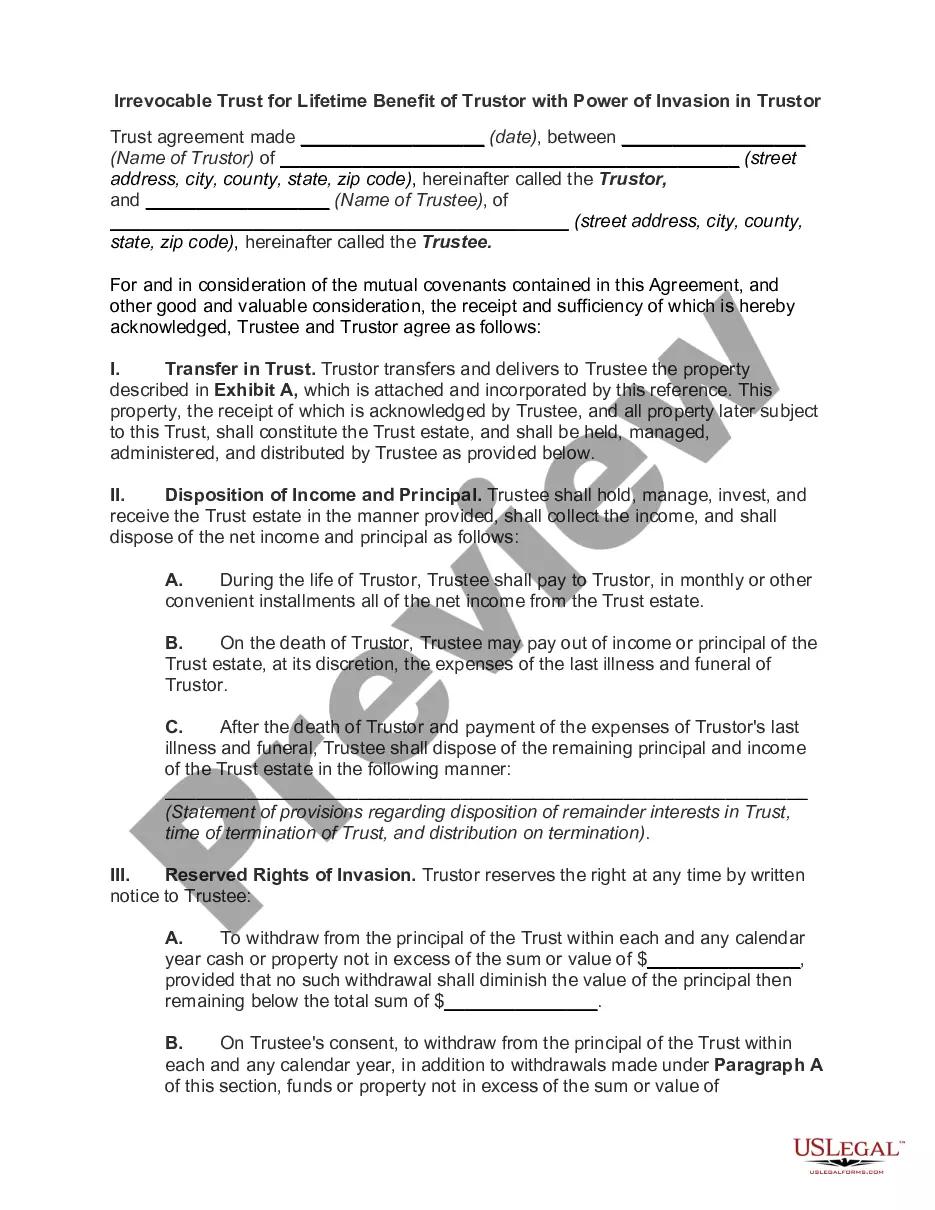
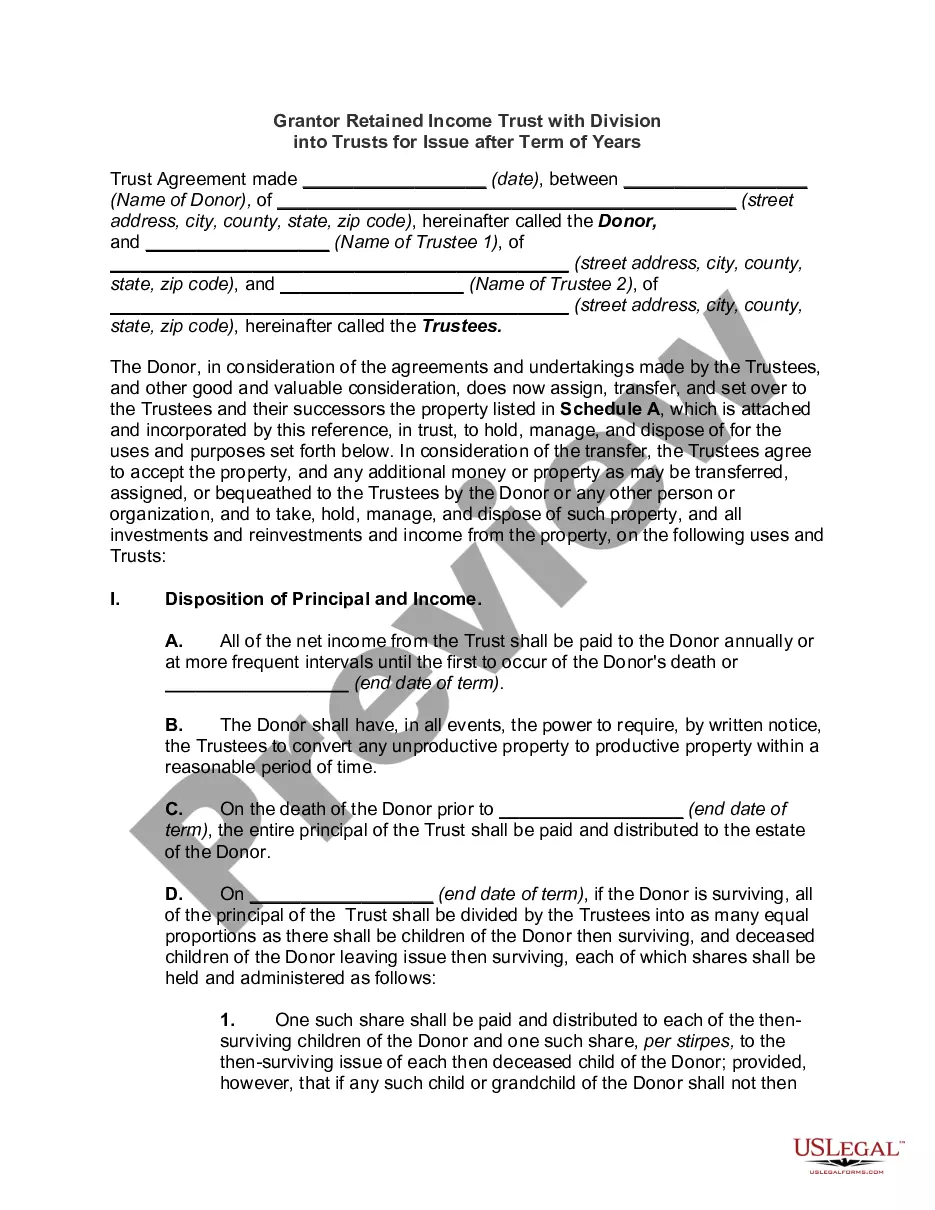
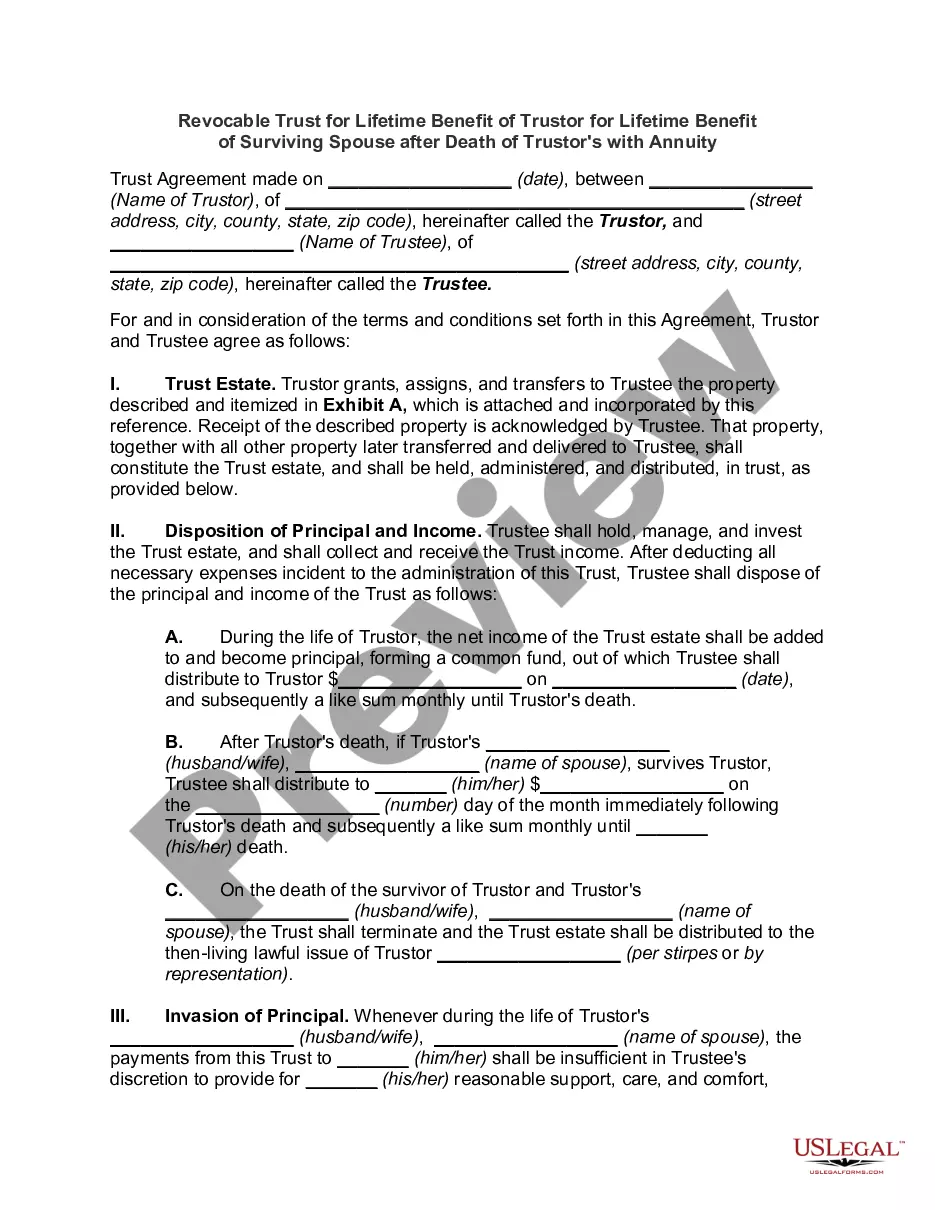
Trustor With With A Title
Description
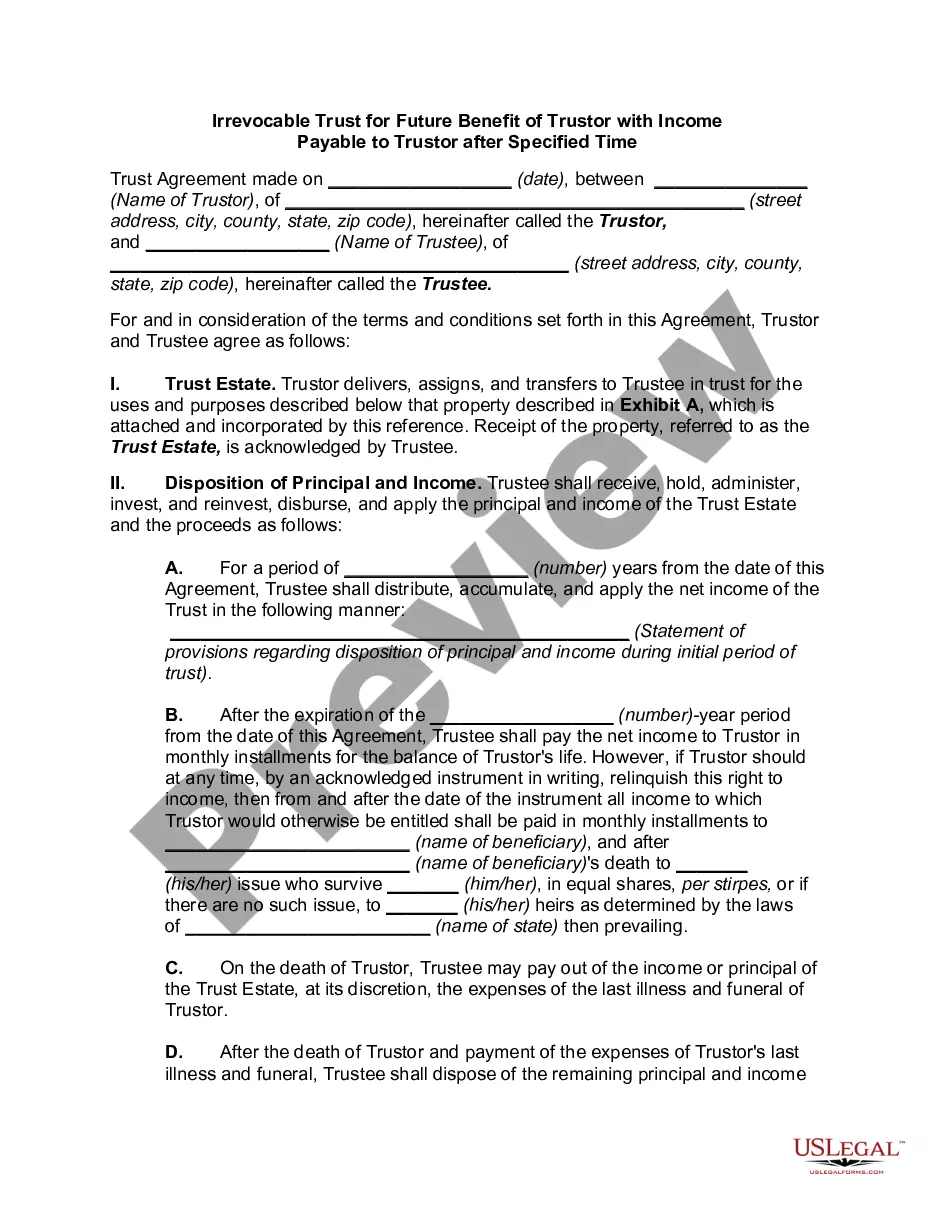
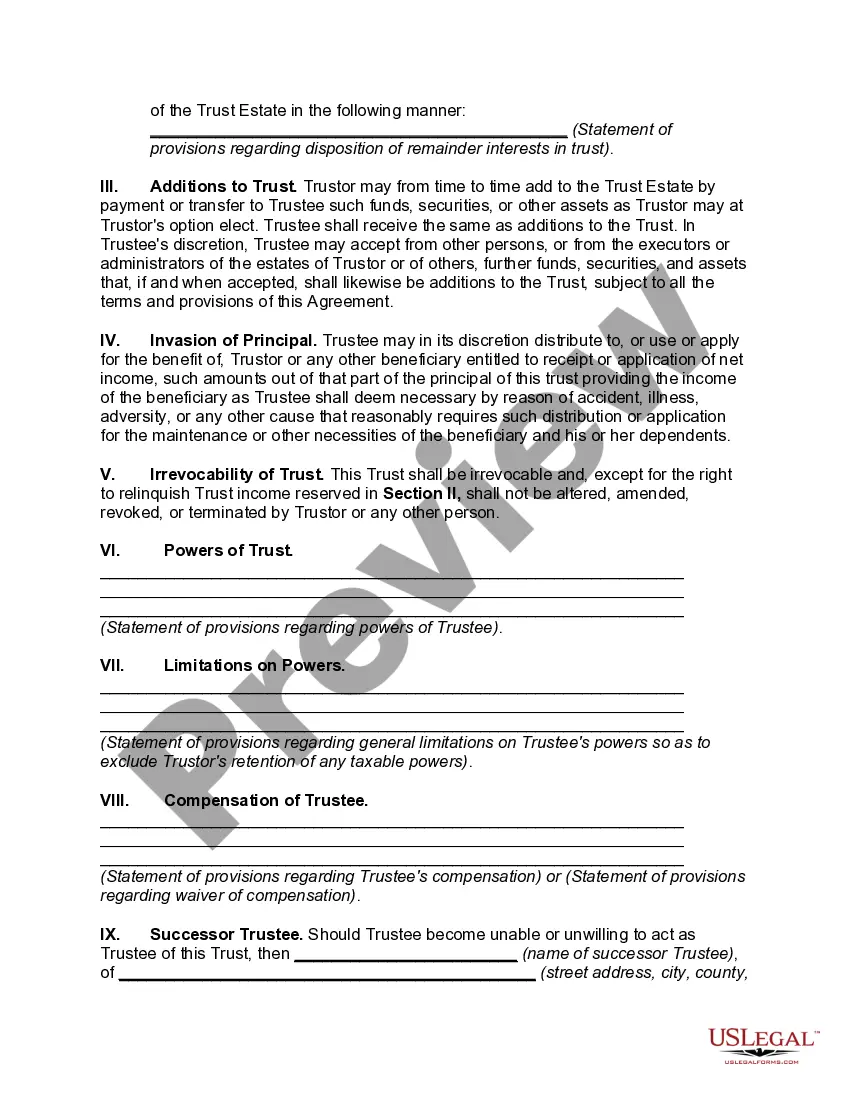
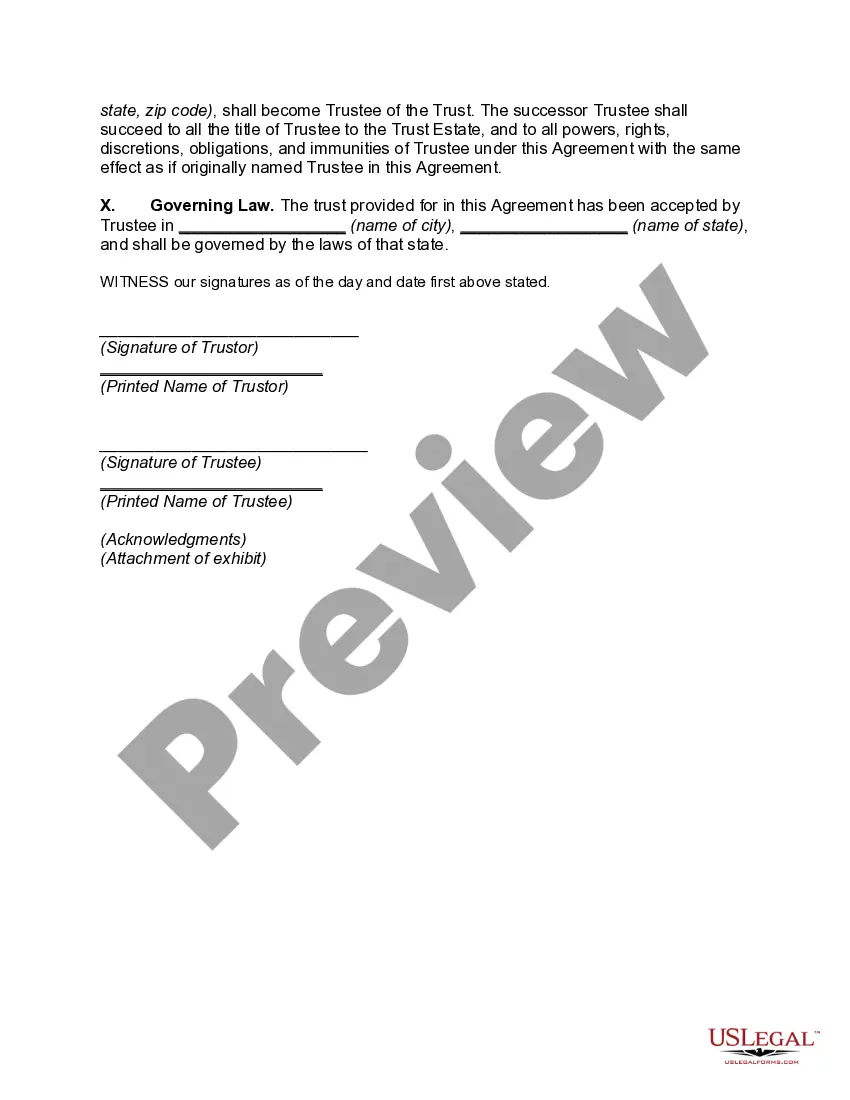
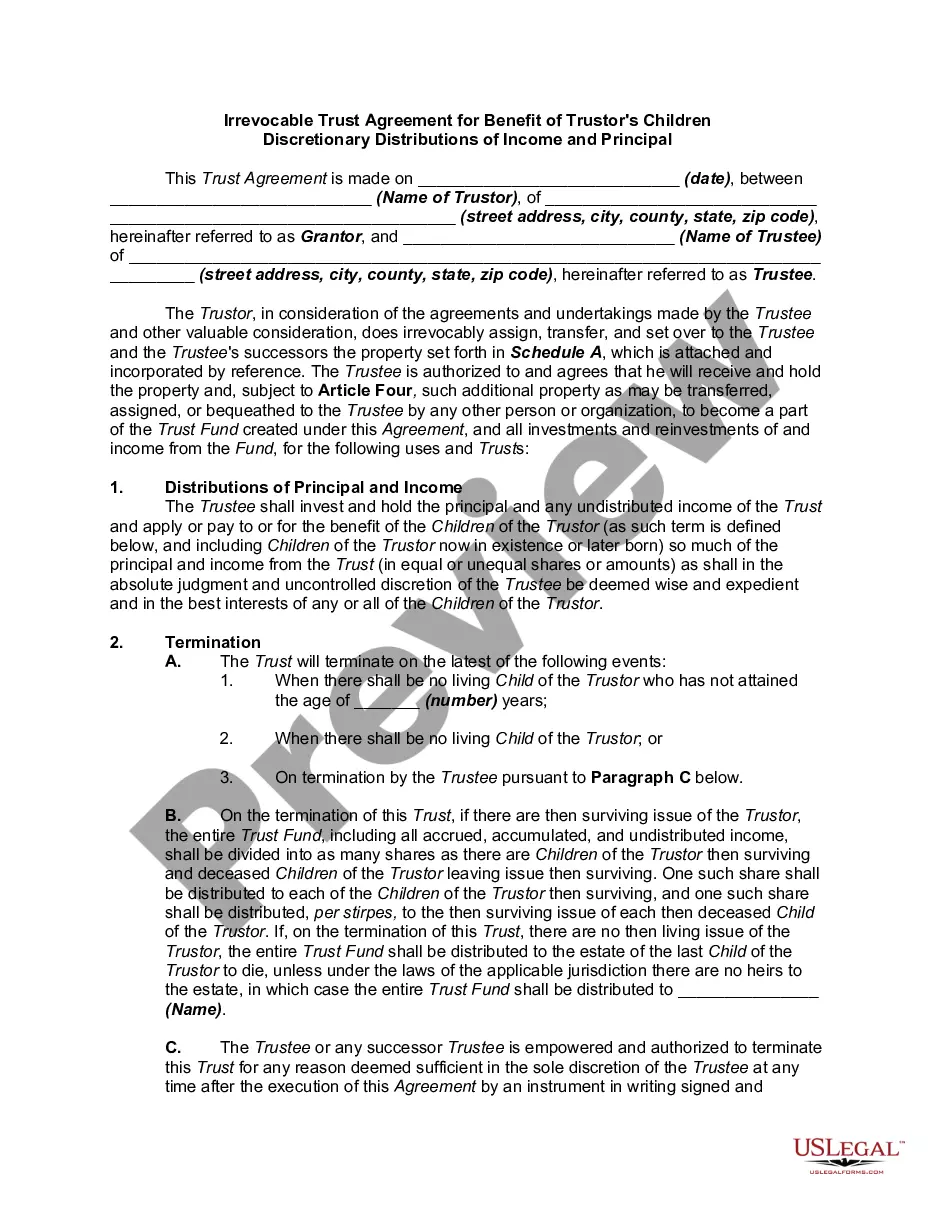
Get your form ready online
Our built-in tools help you complete, sign, share, and store your documents in one place.
Make edits, fill in missing information, and update formatting in US Legal Forms—just like you would in MS Word.
Download a copy, print it, send it by email, or mail it via USPS—whatever works best for your next step.
Sign and collect signatures with our SignNow integration. Send to multiple recipients, set reminders, and more. Go Premium to unlock E-Sign.
If this form requires notarization, complete it online through a secure video call—no need to meet a notary in person or wait for an appointment.
We protect your documents and personal data by following strict security and privacy standards.

Make edits, fill in missing information, and update formatting in US Legal Forms—just like you would in MS Word.

Download a copy, print it, send it by email, or mail it via USPS—whatever works best for your next step.

Sign and collect signatures with our SignNow integration. Send to multiple recipients, set reminders, and more. Go Premium to unlock E-Sign.

If this form requires notarization, complete it online through a secure video call—no need to meet a notary in person or wait for an appointment.

We protect your documents and personal data by following strict security and privacy standards.
Looking for another form?







How to fill out Irrevocable Trust For Future Benefit Of Trustor With Income Payable To Trustor After Specified Time?
- If you're a returning user, start by logging into your account and check your subscription status. Ensure it's active to download forms easily.
- For new users, begin by exploring the Preview mode to verify the form's description aligns with your legal needs and local jurisdiction.
- If you notice any discrepancies, use the Search tab to locate alternate templates that match your requirements.
- Proceed to purchase the document by clicking on the Buy Now button, selecting your preferred subscription plan.
- Complete your purchase by entering your credit card information or utilizing your PayPal account.
- Finally, download the template to your device. You can also access it later in the My Forms section of your profile.
By leveraging US Legal Forms, you enhance your ability to efficiently generate legal documents tailored to your needs. The platform not only provides a vast array of templates but also connects you with experts for guidance.
Start transforming your legal document preparation today by utilizing US Legal Forms, where efficiency meets reliability!
Form popularity
FAQ
The trustor plays a pivotal role in setting the foundation of a trust. They decide what assets to place in the trust, establish the terms, and name beneficiaries. Additionally, the trustor has the power to amend or revoke the trust as needed, ensuring that the trust continues to align with their goals and family needs.
One of the biggest mistakes parents make when setting up a trust fund is failing to clearly communicate with their beneficiaries. Without proper guidance, children may not understand the purpose of the trust or how to manage the assets responsibly. To avoid this, ensure that you involve a legal expert to help structure the trust properly and facilitate conversations that can lead to better understanding.
Although the terms may seem similar, a trustor and a trustee serve different functions in the trust relationship. The trustor creates the trust and decides on its terms, while the trustee oversees the administration of the trust's assets. Being clear about these roles is essential for successful trust management and effective estate planning.
No, a trustor is not the same as a trustee. The trustor, often referred to as the grantor or settlor, is the person who establishes the trust and places assets into it. In contrast, the trustee is an individual or organization responsible for managing the trust according to the trustor's instructions. Understanding the distinctions can help you navigate your estate planning more effectively.
Yes, the trustee legally holds the title to the assets placed in the trust on behalf of the trustor. This means the trustee manages the assets according to the terms laid out in the trust agreement. The trustor retains certain rights, but the trustee is responsible for making decisions regarding the asset management and distributions. Understanding this relationship is vital for any trustor.
A trustor typically utilizes a specific type of deed known as a 'trust deed' or 'deed of trust.' This legal document outlines the transfer of property into the trust, establishing the trustor's intent and the terms of the trust. It's important for a trustor to ensure that this deed is prepared correctly to avoid complications in the future. Legal platforms like USLegalForms can assist in drafting these documents properly.
Family trusts can provide benefits, but they also come with certain drawbacks for the trustor. One disadvantage is the complexity of managing the trust, which may require ongoing legal and financial oversight. Additionally, disputes among family members regarding trust management or distributions can arise, potentially leading to conflict. It is crucial to address these potential issues upfront.
Deciding whether to create a trust is a significant choice for your parents as trustors. It could help manage their assets during their lifetime and outline how to distribute them after passing. However, they should also consider the associated costs and potential impact on their financial situation. Engaging with legal experts can offer clarity on whether a trust would serve their best interests.
While trusts offer many advantages, there are disadvantages that a trustor should understand. One major downside is that transferring assets into a trust may trigger tax implications or affect eligibility for certain financial aid programs. Moreover, the trustor might find that once assets are placed in the trust, accessing them becomes more complicated. Careful planning can help mitigate these issues.
A trustor must consider the potential downsides of establishing a trust. Maintaining a trust can lead to ongoing administrative costs, including legal fees and taxes. Additionally, trustors may experience a loss of control over their assets, as the trust becomes the legal owner. It’s essential to weigh these factors against the benefits to determine if a trust meets your needs.