Grantor Retained Annuity Trust Irs
Description
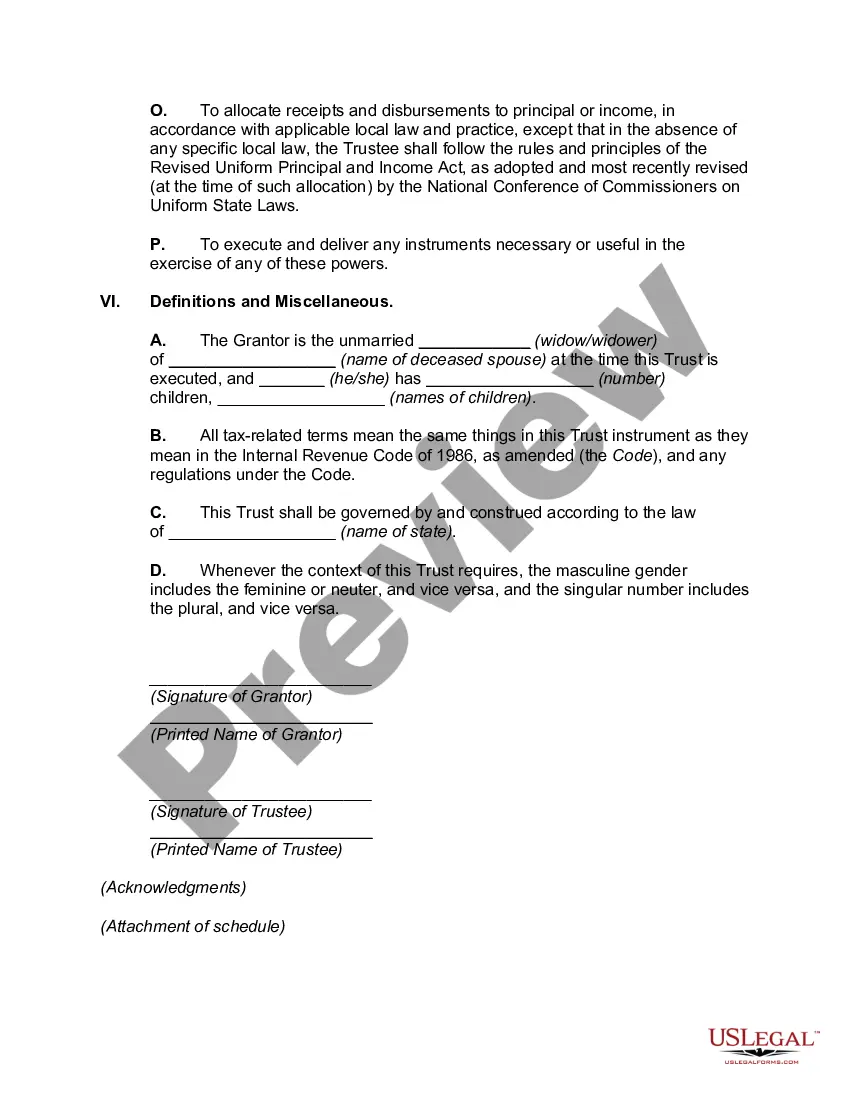
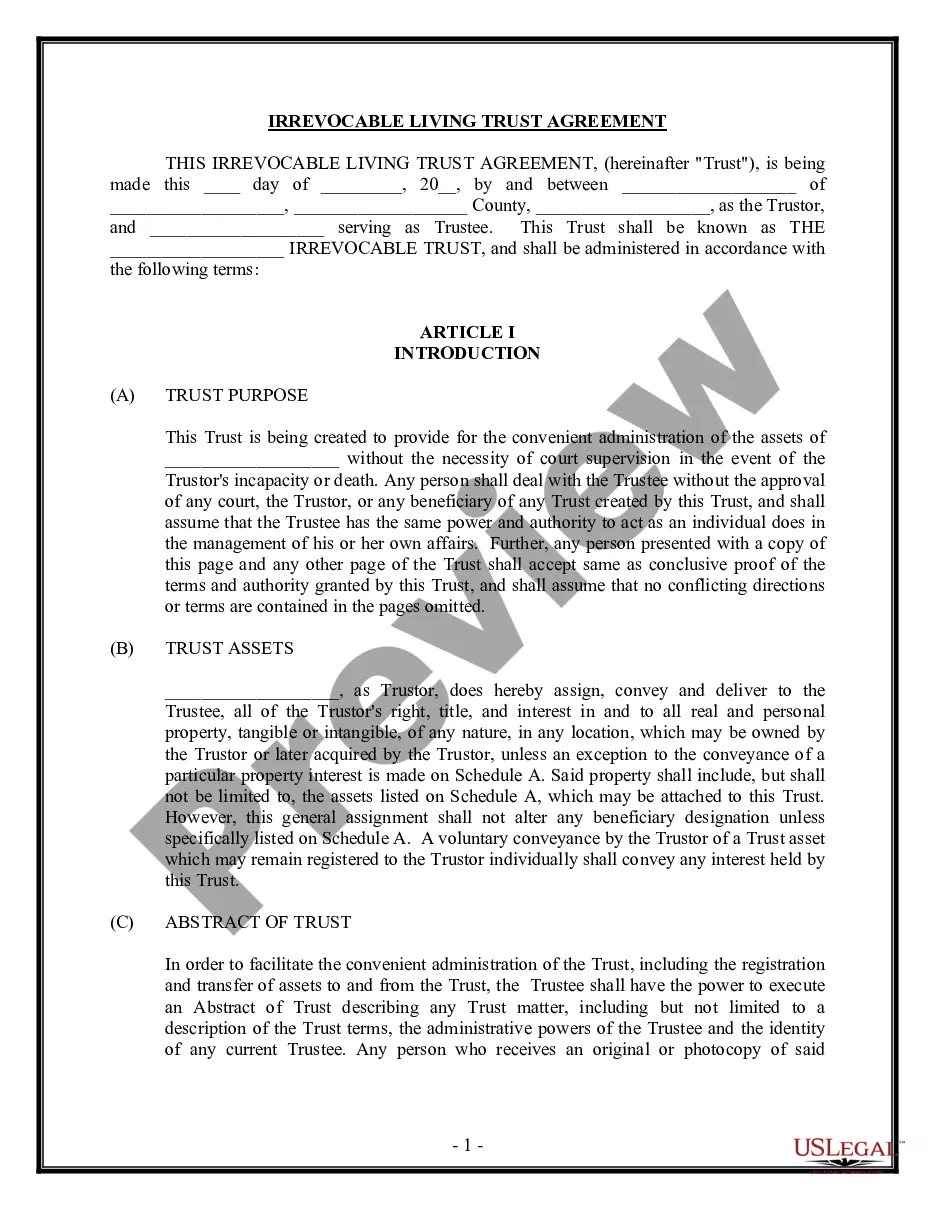
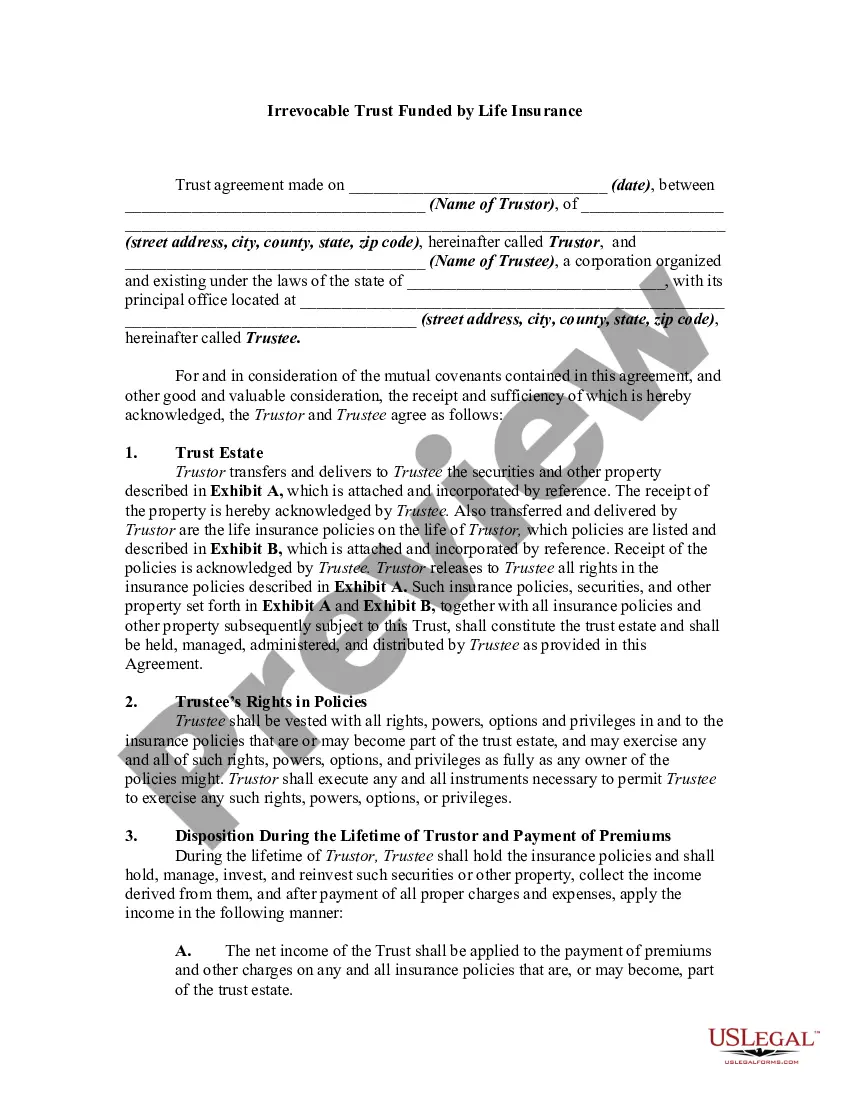
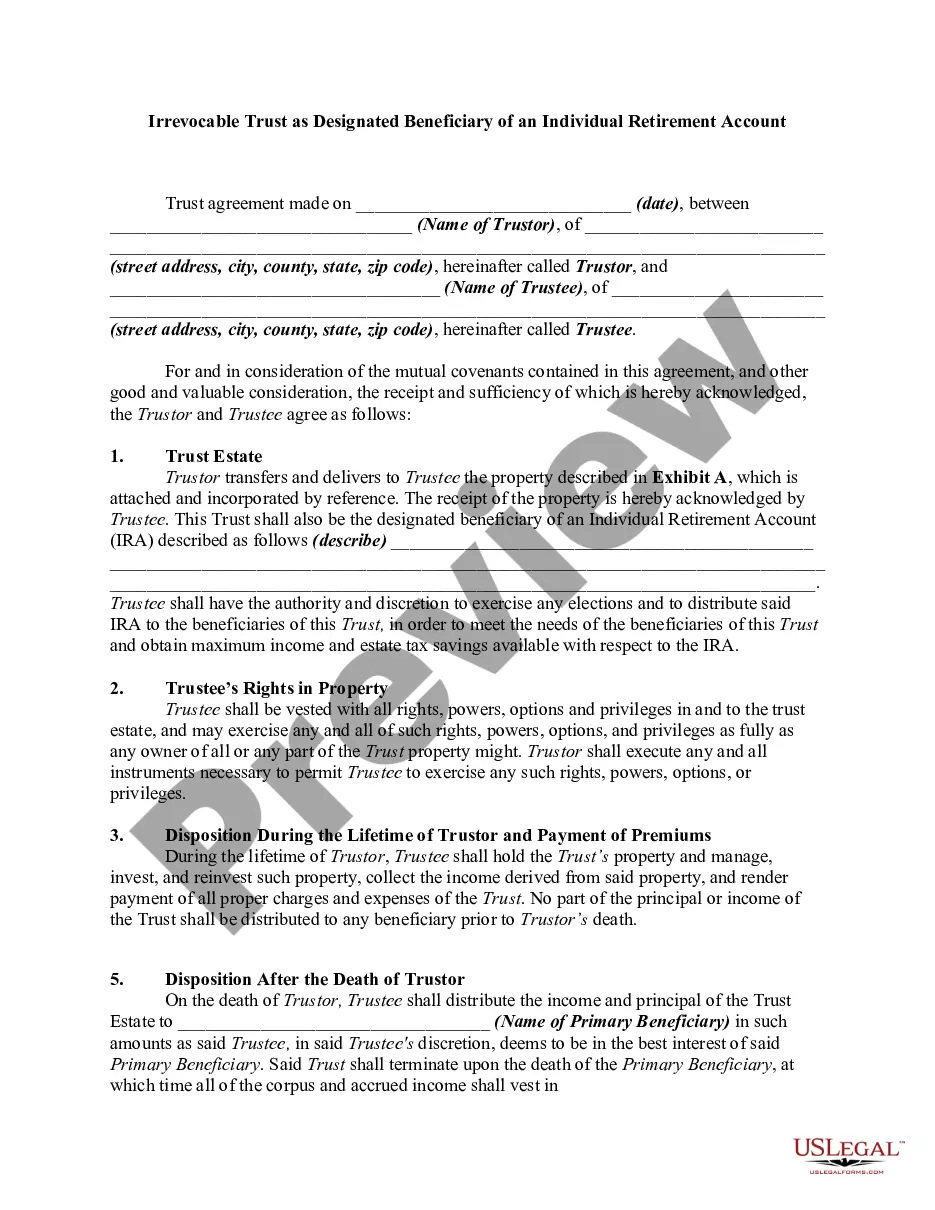
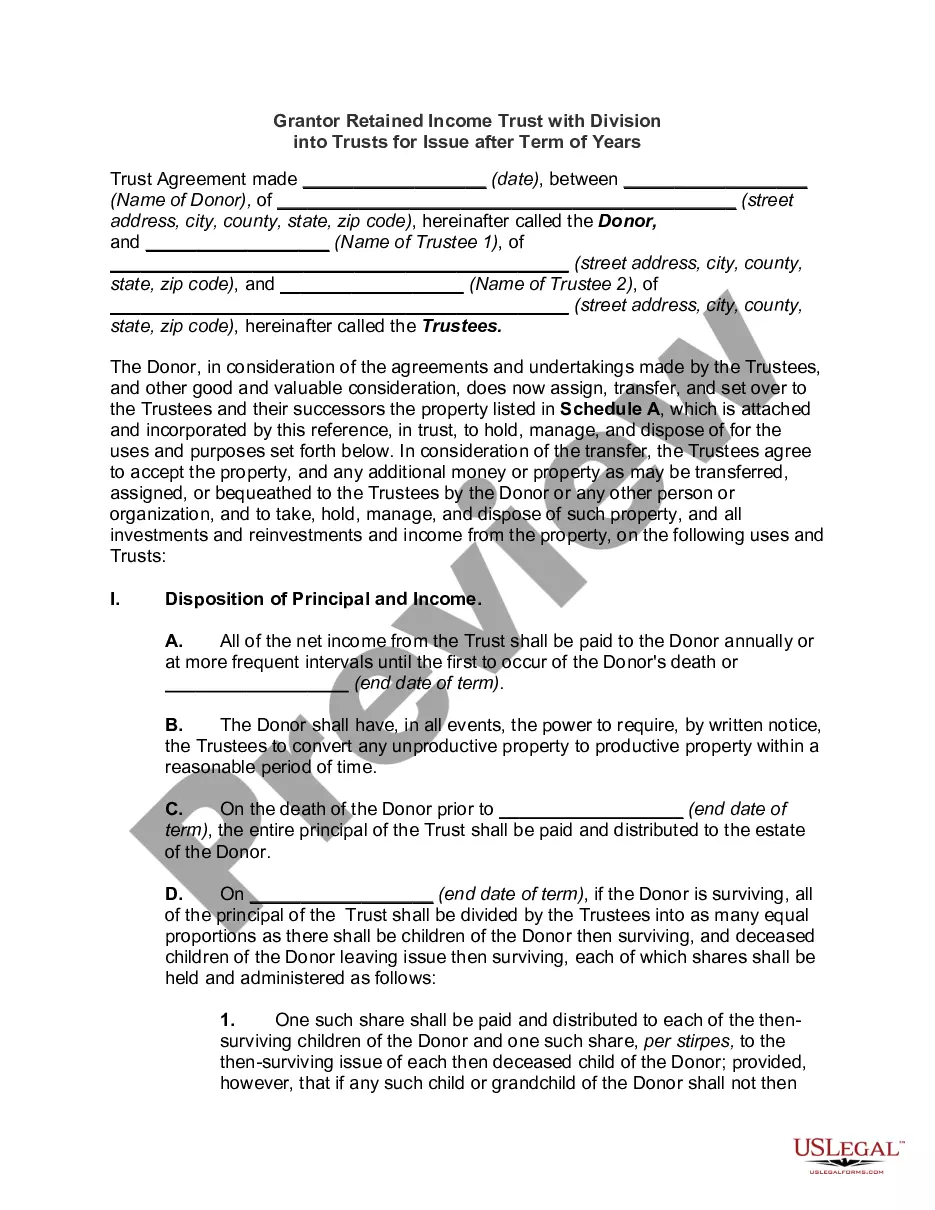
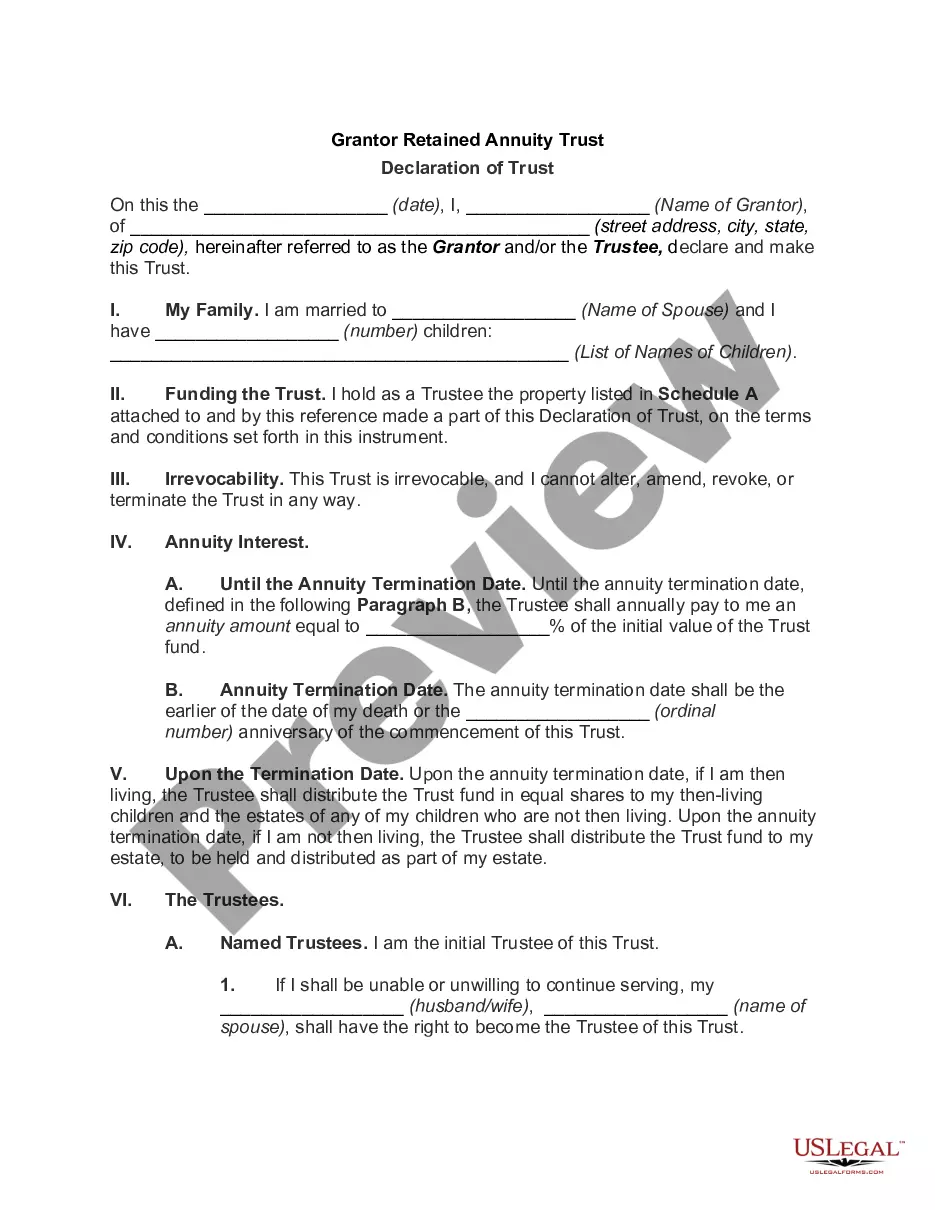
Get your form ready online
Our built-in tools help you complete, sign, share, and store your documents in one place.
Make edits, fill in missing information, and update formatting in US Legal Forms—just like you would in MS Word.
Download a copy, print it, send it by email, or mail it via USPS—whatever works best for your next step.
Sign and collect signatures with our SignNow integration. Send to multiple recipients, set reminders, and more. Go Premium to unlock E-Sign.
If this form requires notarization, complete it online through a secure video call—no need to meet a notary in person or wait for an appointment.
We protect your documents and personal data by following strict security and privacy standards.

Make edits, fill in missing information, and update formatting in US Legal Forms—just like you would in MS Word.

Download a copy, print it, send it by email, or mail it via USPS—whatever works best for your next step.

Sign and collect signatures with our SignNow integration. Send to multiple recipients, set reminders, and more. Go Premium to unlock E-Sign.

If this form requires notarization, complete it online through a secure video call—no need to meet a notary in person or wait for an appointment.

We protect your documents and personal data by following strict security and privacy standards.
Looking for another form?


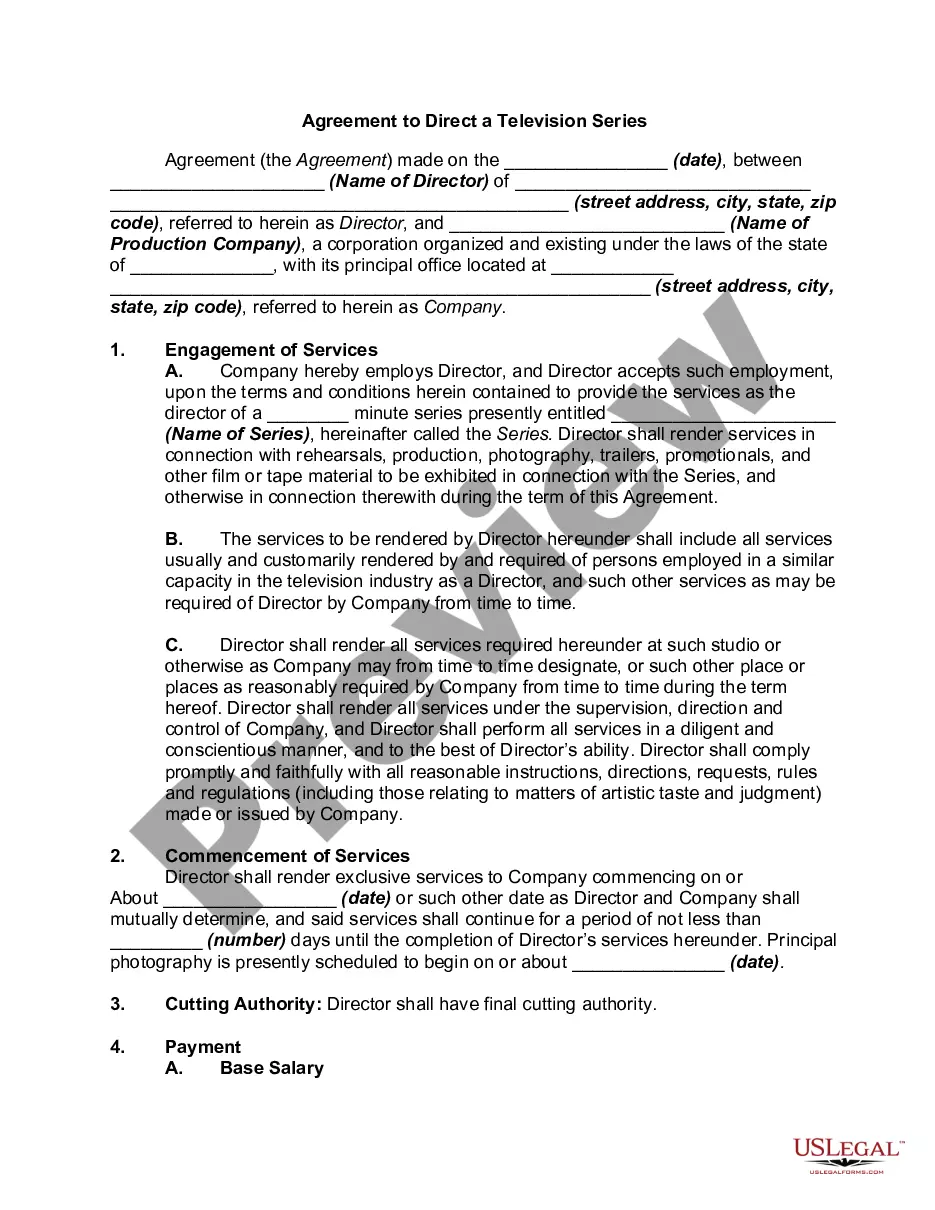





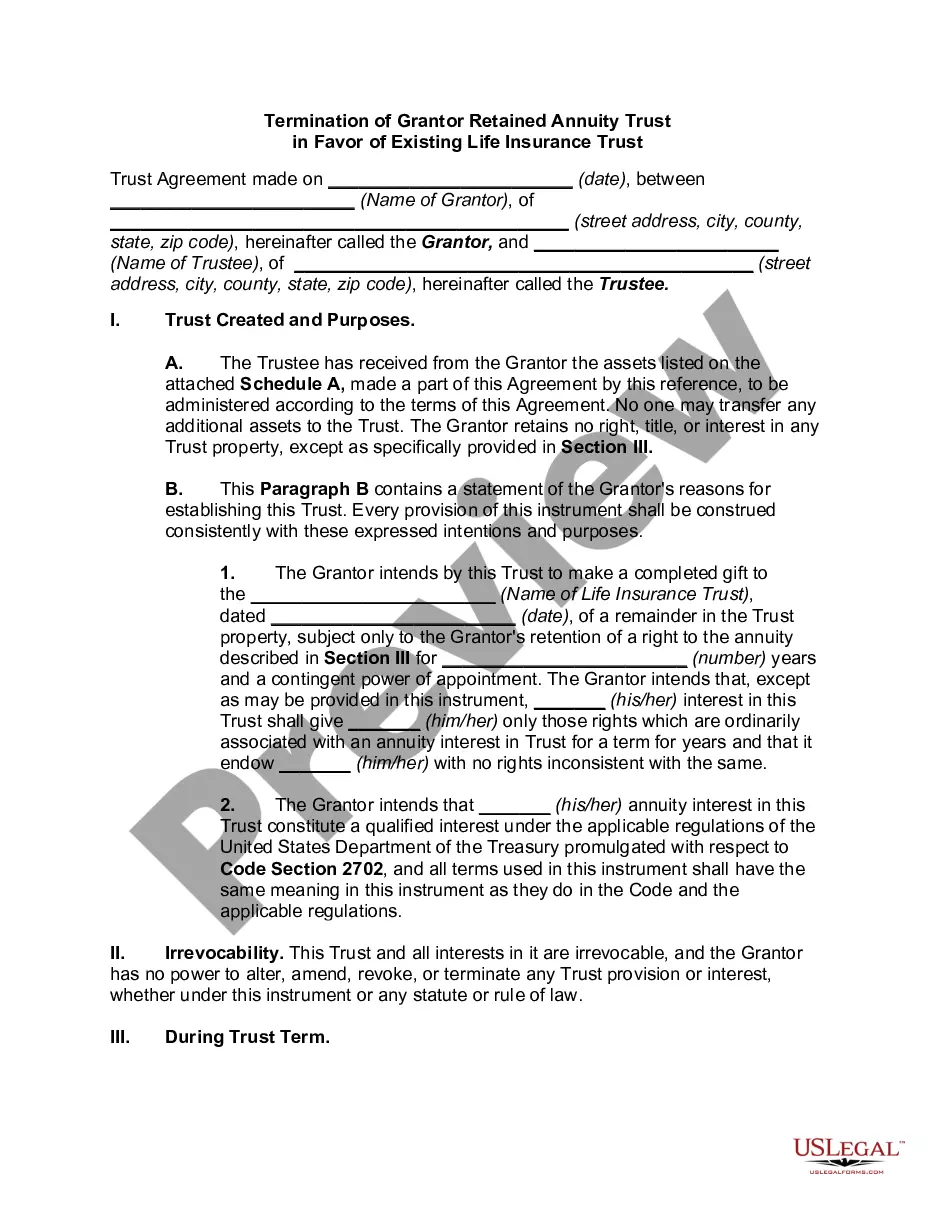
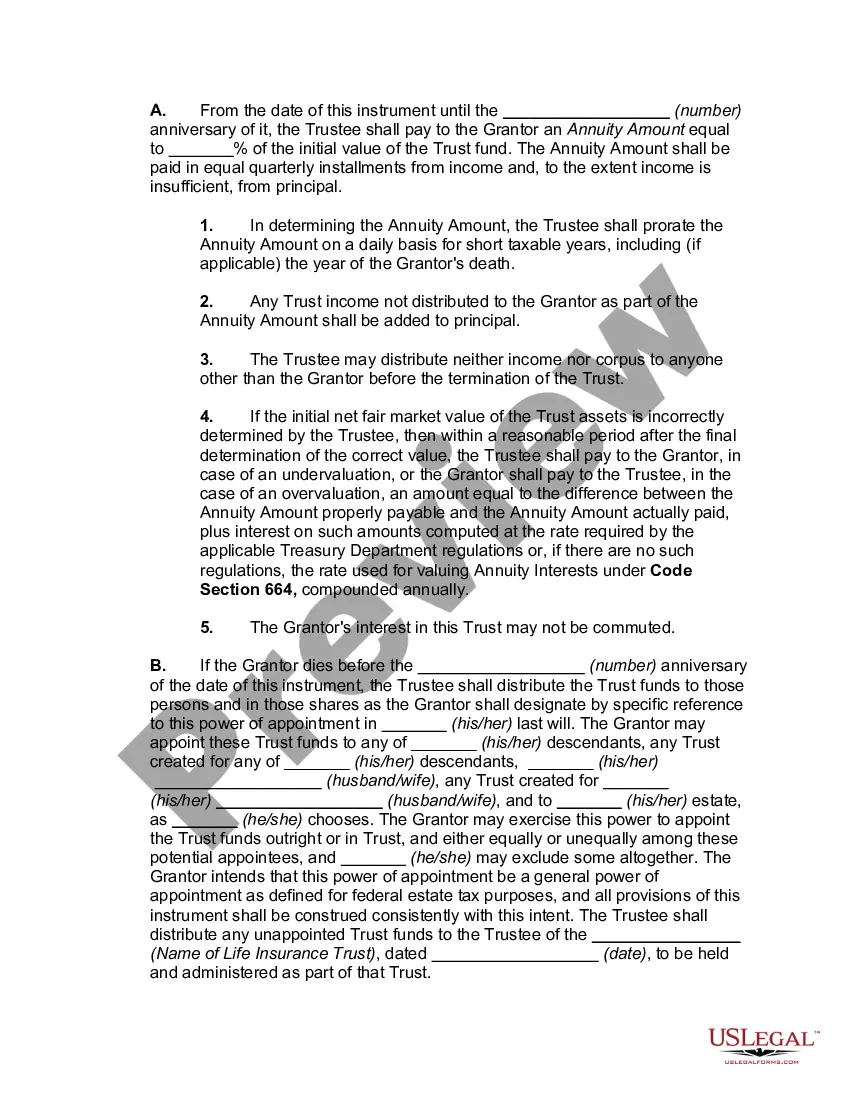
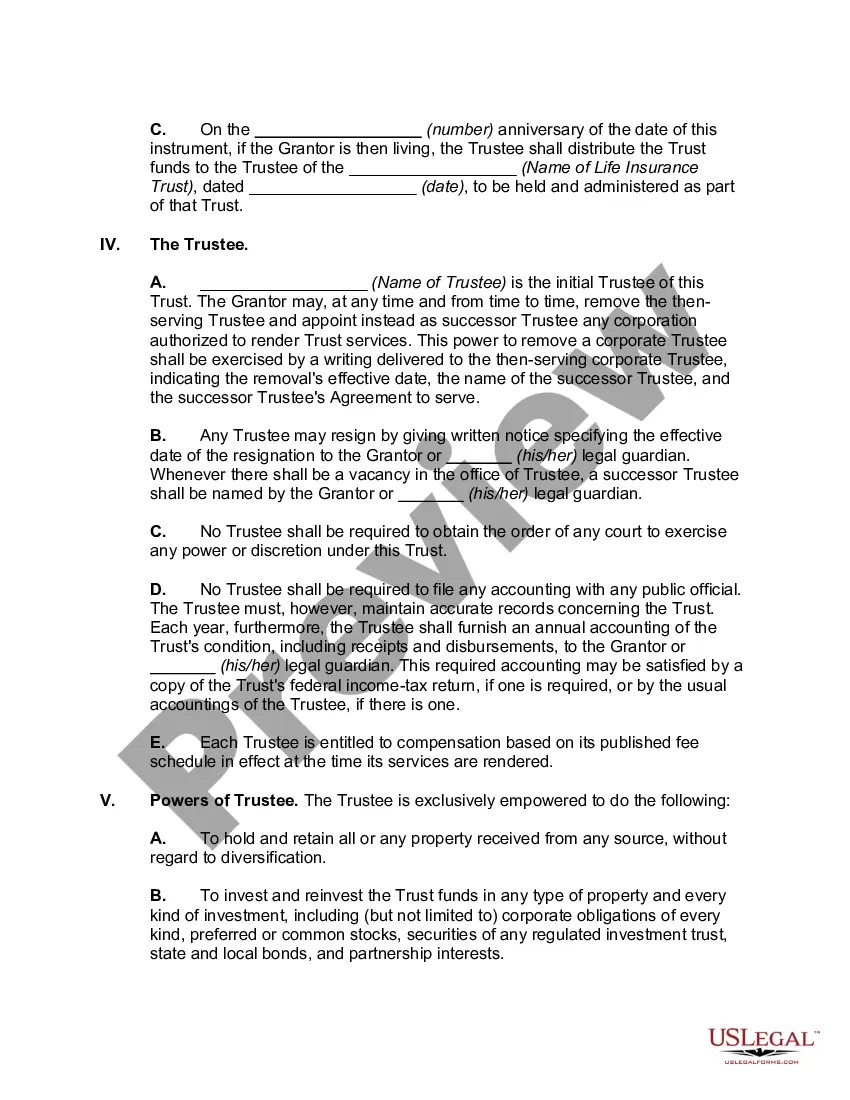
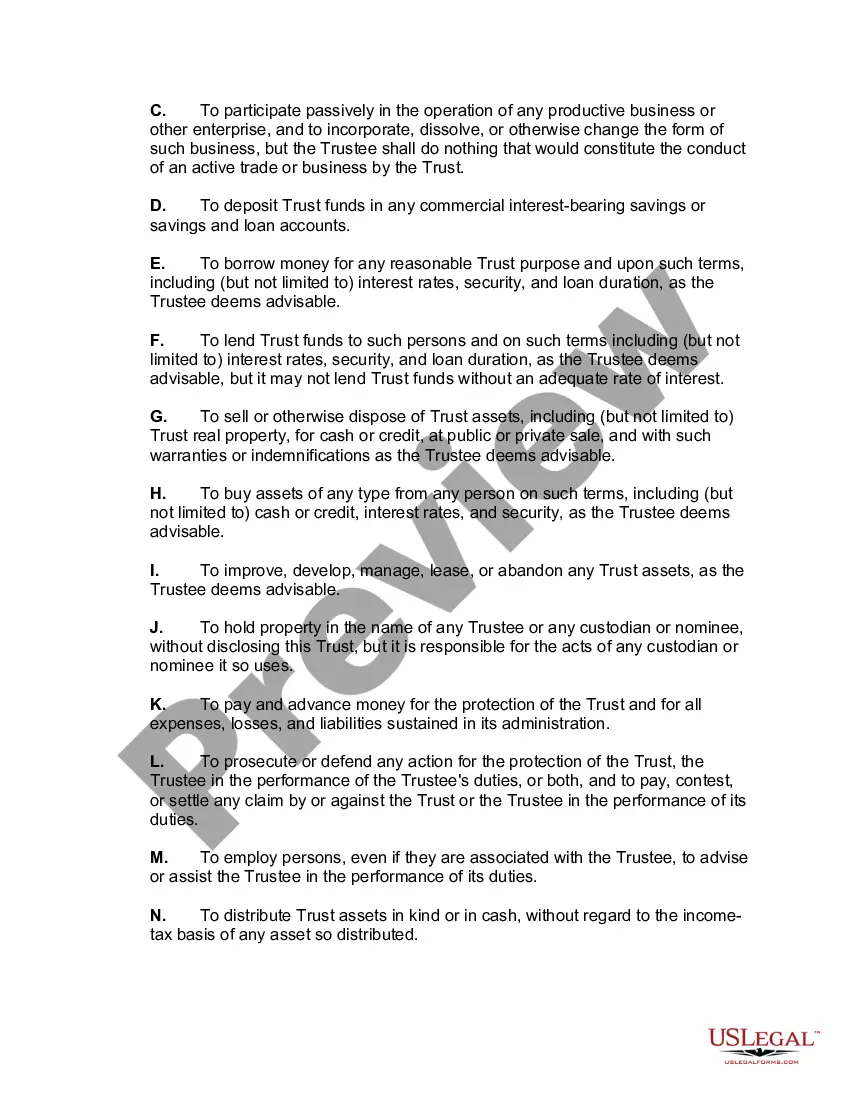
How to fill out Termination Of Grantor Retained Annuity Trust In Favor Of Existing Life Insurance Trust?
- Begin by visiting the US Legal Forms website and log in to your account. Ensure your subscription status is active; if not, renew it according to your plan.
- If you’re new to the platform, start by locating the preview mode and checking the form description. Confirm that the selected template suits your needs and adheres to local jurisdictional requirements.
- If the desired form doesn't meet your standards, utilize the Search tab to find an alternative that matches your criteria.
- Once you find the right document, click the 'Buy Now' button and choose a subscription plan. You’ll need to create an account to unlock access to the full library.
- Proceed to make your payment using credit card details or your PayPal account to finalize the purchase.
- After your transaction is complete, download the form and save it to your device. You can always find it later in the 'My Forms' section of your profile.
In conclusion, US Legal Forms simplifies the process of preparing legal documents, allowing you to focus on more critical aspects of your estate planning. By following these steps, you will ensure that your Grantor Retained Annuity Trust is set up correctly and efficiently.
Start your journey towards secure estate planning with US Legal Forms today!
Form popularity
FAQ
Yes, income generated by a Grantor Retained Annuity Trust is taxable to the grantor. The IRS mandates that the grantor reports this income on their personal tax return, allowing them to manage the taxes as they see fit. This structure provides financial advantages, as the remaining trust assets can grow without Estate Tax implications. If you're navigating these complexities, consider using US Legal Forms for helpful solutions.
An example of a Grantor Retained Annuity Trust involves a parent setting up a trust, transferring assets into it, and receiving annual payments for a fixed term. Let's say the parent transfers $1 million worth of stock into the GRAT and receives an annuity payment each year for a period of ten years. After this period, any remaining assets pass to the beneficiaries without incurring significant gift taxes, benefiting from the tax treatment under IRS guidelines.
You typically do not need to file a separate tax return for a revocable trust, since the IRS treats it as part of your personal estate while you're alive. Income generated by the trust is reported on your personal tax return. However, when the trust becomes irrevocable after your passing, it may need to file its own return. It's wise to get advice from tax experts regarding the filing requirements.
A Grantor Retained Annuity Trust (GRAT) must file a tax return if it generates taxable income. Normally, the grantor of the GRAT is responsible for reporting income on their personal tax return, as the Internal Revenue Service (IRS) views the grantor and the trust as one entity for tax purposes. If the GRAT has no income, no return is necessary. Always consult tax professionals for guidance specific to your situation.
In a Grantor Retained Annuity Trust (GRAT), the grantor is responsible for the taxes on the income generated by the trust. This means that any earnings or gains produced by the trust assets are reported on your personal tax return. It's essential to factor this into your tax planning, as it can impact your overall financial strategy. Working with the USLegalForms platform can provide valuable resources as you navigate these obligations.
Revocable trusts offer flexibility but come with their own set of disadvantages. One significant downside is that they do not provide asset protection from creditors, unlike some other trust types. Additionally, because the grantor retains control, the assets may still be included in the estate for tax purposes. If you are exploring options like a Grantor Retained Annuity Trust (GRAT), consider these factors in your estate planning.
There are some downsides to setting up a Grantor Retained Annuity Trust (GRAT). The primary risk is that if the grantor does not survive the specified term, the assets may be included in the estate for tax purposes. Additionally, a GRAT does not protect assets from creditors during the grantor's lifetime. Evaluating these factors carefully with a financial advisor can lead you toward a more secure decision.
Yes, a Grantor Retained Annuity Trust (GRAT) typically needs to file a tax return. While the IRS does not mandate a separate return for the trust itself, the income generated by the GRAT is usually reported on the grantor's personal tax return. This means that you, as the grantor, remain responsible for any tax liability the GRAT may incur. Therefore, it's crucial to understand your tax obligations to manage your financial plan effectively.
The IRS requires that grantor trusts adhere to specific reporting standards that reveal the income generated within the trust is taxable to the grantor. Furthermore, the grantor must maintain certain powers over the trust to keep this status. Understanding the Grantor Retained Annuity Trust IRS requirements is vital for effective management. You can rely on uslegalforms to help you navigate these requirements seamlessly.
To set up a Grantor Retained Annuity Trust (GRAT), you begin by drafting the trust document and transferring assets into the trust. This document must specify the annuity payment structure and term length. Follow the Grantor Retained Annuity Trust IRS regulations to ensure compliance. To simplify this process, consider utilizing uslegalforms to access forms and guidance.