Trusts Issue With The Eu
Description
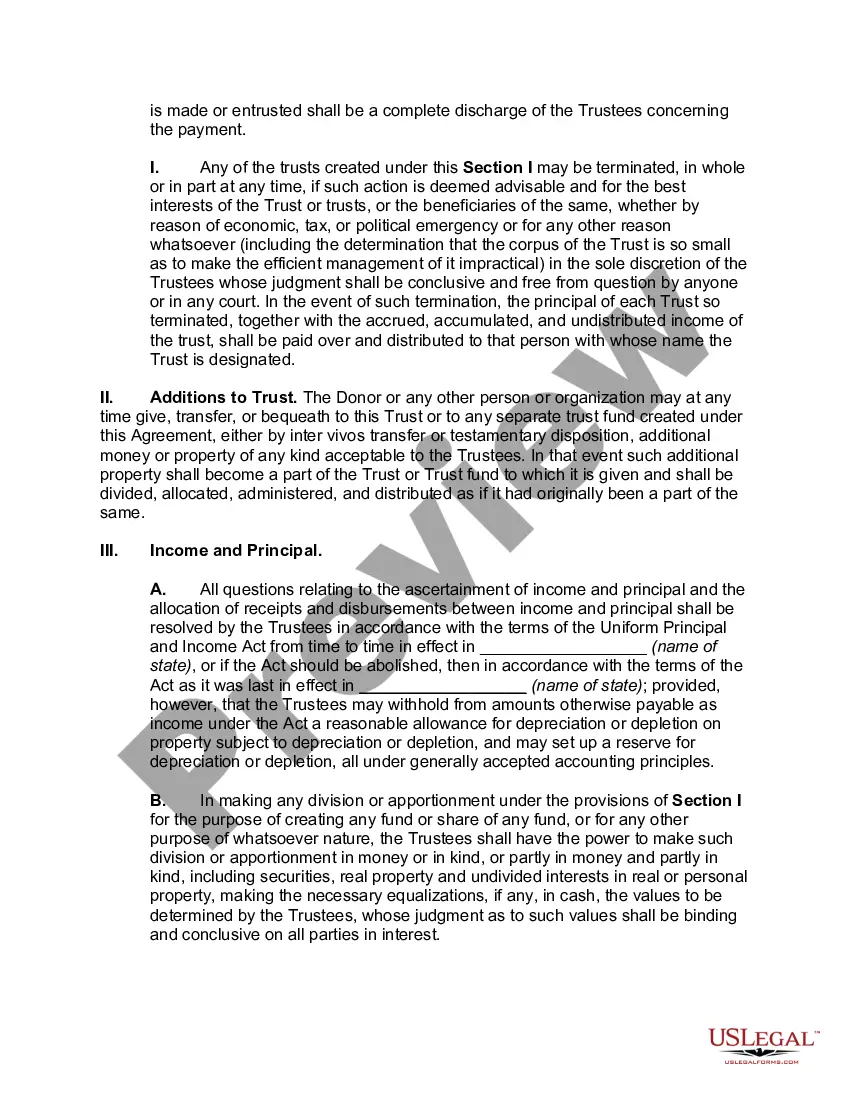
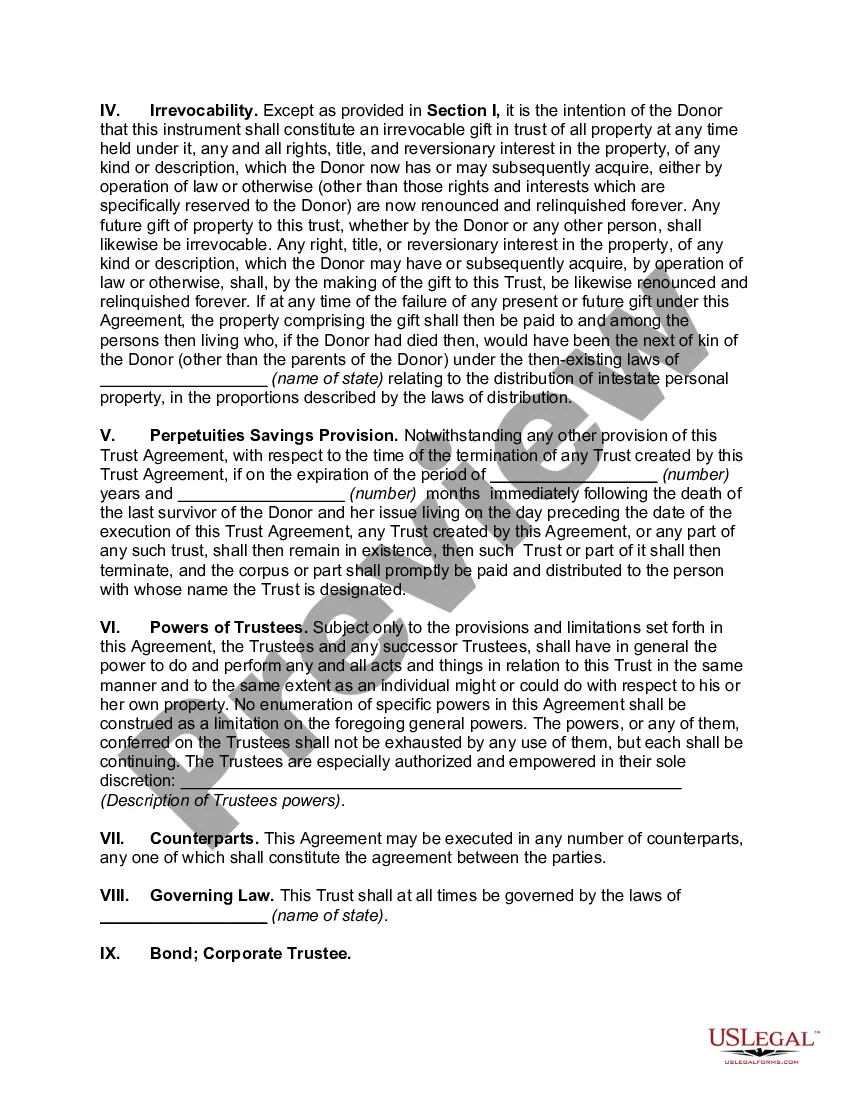
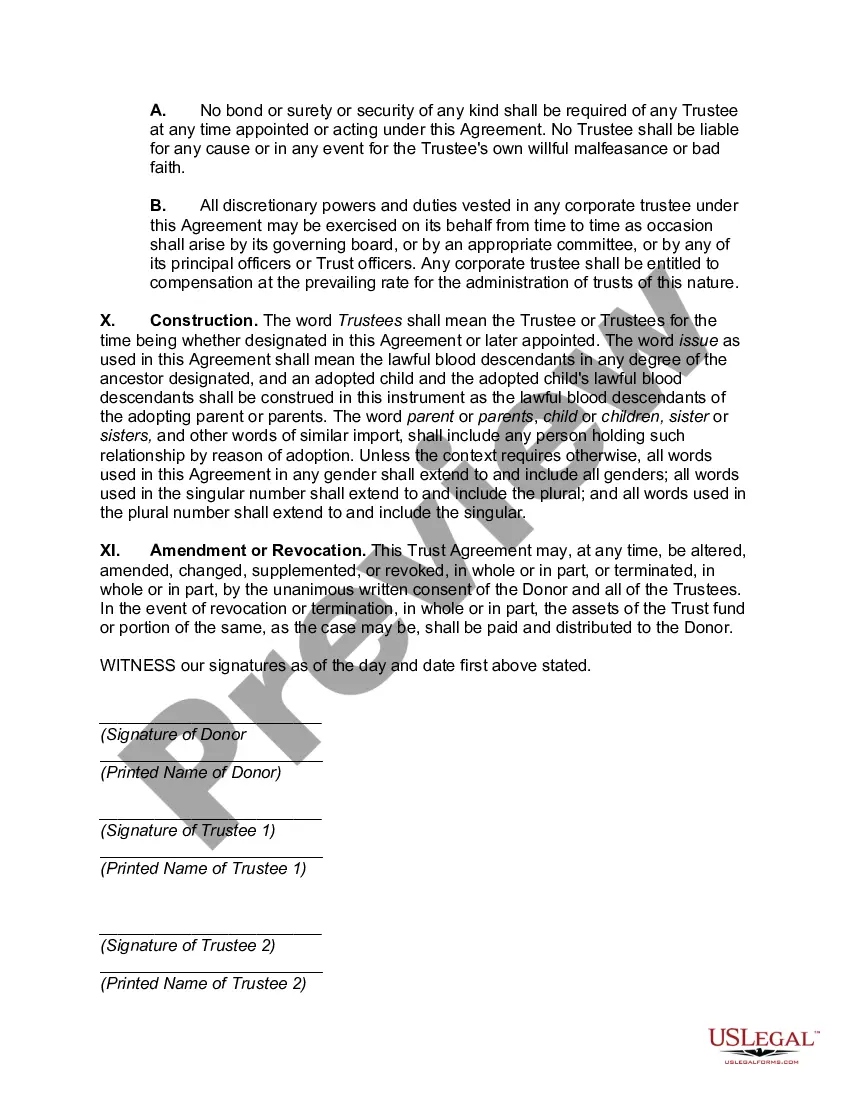

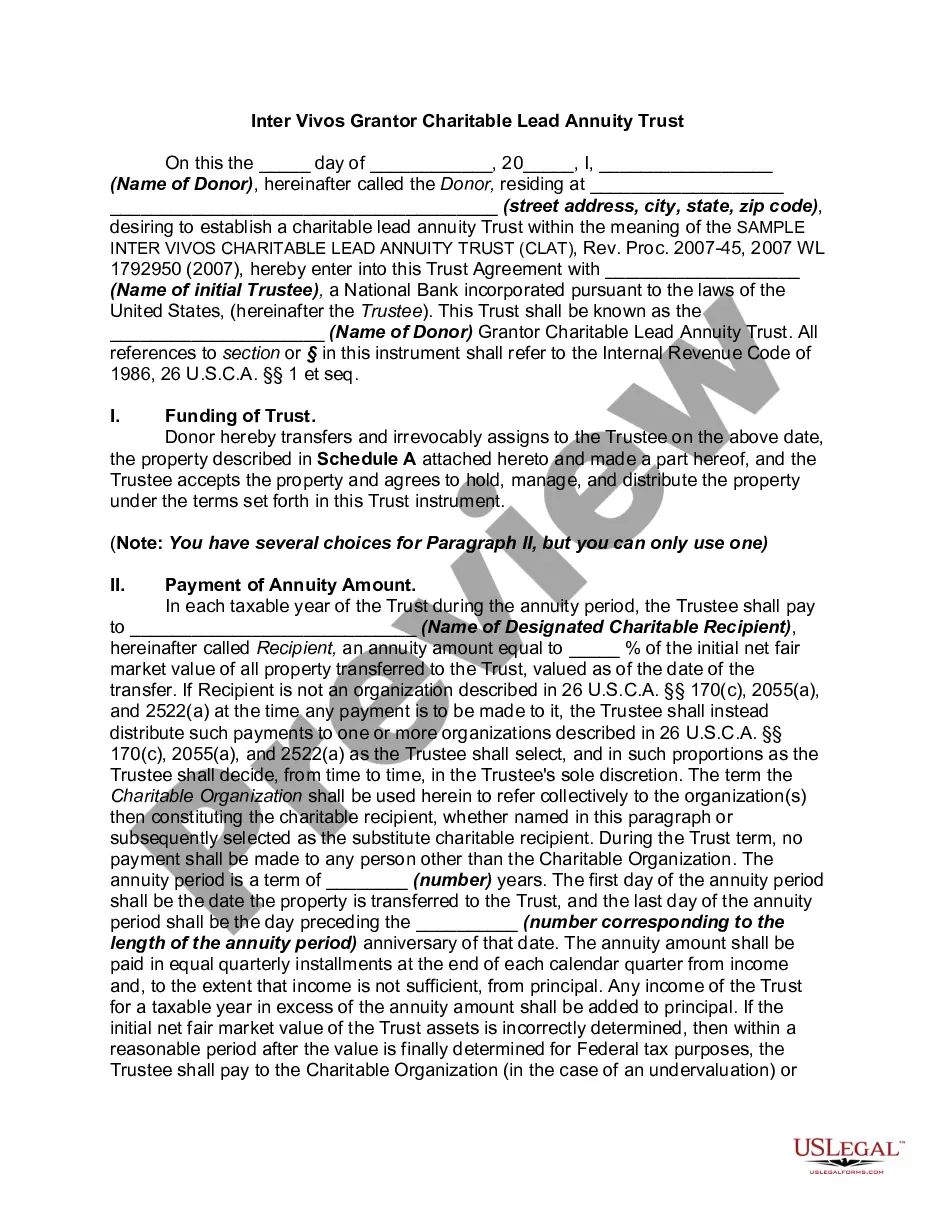
Get your form ready online
Our built-in tools help you complete, sign, share, and store your documents in one place.
Make edits, fill in missing information, and update formatting in US Legal Forms—just like you would in MS Word.
Download a copy, print it, send it by email, or mail it via USPS—whatever works best for your next step.
Sign and collect signatures with our SignNow integration. Send to multiple recipients, set reminders, and more. Go Premium to unlock E-Sign.
If this form requires notarization, complete it online through a secure video call—no need to meet a notary in person or wait for an appointment.
We protect your documents and personal data by following strict security and privacy standards.

Make edits, fill in missing information, and update formatting in US Legal Forms—just like you would in MS Word.

Download a copy, print it, send it by email, or mail it via USPS—whatever works best for your next step.

Sign and collect signatures with our SignNow integration. Send to multiple recipients, set reminders, and more. Go Premium to unlock E-Sign.

If this form requires notarization, complete it online through a secure video call—no need to meet a notary in person or wait for an appointment.

We protect your documents and personal data by following strict security and privacy standards.
Looking for another form?



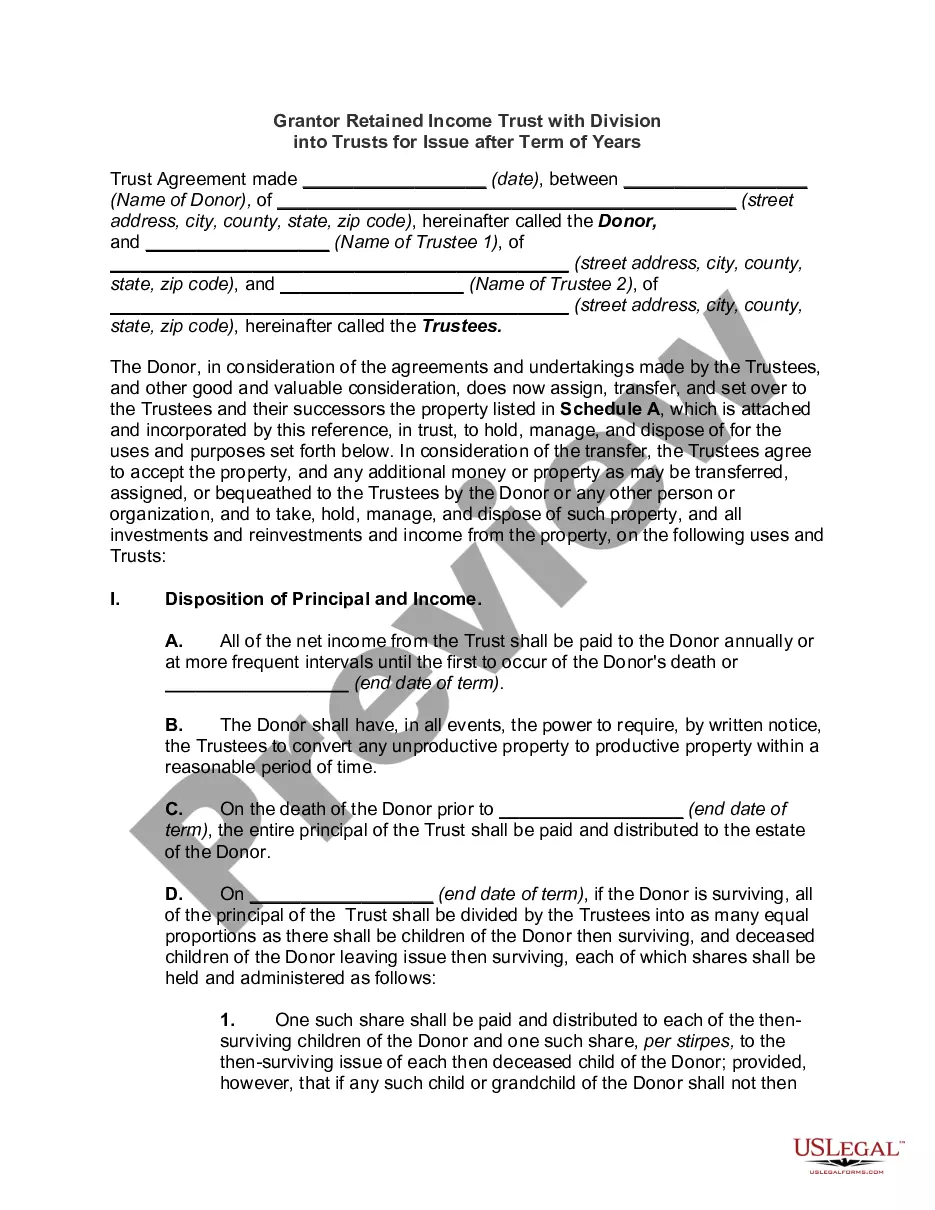
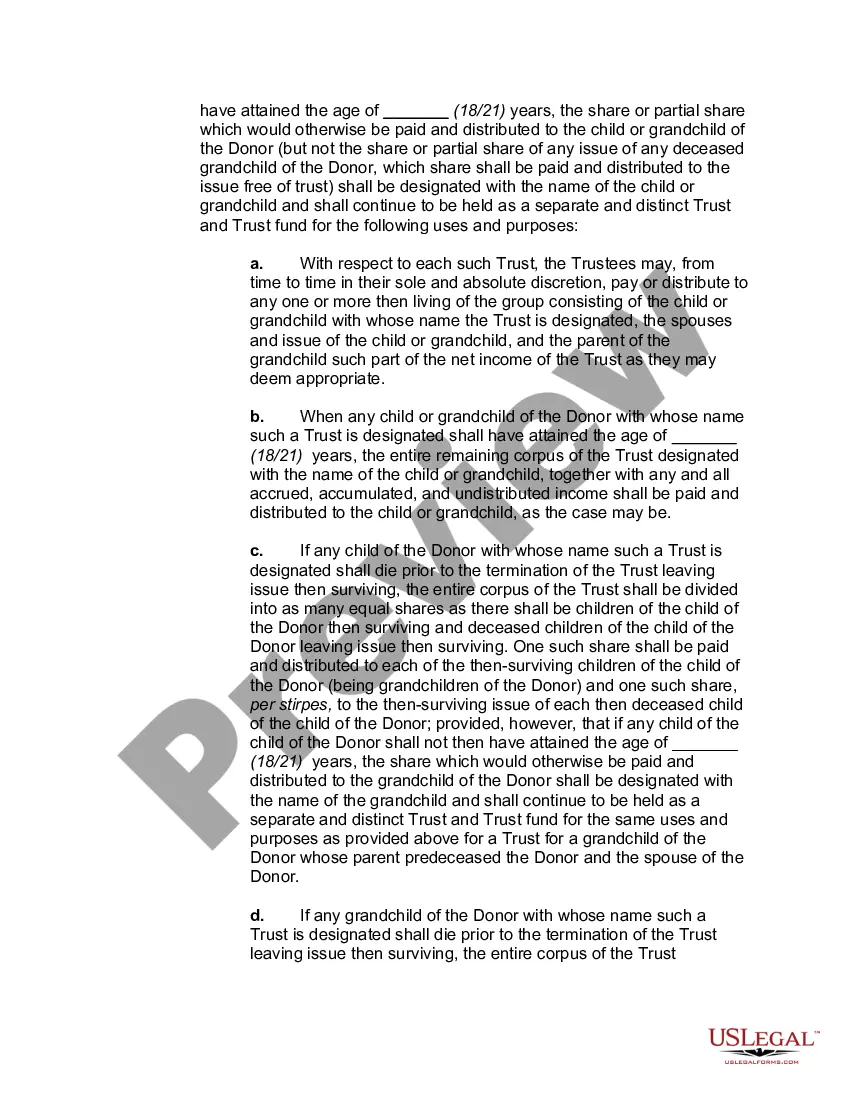
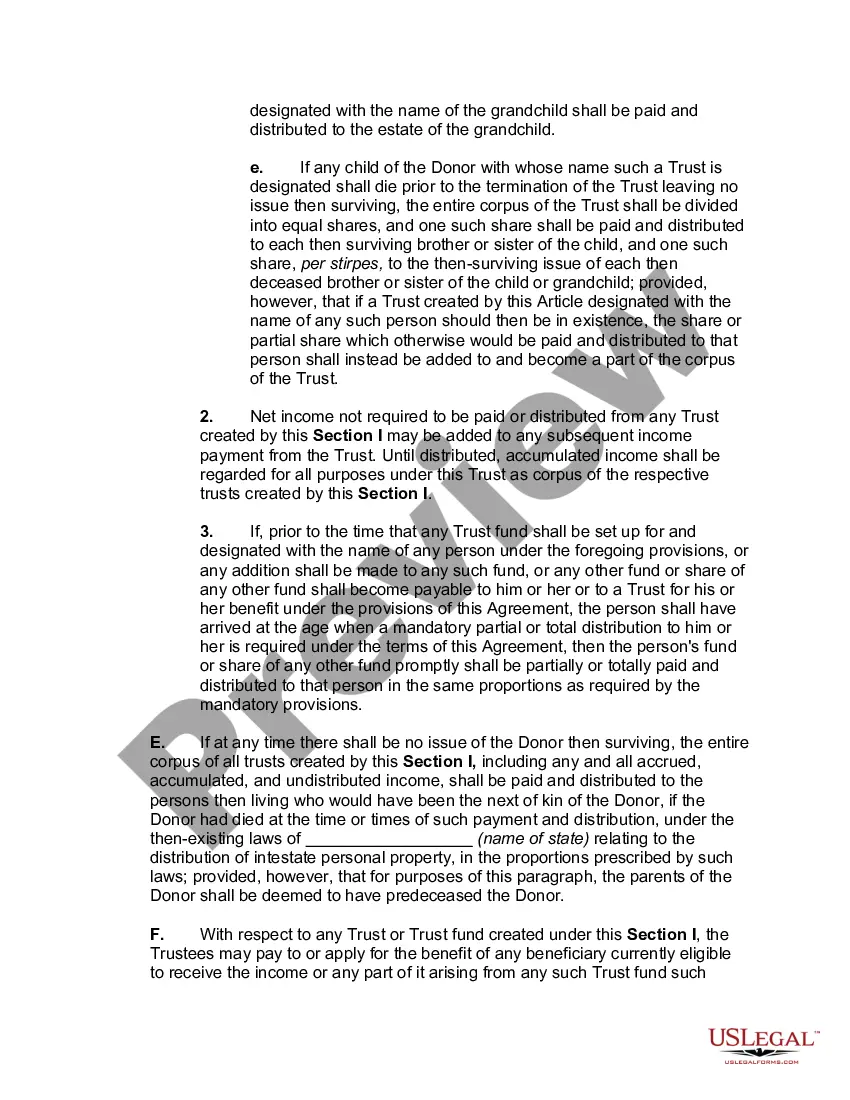
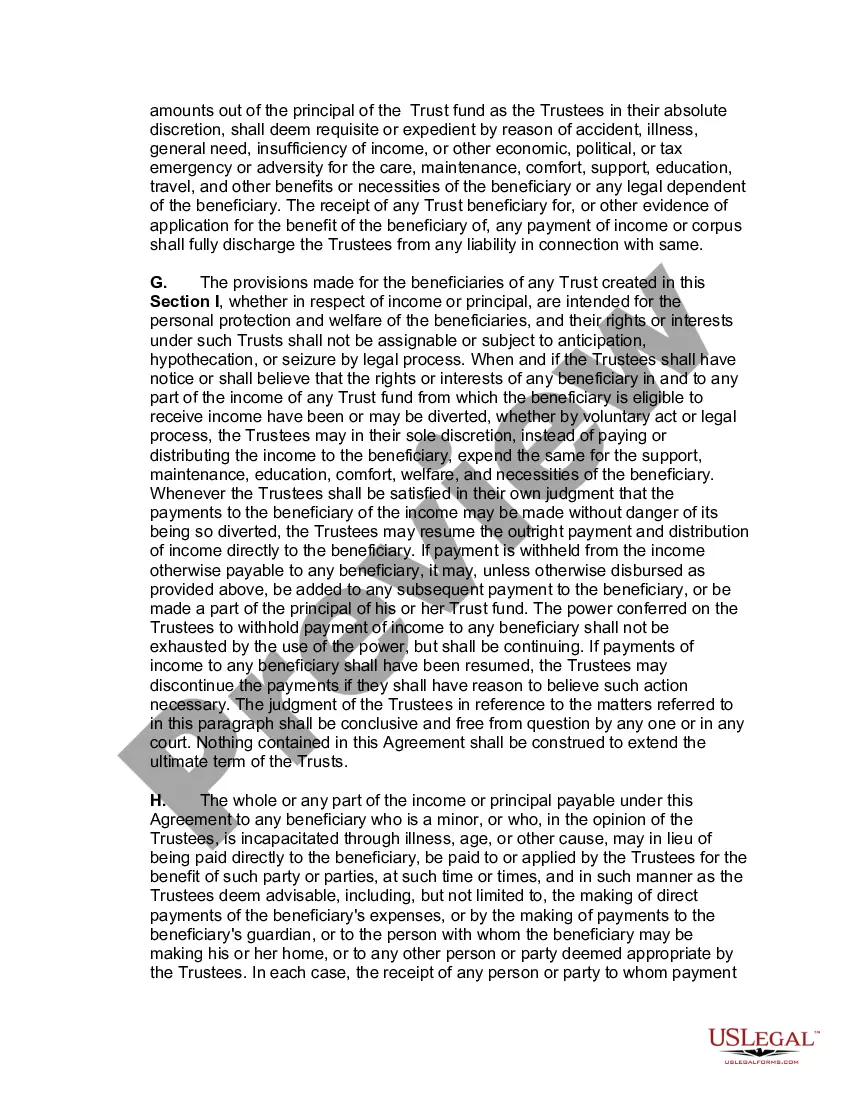
How to fill out Grantor Retained Income Trust With Division Into Trusts For Issue After Term Of Years?
- Log in to your US Legal Forms account if you're an existing user, ensuring your subscription is active before proceeding.
- For first-time users, explore the Preview mode and description of the forms to ensure you're selecting the right document suitable for your jurisdiction.
- Utilize the Search tab to find alternative templates if needed. Adjust your search until you find the correct form that meets your needs.
- Choose your document by clicking the Buy Now button, making sure to select the subscription plan that fits your requirements.
- Complete your purchase by entering your payment details, whether using a credit card or PayPal.
- Download your form directly to your device, so you can easily complete it. Access it anytime in the My Forms section of your profile.
By leveraging US Legal Forms, you gain access to a comprehensive library with over 85,000 fillable legal templates. Our collection is robust, often offering more options than competitors, ensuring you find exactly what you need.
Take advantage of our premium experts available to assist with form completion, allowing you to ensure your documents are legally sound. Start your journey today with US Legal Forms and simplify your legal processes!
Form popularity
FAQ
Referencing EU legislation involves providing detailed information, including the legislation's title, number, and publication information. It's important to cite the appropriate provisions to clarify issues regarding trusts with the EU regulations. This practice not only ensures accuracy but also aids in maintaining a detailed record of how legislation impacts trust services.
The EU 910 2014 eIDAS Regulation establishes a legal framework for electronic identification and trust services across Europe. It aims to enhance security and trust in digital transactions, addressing the trusts issue with the EU. By providing a consistent approach to electronic signatures and authentication, it ensures that businesses and individuals can operate with confidence in the digital space.
When citing EU communications, it is essential to follow a structured format that includes the document type, title, and publication reference. This practice helps in addressing the trusts issue with the EU with clarity and accuracy. For example, you would typically include the document's number, date, and the institution responsible for its publication to ensure proper attribution.
To become a qualified trust service provider, you must comply with specific requirements set by the EU regulations. This process involves adopting security measures that meet stringent standards, undergoing audits, and applying for certification. Engaging platforms like uslegalforms can streamline this process, guiding you in navigating the regulatory landscape effectively.
When a country neglects to transpose an EU directive into its national law, it risks non-compliance and potential legal repercussions. This failure can lead to challenges in addressing the trusts issue with the EU, creating inconsistencies in how trusts are managed across member states. Additionally, affected parties may seek remedies through courts or appeal to the European Commission for enforcement.
A qualified trust service is one that satisfies the requirements outlined by the EU's regulatory framework. This type of service plays a crucial role in managing trusts by providing secure and reliable solutions that address the trusts issue with the EU. These services often include digital signatures, authentication, and secure storage, contributing to safe and lawful transactions.
A trust qualifies when it meets specific legal standards established by relevant regulations. For instance, it should comply with both national and EU guidelines to address the trusts issue with the EU effectively. Furthermore, a qualified trust must demonstrate proper governance, transparency, and resource management, ensuring it meets the expectations set forth by authorities.
The EU’s downfalls include perceived democratic deficits and the struggle to maintain cohesion among diverse nations. These issues can limit its ability to respond promptly to crises. Furthermore, the Trusts issue with the EU exemplifies how legal inconsistencies can arise, undermining trust in the system. Addressing these downfalls is vital for strengthening the EU's framework.
The EU faces several threats, including rising nationalism and economic disparities among member states. Such challenges can weaken the collective unity and effectiveness of the EU. Additionally, the Trusts issue with the EU raises concerns about legal stability and trust in cross-border transactions. Understanding these threats is essential for fostering collaboration among member states.
Treaties play a foundational role in the functioning of the European Union, outlining the rules and operations of member states. These agreements aim to establish a cohesive framework but can sometimes create complications, particularly in trust-based legal relationships. The Trusts issue with the EU reflects how certain treaties may not fully address all scenarios, leading to potential legal ambiguities. A platform like USLegalForms can provide resources to navigate these complexities.