Grantor Trusts With A Trustee
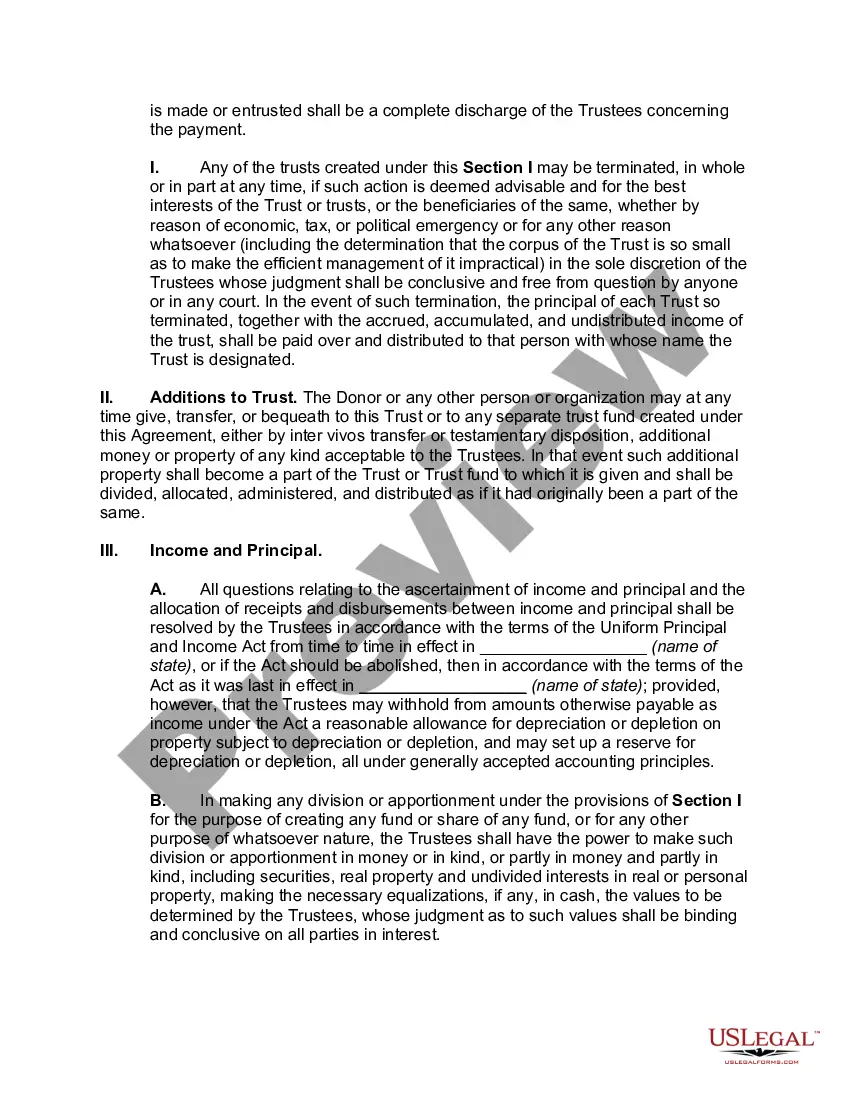
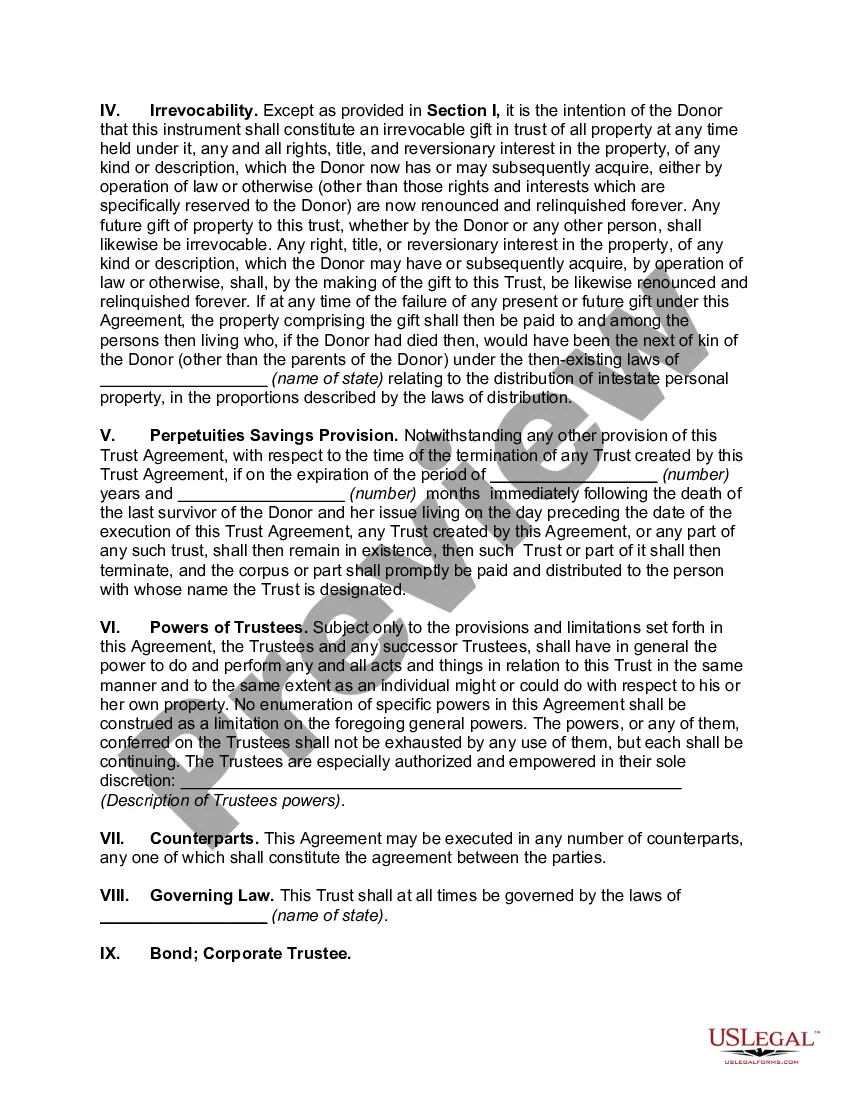
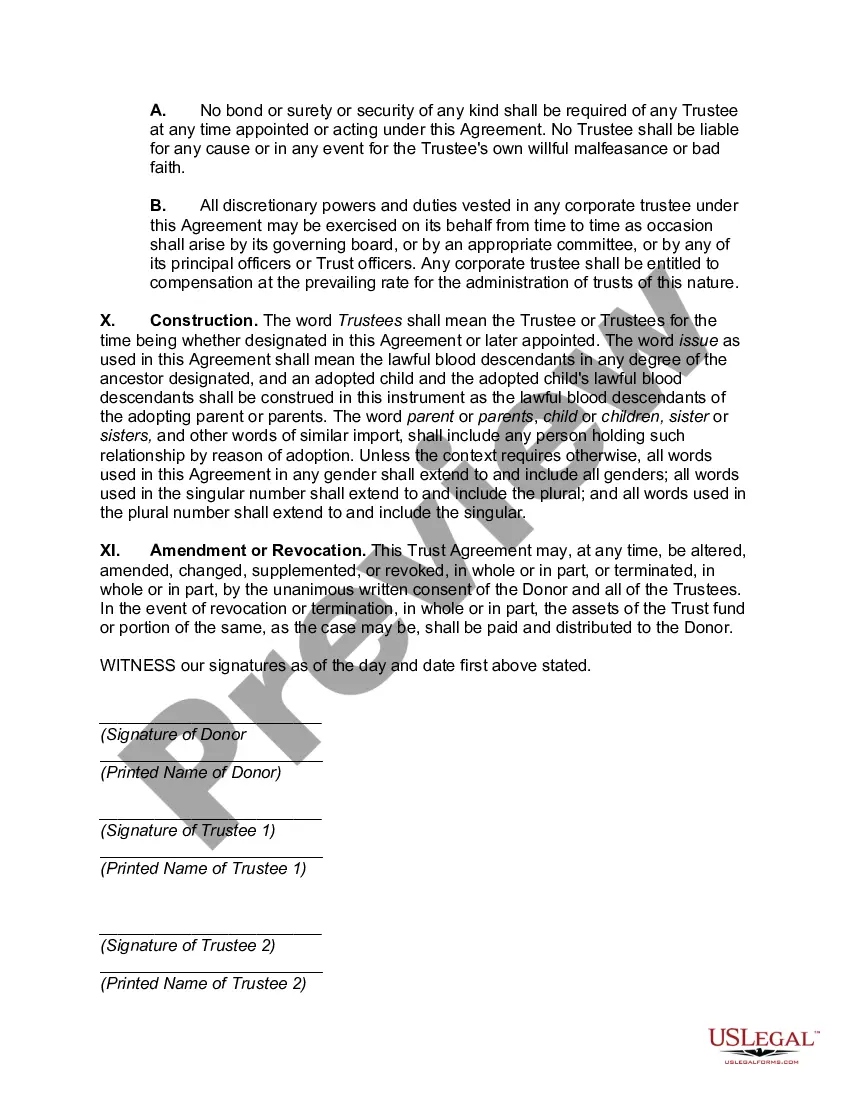
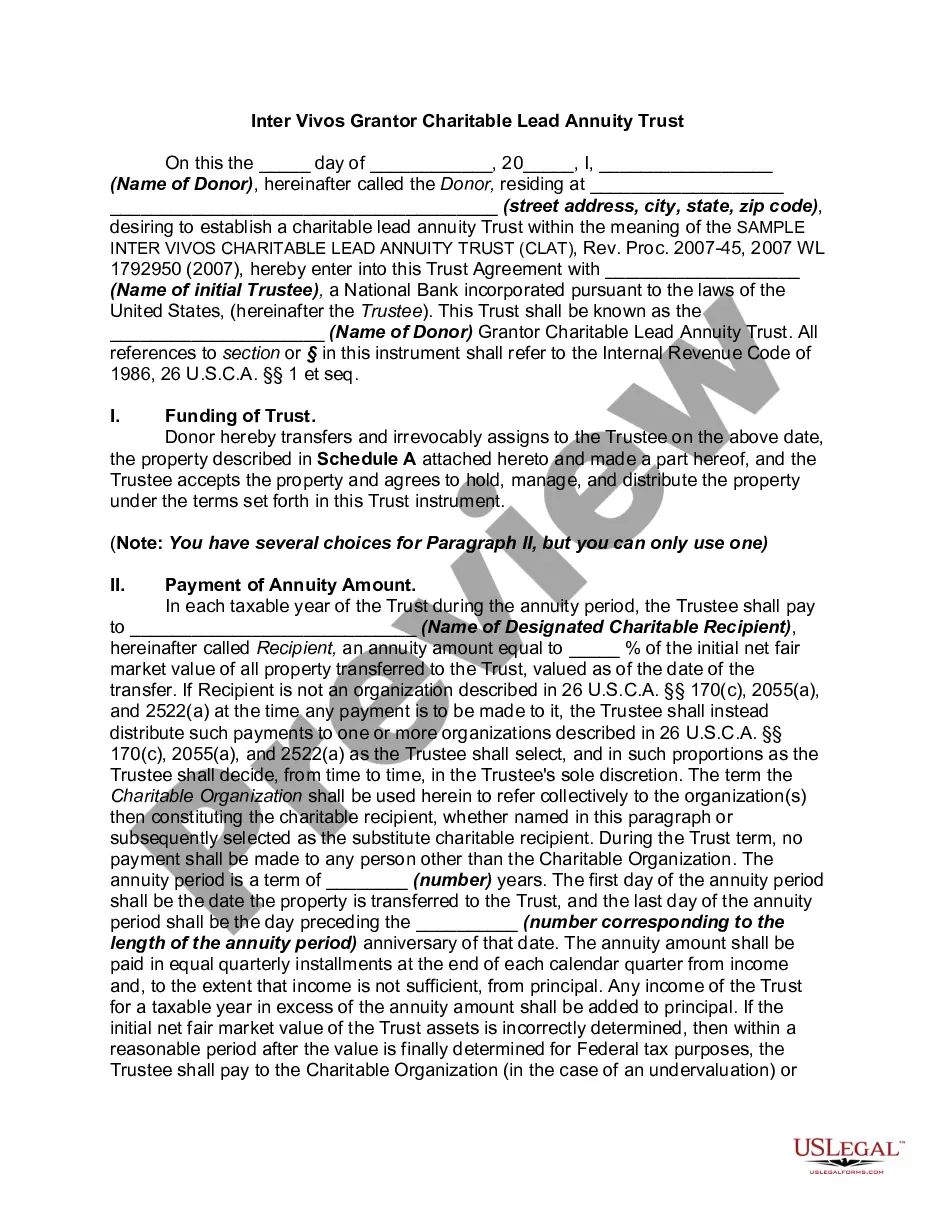
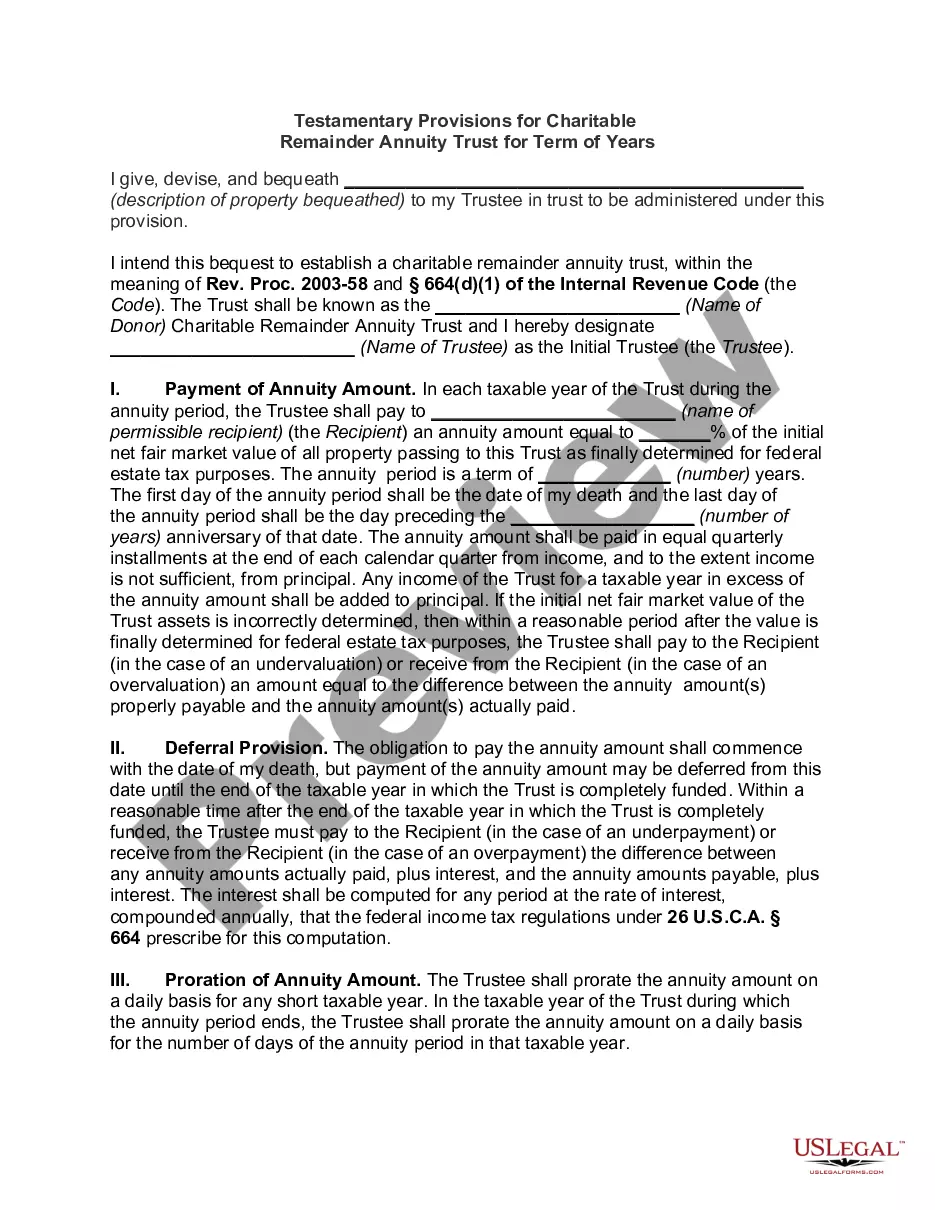
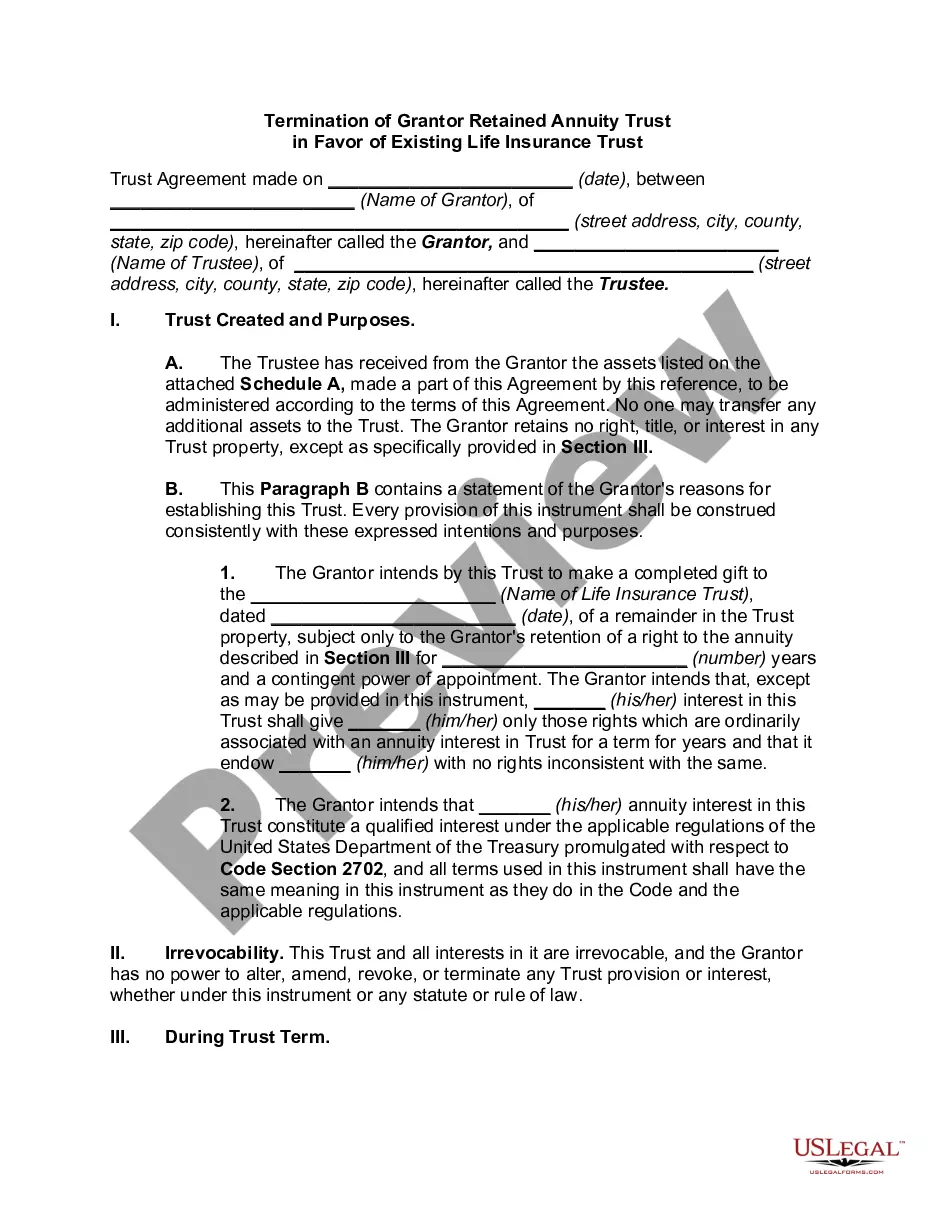
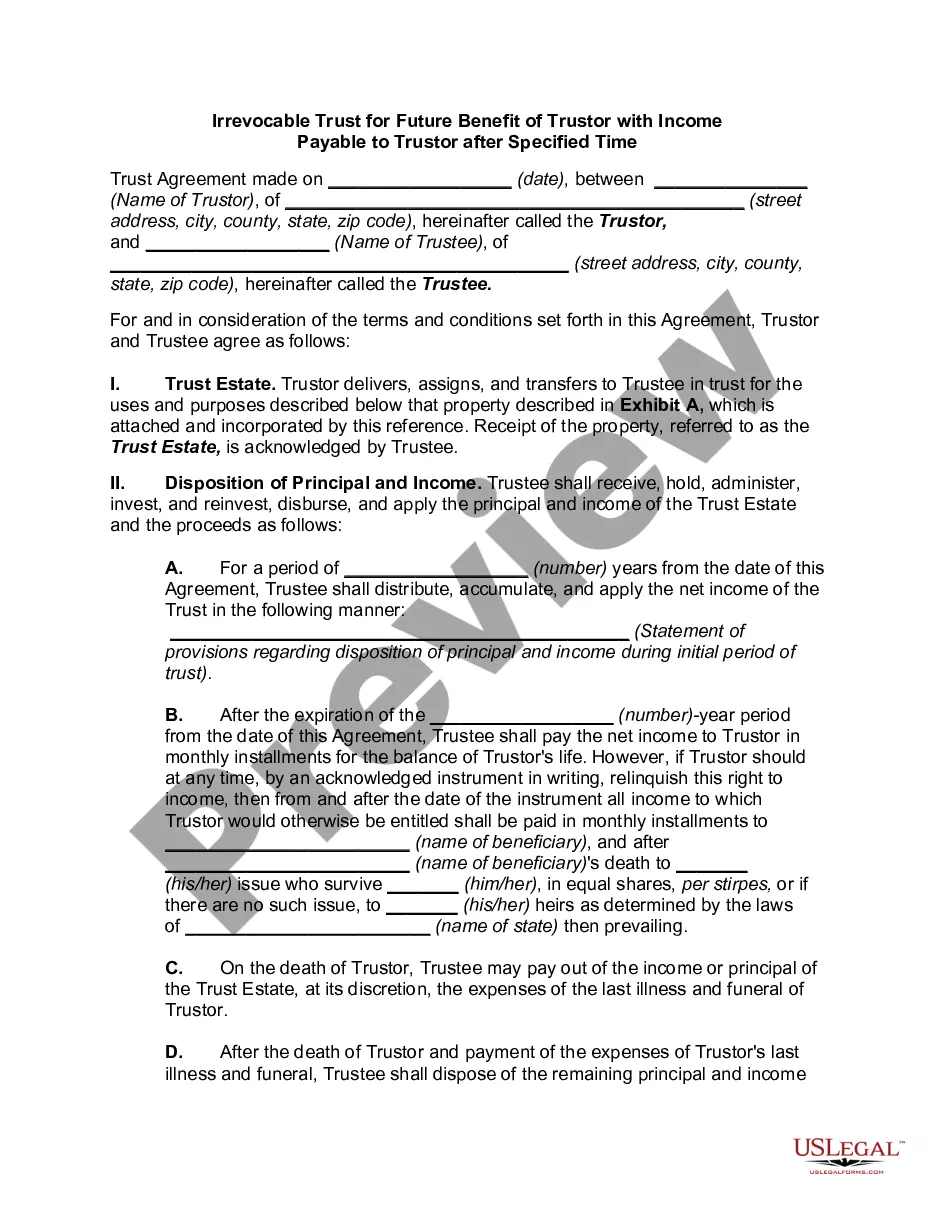
Description

Get your form ready online
Our built-in tools help you complete, sign, share, and store your documents in one place.
Make edits, fill in missing information, and update formatting in US Legal Forms—just like you would in MS Word.
Download a copy, print it, send it by email, or mail it via USPS—whatever works best for your next step.
Sign and collect signatures with our SignNow integration. Send to multiple recipients, set reminders, and more. Go Premium to unlock E-Sign.
If this form requires notarization, complete it online through a secure video call—no need to meet a notary in person or wait for an appointment.
We protect your documents and personal data by following strict security and privacy standards.

Make edits, fill in missing information, and update formatting in US Legal Forms—just like you would in MS Word.

Download a copy, print it, send it by email, or mail it via USPS—whatever works best for your next step.

Sign and collect signatures with our SignNow integration. Send to multiple recipients, set reminders, and more. Go Premium to unlock E-Sign.

If this form requires notarization, complete it online through a secure video call—no need to meet a notary in person or wait for an appointment.

We protect your documents and personal data by following strict security and privacy standards.
Looking for another form?








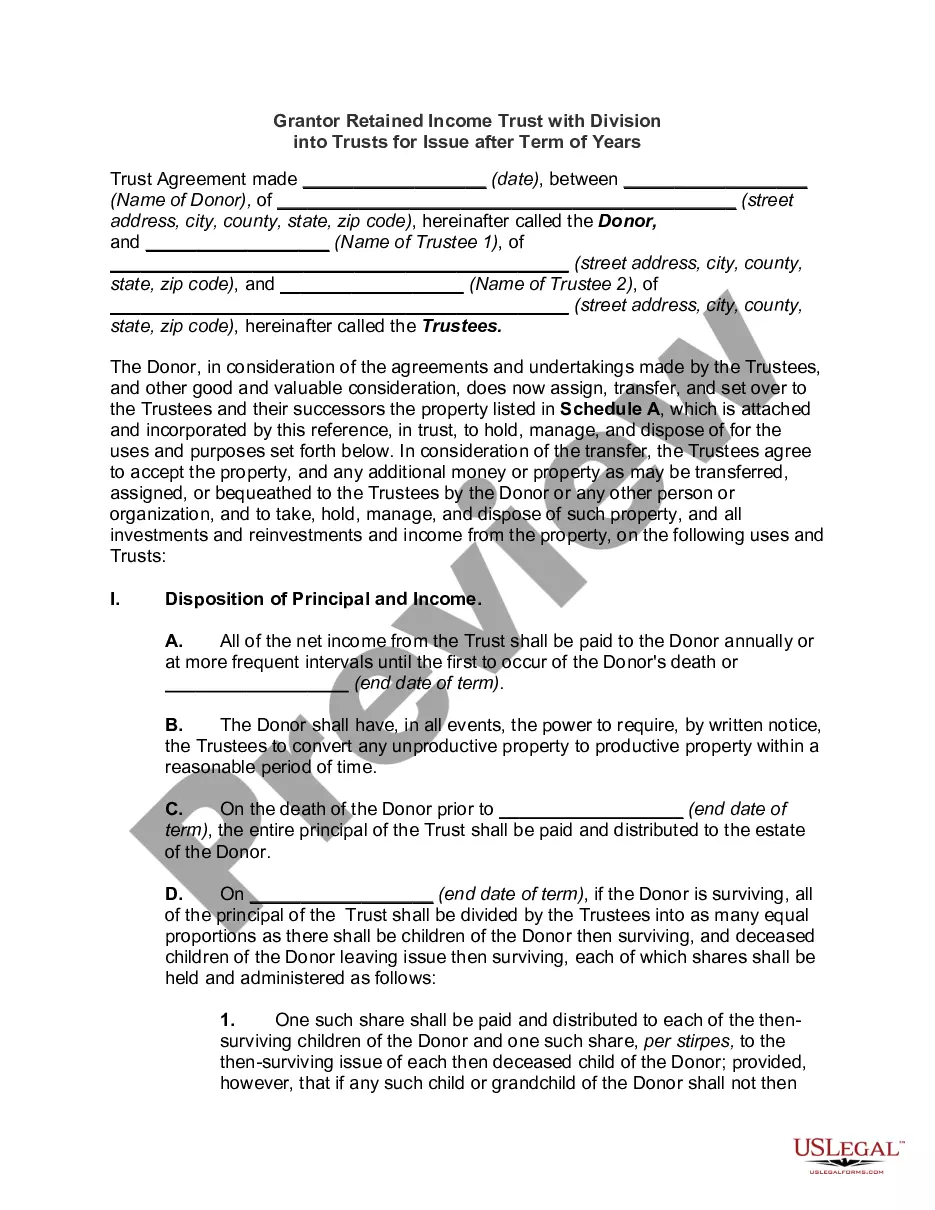
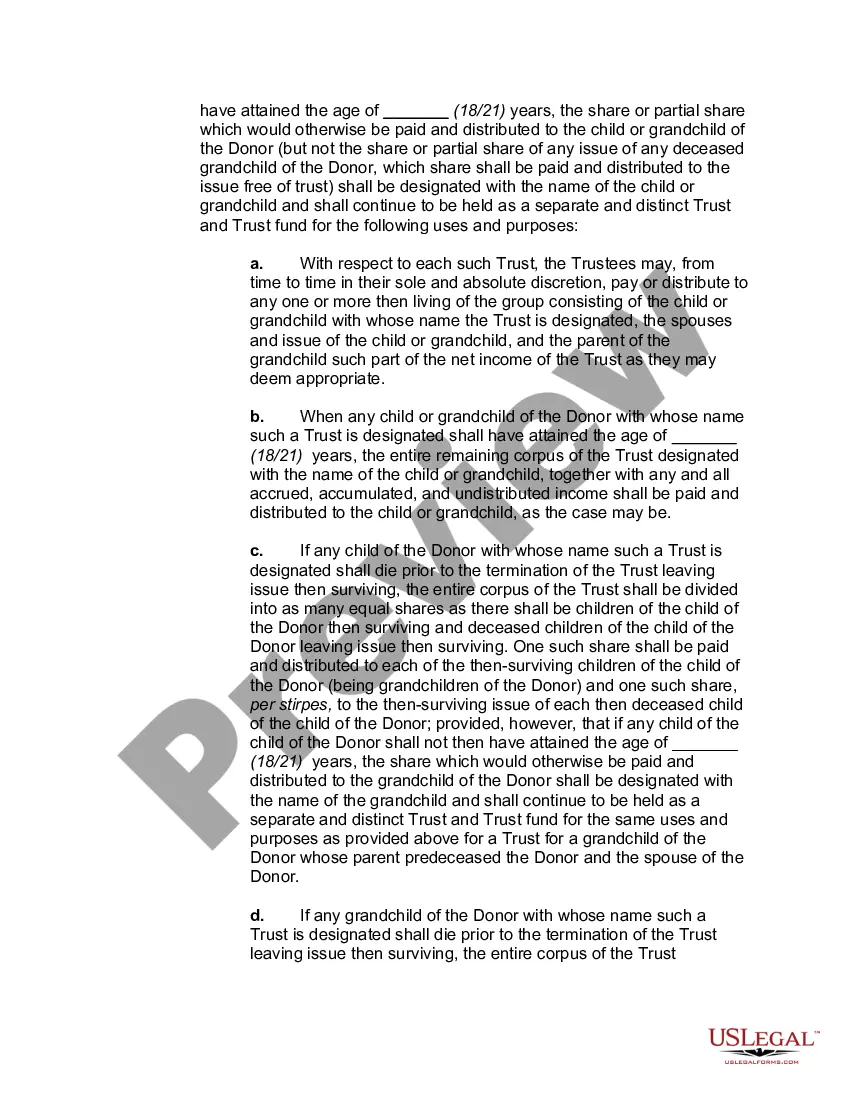
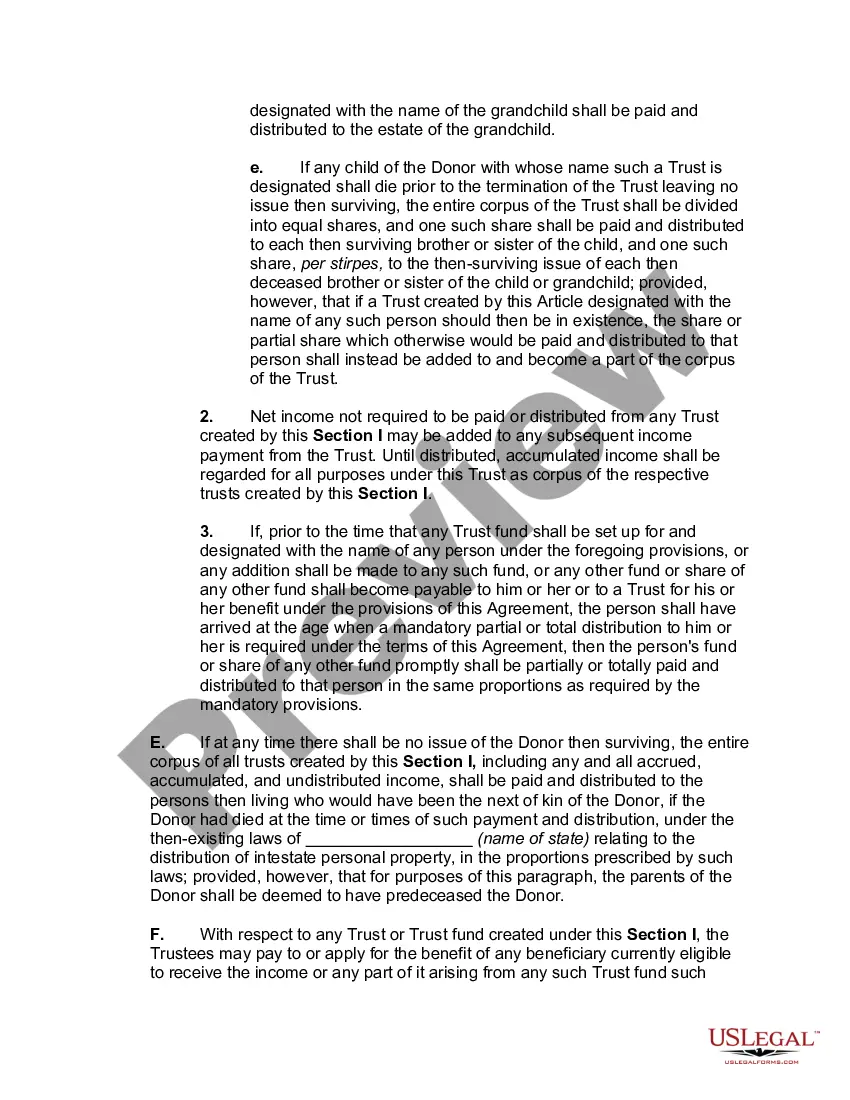
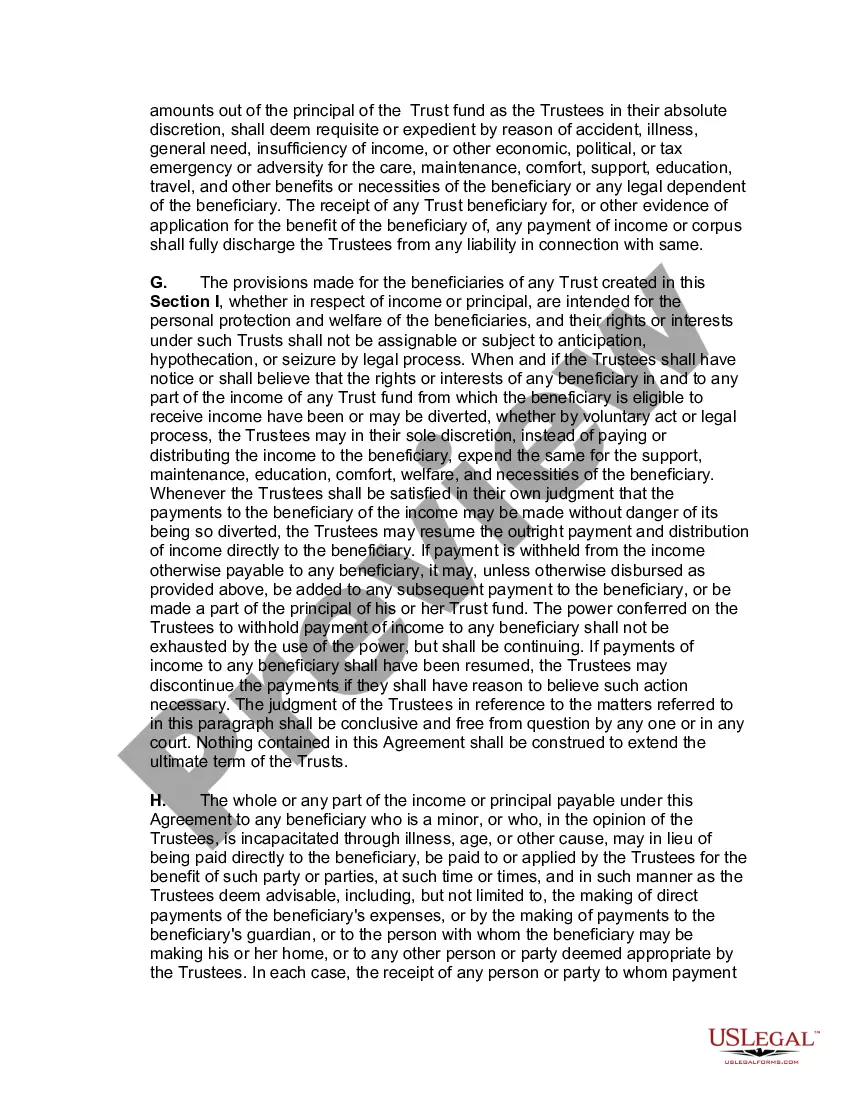
How to fill out Grantor Retained Income Trust With Division Into Trusts For Issue After Term Of Years?
- Start by visiting the US Legal Forms website and checking the Preview mode to view descriptions of available forms. Ensure you select the correct document that aligns with your local jurisdiction's requirements.
- If necessary, utilize the Search function to identify any other templates that may be better suited to your needs before proceeding.
- Next, click the 'Buy Now' button for the desired form and select a subscription plan that fits your requirements to gain access to the comprehensive library.
- Complete your purchase by entering your payment details, whether via credit card or PayPal, to finalize your subscription.
- Once your payment is confirmed, download your form and save it to your device. You can always revisit it later through the 'My Forms' section in your US Legal Forms account.
By following these straightforward steps, you can efficiently harness the power of US Legal Forms to secure the necessary documents for your grantor trust with a trustee.
Ready to take control of your legal documentation? Visit US Legal Forms today and unlock the vast library of resources available to you.
Form popularity
FAQ
Typically, a 1041 is not filed for a grantor trust because the income from the trust is reported on the grantor's personal tax return. Grantor trusts with a trustee allow the grantor to maintain control over the assets, which also affects tax reporting. Understanding how this works can save you from potential fines or complications. For additional clarity, consider consulting resources like uslegalforms to help you through the filing process.
A grantor trust certainly can have a trustee. In fact, the role of the trustee is crucial for managing the assets placed in the trust. With grantor trusts with a trustee, the trustee has specific fiduciary duties and responsibilities to uphold. Understanding these roles can help ensure that your trust is effectively managed according to your wishes.
Yes, a trustee can also act as a guarantor in certain situations, but it is essential to consider the implications. Acting as both can lead to complexities, especially when dealing with grantor trusts with a trustee. Ensure that legal and financial responsibilities are clearly understood and documented to avoid any conflicts of interest.
Having the same person as both grantor and trustee allows for straightforward management of the trust's assets. This alignment streamlines decisions and can reduce conflicts of interests that might arise with multiple parties. In grantor trusts with a trustee, this structure often leads to more personalized control over how assets are handled and distributed. This setup can be particularly beneficial for family trusts.
Absolutely, the grantor and trustee can indeed be the same individual. This arrangement is common and can simplify management and decision-making for the trust. However, when dealing with grantor trusts with a trustee, it’s essential to understand the legal responsibilities that come with this role. Ensuring you have clear documentation can make this easier.
Yes, an irrevocable trust can have the same person serving as both the grantor and trustee. While the grantor transfers assets into the trust, the trustee manages those assets. However, this setup might have implications for control and tax purposes, especially in terms of how grantor trusts with a trustee function. With the right guidance, you can navigate these nuances effectively.
Generally, grantor trusts with a trustee do not need to file Form 1041, as the income is reported on the grantor's personal tax return. Since the grantor retains control over the trust, the IRS treats it as a disregarded entity for tax purposes. However, if the trust becomes irrevocable or if a successor trustee takes over, different filing requirements may apply. Consulting with a tax professional can provide clarity on your specific circumstances.
In grantor trusts with a trustee, the grantor typically serves as the initial trustee, especially during their lifetime. This allows you to maintain control and flexibility over the management of the trust assets. Upon the grantor's death or incapacity, a successor trustee takes over based on the instructions laid out in the trust document. Ensuring clarity in these designations is essential.
In grantor trusts with a trustee, the grantor trustee is the individual who creates the trust and transfers assets into it, while a trustee manages the trust according to its terms. The primary difference lies in their roles; the grantor trustee retains control over the trust assets during their lifetime, whereas the trustee oversees the trust in accordance with the grantor's wishes after their passing. Understanding this distinction can shape how you structure your trust.
When naming a trustee for grantor trusts with a trustee, think about someone with integrity and experience. This could be a family member, trusted friend, or a professional with experience in trust management. Consider their ability to handle financial matters and fulfill your wishes. If you're unsure, using legal services like US Legal Forms can guide you through this important selection process.