Grantor Trusts For Trustees
Description

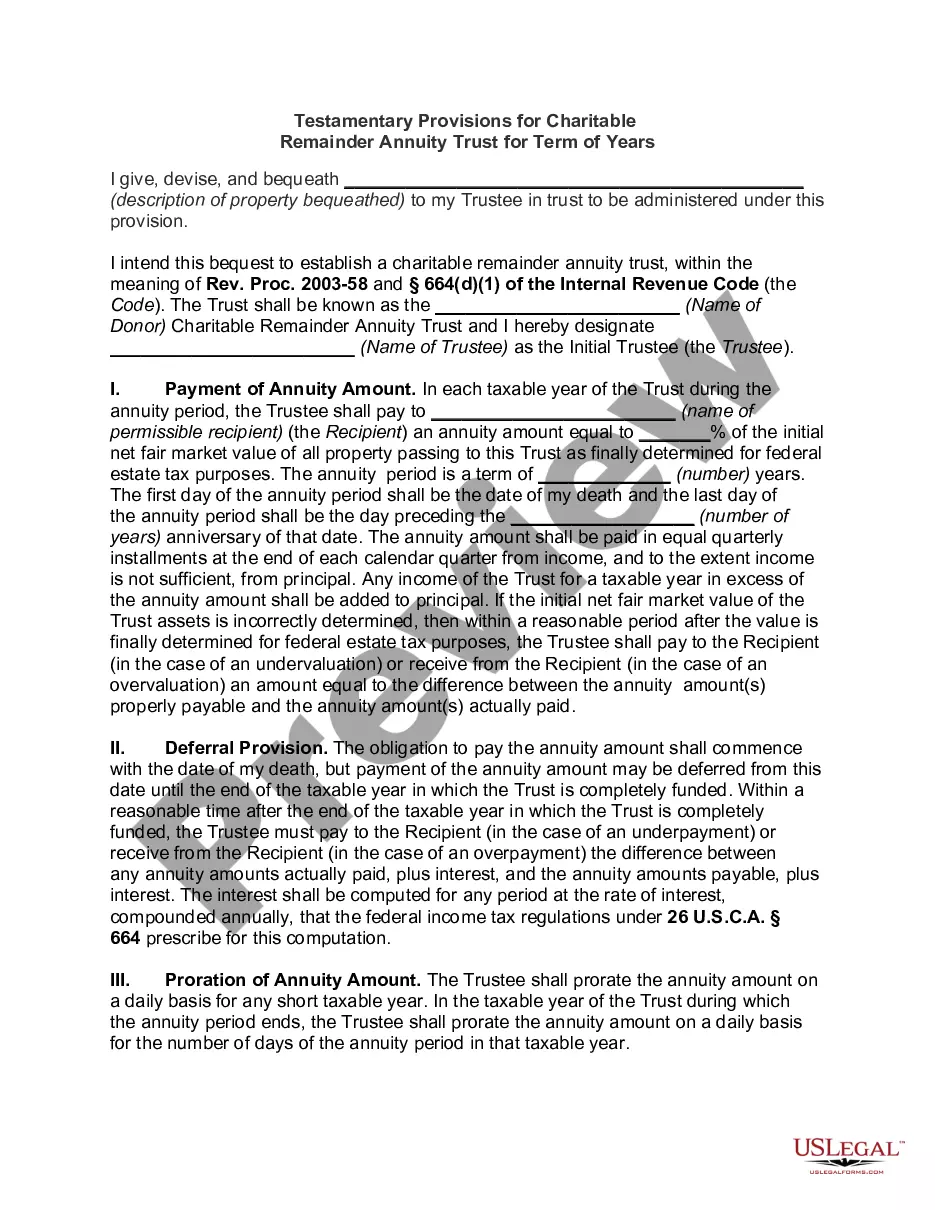
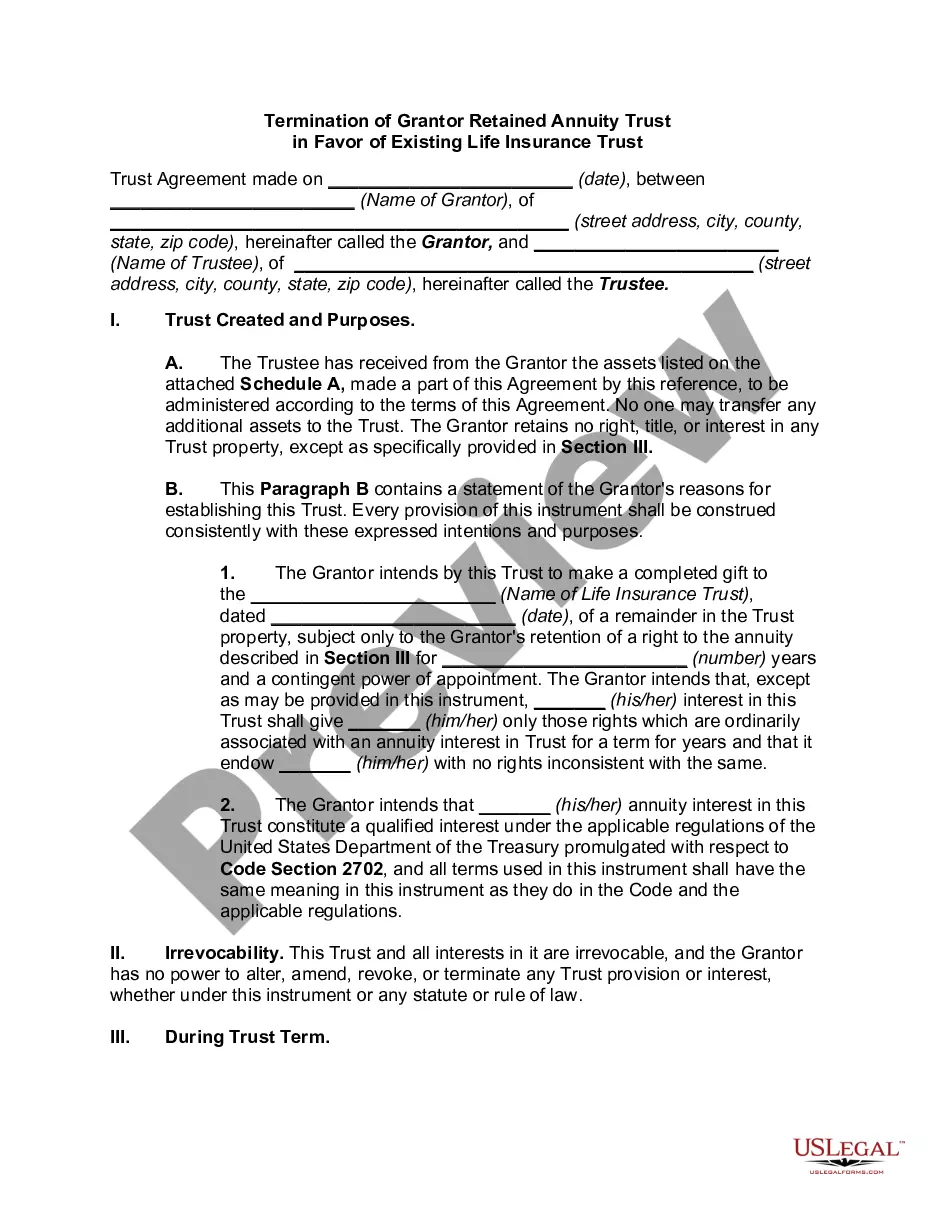
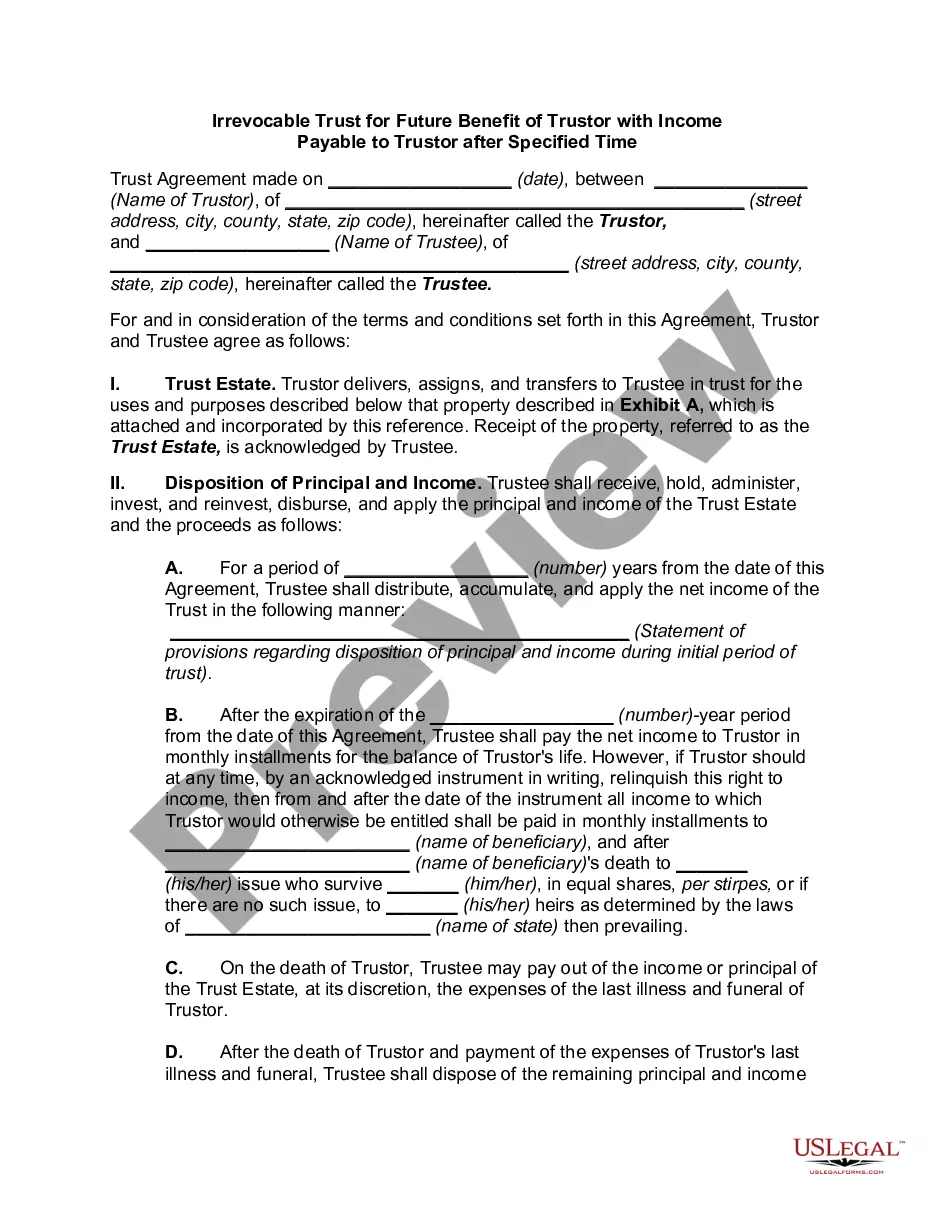
Get your form ready online
Our built-in tools help you complete, sign, share, and store your documents in one place.
Make edits, fill in missing information, and update formatting in US Legal Forms—just like you would in MS Word.
Download a copy, print it, send it by email, or mail it via USPS—whatever works best for your next step.
Sign and collect signatures with our SignNow integration. Send to multiple recipients, set reminders, and more. Go Premium to unlock E-Sign.
If this form requires notarization, complete it online through a secure video call—no need to meet a notary in person or wait for an appointment.
We protect your documents and personal data by following strict security and privacy standards.

Make edits, fill in missing information, and update formatting in US Legal Forms—just like you would in MS Word.

Download a copy, print it, send it by email, or mail it via USPS—whatever works best for your next step.

Sign and collect signatures with our SignNow integration. Send to multiple recipients, set reminders, and more. Go Premium to unlock E-Sign.

If this form requires notarization, complete it online through a secure video call—no need to meet a notary in person or wait for an appointment.

We protect your documents and personal data by following strict security and privacy standards.
Looking for another form?







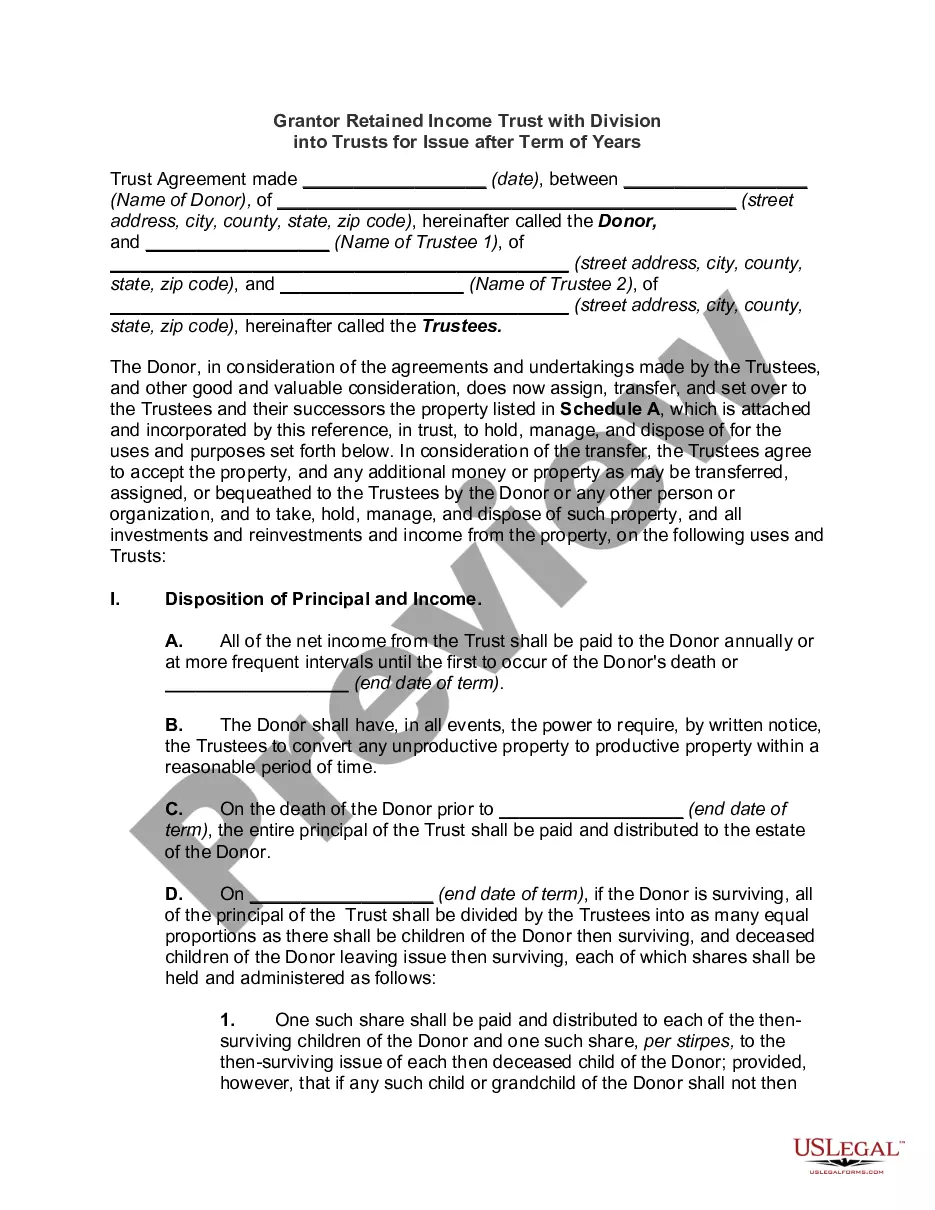
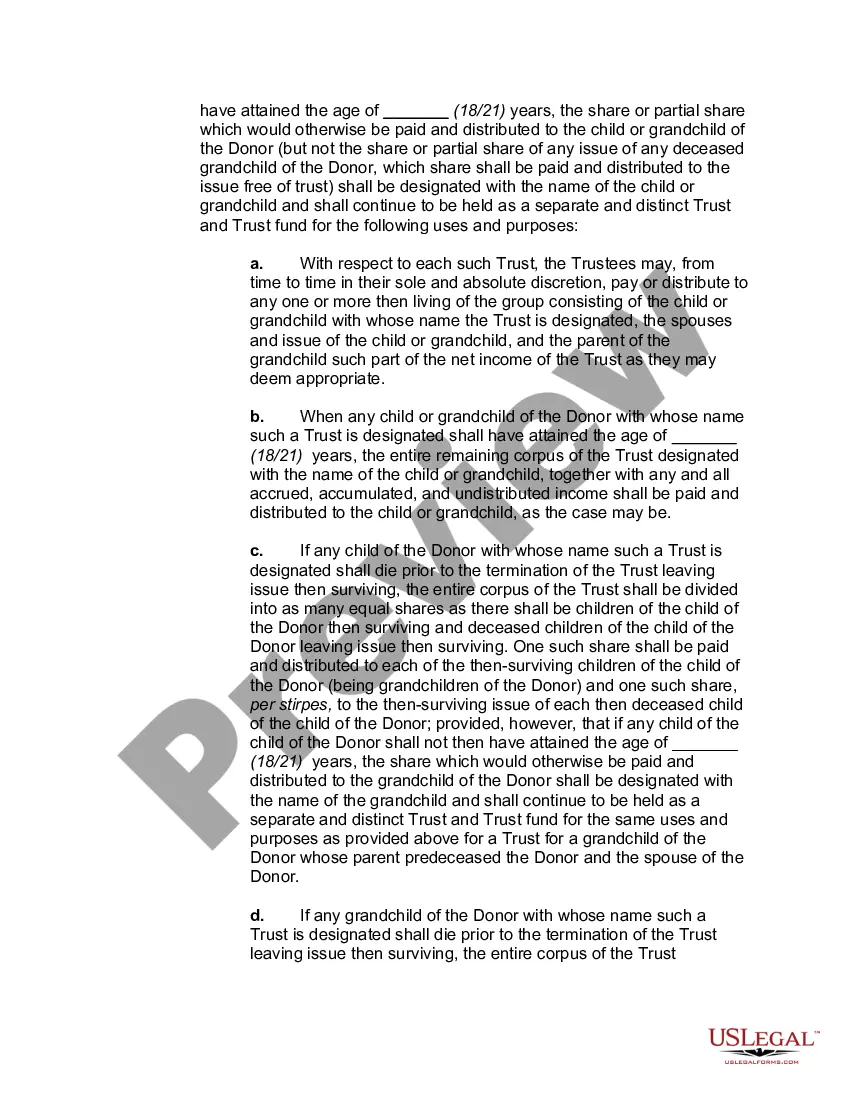
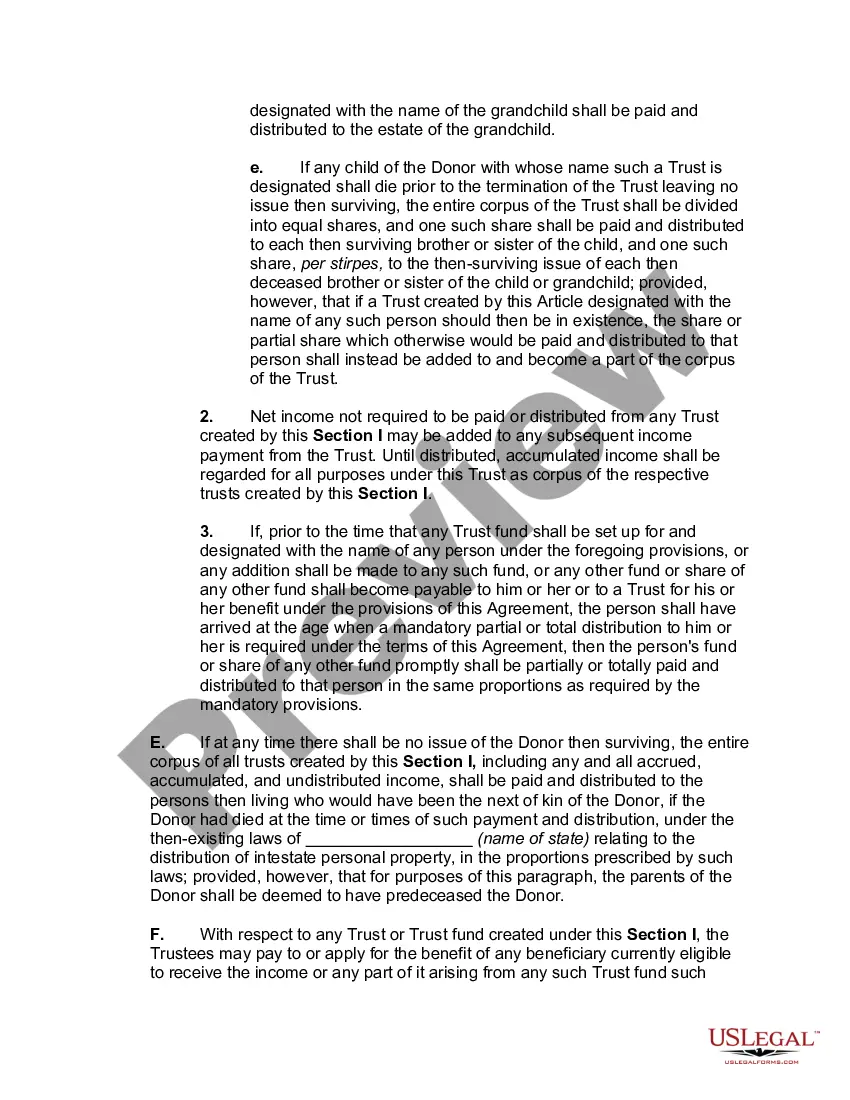
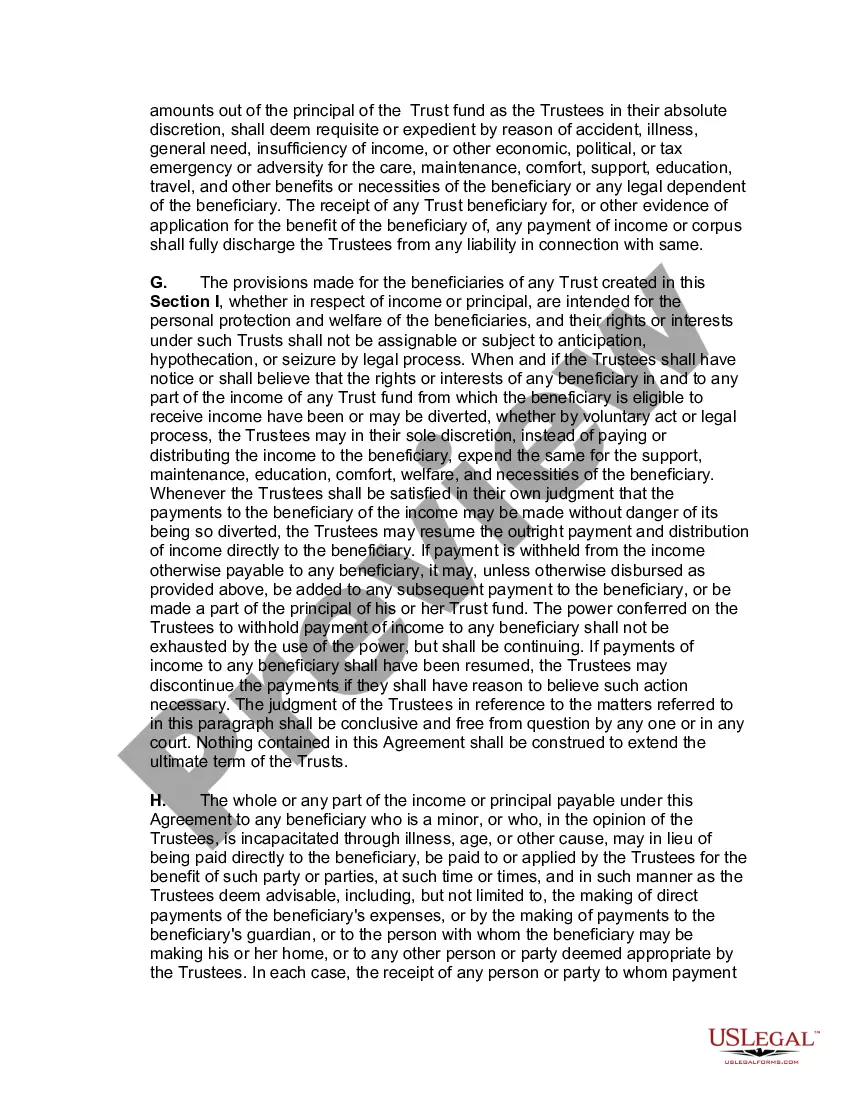
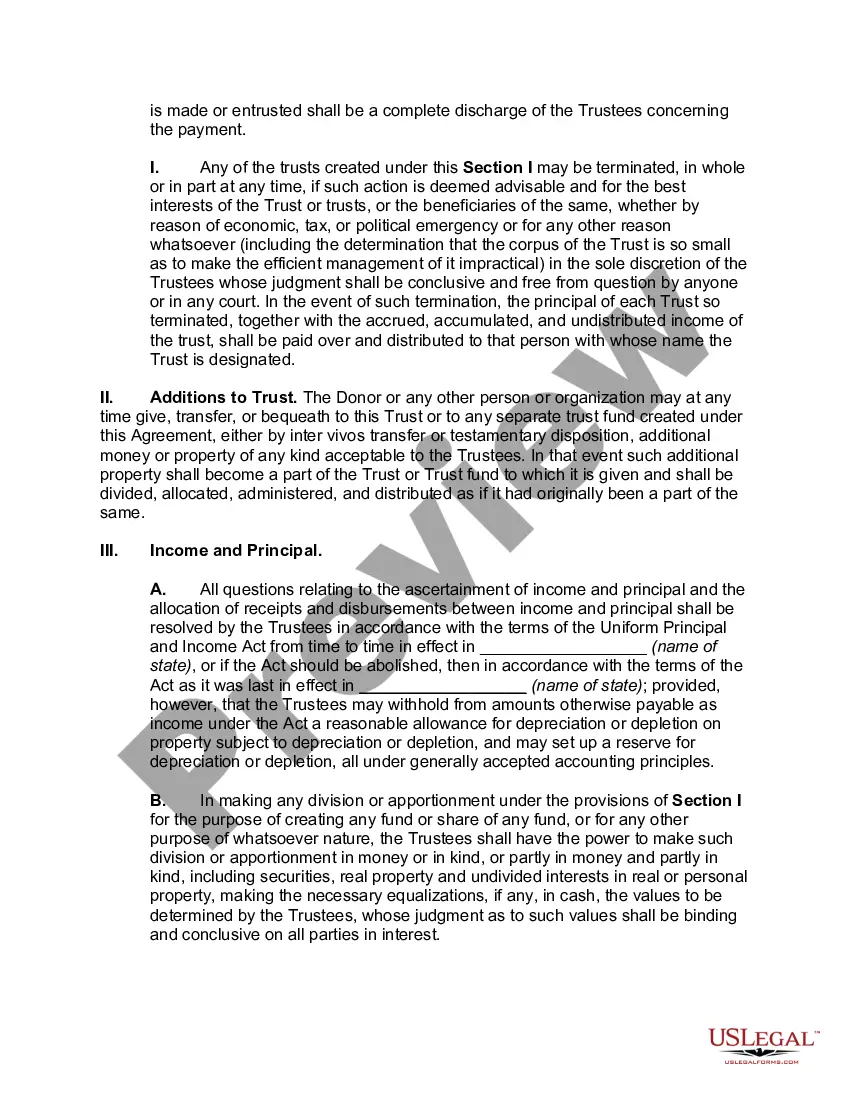
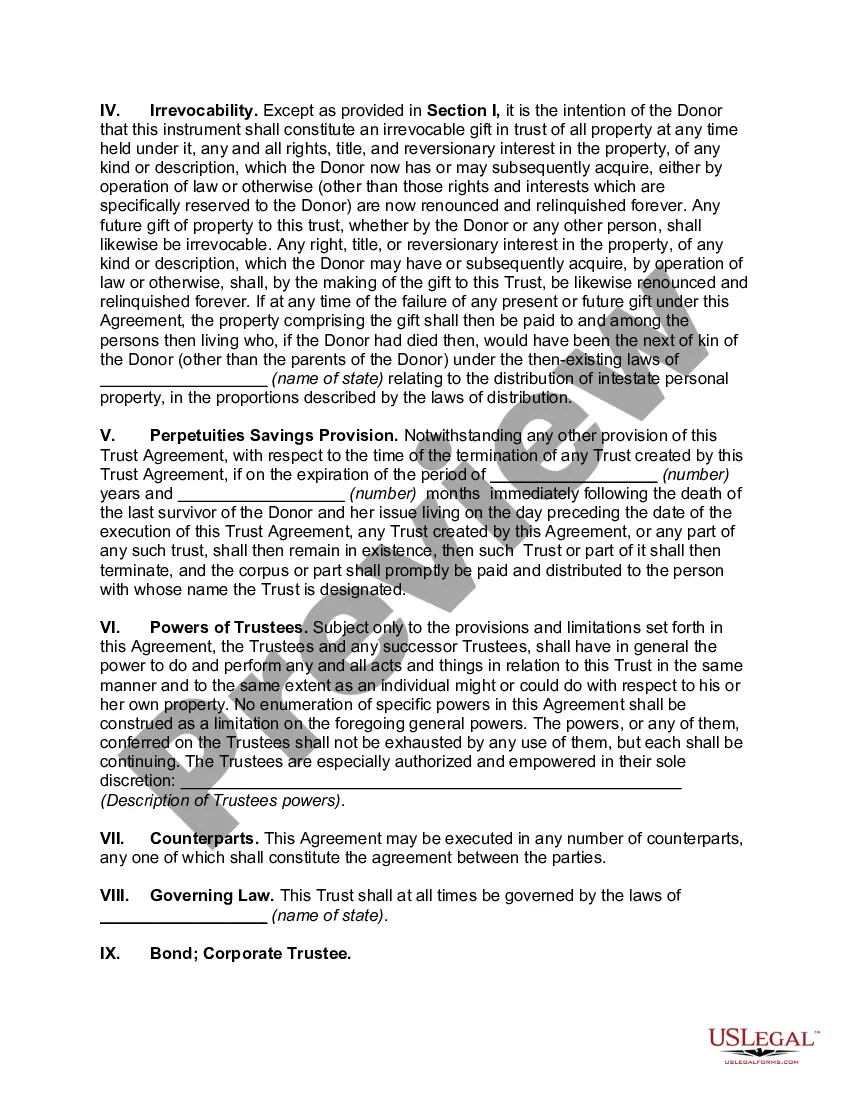
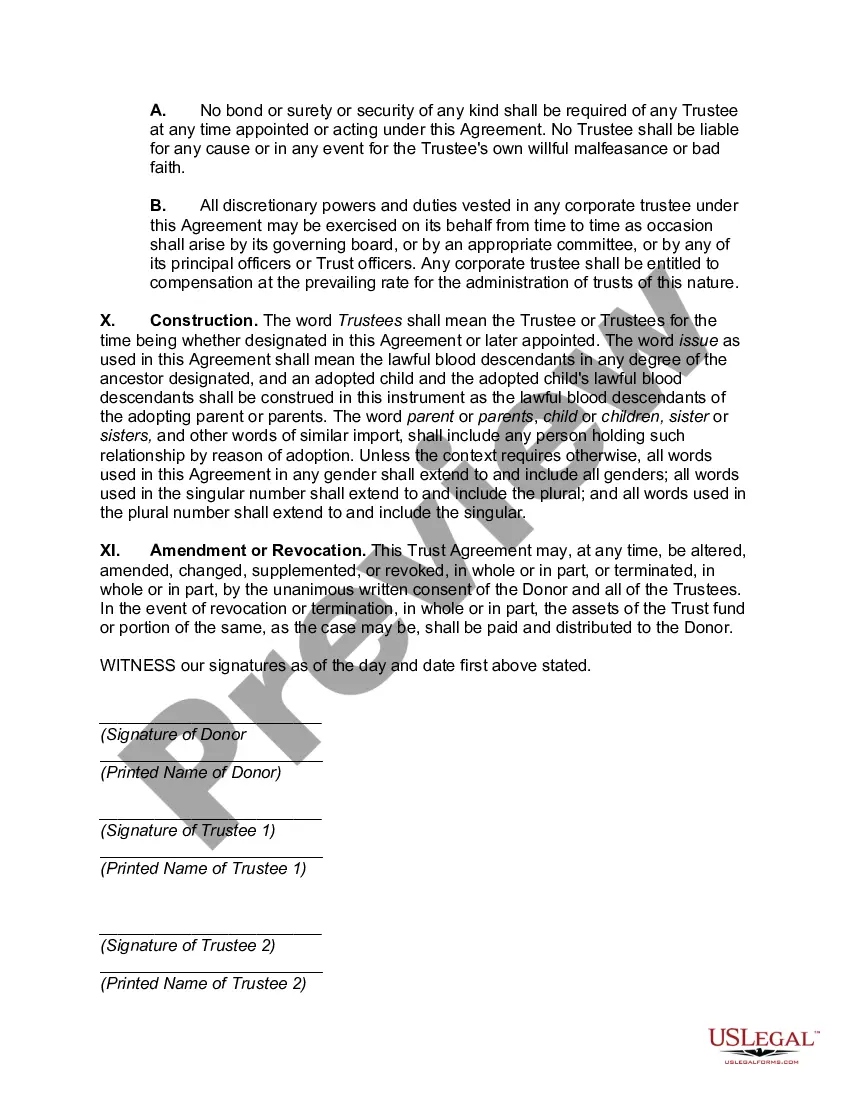
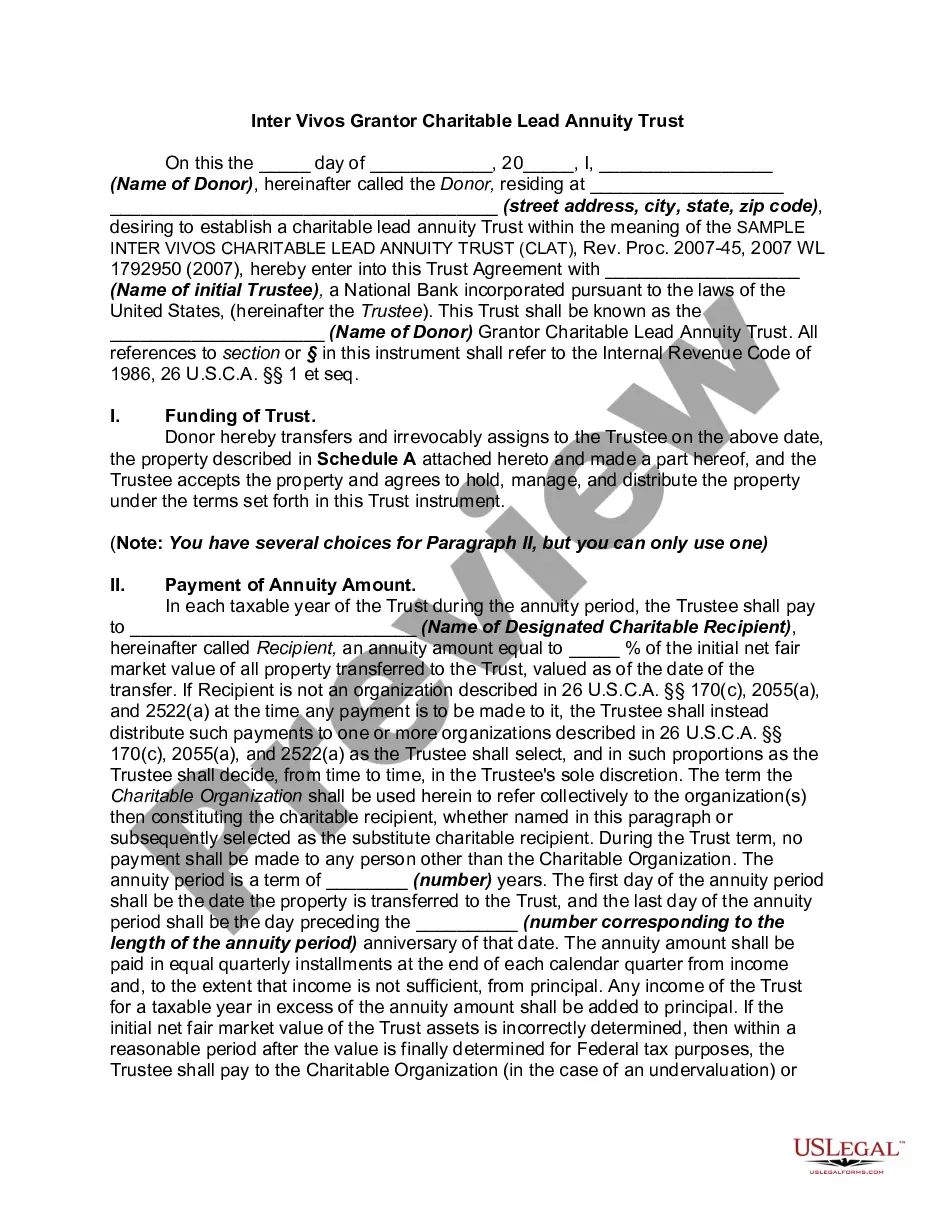
How to fill out Grantor Retained Income Trust With Division Into Trusts For Issue After Term Of Years?
- If you are a returning user, log into your account to access and download the necessary form template directly by clicking the Download button. Verify that your subscription is active; if not, renew as per your payment plan.
- For first-time users, begin by reviewing the Preview mode and the form description to confirm it meets your specific needs and adheres to local jurisdiction requirements.
- If you need an alternative template, utilize the Search tab at the top to find the correct one. Once located, proceed to the next step.
- Select the document by clicking on the Buy Now button, where you'll choose your desired subscription plan and register an account for access to the library's resources.
- Complete your purchase by entering your credit card information or opting for payment via PayPal.
- Download the form to your device, allowing you to fill it out and access it anytime through the My documents section of your profile.
In conclusion, US Legal Forms offers a comprehensive and user-friendly experience for obtaining legal documents related to grantor trusts for trustees. With a vast library and expert assistance available, you can ensure that your legal needs are efficiently met.
Start your journey today by visiting US Legal Forms and discover the benefits for yourself!
Form popularity
FAQ
A trustee can serve as a guarantor when necessary. This can provide additional assurance to beneficiaries and enhance the trust's credibility. When overseeing grantor trusts for trustees, it is vital to balance these roles to maintain impartiality and meet fiduciary responsibilities.
Yes, the guarantor can also be the trustee in some situations. This arrangement may streamline the management of the trust, allowing for efficient decision-making. However, it is essential to clarify roles to prevent any conflicts when dealing with grantor trusts for trustees.
A grantor trust offers several advantages, including potential tax benefits and greater control over assets. These trusts allow grantors to retain some rights while ensuring that beneficiaries benefit. Additionally, understanding grantor trusts for trustees can simplify estate planning, making it easier to manage their financial legacy.
Yes, a trustee can also serve as a grantor. This dual role allows for more flexibility in managing trust assets. However, grantor trusts for trustees must be set up carefully to avoid potential conflicts of interest, ensuring that the roles do not undermine the trust’s purpose.
Yes, a trustee can indeed be liable for certain actions. If a trustee fails to act in the best interest of the trust or breaches their fiduciary duty, they may face legal consequences. Understanding the complexities of grantor trusts for trustees is crucial, as it helps ensure that trustees operate within legal parameters.
A guarantor is typically someone who is financially stable and trustworthy. This person may be a relative, friend, or business associate who agrees to back the obligations of the trust. By having a reliable guarantor, grantor trusts for trustees can operate more smoothly and provide peace of mind to all parties involved.
Grantor trust status is typically triggered when the grantor retains certain rights or powers over the trust assets, such as the ability to revoke or modify the trust. Other factors may include the grantor's power to control distributions or direct investments made by the trust. Understanding these triggers is crucial for effective estate planning, and having the right legal documents can help clarify this status, which is where US Legal Forms can be beneficial for you.
To establish a grantor trust, start with a well-drafted trust agreement that clearly states your intentions and outlines management and distribution rules. You will then need to transfer assets into the trust, which legally places them under the trust's ownership. Using a platform like US Legal Forms can help streamline this process, providing user-friendly resources for creating and managing your grantor trust effectively.
One of the biggest mistakes parents often make is not clearly defining their wishes within the trust terms. This lack of clarity can lead to confusion and disputes among beneficiaries after your passing. Additionally, parents sometimes overlook including provisions for future children or changes in family circumstances. To avoid these pitfalls, consider consulting with professionals or using platforms like US Legal Forms to create comprehensive trust documents.
Setting up a grantor trust involves several key steps. First, you will need to draft a trust document outlining your intentions and the terms of the trust. Then, identify the assets you wish to fund into the trust and transfer ownership to it. Utilizing US Legal Forms can simplify this process, providing you with the right templates to establish your grantor trust efficiently.