Grantor Trust With Multiple Grantors
Description
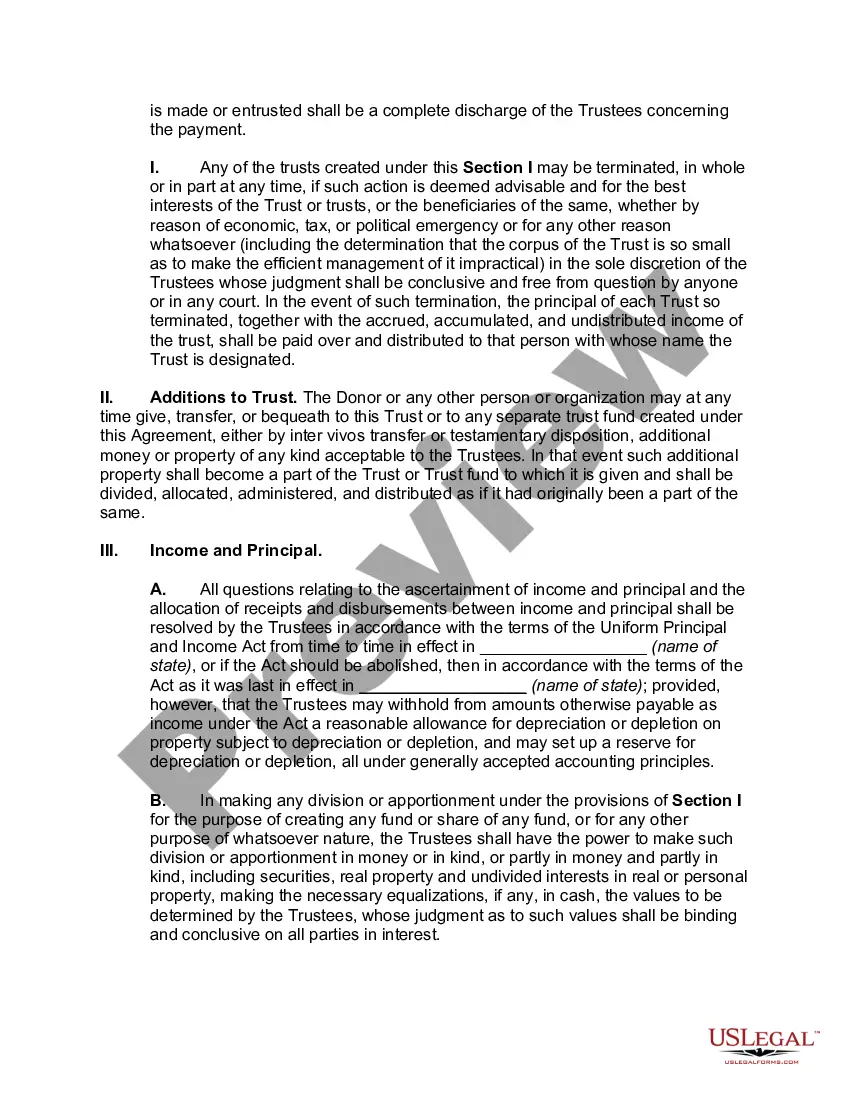
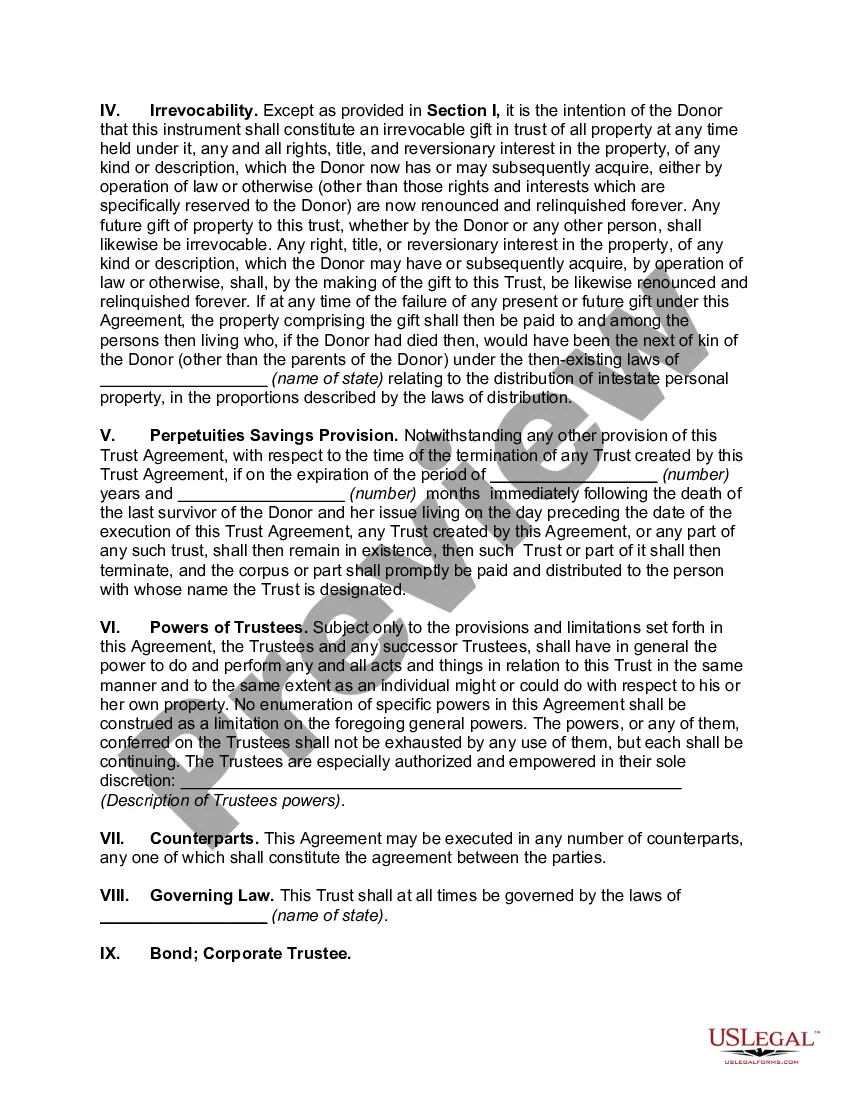
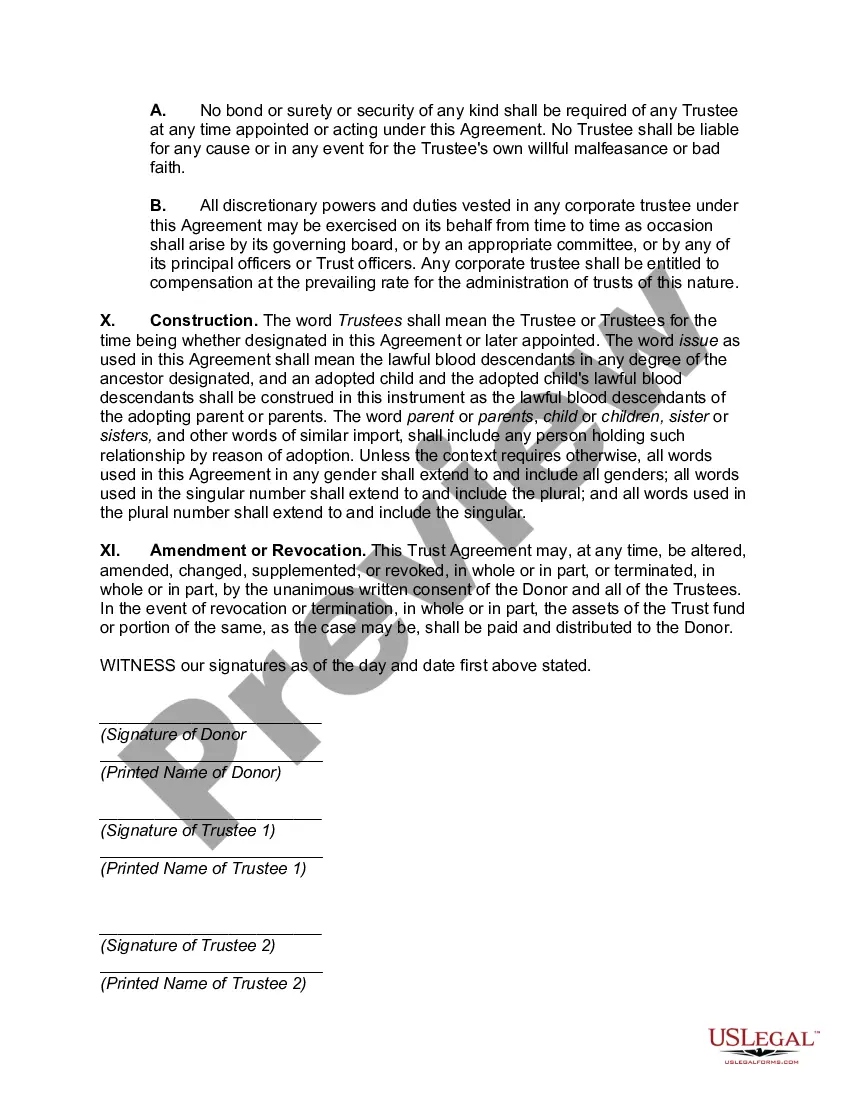

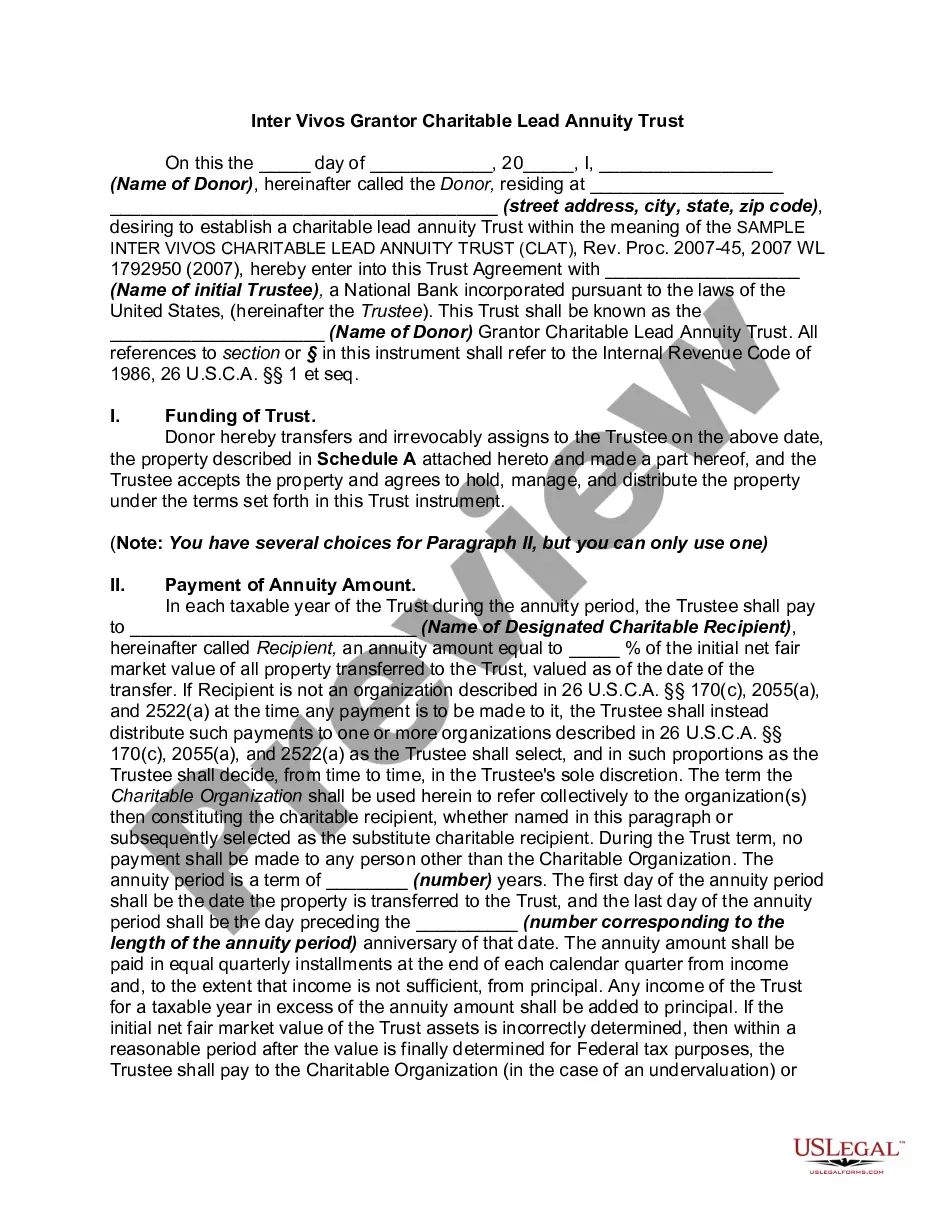
Get your form ready online
Our built-in tools help you complete, sign, share, and store your documents in one place.
Make edits, fill in missing information, and update formatting in US Legal Forms—just like you would in MS Word.
Download a copy, print it, send it by email, or mail it via USPS—whatever works best for your next step.
Sign and collect signatures with our SignNow integration. Send to multiple recipients, set reminders, and more. Go Premium to unlock E-Sign.
If this form requires notarization, complete it online through a secure video call—no need to meet a notary in person or wait for an appointment.
We protect your documents and personal data by following strict security and privacy standards.

Make edits, fill in missing information, and update formatting in US Legal Forms—just like you would in MS Word.

Download a copy, print it, send it by email, or mail it via USPS—whatever works best for your next step.

Sign and collect signatures with our SignNow integration. Send to multiple recipients, set reminders, and more. Go Premium to unlock E-Sign.

If this form requires notarization, complete it online through a secure video call—no need to meet a notary in person or wait for an appointment.

We protect your documents and personal data by following strict security and privacy standards.
Looking for another form?
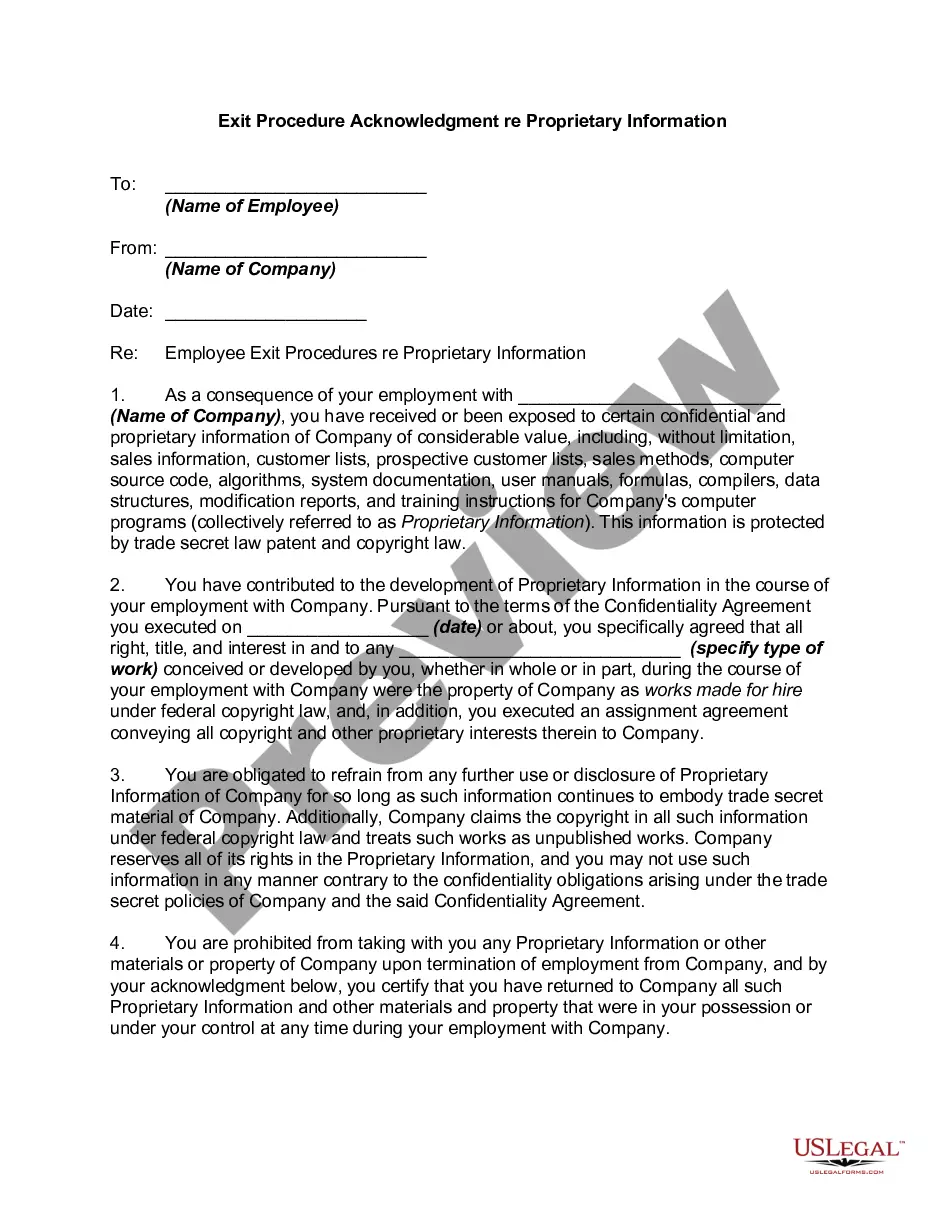

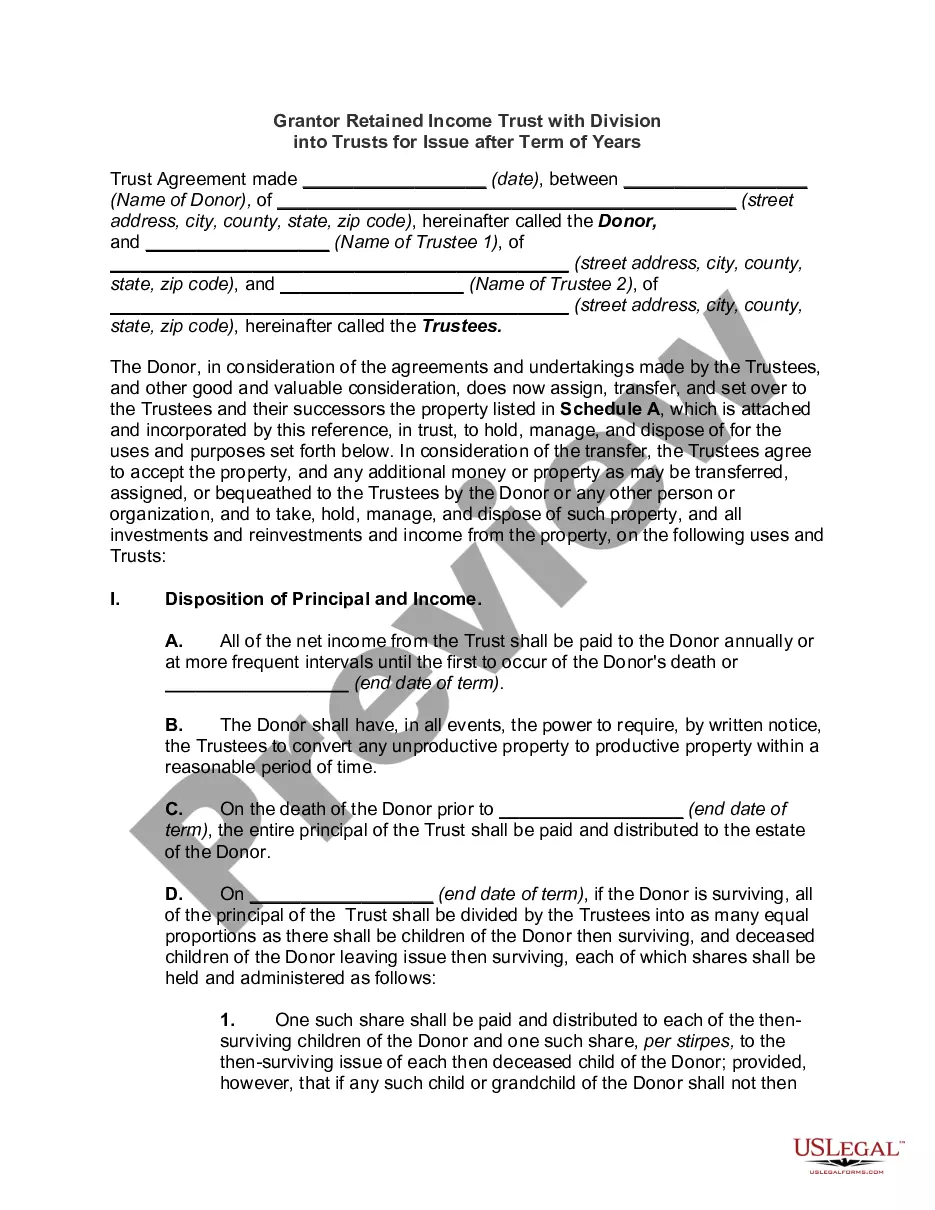
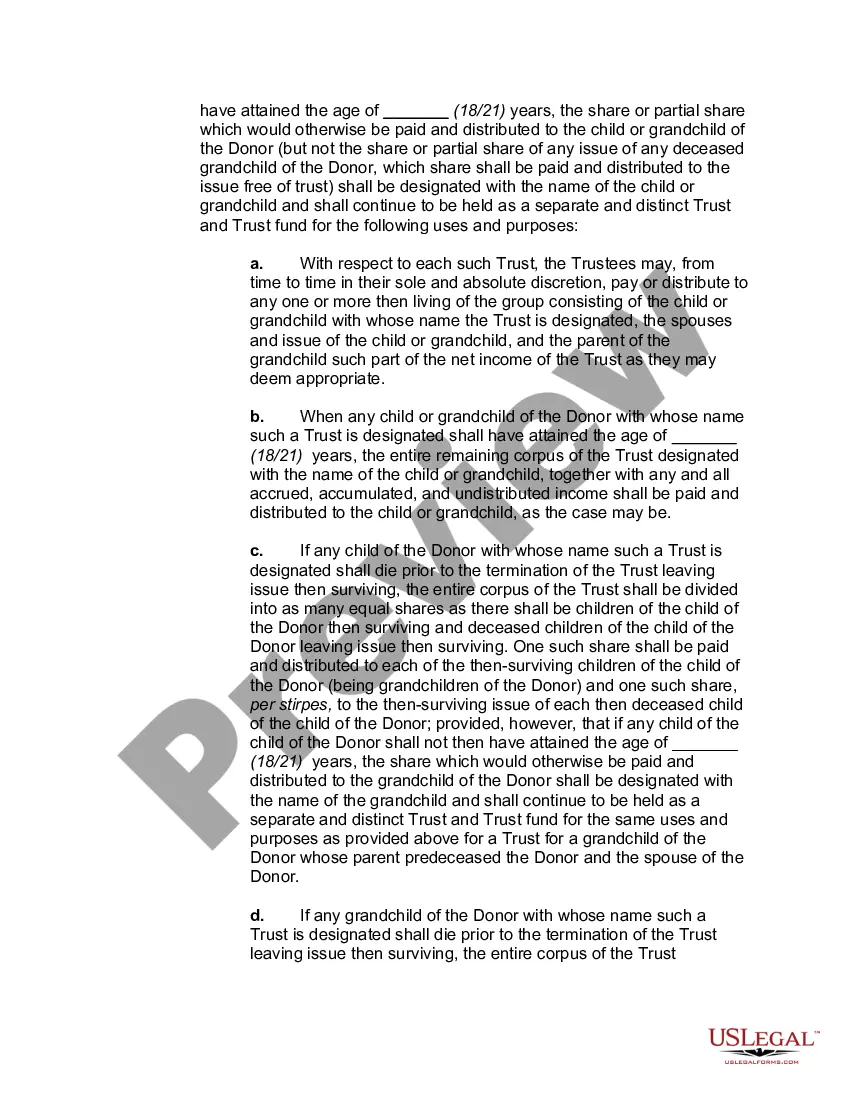
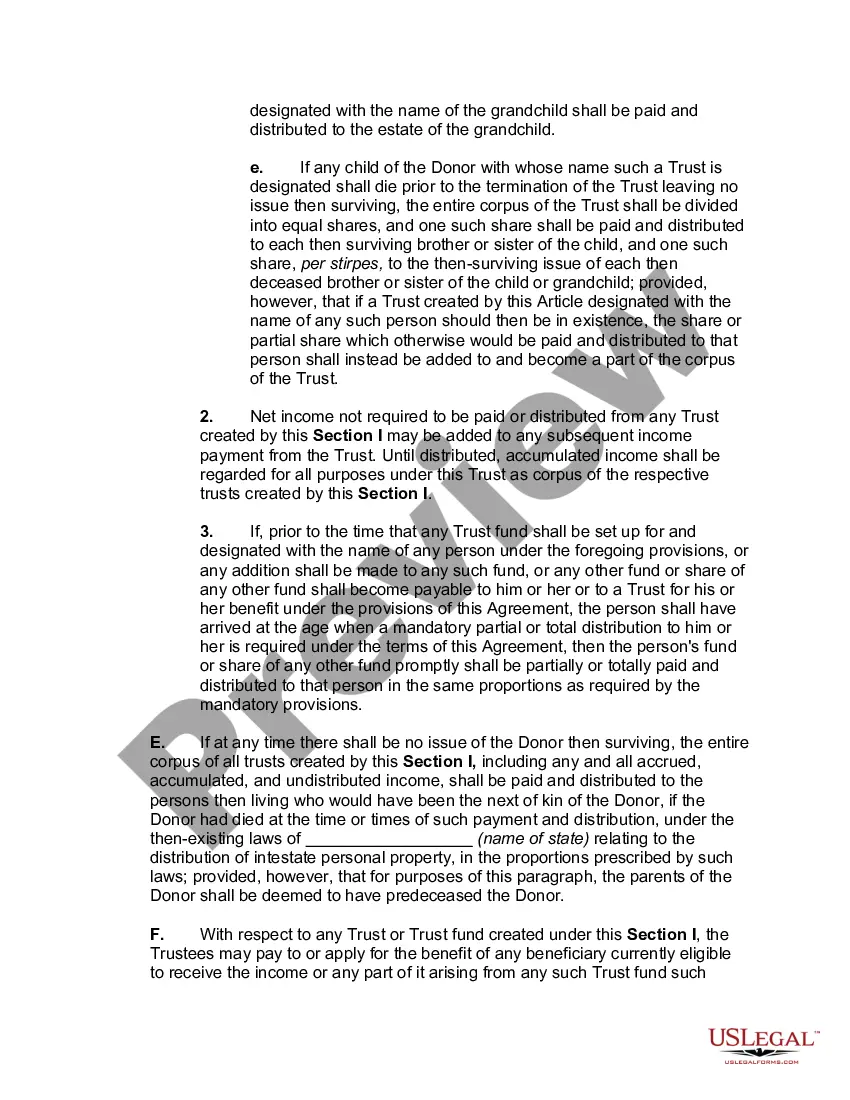
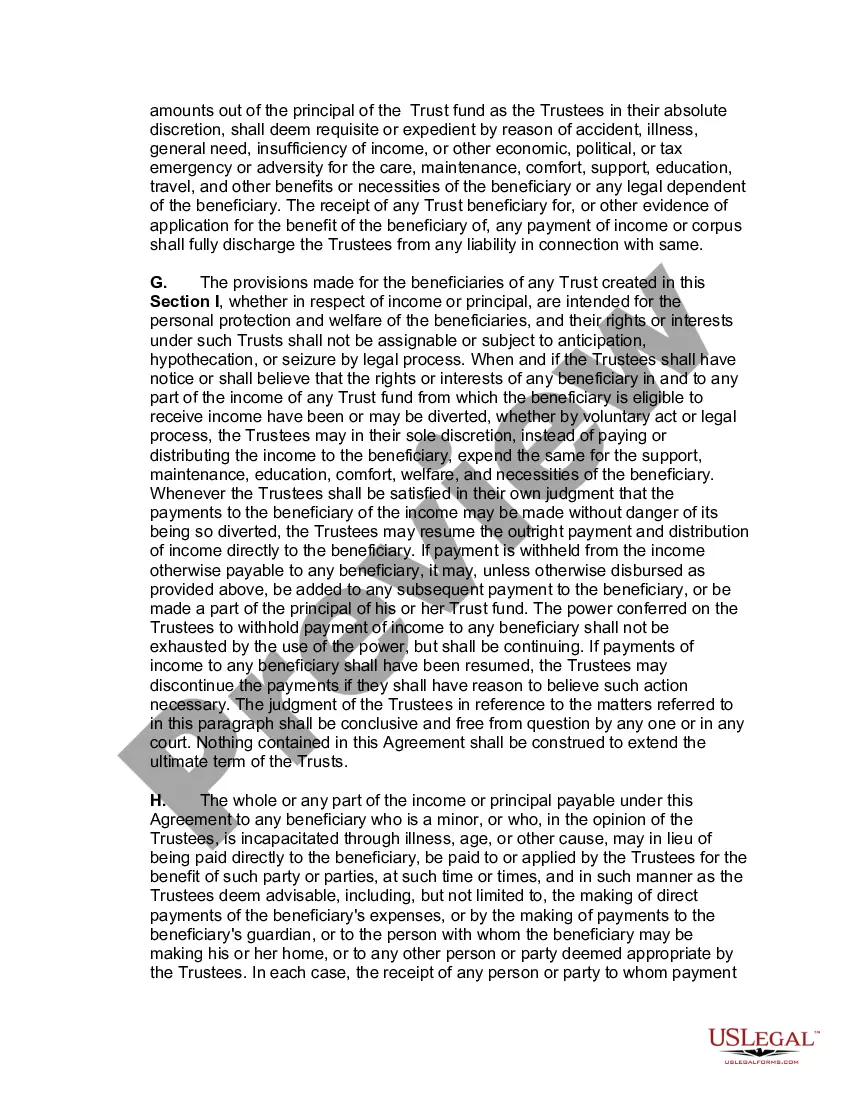
How to fill out Grantor Retained Income Trust With Division Into Trusts For Issue After Term Of Years?
- Begin by logging into your US Legal Forms account. Ensure that your subscription is active before proceeding.
- Explore the Preview mode and description of the forms available. Confirm that the selected document aligns with your requirements and adheres to local regulations.
- If adjustments are necessary, utilize the Search feature to find alternative templates that fit your criteria.
- Select the appropriate subscription plan by clicking the Buy Now button. You'll need to create an account to access the full library.
- Complete your purchase by inputting your payment details, which could be through credit card or PayPal.
- Download the chosen form onto your device, enabling you to fill it out easily. Access it later via the My Forms section in your profile.
US Legal Forms empowers you to complete legal documents effortlessly, thanks to its broad collection of templates and expert support. With over 85,000 editable forms at hand, you can ensure that your documents are tailored for accuracy and compliance.
Don't hesitate to start your journey toward creating a grantor trust with multiple grantors. Visit US Legal Forms today and streamline your legal documentation process.
Form popularity
FAQ
Absolutely, you can have more than one trustee in a grantor trust with multiple grantors. This setup allows for shared responsibilities and different strengths to contribute to trust management. It can facilitate smoother operations and provide additional oversight. It’s important to establish clear communication and roles within the group of trustees to ensure efficient management.
Yes, there can be multiple trustees in a grantor trust with multiple grantors. This structure increases accountability and can lead to more diverse decision-making, which can be beneficial for handling trust assets. However, it’s crucial to define the powers, responsibilities, and decision-making processes clearly to prevent disputes. Consulting with legal resources, like uslegalforms, can help in setting up such arrangements effectively.
Indeed, a trust can have multiple trustees, and this is common in complex situations. This arrangement allows collaboration and shared responsibility in managing the trust assets. It can also provide a safety net, ensuring that if one trustee is unavailable, the other can step in. Engaging multiple trustees can enhance oversight and security in managing the trust.
Having co-trustees can be beneficial, especially in a grantor trust with multiple grantors. Co-trustees can collaborate to make informed decisions, which balances different perspectives and experiences. However, it’s essential to ensure that they can work well together to avoid conflict. Clear communication and defined roles can enhance trust administration, making this option an appealing choice.
Yes, you can put multiple properties into a grantor trust with multiple grantors. This approach can simplify estate planning and help in managing diverse assets under a single umbrella. By consolidating properties in one trust, you streamline asset management and enhance protection. It’s wise to consult with legal experts or platforms like uslegalforms to ensure proper handling during the trust establishment.
Generally, a trust may become irrevocable upon the death of one grantor, but it depends on the specific terms of the trust agreement. If the trust states that it remains revocable until both grantors pass away, then it continues to be flexible. However, if the document specifies different provisions, the trust might change its status. Understanding these details can be critical, and you might consider using resources from uslegalforms to clarify your trust documents.
Yes, a grantor trust can certainly have multiple grantors. This type of trust allows individuals to share management and control of the trust assets. Many families choose this structure to unify resources for tax planning and asset protection. A grantor trust with multiple grantors offers flexibility in how assets are managed and distributed.
When one of the two grantors of a trust dies, the trust continues to operate under the remaining grantor's oversight. The surviving grantor may need to reassess their management duties and the trust's goals. A grantor trust with multiple grantors is designed to adapt to such changes, ensuring ongoing support for beneficiaries. To navigate this transition effectively, consider utilizing uslegalforms to receive expert advice and manage the trust's future.
Optional Method 1 for a grantor trust refers to the alternative tax treatment of income generated by the trust. Under this method, the income is reported on the grantors' personal tax returns, allowing for potentially lower overall taxes. By choosing a grantor trust with multiple grantors, individuals may benefit from strategic tax planning opportunities. Our platform, uslegalforms, can guide you through the specifics, ensuring you select the method that aligns with your financial goals.
Generally, a trust becomes irrevocable upon the death of a grantor. In a grantor trust with multiple grantors, the remaining grantors can continue to manage the trust's assets according to its terms. This provision ensures that the trust remains operational and effective for beneficiaries despite the loss of a grantor. Utilizing uslegalforms can help you understand how this evolution may impact your estate planning and ensure your trust operates smoothly.