Grantor Trust Sample For U.s. Federal Tax Purposes
Description
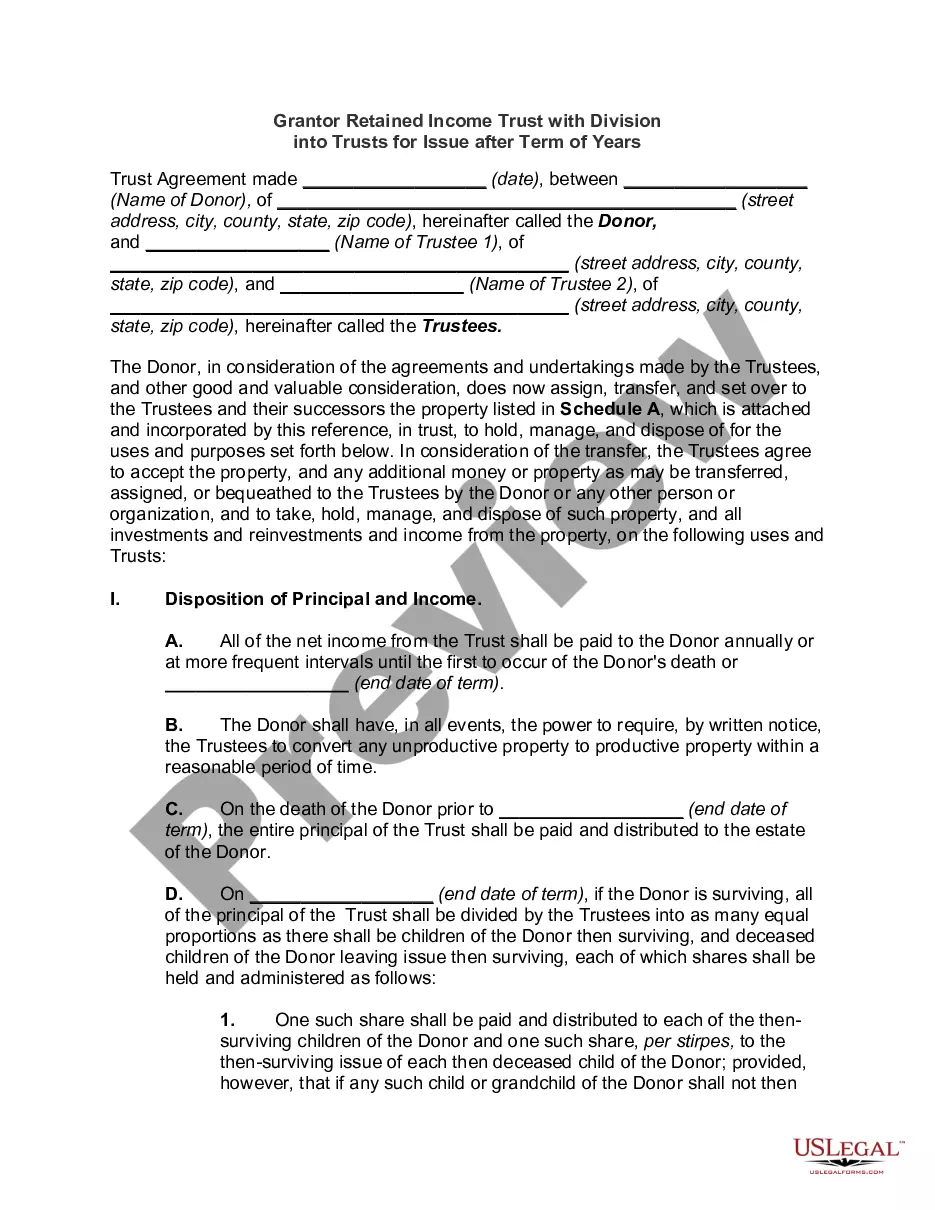
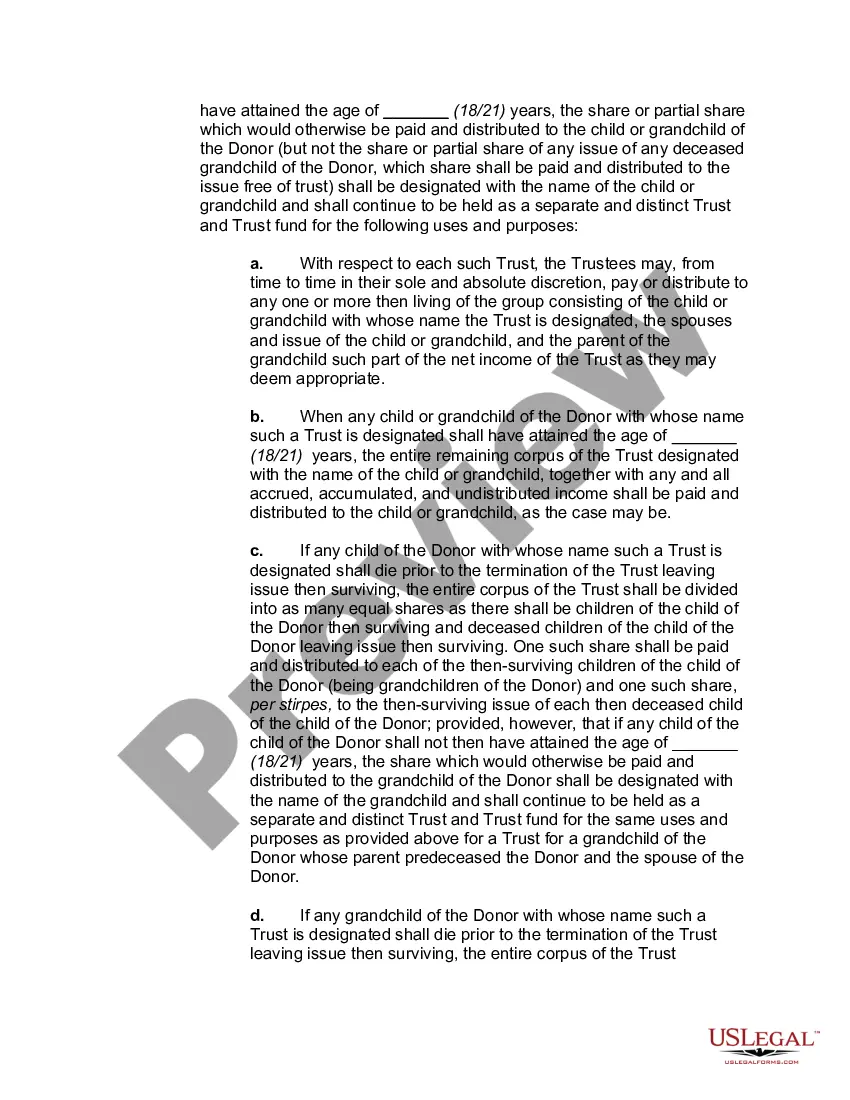
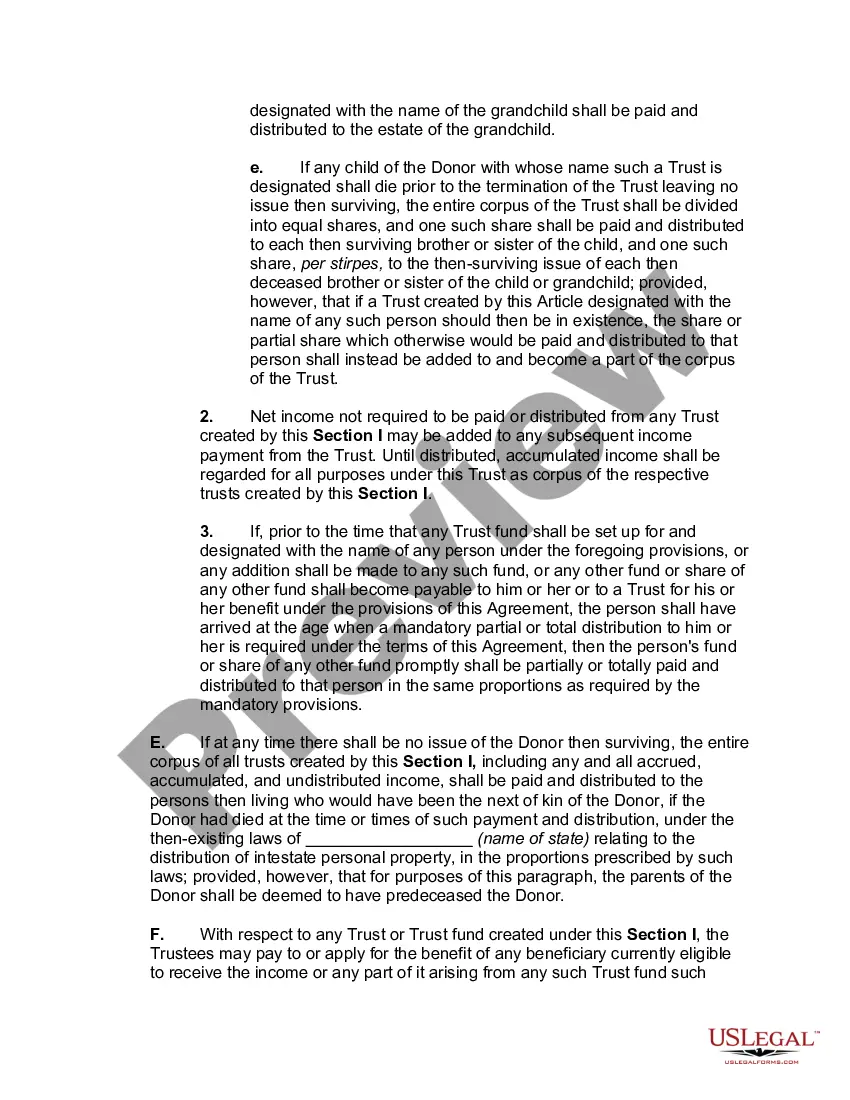
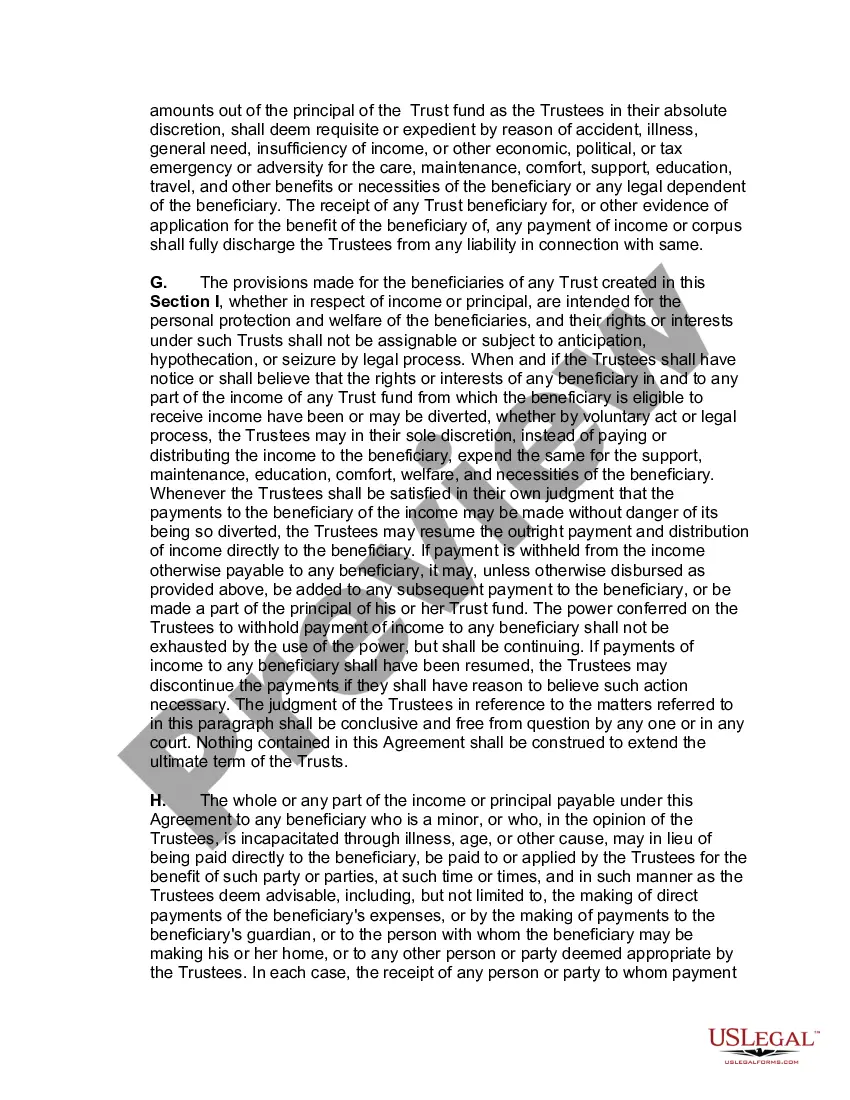
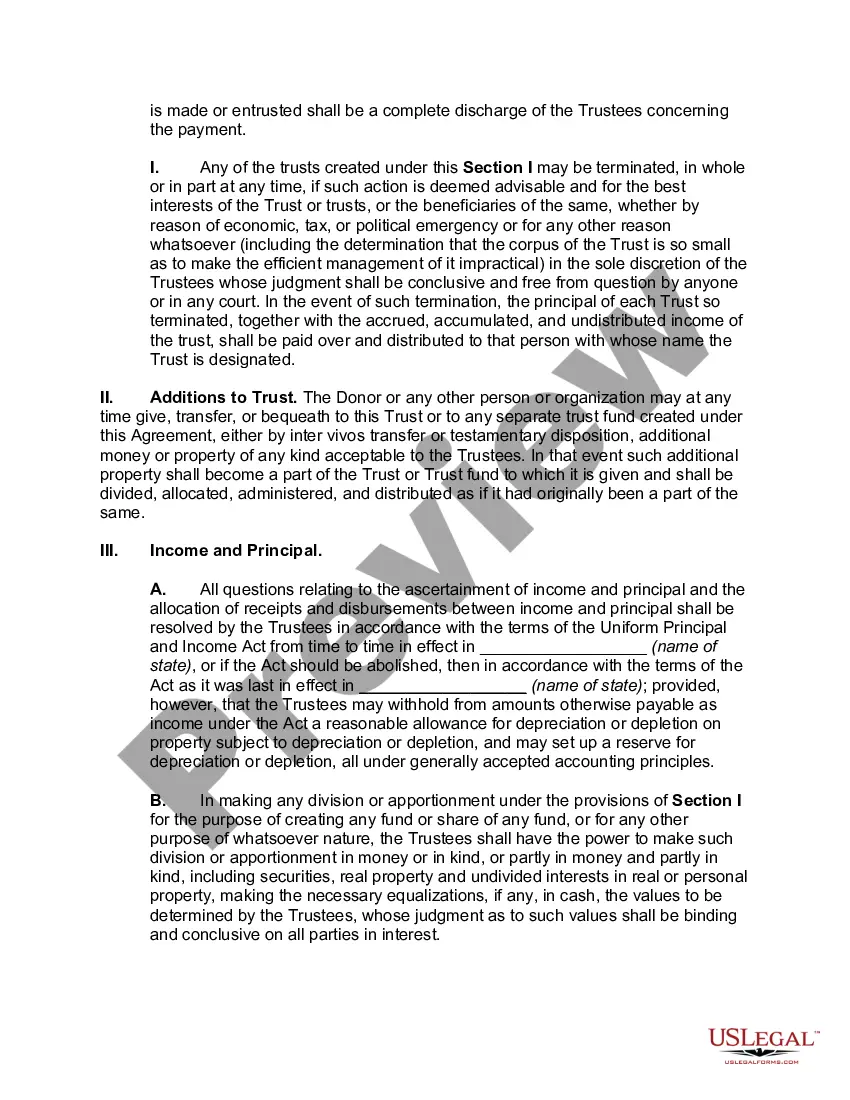
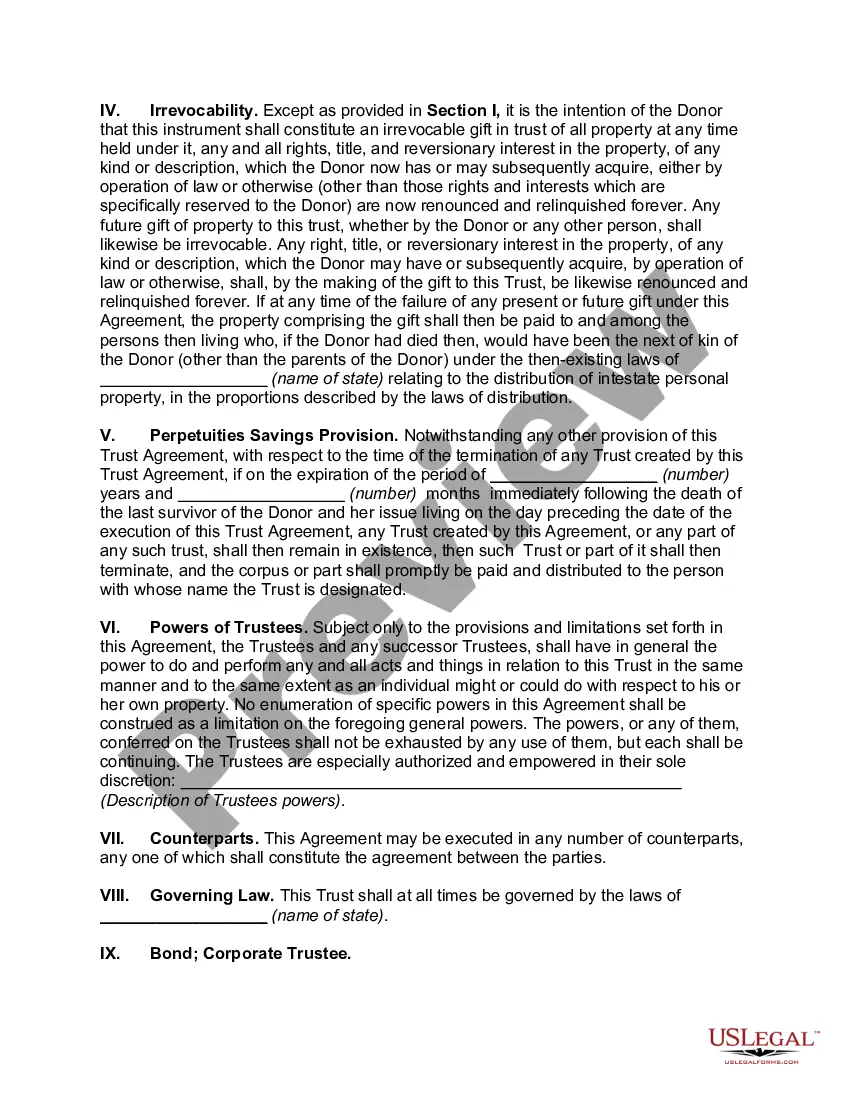
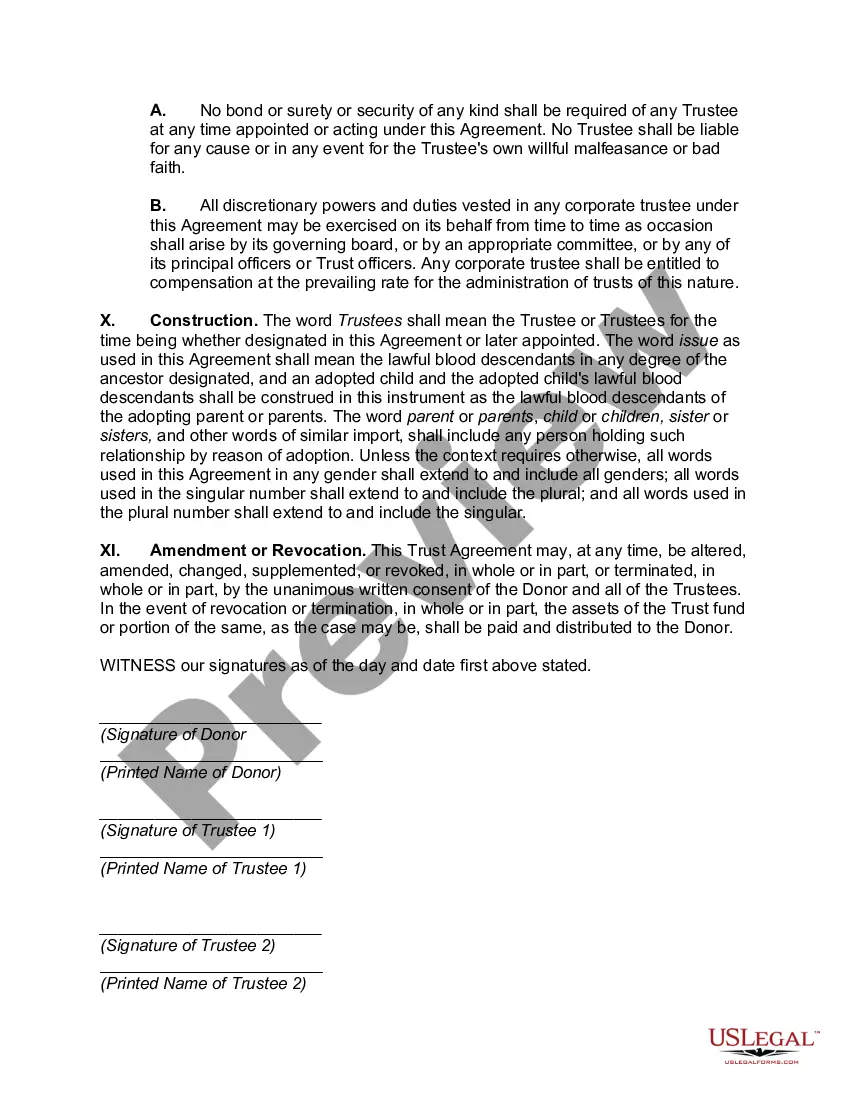

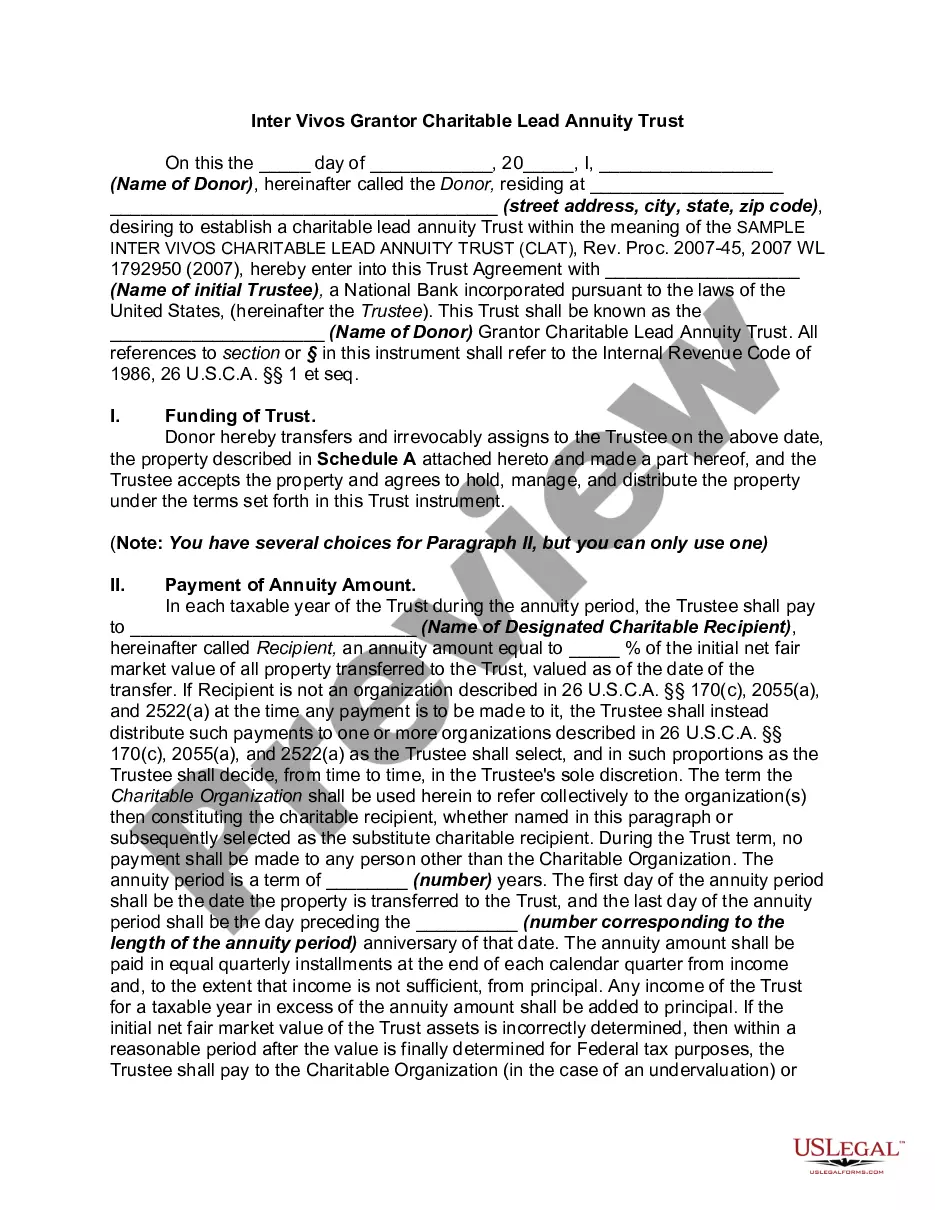
Get your form ready online
Our built-in tools help you complete, sign, share, and store your documents in one place.
Make edits, fill in missing information, and update formatting in US Legal Forms—just like you would in MS Word.
Download a copy, print it, send it by email, or mail it via USPS—whatever works best for your next step.
Sign and collect signatures with our SignNow integration. Send to multiple recipients, set reminders, and more. Go Premium to unlock E-Sign.
If this form requires notarization, complete it online through a secure video call—no need to meet a notary in person or wait for an appointment.
We protect your documents and personal data by following strict security and privacy standards.

Make edits, fill in missing information, and update formatting in US Legal Forms—just like you would in MS Word.

Download a copy, print it, send it by email, or mail it via USPS—whatever works best for your next step.

Sign and collect signatures with our SignNow integration. Send to multiple recipients, set reminders, and more. Go Premium to unlock E-Sign.

If this form requires notarization, complete it online through a secure video call—no need to meet a notary in person or wait for an appointment.

We protect your documents and personal data by following strict security and privacy standards.
Looking for another form?


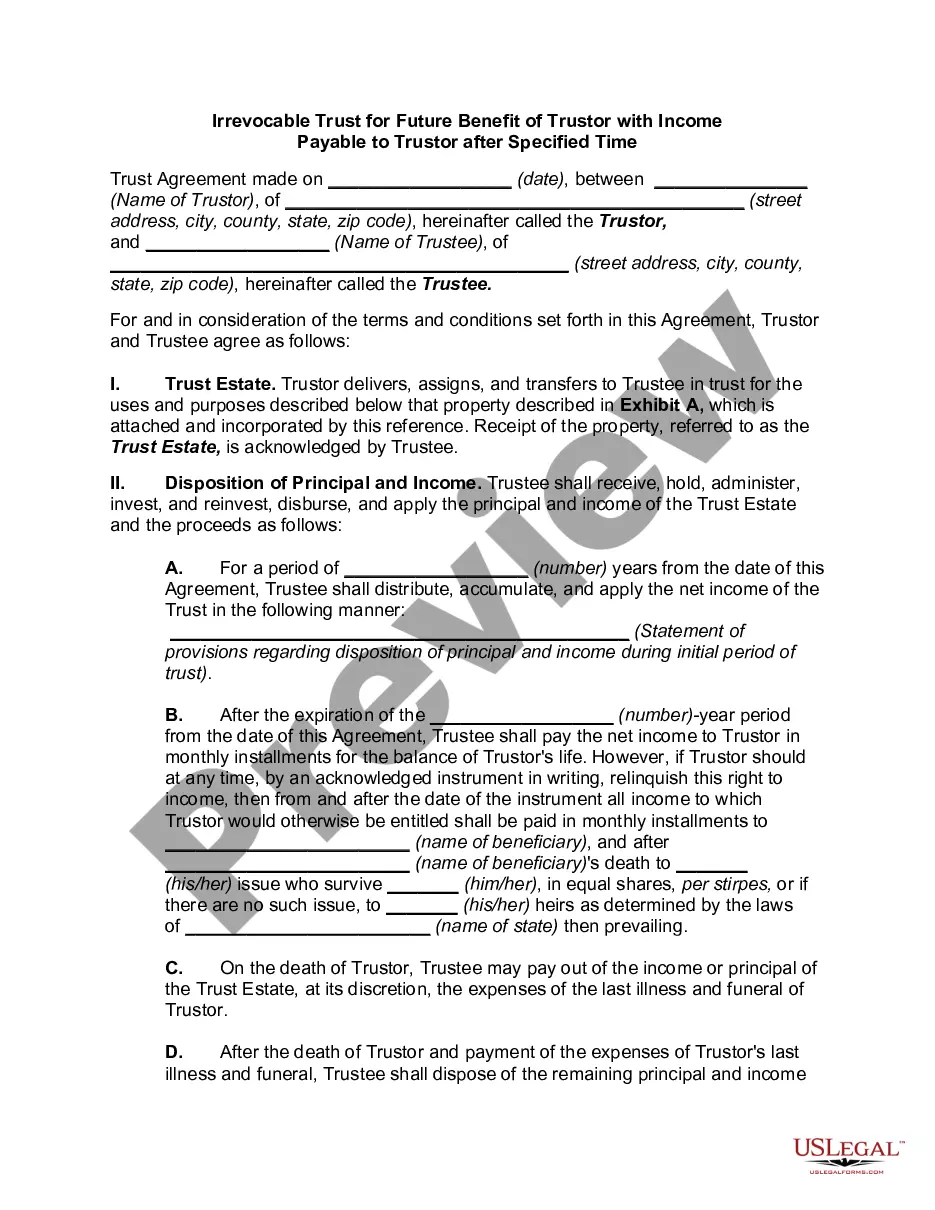
How to fill out Grantor Retained Income Trust With Division Into Trusts For Issue After Term Of Years?
The Grantor Trust Sample For U.s. Federal Tax Purposes you see on this page is a multi-usable legal template drafted by professional lawyers in compliance with federal and regional regulations. For more than 25 years, US Legal Forms has provided individuals, companies, and legal professionals with more than 85,000 verified, state-specific forms for any business and personal scenario. It’s the quickest, easiest and most reliable way to obtain the documents you need, as the service guarantees bank-level data security and anti-malware protection.
Acquiring this Grantor Trust Sample For U.s. Federal Tax Purposes will take you just a few simple steps:
- Search for the document you need and check it. Look through the sample you searched and preview it or check the form description to confirm it satisfies your needs. If it does not, make use of the search bar to find the correct one. Click Buy Now once you have located the template you need.
- Subscribe and log in. Opt for the pricing plan that suits you and create an account. Use PayPal or a credit card to make a quick payment. If you already have an account, log in and check your subscription to proceed.
- Get the fillable template. Select the format you want for your Grantor Trust Sample For U.s. Federal Tax Purposes (PDF, DOCX, RTF) and save the sample on your device.
- Complete and sign the paperwork. Print out the template to complete it by hand. Alternatively, use an online multi-functional PDF editor to rapidly and precisely fill out and sign your form with a legally-binding] {electronic signature.
- Download your papers one more time. Make use of the same document once again anytime needed. Open the My Forms tab in your profile to redownload any previously downloaded forms.
Subscribe to US Legal Forms to have verified legal templates for all of life’s circumstances at your disposal.
Form popularity
FAQ
The trustee must give the trust's name, TIN, and address to all payors for the taxable year, and the trustee must file Forms 1099 with the IRS and appropriately attribute the income of the trust among the grantors in proportion to their deemed ownership.
Income is reported on an attachment to the Form 1041, which also identifies the grantor as the owner of trust income.
A grantor trust is a trust in which the individual who creates the trust is the owner of the assets and property for income and estate tax purposes. Grantor trust rules are the rules that apply to different types of trusts. Grantor trusts can be either revocable or irrevocable trusts.
Grantor trust status can apply to either a revocable or an irrevocable trust. Under the general rule, the trust serves as an information reporter. The trust must obtain its own taxpayer identification number (TIN). However, income is not reported on the trust's Form 1041.
In general, every trust must file Form 1041, U.S. Income Tax Return for Estates and Trusts (Reg. §1.641(b)-2). Grantor trusts are not recognized as separate taxable entities for federal income tax purposes because the grantor has not relinquished complete dominion and control over the trust.