Grantor Trust At Death
Description

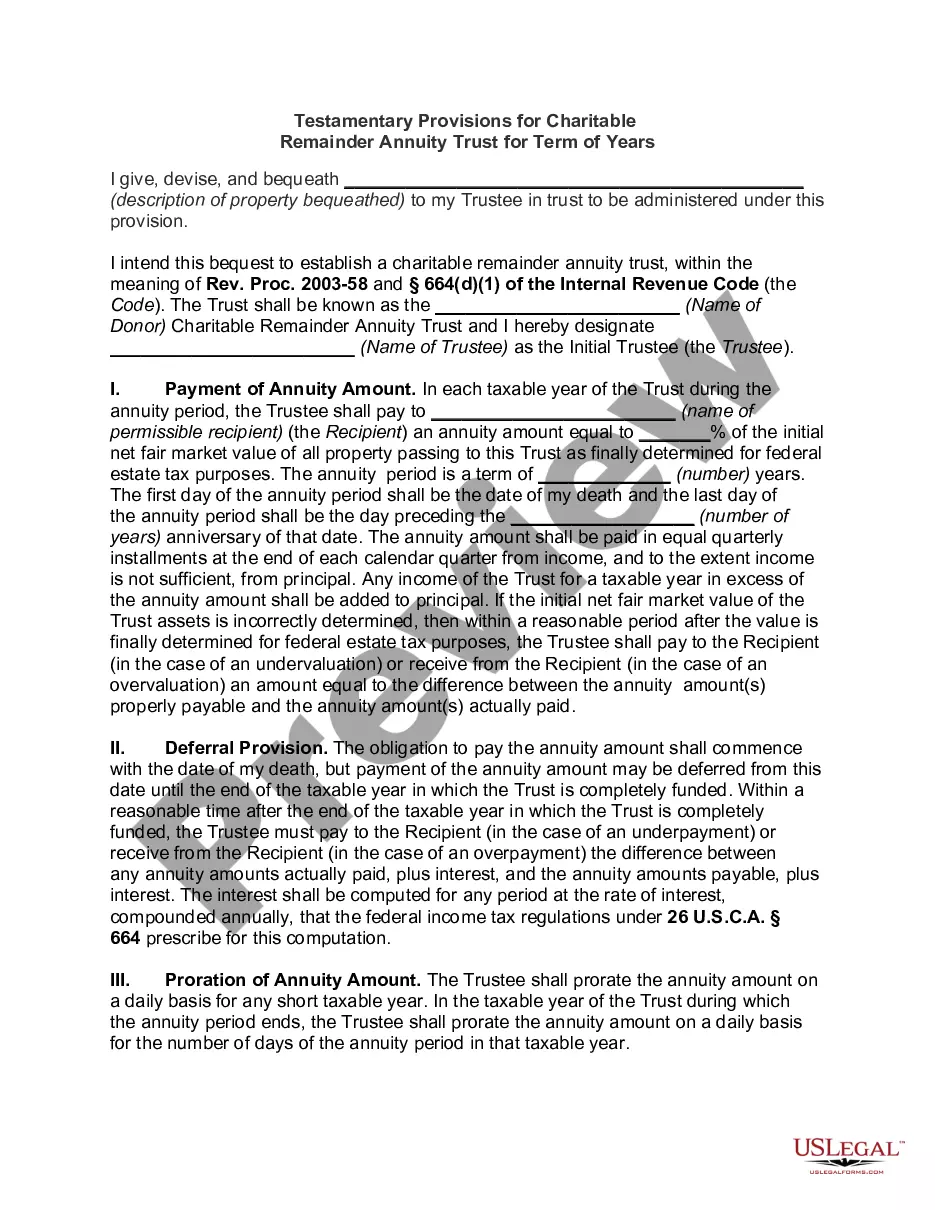
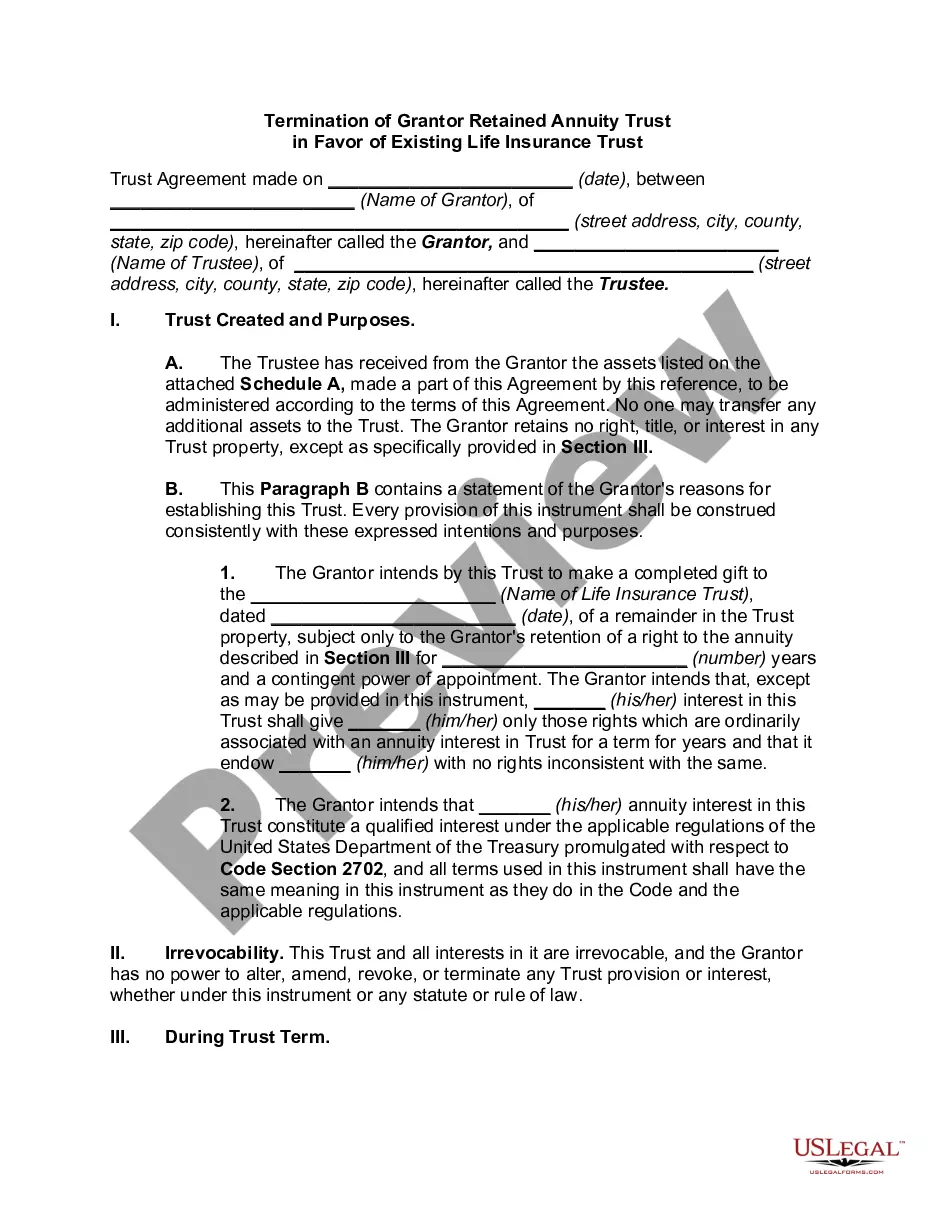
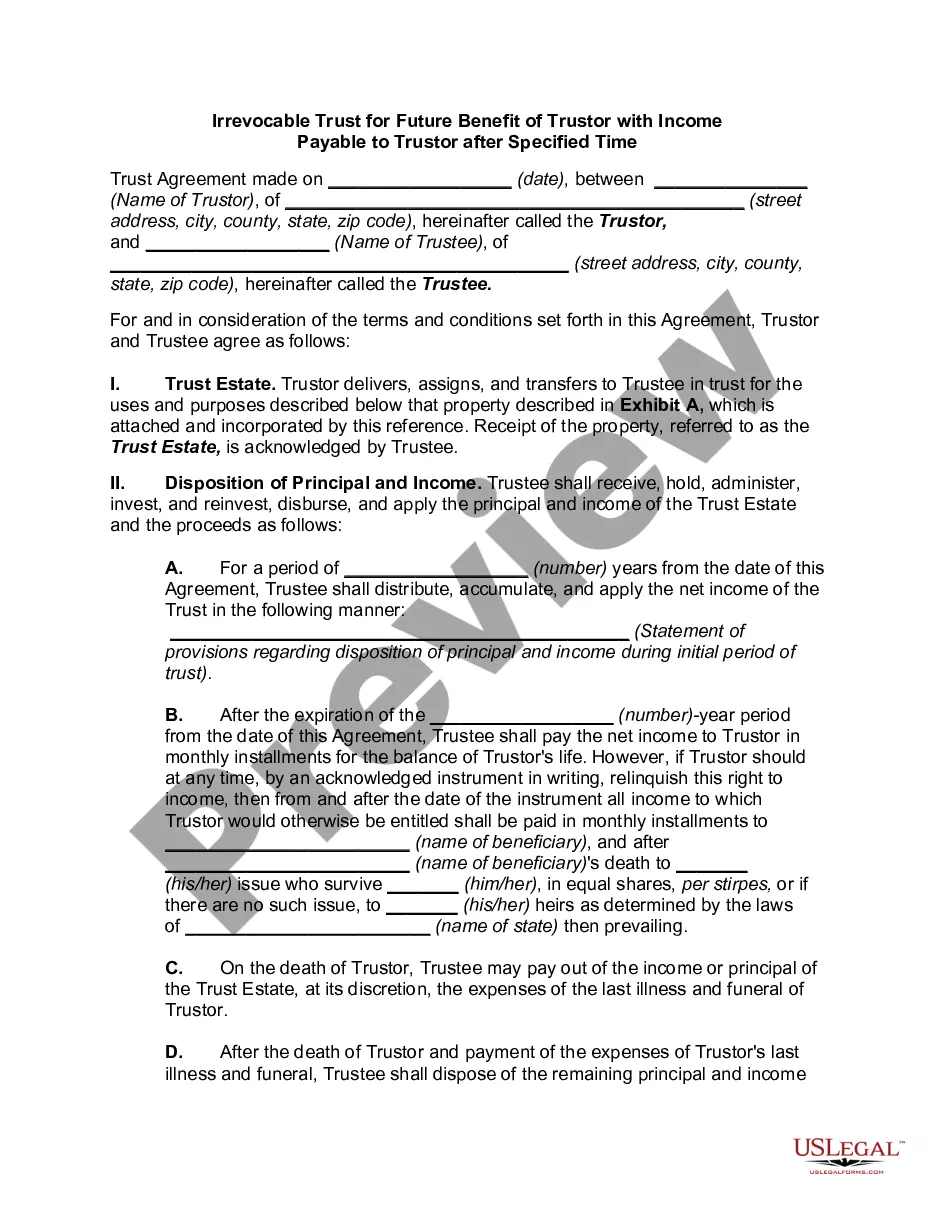
Get your form ready online
Our built-in tools help you complete, sign, share, and store your documents in one place.
Make edits, fill in missing information, and update formatting in US Legal Forms—just like you would in MS Word.
Download a copy, print it, send it by email, or mail it via USPS—whatever works best for your next step.
Sign and collect signatures with our SignNow integration. Send to multiple recipients, set reminders, and more. Go Premium to unlock E-Sign.
If this form requires notarization, complete it online through a secure video call—no need to meet a notary in person or wait for an appointment.
We protect your documents and personal data by following strict security and privacy standards.

Make edits, fill in missing information, and update formatting in US Legal Forms—just like you would in MS Word.

Download a copy, print it, send it by email, or mail it via USPS—whatever works best for your next step.

Sign and collect signatures with our SignNow integration. Send to multiple recipients, set reminders, and more. Go Premium to unlock E-Sign.

If this form requires notarization, complete it online through a secure video call—no need to meet a notary in person or wait for an appointment.

We protect your documents and personal data by following strict security and privacy standards.
Looking for another form?







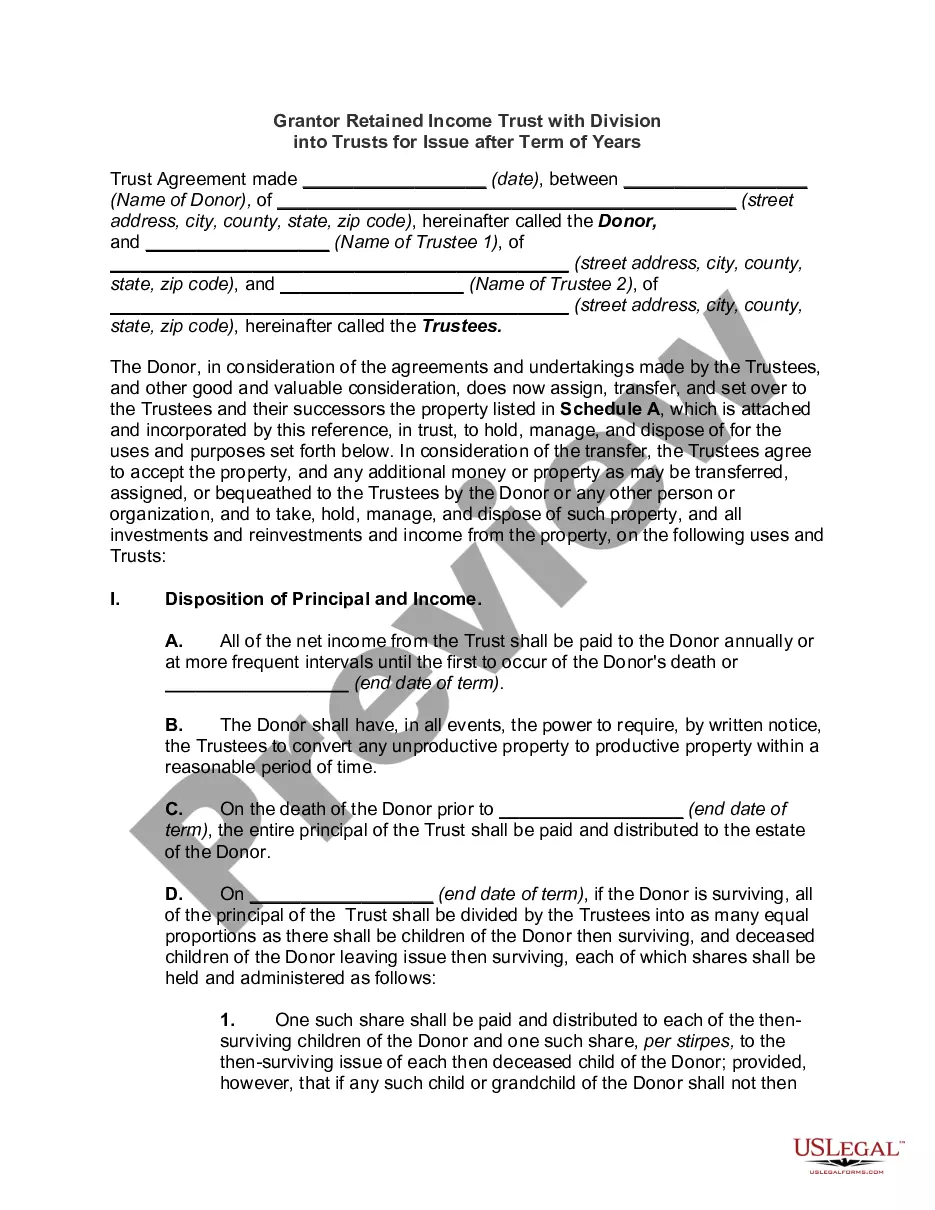
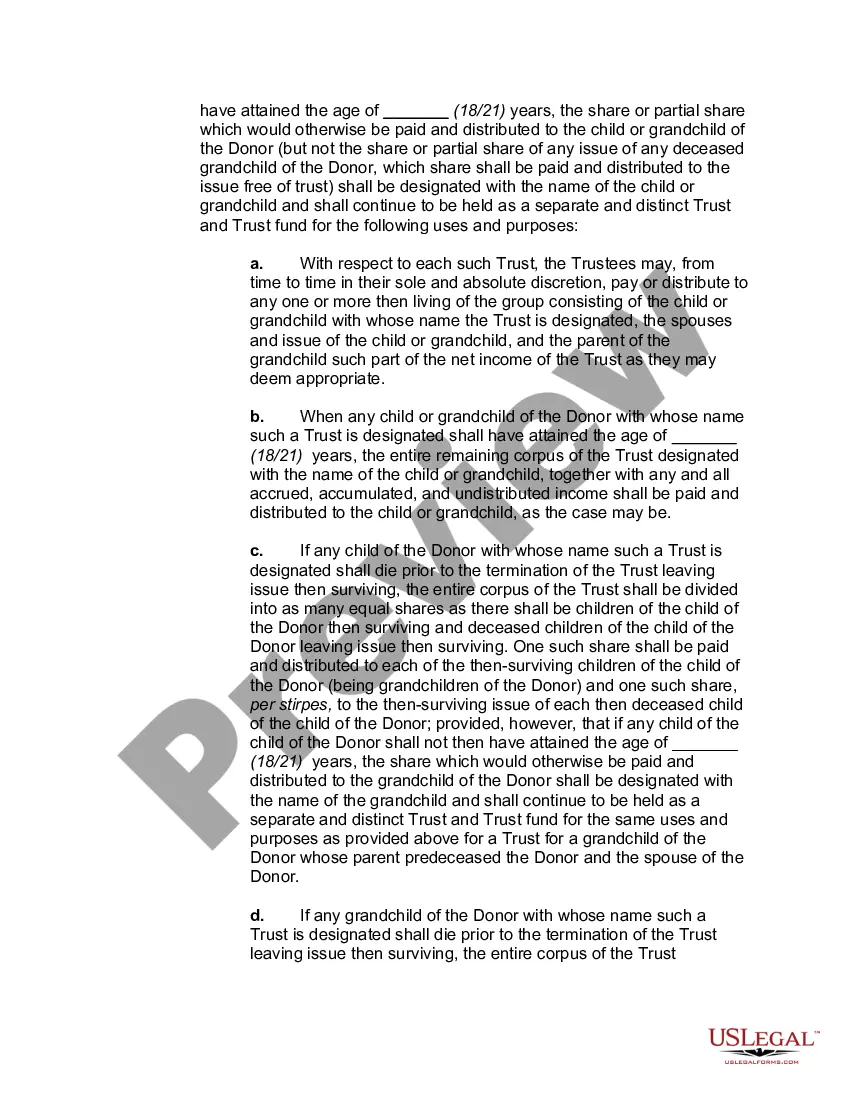
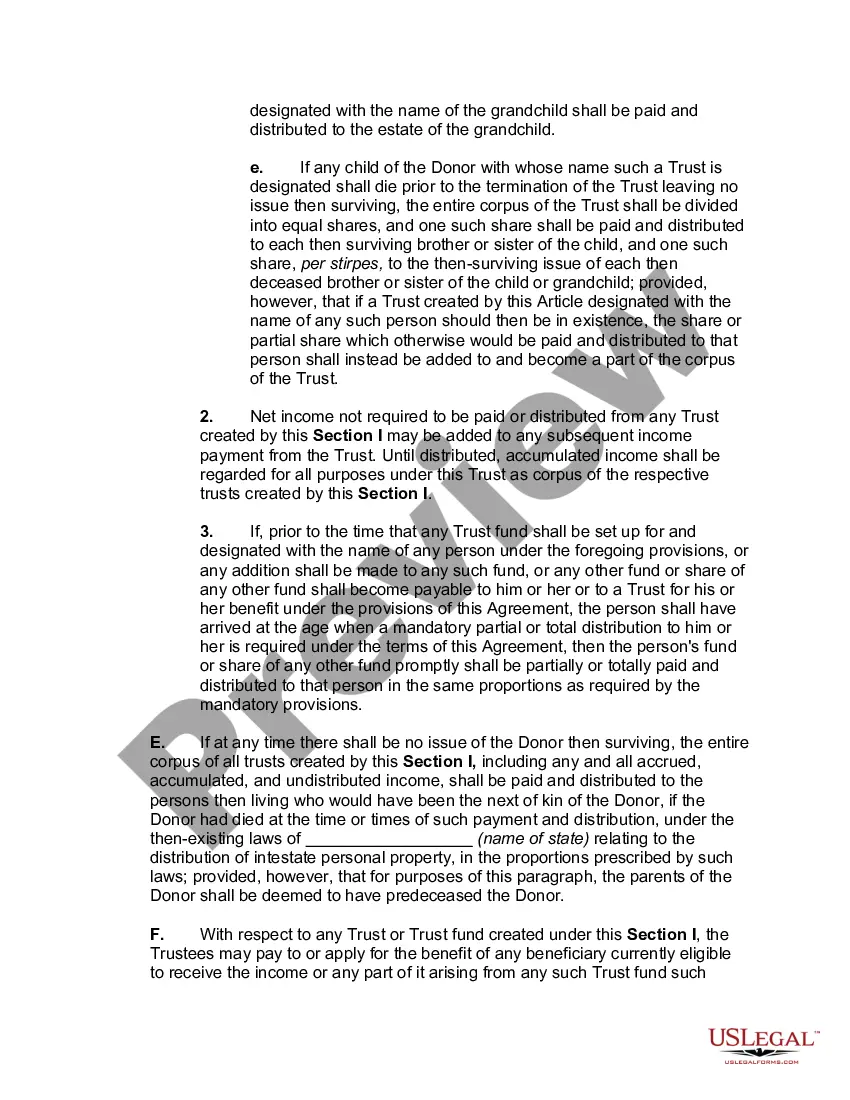
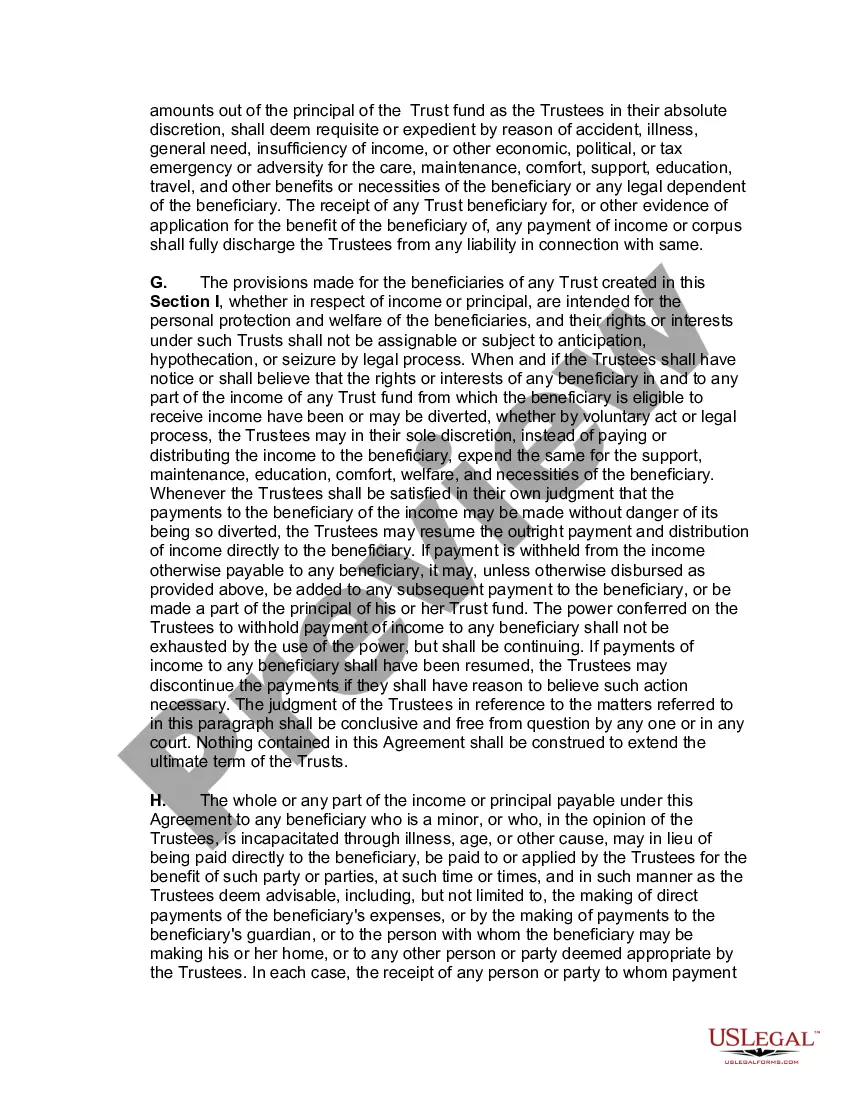
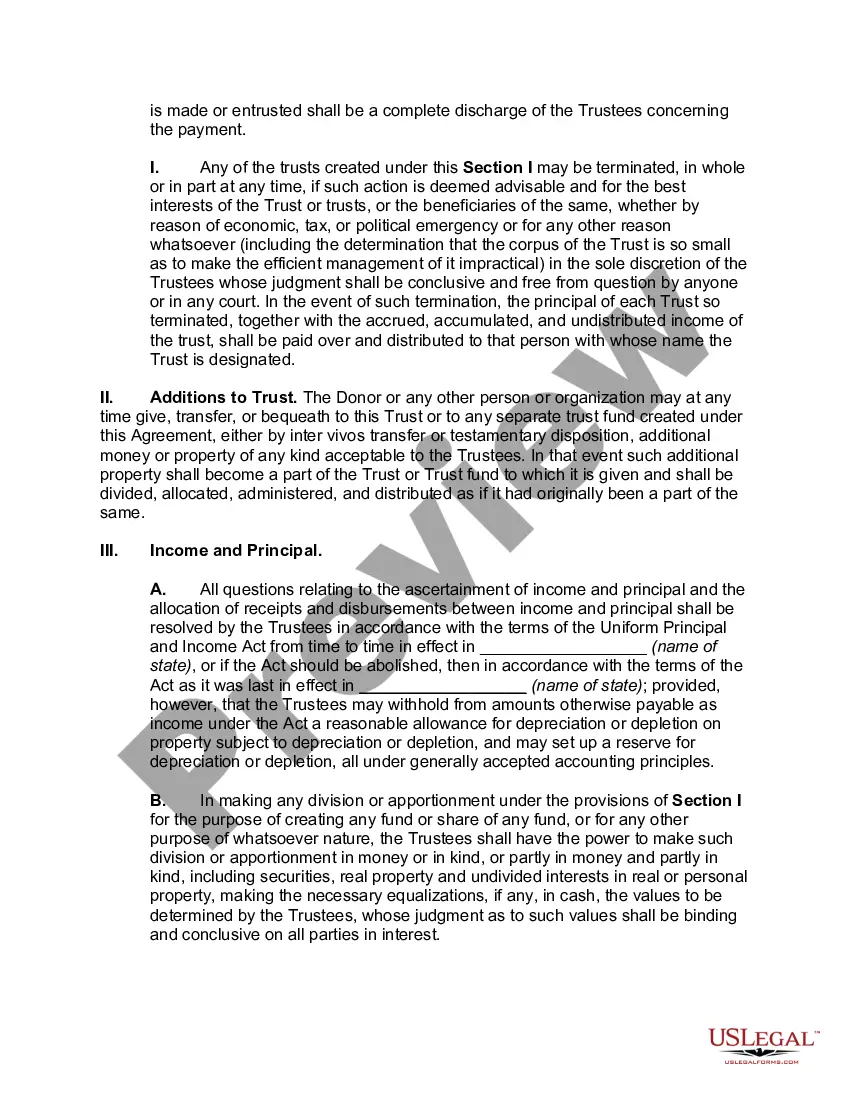
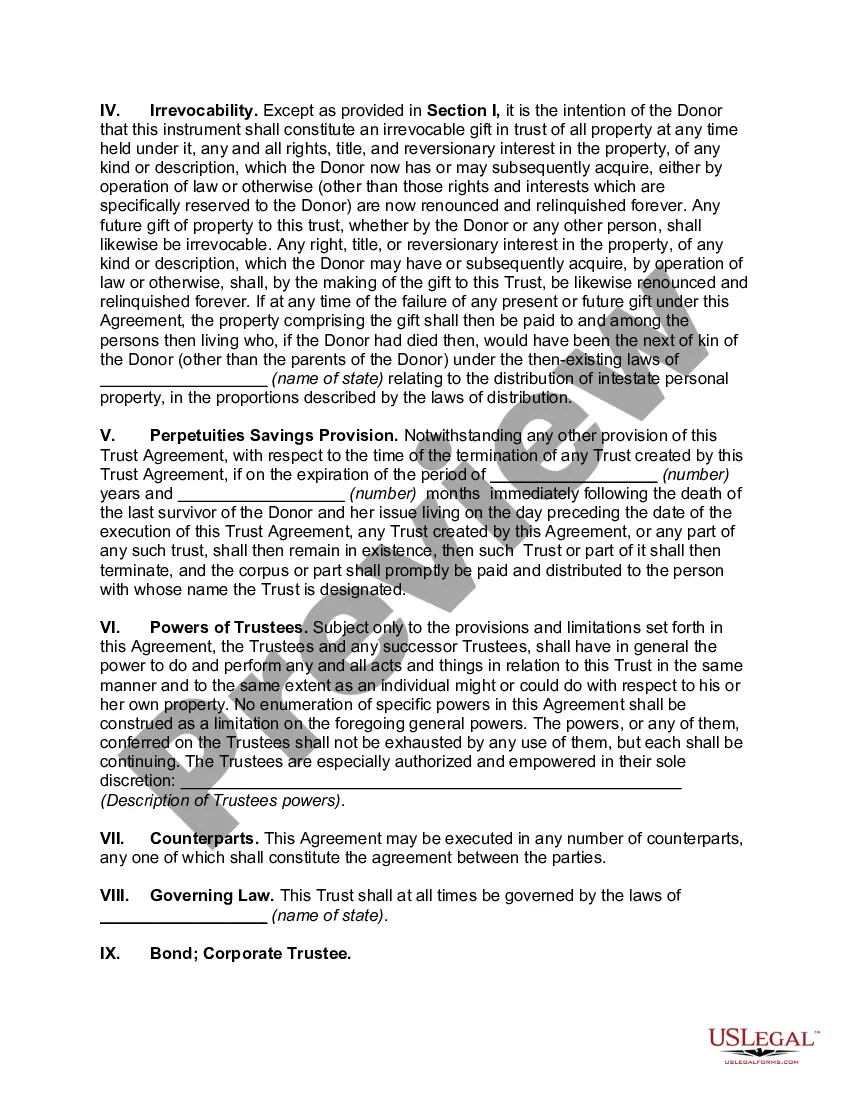
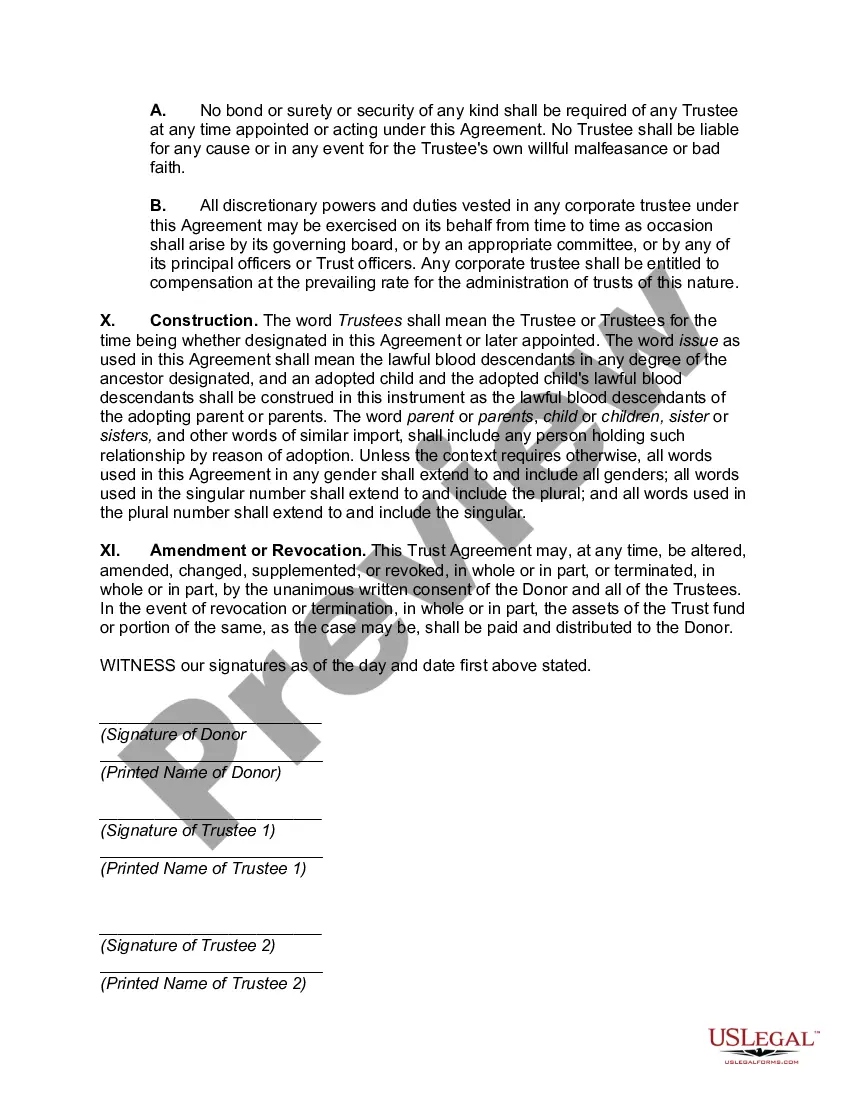
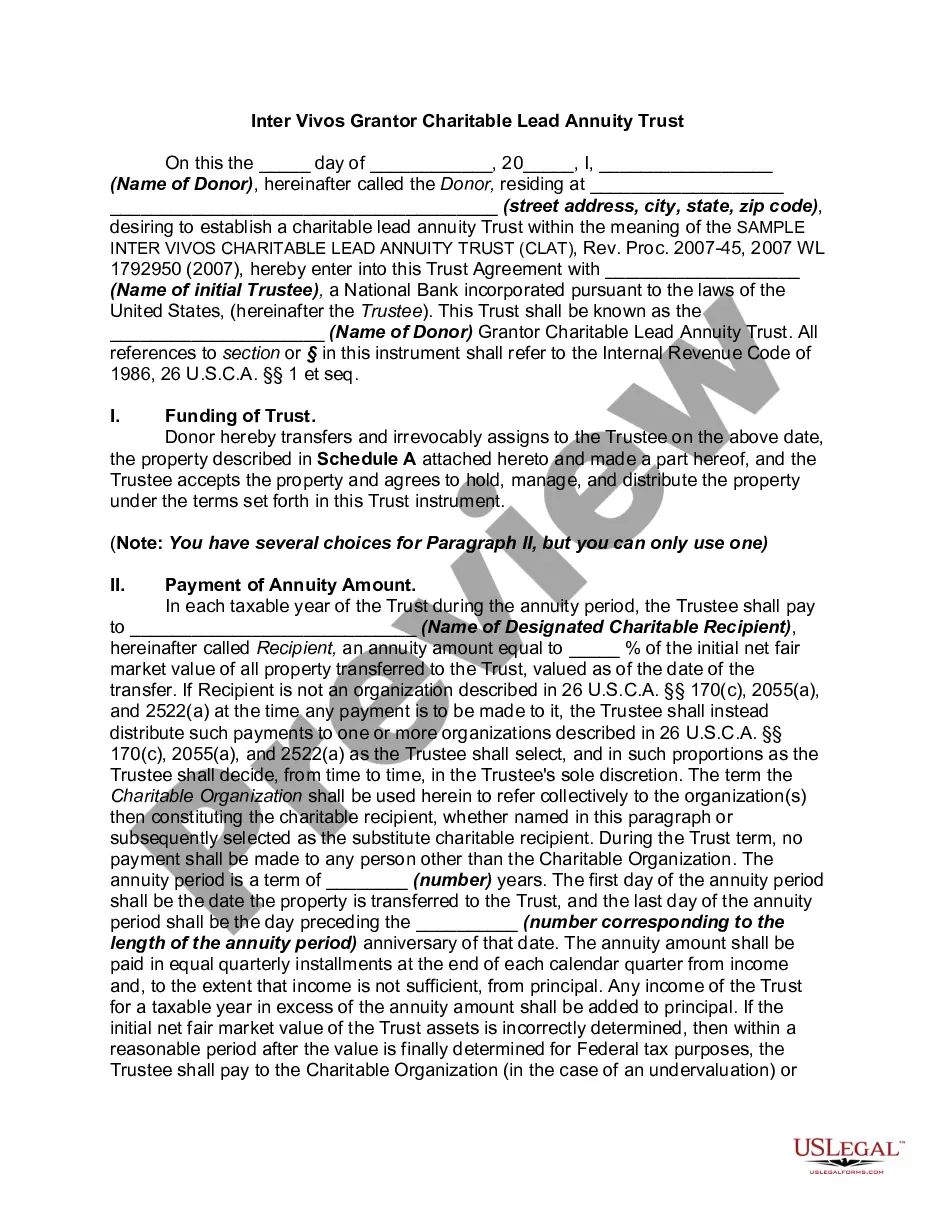
How to fill out Grantor Retained Income Trust With Division Into Trusts For Issue After Term Of Years?
- If you're an existing user, log in to your account to download the required form template by clicking the Download button. Ensure your subscription remains active; renew as needed based on your payment plan.
- For first-time users, start by browsing the Preview mode to view the form description. Confirm you've selected the correct template that fits your needs and meets local jurisdiction requirements.
- If necessary, search for additional templates by utilizing the Search tab above. Once you locate the appropriate document, proceed to the next step.
- Purchase the document by selecting the Buy Now button and choosing your preferred subscription plan. You will need to create an account to gain access to the full library.
- Complete your transaction by entering your credit card information or choosing PayPal for secure payment.
- Lastly, download your completed form and save it to your device, granting you access anytime via the My Forms section of your profile.
By using US Legal Forms, you can easily create legally sound documents tailored to your needs. With over 85,000 editable legal forms, you're just a few clicks away from securing all necessary documentation for your estate planning.
Start your journey toward efficient legal document management today. Explore our extensive collection and get the support you need with US Legal Forms!
Form popularity
FAQ
A revocable trust changes to an irrevocable status primarily when the grantor dies. Once the grantor passes away, they can no longer alter the trust terms, solidifying the irremovable nature of the trust. Additionally, a grantor may choose to make the trust irrevocable while still living, which requires careful consideration. Understanding these nuances allows individuals to plan effectively for their estate and beneficiaries after a grantor trust at death.
The trustee assumes responsibility for managing an irrevocable trust after the grantor passes away. This individual or institution must ensure that the trust's terms are faithfully executed and that assets are appropriately distributed to beneficiaries. The trustee's role is critical, and they must operate transparently and according to legal guidelines. For clarity on these responsibilities, consider using platforms like US Legal Forms for legal documentation and support.
Upon the demise of the grantor, the trust may undergo significant changes depending on its structure. For a revocable trust, it becomes irrevocable, and the trustee takes over the management duties. The trust will safeguard the assets from the probate process but may still face tax implications. Properly structuring your estate through a grantor trust at death is beneficial for effective wealth transfer.
After the death of the grantor, the grantor trust typically transitions to an irrevocable status. At this point, the administration of the trust may shift to the designated trustee, who must manage the assets according to the trust's terms. The assets will not bypass probate, but they can enable a smoother distribution among beneficiaries. Understanding how your grantor trust at death functions allows for better management and expectations during this process.
Yes, when the grantor passes away, a revocable trust typically becomes irrevocable. This means that the terms of the trust can no longer be changed by the grantor. As a result, it is crucial to finalize the details of your grantor trust at death, ensuring that your estate plan reflects your wishes precisely. Consulting with an estate planning professional can provide clarity in this transformative stage.
The basis of property placed in a trust generally remains the same as it was prior to transferring into the trust. This means that the property's value for tax purposes will typically align with the grantor's basis. However, keep in mind that this can change when the grantor dies, as a step-up in basis may occur. Knowledge of how property basis in a grantor trust at death functions is vital for planning and tax efficiency.
When the grantor of a trust dies, the management of the trust typically passes to a successor trustee. This trustee is responsible for ensuring that the trust is administered according to the grantor's wishes. It’s important to recognize that the trust may become irrevocable, affecting how assets are managed and distributed. Being informed about the implications of a grantor trust at death helps prepare families for these transitions.
Settling a trust after the grantor's death involves several steps. First, the successor trustee must identify and value the trust assets. Next, they need to settle any debts and distribute the assets according to the trust instructions. It is beneficial to have a clear understanding of grantor trust at death processes to ensure smooth administration and compliance.
Certain assets do not receive a step-up in basis upon the death of the grantor. For instance, retirement accounts, such as IRAs and 401(k)s, and certain annuities maintain their original basis. These assets may be taxed differently, depending on your tax situation. Keeping informed about which assets qualify is essential for effective estate planning involving grantor trusts at death.
A grantor trust does not typically need to file Form 1041 as long as the grantor is alive. However, once the grantor dies, the trust may need to transition to filing Form 1041, especially if the trust retains income-producing assets. It's crucial to consult a tax professional to navigate these requirements effectively. Understanding grantor trust at death can simplify your estate planning.