Grantor Retained Annuity Trust Example
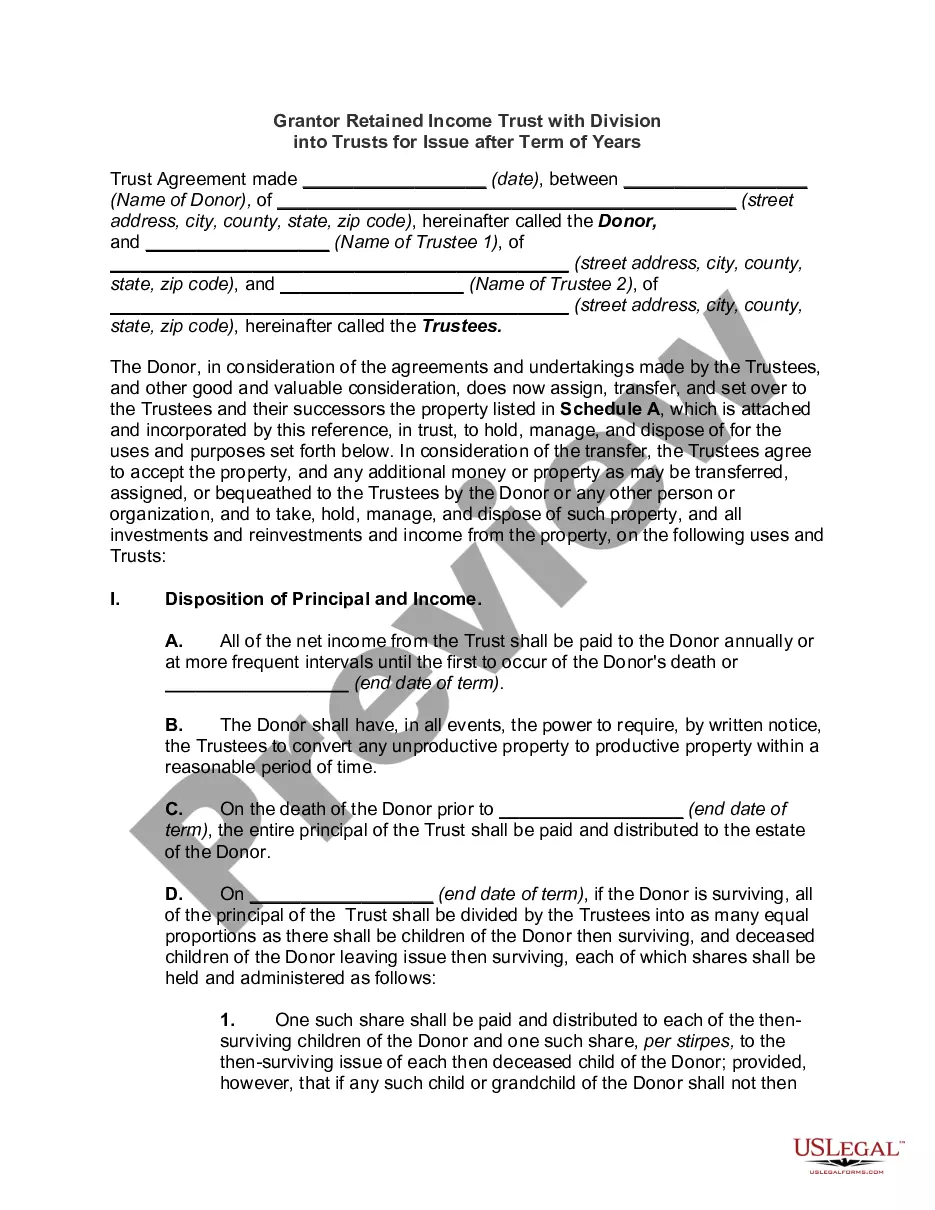
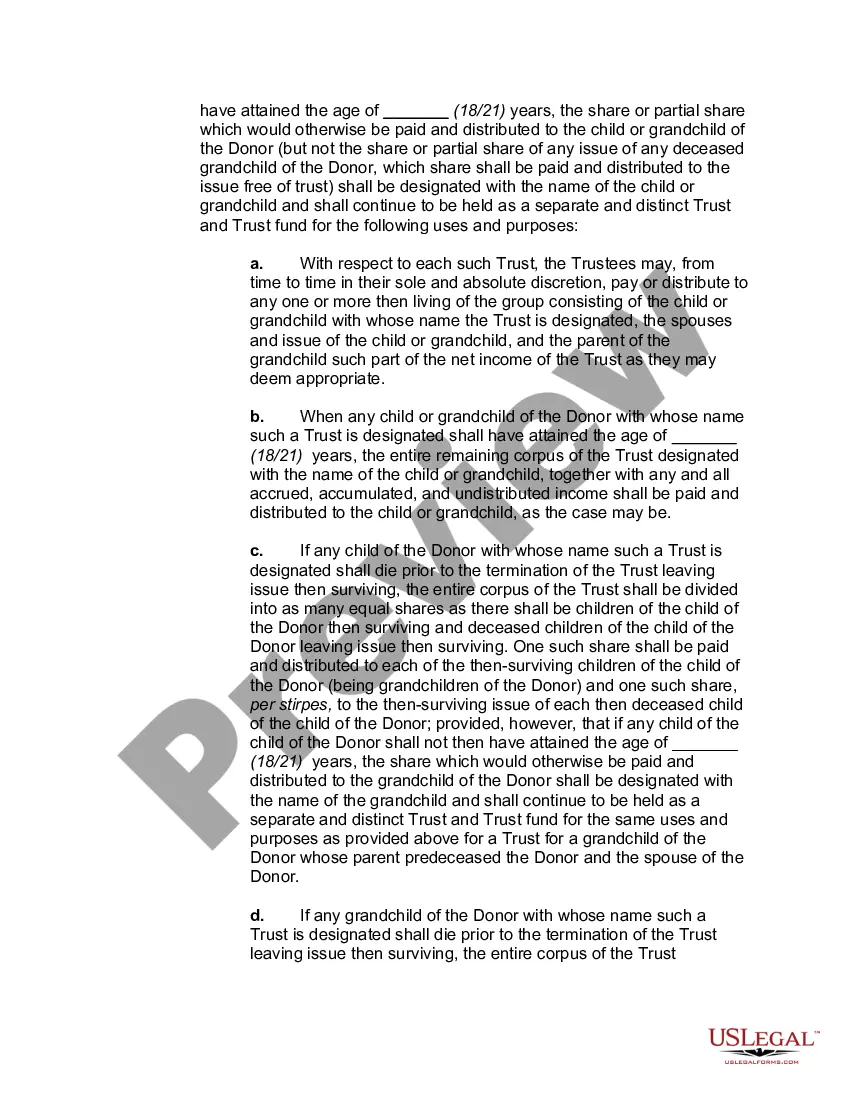
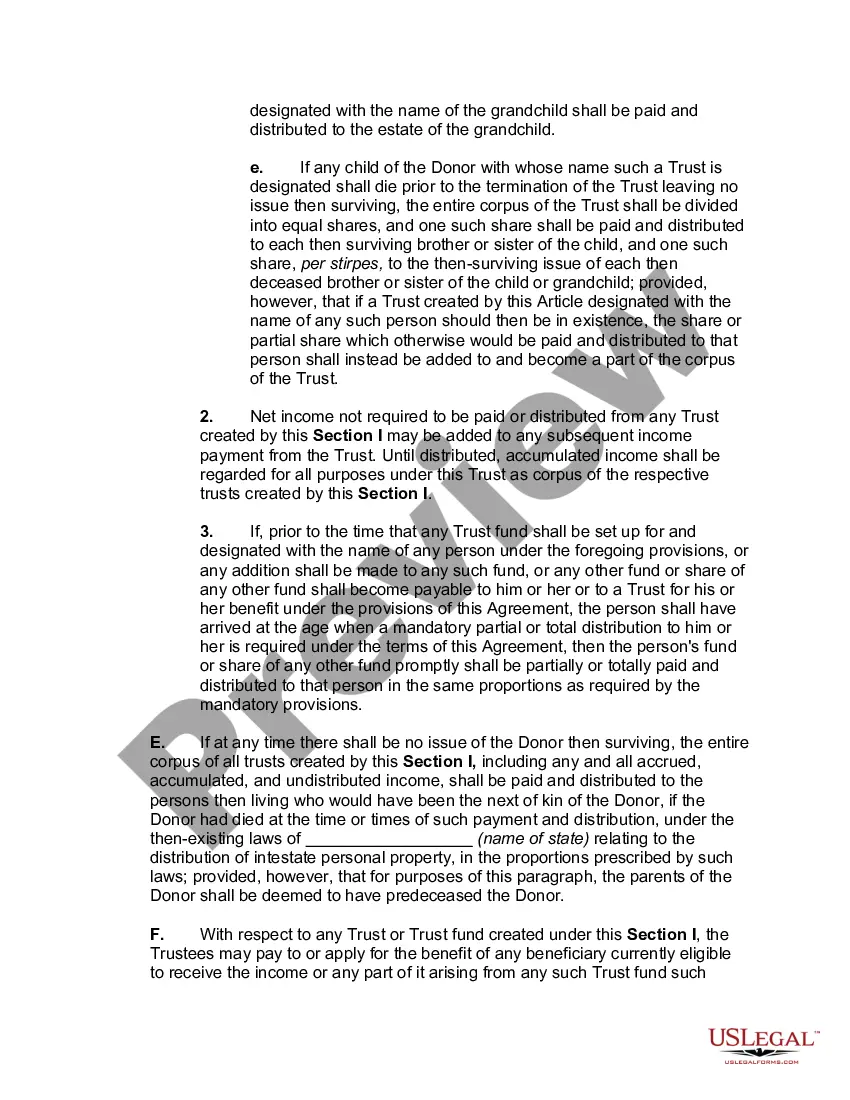
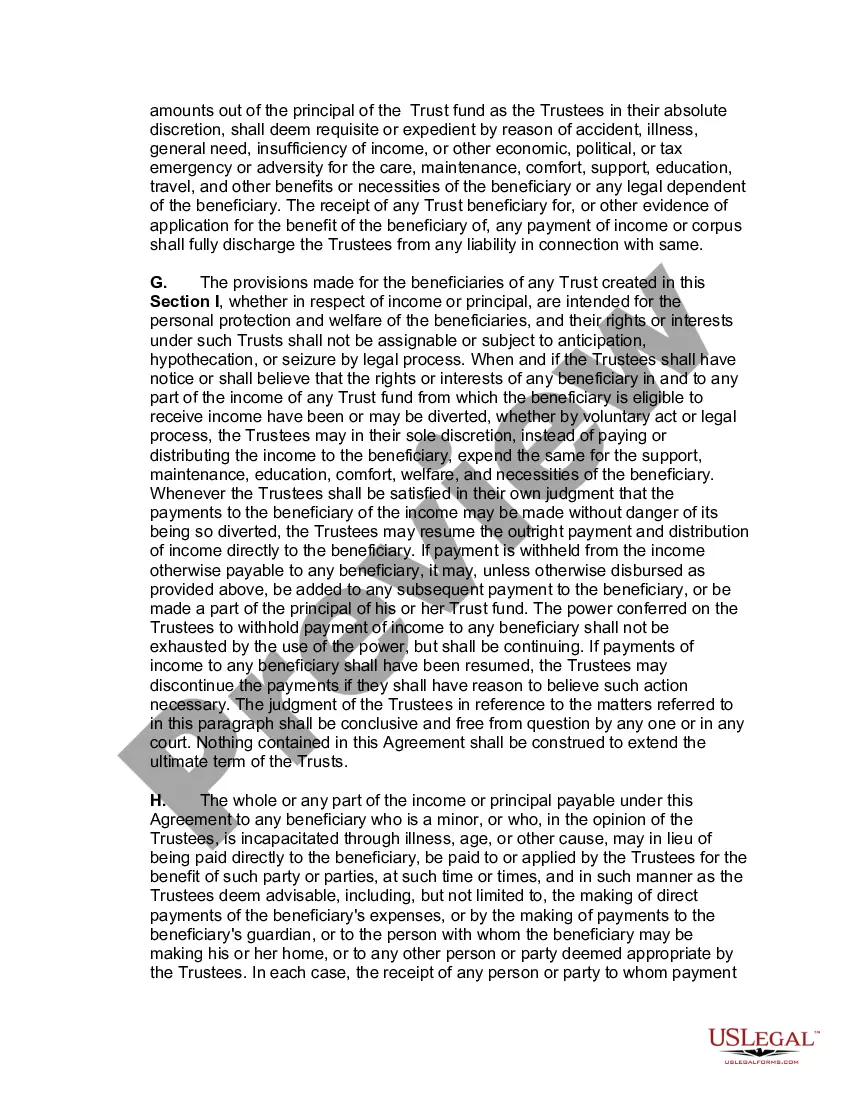
Description
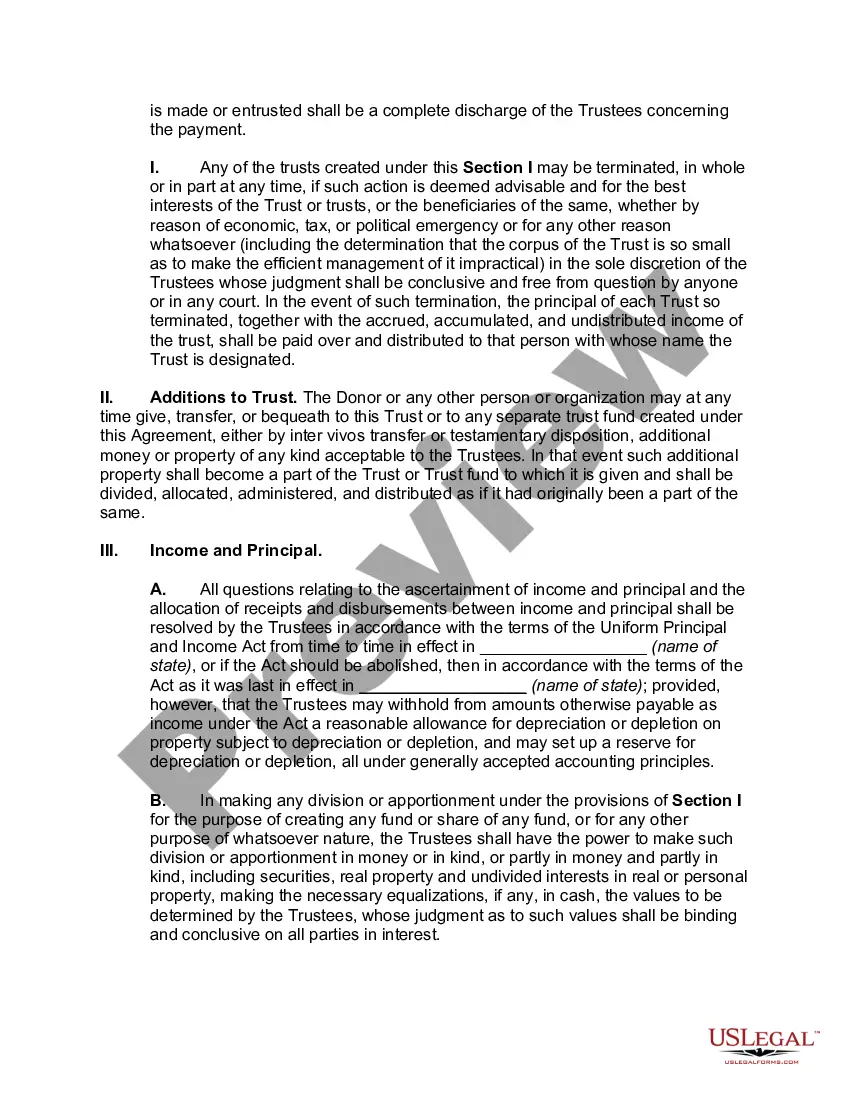
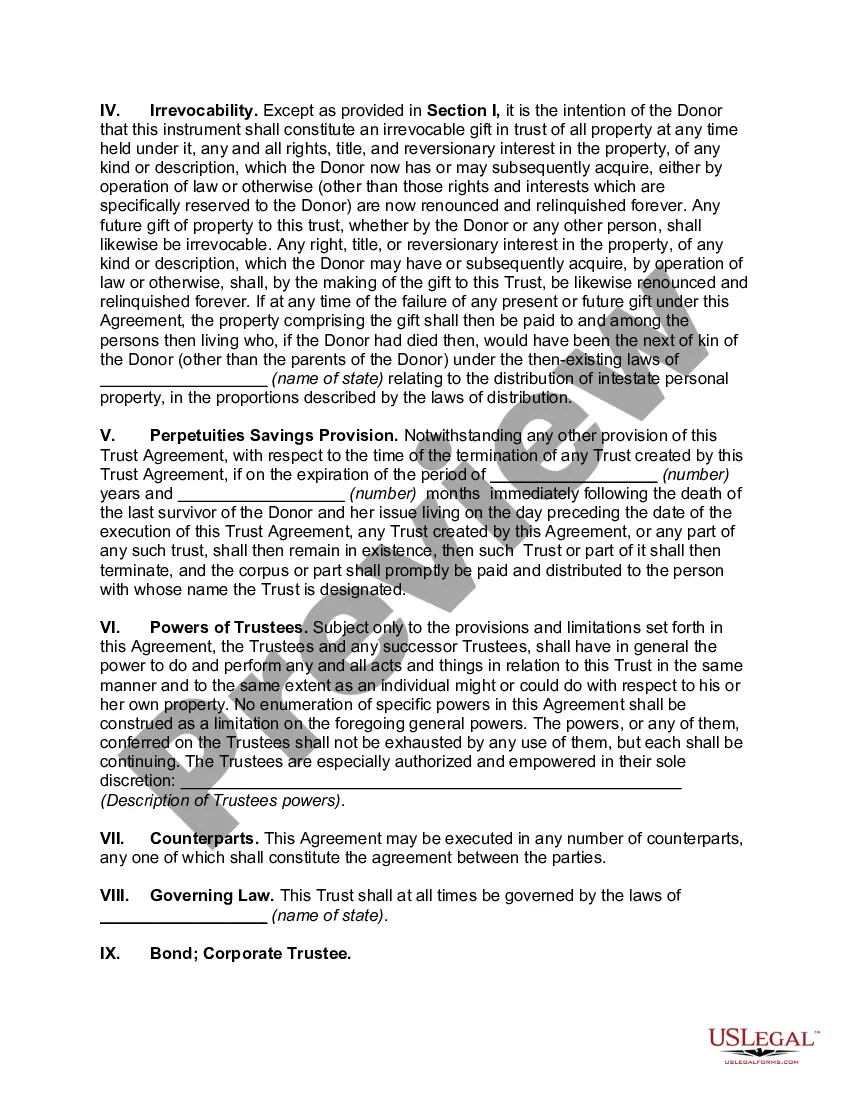
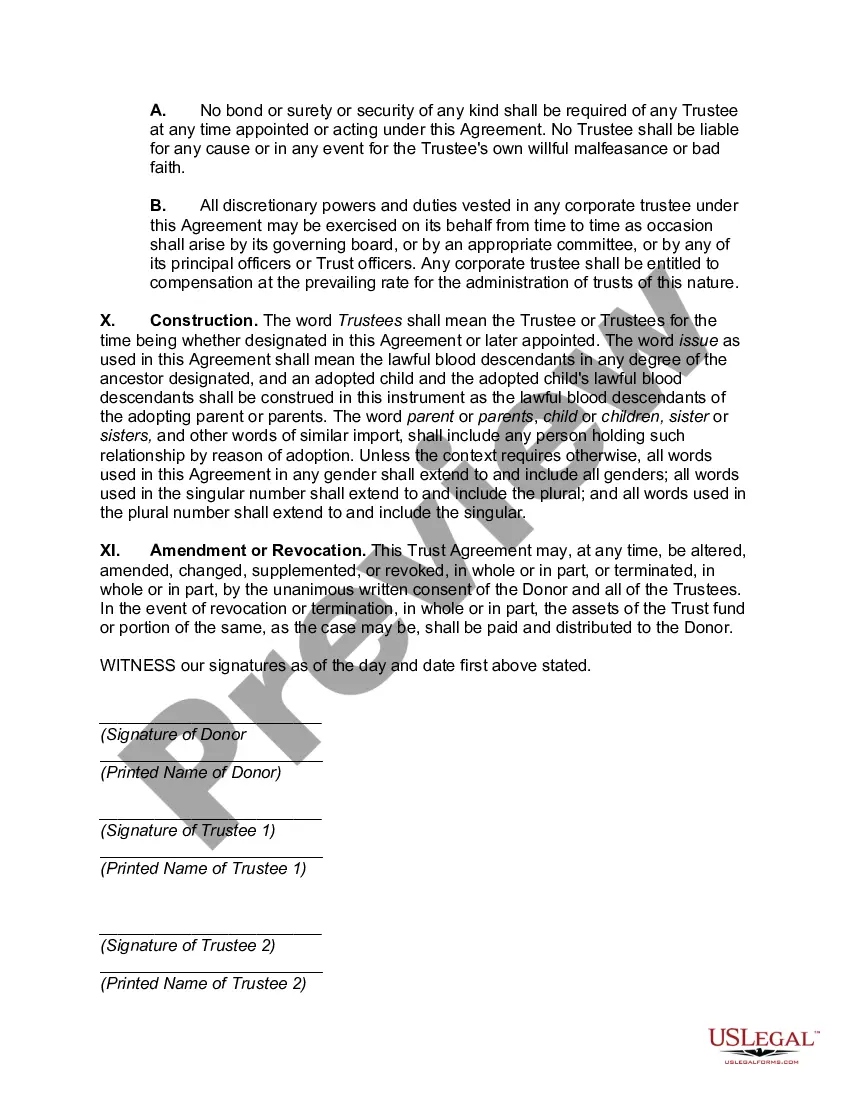

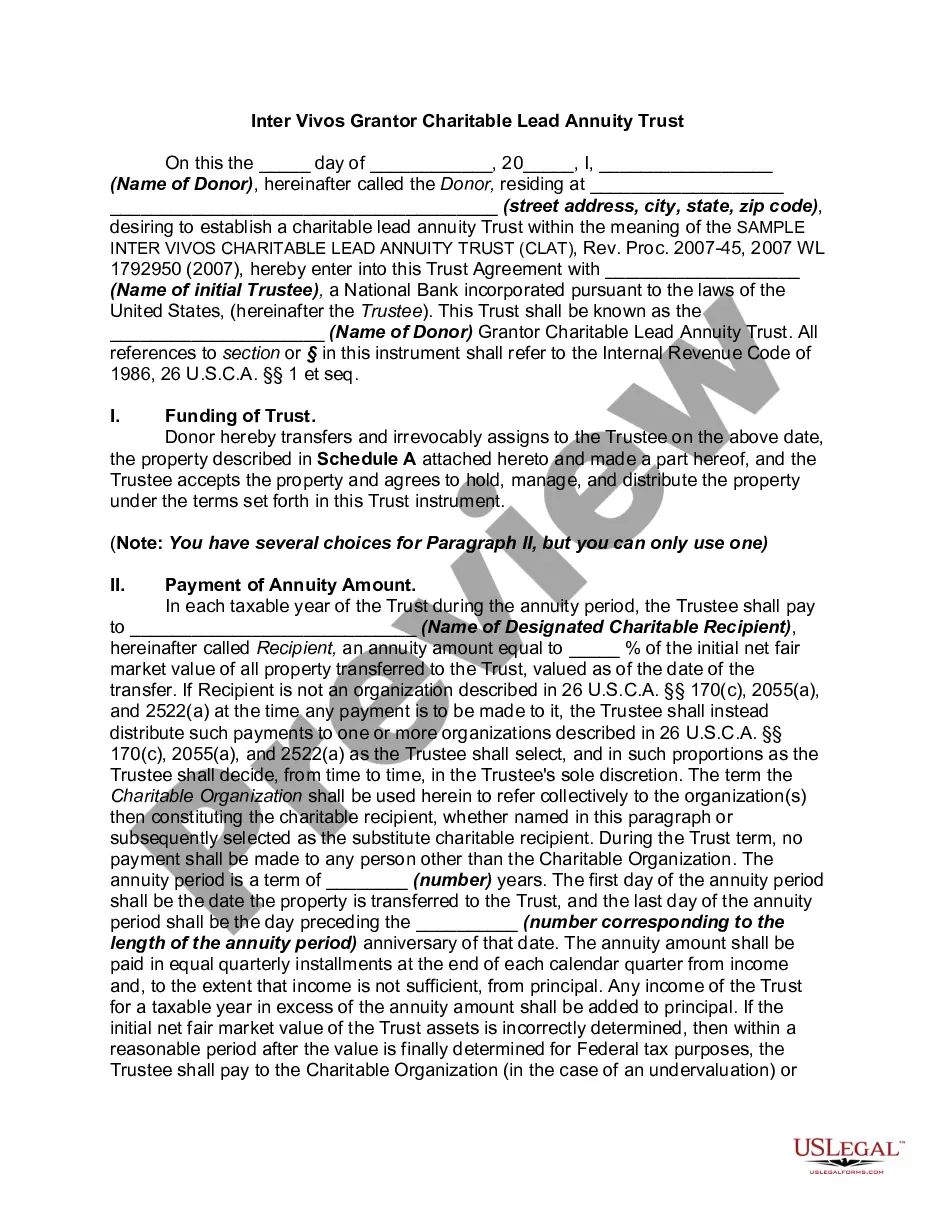
Get your form ready online
Our built-in tools help you complete, sign, share, and store your documents in one place.
Make edits, fill in missing information, and update formatting in US Legal Forms—just like you would in MS Word.
Download a copy, print it, send it by email, or mail it via USPS—whatever works best for your next step.
Sign and collect signatures with our SignNow integration. Send to multiple recipients, set reminders, and more. Go Premium to unlock E-Sign.
If this form requires notarization, complete it online through a secure video call—no need to meet a notary in person or wait for an appointment.
We protect your documents and personal data by following strict security and privacy standards.

Make edits, fill in missing information, and update formatting in US Legal Forms—just like you would in MS Word.

Download a copy, print it, send it by email, or mail it via USPS—whatever works best for your next step.

Sign and collect signatures with our SignNow integration. Send to multiple recipients, set reminders, and more. Go Premium to unlock E-Sign.

If this form requires notarization, complete it online through a secure video call—no need to meet a notary in person or wait for an appointment.

We protect your documents and personal data by following strict security and privacy standards.
Looking for another form?
How to fill out Grantor Retained Income Trust With Division Into Trusts For Issue After Term Of Years?
Creating legal documents from the ground up can occasionally be daunting.
Specific situations may require extensive research and substantial financial investment.
If you are searching for a simpler and more cost-effective method of producing Grantor Retained Annuity Trust Example or any other documents without enduring unnecessary obstacles, US Legal Forms is always accessible.
Our online library of over 85,000 current legal forms addresses nearly every facet of your financial, legal, and personal affairs.
Examine the form previews and descriptions to confirm that you are on the correct document you need. Ensure that the template you select meets your state and county's requirements. Choose the most appropriate subscription option to acquire the Grantor Retained Annuity Trust Example. Download the file, then complete, authenticate, and print it out. US Legal Forms has a solid reputation and over 25 years of experience. Join us now and make form execution straightforward and efficient!
- With just a few clicks, you can promptly access state- and county-specific forms meticulously crafted for you by our legal professionals.
- Utilize our website whenever you need a dependable and trustworthy service to swiftly locate and download the Grantor Retained Annuity Trust Example.
- If you’re familiar with our services and have set up an account before, simply Log In to your account, choose the template, and download it immediately or access it later in the My documents section.
- Don’t have an account? No problem. Establishing one takes little to no time, and you can easily navigate the library.
- Before hastily downloading Grantor Retained Annuity Trust Example, consider these recommendations.
Form popularity
FAQ
To use 'grat' correctly, refer to it as a grantor retained annuity trust example in discussions about wealth transfer and estate planning. This term shortens the full name but retains its meaning. Ensure you clearly explain its purpose when using the abbreviation, as not everyone may be familiar with it. Remember, clarity in communication is key.
Additional considerations when using a GRAT From an income tax perspective, during the GRAT term, the GRAT's income tax liability flows through to the grantor; during the remainder term, the tax liability will either flow through to the grantor or be paid by the trust, depending on how the remainder term is structured.
In such a case, a GRAT may be used to freeze the value of their estate by shifting a portion or all of the appreciation onto their heirs. For example, if a person had an asset worth $10 million but expected it to grow to $12 million over the next two years, they could transfer the difference to their children tax-free.
A GRAT is a trust created so that individuals and families can move wealth to heirs while using little, if any, of their lifetime federal gift and estate tax exclusion. An individual would work with an attorney to set up an irrevocable trust and transfer assets into it.
A GRAT is a type of trust that consists of two distinct terms: (i) a term of years (the GRAT term) during which the grantor of the GRAT receives an annuity payment based on the IRS rate in effect during the month the GRAT is funded and the fair market value of the assets used to fund the GRAT, and (ii) the remainder ...
Tax Implications of the GRAT During the term of the GRAT, the Donor will be taxed on all of the income and capital gains earned by the trust, without regard to the amount of the annuity paid to the Donor.