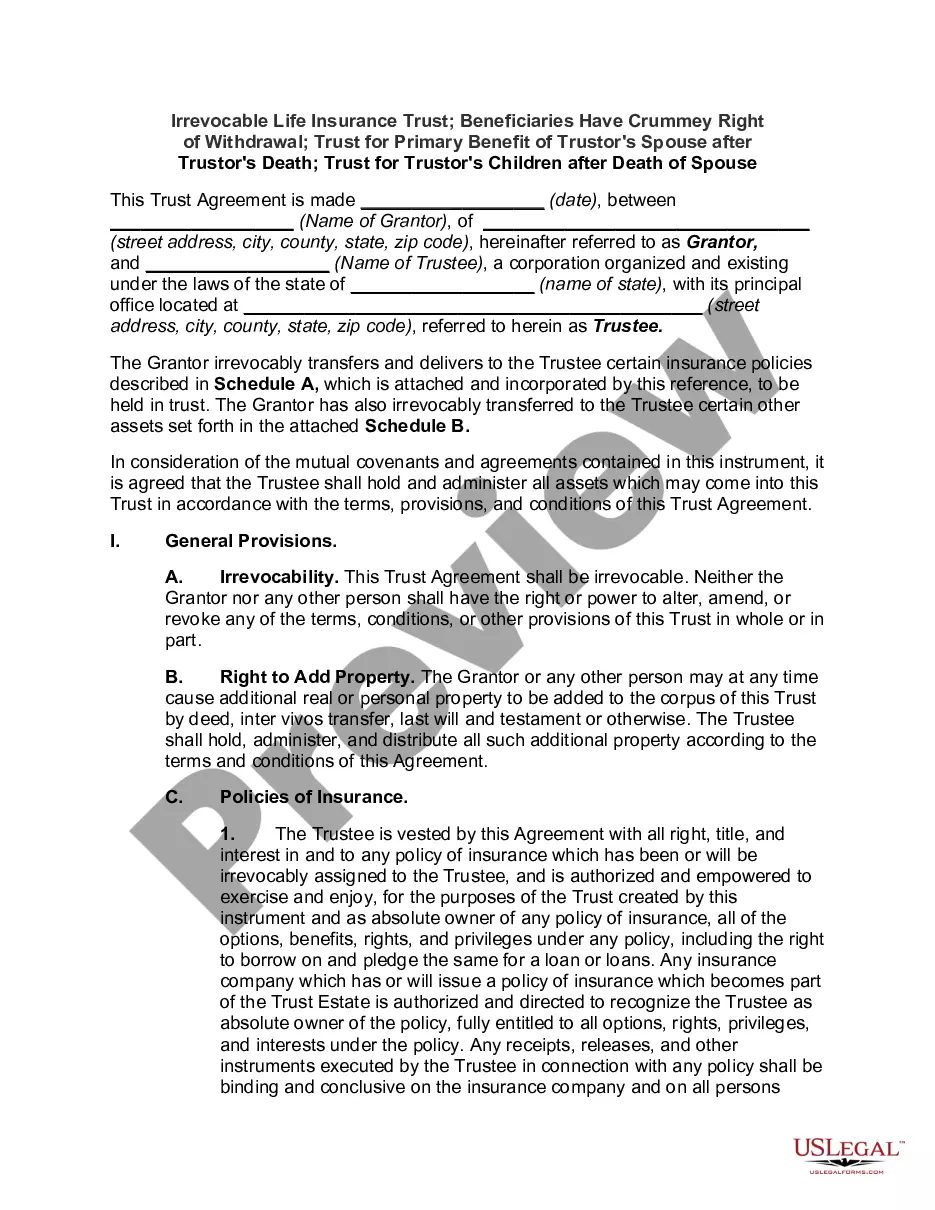
Trust Beneficiaries With Withholding Rules
Description
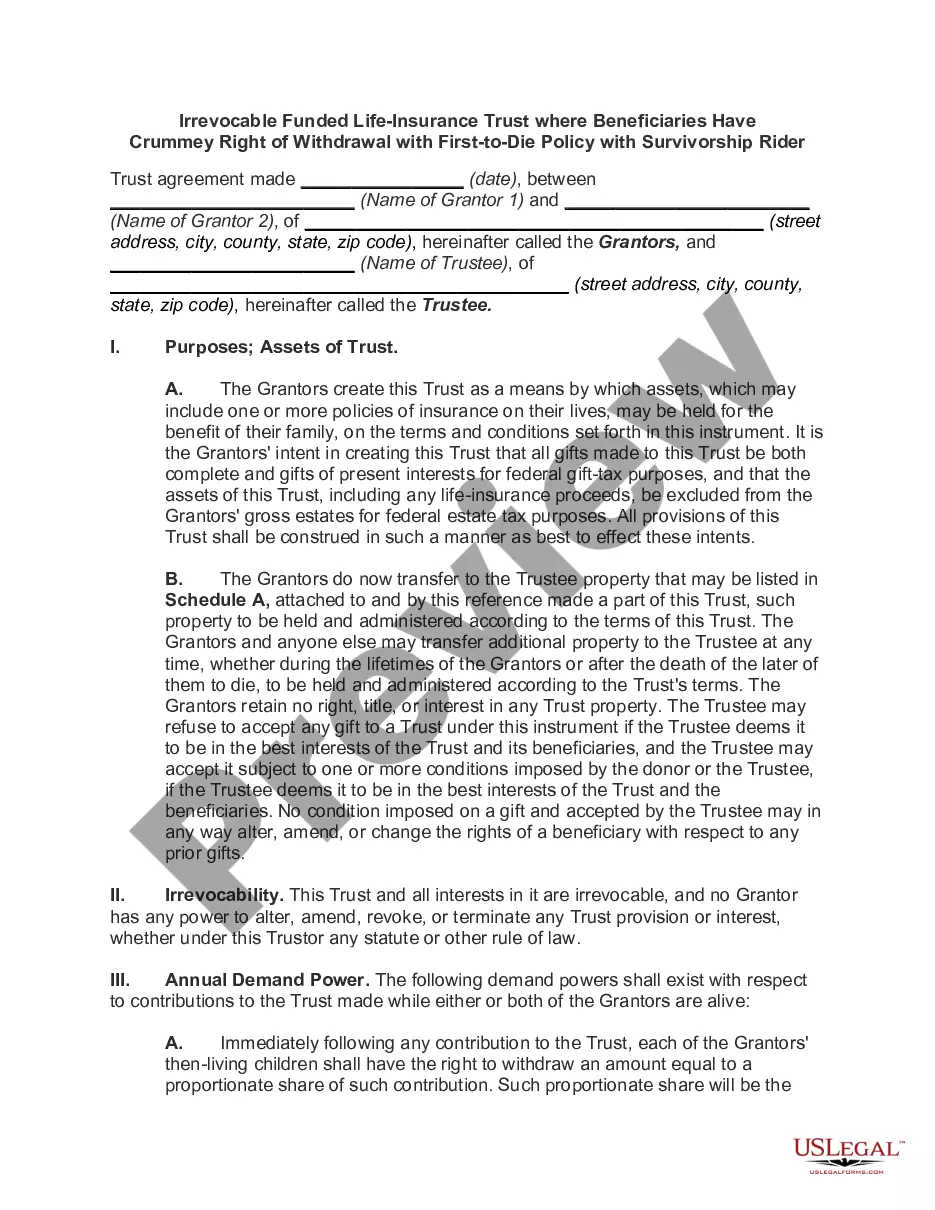
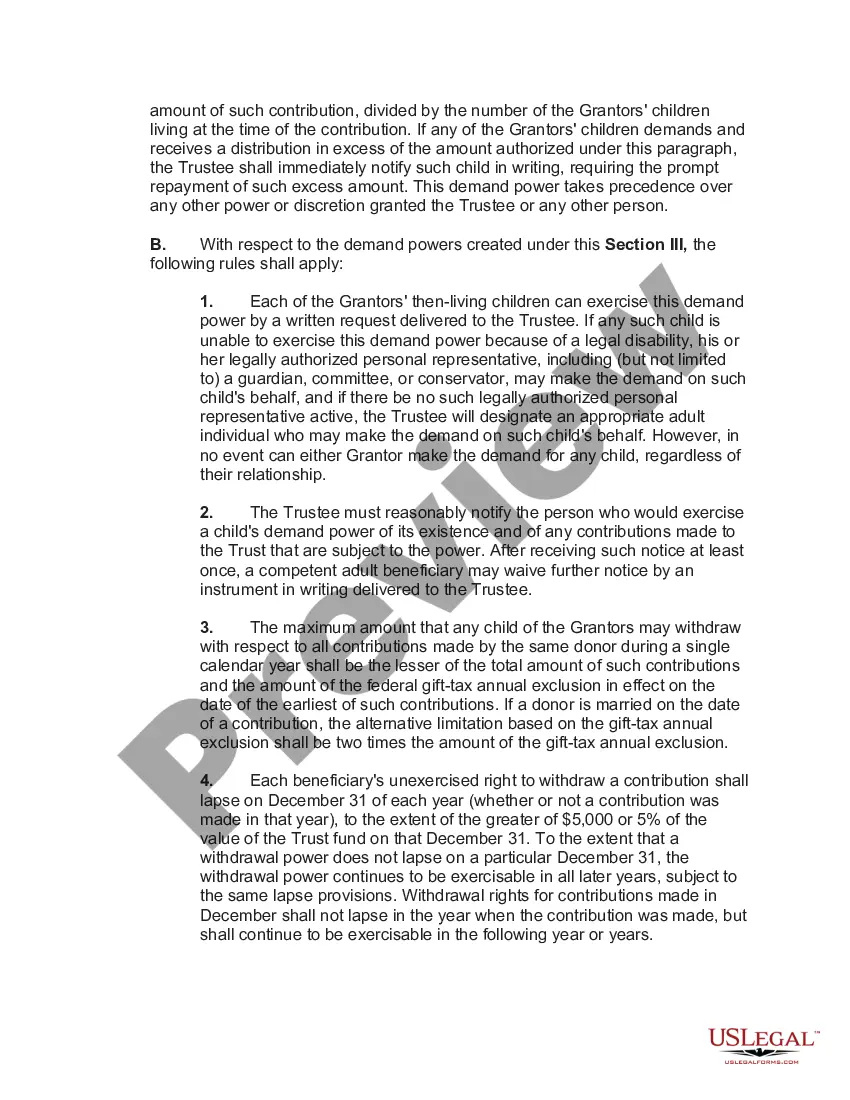
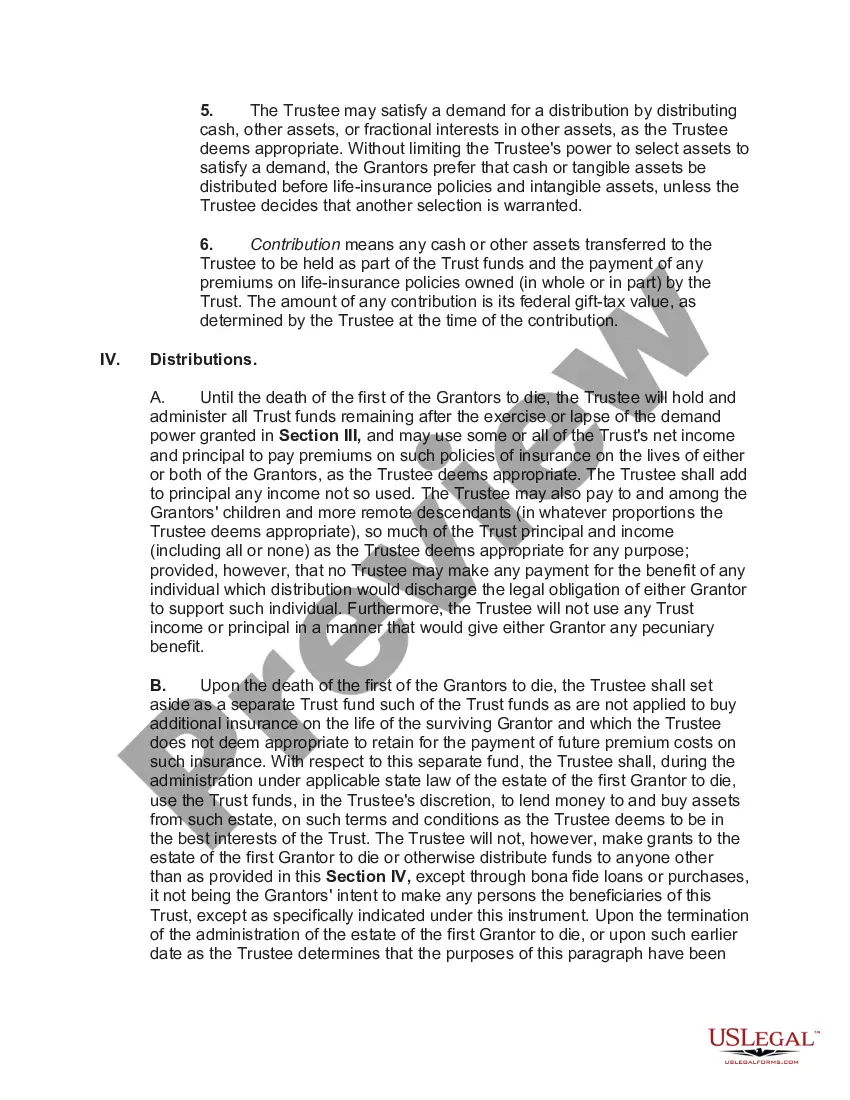
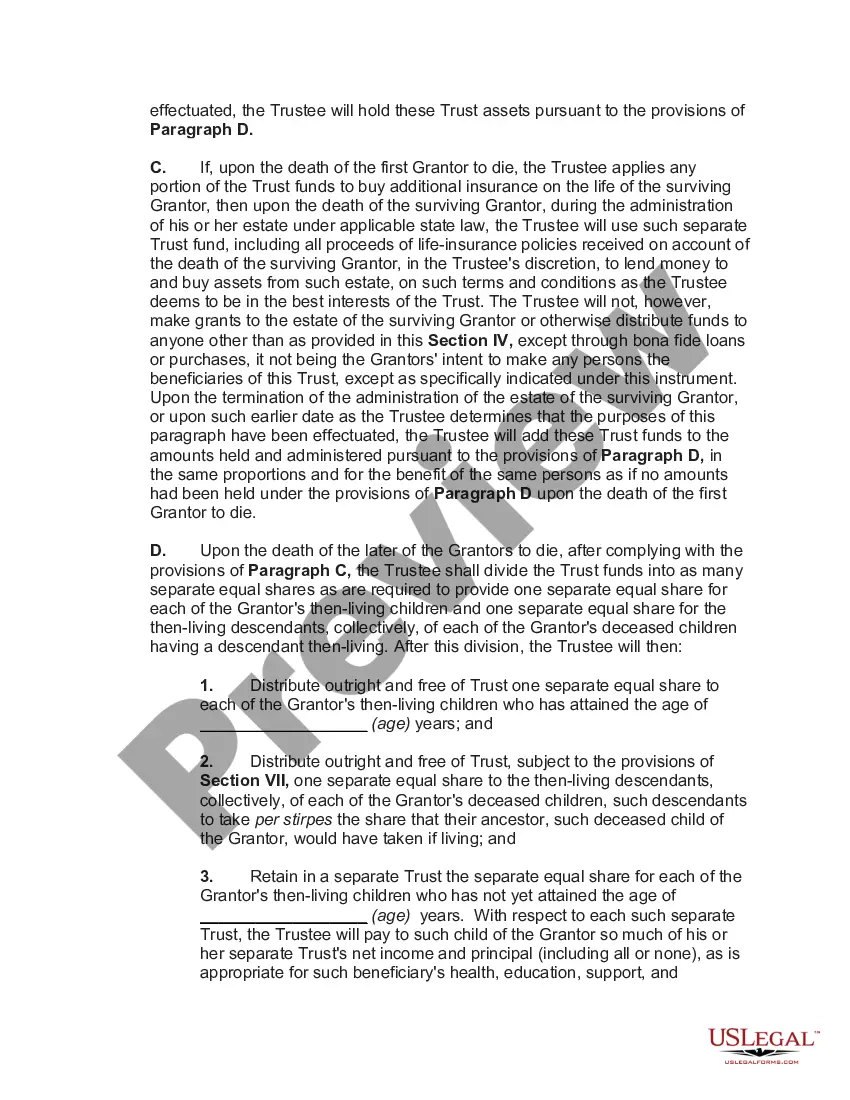
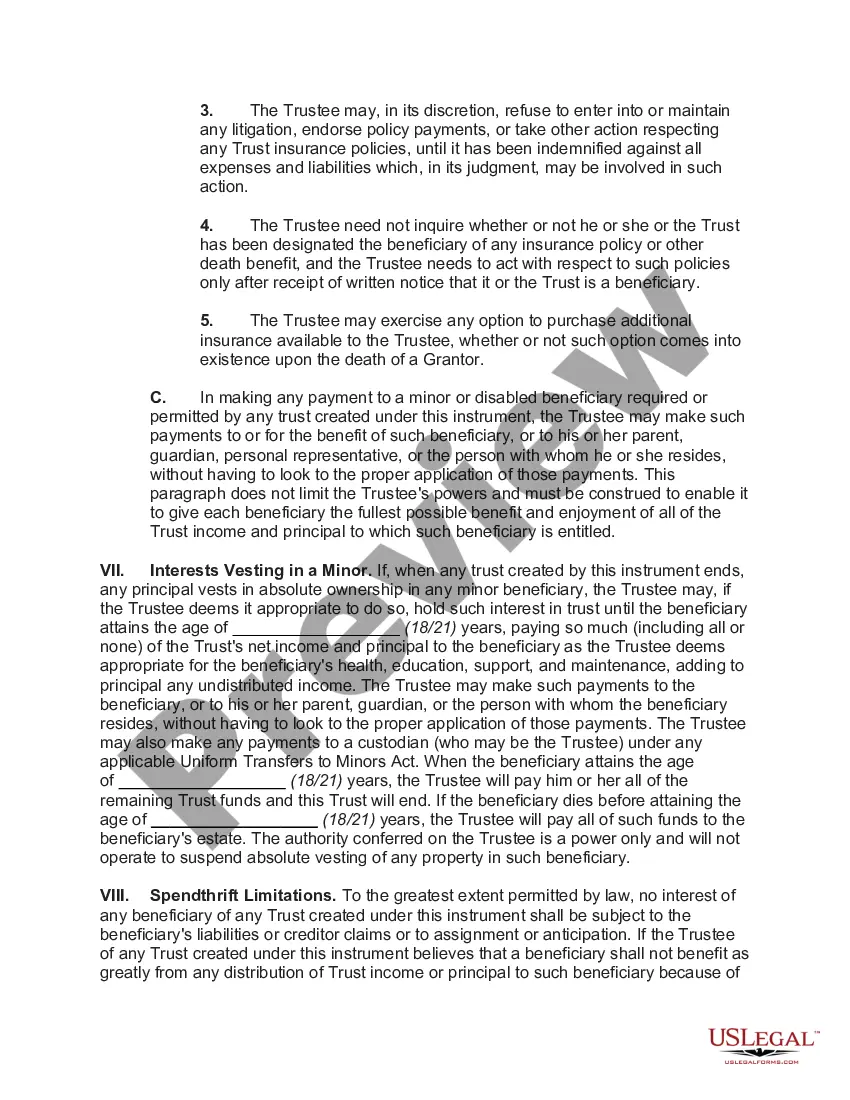
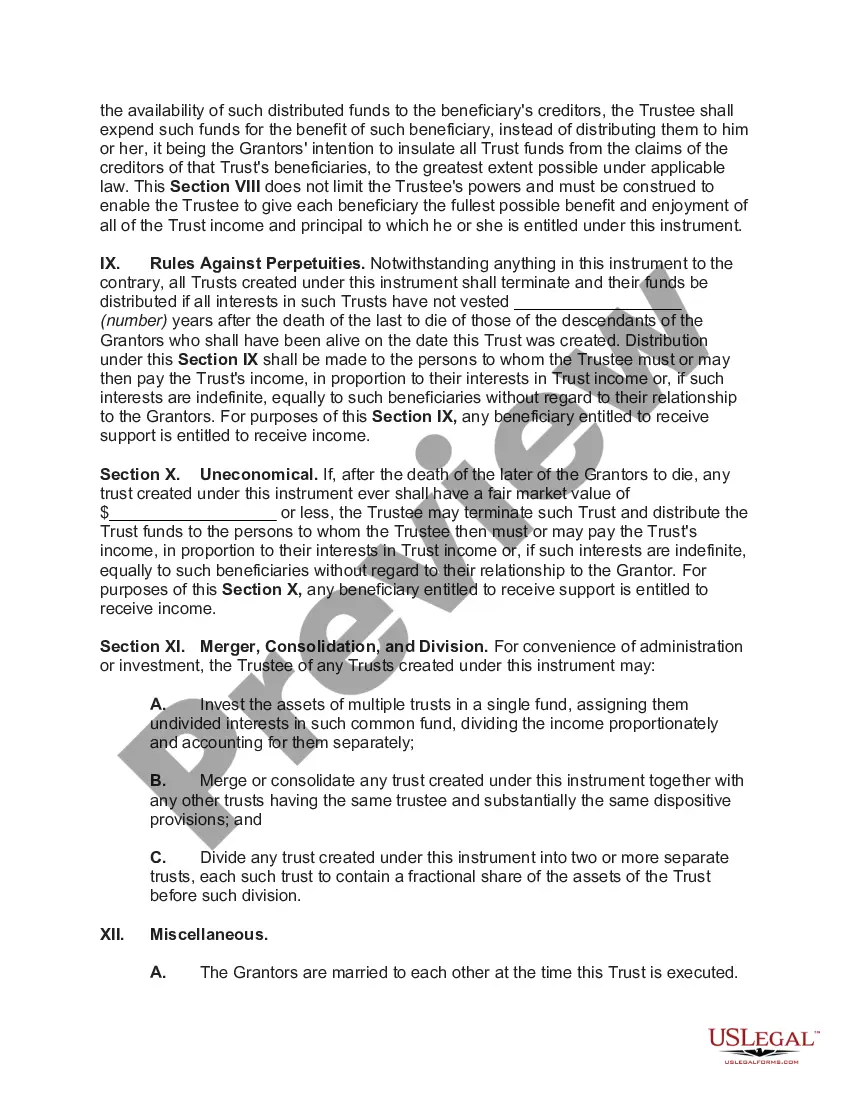

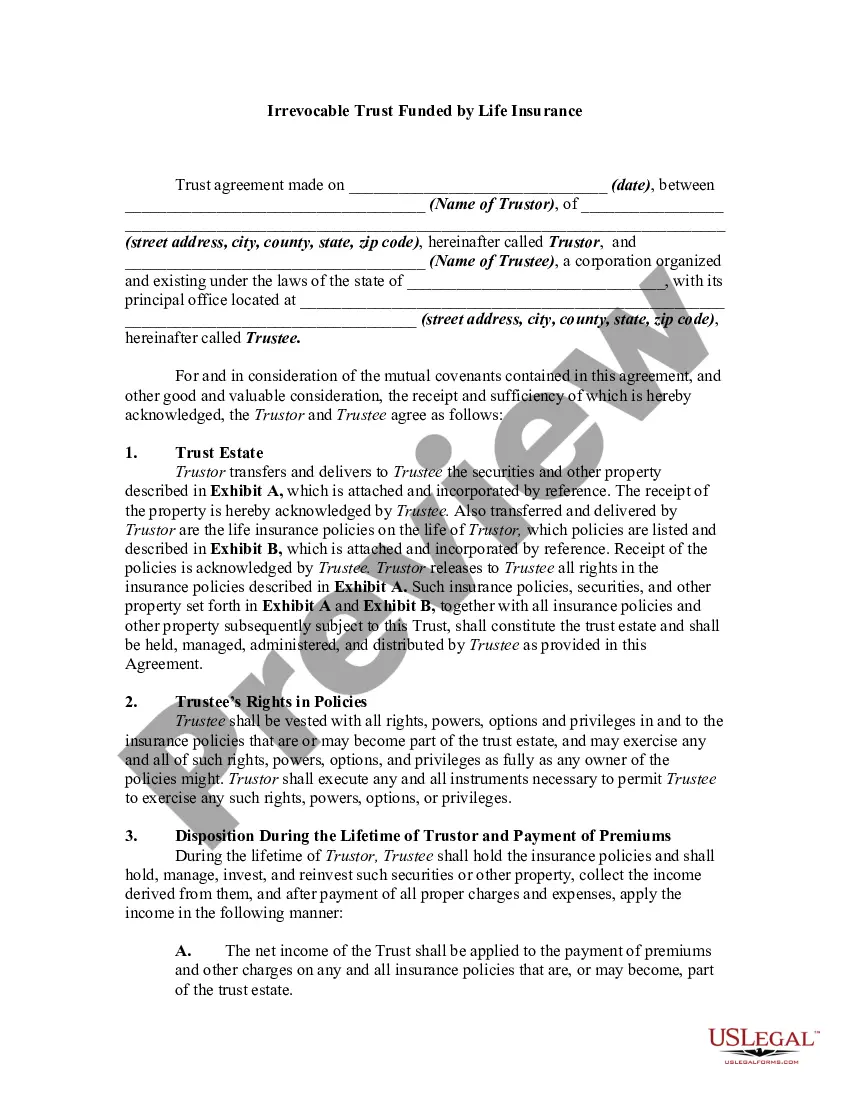
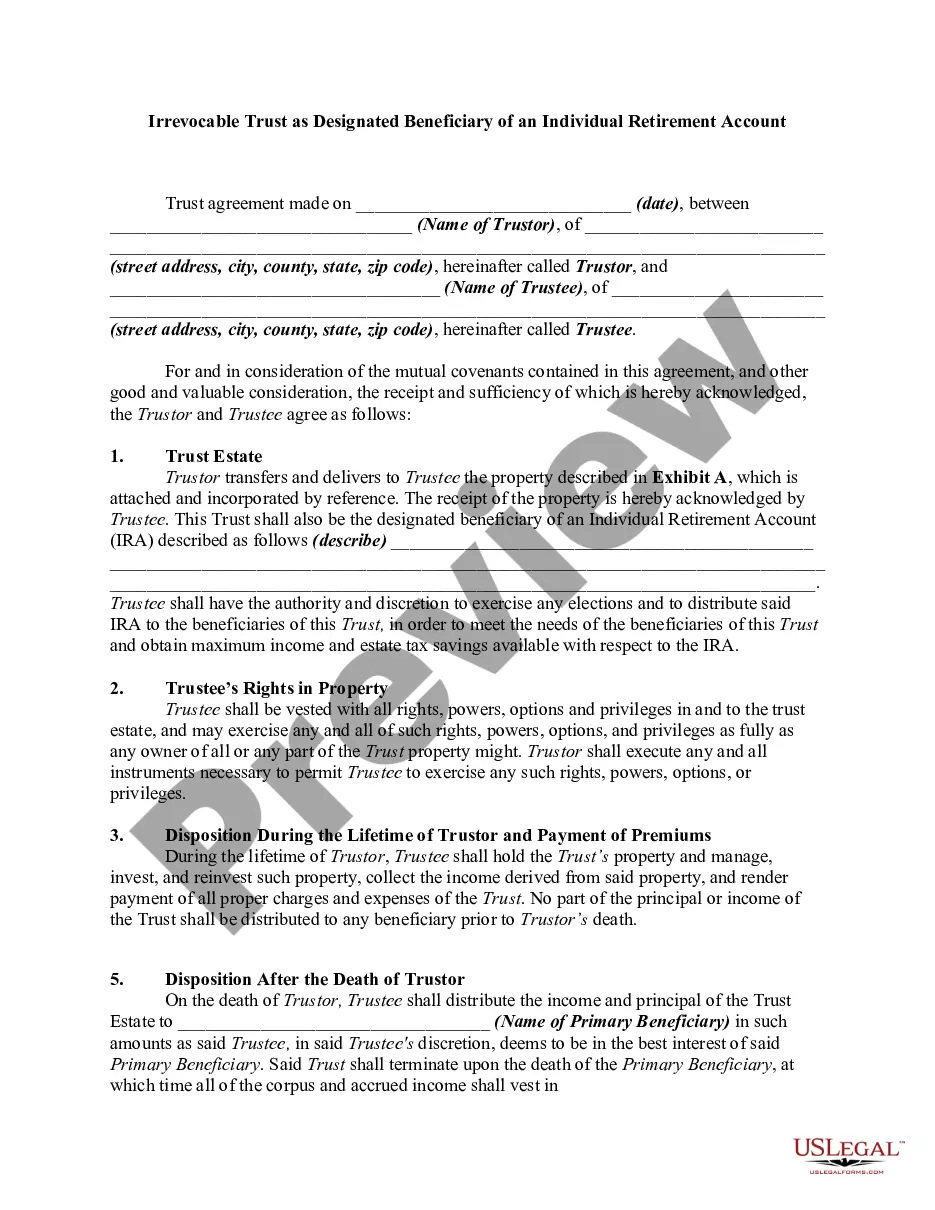
Get your form ready online
Our built-in tools help you complete, sign, share, and store your documents in one place.
Make edits, fill in missing information, and update formatting in US Legal Forms—just like you would in MS Word.
Download a copy, print it, send it by email, or mail it via USPS—whatever works best for your next step.
Sign and collect signatures with our SignNow integration. Send to multiple recipients, set reminders, and more. Go Premium to unlock E-Sign.
If this form requires notarization, complete it online through a secure video call—no need to meet a notary in person or wait for an appointment.
We protect your documents and personal data by following strict security and privacy standards.

Make edits, fill in missing information, and update formatting in US Legal Forms—just like you would in MS Word.

Download a copy, print it, send it by email, or mail it via USPS—whatever works best for your next step.

Sign and collect signatures with our SignNow integration. Send to multiple recipients, set reminders, and more. Go Premium to unlock E-Sign.

If this form requires notarization, complete it online through a secure video call—no need to meet a notary in person or wait for an appointment.

We protect your documents and personal data by following strict security and privacy standards.
Looking for another form?








How to fill out Irrevocable Funded Life Insurance Trust Where Beneficiaries Have Crummey Right Of Withdrawal With First To Die Policy With Survivorship Rider?
- If you're a returning user, log in to your account through the US Legal Forms website and click the Download button to obtain your desired legal document, ensuring your subscription is current.
- For first-time users, start by checking the Preview mode and the form description to confirm it meets your specific jurisdiction's requirements.
- If necessary, utilize the Search tab to find any alternative templates that better suit your needs.
- Proceed to purchase the document by clicking on the Buy Now button and selecting a suitable subscription plan, which requires account registration to access the form library.
- Complete your purchase by entering your payment details or using PayPal for a smoother transaction.
- Download your selected form to your device, giving you easy access to it via the My Forms menu on your profile for future use.
US Legal Forms empowers users by providing a robust collection of documents at a competitive price, alongside premium expert assistance for form completion. This ensures that all legal documents are accurately prepared and compliant with regulations.
Take control of your legal needs today by visiting US Legal Forms and experience the ease of handling documents efficiently. Start your journey towards hassle-free legal management!
Form popularity
FAQ
Yes, in some cases, you still have to file Form 1041 even when there is no income. This requirement can depend on the trust's structure and distribution rules. To ensure proper filing and avoid penalties, trust beneficiaries with withholding rules can rely on platforms like uslegalforms for guidance.
You may still need to file an estate tax return, depending on the estate's total value. Even if the estate generates no income, if its value exceeds certain thresholds, a return might be necessary. Trust beneficiaries with withholding rules should evaluate all financial aspects of the estate for compliance.
The minimum income to trigger the filing of Form 1041 depends on the specific type of trust. Generally, if your trust has gross income of $600 or more, you must file. Trust beneficiaries with withholding rules should consult tax guidelines or a tax professional to confirm their obligations.
Failing to file a Form 1041 may lead to penalties or interest from the IRS. Trust beneficiaries with withholding rules should be aware that non-compliance might also trigger audits or investigations. It’s advisable to file even if no income is present to keep your records clean.
As a trust beneficiary with withholding rules, you might still need to file a return even if you have no income. Filing helps maintain compliance and can prevent future complications. It’s always best to check the specific requirements for your situation to avoid potential issues.
To avoid inheritance tax with a trust, consider establishing an irrevocable trust that places assets outside your taxable estate. This strategy allows you to protect your wealth and provide for your heirs without significant tax penalties. Additionally, engaging with a platform like uslegalforms can simplify the process of creating and managing such trusts. Remember, understanding trust beneficiaries with withholding rules is key to maximizing these benefits.
Yes, a trust can pass out withholding tax to its beneficiaries, but it's essential to understand the conditions. The trust must report and withhold taxes on distributions to ensure compliance with tax law. Beneficiaries should be informed of any withholding tax implications, as this affects their overall tax liability. Engaging with professionals who understand trust beneficiaries with withholding rules is advisable for clear guidance.
The 45-day rule involves a timeframe that affects how trust distributions can be managed by fiduciaries. Beneficiaries must receive distributions within 45 days after the end of the trust's tax year to qualify for tax benefits. This regulation is crucial because it provides clarity on managing payouts and tax obligations effectively. Understanding trust beneficiaries with withholding rules can help you navigate these complex requirements.
Many experts recommend setting up an irrevocable trust to reduce inheritance taxes. This type of trust removes assets from the grantor's taxable estate, offering significant tax savings for heirs. Trust beneficiaries with withholding rules will benefit from a smoother transition of assets without the heavy burden of taxes. It's essential to consult a legal expert to ensure you choose the best trust for your situation.
We often see wealthy individuals use trusts as a strategic way to manage their assets and minimize taxes. By setting up a trust, they can control how assets are distributed while avoiding or reducing tax liabilities. This approach protects their wealth and ensures that beneficiaries receive their inheritances without burdensome taxes. Trust beneficiaries with withholding rules can receive tax benefits that make this strategy effective.