Trust Beneficiaries With Withholding
Description
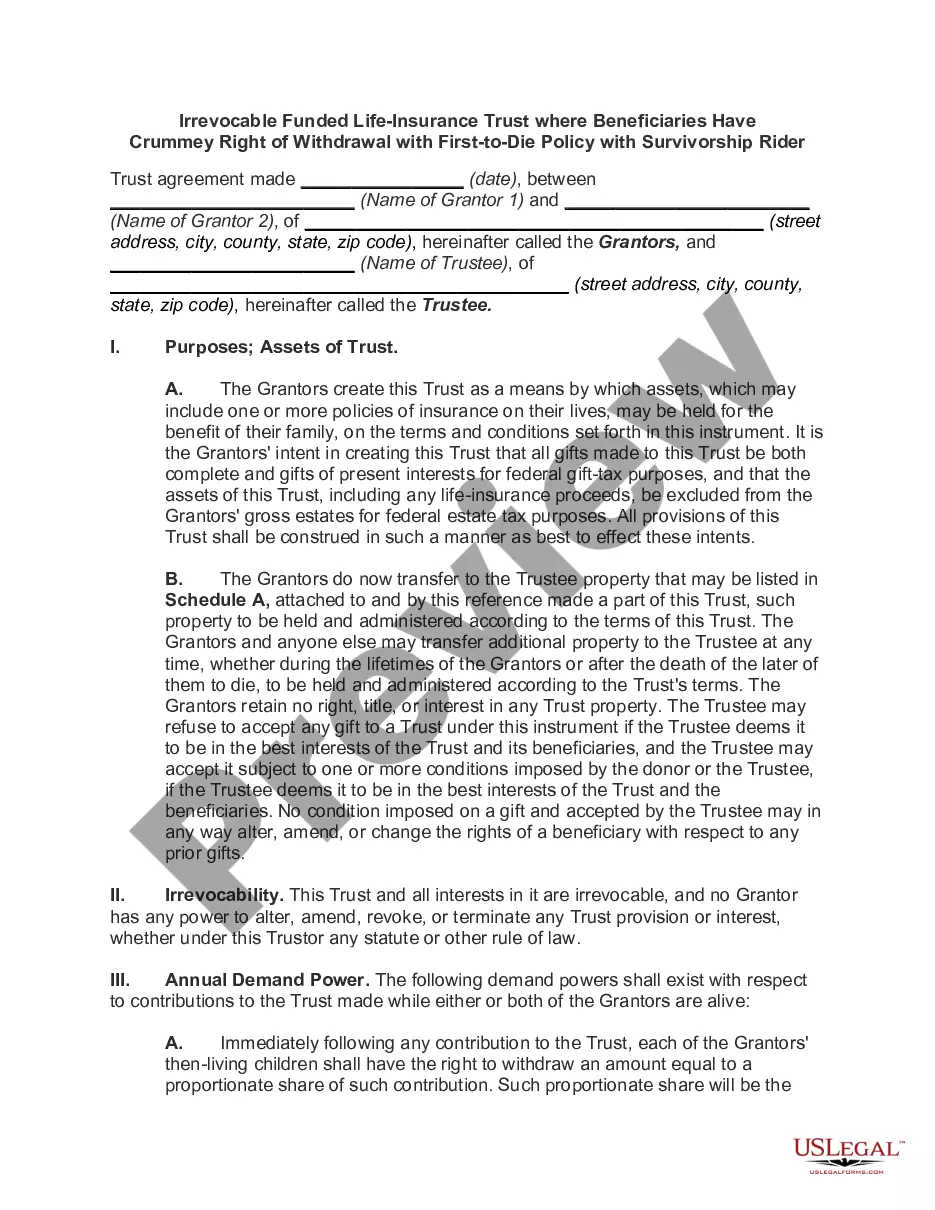
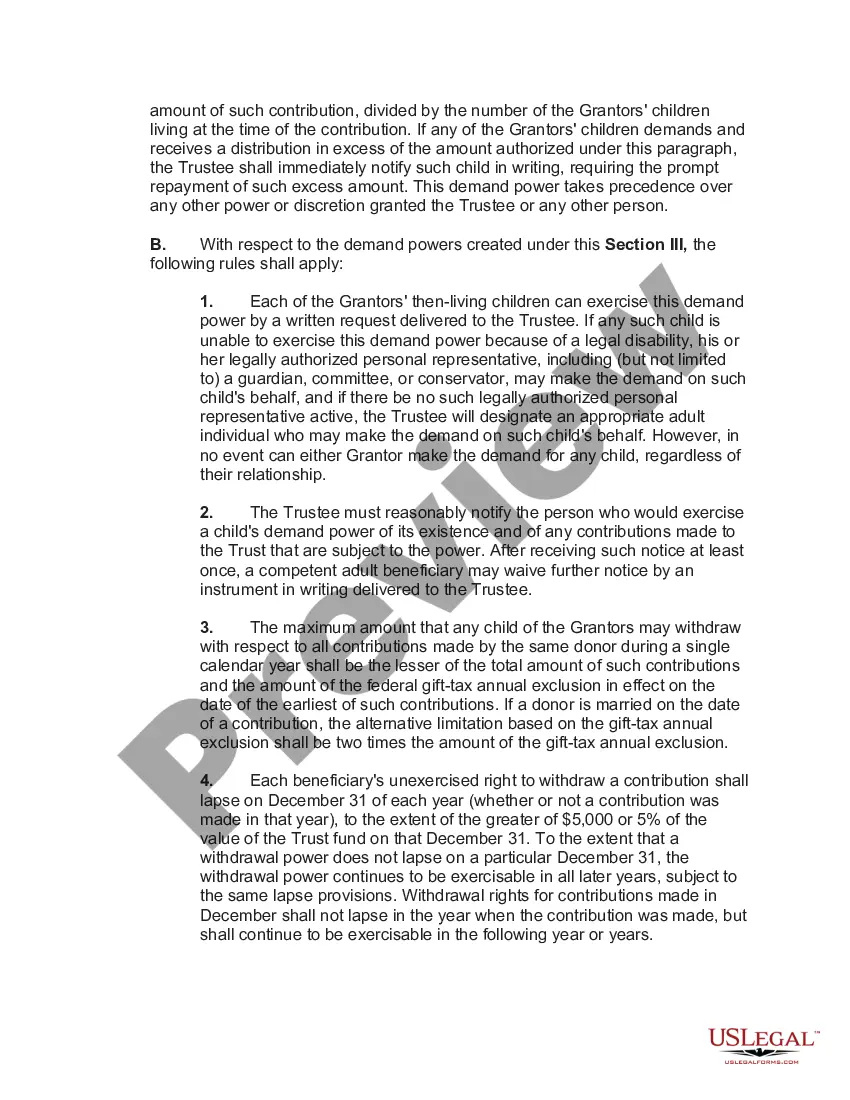
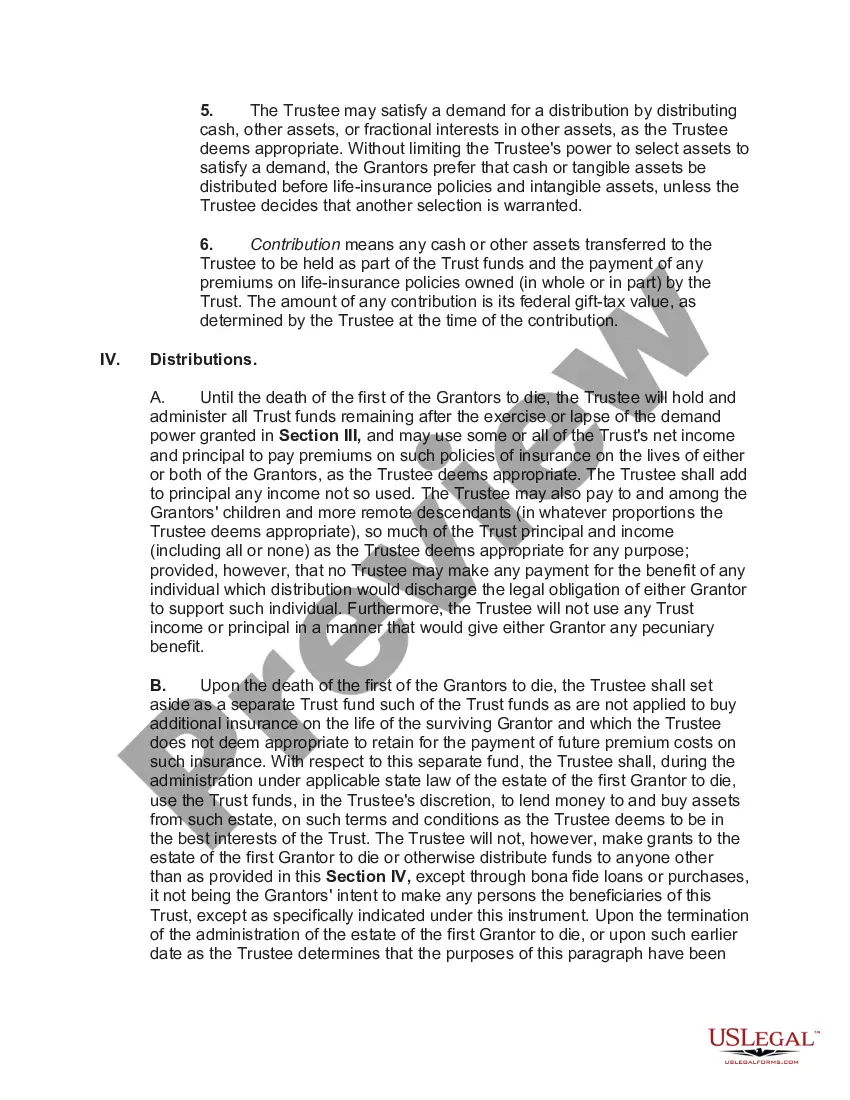
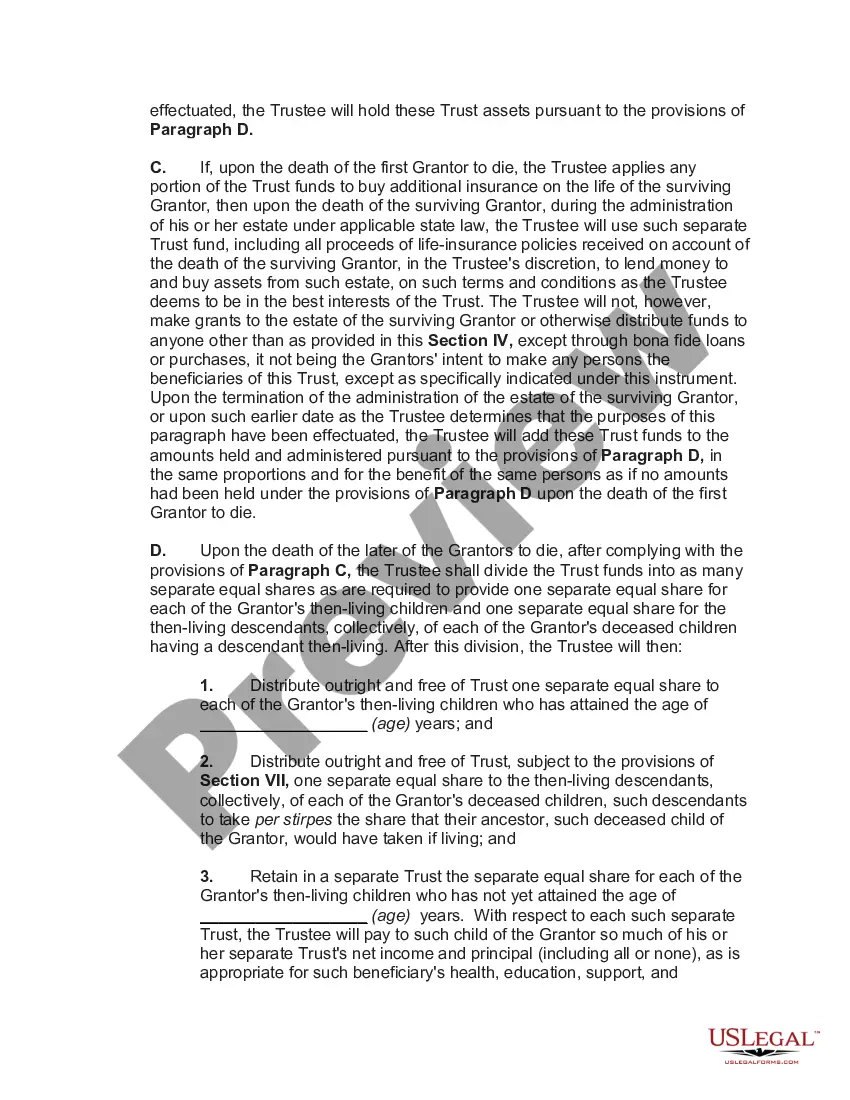
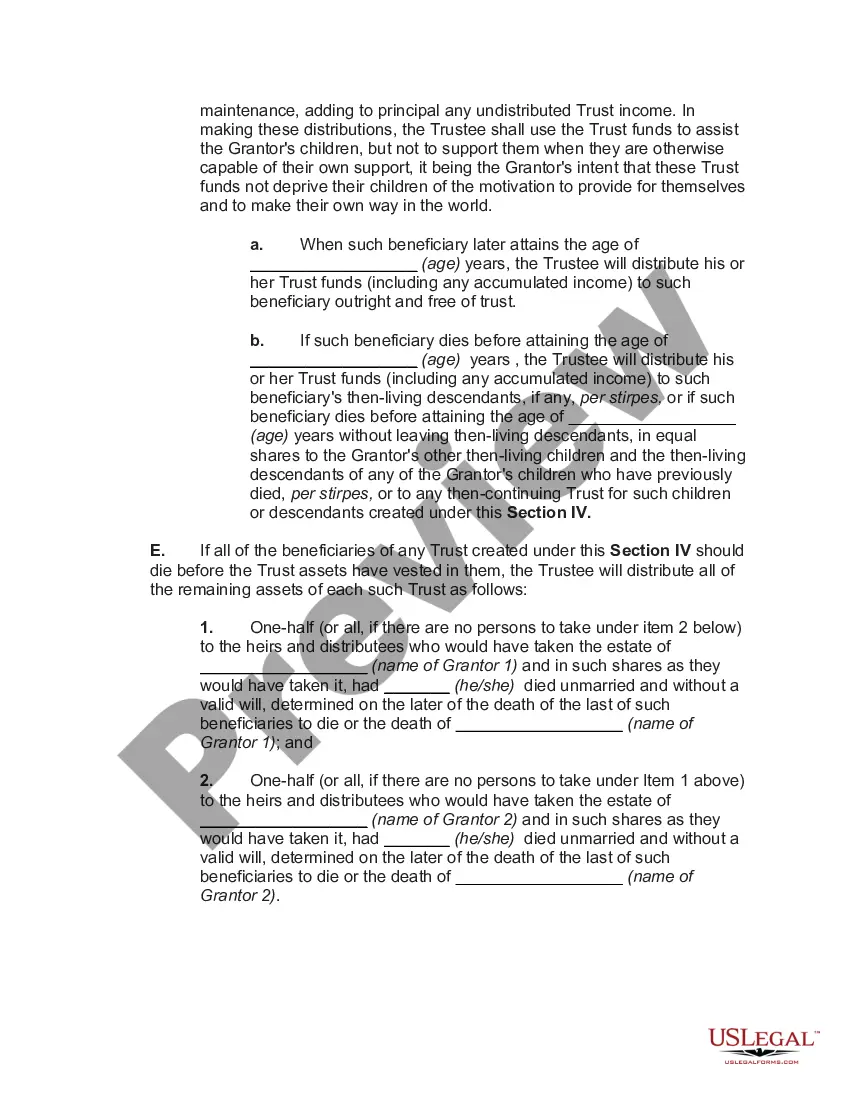
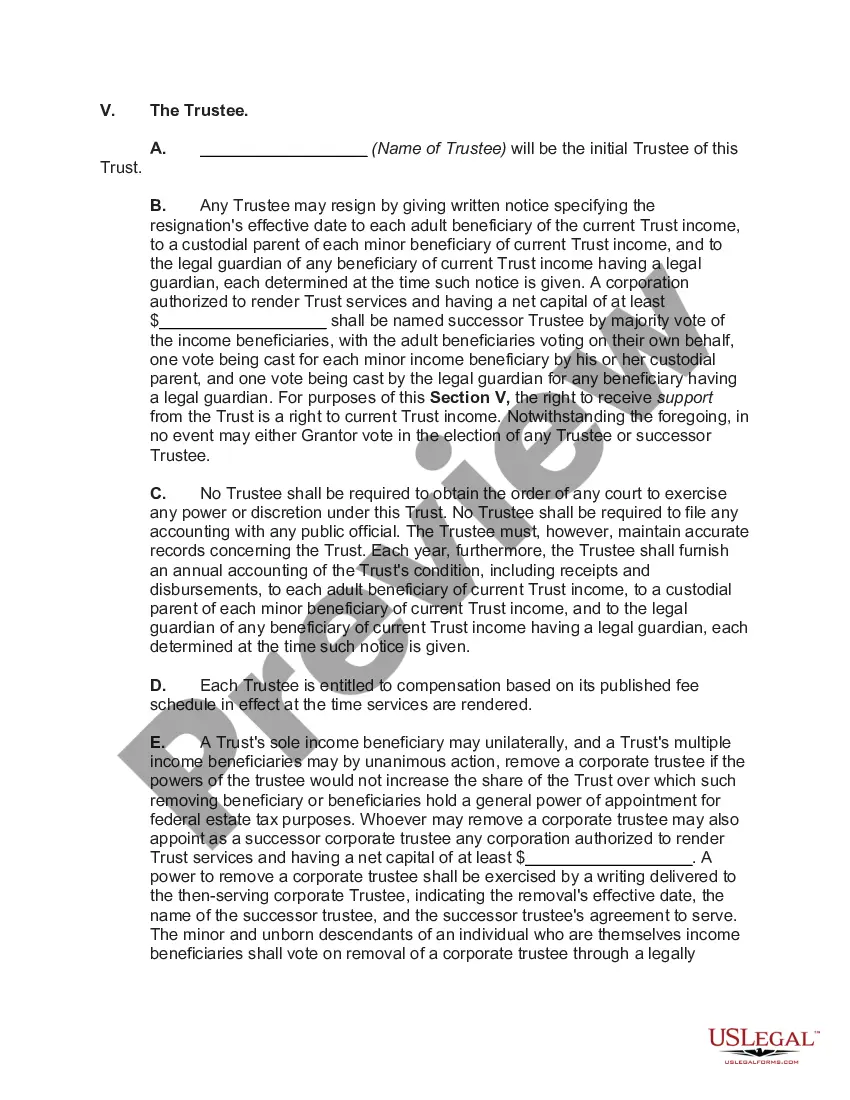
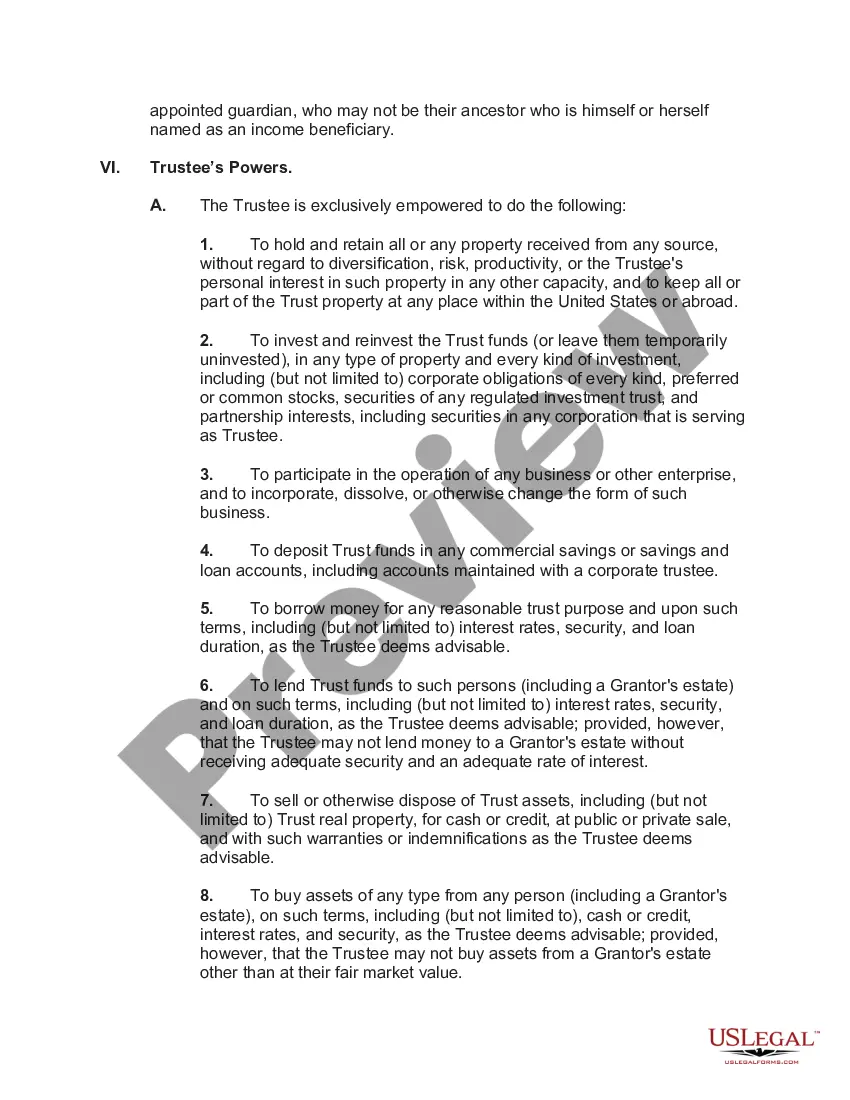
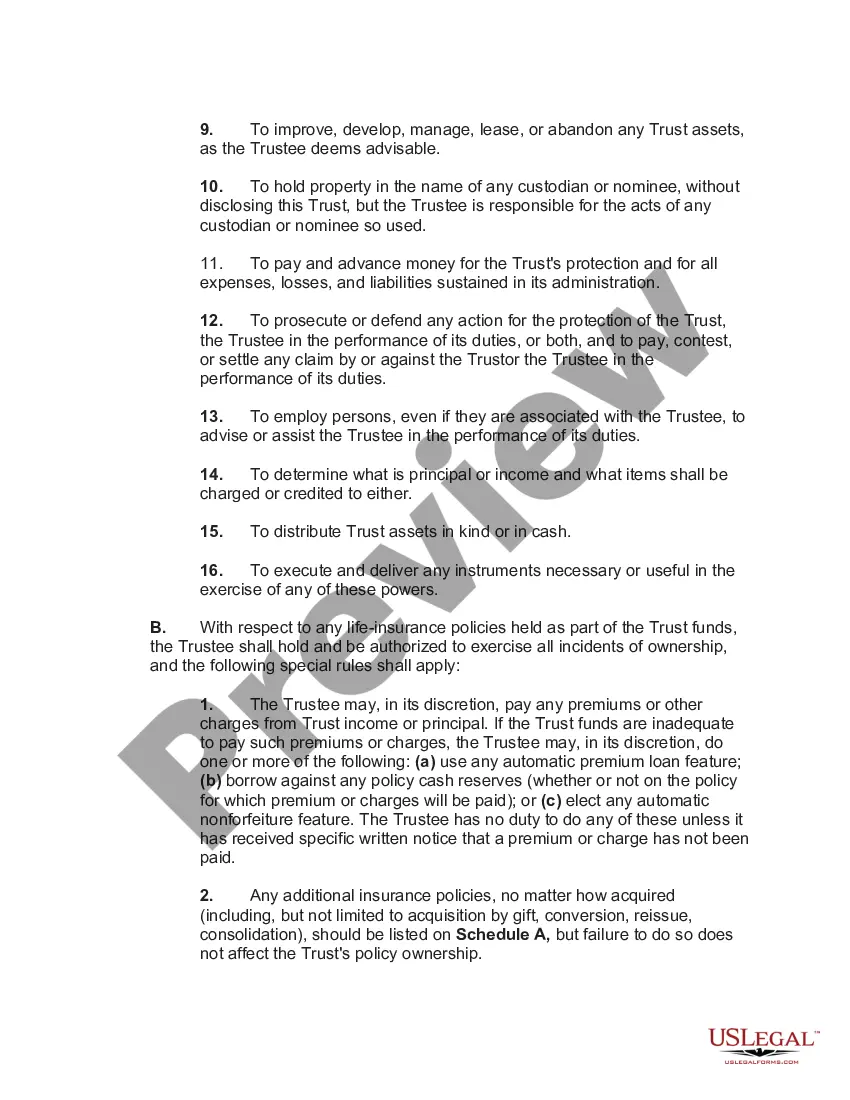
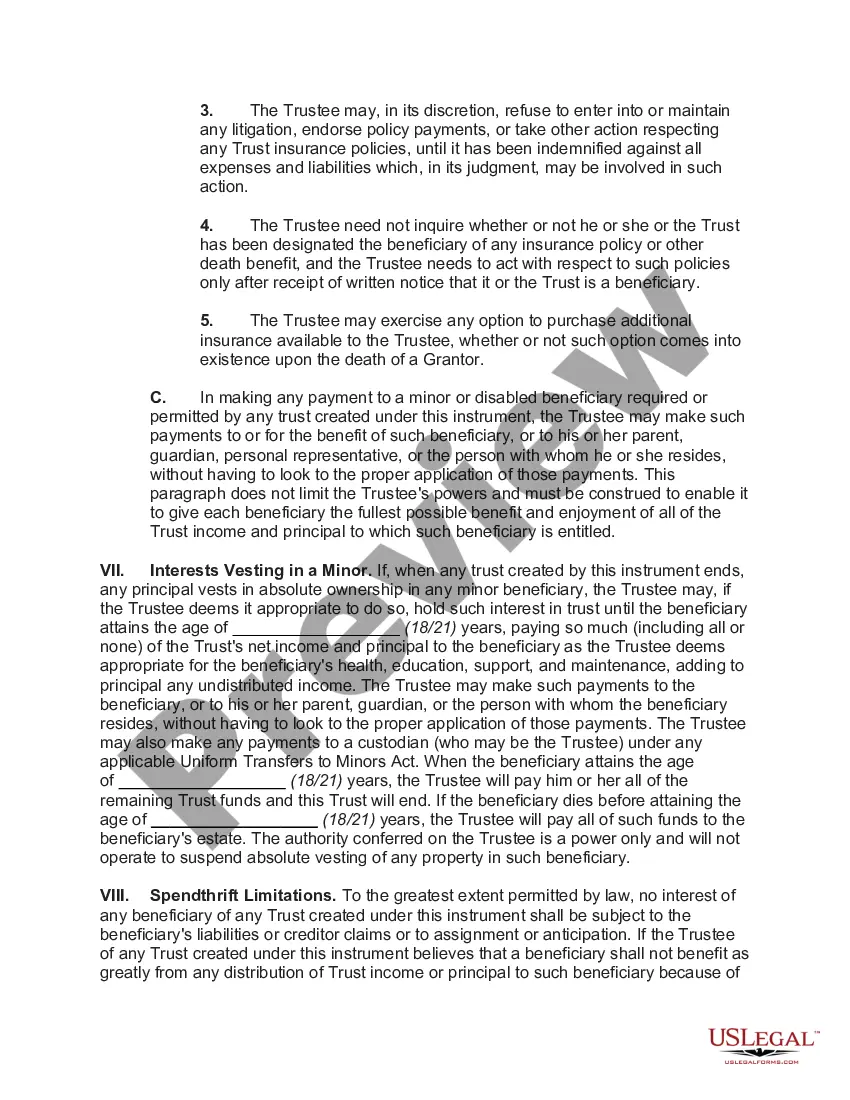
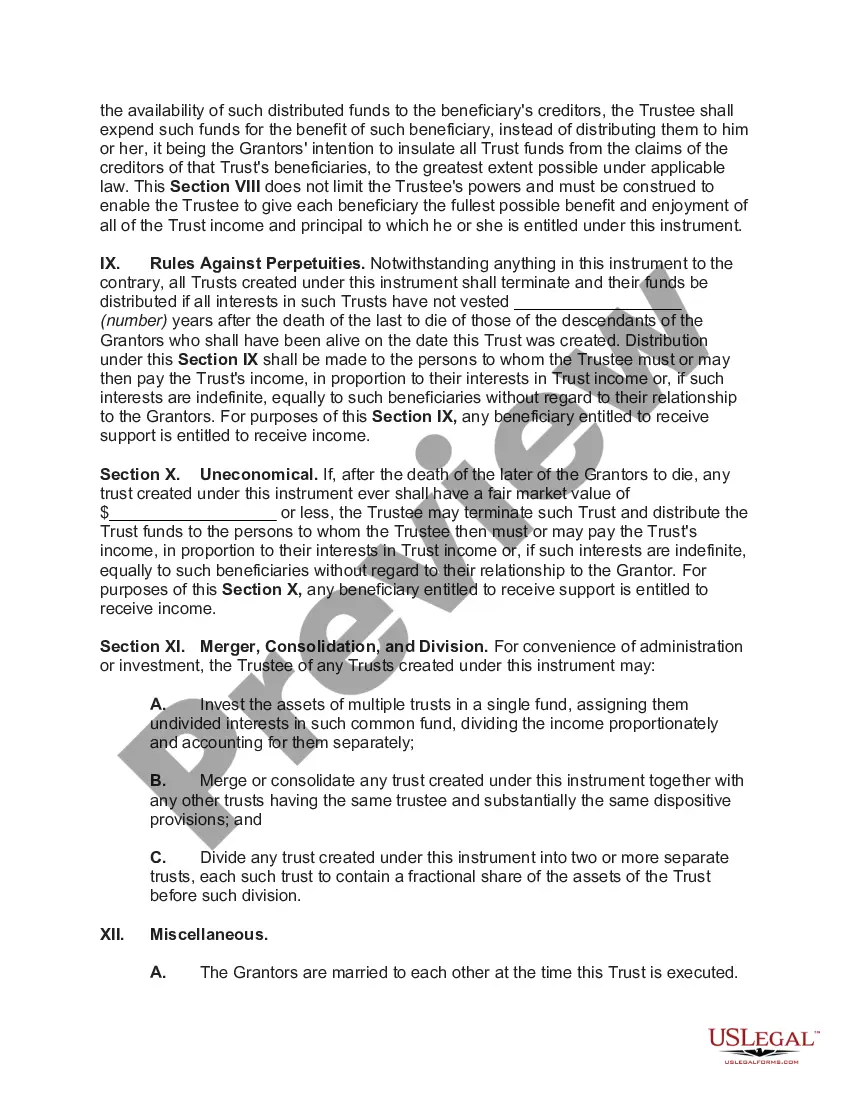

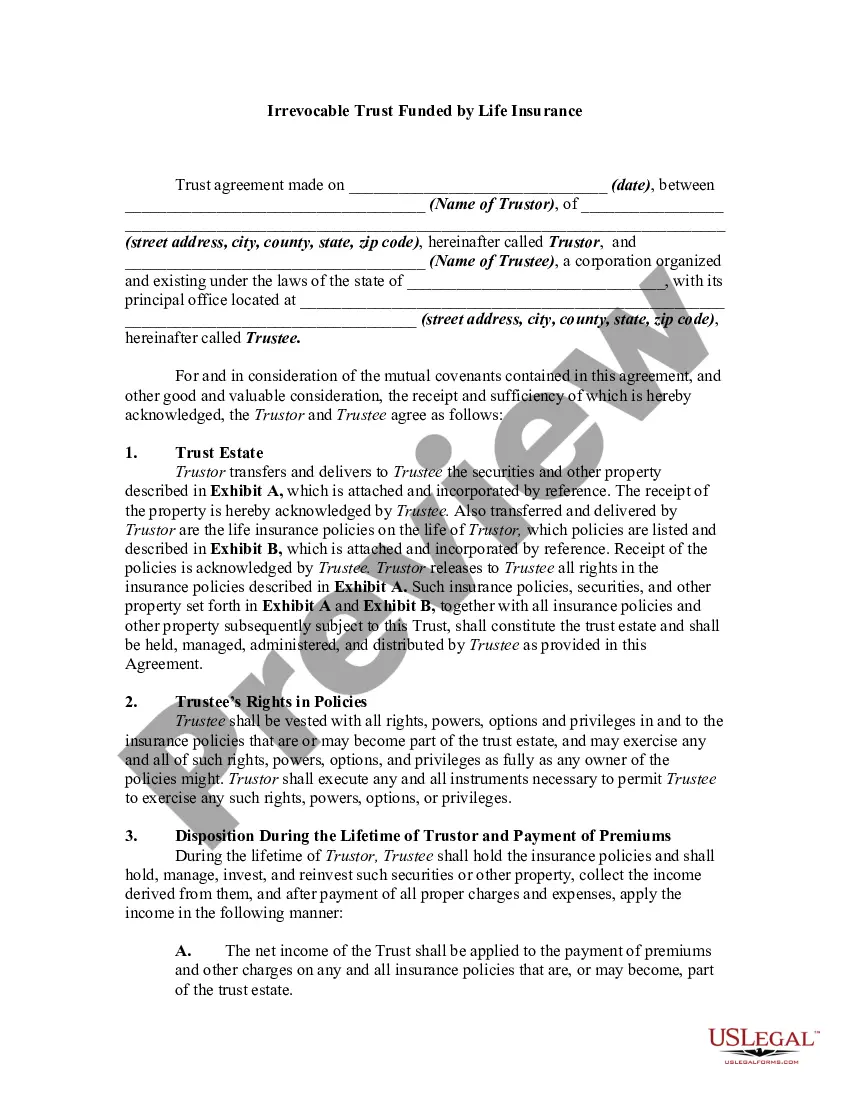
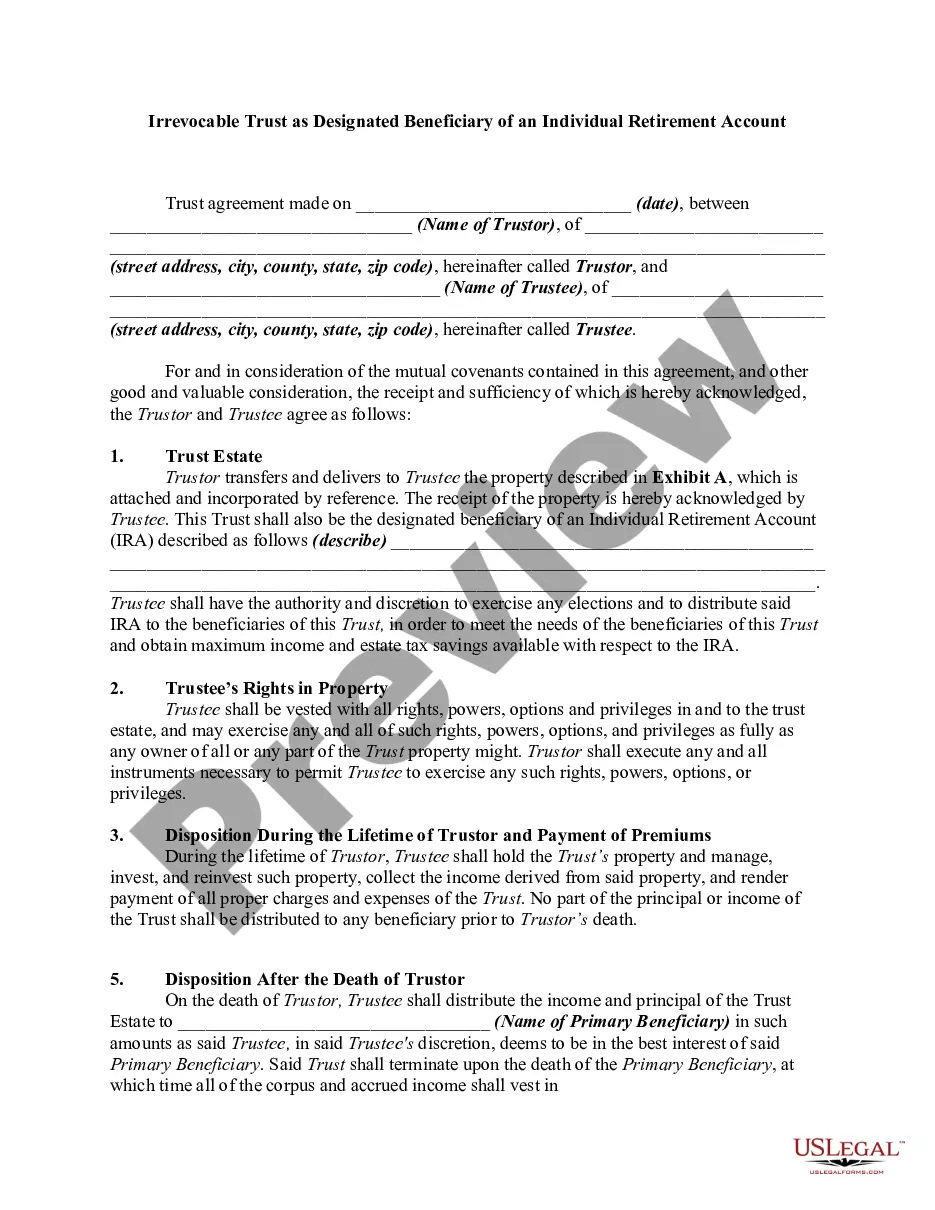
Get your form ready online
Our built-in tools help you complete, sign, share, and store your documents in one place.
Make edits, fill in missing information, and update formatting in US Legal Forms—just like you would in MS Word.
Download a copy, print it, send it by email, or mail it via USPS—whatever works best for your next step.
Sign and collect signatures with our SignNow integration. Send to multiple recipients, set reminders, and more. Go Premium to unlock E-Sign.
If this form requires notarization, complete it online through a secure video call—no need to meet a notary in person or wait for an appointment.
We protect your documents and personal data by following strict security and privacy standards.

Make edits, fill in missing information, and update formatting in US Legal Forms—just like you would in MS Word.

Download a copy, print it, send it by email, or mail it via USPS—whatever works best for your next step.

Sign and collect signatures with our SignNow integration. Send to multiple recipients, set reminders, and more. Go Premium to unlock E-Sign.

If this form requires notarization, complete it online through a secure video call—no need to meet a notary in person or wait for an appointment.

We protect your documents and personal data by following strict security and privacy standards.
Looking for another form?
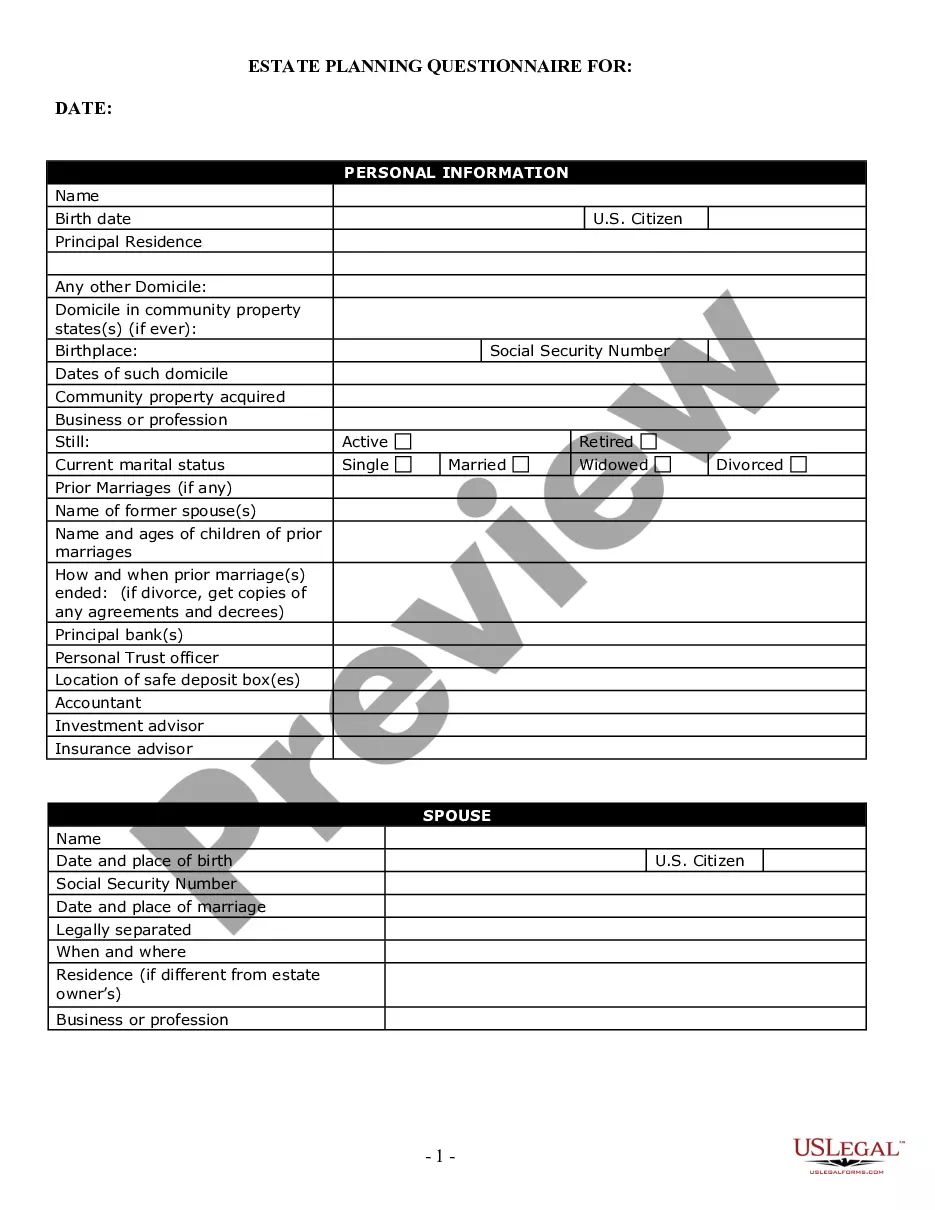









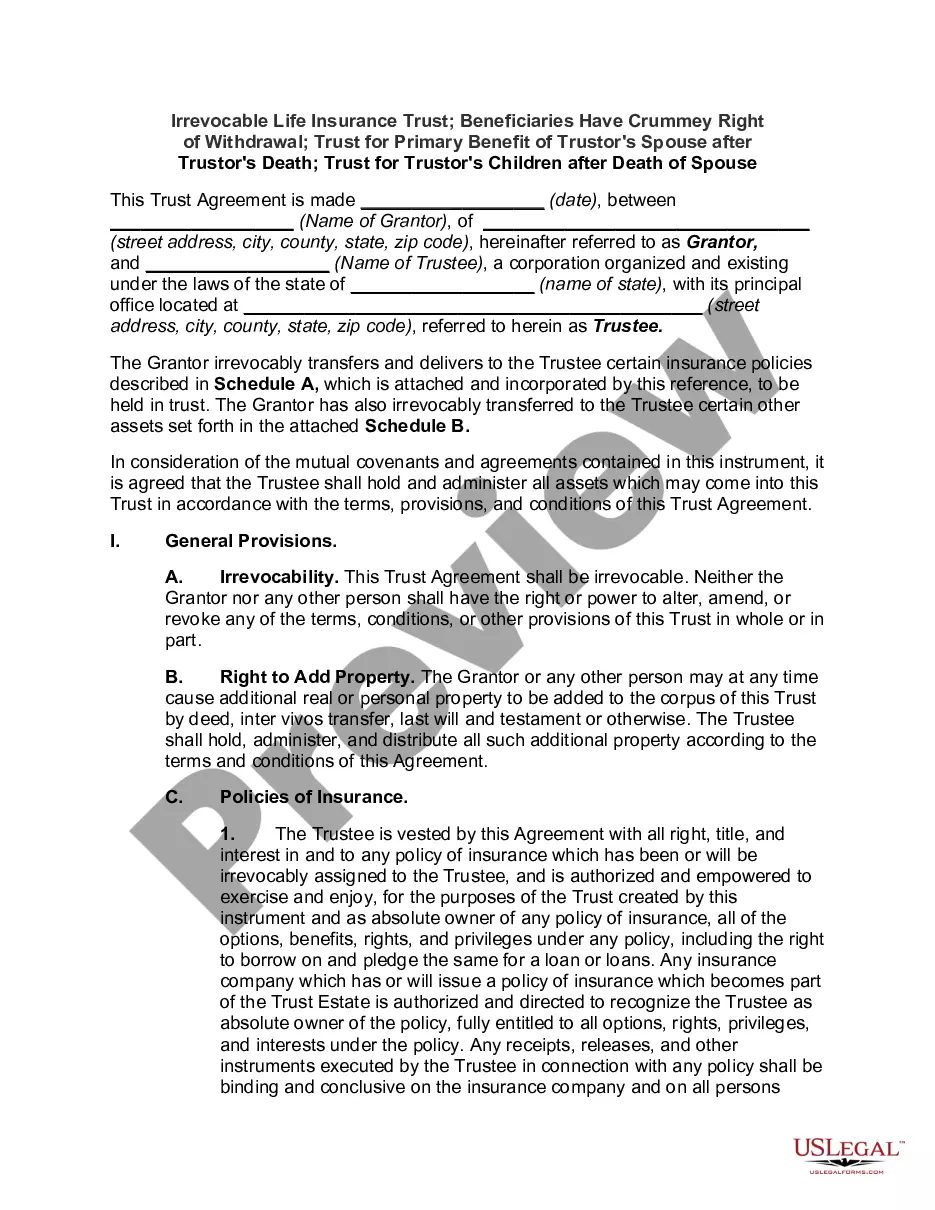
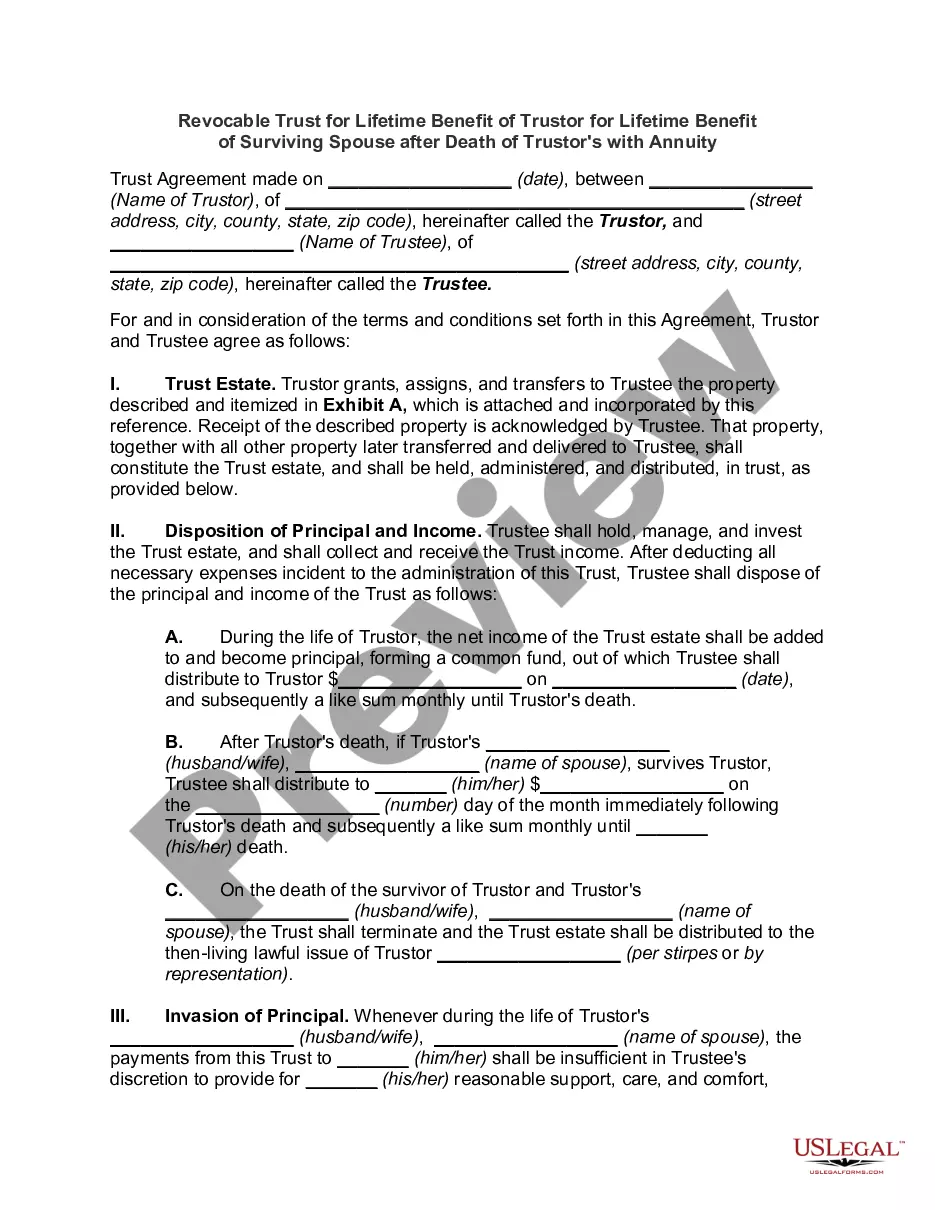
How to fill out Irrevocable Funded Life Insurance Trust Where Beneficiaries Have Crummey Right Of Withdrawal With First To Die Policy With Survivorship Rider?
- Log into your account if you are a returning user and click the Download button to get the needed form template, ensuring your subscription is active.
- For first-time users, start by reviewing the preview mode and description of the forms to select the one that meets your local jurisdiction's requirements.
- If you're not satisfied with the selection, utilize the Search tab to find an alternative form that meets your needs.
- Click on the Buy Now button to purchase the document, selecting the subscription plan that suits you best. Remember to create an account for full access.
- Proceed with your purchase by entering your credit card information or using your PayPal account for a seamless transaction.
- Finally, download your form to save it on your device. Access it anytime through the My Forms menu in your profile.
In conclusion, leveraging US Legal Forms allows for a seamless experience in obtaining legal documents. With a user-friendly interface and access to experienced professionals, you can ensure your forms are accurate and legally compliant.
Start using US Legal Forms today to simplify your legal documentation process!
Form popularity
FAQ
Beneficiaries of a trust are generally taxed on the income distributed to them from the trust. This income can include interest, dividends, and capital gains. It's important for trust beneficiaries with withholding to understand that they are responsible for reporting this income on their tax returns. Utilizing services like US Legal Forms can help streamline the process and clarify tax responsibilities.
You may not need to file Form 1041 if your trust has no income. However, some states still require a filing even when there is no taxable income. Trust beneficiaries with withholding should stay informed about specific state regulations, as these can vary. It's often a good idea to consult legal resources or professionals to clarify your obligations and ensure compliance.
A trust can allocate withholding to a beneficiary, which means the beneficiary may be responsible for paying taxes on certain income received from the trust. This allocation is common when a trust generates taxable income during a fiscal year. Consequently, trust beneficiaries with withholding should be aware of their responsibilities, as this impacts their tax obligations significantly. Platforms like uslegalforms provide guidance to manage these allocations effectively.
Trust capital losses can indeed be distributed to beneficiaries, but there are specific rules to consider. When a trust experiences losses, it may allocate these losses to beneficiaries, allowing them to offset income on their tax returns. This distribution is particularly beneficial for trust beneficiaries with withholding, as it can help reduce their overall tax burden. Consulting an expert can clarify how this works.
Yes, a trust can pass out withholding tax to a beneficiary. When a trust distributes income, it may also pass the associated withholding tax along to the beneficiary. This process ensures that beneficiaries with withholding are responsible for their tax obligations accurately. Understanding this aspect is crucial for trust beneficiaries, as it directly influences their tax filings.
An estate may allocate estimated tax payments to a beneficiary under specific conditions. Typically, if the estate generates sufficient income, the executor might decide to distribute tax obligations to trust beneficiaries with withholding. This allocation ensures that beneficiaries are aware of their potential tax liabilities. It is essential for beneficiaries to review these allocations, as they can affect their overall tax situation.
If you are withholding, it means you are retaining a portion of payments to cover taxes owed by the recipient. In the context of trusts, this often involves ensuring that the appropriate amount is withheld from distributions made to trust beneficiaries with withholding. The goal is to fulfill tax obligations while managing the financial resources effectively.
A withholding agent may include individuals or entities responsible for making payments to beneficiaries, such as trustees or financial institutions. These agents must ensure that proper taxes are withheld from payments made to trust beneficiaries with withholding. By understanding the role of a withholding agent, you can better manage your tax responsibilities.
If a trust does not distribute income, the trust typically retains the earnings and may be liable for tax on those amounts. Beneficiaries may face unexpected tax implications if they are not receiving distributions as expected, particularly regarding trust beneficiaries with withholding. It’s essential to understand the implications of non-distribution and consult with a professional for tailored advice.
A withholding trust is designed to manage distributions to trust beneficiaries with withholding. This type of trust ensures that the appropriate taxes are withheld before distributions are made, helping to avoid tax liabilities for the beneficiaries. By implementing a withholding trust, you can efficiently handle tax obligations while providing for the beneficiaries.