Life Insurance Trust Have Withdrawal Limits
Description
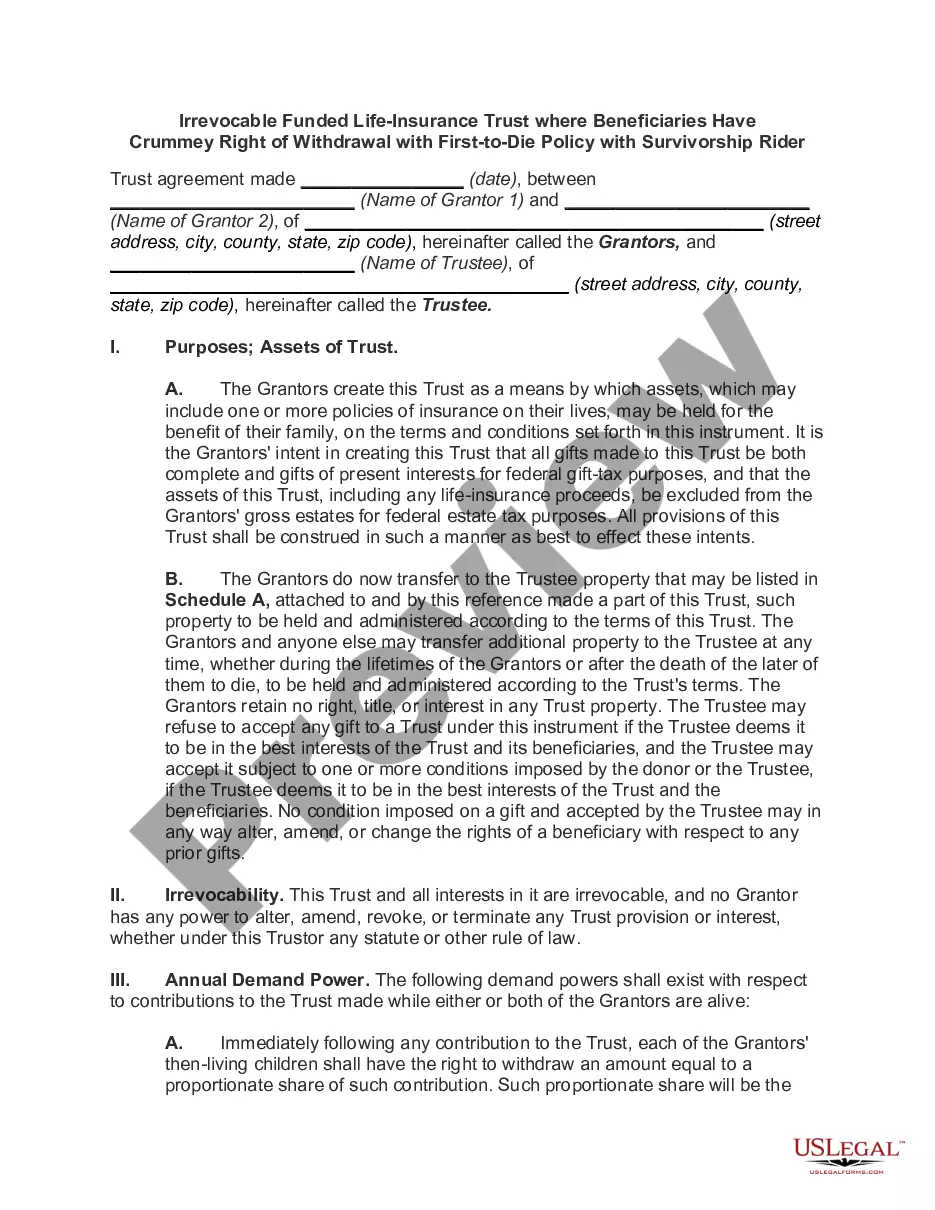
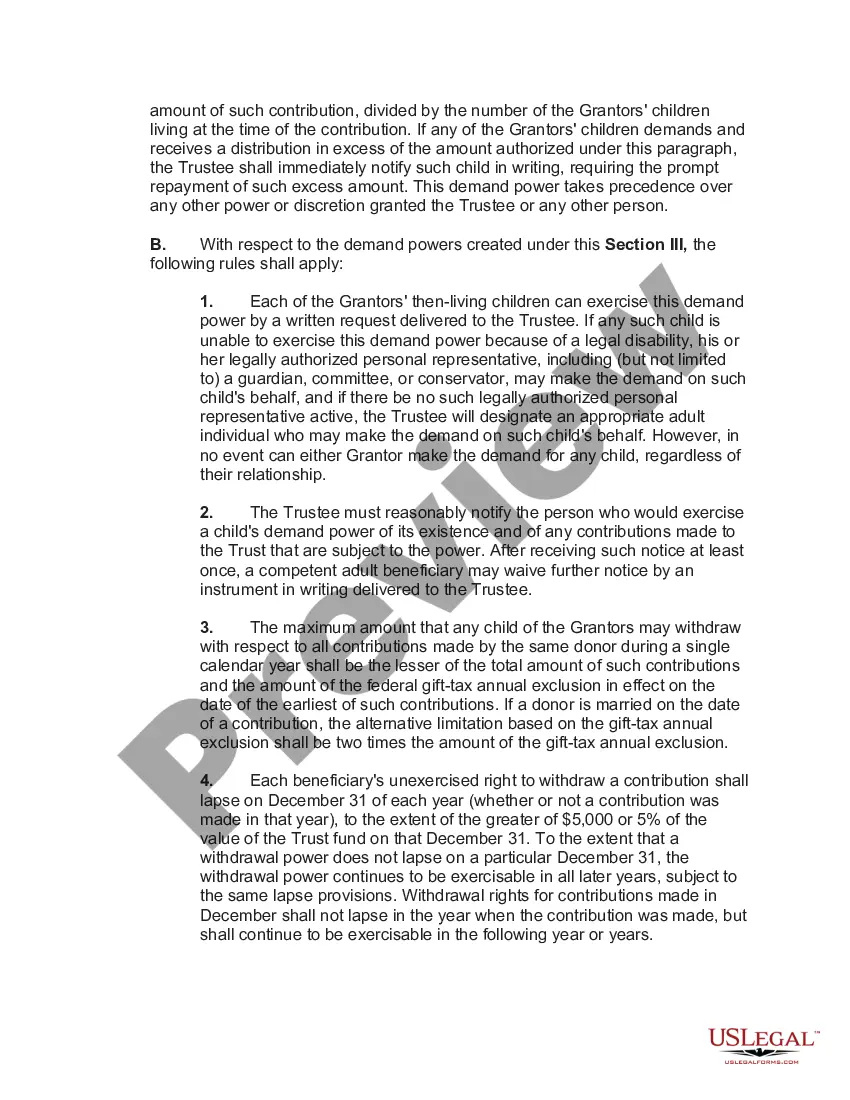
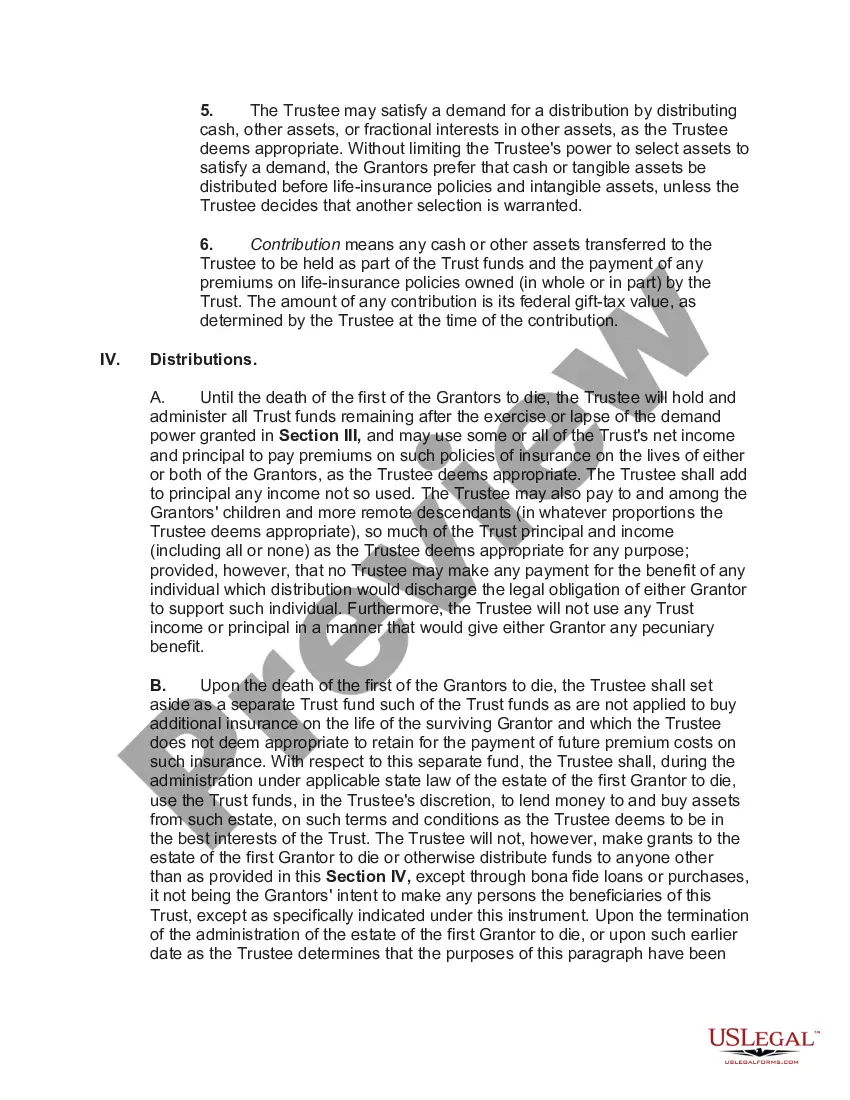
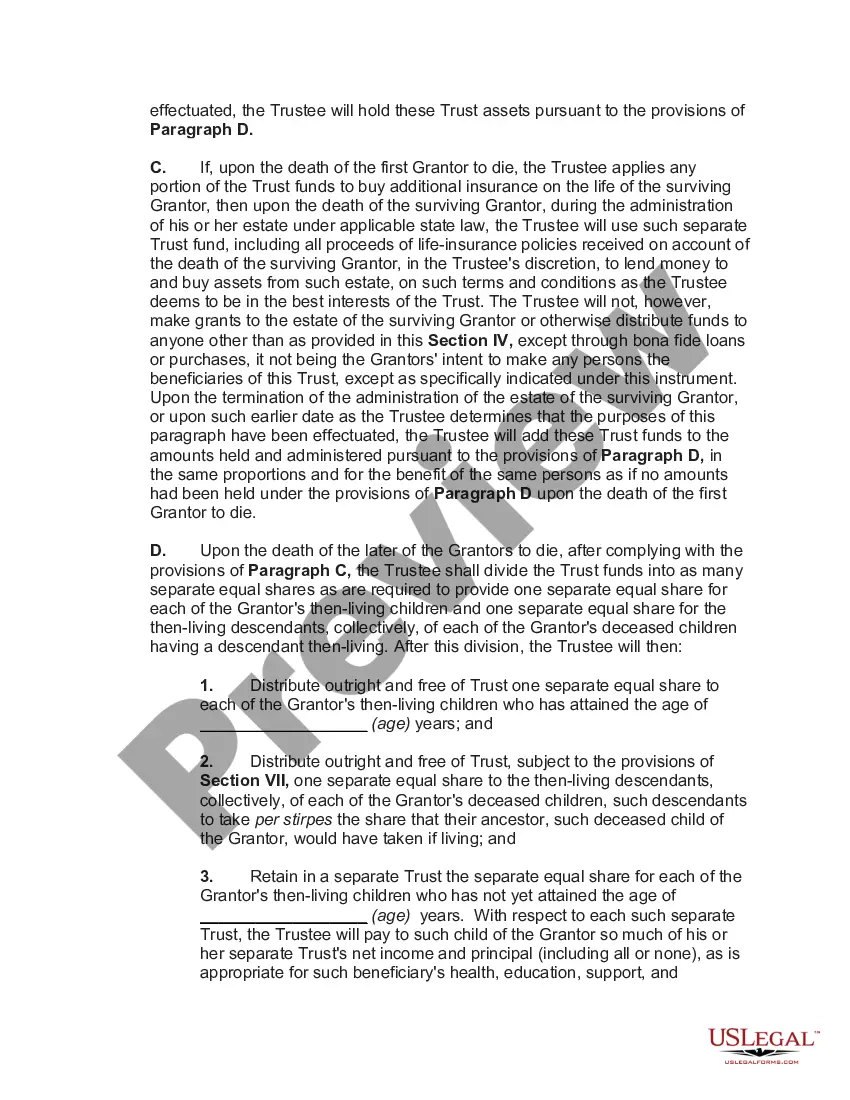
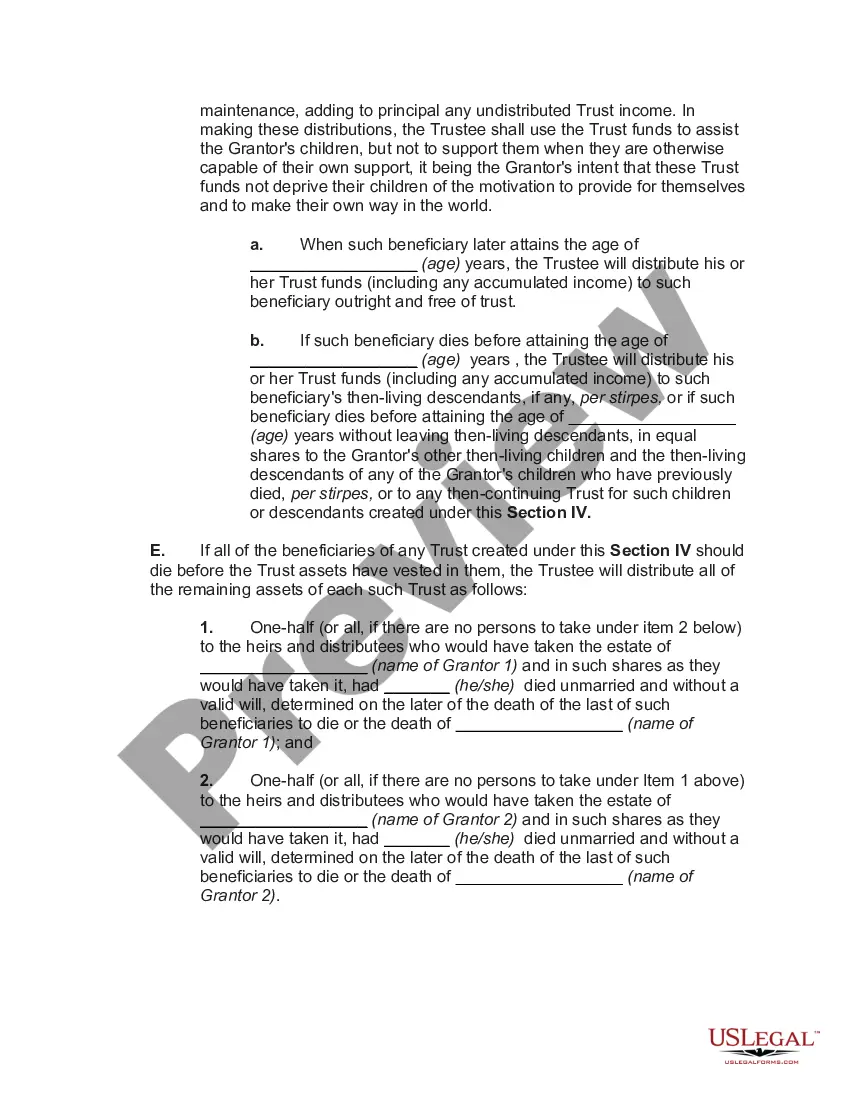
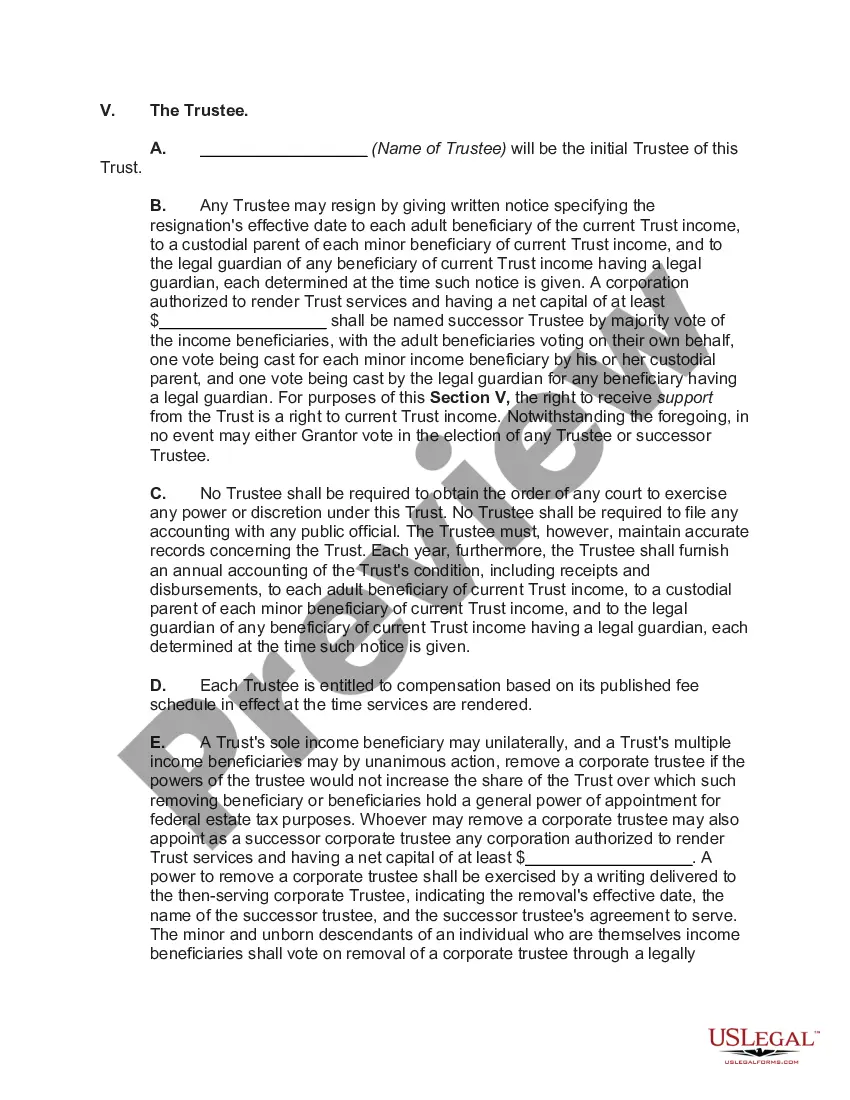
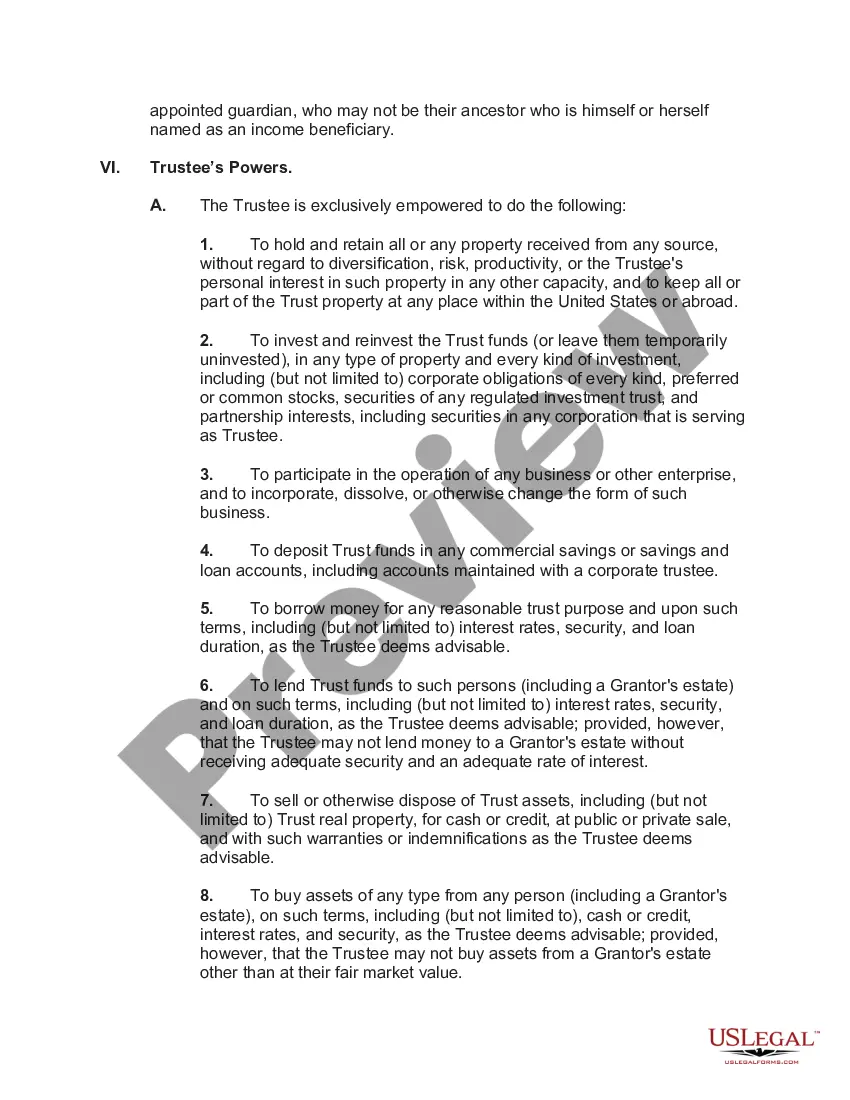
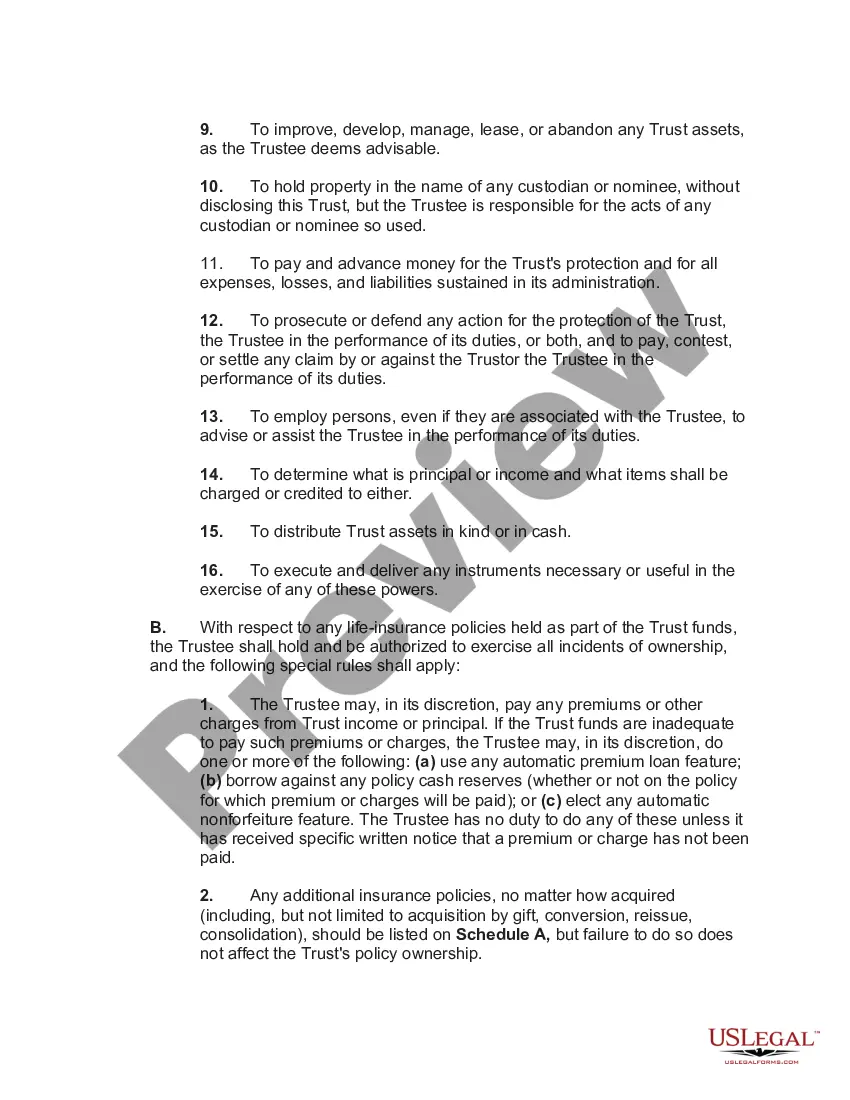
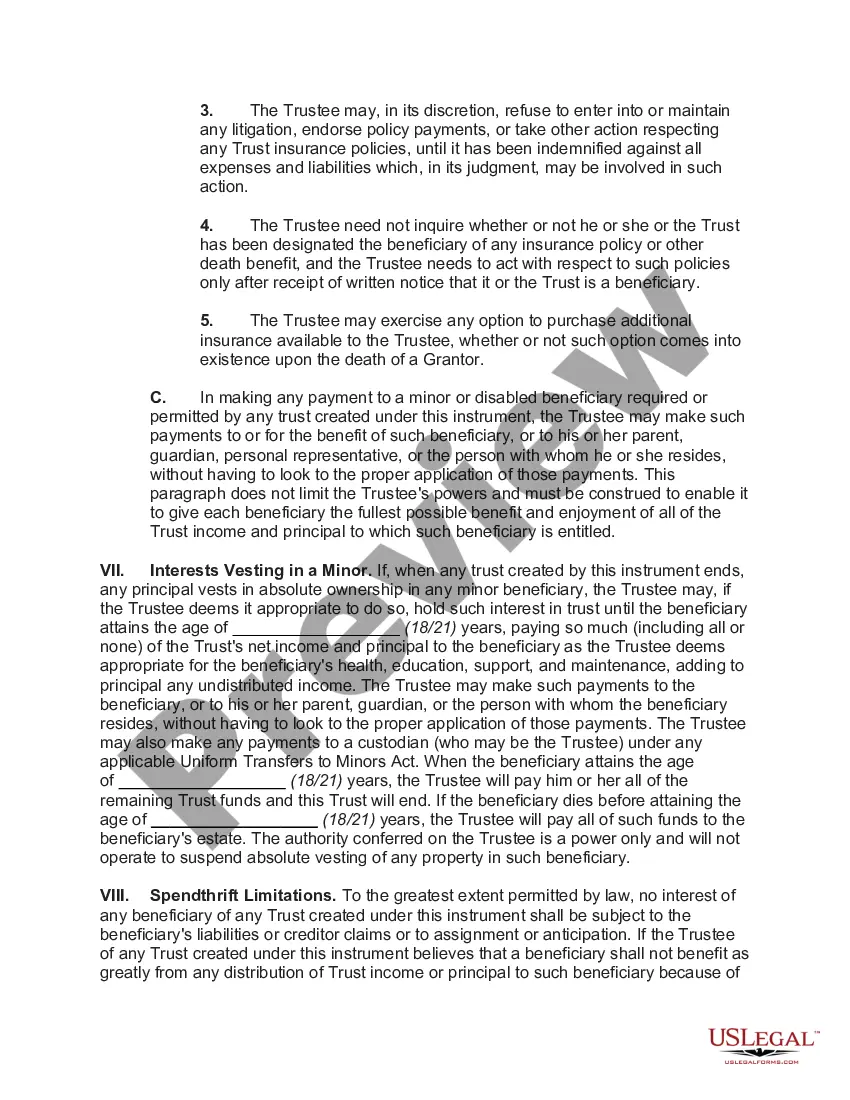
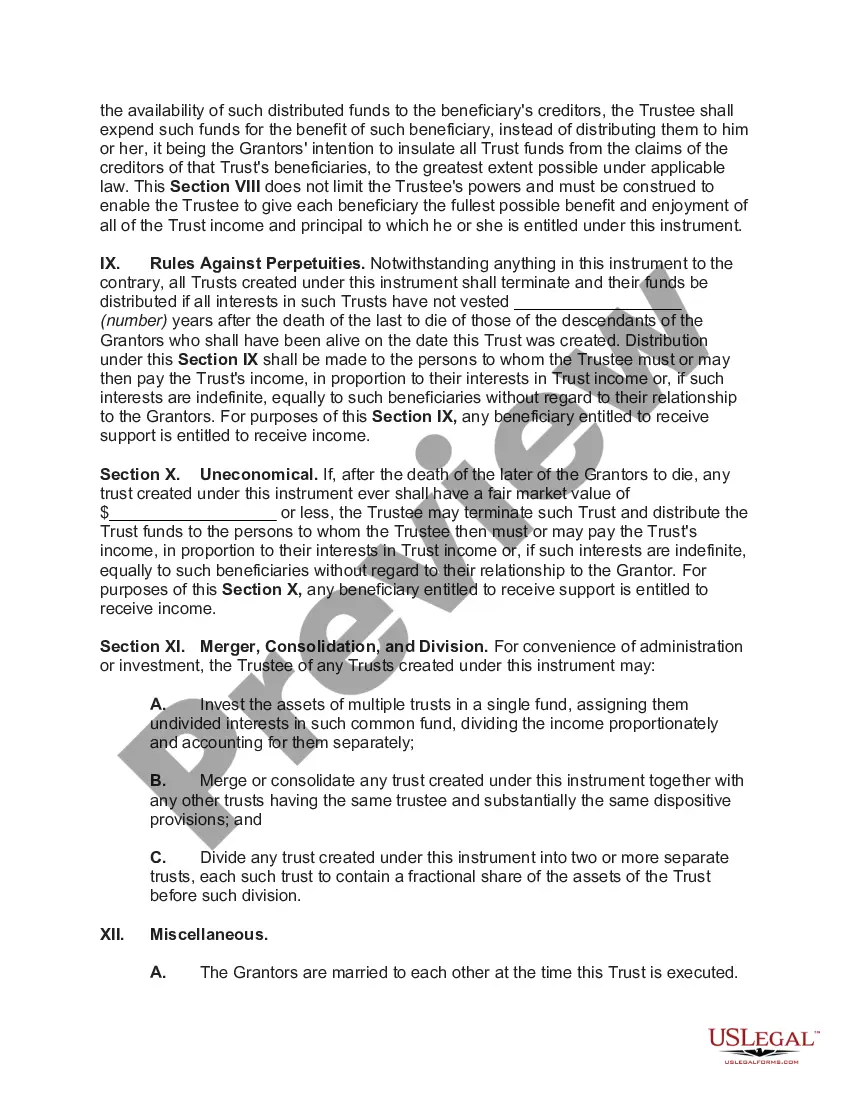

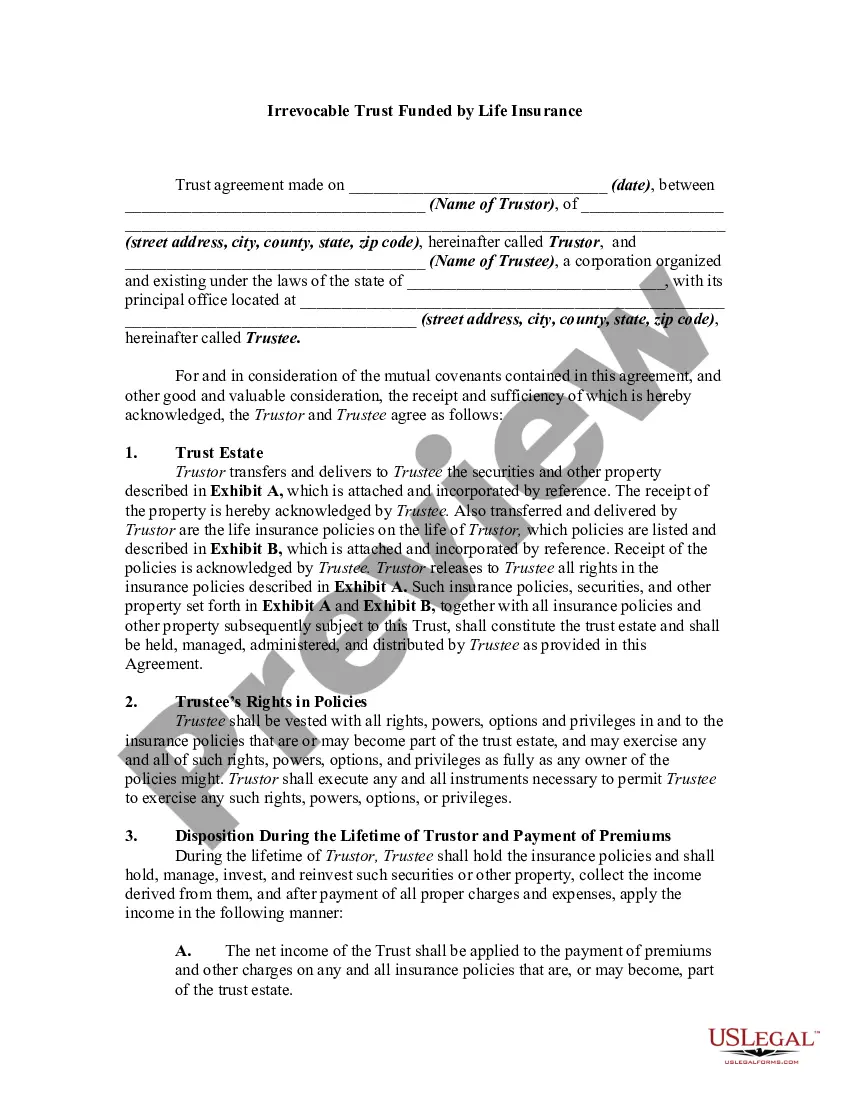
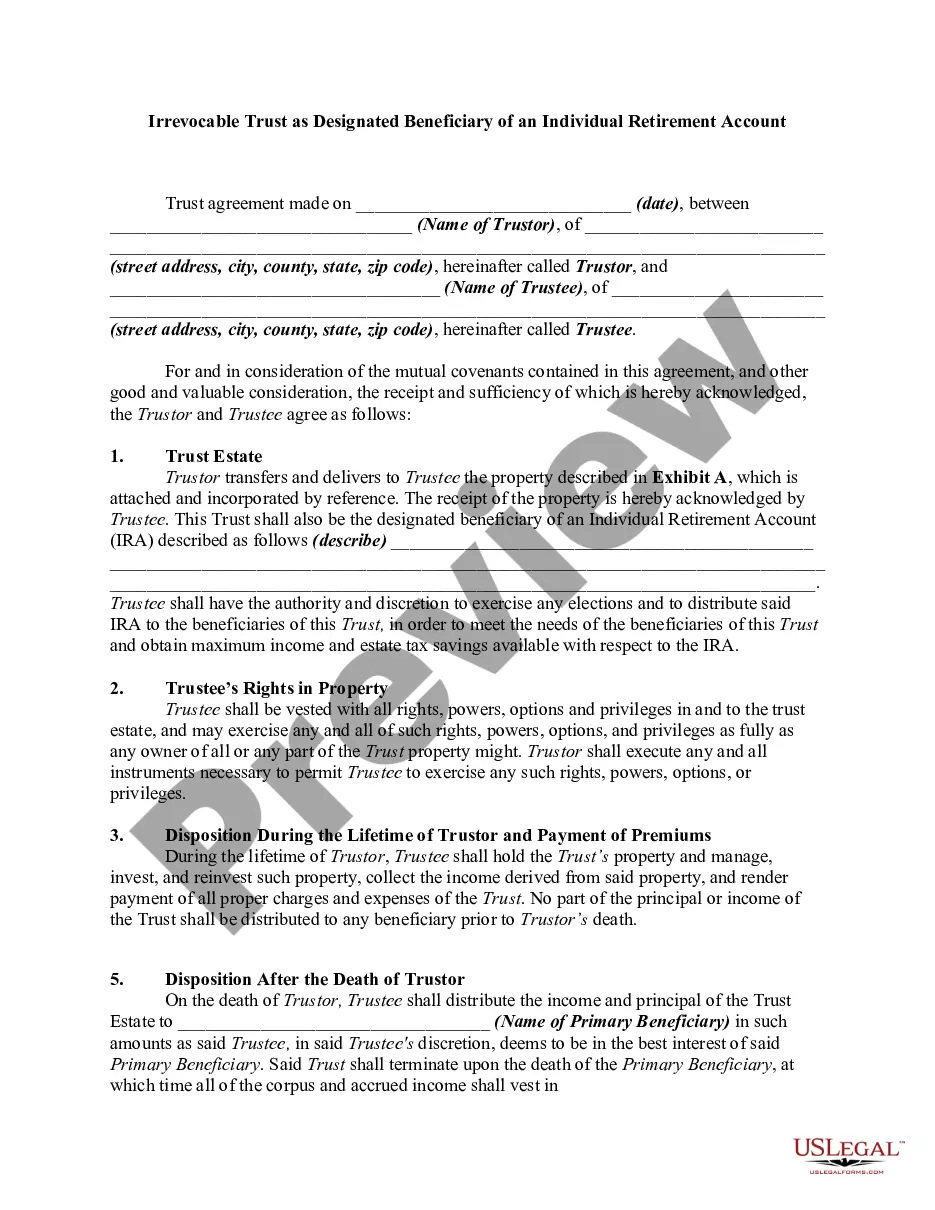
Get your form ready online
Our built-in tools help you complete, sign, share, and store your documents in one place.
Make edits, fill in missing information, and update formatting in US Legal Forms—just like you would in MS Word.
Download a copy, print it, send it by email, or mail it via USPS—whatever works best for your next step.
Sign and collect signatures with our SignNow integration. Send to multiple recipients, set reminders, and more. Go Premium to unlock E-Sign.
If this form requires notarization, complete it online through a secure video call—no need to meet a notary in person or wait for an appointment.
We protect your documents and personal data by following strict security and privacy standards.

Make edits, fill in missing information, and update formatting in US Legal Forms—just like you would in MS Word.

Download a copy, print it, send it by email, or mail it via USPS—whatever works best for your next step.

Sign and collect signatures with our SignNow integration. Send to multiple recipients, set reminders, and more. Go Premium to unlock E-Sign.

If this form requires notarization, complete it online through a secure video call—no need to meet a notary in person or wait for an appointment.

We protect your documents and personal data by following strict security and privacy standards.
Looking for another form?

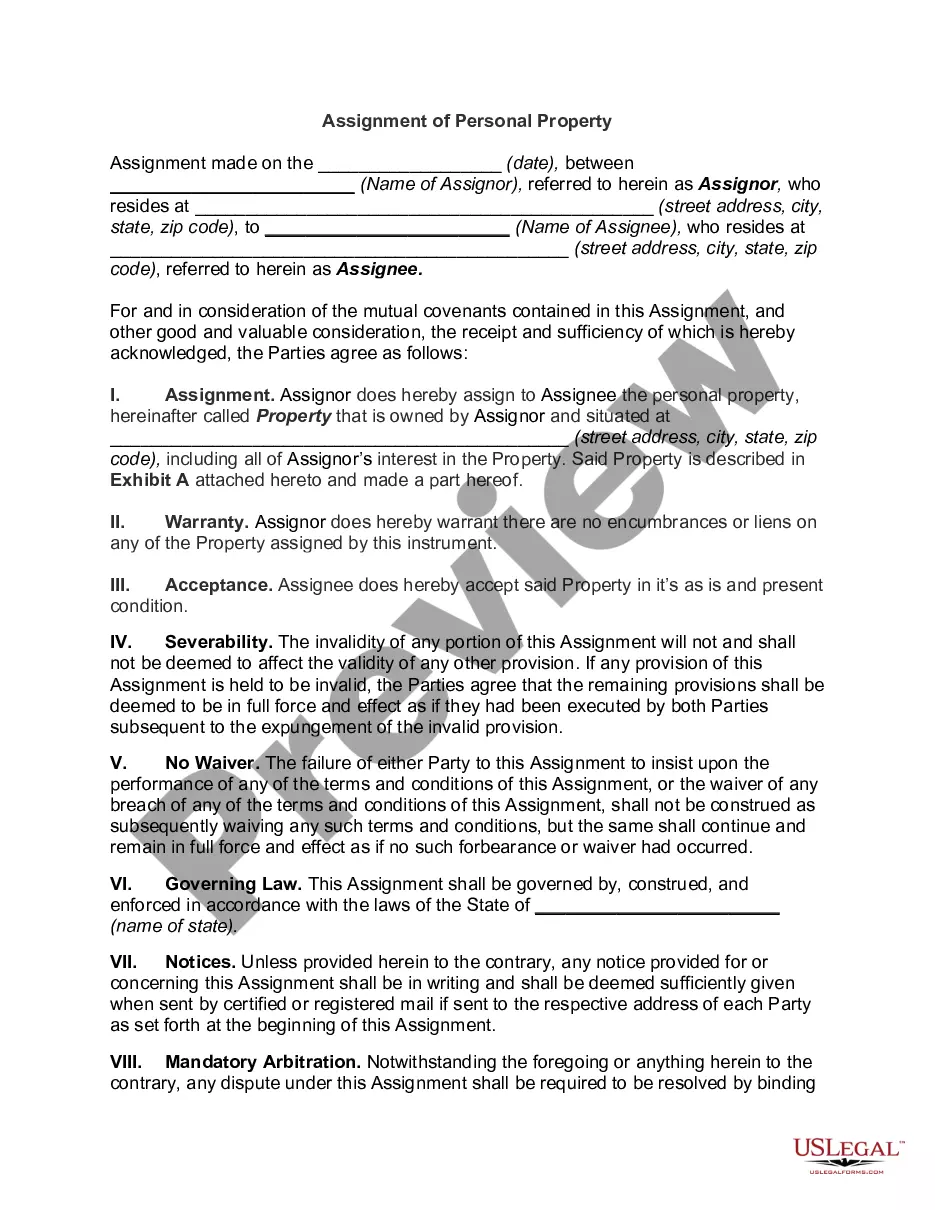






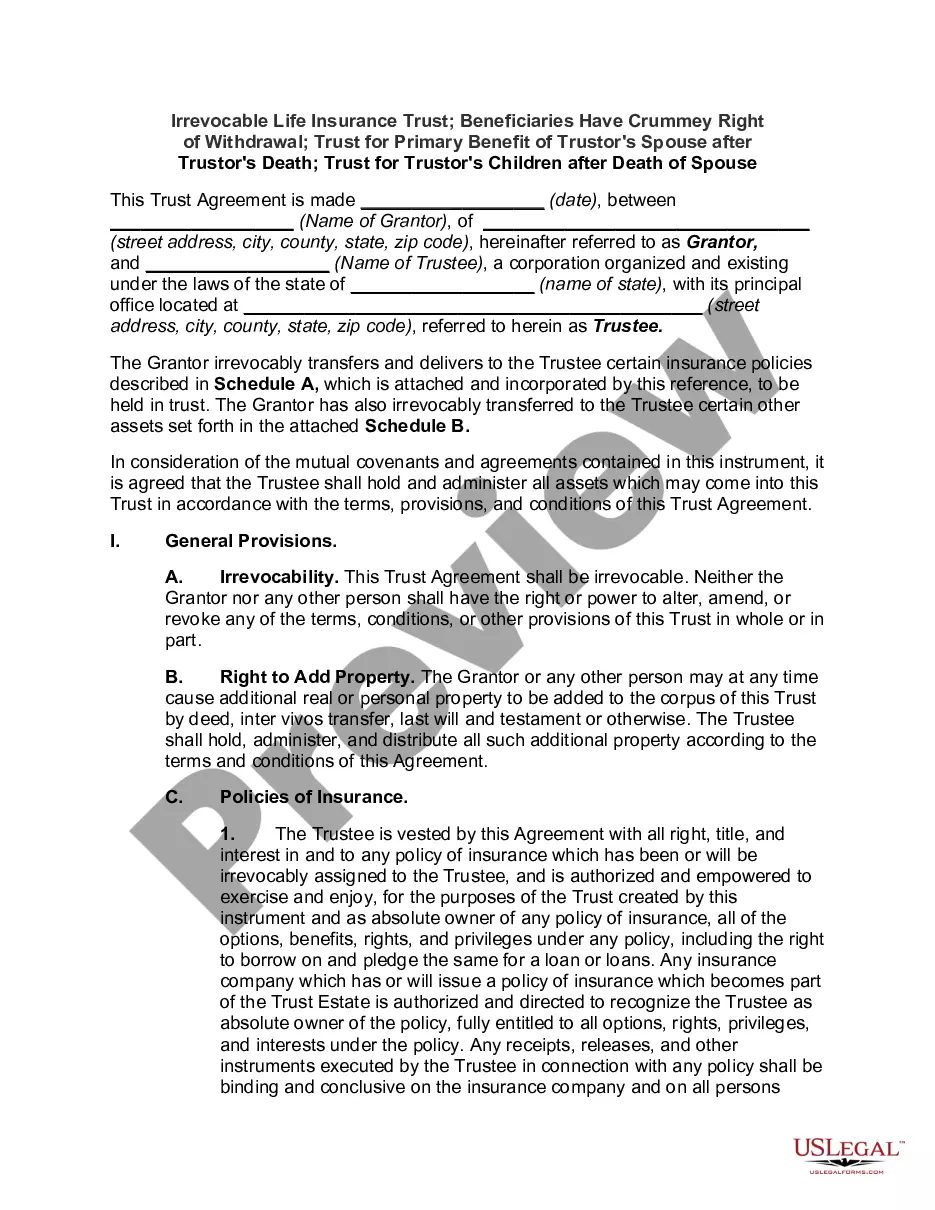
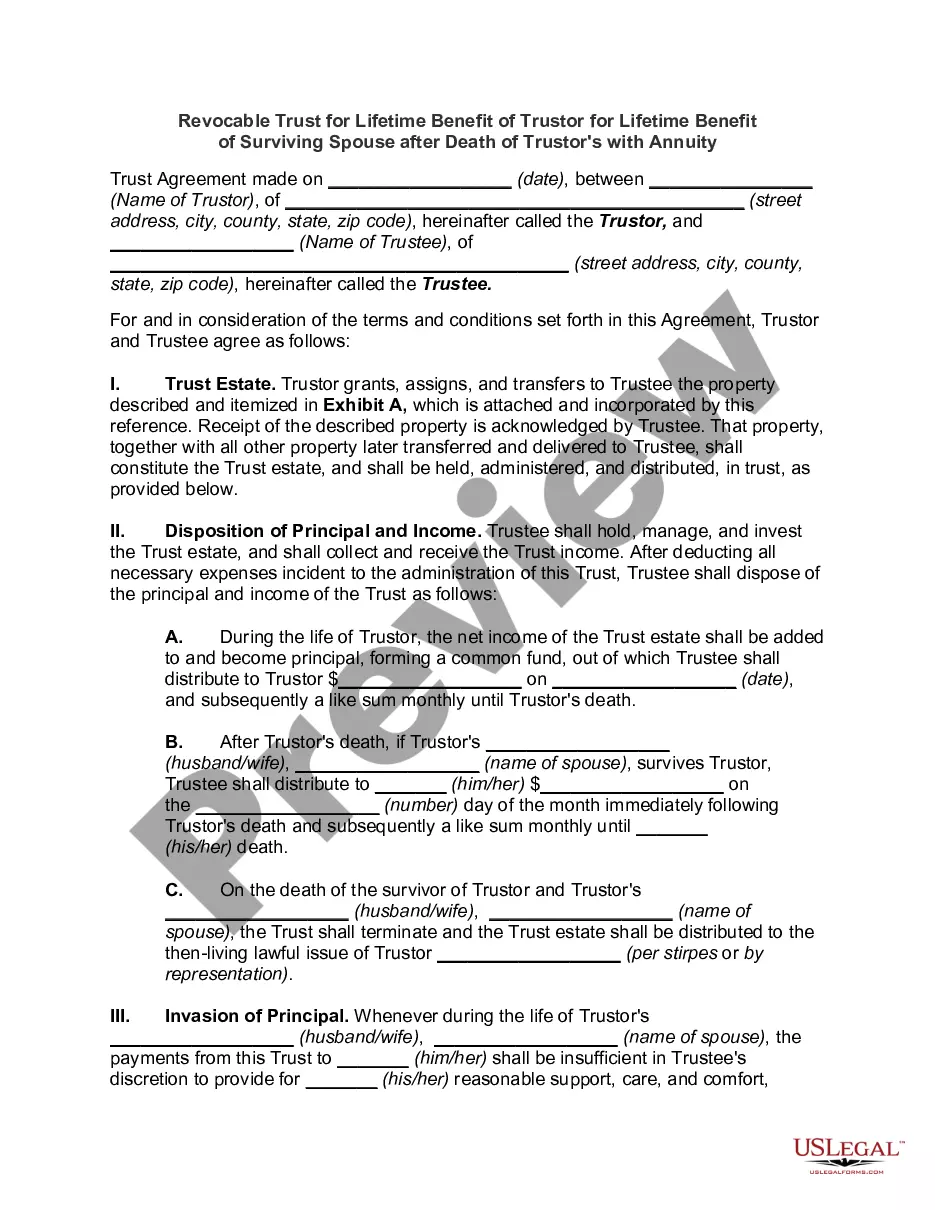
How to fill out Irrevocable Funded Life Insurance Trust Where Beneficiaries Have Crummey Right Of Withdrawal With First To Die Policy With Survivorship Rider?
Regardless of whether for commercial interests or personal issues, everyone must confront legal circumstances at some stage in their existence.
Completing legal documents necessitates meticulous focus, starting with choosing the appropriate form template.
With a vast US Legal Forms catalog available, you never have to waste time searching for the right template across the internet. Utilize the library’s user-friendly navigation to discover the appropriate template for any scenario.
- For instance, if you choose an incorrect variant of a Life Insurance Trust With Withdrawal Limits, it will be rejected upon submission.
- Thus, it is crucial to find a dependable source for legal documents such as US Legal Forms.
- If you need to acquire a Life Insurance Trust With Withdrawal Limits template, adhere to these straightforward steps.
- 1. Retrieve the template you require via the search bar or catalog navigation.
- 2. Review the form’s details to ensure it fits your situation, state, and locality.
- 3. Click on the form’s preview to inspect it.
- 4. If it is the wrong document, return to the search function to locate the Life Insurance Trust With Withdrawal Limits sample you need.
- 5. Obtain the template if it aligns with your specifications.
- 6. If you possess a US Legal Forms profile, click Log in to access previously stored templates in My documents.
- 7. If you do not have an account yet, you can download the form by clicking Buy now.
- 8. Select the suitable pricing option.
- 9. Complete the profile registration form.
- 10. Choose your payment method: you can utilize a credit card or PayPal account.
- 11. Select the file format you desire and download the Life Insurance Trust With Withdrawal Limits.
- 12. Once saved, you can fill out the form using editing software or print it and complete it by hand.
Form popularity
FAQ
To put your life insurance into a trust, you'll need to create a trust deed; a legally binding document which outlines the parties that make up the trust, the trust terms, and the trust beneficiaries.
The amount you can borrow depends on the cash value of the policy. Typically, the insurer will let you borrow up to 90% of the cash value. However, in some cases, they might allow you to borrow up to 100% of the cash value.
So once the trust is created and assets are transferred, they generally can't be taken out again. You can still act as the trustee but you'd be limited to withdrawing money only on an as-needed basis to cover necessary expenses.
If your estate is valued over the exemption limit ($12.92 million for individuals or $24.84 million for married couples in 2023), it will owe federal estate tax on any amount above that threshold.
What Is 5 by 5 Power? A 5 by 5 power clause in a trust document gives the beneficiary the right to withdraw either $5,000 or 5% of the fair market value of the trust account per year, whichever is greater. This is in addition to the regular income payout benefit of the trust.