Life Insurance Trust Have For Parent
Description
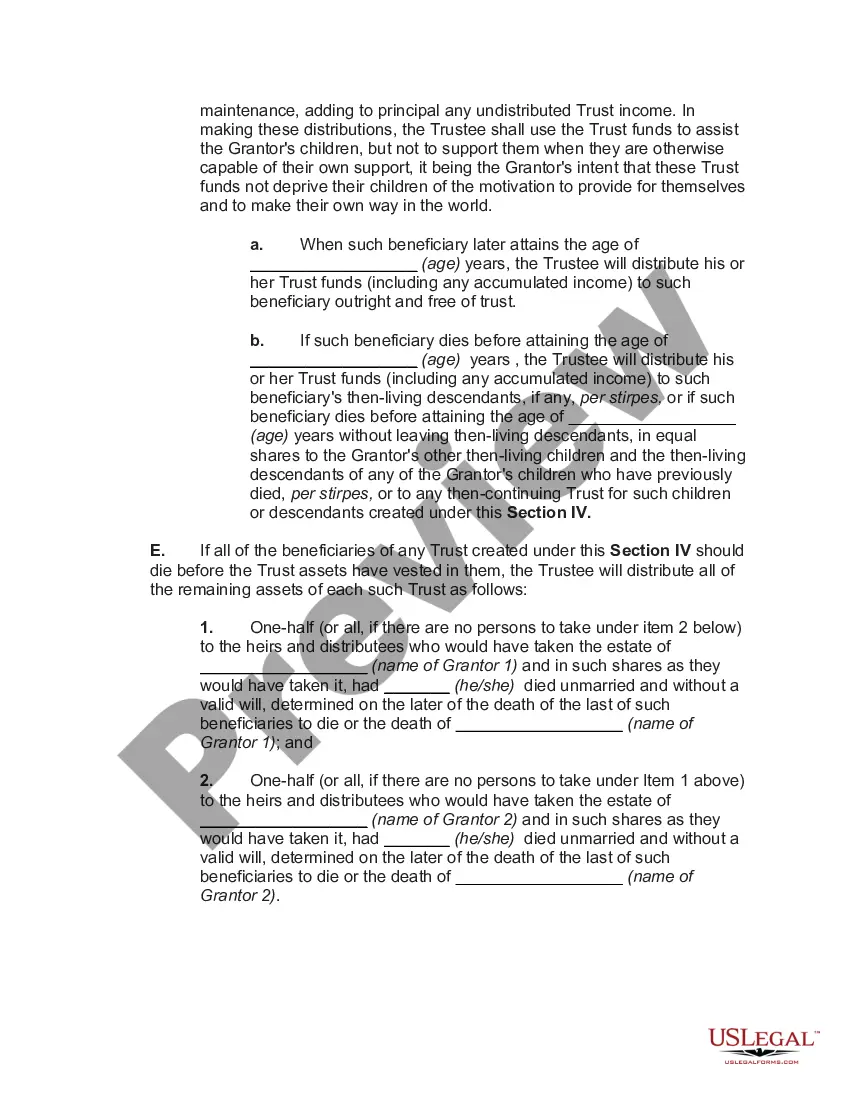
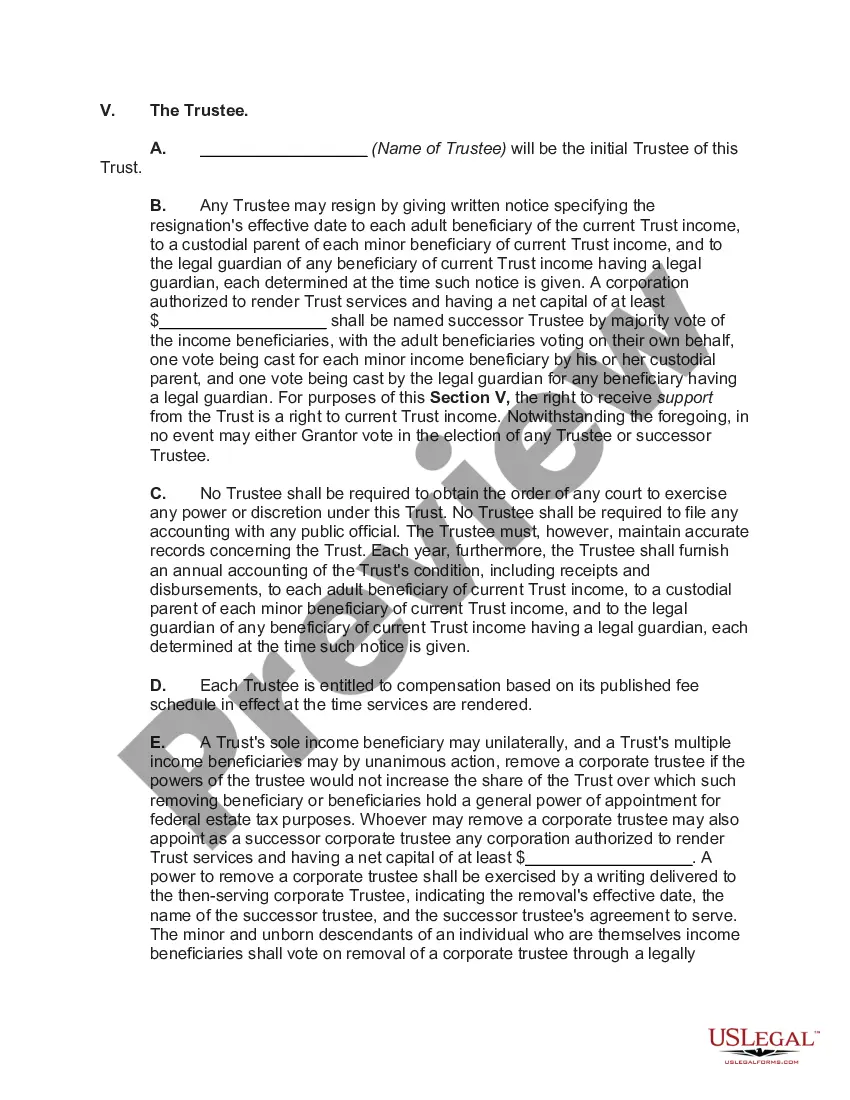
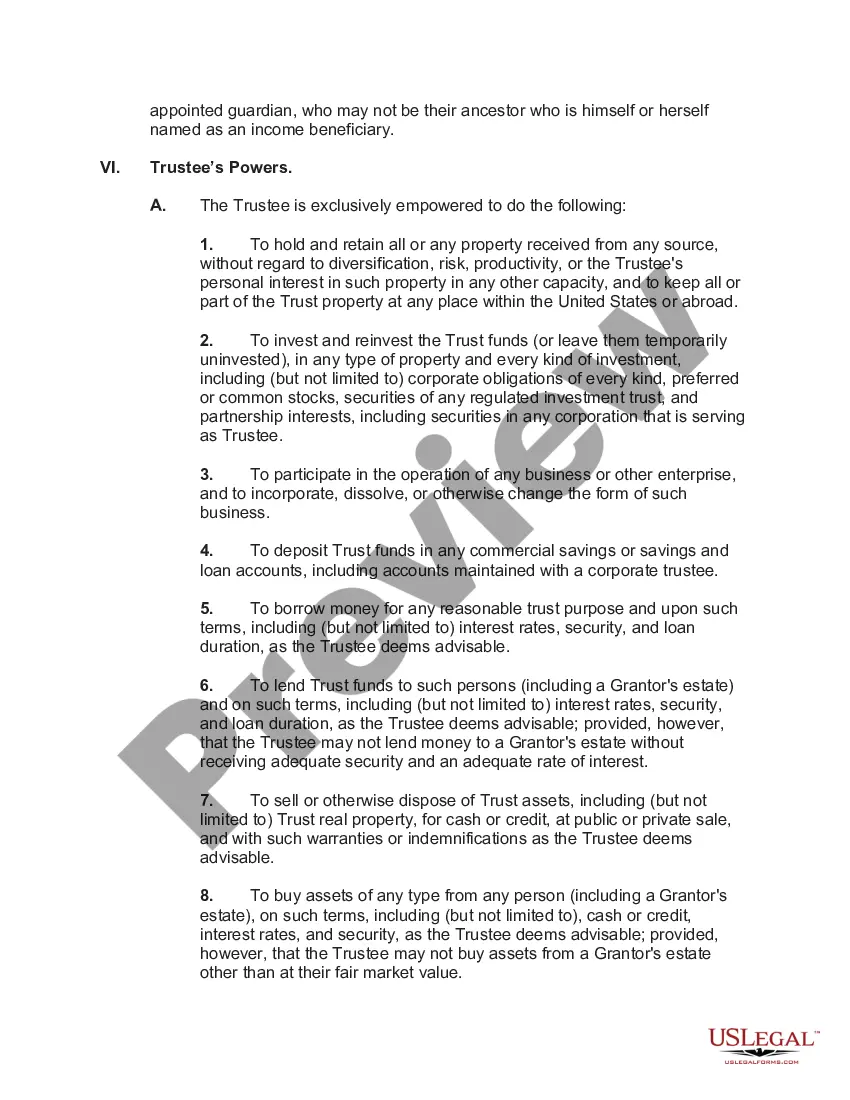
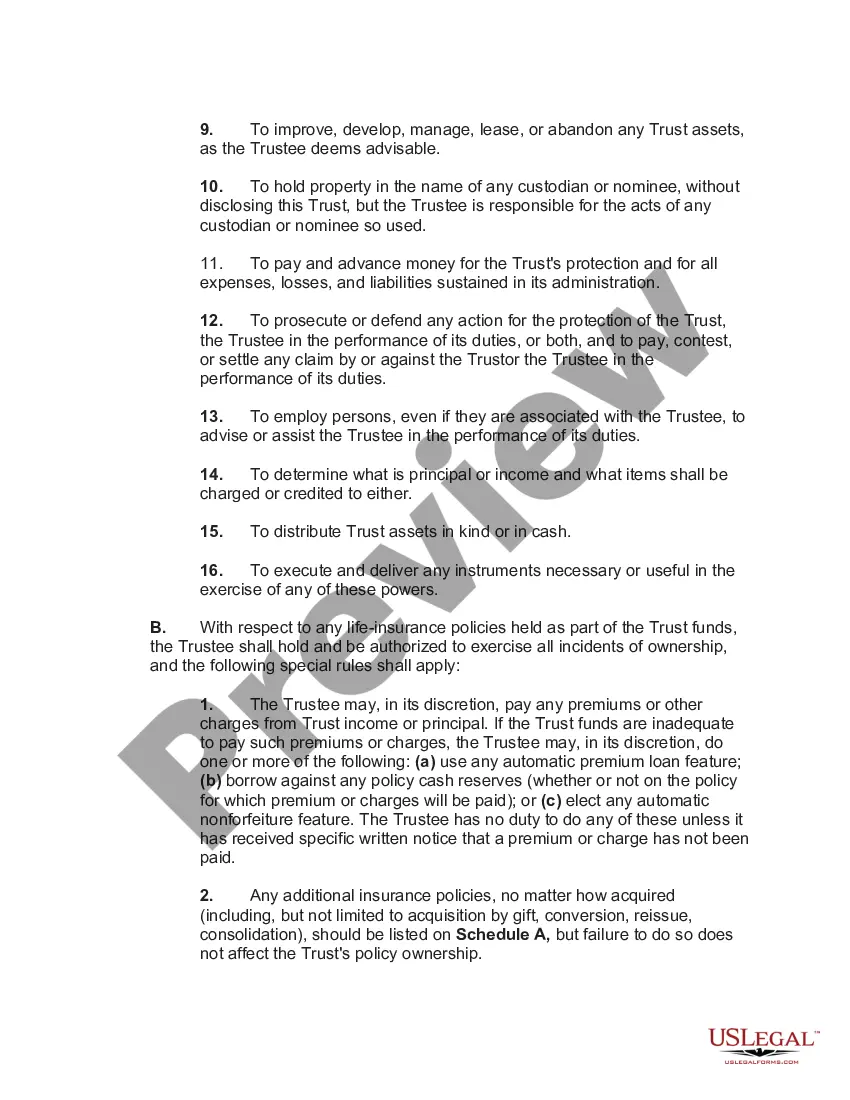
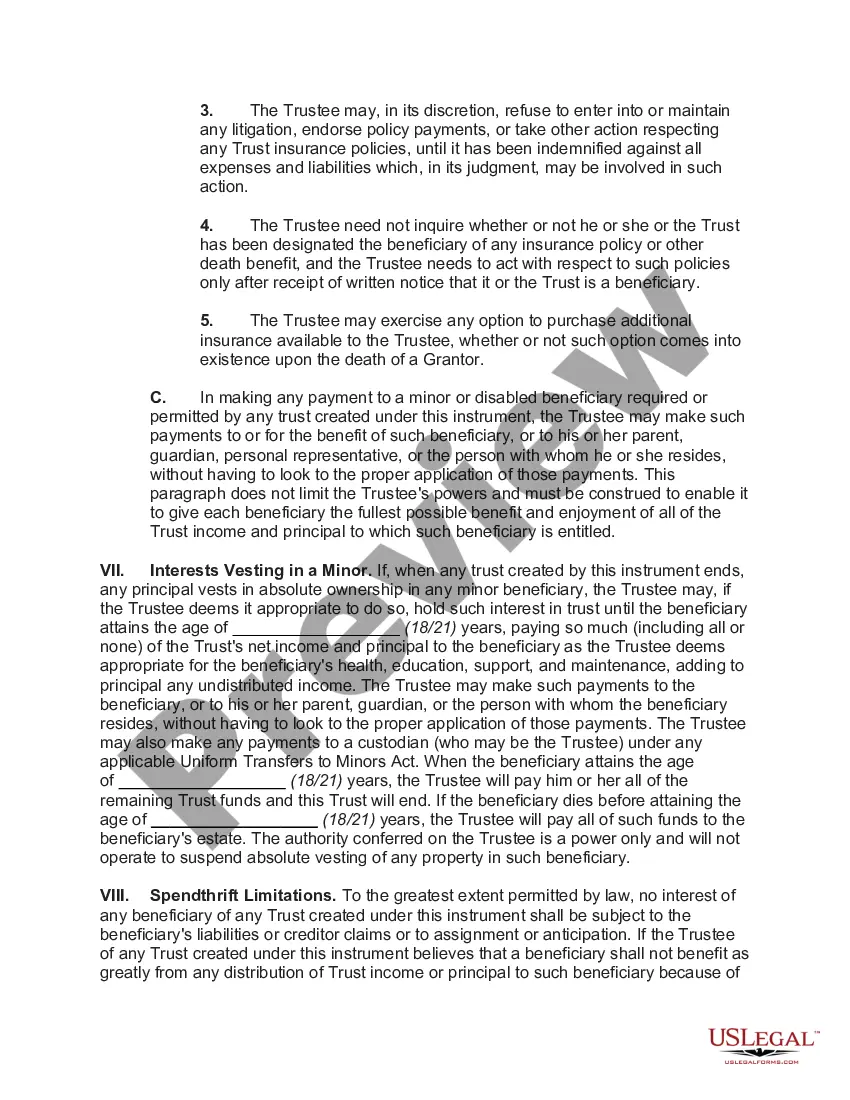
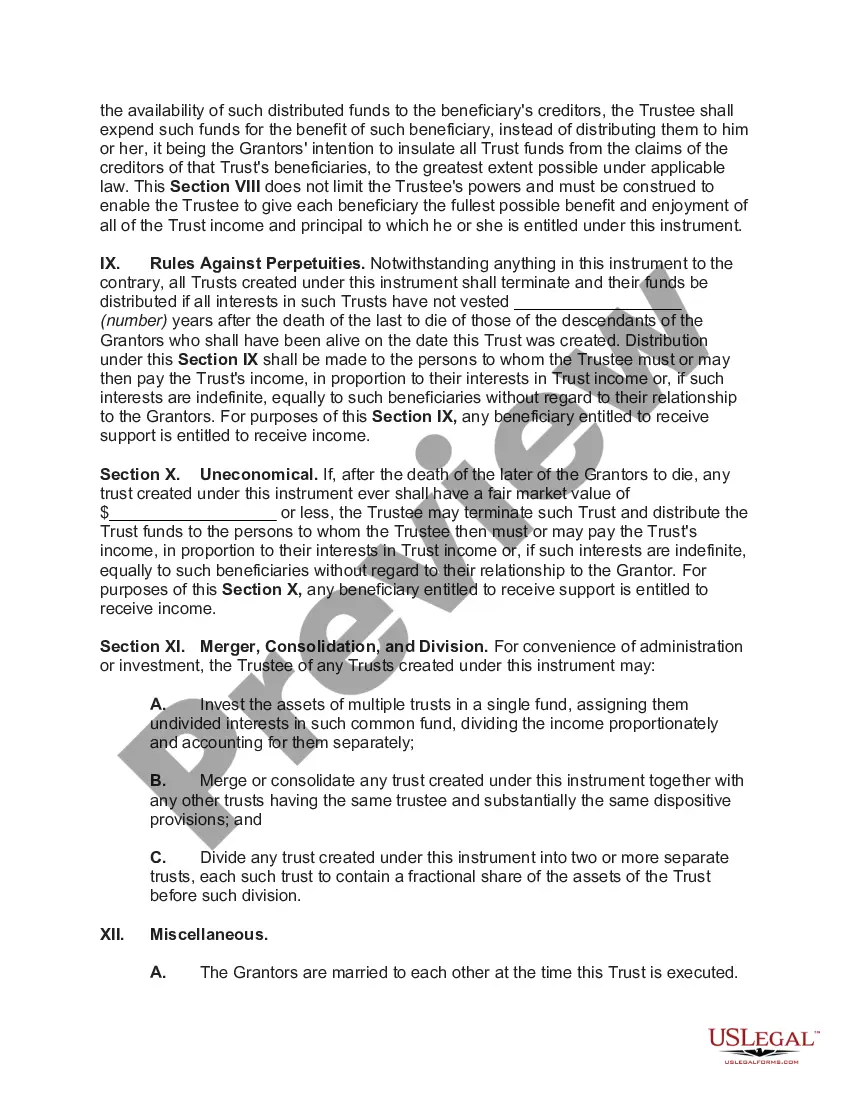

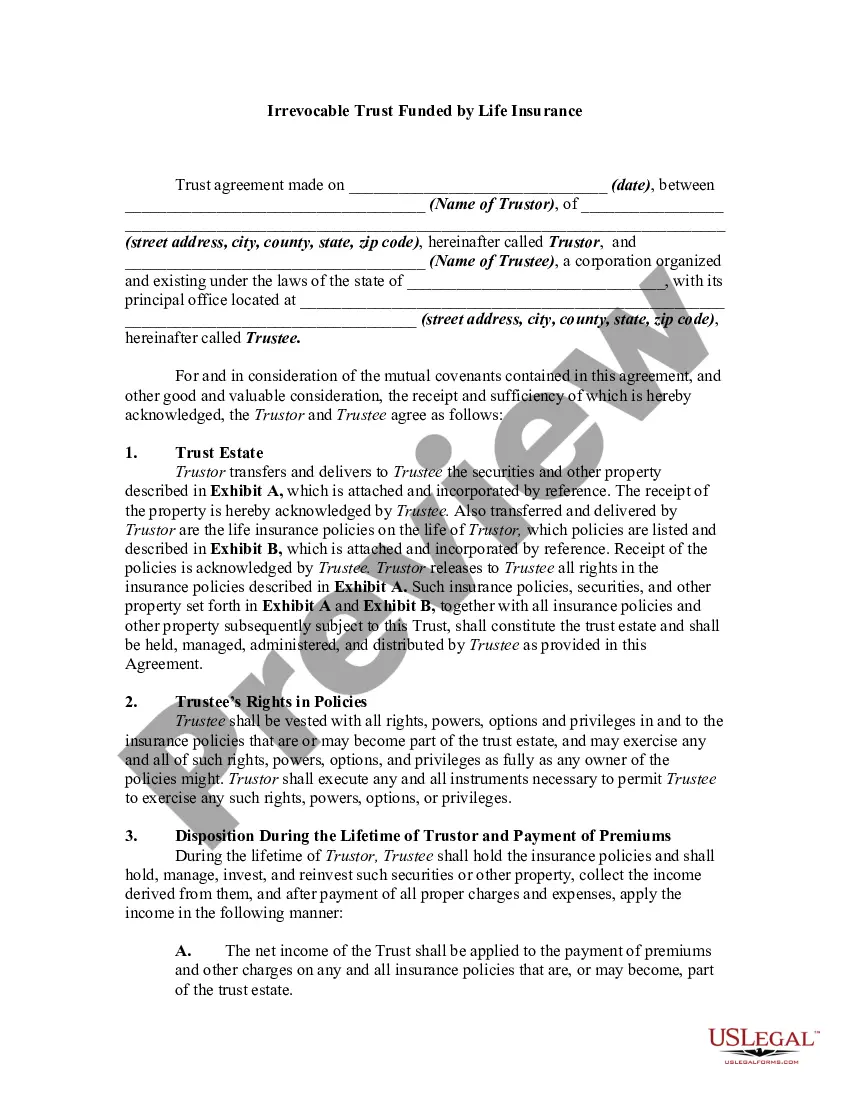
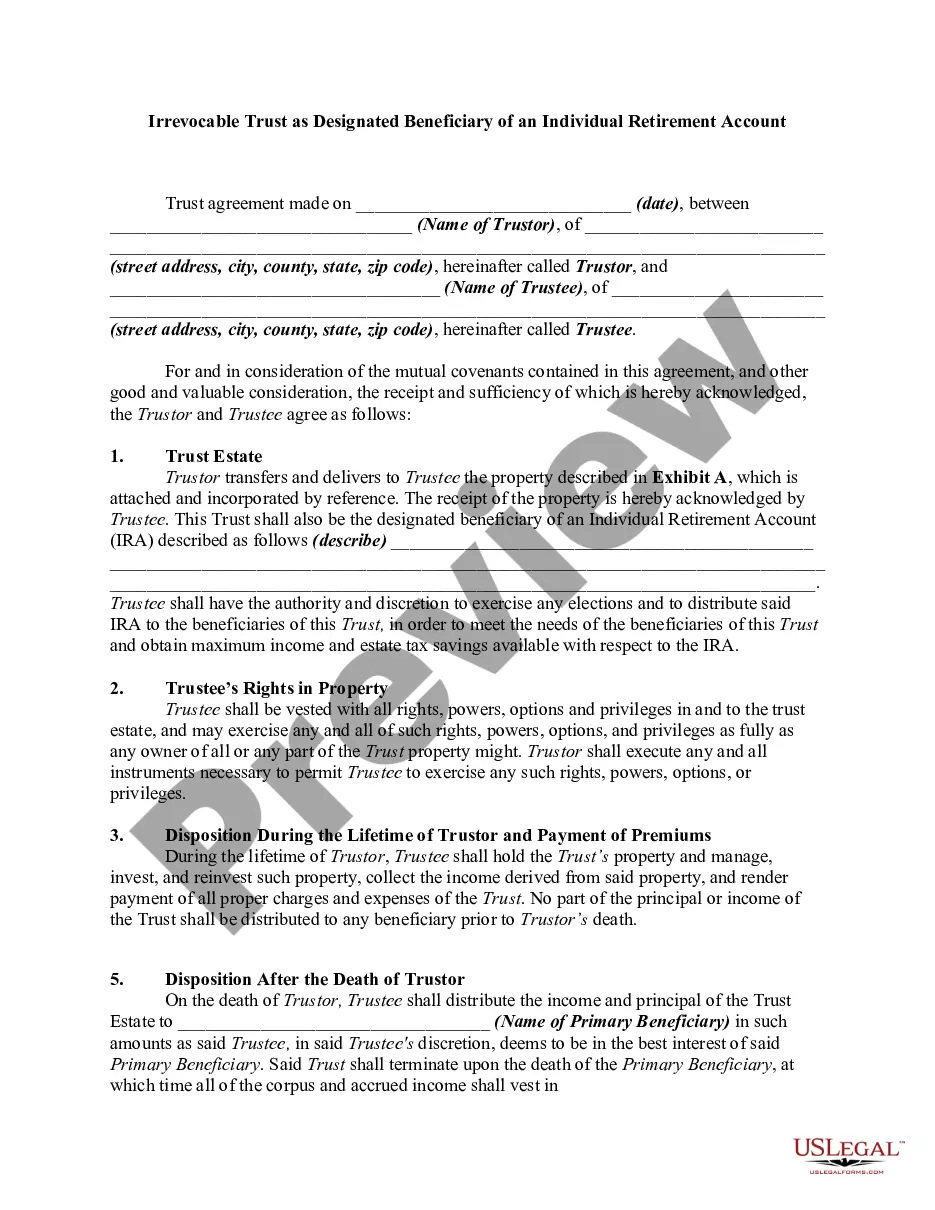
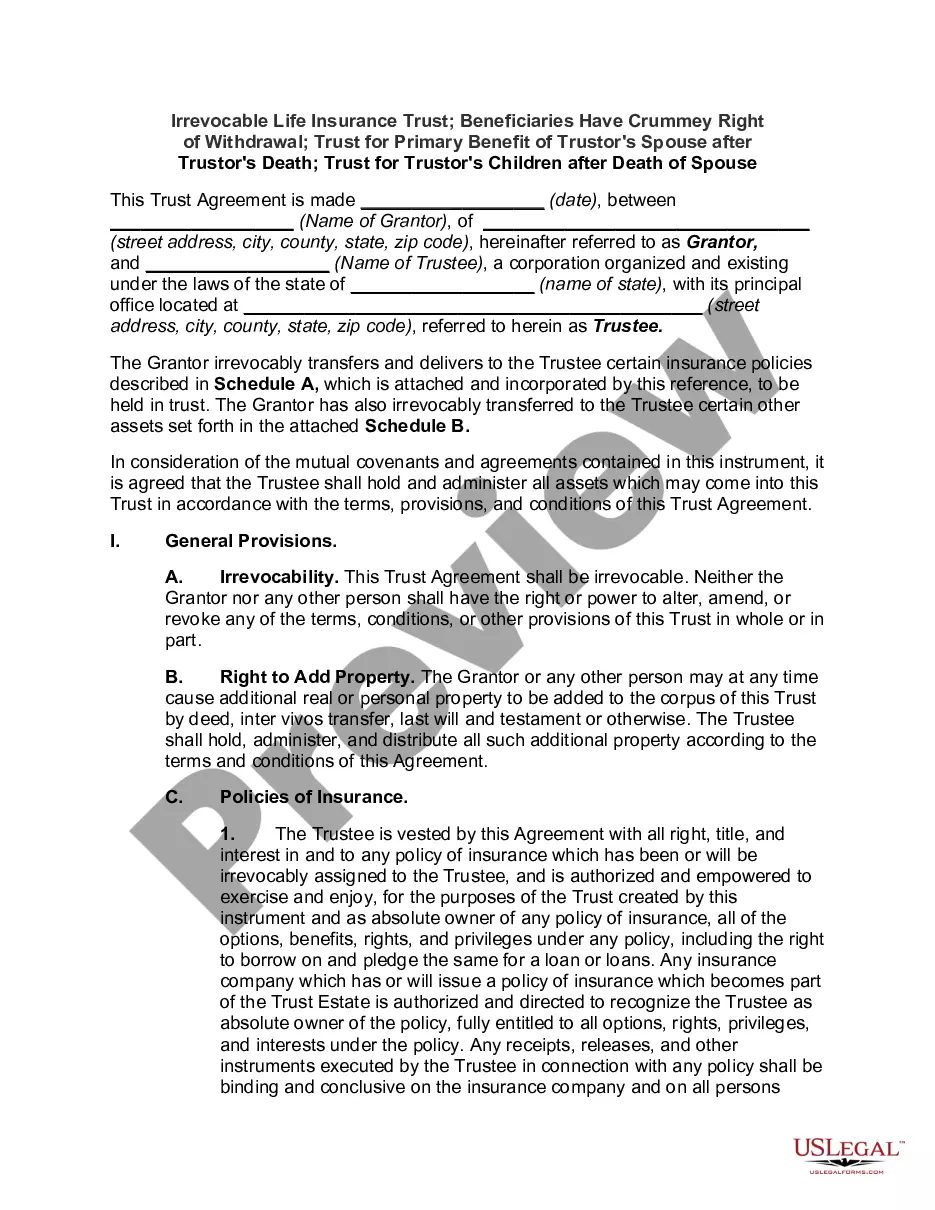
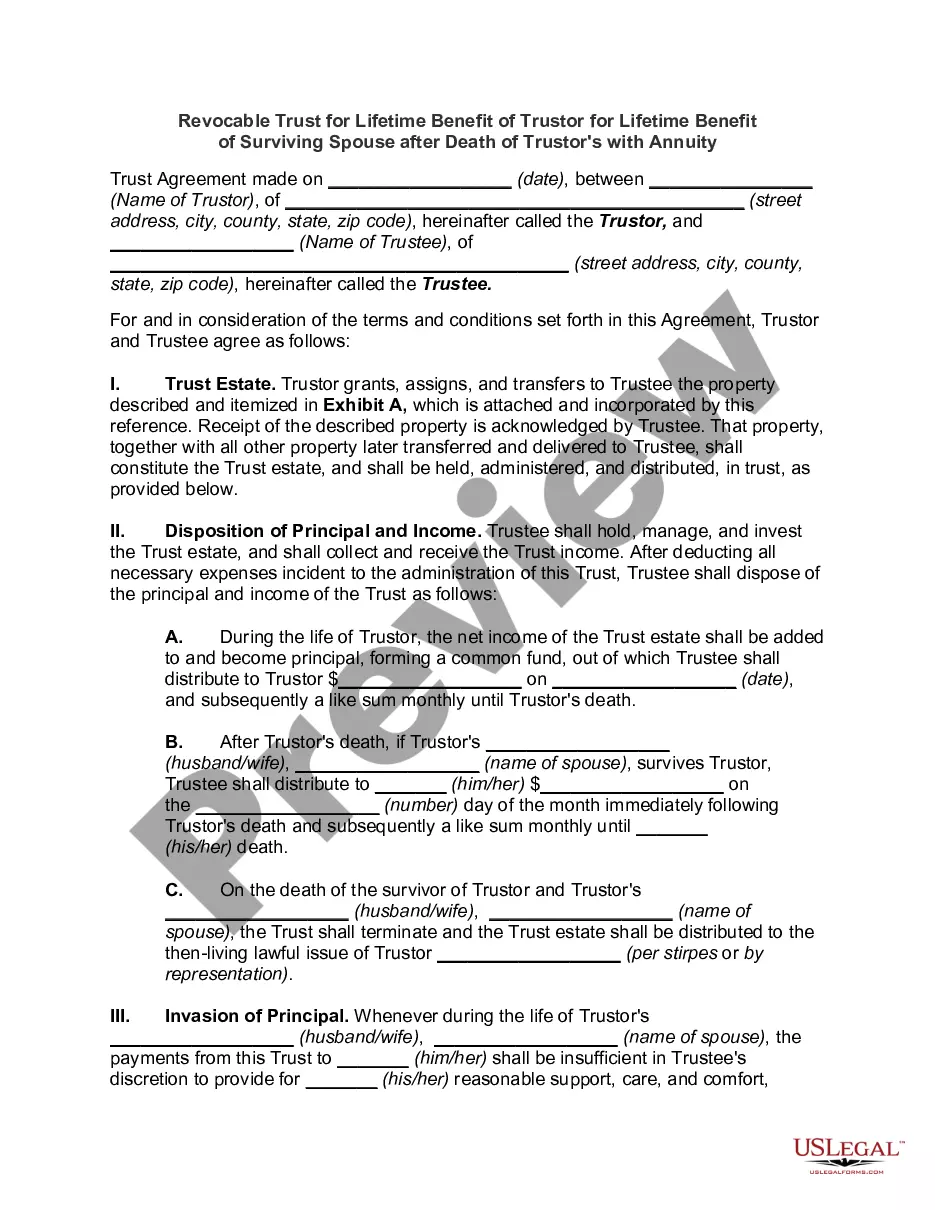
Get your form ready online
Our built-in tools help you complete, sign, share, and store your documents in one place.
Make edits, fill in missing information, and update formatting in US Legal Forms—just like you would in MS Word.
Download a copy, print it, send it by email, or mail it via USPS—whatever works best for your next step.
Sign and collect signatures with our SignNow integration. Send to multiple recipients, set reminders, and more. Go Premium to unlock E-Sign.
If this form requires notarization, complete it online through a secure video call—no need to meet a notary in person or wait for an appointment.
We protect your documents and personal data by following strict security and privacy standards.

Make edits, fill in missing information, and update formatting in US Legal Forms—just like you would in MS Word.

Download a copy, print it, send it by email, or mail it via USPS—whatever works best for your next step.

Sign and collect signatures with our SignNow integration. Send to multiple recipients, set reminders, and more. Go Premium to unlock E-Sign.

If this form requires notarization, complete it online through a secure video call—no need to meet a notary in person or wait for an appointment.

We protect your documents and personal data by following strict security and privacy standards.
Looking for another form?








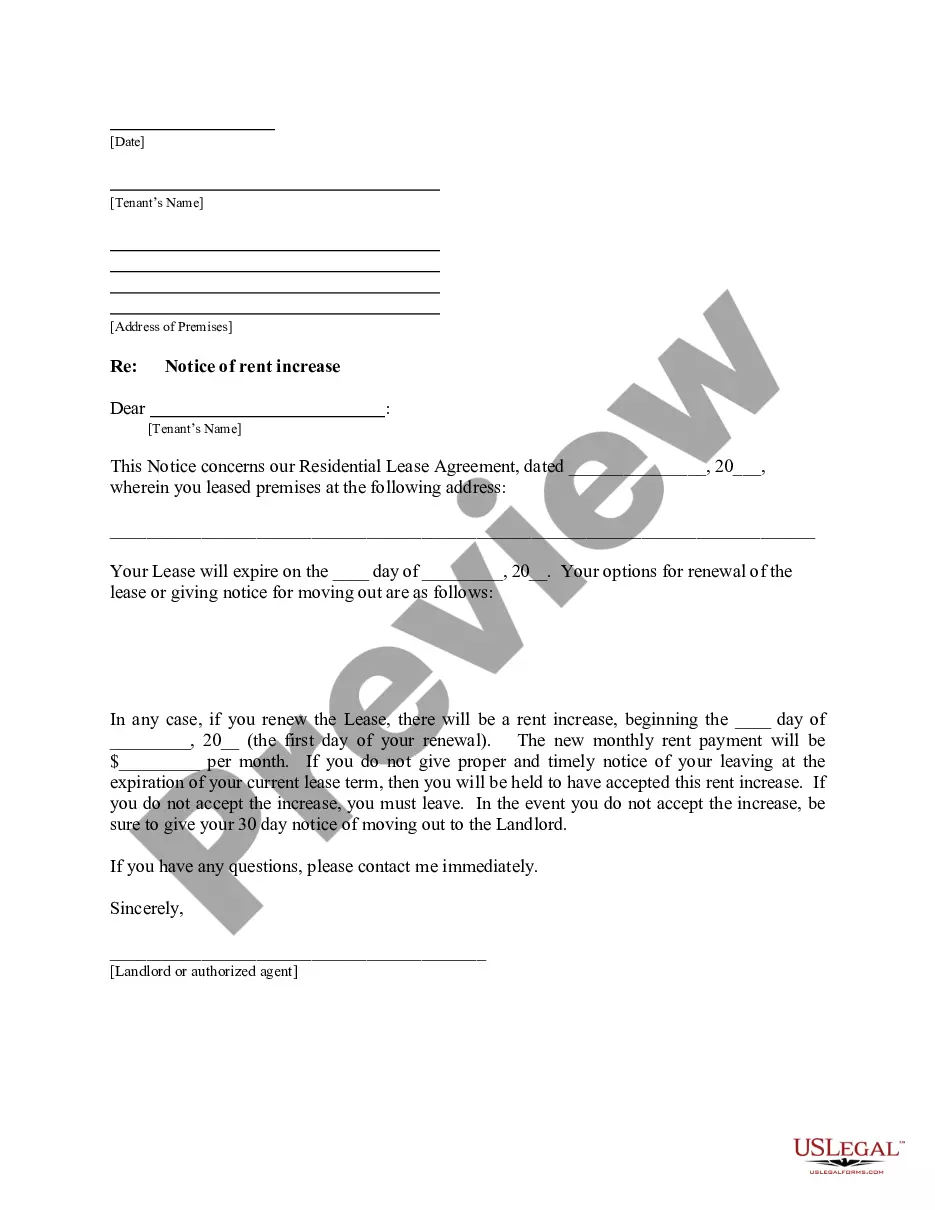

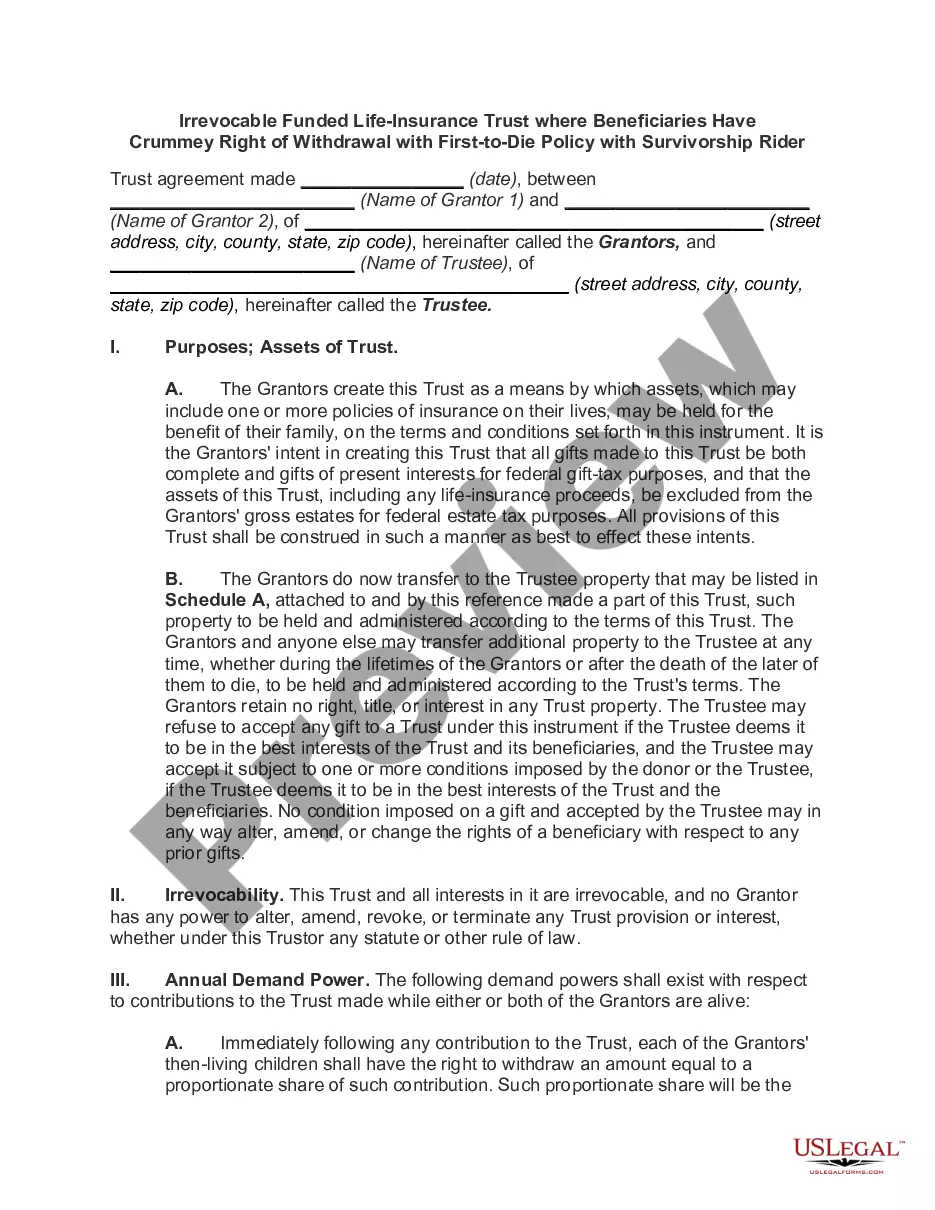
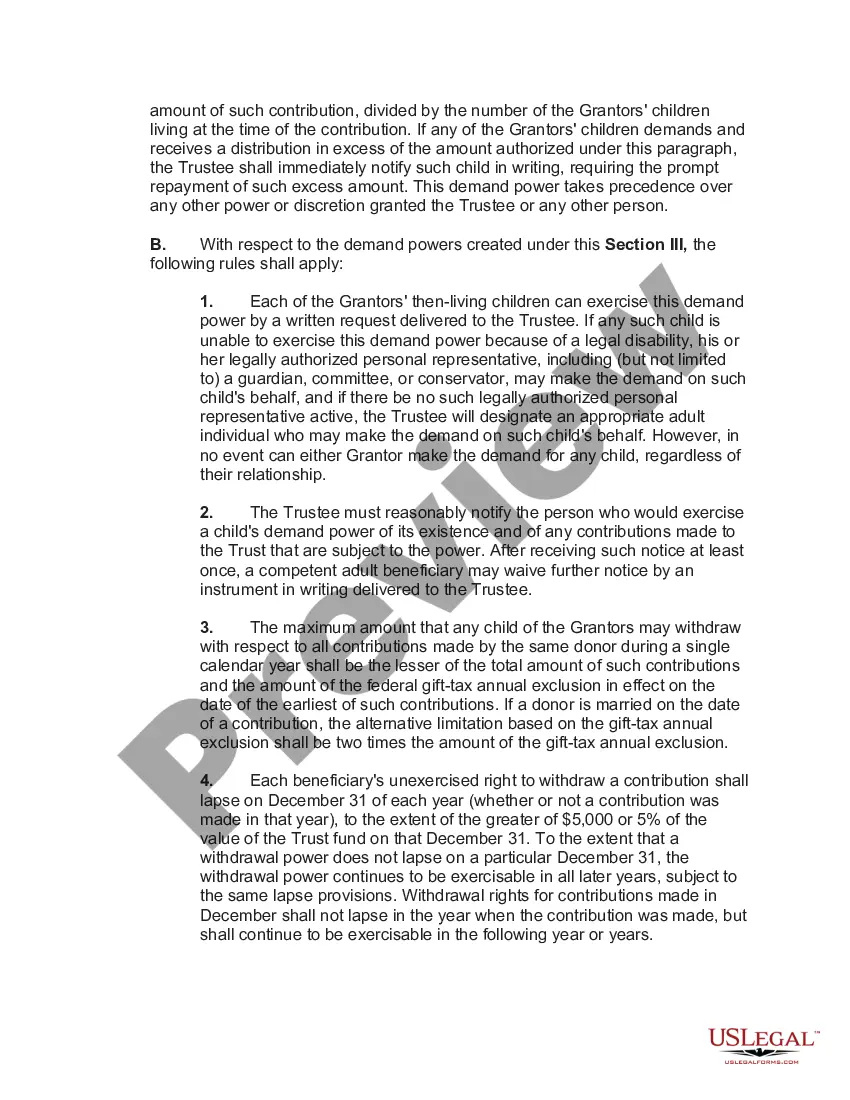
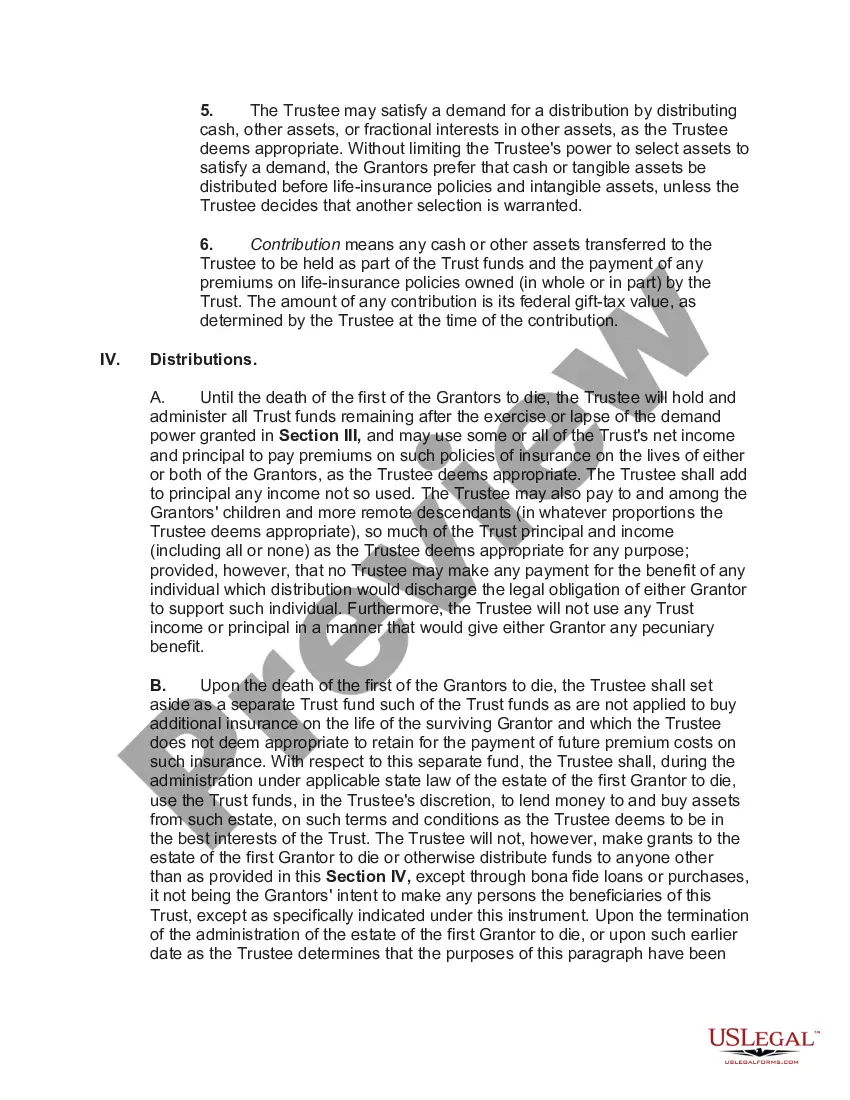
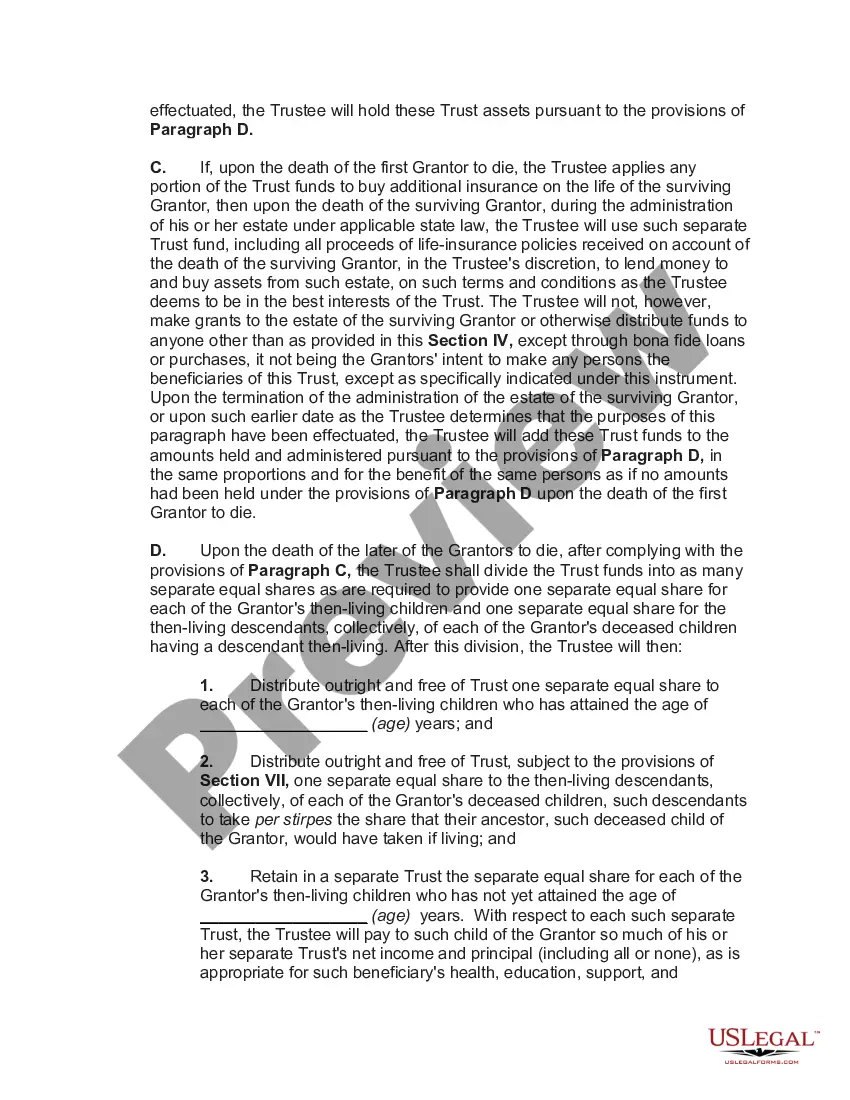
How to fill out Irrevocable Funded Life Insurance Trust Where Beneficiaries Have Crummey Right Of Withdrawal With First To Die Policy With Survivorship Rider?
Legal management can be exasperating, even for the most adept practitioners.
When seeking a Life Insurance Trust Have For Parent and lacking the time to dedicate to finding the right and current version, the processes can be challenging.
Tap into a database of articles, guides, and resources related to your circumstances and needs.
Conserve time and effort looking for the documents you require, and employ US Legal Forms’ advanced search and Preview feature to locate Life Insurance Trust Have For Parent and save it.
Ensure that the template is recognized in your state or county.
- If you possess a monthly subscription, Log In to your US Legal Forms account, search for the document, and download it.
- Check your My documents section to view the documents you have previously downloaded and manage your folders as needed.
- If you're a first-time user of US Legal Forms, create an account to receive full access to all platform advantages.
- Here are the steps to follow after locating the required document.
- Confirm that this is the right form by previewing it and reviewing its details.
- Access state- or county-specific legal and business documents.
- US Legal Forms accommodates all your needs, from personal to business paperwork, all in one location.
- Utilize cutting-edge tools to fill out and manage your Life Insurance Trust Have For Parent.
Form popularity
FAQ
A trust, in very basic terms, is a legal arrangement that leaves your assets, including your life insurance policy, in the hands of a trusted person or trusted people.
When establishing a Trust Fund for your parents, follow these steps as your initial guide: List their assets (property, stocks, vehicles, life insurance policies, etc.) Collect all necessary paperwork. Decide who will be the sole grantor. Choose beneficiaries (such as yourself, siblings, other family members, etc.)
To put your life insurance into a trust, you'll need to create a trust deed; a legally binding document which outlines the parties that make up the trust, the trust terms, and the trust beneficiaries.
To leave property to your living trust, name your trust as beneficiary for that property, using the trustee's name and the name of the trust. For example: John Doe as trustee of the John Doe Living Trust, dated January 1, 20xx.
You could name your parents or siblings as contingent beneficiaries. Most single people with no kids will name their parents or siblings as primary beneficiaries. Someone who will have to pay off your debts or your funeral is another option.