Irrevocable Trust Beneficiaries With A Beneficiary
Description

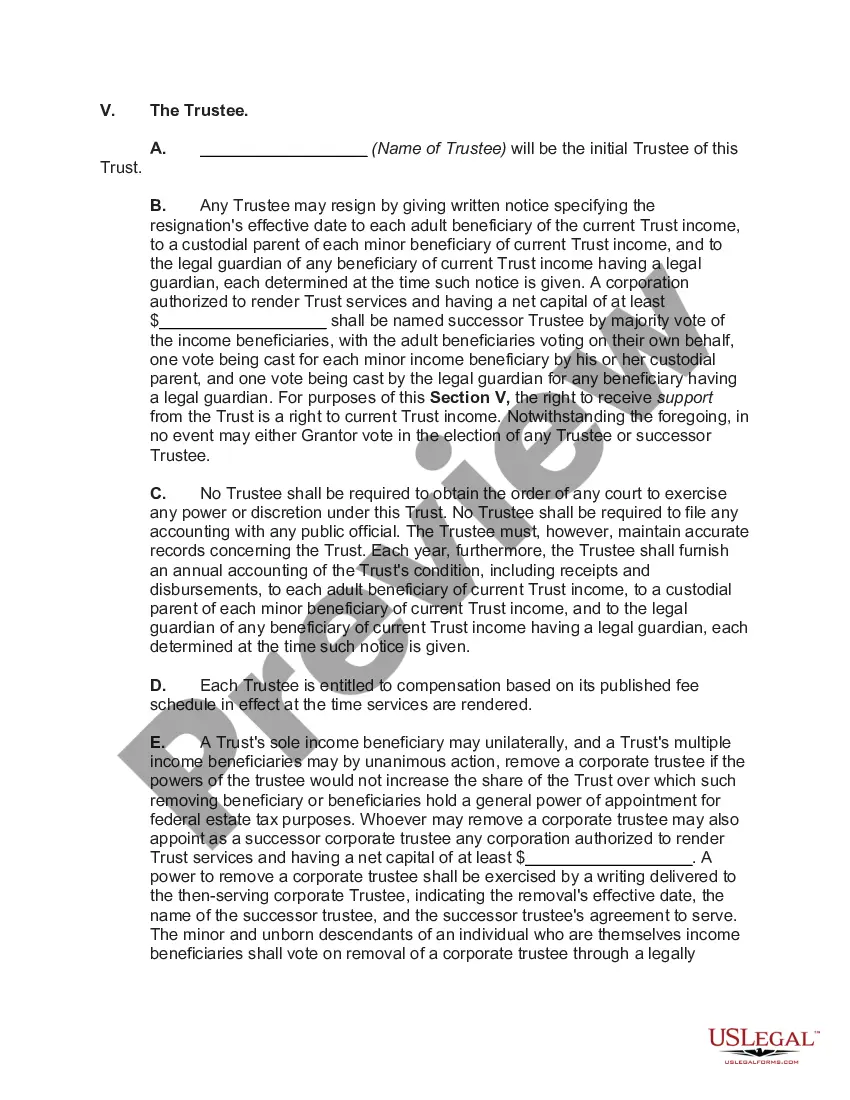

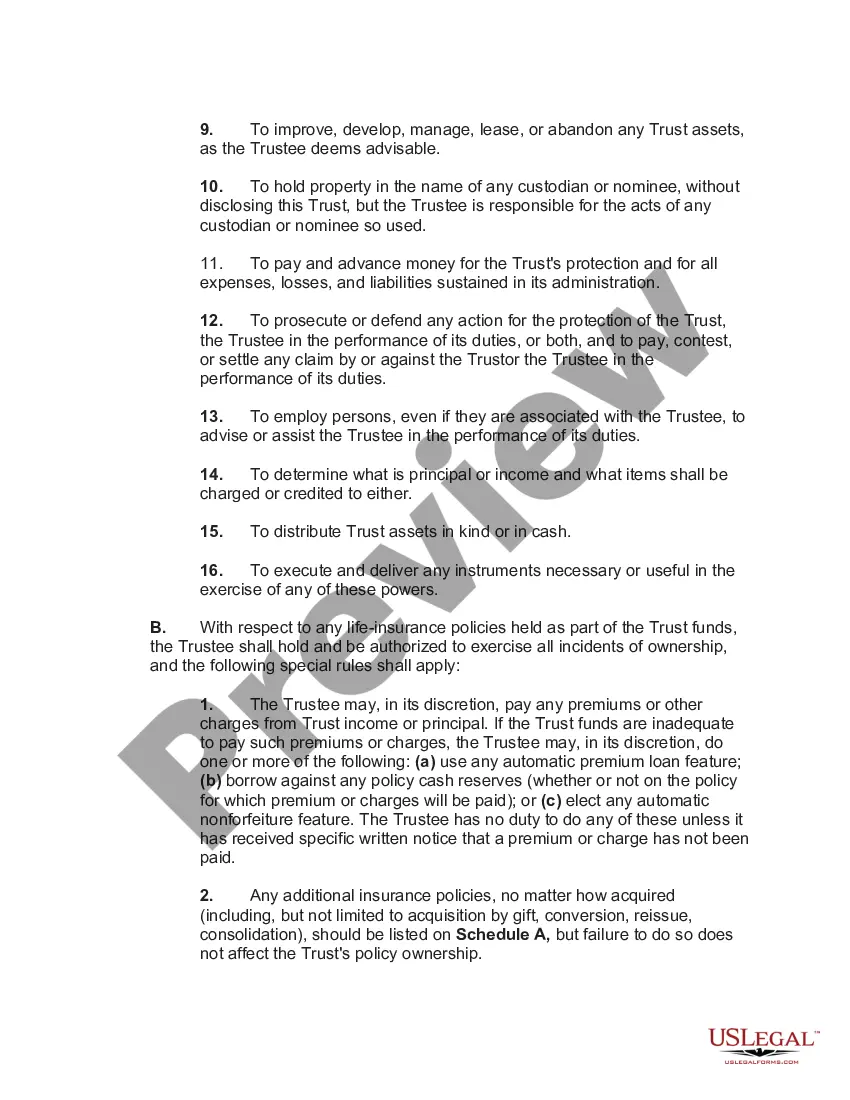
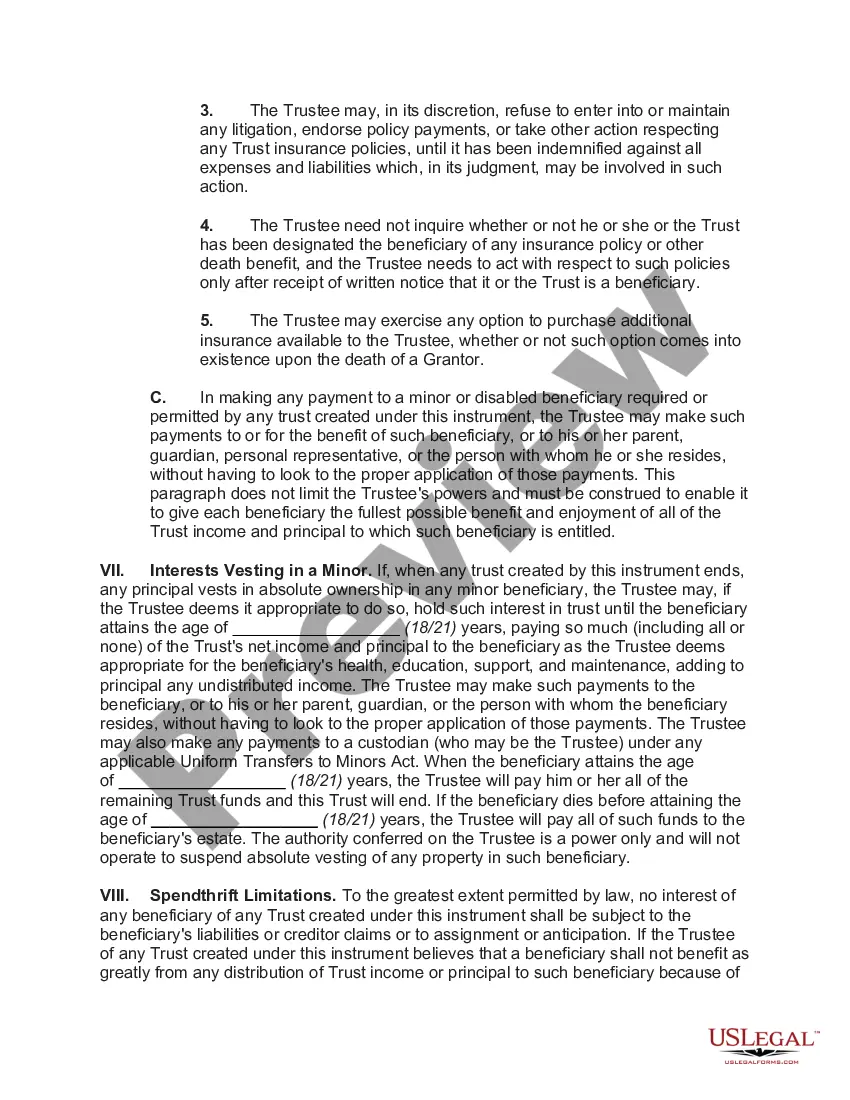
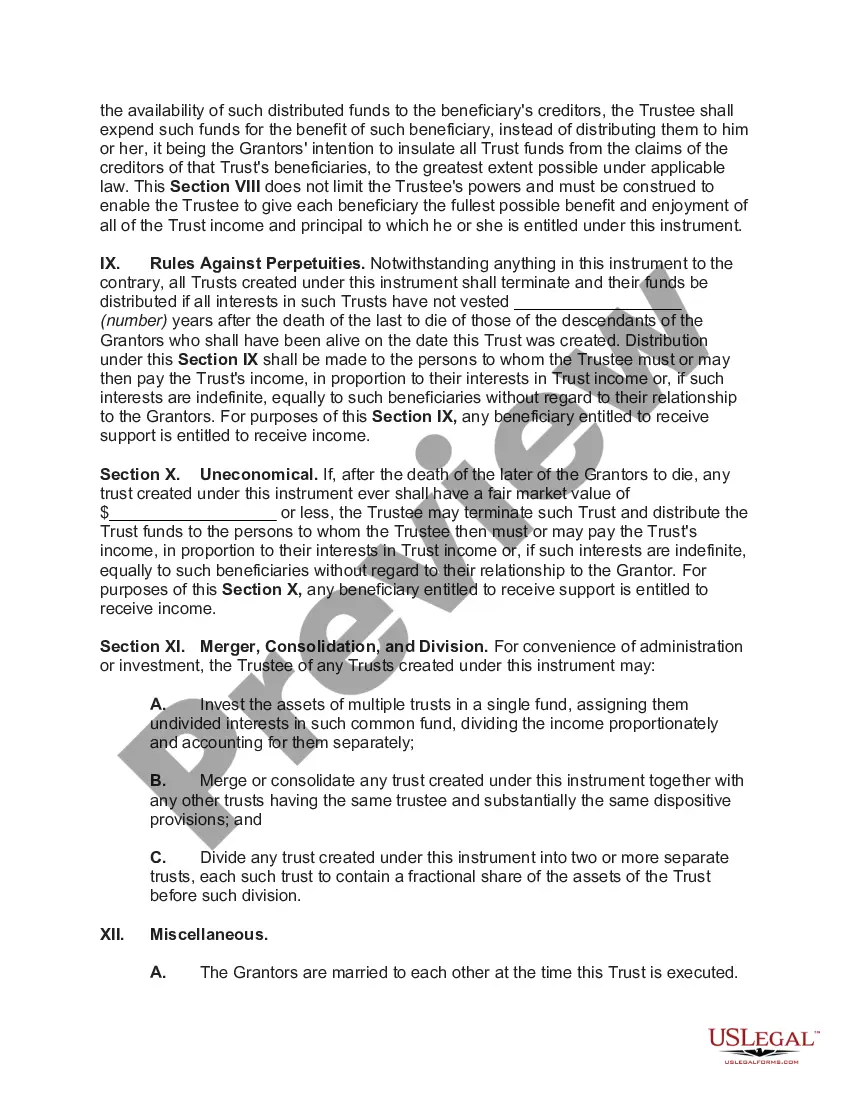

Get your form ready online
Our built-in tools help you complete, sign, share, and store your documents in one place.
Make edits, fill in missing information, and update formatting in US Legal Forms—just like you would in MS Word.
Download a copy, print it, send it by email, or mail it via USPS—whatever works best for your next step.
Sign and collect signatures with our SignNow integration. Send to multiple recipients, set reminders, and more. Go Premium to unlock E-Sign.
If this form requires notarization, complete it online through a secure video call—no need to meet a notary in person or wait for an appointment.
We protect your documents and personal data by following strict security and privacy standards.

Make edits, fill in missing information, and update formatting in US Legal Forms—just like you would in MS Word.

Download a copy, print it, send it by email, or mail it via USPS—whatever works best for your next step.

Sign and collect signatures with our SignNow integration. Send to multiple recipients, set reminders, and more. Go Premium to unlock E-Sign.

If this form requires notarization, complete it online through a secure video call—no need to meet a notary in person or wait for an appointment.

We protect your documents and personal data by following strict security and privacy standards.
Looking for another form?






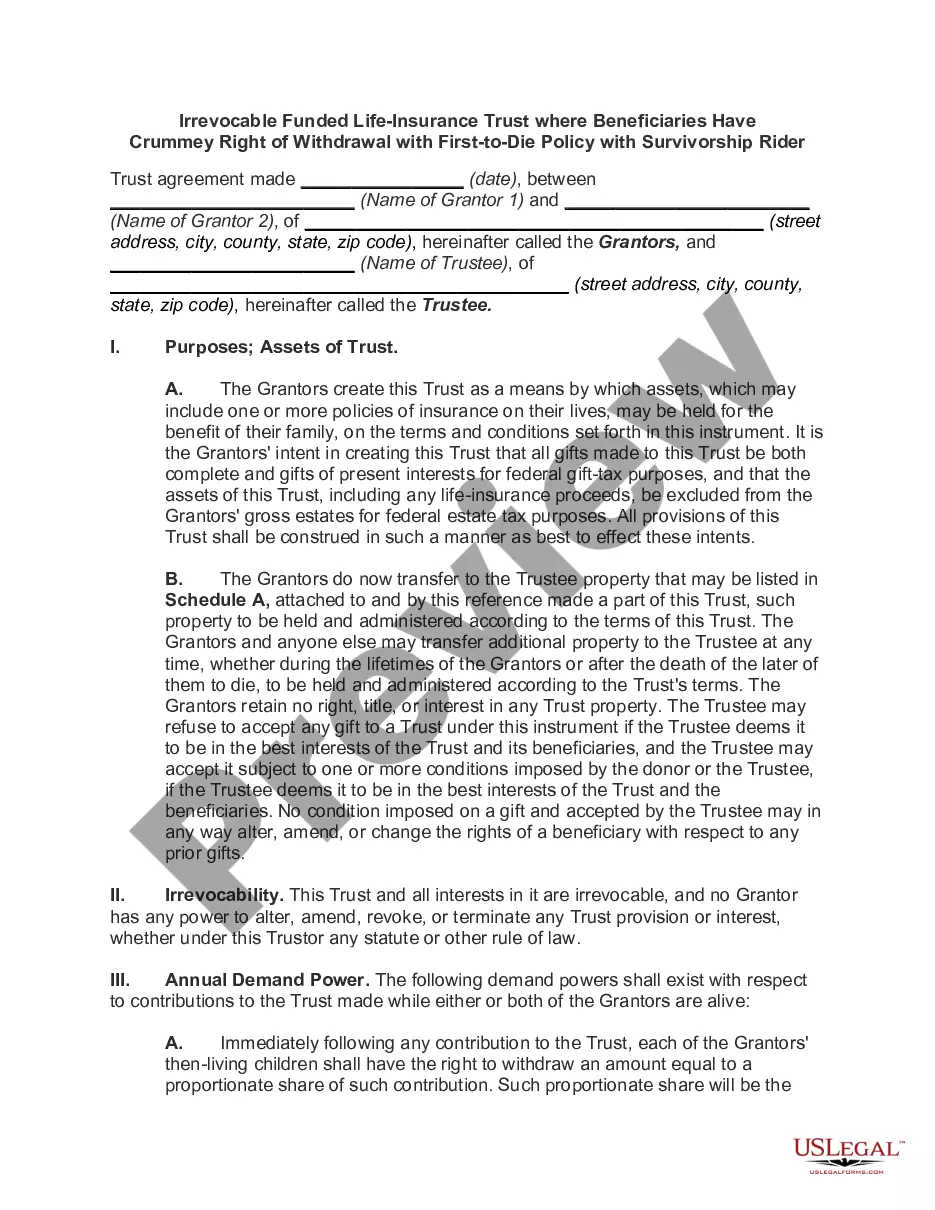
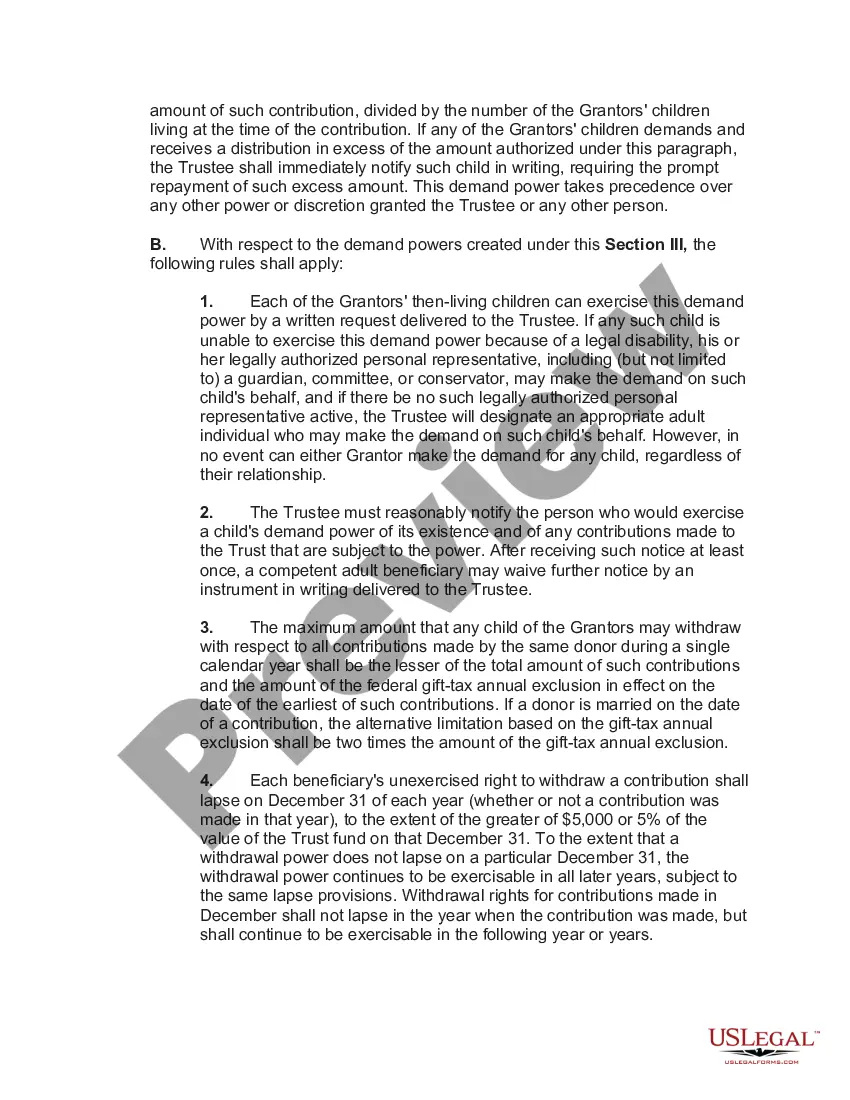
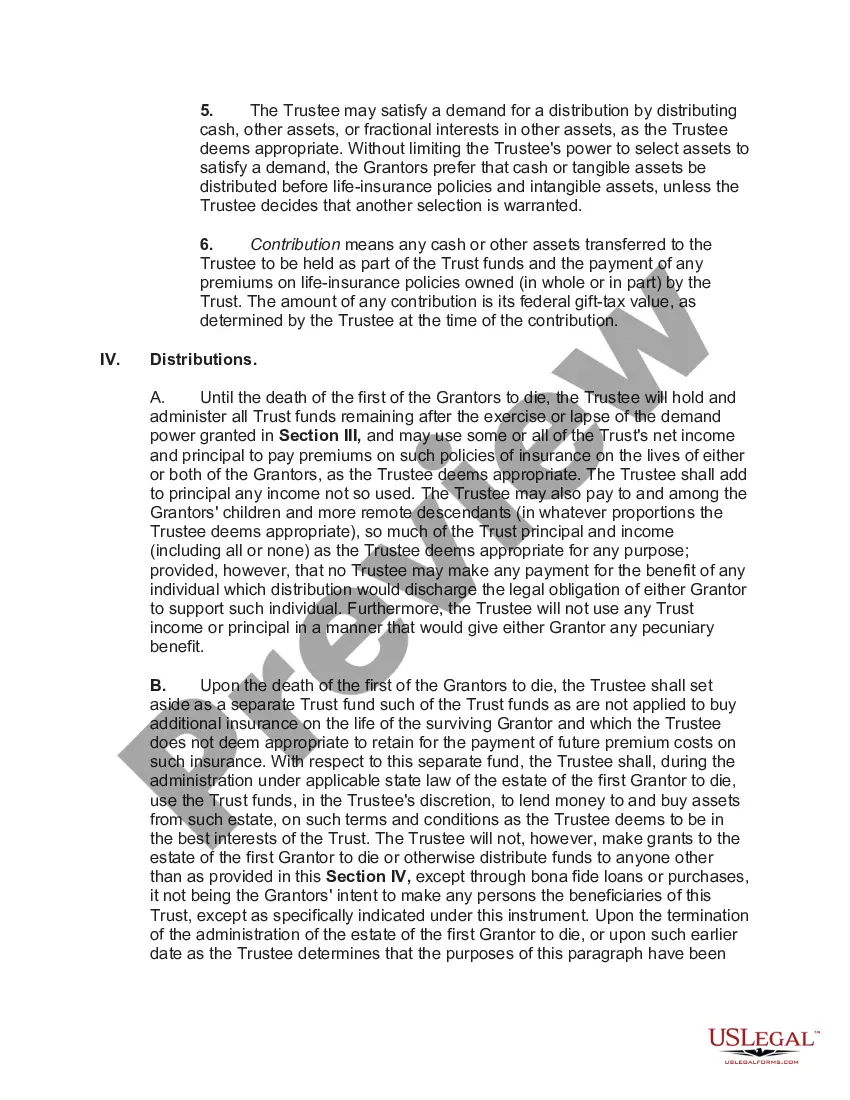
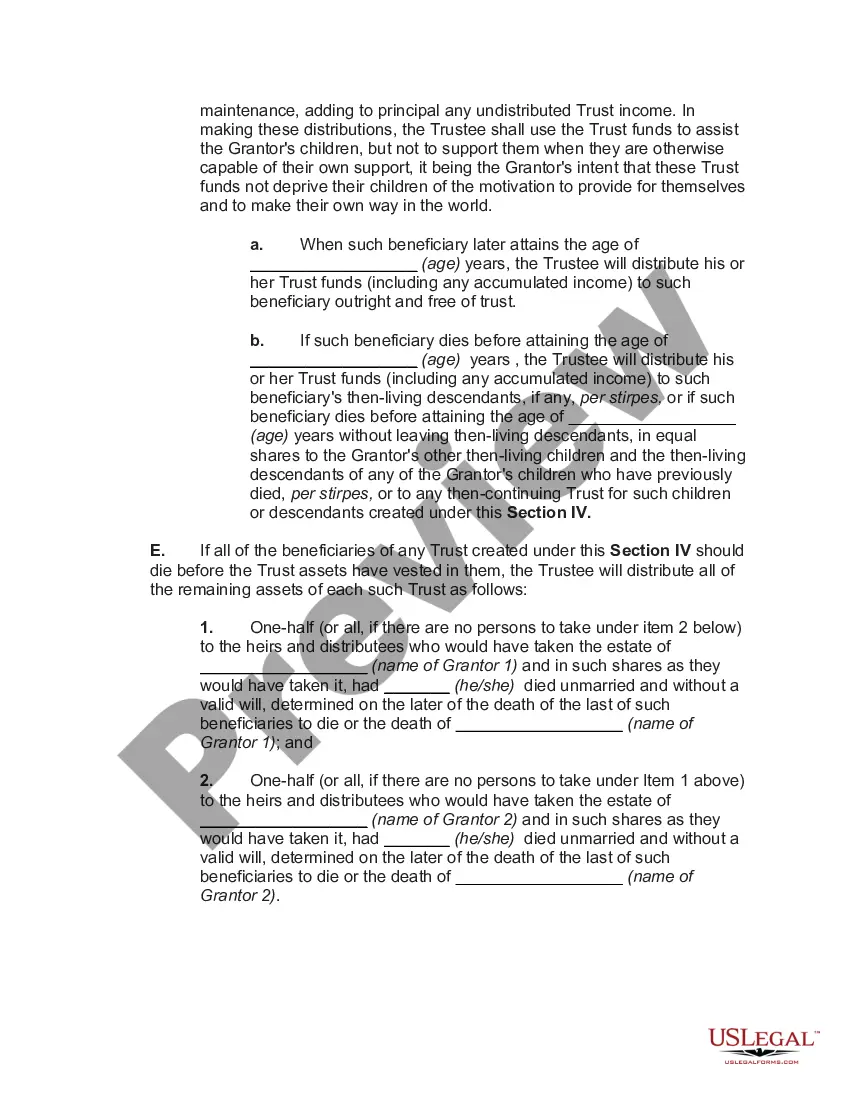
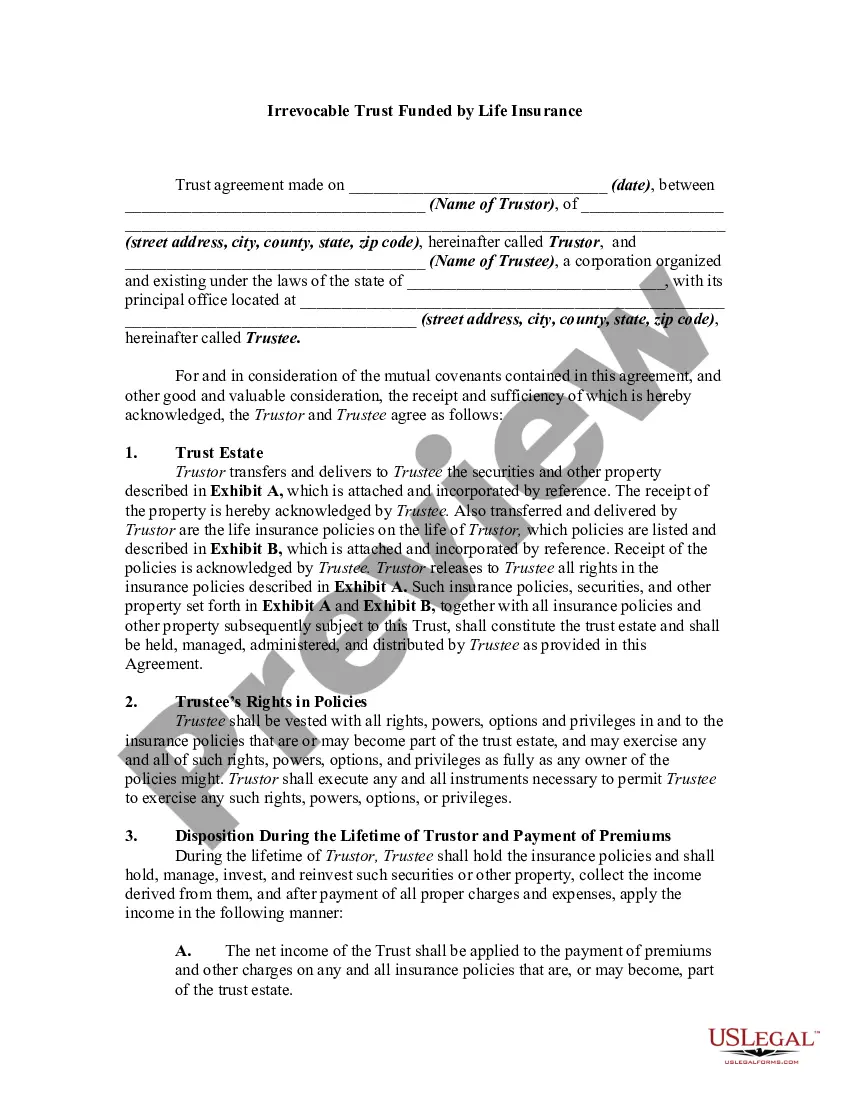
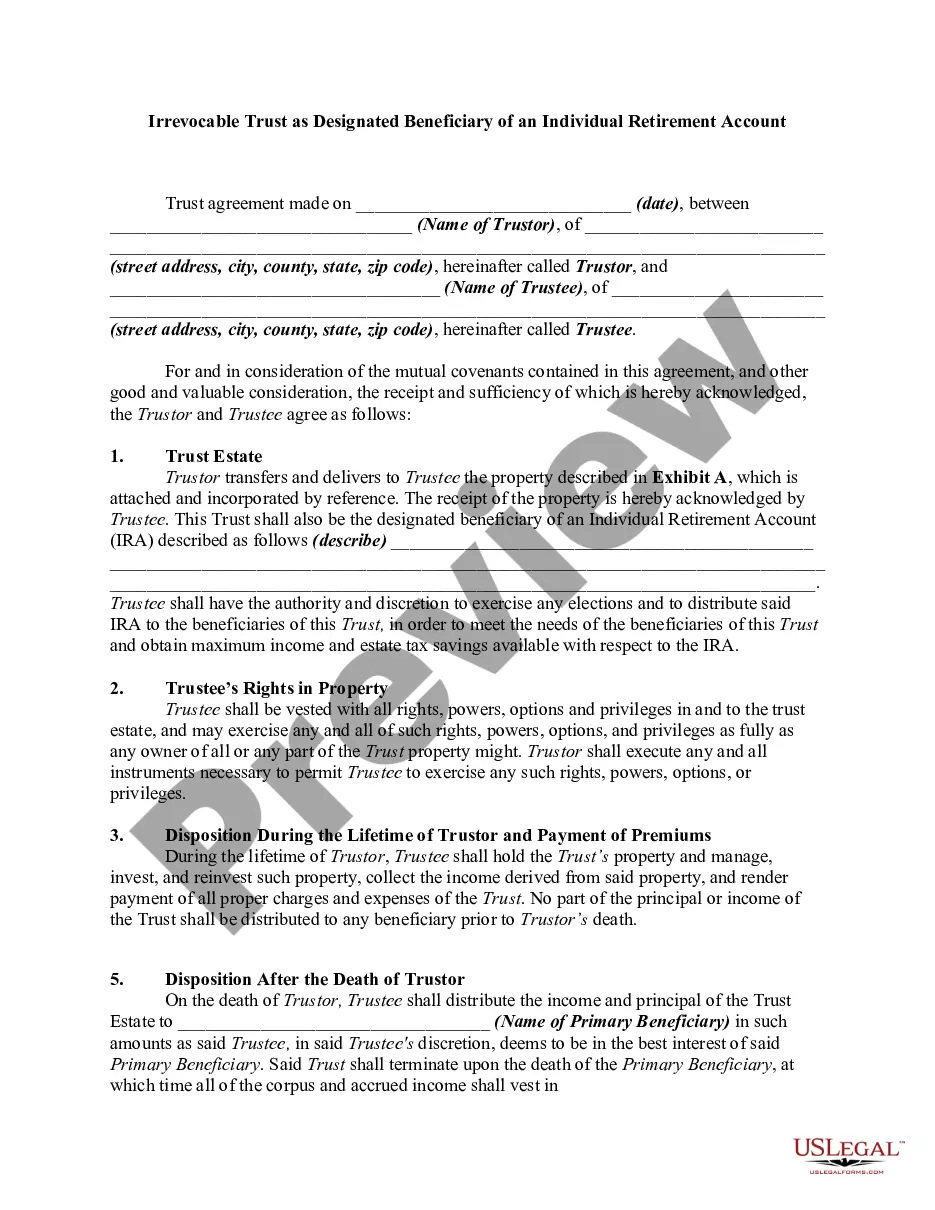
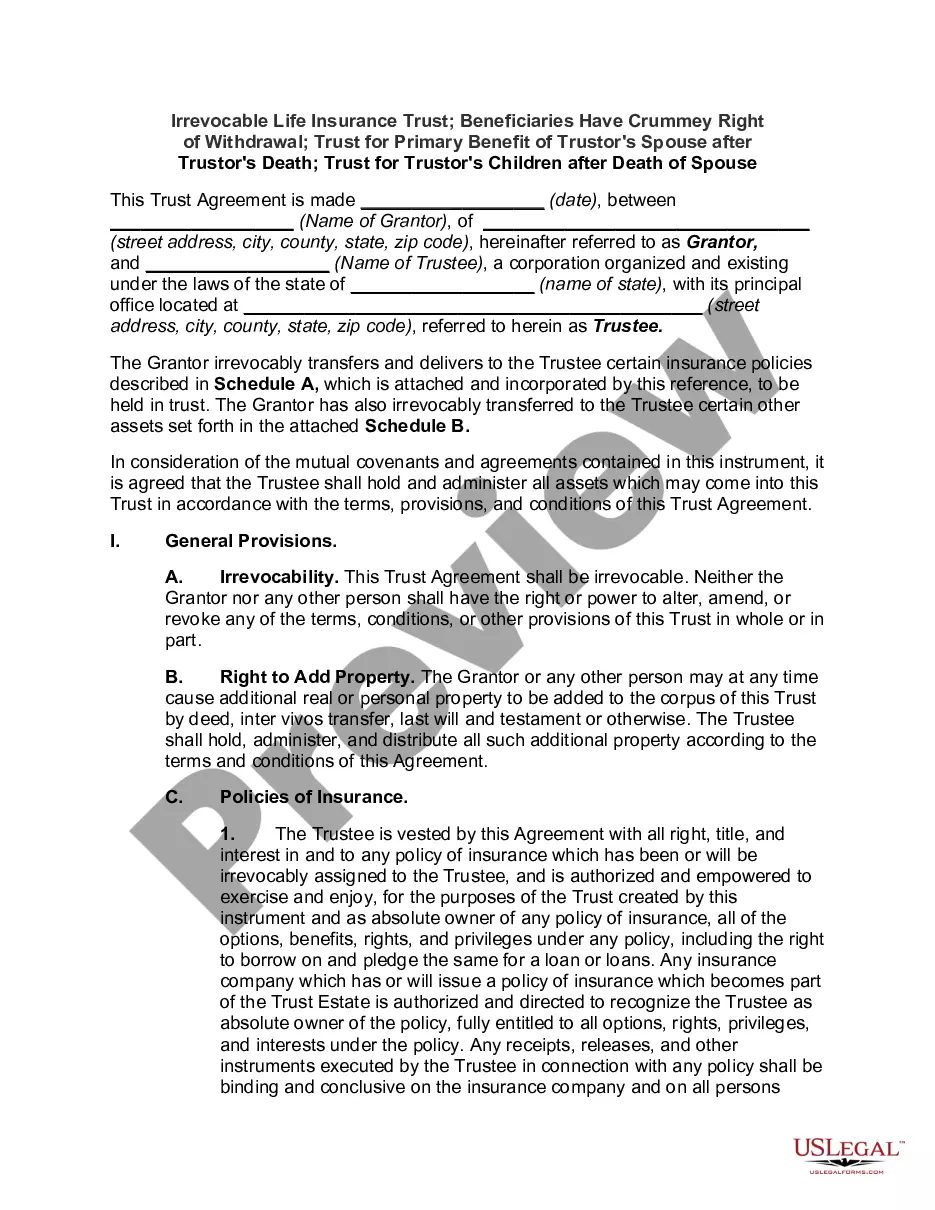
How to fill out Irrevocable Funded Life Insurance Trust Where Beneficiaries Have Crummey Right Of Withdrawal With First To Die Policy With Survivorship Rider?
- Log into your US Legal Forms account if you are a returning user, and ensure your subscription is valid. Click the Download button to save the needed form template.
- For first-time users, start by checking the Preview mode to review the form description to ensure it meets your legal requirements.
- If the chosen template doesn't fit your needs, use the Search tab to find another appropriate form that aligns with your jurisdiction.
- Once you find the correct document, click on 'Buy Now' and select your preferred subscription plan. You'll need to create an account to access all resources.
- Complete your purchase by entering your credit card information or using PayPal for payment.
- After payment, download the form to your device. You can access it later in the 'My Forms' section of your profile.
US Legal Forms empowers individuals and attorneys alike to quickly handle legal documents through a vast library that is easy to navigate. With more forms available than competitors and access to premium experts, you are ensured accurate and compliant documents.
Don't let legal complexities overwhelm you. Start utilizing US Legal Forms today and experience the simplicity of obtaining legal documents with ease!
Form popularity
FAQ
One major mistake parents make is failing to clearly define beneficiaries and their shares within the trust. This lack of clarity can lead to disputes and financial problems later. It’s vital to think carefully about the needs and circumstances of each beneficiary. Utilizing resources like Us Legal Forms can help ensure you appropriately set up irrevocable trust beneficiaries with a beneficiary.
Adding a beneficiary to an irrevocable trust typically involves legal adjustments to the trust document. You may need to consult an estate planning attorney to ensure compliance with the law. It’s essential to follow the specific terms outlined in the trust and understand how it affects existing irrevocable trust beneficiaries with a beneficiary. The process can be straightforward with proper guidance.
Distribution to a beneficiary of a trust happens according to the terms set forth in the trust document. The trustee manages the assets and ensures that distributions align with the trust's rules. This process can include both immediate distributions and ongoing payments. Understanding the role of irrevocable trust beneficiaries with a beneficiary is crucial in this context.
Listing a trust as a primary beneficiary can complicate asset distribution and create tax implications. Trusts often require more administration, and assets may not transfer as seamlessly as intended. Instead, consider naming individuals as irrevocable trust beneficiaries with a beneficiary to ensure smoother transitions and clearer outcomes.
Beneficiaries are typically listed in a trust document under a specific section dedicated to them. You should include the full names, relationships to the grantor, and any specific shares each beneficiary will receive. This detailed listing prevents misunderstandings. Remember, the designation 'irrevocable trust beneficiaries with a beneficiary' clarifies your intent legally.
To name beneficiaries in a trust, first, determine who will receive the trust assets. You can name individuals, organizations, or even charities as beneficiaries. Ensure that the names are clear and unambiguous to avoid confusion. Using the term 'irrevocable trust beneficiaries with a beneficiary' helps in properly identifying them in legal documents.
When the grantor of an irrevocable trust passes away, the assets within the trust remain intact and are managed according to the trust's terms. The beneficiaries designated in the trust will receive their benefits without going through probate. This helps streamline the distribution process and protect the assets from potential legal issues. By understanding what occurs with irrevocable trust beneficiaries with a beneficiary, you will be better prepared for your estate planning.
Yes, an irrevocable trust can certainly have a beneficiary. In fact, designating irrevocable trust beneficiaries with a beneficiary is one of the trust's fundamental purposes. The beneficiaries receive the benefits of the trust according to the specific terms laid out by the trustor. This arrangement can ensure that your assets are distributed according to your wishes.
It is essential to avoid putting assets that might incur high taxes or potential legal issues into an irrevocable trust. For example, retaining ownership of your primary residence may complicate your estate planning. Additionally, consider that personal property, like vehicles or collectibles, may not be ideal either. Learning about the limitations concerning irrevocable trust beneficiaries with a beneficiary can help you make informed choices.
You cannot simply add a beneficiary to an irrevocable trust once it is established. The terms of the trust restrict changes, including adding or removing beneficiaries. However, you may want to consult a legal expert to discuss possibilities for modifying trust terms or using a trust amendment if applicable. Understanding the rules surrounding irrevocable trust beneficiaries with a beneficiary can help guide your decisions.