Do Irrevocable Trusts Have Beneficiaries
Description
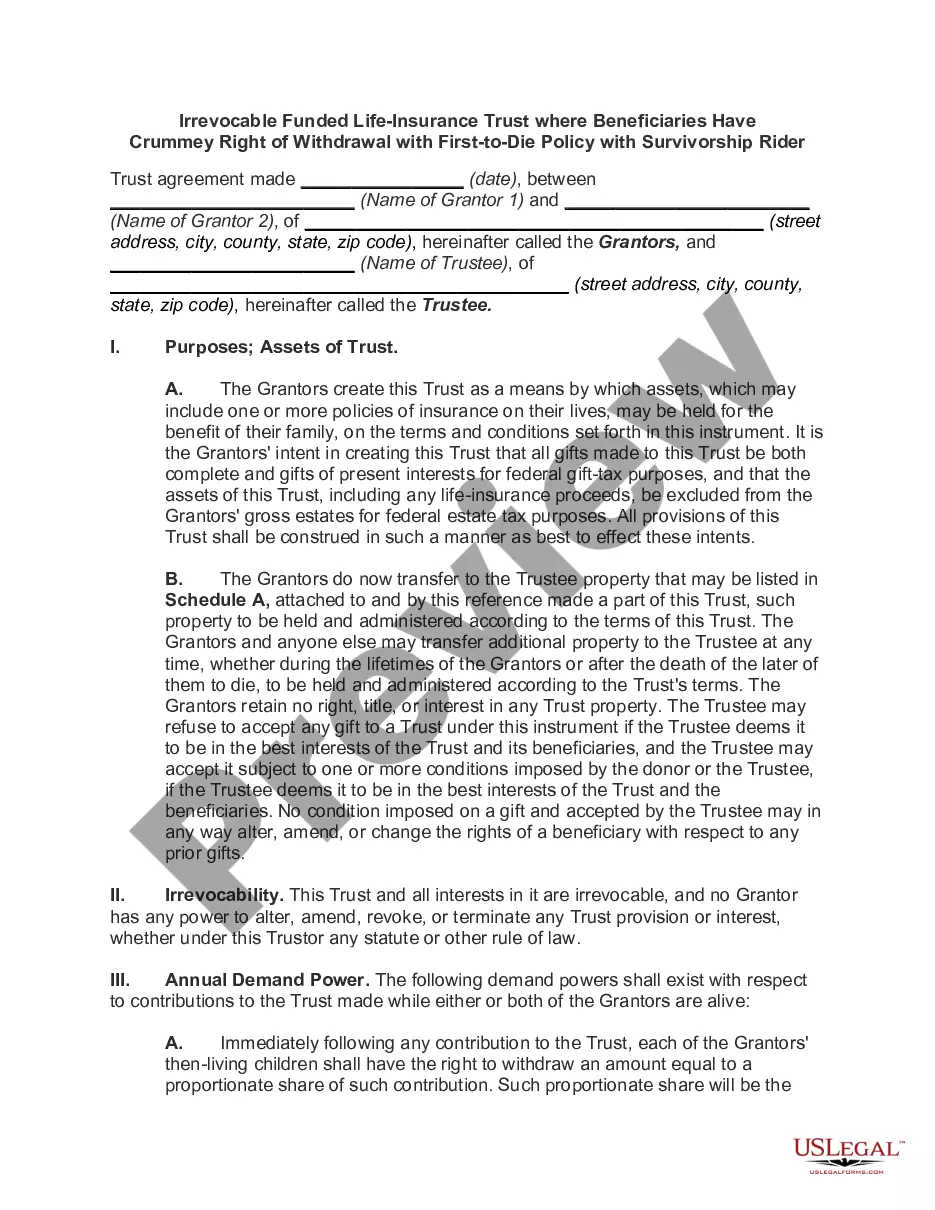
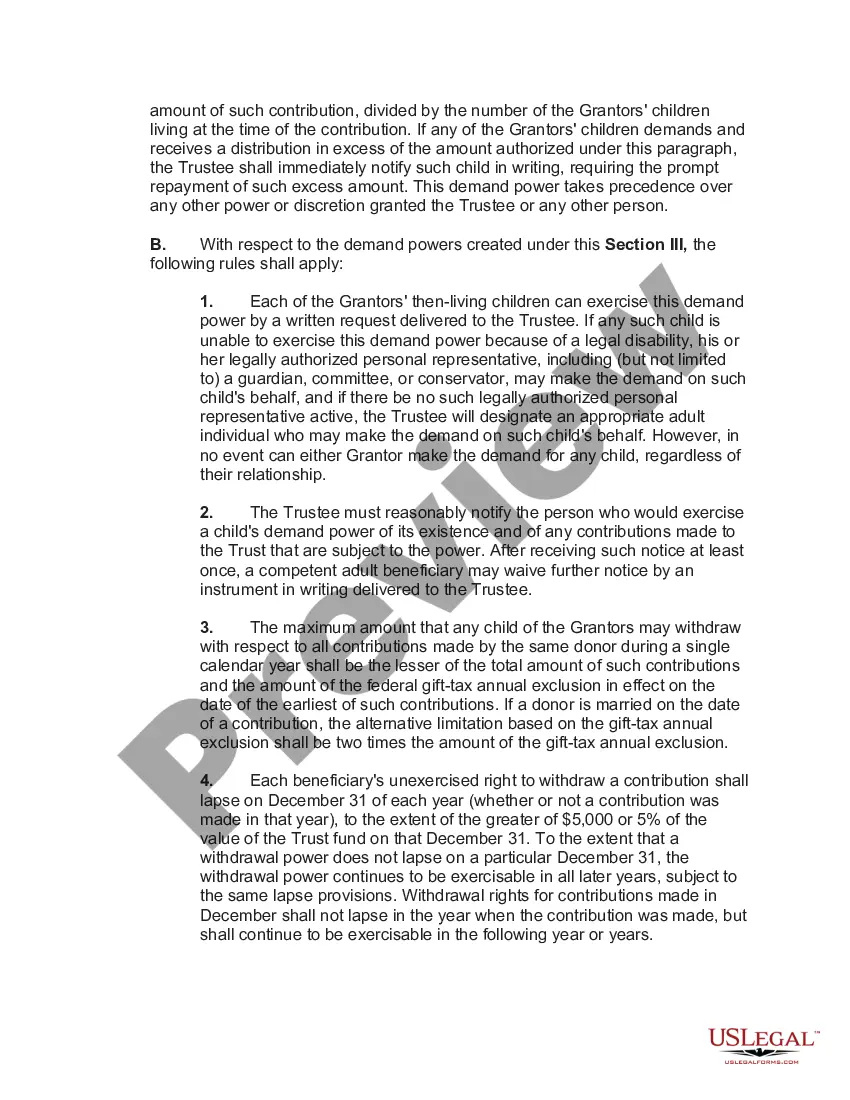
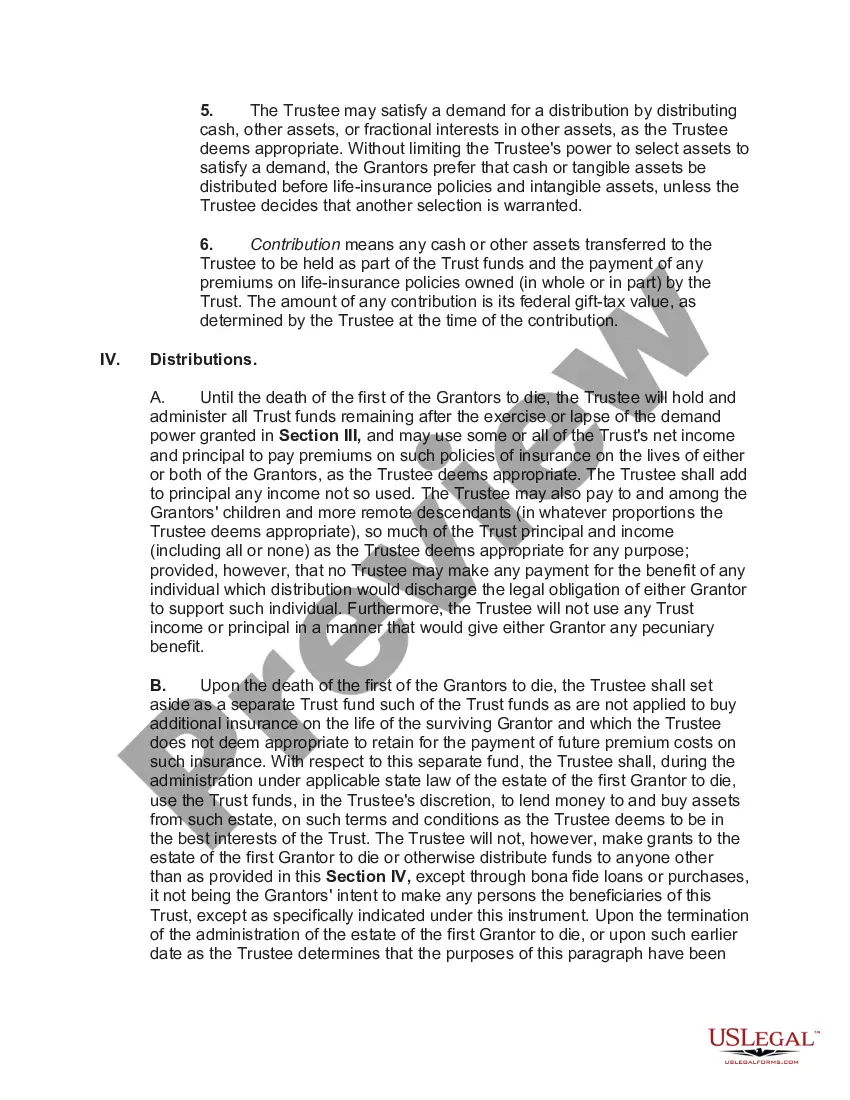
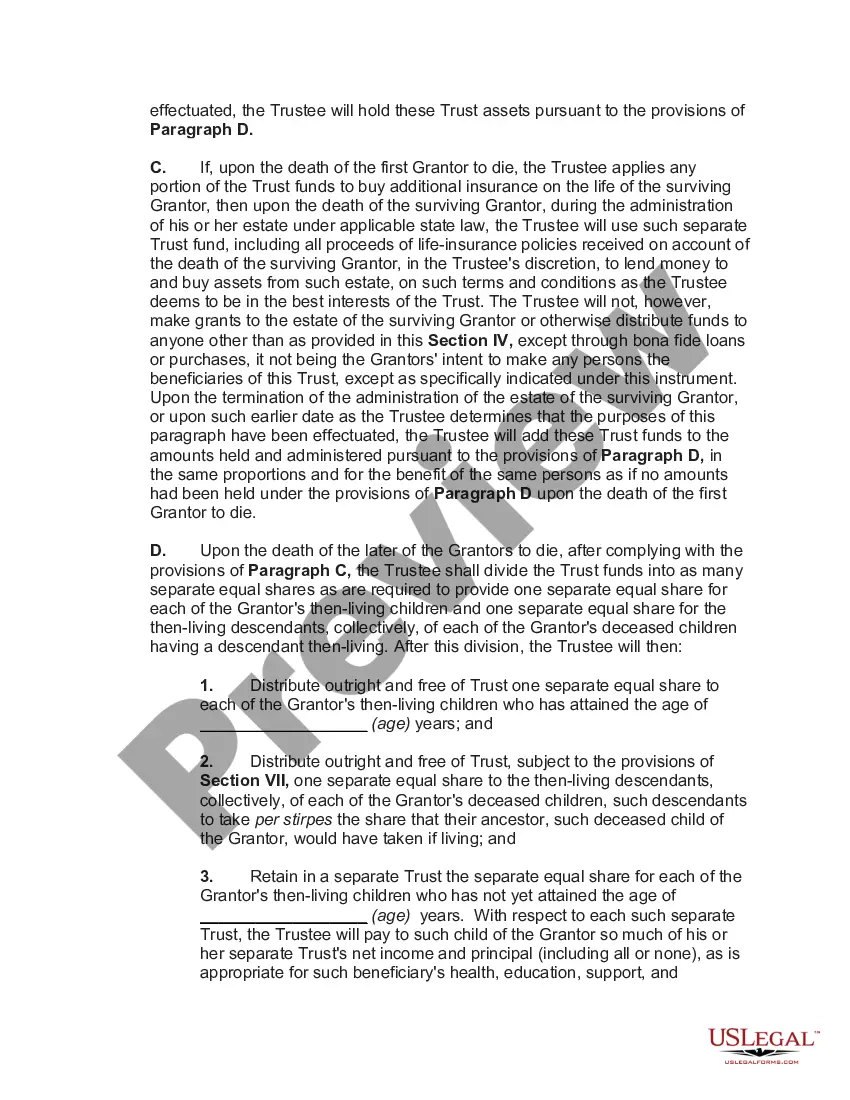
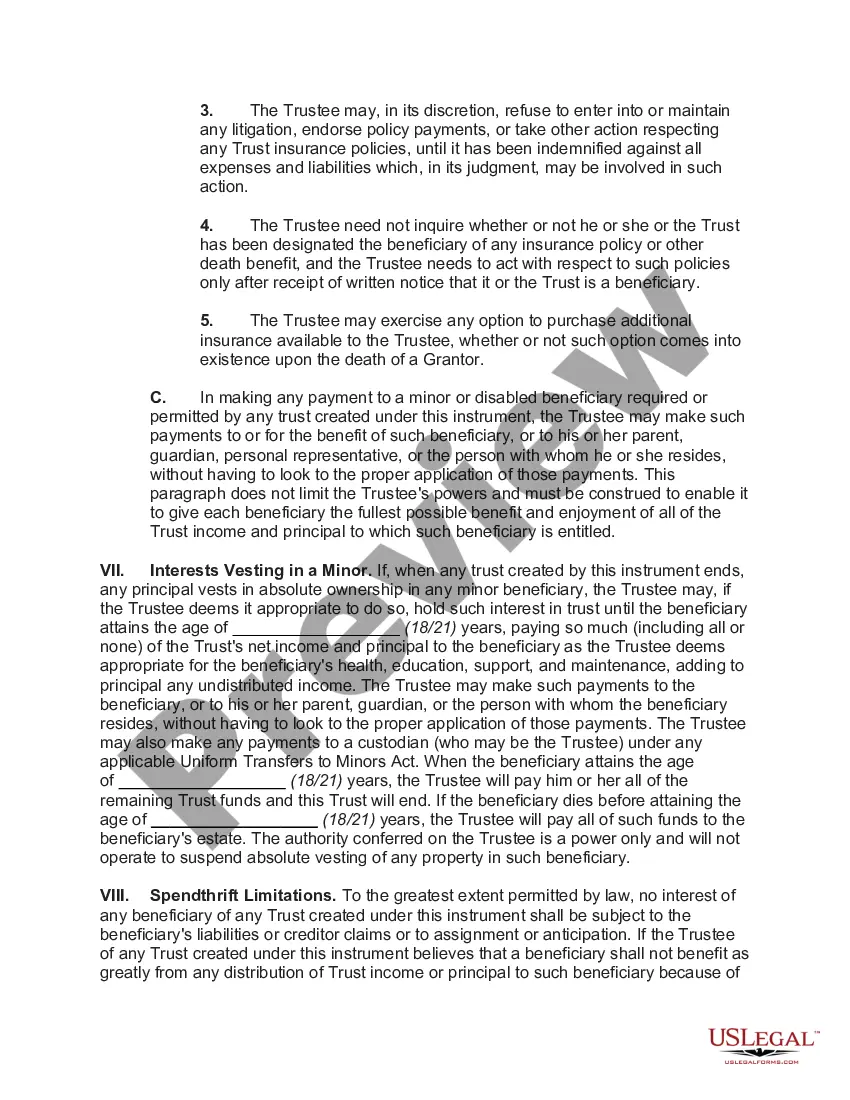
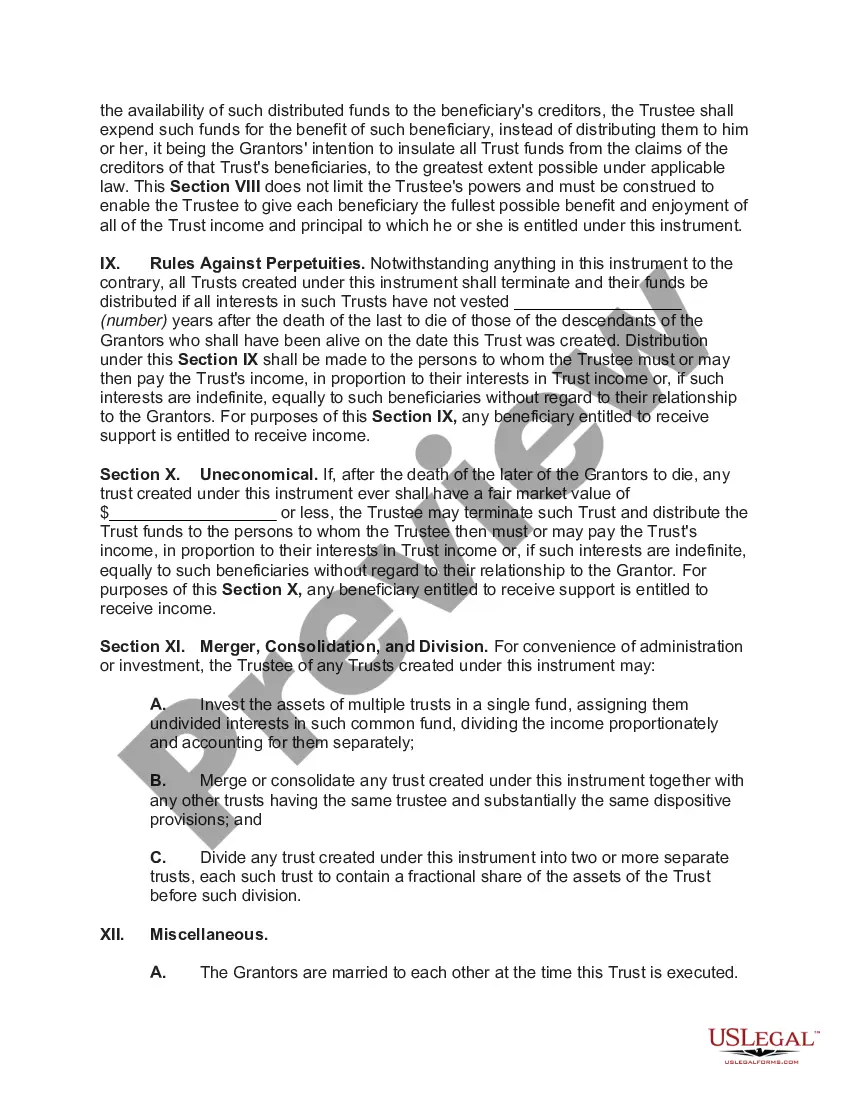

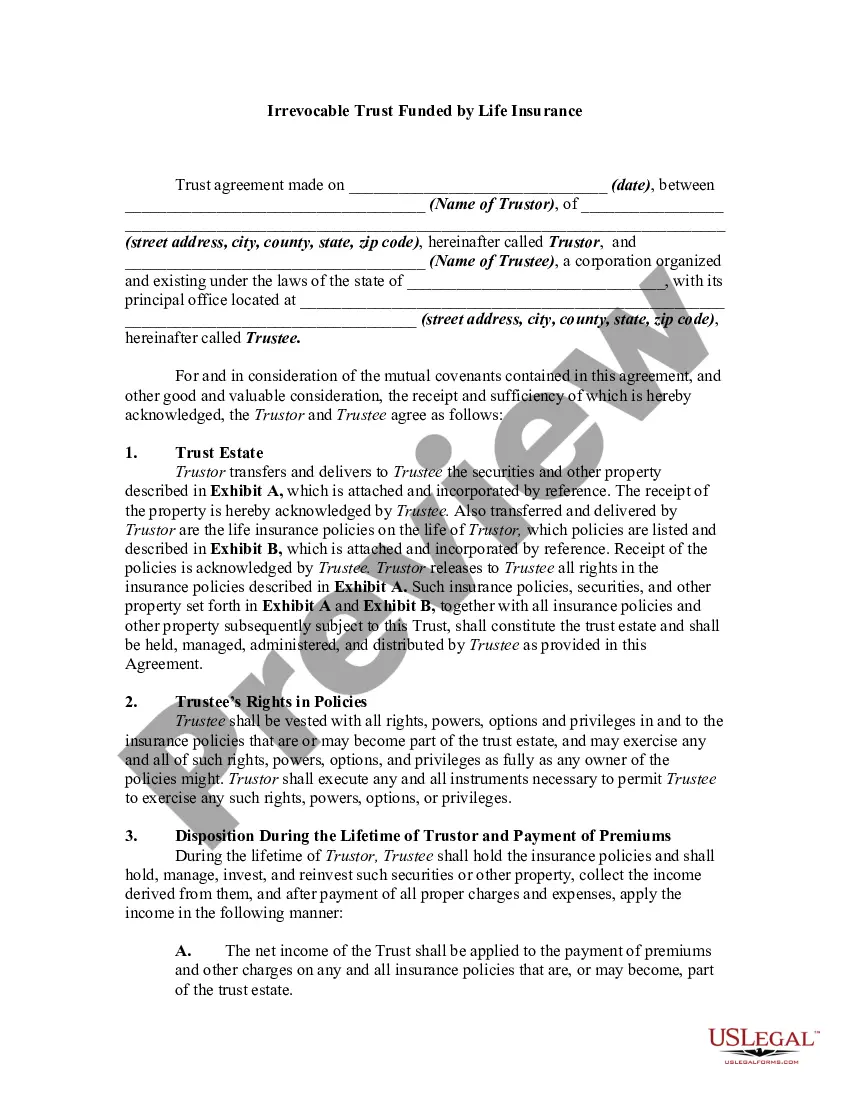
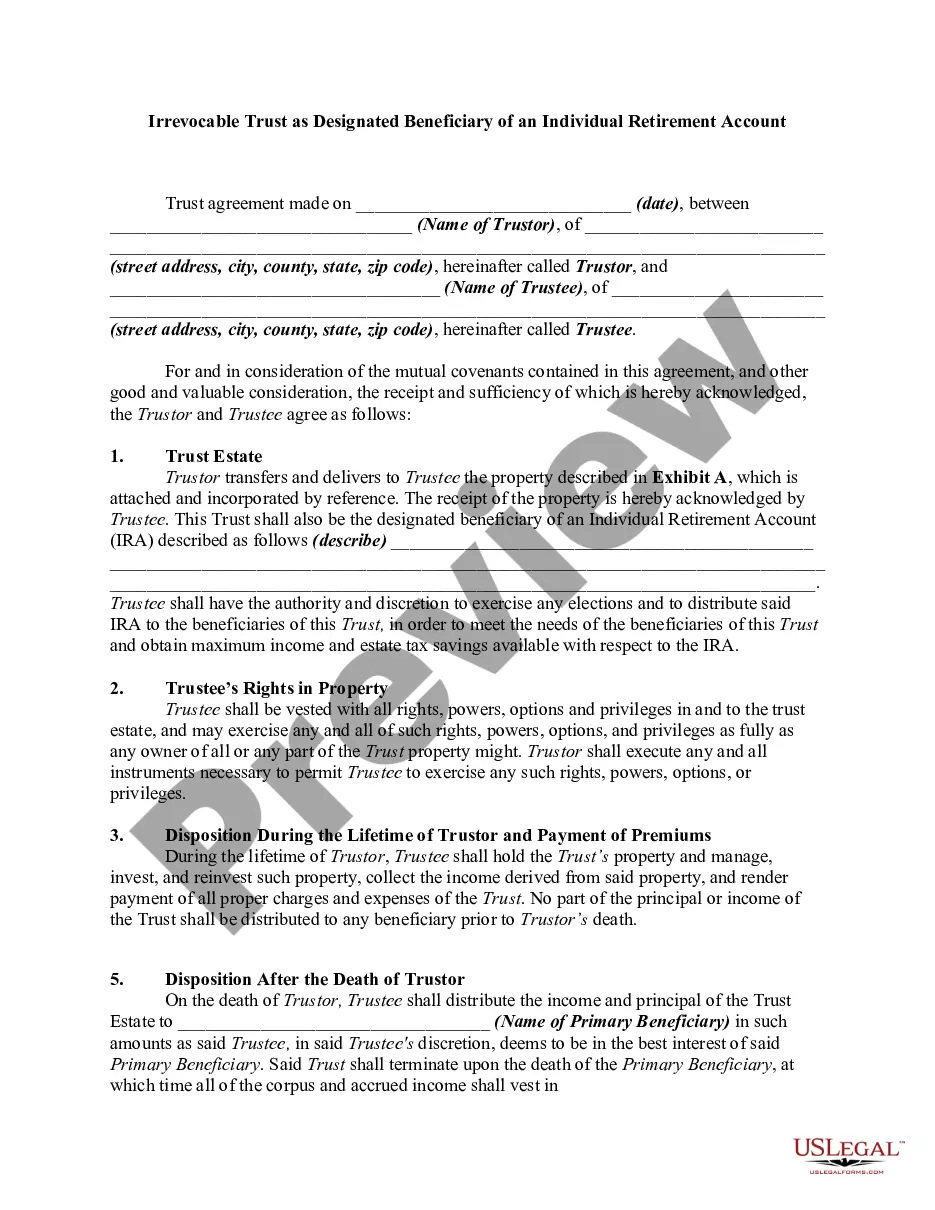
Get your form ready online
Our built-in tools help you complete, sign, share, and store your documents in one place.
Make edits, fill in missing information, and update formatting in US Legal Forms—just like you would in MS Word.
Download a copy, print it, send it by email, or mail it via USPS—whatever works best for your next step.
Sign and collect signatures with our SignNow integration. Send to multiple recipients, set reminders, and more. Go Premium to unlock E-Sign.
If this form requires notarization, complete it online through a secure video call—no need to meet a notary in person or wait for an appointment.
We protect your documents and personal data by following strict security and privacy standards.

Make edits, fill in missing information, and update formatting in US Legal Forms—just like you would in MS Word.

Download a copy, print it, send it by email, or mail it via USPS—whatever works best for your next step.

Sign and collect signatures with our SignNow integration. Send to multiple recipients, set reminders, and more. Go Premium to unlock E-Sign.

If this form requires notarization, complete it online through a secure video call—no need to meet a notary in person or wait for an appointment.

We protect your documents and personal data by following strict security and privacy standards.
Looking for another form?







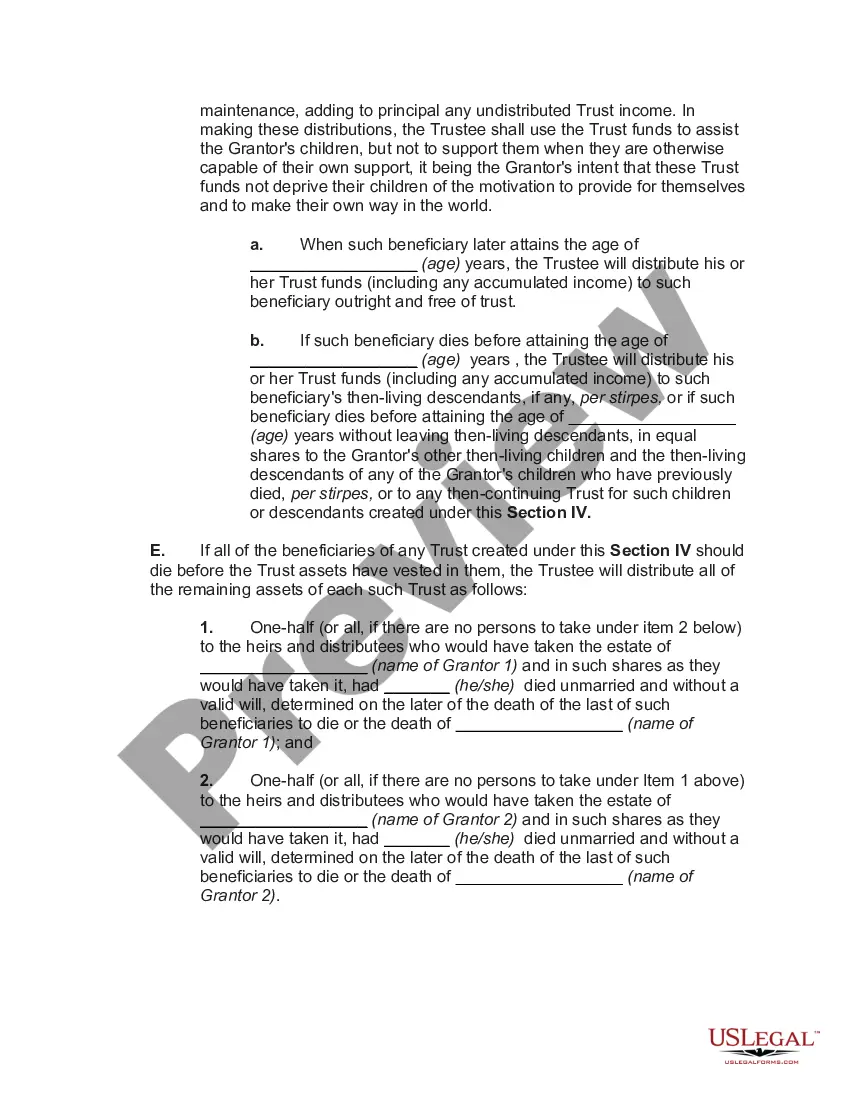
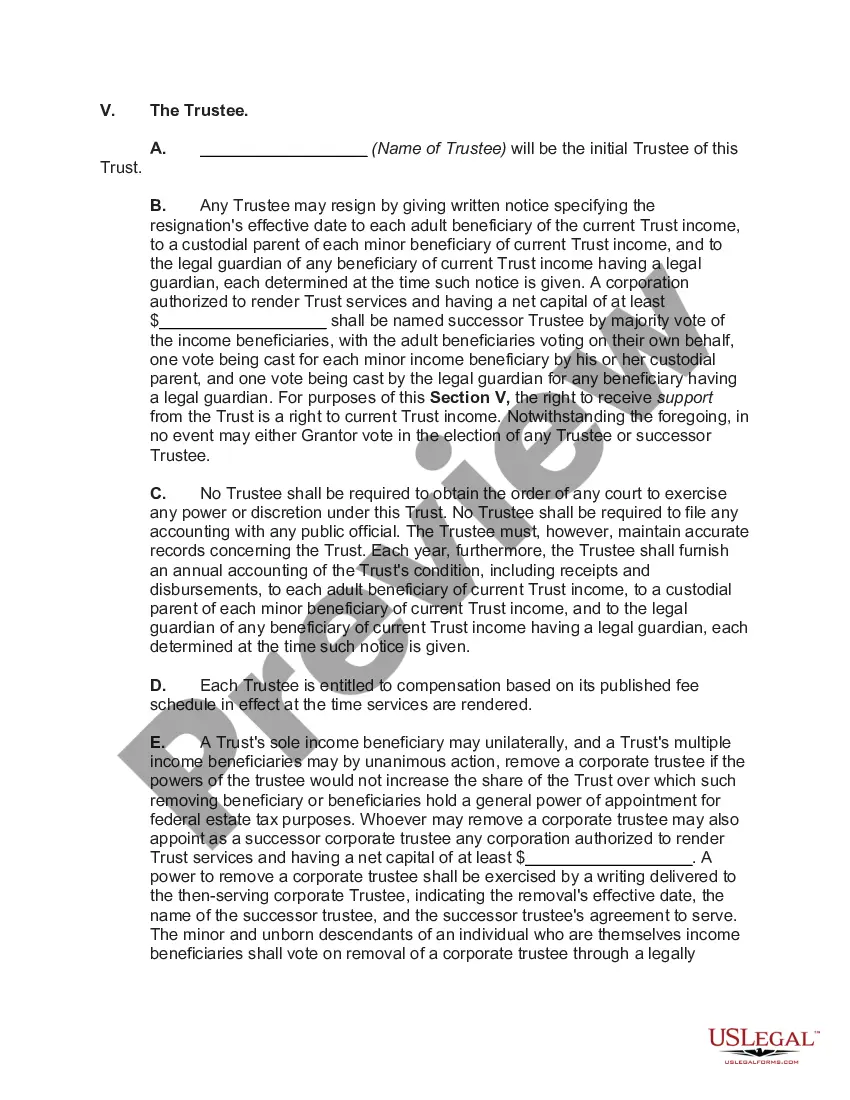
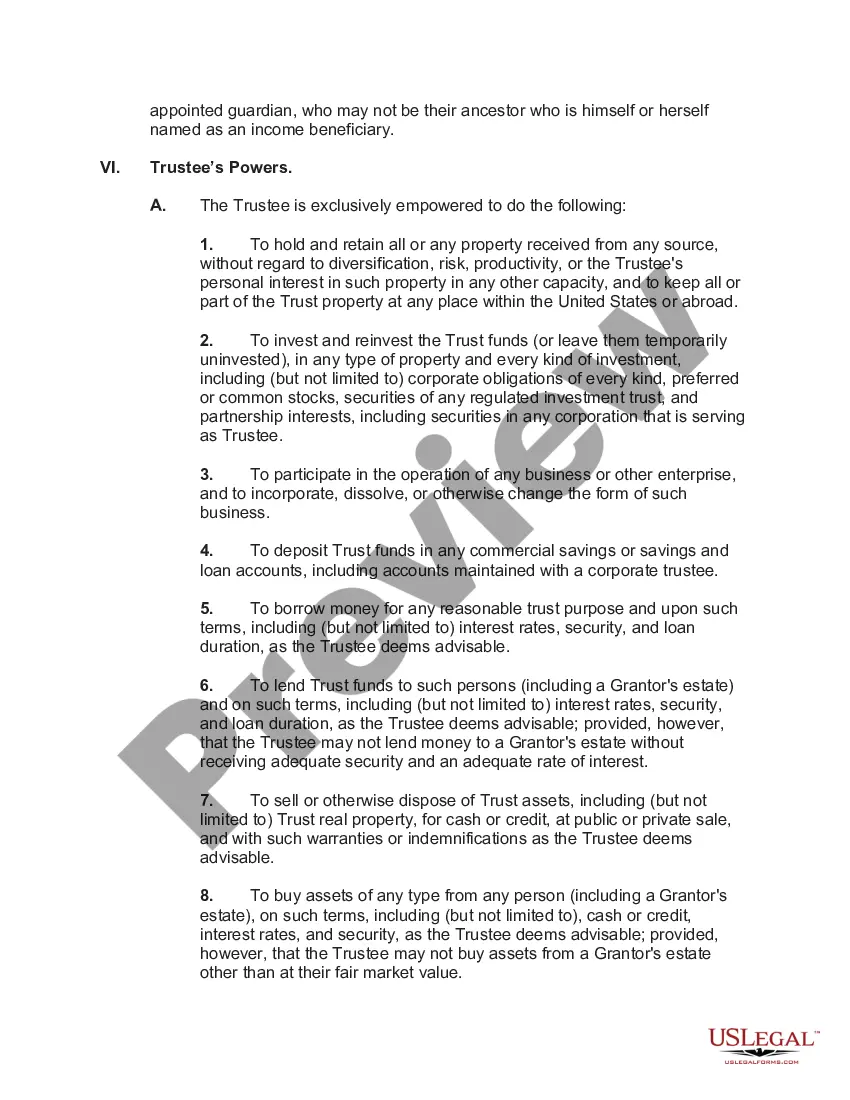
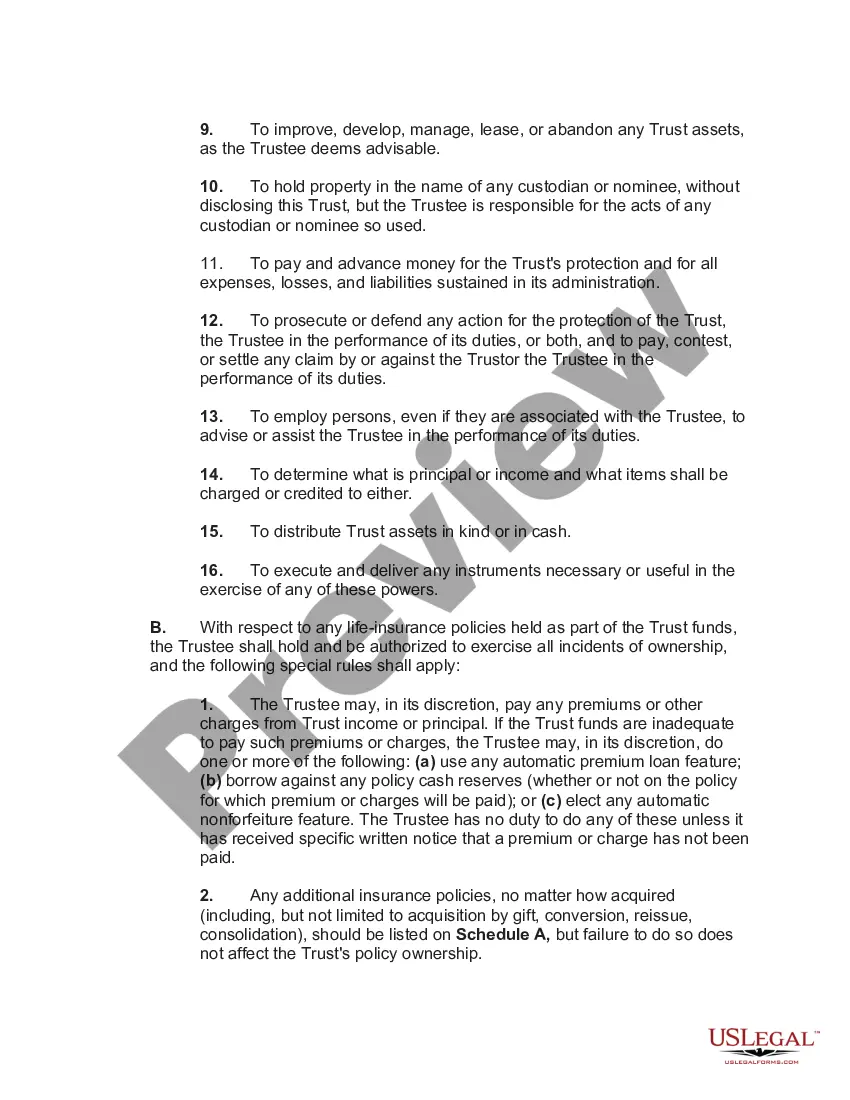
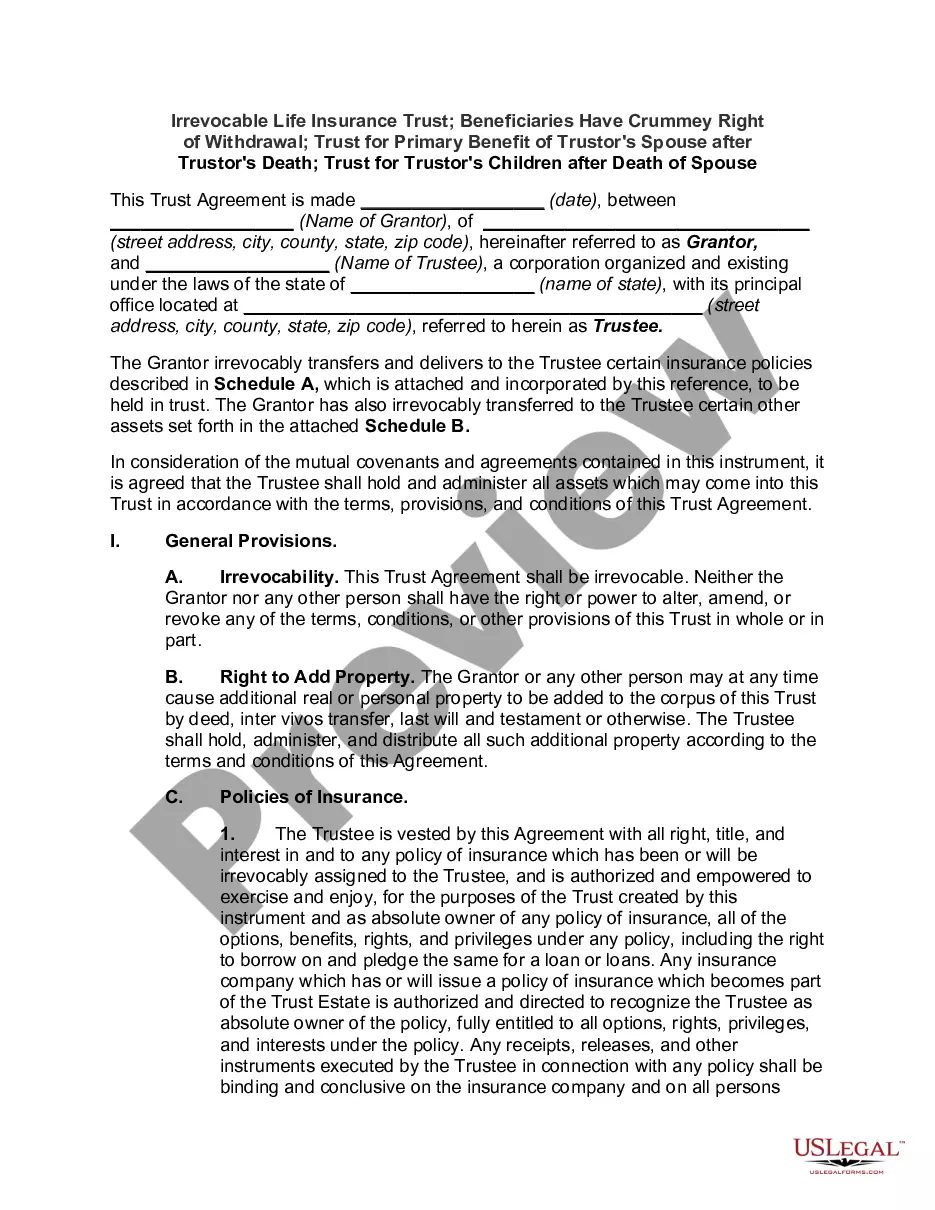
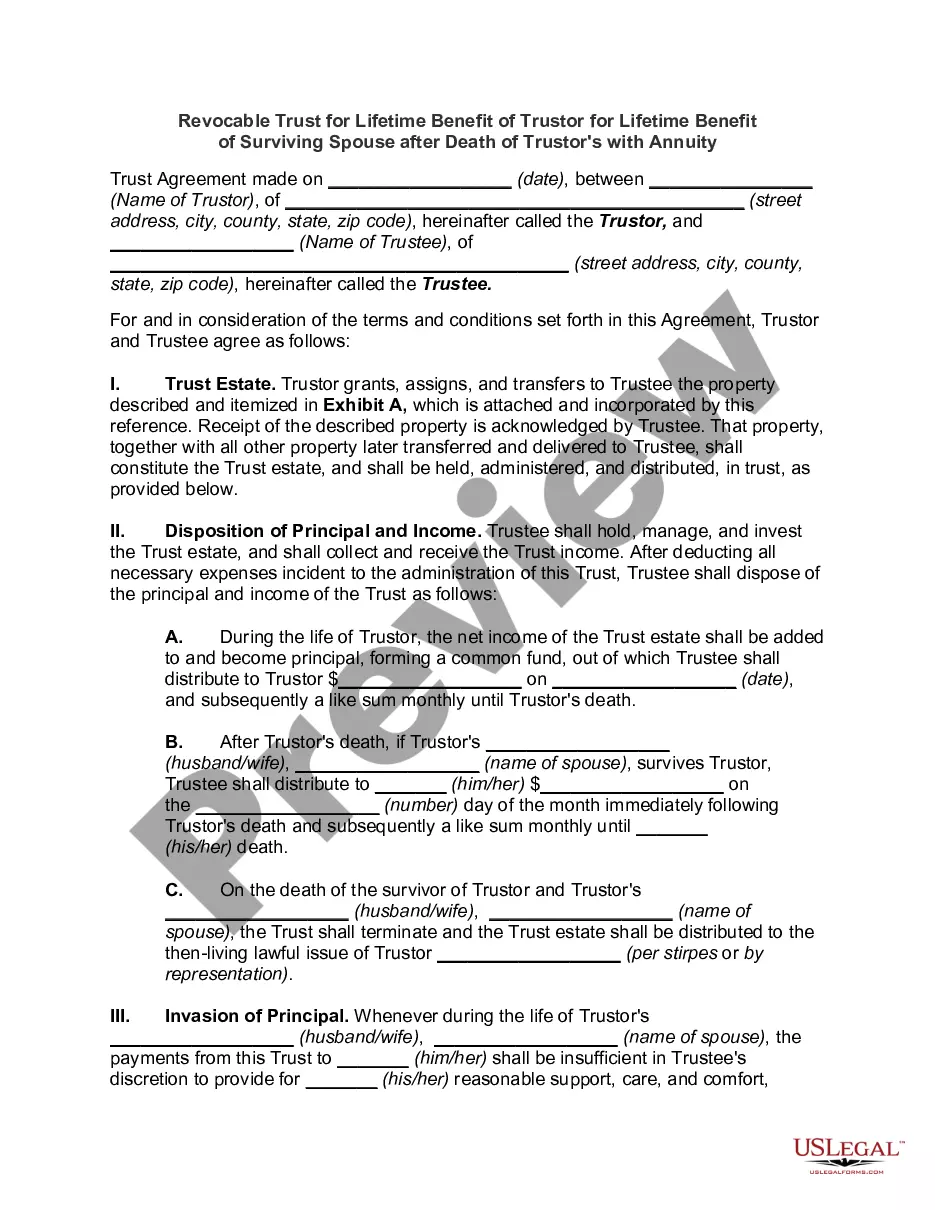
How to fill out Irrevocable Funded Life Insurance Trust Where Beneficiaries Have Crummey Right Of Withdrawal With First To Die Policy With Survivorship Rider?
- If you are a returning user, simply log in to your account and download the required form by clicking the 'Download' button. Ensure your subscription is active; if not, renew as needed.
- For first-time users, start by reviewing the Preview mode and description of the forms available. Make sure the form you select complies with your local jurisdiction.
- If you can't find the desired template, utilize the Search tab to locate the correct one that fits your requirements.
- Once you find the appropriate document, click on the 'Buy Now' button and select your preferred subscription plan, necessitating account registration for full access.
- Complete your purchase by providing your payment information, either via credit card or PayPal.
- Finally, download your form and save it on your device. You can also access it anytime via the My Forms section of your profile.
US Legal Forms empowers individuals and attorneys to easily execute essential legal documents, with a vast library containing over 85,000 editable and fillable forms and packages.
Benefit from expertly crafted documents and precise completion assistance, ensuring your legal needs are met efficiently. Start your journey with US Legal Forms today!
Form popularity
FAQ
Adding a beneficiary to an irrevocable trust can be challenging since these trusts cannot be easily modified. Typically, the trust creator must include all beneficiaries when establishing the trust. However, if changes are necessary, you may need to work with a legal professional to explore options, such as creating a new trust. Always keep in mind, understanding how irrevocable trusts have beneficiaries is crucial for effective management.
Filling out an irrevocable trust involves several key steps. First, you need to provide essential information about the trust creator, the beneficiaries, and the assets to be placed in the trust. Next, you should use a reliable template or legal service to ensure the document complies with state laws. Platforms like US Legal Forms can simplify this process by offering customizable templates that cater to specific needs.
Yes, irrevocable trusts do have beneficiaries. The trust document specifies individuals or entities that will receive benefits from the trust assets. This structure allows the trust creator to transfer assets out of their estate while still providing for the beneficiaries. Understanding how irrevocable trusts have beneficiaries is essential for effective estate planning.
Beneficiaries in a trust are typically named within the trust document itself. You should identify each beneficiary by their full name and any relevant identifying details, such as their relationship to the trust creator. This clear identification helps ensure there is no confusion about who is entitled to the trust’s assets. Remember, when asking, do irrevocable trusts have beneficiaries, the answer is yes—the beneficiaries are crucial for the trust’s purpose.
After the death of the trust creator, the responsible party managing the irrevocable trust is the trustee. The trustee is obligated to distribute assets according to the trust's terms and must act in the best interest of the beneficiaries. If you're trying to manage or understand the process, platforms like uslegalforms can provide valuable tools and information to help you navigate the responsibilities of an irrevocable trust, especially concerning beneficiaries.
When the person who created the irrevocable trust passes away, the trust remains in effect, and its terms govern how the assets are distributed. The assets do not become part of the deceased's estate, providing potential tax benefits and protecting them from probate. The beneficiaries named in the trust will receive their designated shares as specified. For a more thorough understanding of how irrevocable trusts have beneficiaries, consider finding resources that clarify these processes.
The beneficiary in an irrevocable trust is the individual or entity that receives the benefits from the trust's assets. Essentially, this person has the legal right to receive distributions as outlined in the trust document. It's crucial to understand that once the trust is established, the grantor cannot change the beneficiary without consent. Therefore, to explore more about how irrevocable trusts have beneficiaries, delve into the specifics of your trust's provisions.
One downside of an irrevocable trust is that once you place assets into it, you cannot easily remove them. This can limit your access to those assets, which may become problematic if your financial needs change. Furthermore, although irrevocable trusts have beneficiaries, they may not provide the flexibility that some individuals desire in their estate planning. Ultimately, it is crucial to consider your long-term goals when deciding whether an irrevocable trust suits your needs.
When a person dies with an irrevocable trust, the assets held in the trust do not become part of their estate. This means the assets are shielded from probate, providing a quicker and more efficient transfer to beneficiaries. It's essential to understand that irrevocable trusts do have beneficiaries, who will receive the trust assets according to the trust's terms. Additionally, since they bypass probate, the distribution can often occur without the delays and costs typically associated with probate processes.
The new IRS ruling on irrevocable trusts addresses how certain trusts are treated for tax purposes, particularly concerning income generated from assets within the trust. Recent changes may impact the reporting and taxation methods of these trusts. Staying informed about these rulings is essential for effective estate planning. Use uslegalforms to get the current guidance and ensure your trust aligns with the latest regulations.