Beneficiaries Have Policy Without Receipt
Description
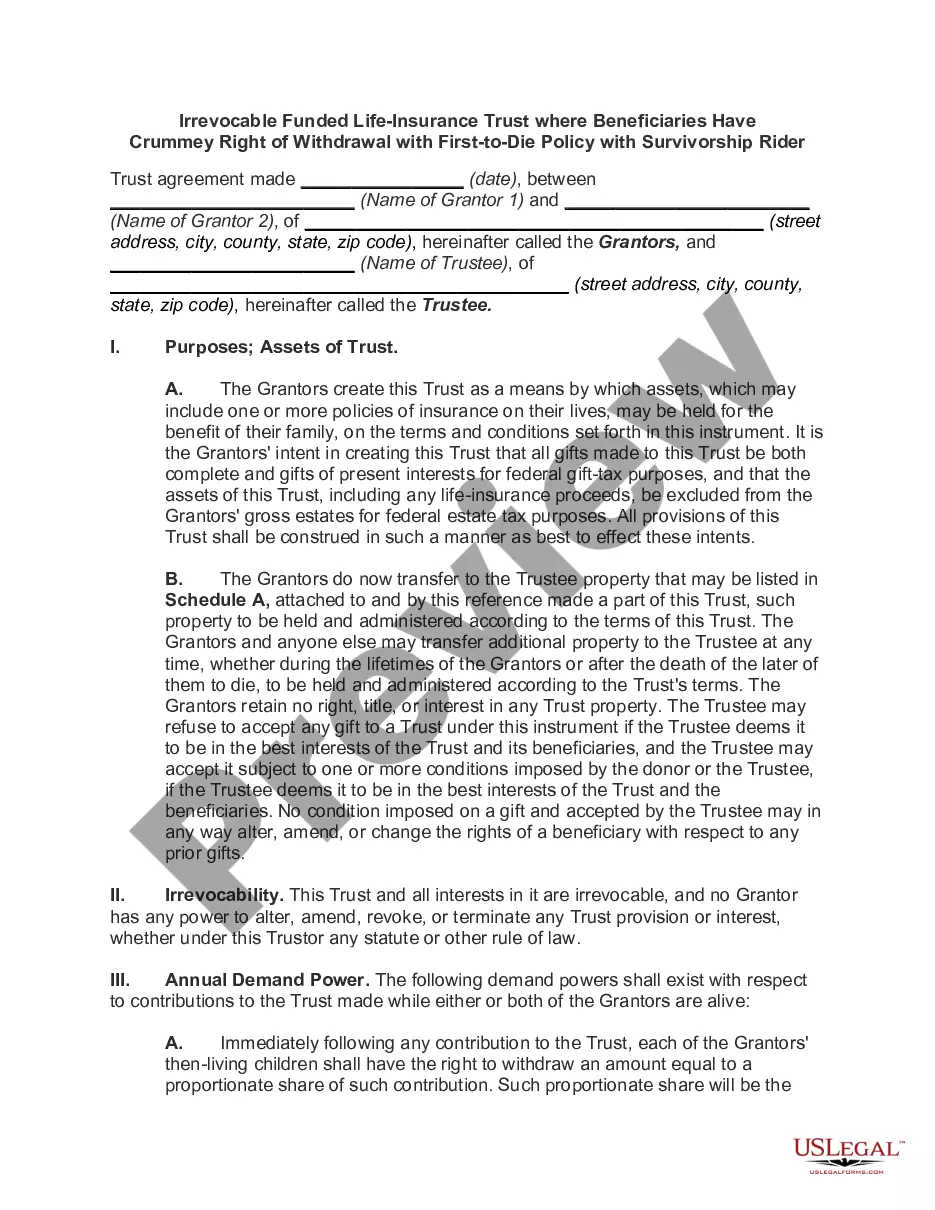
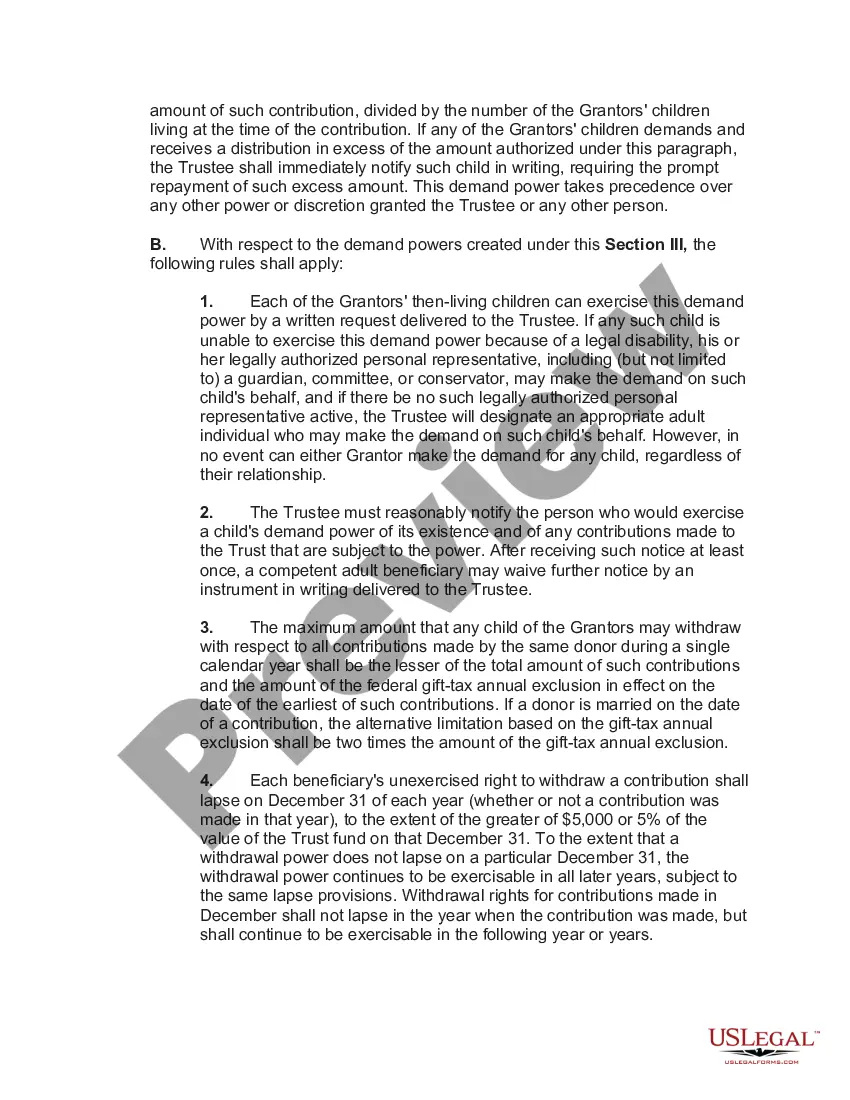
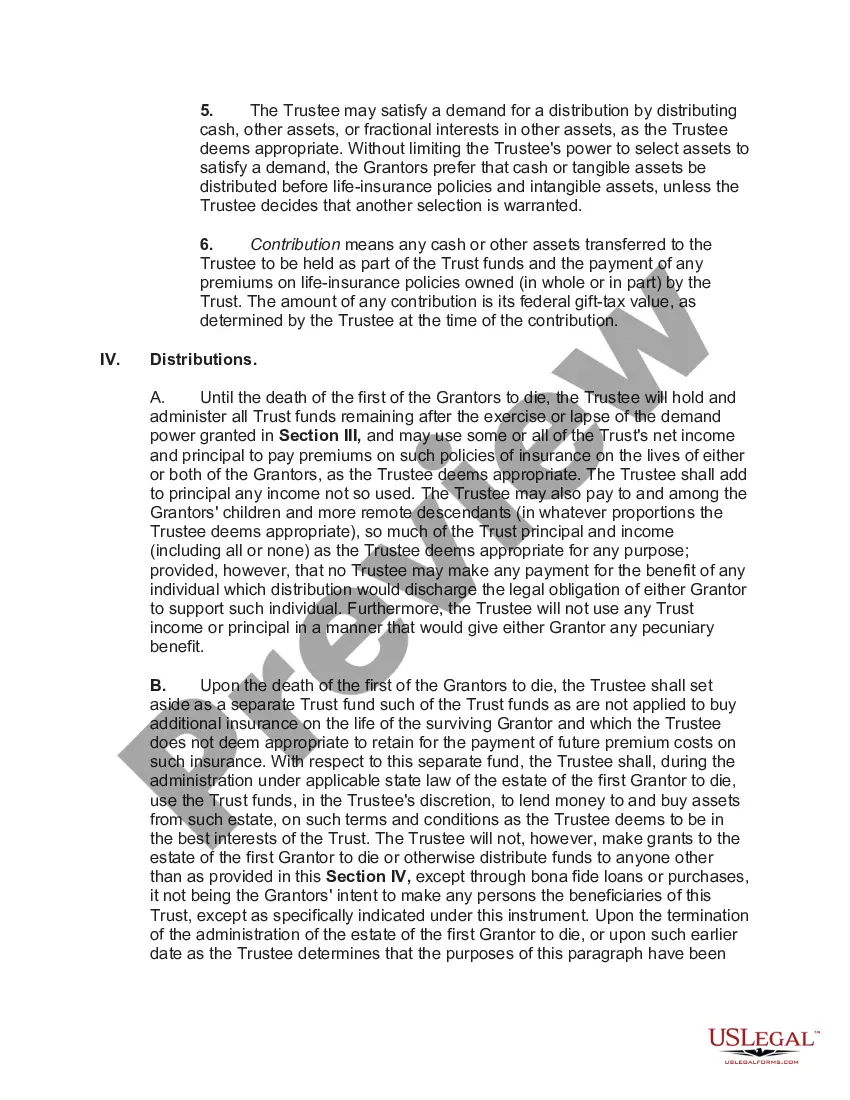
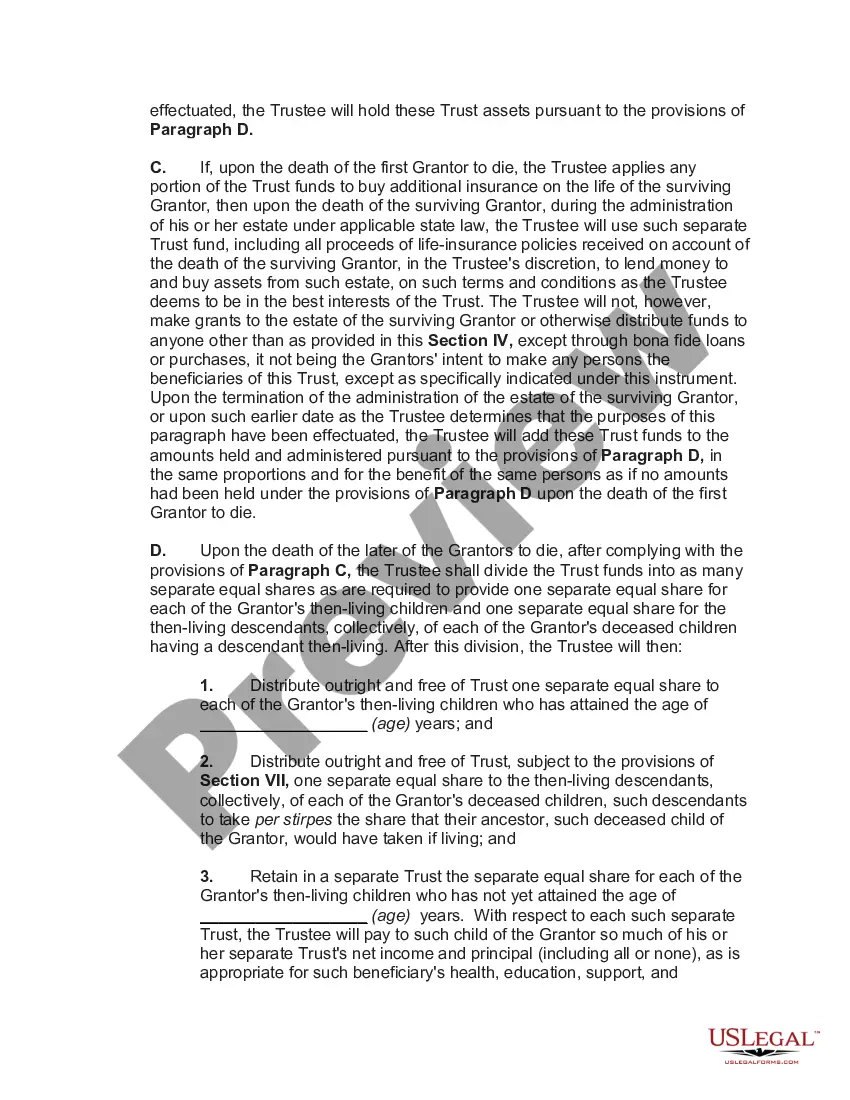
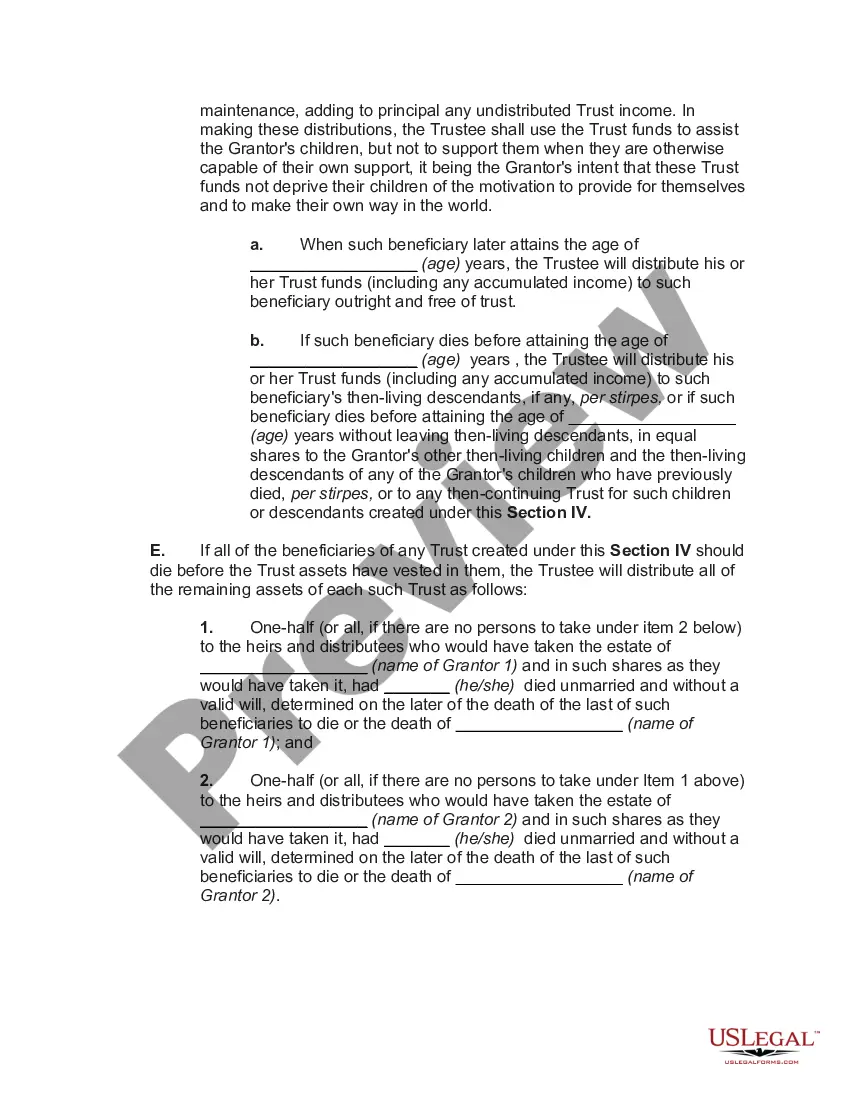
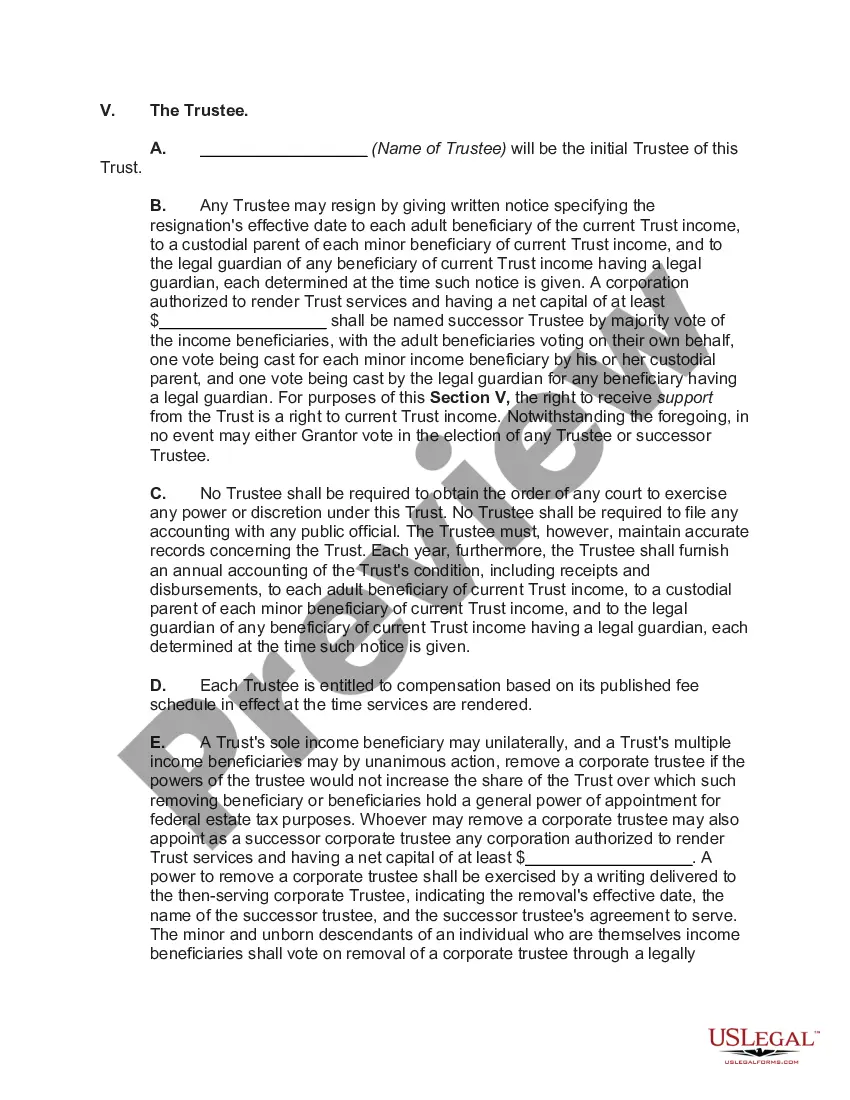
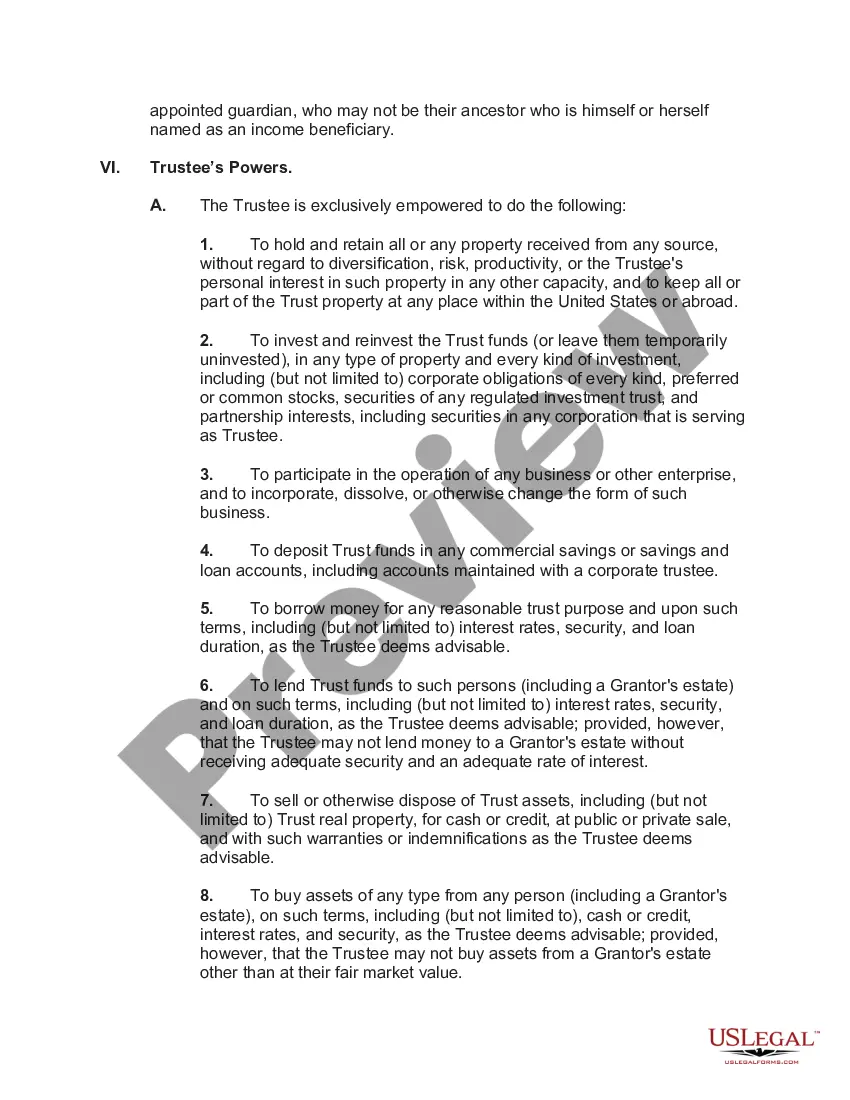
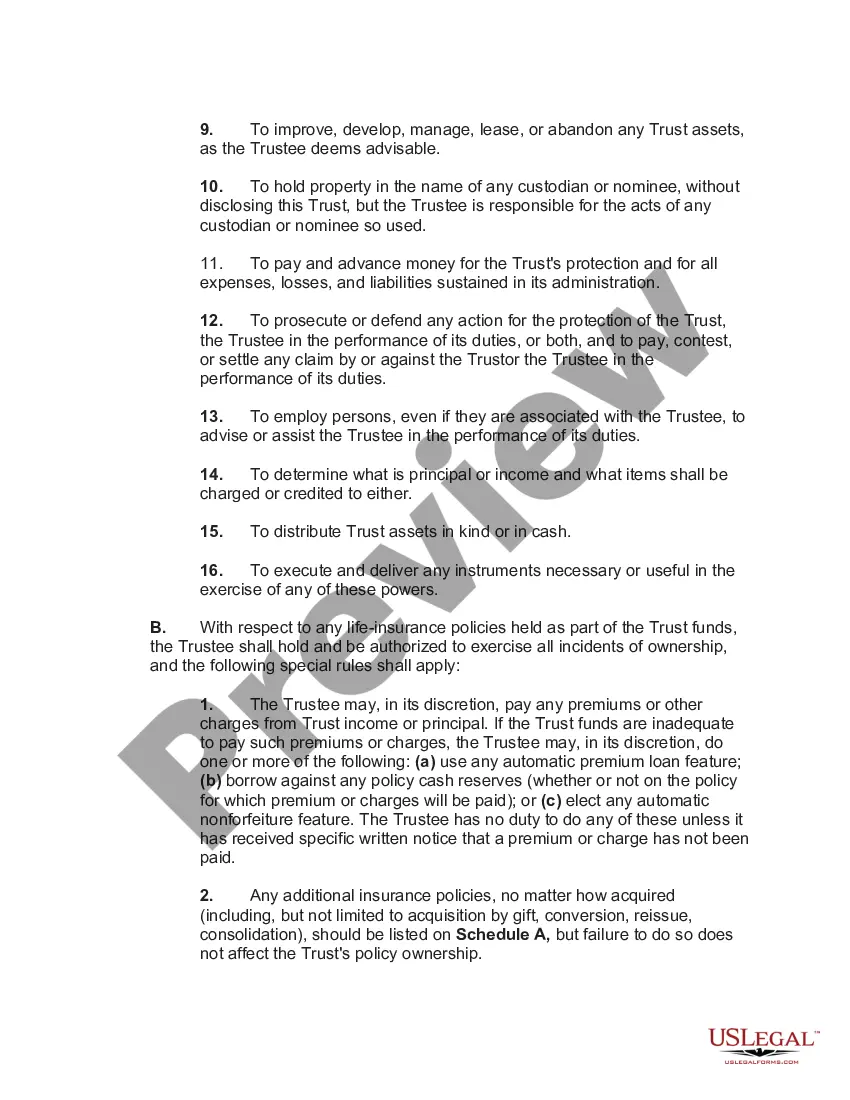

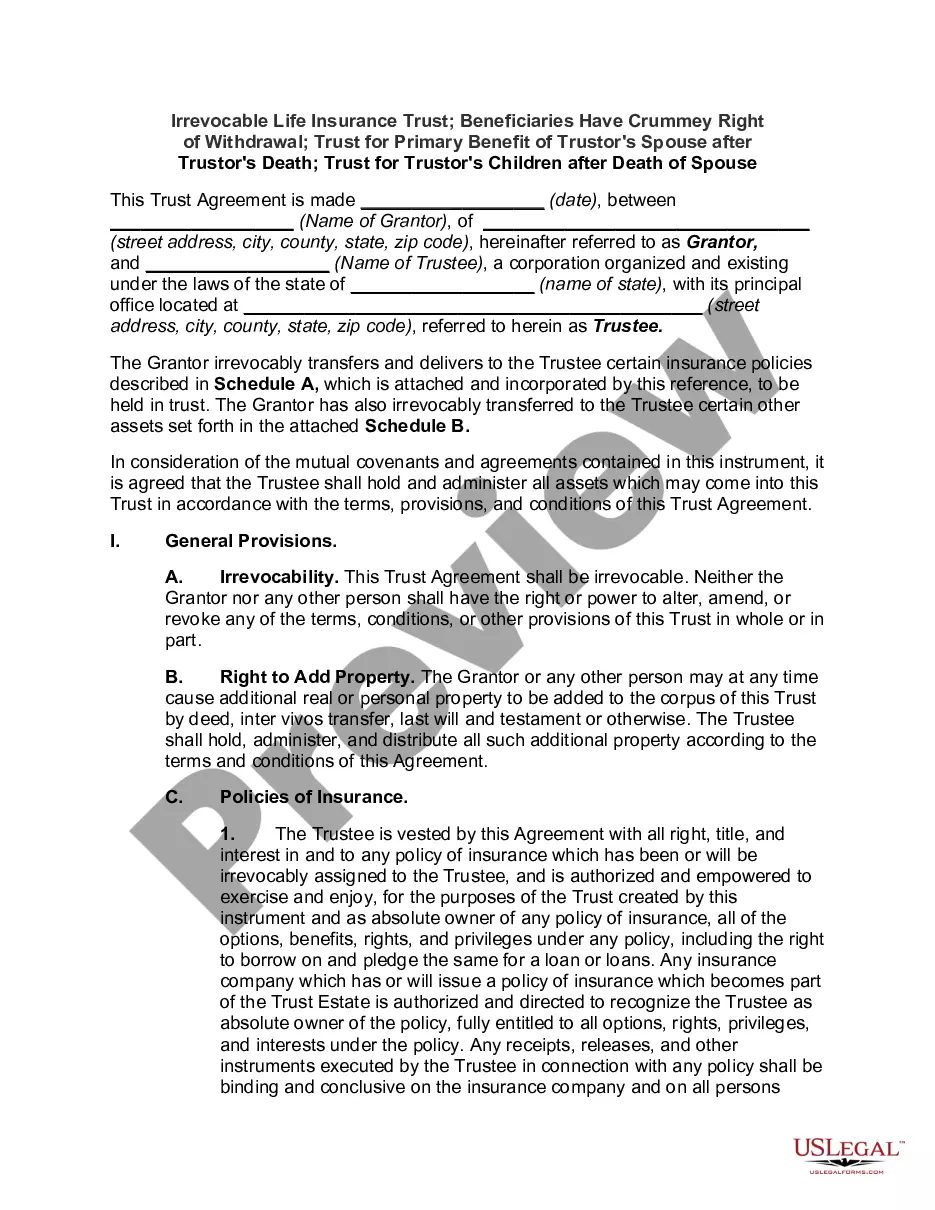
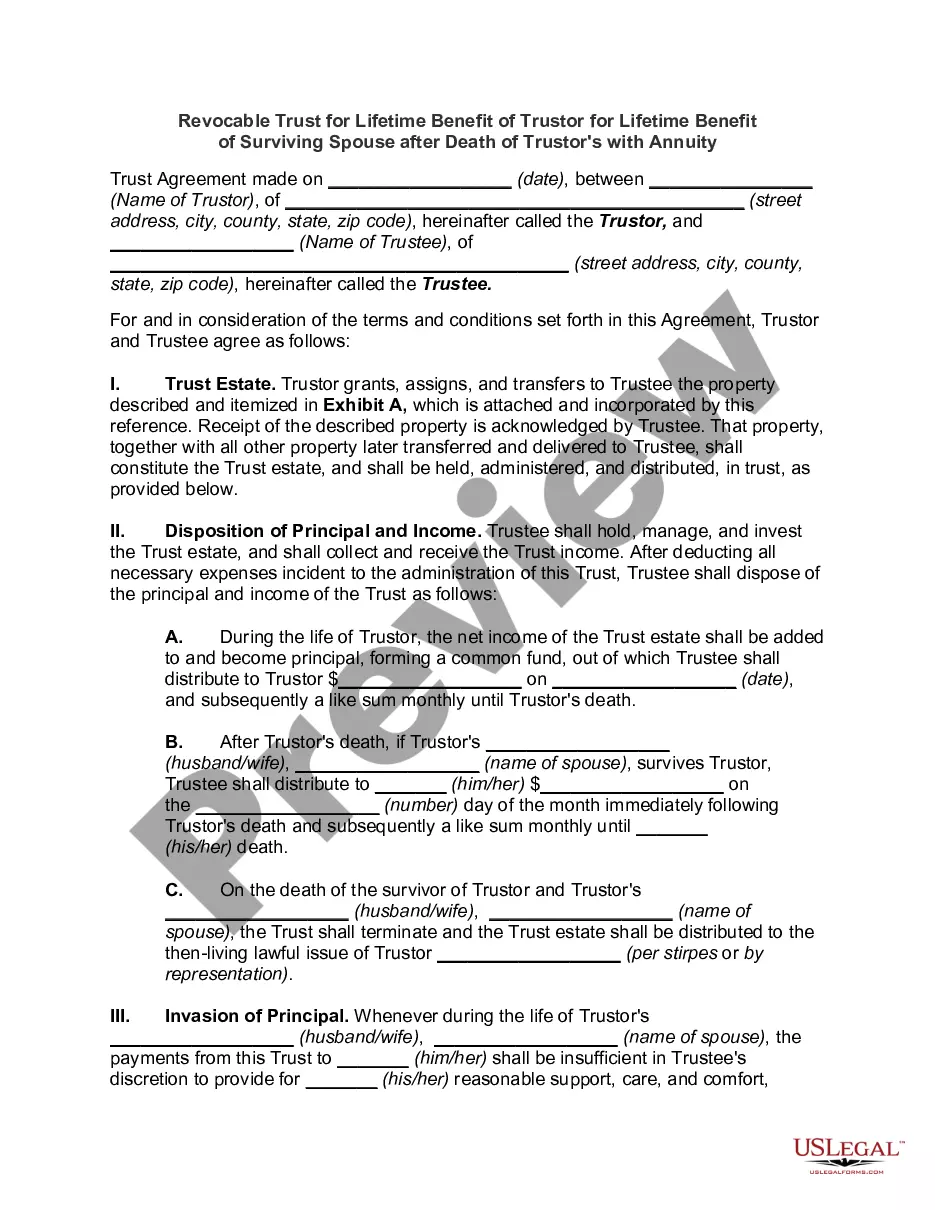
Get your form ready online
Our built-in tools help you complete, sign, share, and store your documents in one place.
Make edits, fill in missing information, and update formatting in US Legal Forms—just like you would in MS Word.
Download a copy, print it, send it by email, or mail it via USPS—whatever works best for your next step.
Sign and collect signatures with our SignNow integration. Send to multiple recipients, set reminders, and more. Go Premium to unlock E-Sign.
If this form requires notarization, complete it online through a secure video call—no need to meet a notary in person or wait for an appointment.
We protect your documents and personal data by following strict security and privacy standards.

Make edits, fill in missing information, and update formatting in US Legal Forms—just like you would in MS Word.

Download a copy, print it, send it by email, or mail it via USPS—whatever works best for your next step.

Sign and collect signatures with our SignNow integration. Send to multiple recipients, set reminders, and more. Go Premium to unlock E-Sign.

If this form requires notarization, complete it online through a secure video call—no need to meet a notary in person or wait for an appointment.

We protect your documents and personal data by following strict security and privacy standards.
Looking for another form?
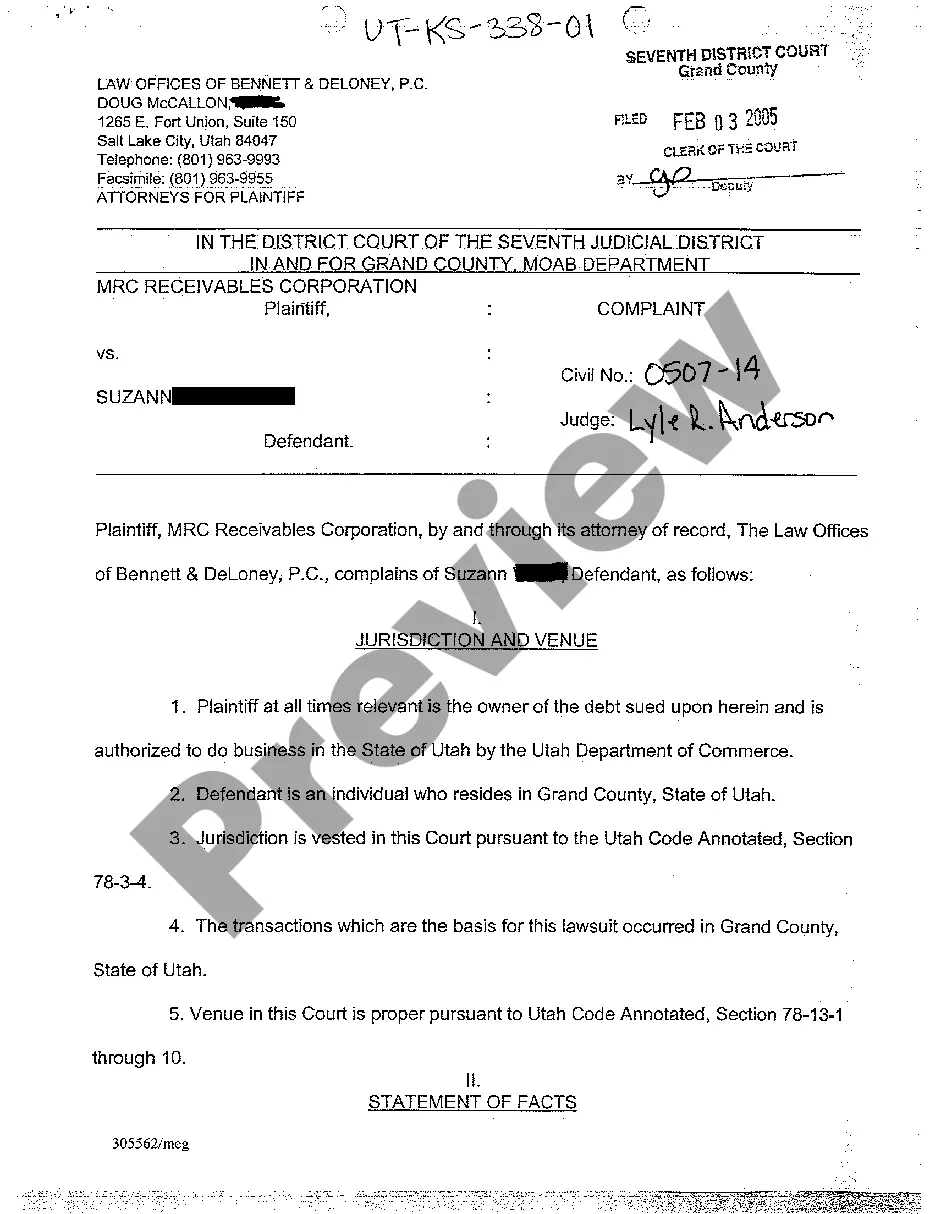









How to fill out Irrevocable Funded Life Insurance Trust Where Beneficiaries Have Crummey Right Of Withdrawal With First To Die Policy With Survivorship Rider?
Using legal templates that comply with federal and regional laws is crucial, and the internet offers many options to pick from. But what’s the point in wasting time looking for the right Beneficiaries Have Policy Without Receipt sample on the web if the US Legal Forms online library already has such templates collected in one place?
US Legal Forms is the most extensive online legal library with over 85,000 fillable templates drafted by attorneys for any business and personal case. They are easy to browse with all files organized by state and purpose of use. Our experts keep up with legislative changes, so you can always be sure your paperwork is up to date and compliant when getting a Beneficiaries Have Policy Without Receipt from our website.
Getting a Beneficiaries Have Policy Without Receipt is easy and quick for both current and new users. If you already have an account with a valid subscription, log in and download the document sample you require in the preferred format. If you are new to our website, adhere to the instructions below:
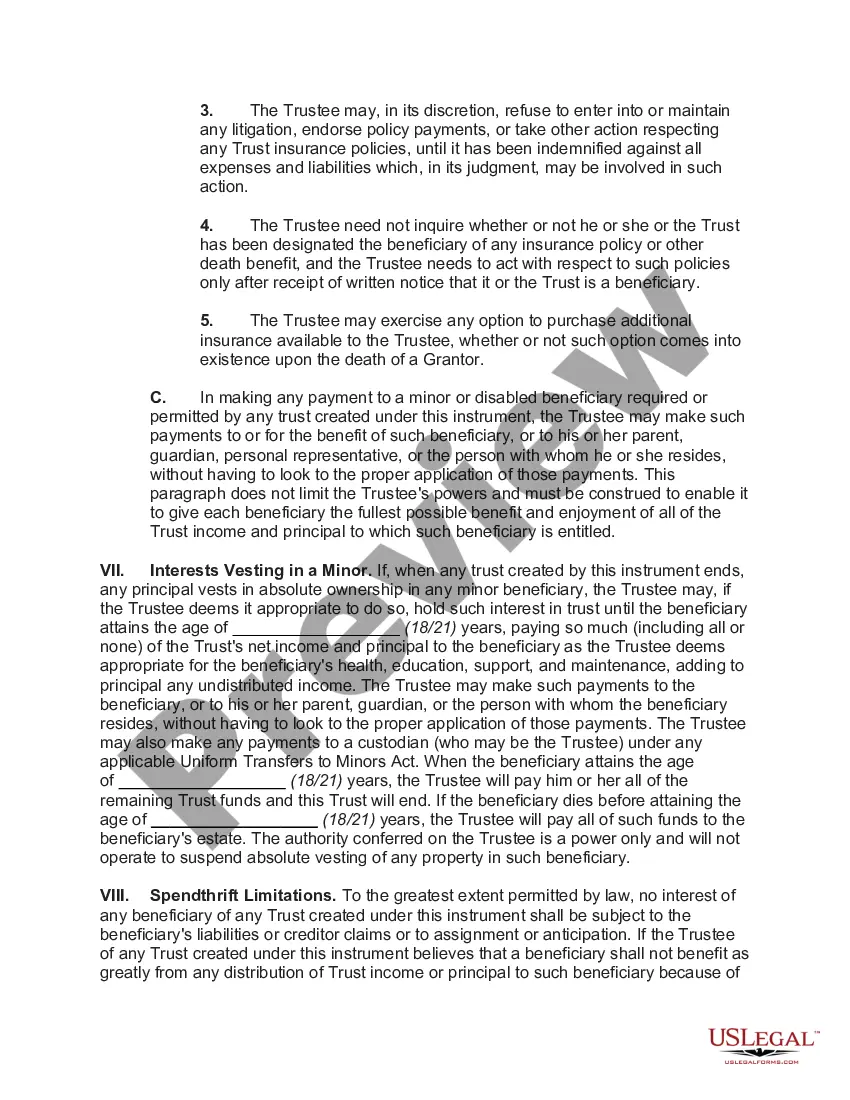
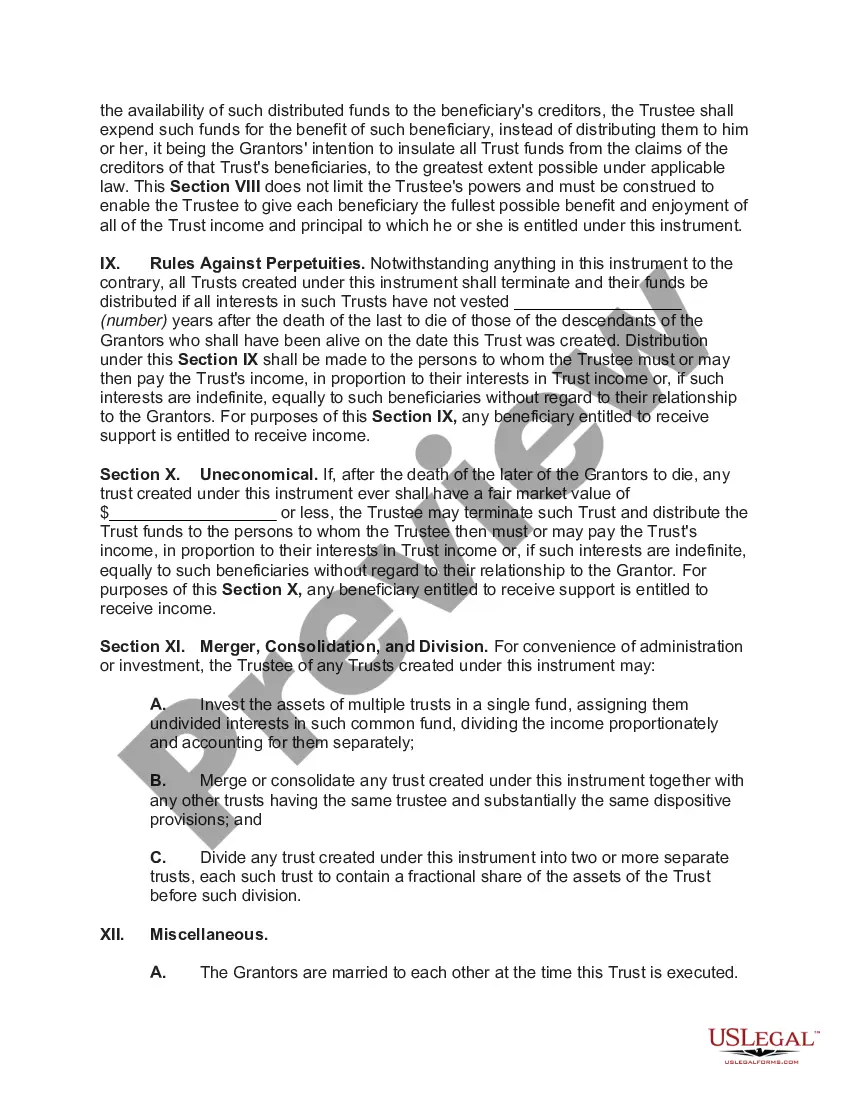
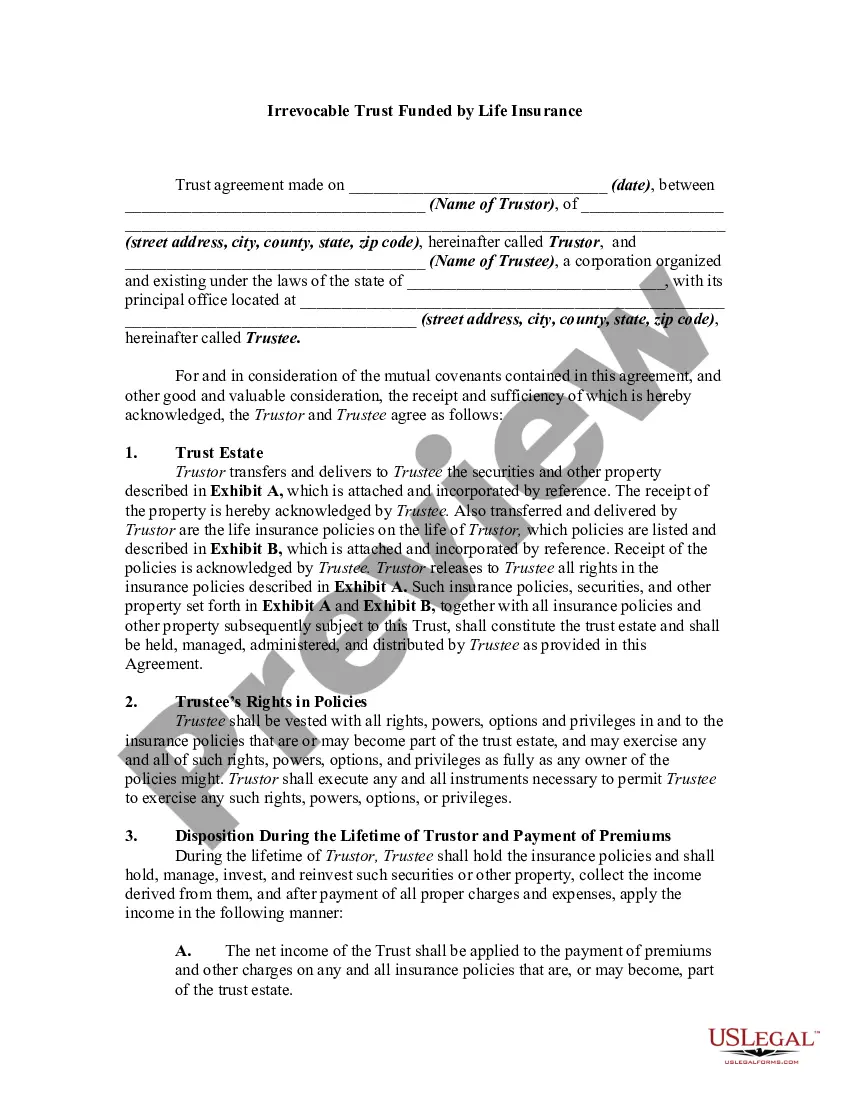
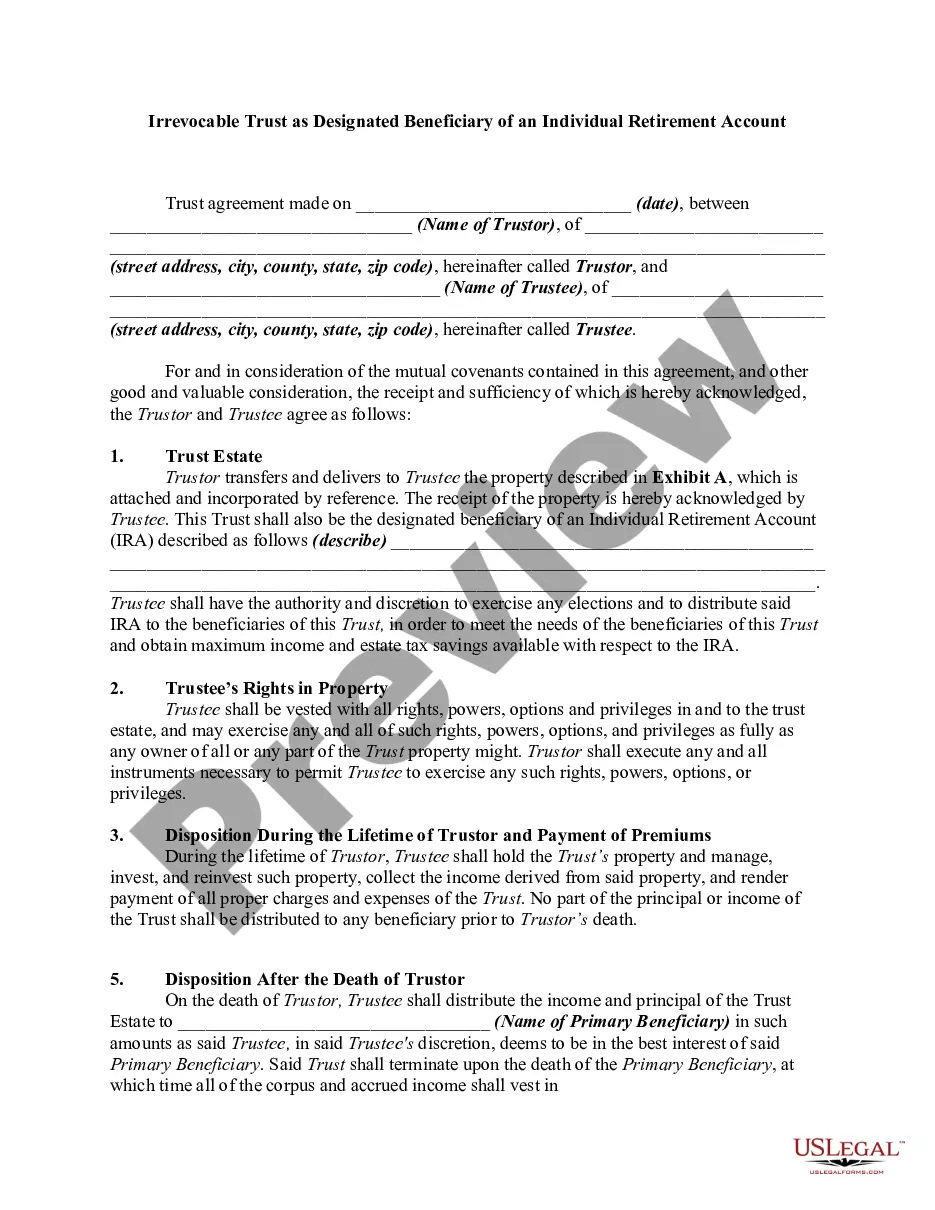
- Take a look at the template utilizing the Preview feature or through the text description to ensure it meets your needs.
- Browse for another sample utilizing the search function at the top of the page if necessary.
- Click Buy Now when you’ve found the suitable form and choose a subscription plan.
- Create an account or log in and make a payment with PayPal or a credit card.
- Select the best format for your Beneficiaries Have Policy Without Receipt and download it.
All templates you locate through US Legal Forms are multi-usable. To re-download and complete previously purchased forms, open the My Forms tab in your profile. Take advantage of the most extensive and simple-to-use legal paperwork service!
Form popularity
FAQ
There is no time limit for beneficiaries to file a life insurance claim. However, the sooner you file a claim for a death benefit, the sooner you will receive your money. Filing as soon as possible makes sense because the insurer could need a month or longer to investigate the claim before paying out.
This will likely require you to submit proof that you're a beneficiary, like your driver's license or social security number and the policyholder's death certificate.
A designation of beneficiary form outlines your desire to have the funds due upon your death paid out in a particular way. There are four types: Type. Form link.
Many states require insurance companies to check the Social Security ?Master Death File? for deceased policy holders and to try to notify their beneficiaries when they find a policyholder on that list. But that can take time. And it's not the rule in every state. So, don't count on the company finding you.
Name only living persons as beneficiaries, unless you are naming a trust, your estate or an organization. Do not name the same person or organization as both a primary and secondary beneficiary. Do not use the word ?or? when designating multiple beneficiaries. Do not impose any conditions on payment.