Trusts Irrevocable
Description
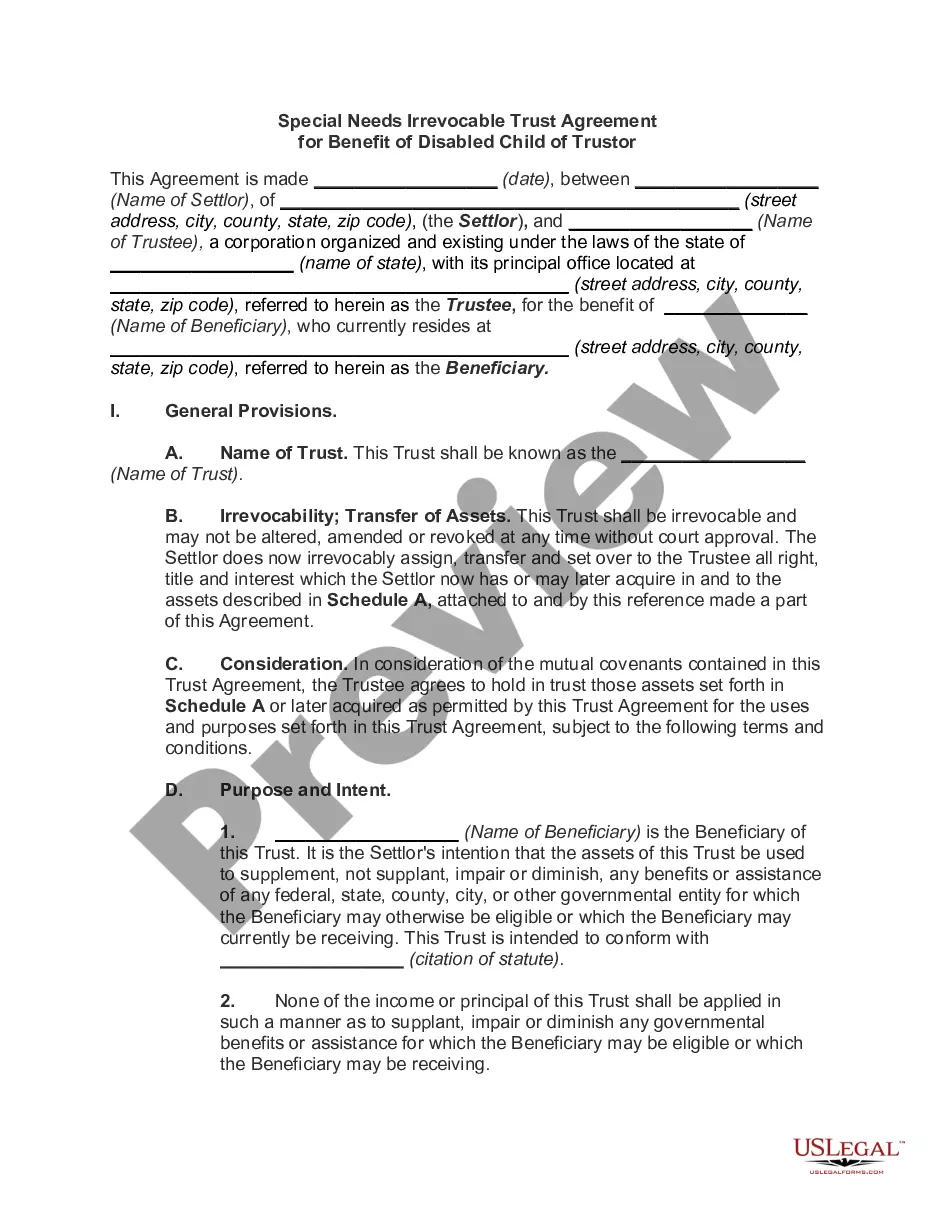
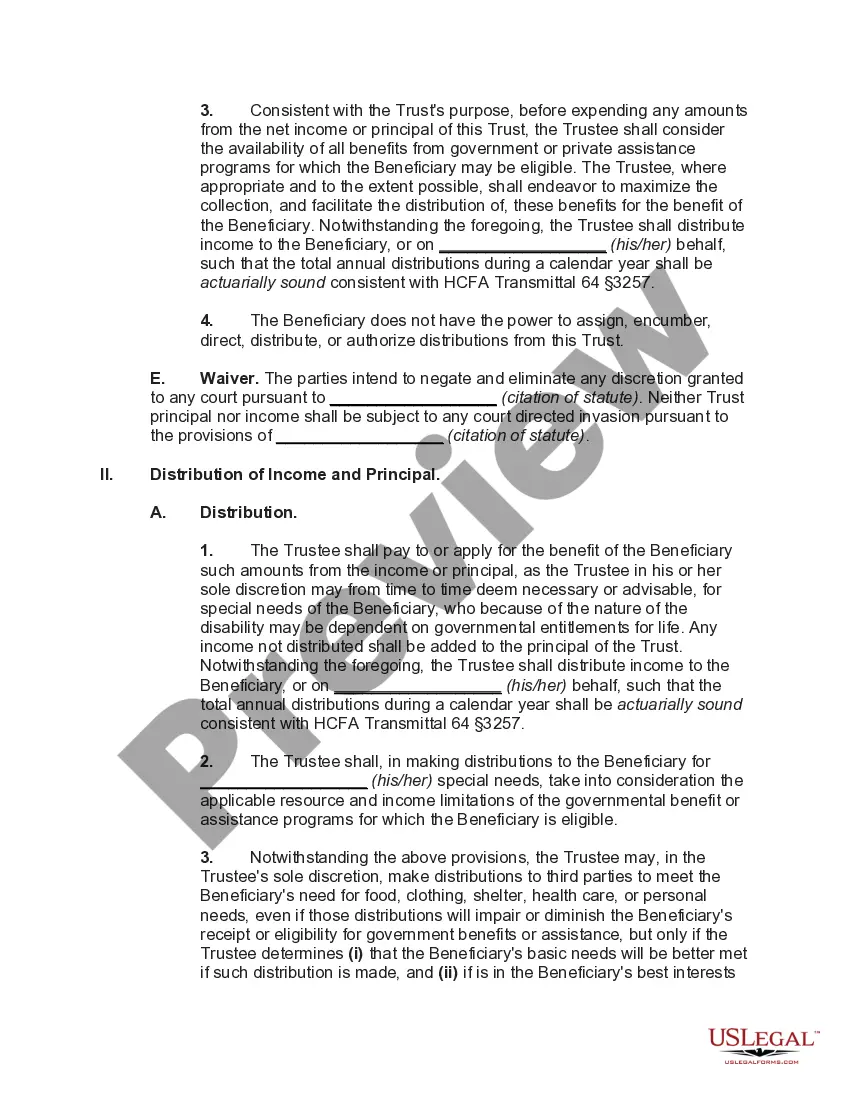
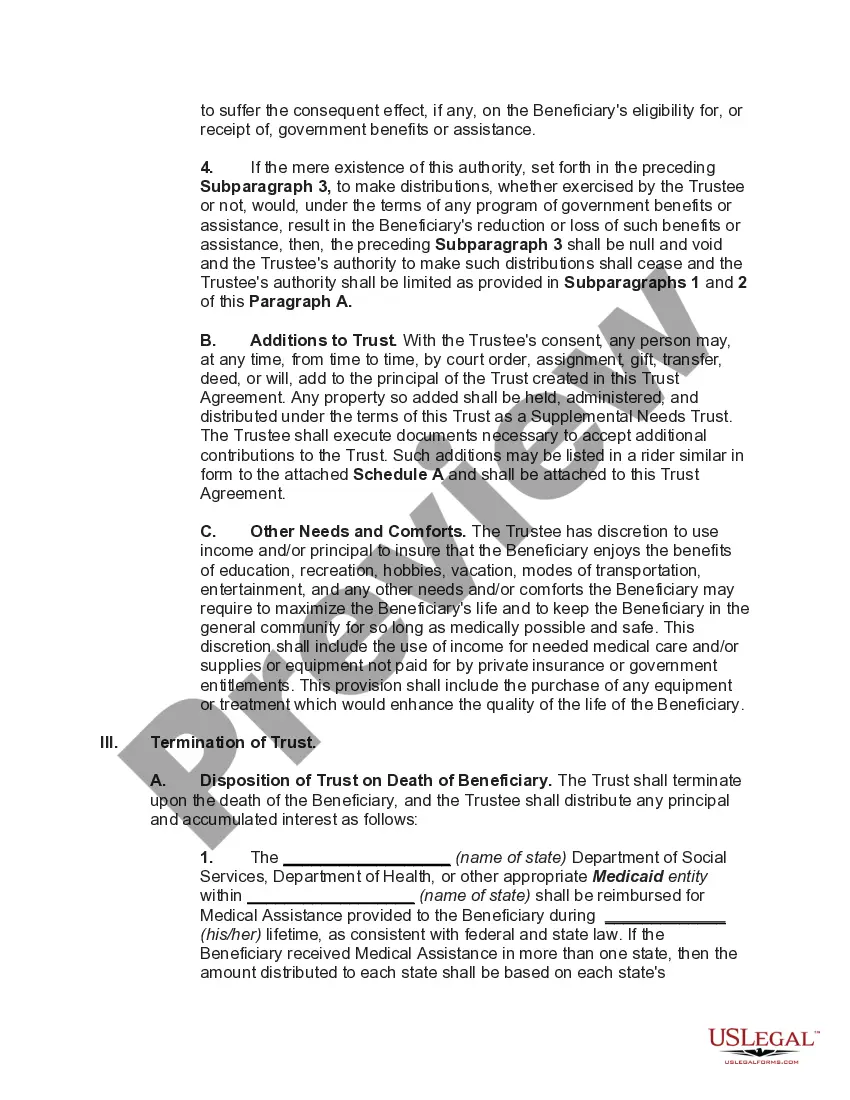
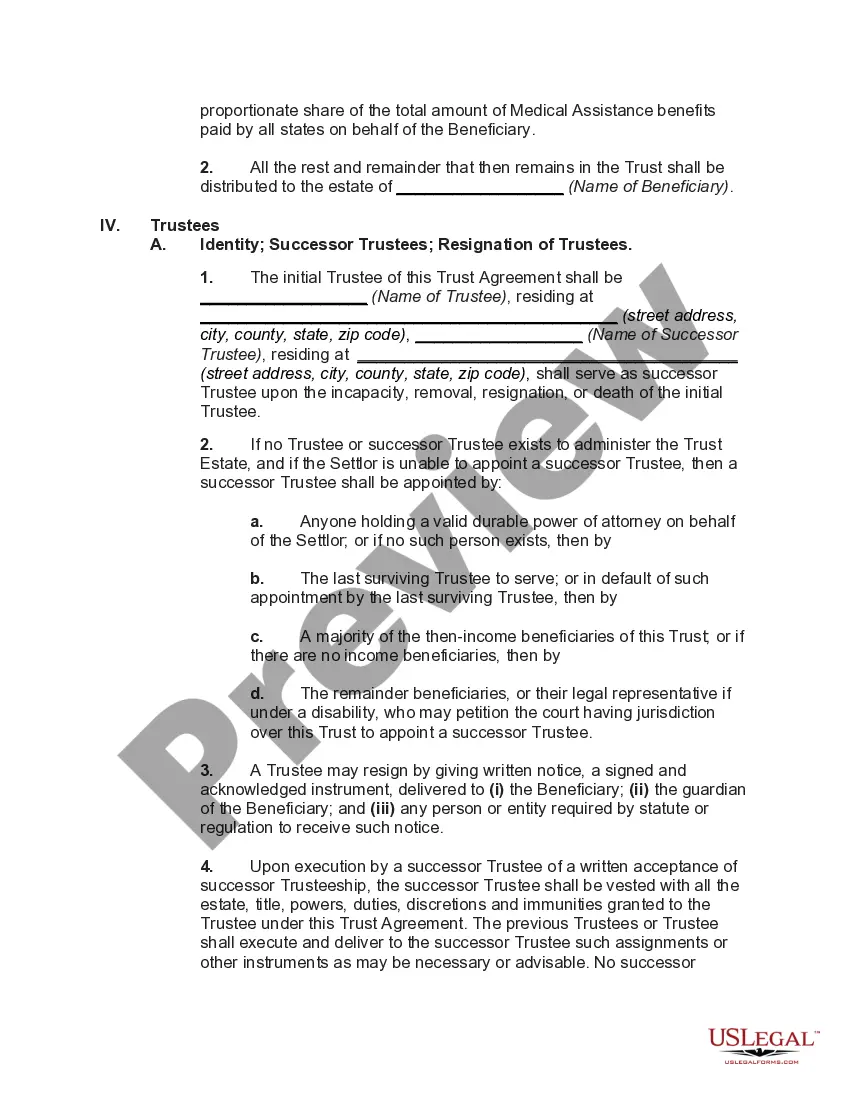



Get your form ready online
Our built-in tools help you complete, sign, share, and store your documents in one place.
Make edits, fill in missing information, and update formatting in US Legal Forms—just like you would in MS Word.
Download a copy, print it, send it by email, or mail it via USPS—whatever works best for your next step.
Sign and collect signatures with our SignNow integration. Send to multiple recipients, set reminders, and more. Go Premium to unlock E-Sign.
If this form requires notarization, complete it online through a secure video call—no need to meet a notary in person or wait for an appointment.
We protect your documents and personal data by following strict security and privacy standards.

Make edits, fill in missing information, and update formatting in US Legal Forms—just like you would in MS Word.

Download a copy, print it, send it by email, or mail it via USPS—whatever works best for your next step.

Sign and collect signatures with our SignNow integration. Send to multiple recipients, set reminders, and more. Go Premium to unlock E-Sign.

If this form requires notarization, complete it online through a secure video call—no need to meet a notary in person or wait for an appointment.

We protect your documents and personal data by following strict security and privacy standards.
Looking for another form?


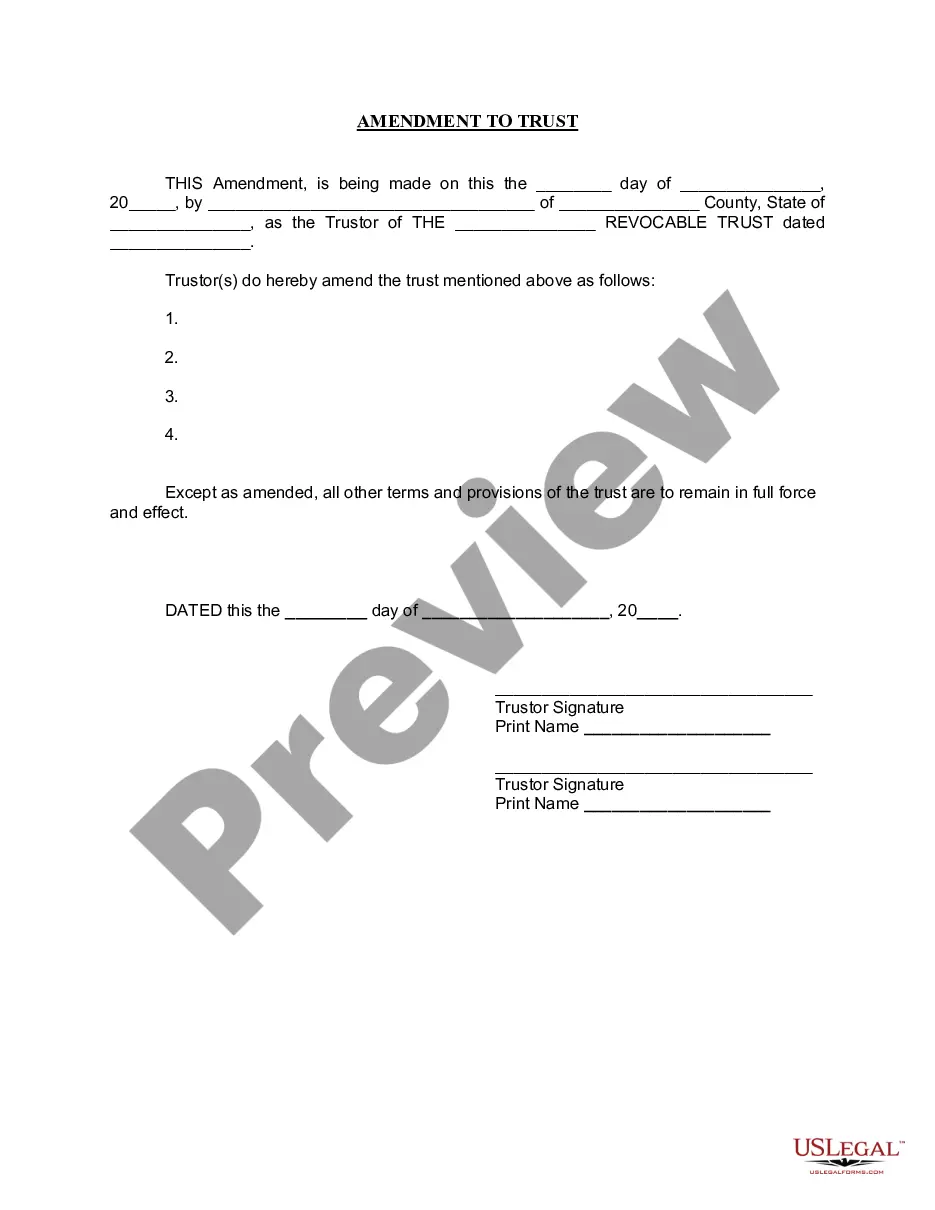


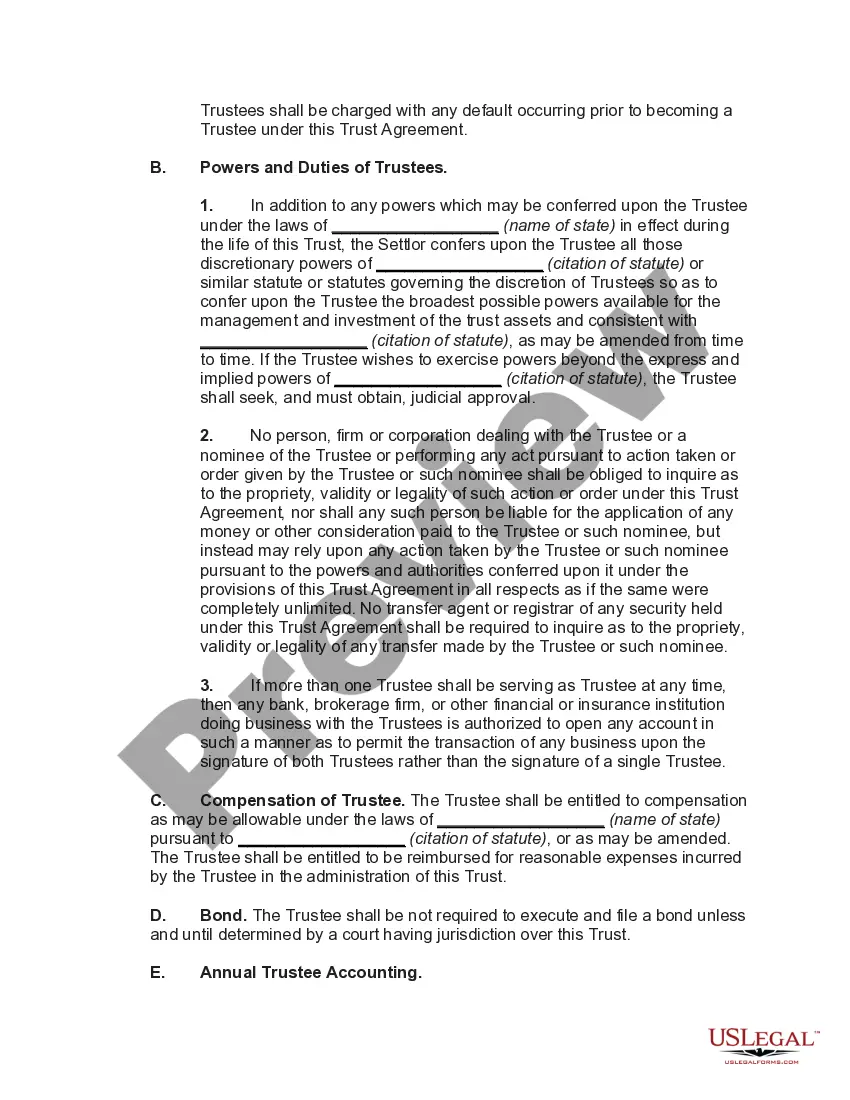
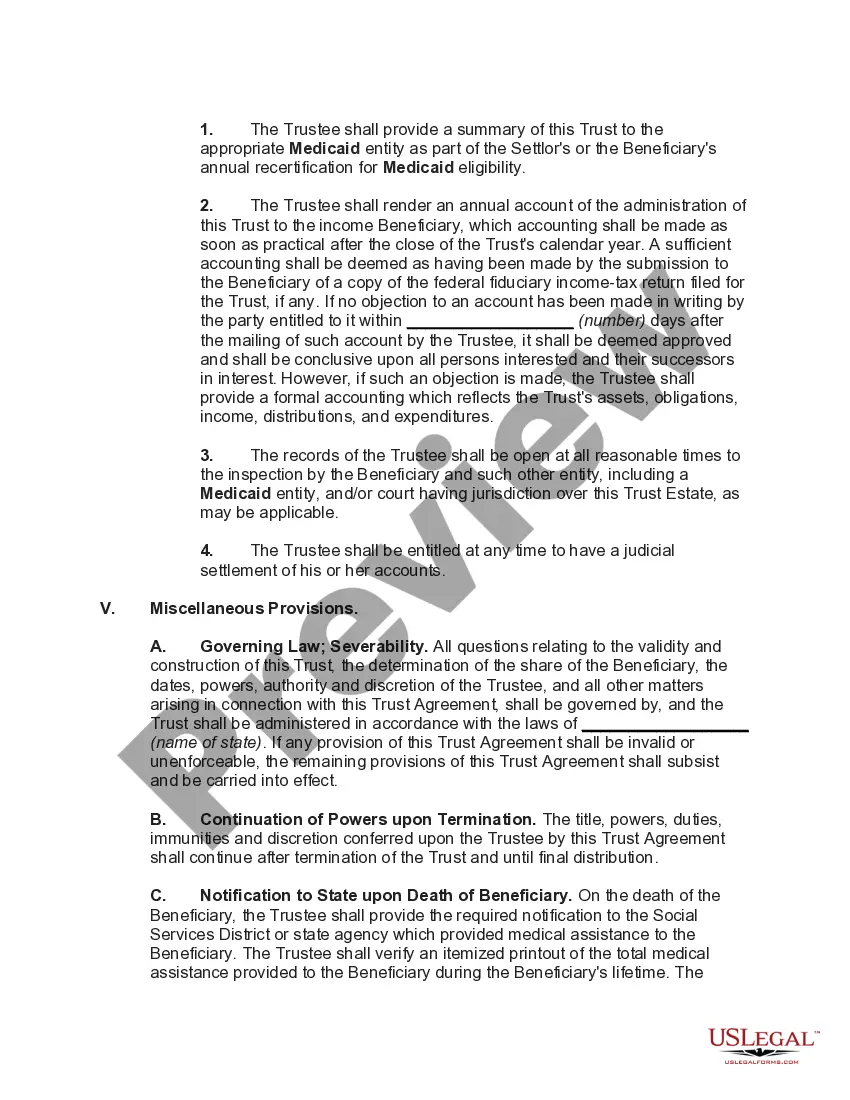
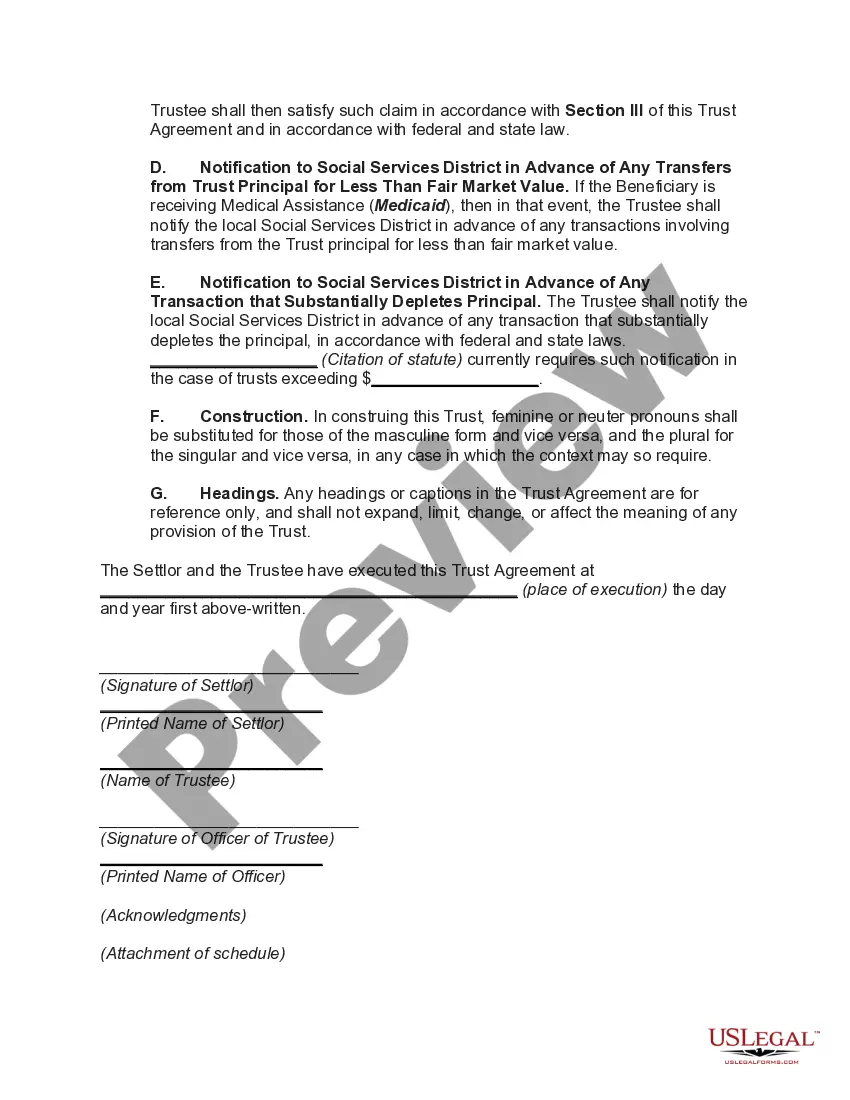
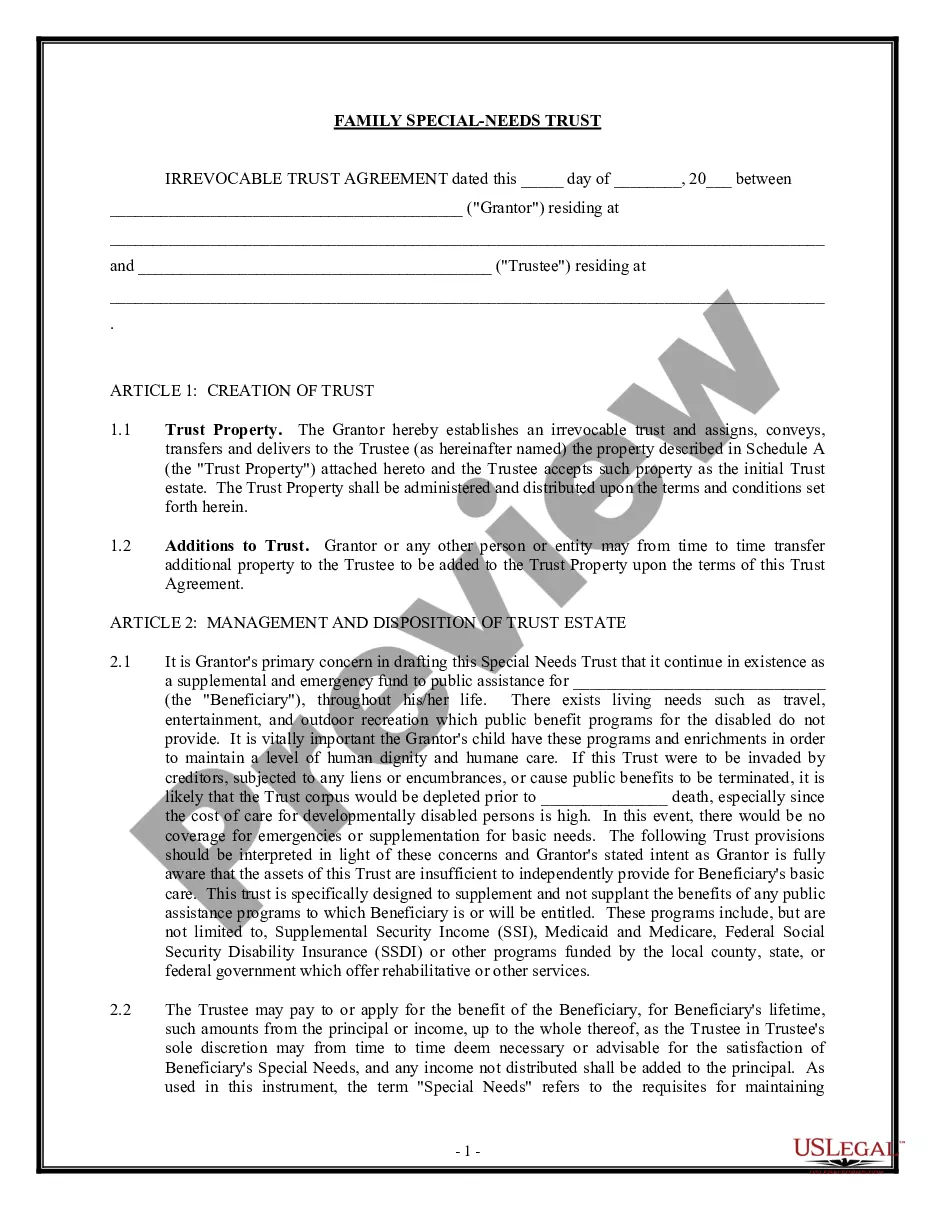
How to fill out Special Needs Irrevocable Trust Agreement For Benefit Of Disabled Child Of Trustor?
- If you're an existing user, log in to your account and check if your subscription is active. If it's expired, renew it according to your payment plan.
- For new users, begin by previewing the form and reviewing its description. Ensure it fits your requirements and complies with your local jurisdiction.
- If the initial selection doesn’t meet your needs, utilize the Search tab to find an alternative form that suits your objectives.
- Once satisfied with your selection, click the Buy Now button and choose a subscription plan that works best for you. You'll need to create an account for full access.
- Proceed with payment by entering your credit card information or using your PayPal account to complete the transaction.
- After the purchase, download the form to your device. You can also access it anytime from the My Forms section of your profile.
US Legal Forms offers unparalleled benefits, including a vast library of over 85,000 customizable legal documents, ensuring users have more options than competitors at similar pricing.
Start your journey towards streamlined legal documentation today. Explore the advantages of using US Legal Forms and empower yourself with the tools you need!
Form popularity
FAQ
You can create trusts irrevocable yourself by using various resources, including templates and legal forms, available online. However, this process can be complicated, and errors may have long-lasting effects. For a thorough understanding and to set up the trust correctly, consider using a platform like USLegalForms, which provides the necessary tools and guidance.
While you generally do not need to file irrevocable trusts with a court, you might want to keep electronic and physical copies in a safe place, such as a safe deposit box. If your trust includes real estate or other registered assets, those may need recording in the local county records office. Always consult a legal expert to ensure you adhere to local regulations.
The primary downside of trusts irrevocable is the loss of control over the assets you place in the trust. Once established, you typically cannot change or dissolve the trust, which may create long-term implications. Additionally, some individuals may face potential tax liabilities depending on the trust's structure and the income it generates.
An irrevocable trust does not generally need to be filed with the court, but certain states may have specific requirements. It's essential to check your local laws to ensure compliance. However, even if filing is not necessary, you should keep thorough records of the trust documentation and any assets included within it.
While you can initiate the process of setting up trusts irrevocable on your own, it's usually best to consult with a legal professional. They can guide you through the complex requirements and nuances involved. This ensures that your trust is properly structured according to your specific goals and adheres to applicable laws.
One of the biggest mistakes parents make with trusts irrevocable is not clearly defining their intentions and objectives. Without a well-thought-out plan, the trust may not effectively serve the needs of the beneficiaries. Parents often overlook key details, such as appointing the right trustee or failing to update the terms of the trust to reflect changes in family dynamics.
The IRS treats trusts irrevocable as separate legal entities for tax purposes. This means that once you transfer assets into such a trust, you cannot remove them, and it often results in different tax obligations. It's essential to understand that while the trust may provide tax benefits, the income generated by its assets is taxable to the trust itself, not the grantor.
The primary reason for establishing trusts irrevocable is to provide asset protection and estate planning benefits. Unlike revocable trusts, irrevocable trusts cannot be modified or terminated by the creator once established, which safeguards the assets from creditors and legal claims. Additionally, they can help with tax planning by removing assets from your taxable estate. For assistance, consider using the tools offered by the US Legal Forms platform to guide you through the process.
The limit on an irrevocable trust primarily depends on the specific terms set by the trust creator and applicable state laws. Generally, there is no strict dollar limit; however, there are certain tax implications to consider. Trusts irrevocable can help in reducing the estate tax burden, depending on the assets involved. To understand your options better, you might explore resources available on the US Legal Forms platform.
Upon the death of the grantor, an irrevocable trust typically continues to operate according to its terms. The assets in the trust will not be included in the grantor’s estate, which can help reduce estate taxes. The beneficiaries will receive their designated shares according to the trust agreement, ensuring your wishes are honored even after you are gone.