Trust Disabled Form Complete With The Following
Description
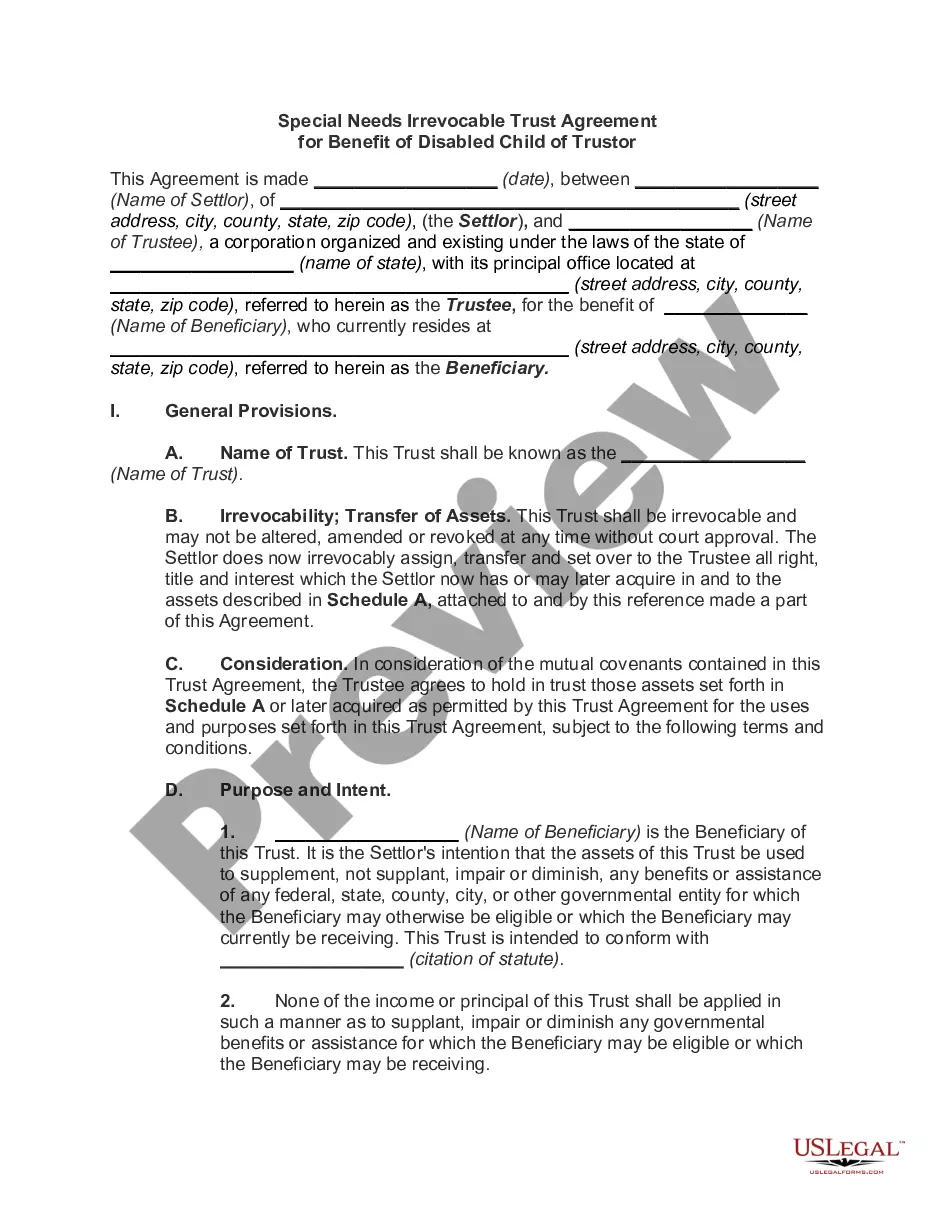
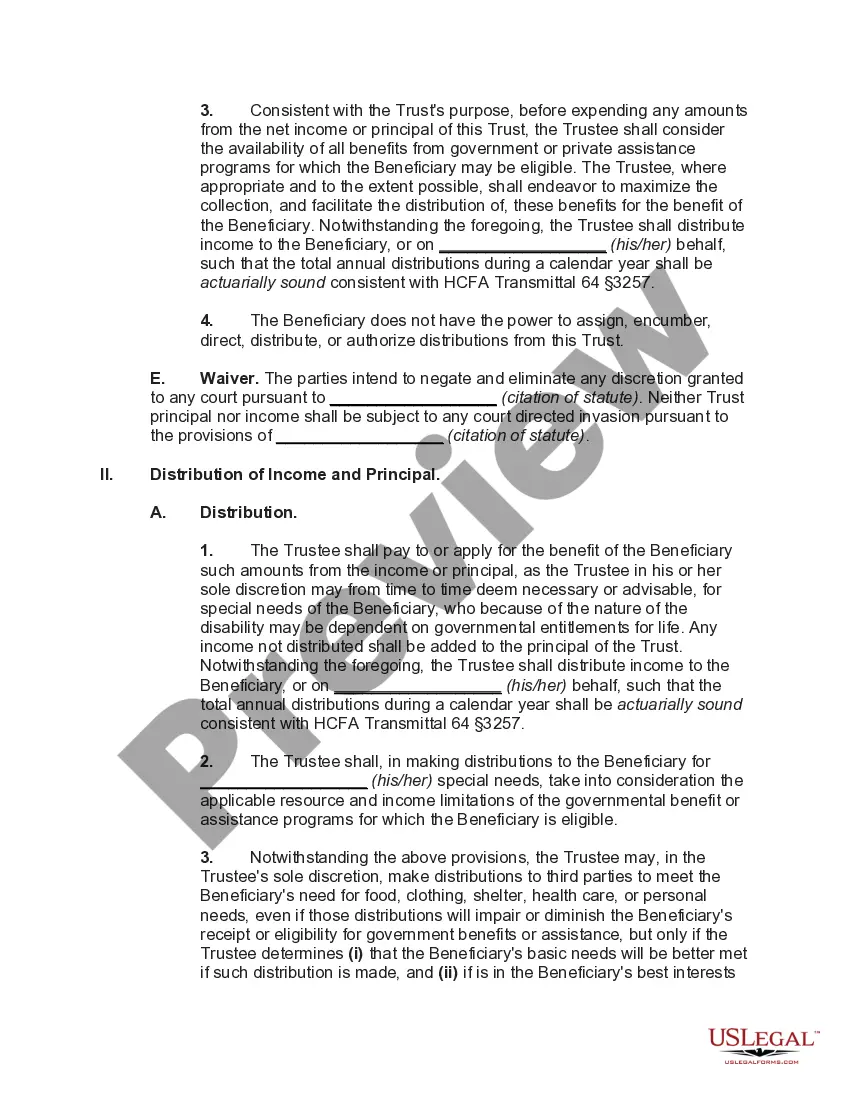
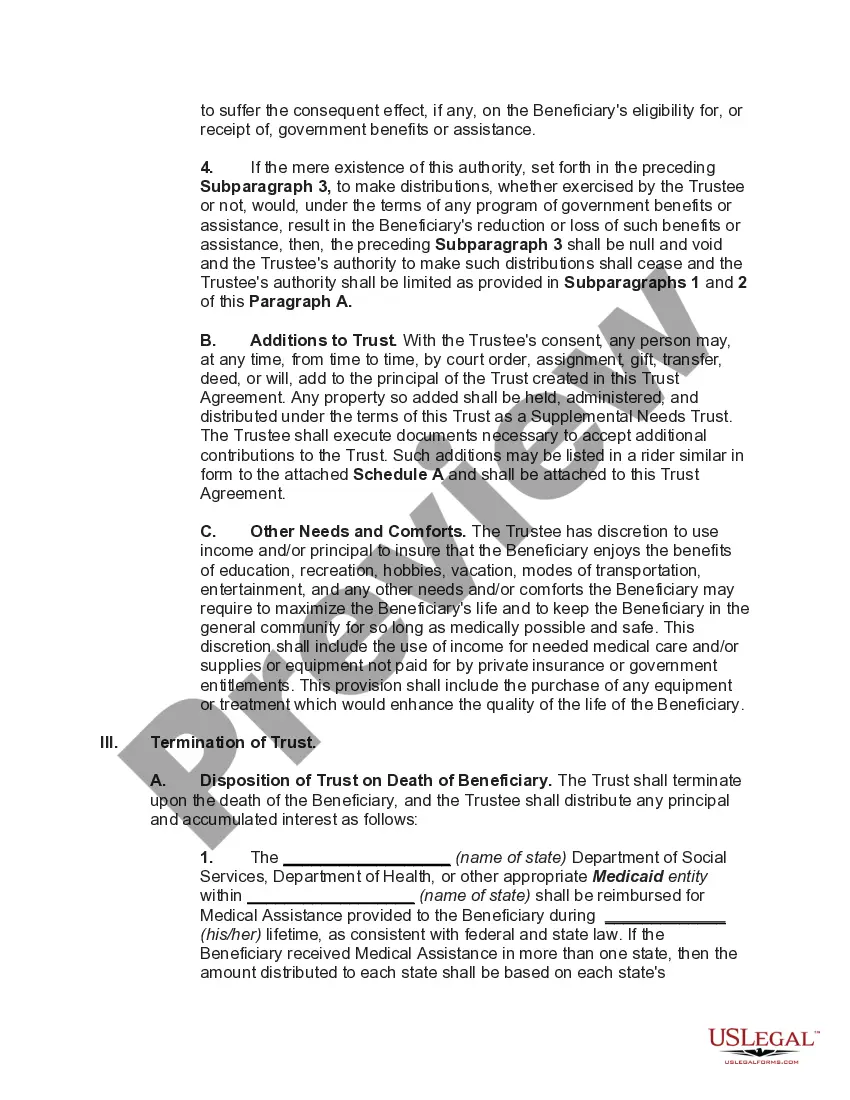
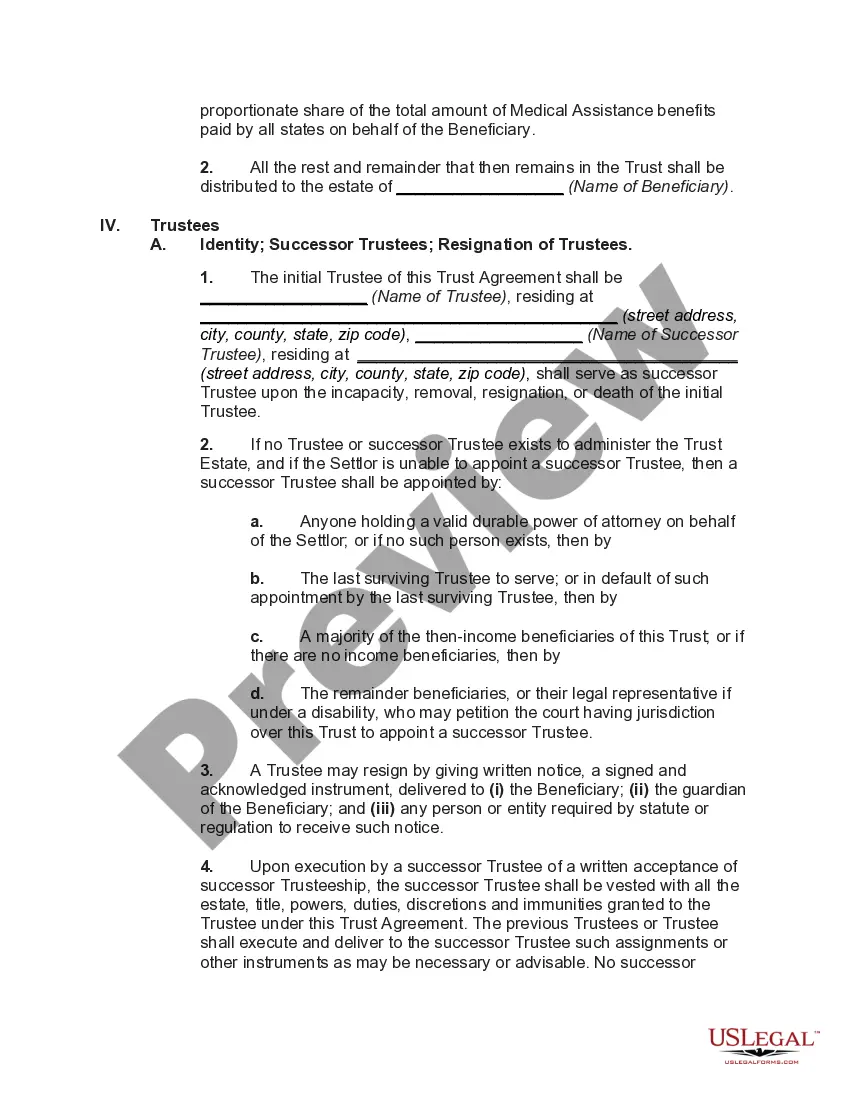
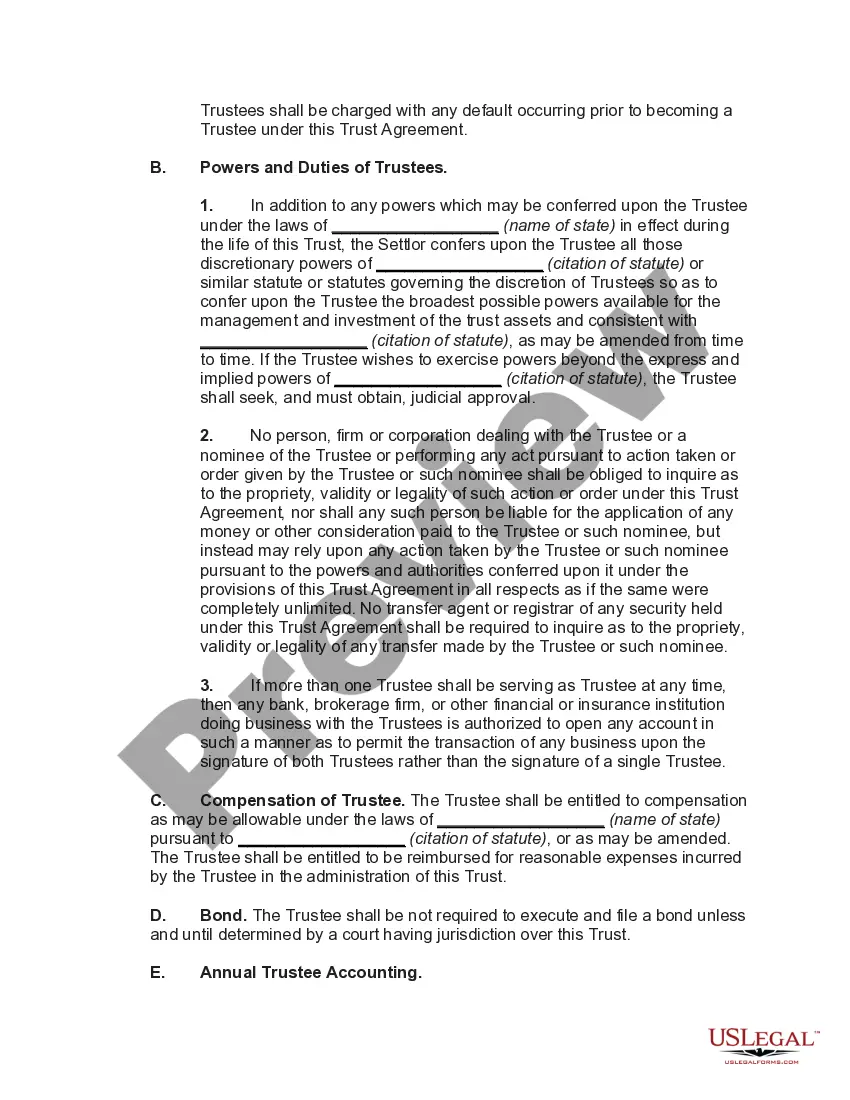
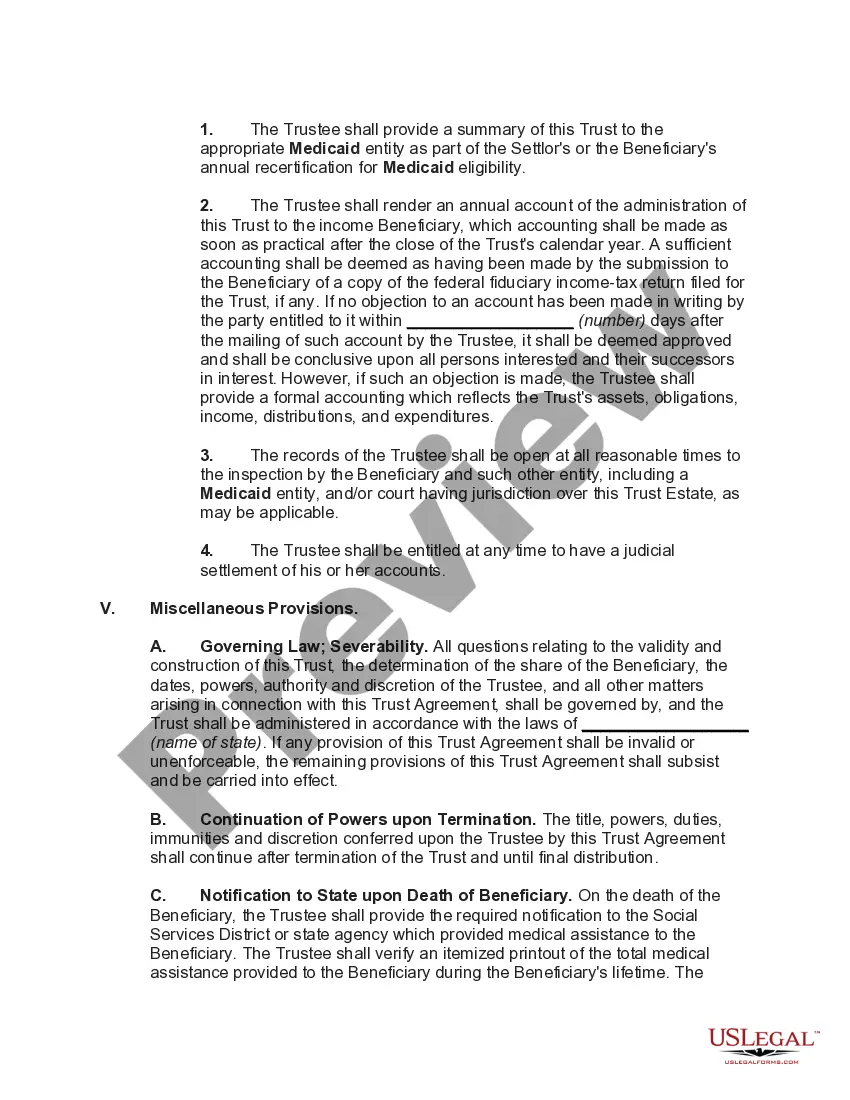
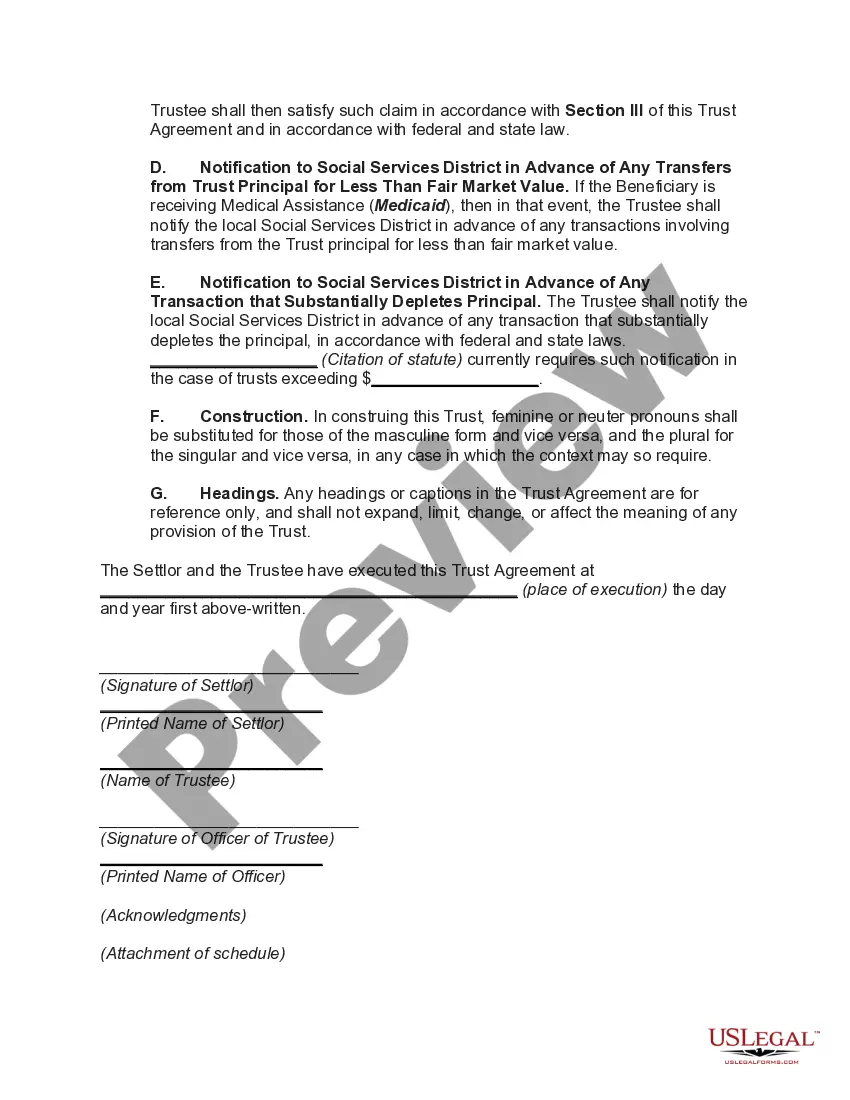
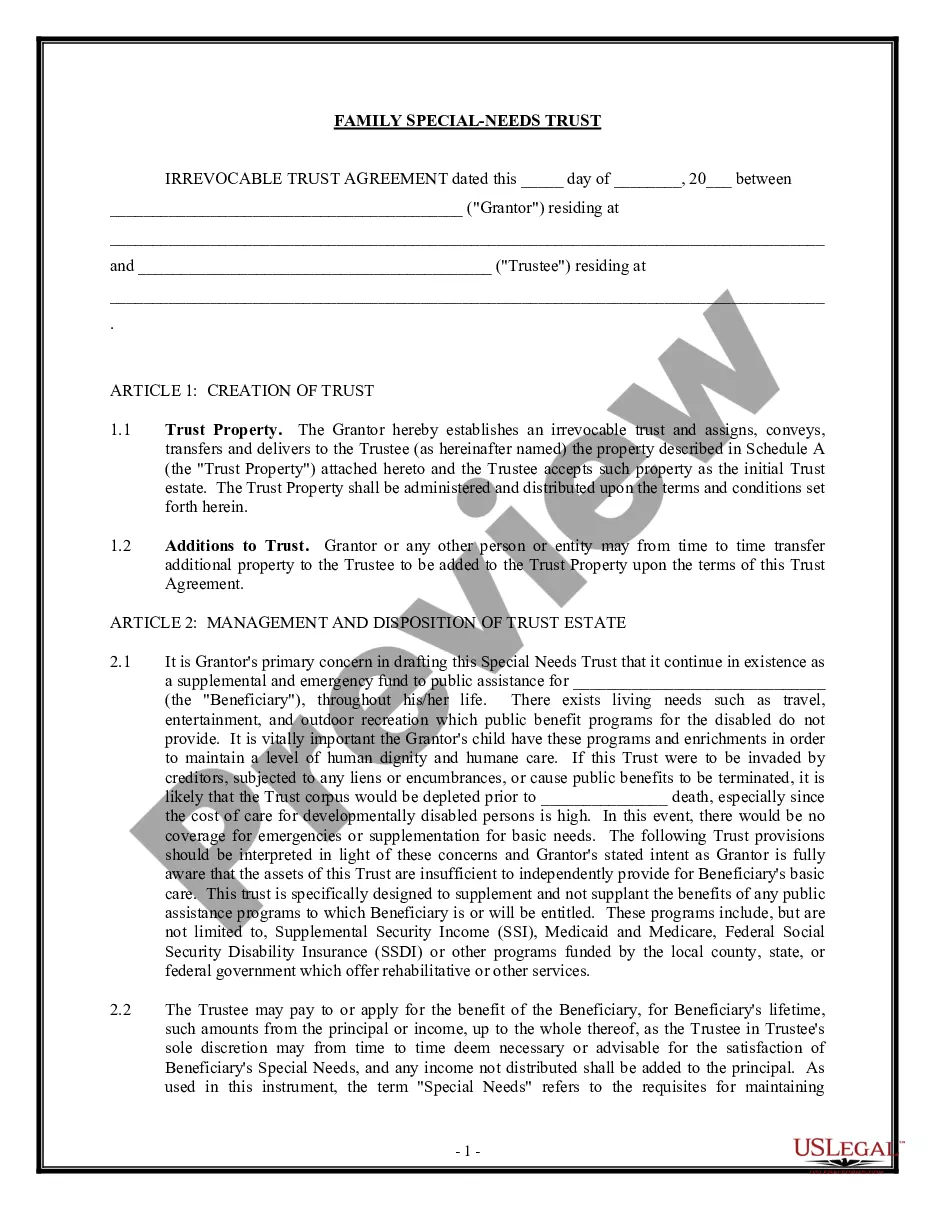



Get your form ready online
Our built-in tools help you complete, sign, share, and store your documents in one place.
Make edits, fill in missing information, and update formatting in US Legal Forms—just like you would in MS Word.
Download a copy, print it, send it by email, or mail it via USPS—whatever works best for your next step.
Sign and collect signatures with our SignNow integration. Send to multiple recipients, set reminders, and more. Go Premium to unlock E-Sign.
If this form requires notarization, complete it online through a secure video call—no need to meet a notary in person or wait for an appointment.
We protect your documents and personal data by following strict security and privacy standards.

Make edits, fill in missing information, and update formatting in US Legal Forms—just like you would in MS Word.

Download a copy, print it, send it by email, or mail it via USPS—whatever works best for your next step.

Sign and collect signatures with our SignNow integration. Send to multiple recipients, set reminders, and more. Go Premium to unlock E-Sign.

If this form requires notarization, complete it online through a secure video call—no need to meet a notary in person or wait for an appointment.

We protect your documents and personal data by following strict security and privacy standards.
Looking for another form?







How to fill out Special Needs Irrevocable Trust Agreement For Benefit Of Disabled Child Of Trustor?
- If you're an existing user, log in to your account and ensure your subscription is valid. Download the desired form template by clicking the Download button.
- For new users, start by checking the Preview mode and form description. Make sure the form aligns with your local jurisdiction's requirements.
- If the template doesn’t fit your needs, utilize the Search tab above to find an appropriate alternative.
- Once you find the right document, click on the Buy Now button and select a subscription plan that suits you. You'll need to register for an account for access.
- Proceed to checkout by providing your payment information through credit card or PayPal, ensuring a smooth transaction.
- Finally, download your form and save it to your device. You can access it anytime through the My Forms section of your account.
Utilizing US Legal Forms equips you with a robust collection of over 85,000 fillable forms and packages, unparalleled in the market. The access to premium experts further assures that your completed documents are both accurate and legally sound.
Start your journey towards hassle-free legal documentation today! Visit US Legal Forms to explore and unlock the potential of simplified legal form completion.
Form popularity
FAQ
Closing a trust with the IRS involves filing the final tax return for the trust and reporting any distributions made to beneficiaries. You may need to provide documentation to substantiate the closing of the trust and ensure that all tax liabilities are settled. Using the trust disabled form available at USLegalForms can help streamline the process, ensuring compliance with IRS regulations.
To qualify for a qualified disability trust, the trust must specifically name a disabled individual as its beneficiary. Furthermore, the trust must comply with various IRS regulations, focusing on the beneficiary's financial needs. For ease and accuracy, consider using a reliable service like USLegalForms to fill out your trust disabled form.
A qualified trust must meet IRS requirements which include having specific beneficiary designations and adhering to distribution rules. Often, the trust should provide income solely for the benefit of the disabled person while ensuring it doesn't jeopardize their eligibility for public assistance. Using USLegalForms can assist you in accurately filling the trust disabled form, ensuring all criteria are met.
To qualify as a disability trust, it must have specific criteria, including that the beneficiary is permanently disabled and has limited income. The trust must also meet IRS regulations to ensure it does not affect eligibility for government benefits. Properly completing a trust disabled form can help you comply with these requirements and protect the disabled person’s financial interests.
There is no specific minimum amount required to establish a special needs trust, making it accessible for many families. However, it is advisable to consider how the trust will serve its purpose and support the disabled person’s lifestyle and care needs effectively. Always consider legal advice to ensure your trust disabled form is correctly structured to maximize benefits.
Setting up a trust fund for a disabled person often involves several steps. First, you need to decide on the type of trust that best suits the individual's needs, such as a special needs trust or a supplemental needs trust. Utilizing platforms like USLegalForms can simplify this process, allowing you to complete the necessary trust disabled form seamlessly.
A special disability trust allows a person with a disability to receive certain financial benefits without losing government assistance. As of the latest guidelines, the maximum amount you can have in these trusts is generally set at $664,000. It is essential to consult with a legal professional for specifics that can apply in your situation when using the trust disabled form.
A disability trust must have clearly defined beneficiaries, an appointed trustee, and documented proof of the disability. These elements are essential to ensuring the trust operates correctly and fulfills its intended purpose. Using the Trust disabled form complete provides a comprehensive framework for setting up a disability trust efficiently.
There are several types of trusts available for disabled individuals, including special needs trusts, supplemental needs trusts, and discretionary trusts. Each type serves different purposes and can help manage resources without affecting eligibility for government benefits. The Trust disabled form complete will outline these options for clarity.
Qualified trusts must follow particular regulations, such as specific beneficiaries, defined terms for distributions, and adherence to tax code requirements. These rules ensure the trust serves its intended purpose and maintains its status. Utilizing platforms like US Legal Forms can streamline the process of setting up a qualified trust.