Trust Disabled Form Complete For User
Description

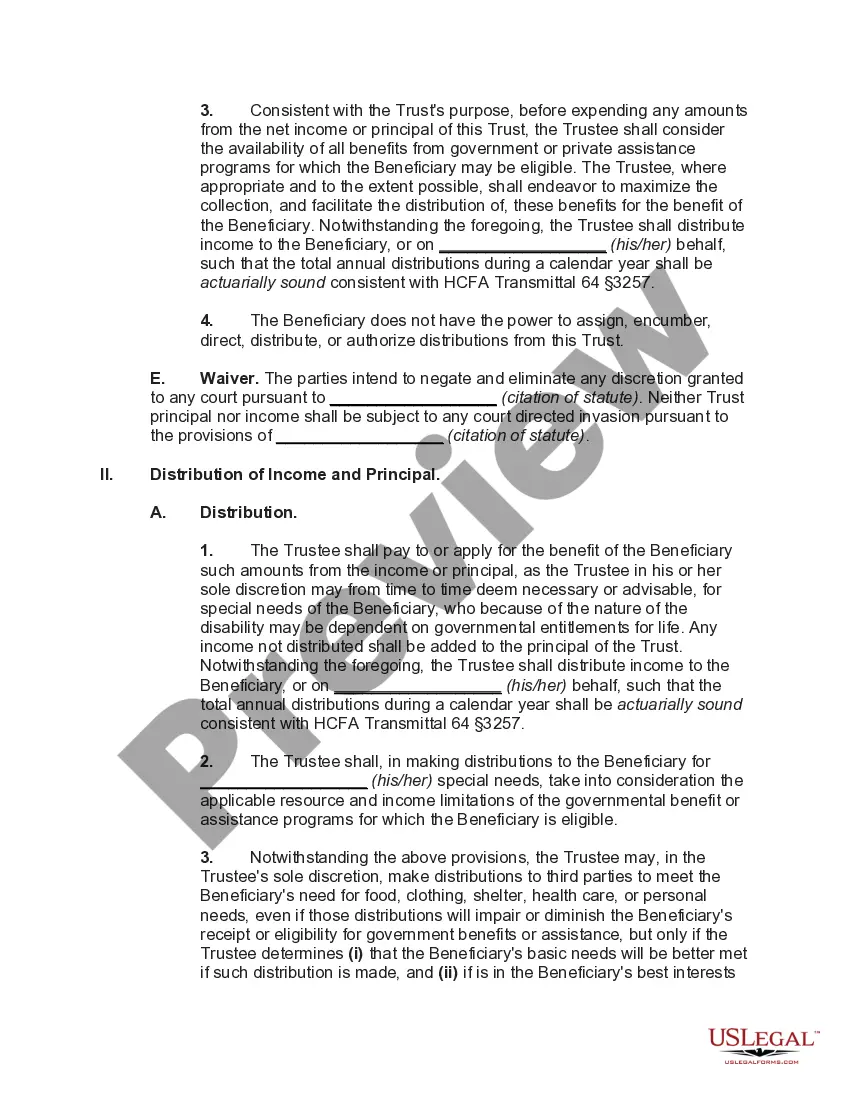
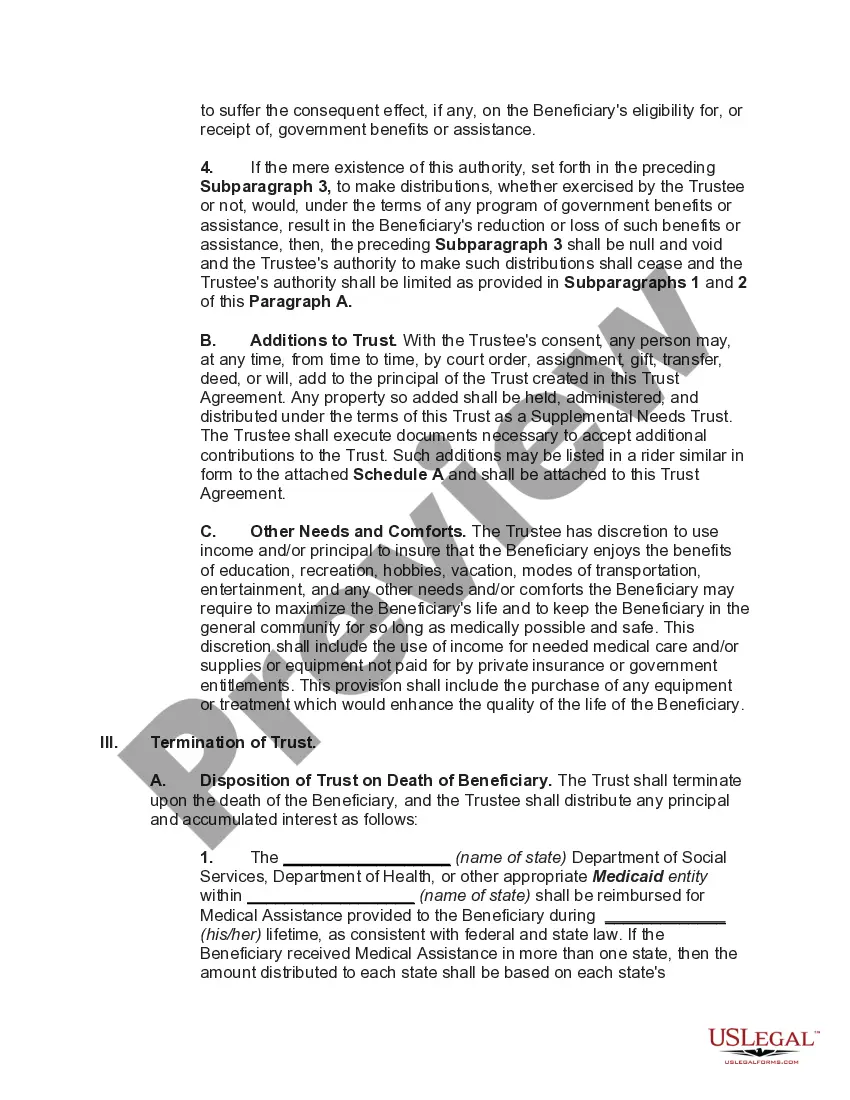
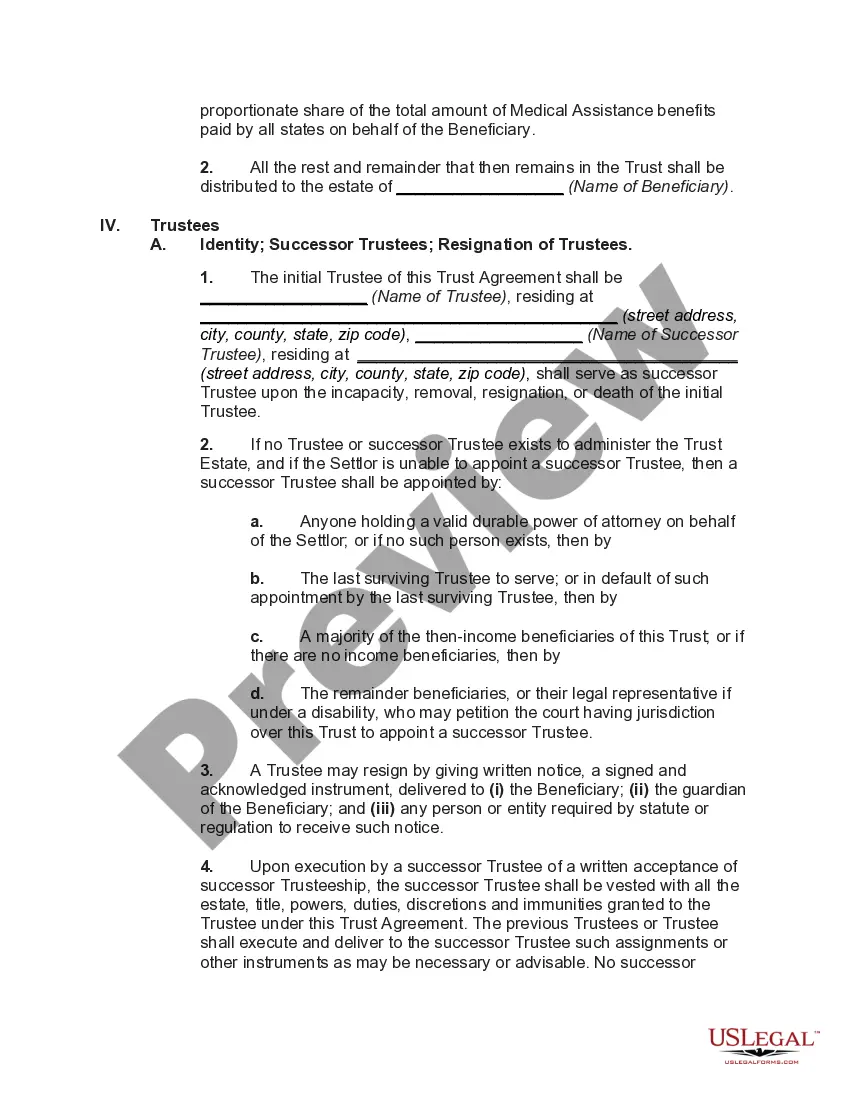
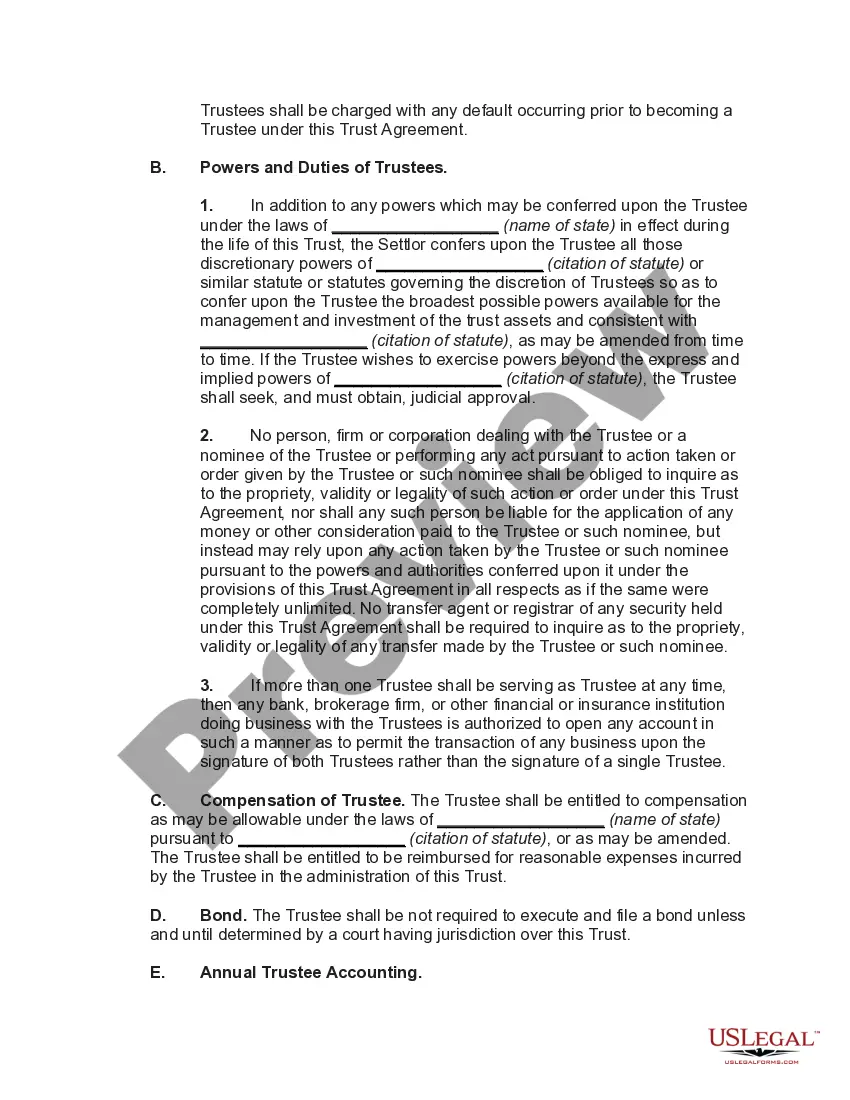
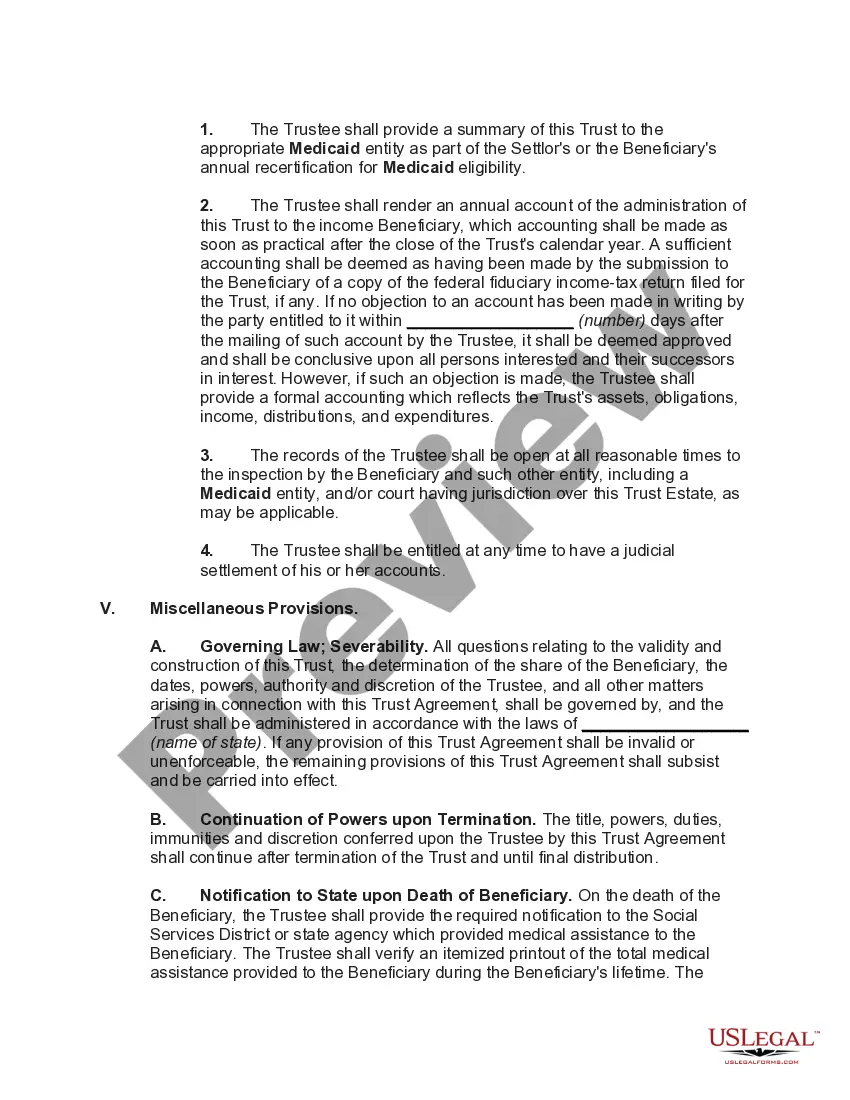
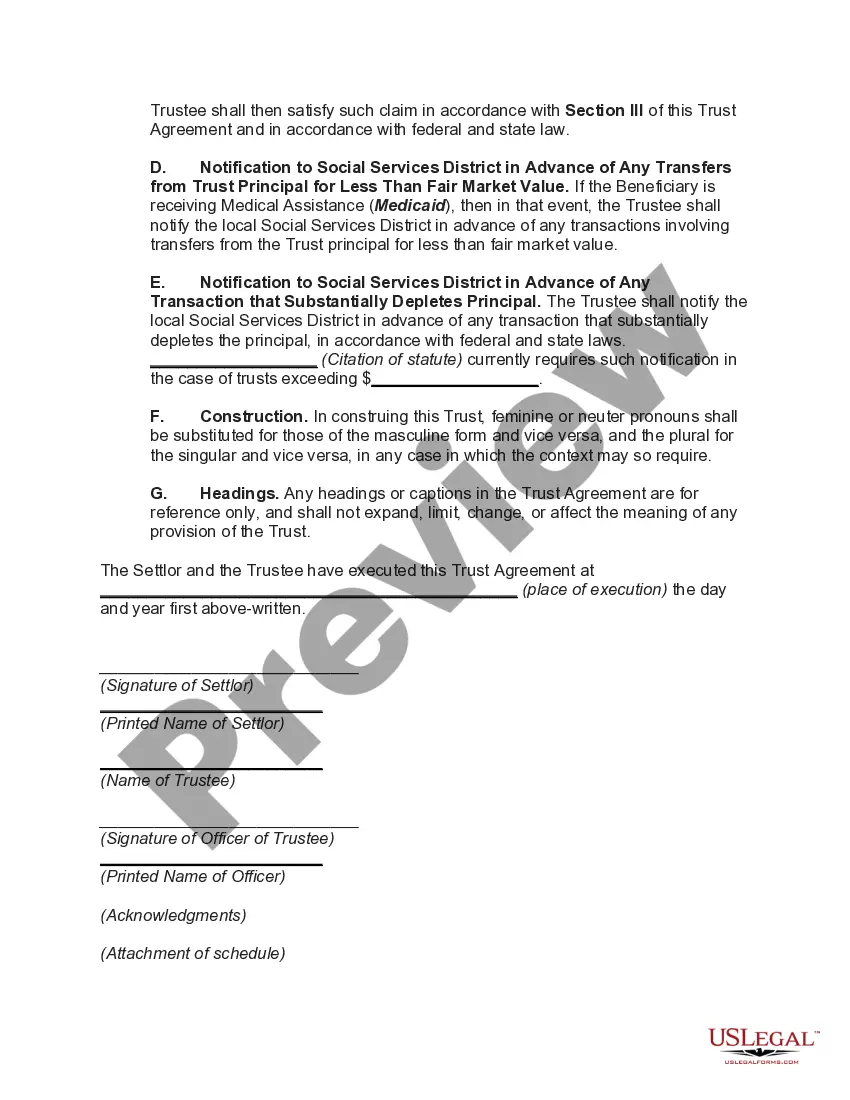
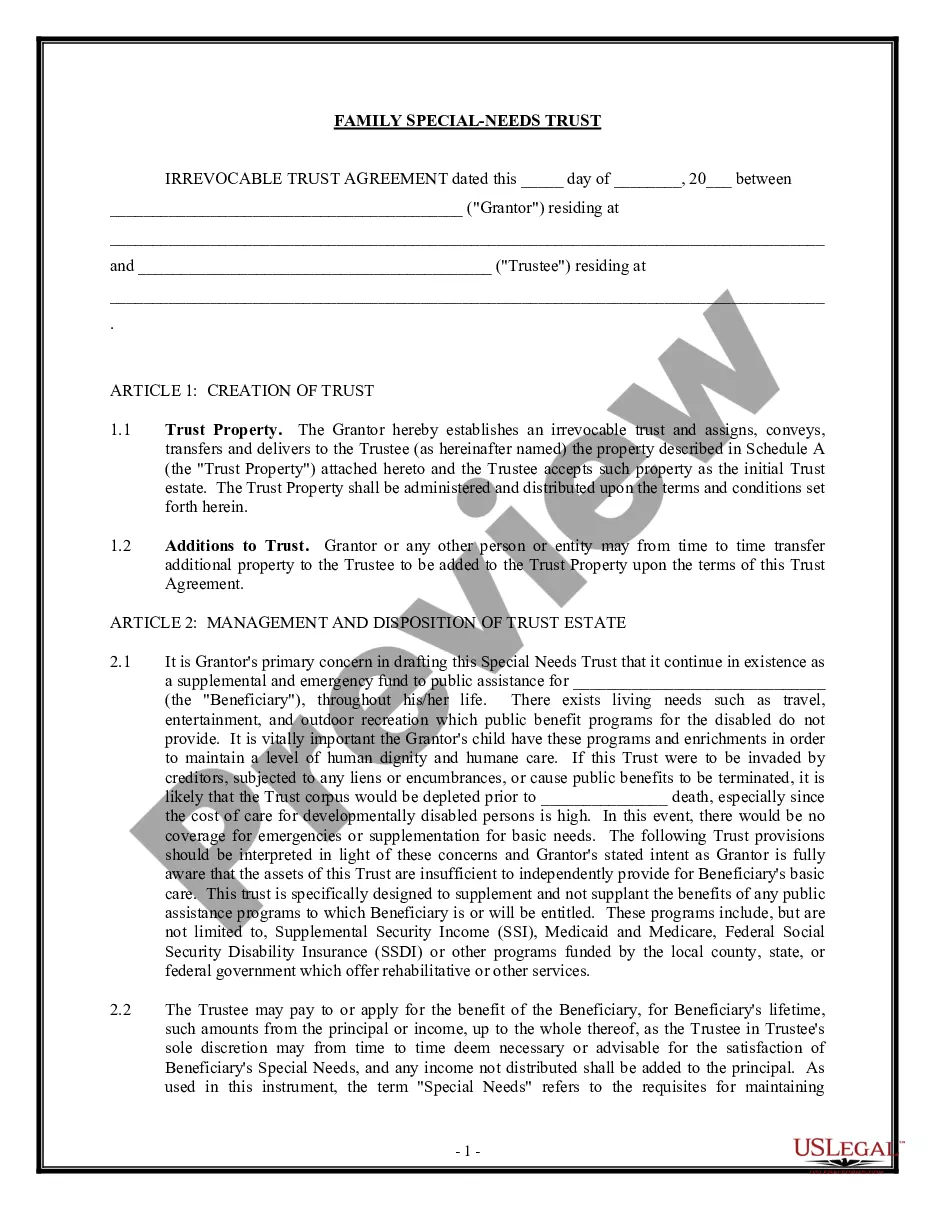



Get your form ready online
Our built-in tools help you complete, sign, share, and store your documents in one place.
Make edits, fill in missing information, and update formatting in US Legal Forms—just like you would in MS Word.
Download a copy, print it, send it by email, or mail it via USPS—whatever works best for your next step.
Sign and collect signatures with our SignNow integration. Send to multiple recipients, set reminders, and more. Go Premium to unlock E-Sign.
If this form requires notarization, complete it online through a secure video call—no need to meet a notary in person or wait for an appointment.
We protect your documents and personal data by following strict security and privacy standards.

Make edits, fill in missing information, and update formatting in US Legal Forms—just like you would in MS Word.

Download a copy, print it, send it by email, or mail it via USPS—whatever works best for your next step.

Sign and collect signatures with our SignNow integration. Send to multiple recipients, set reminders, and more. Go Premium to unlock E-Sign.

If this form requires notarization, complete it online through a secure video call—no need to meet a notary in person or wait for an appointment.

We protect your documents and personal data by following strict security and privacy standards.
Looking for another form?
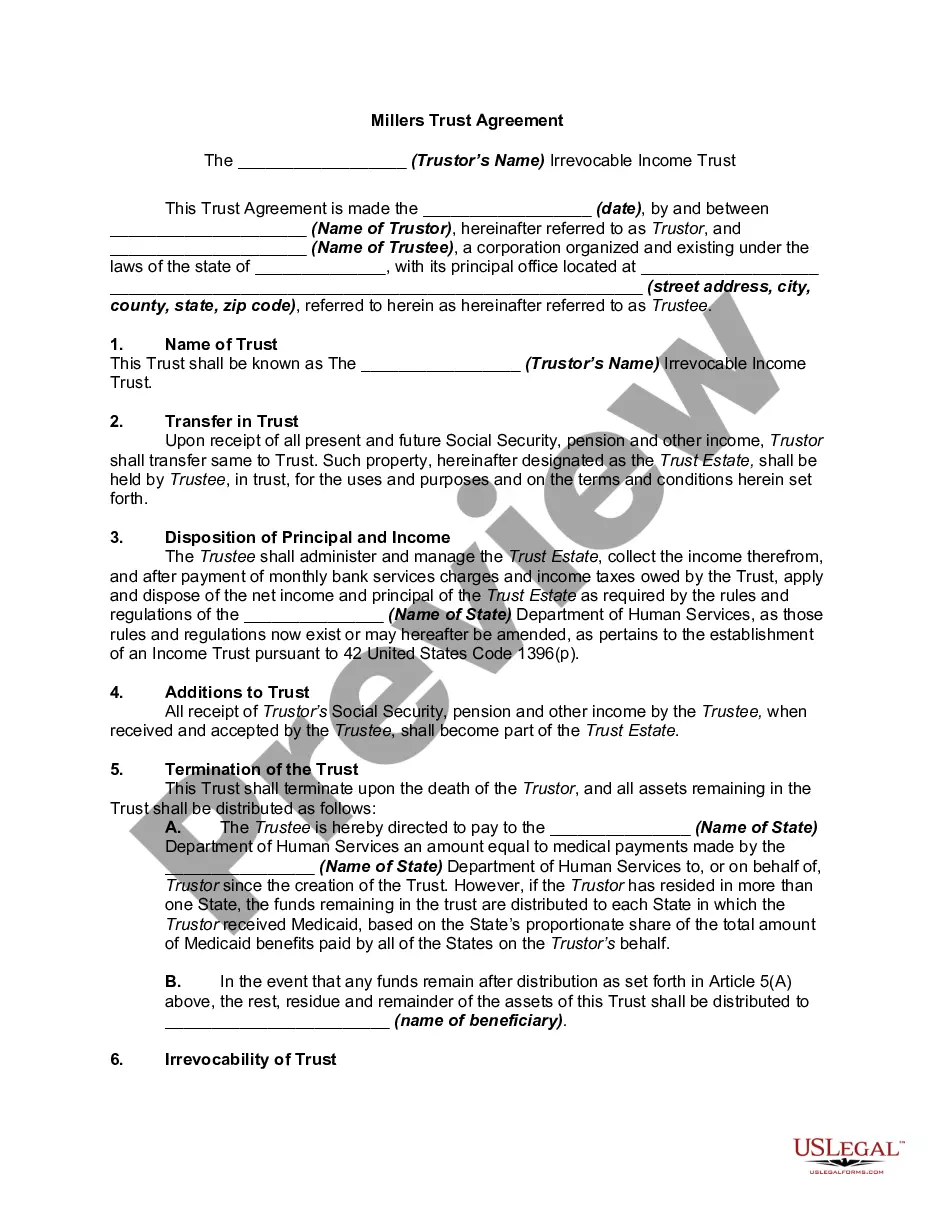
How to fill out Special Needs Irrevocable Trust Agreement For Benefit Of Disabled Child Of Trustor?
- If you are a returning user, log in to your account to easily download your form template. Ensure your subscription is active; if not, renew it following your plan.
- For first-time users, start by checking the Preview mode and form description. Make sure the chosen form aligns with your requirements and local jurisdiction.
- If discrepancies arise, utilize the Search tab to find the correct template. Once confirmed, proceed to the next step.
- Select your desired form and click the Buy Now button. Choose a subscription plan that suits your needs and create an account for full access.
- Complete your purchase by entering your credit card information or using your PayPal account.
- Download your legal document and save it to your device. Access your forms anytime from the My Forms section of your profile.
US Legal Forms not only provides a robust collection of over 85,000 legal forms but also connects users with premium experts for guaranteed accuracy in form completion.
Once you follow these steps, you can trust that your legal documents are correct and ready for use. Start utilizing US Legal Forms today and ensure your legal procedures run smoothly!
Form popularity
FAQ
A qualified disability trust must meet specific criteria set by the IRS, including having at least one beneficiary who is disabled and under the age of 65. Furthermore, the income of the trust may be subject to taxation, yet it often benefits the beneficiary by preserving their eligibility for government assistance. Completing the trust disabled form complete for user ensures adherence to these regulations with ease.
One disadvantage of a special needs trust is the complexity involved in managing the funds, which may require professional oversight. Additionally, any funds in this trust can only be used for specific purposes, which might limit accessibility. It's important to understand these limitations when choosing to use a trust disabled form complete for user.
The best trust for a disabled person often is a special needs trust, which allows the individual to maintain eligibility for government benefits while providing for additional needs. This trust is designed to enhance the quality of life without jeopardizing essential support. Using a trust disabled form complete for user simplifies the setup process through user-friendly platforms like US Legal Forms.
Notifying the IRS of a trust termination involves filing the final trust return and indicating the termination status. You should also communicate this through form 56, ensuring that the IRS is aware of the changes. Utilizing the Trust disabled form complete for user can guide you through this process efficiently, keeping everything organized.
To submit form 2848 to the IRS, you can mail the completed form to the appropriate address indicated in the form instructions. You can also submit it electronically through specific IRS systems, facilitating a quicker processing time. Using the Trust disabled form complete for user can help in accurately filling out and submitting this form.
A personal representative is usually required to file form 56 to notify the IRS of their role concerning the trust. This form serves as a formal notification of the responsibility, which helps in handling various tax matters effectively. Completing the Trust disabled form complete for user can facilitate this communication and ensure compliance.
Yes, you are typically required to file a final trust return when a trust is terminated. This return provides details about the trust's income up until the date of termination and distributions to beneficiaries. Using the Trust disabled form complete for user can simplify this process, ensuring that all necessary details are accurately reported.
Terminating a trust can lead to tax implications, such as recognizing any gains or losses on trust assets at the time of termination. Additionally, beneficiaries may have to report distributions as income. Managing these tax consequences effectively can be made easier with the Trust disabled form complete for user, guiding you through the necessary steps.
Disability trusts are subject to tax, but the specific tax implications can vary depending on various factors, such as the nature of the trust and its income. In many cases, income generated by a disability trust is taxable to the beneficiaries. To navigate these complexities, consider using the Trust disabled form complete for user, which can help in managing responsibilities.
Filing form 1041 is generally required for trusts that have any income, but if your trust has no income for the tax year, you typically do not need to file. However, it’s wise to consult tax guidelines or seek professional advice regarding your specific situation. Completing the necessary forms, like the Trust disabled form, ensures you remain compliant.