Trust Disabled Form Complete For This Page
Description

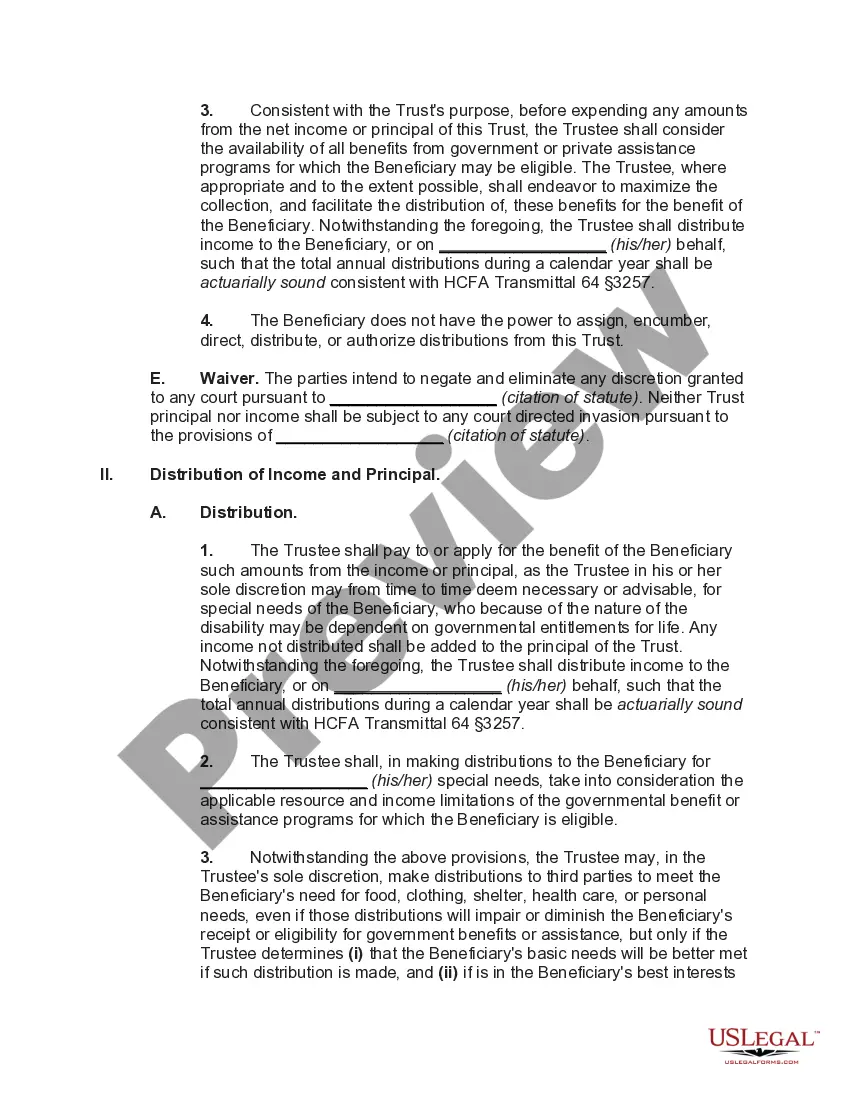
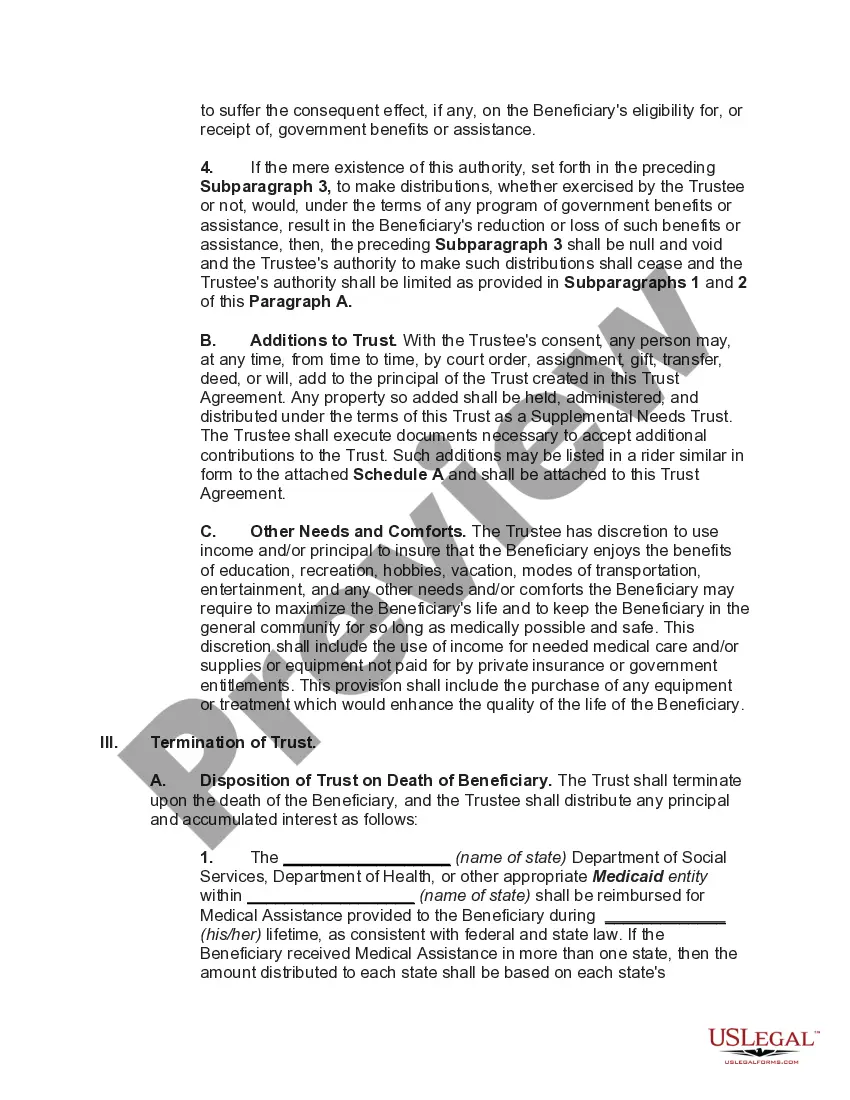
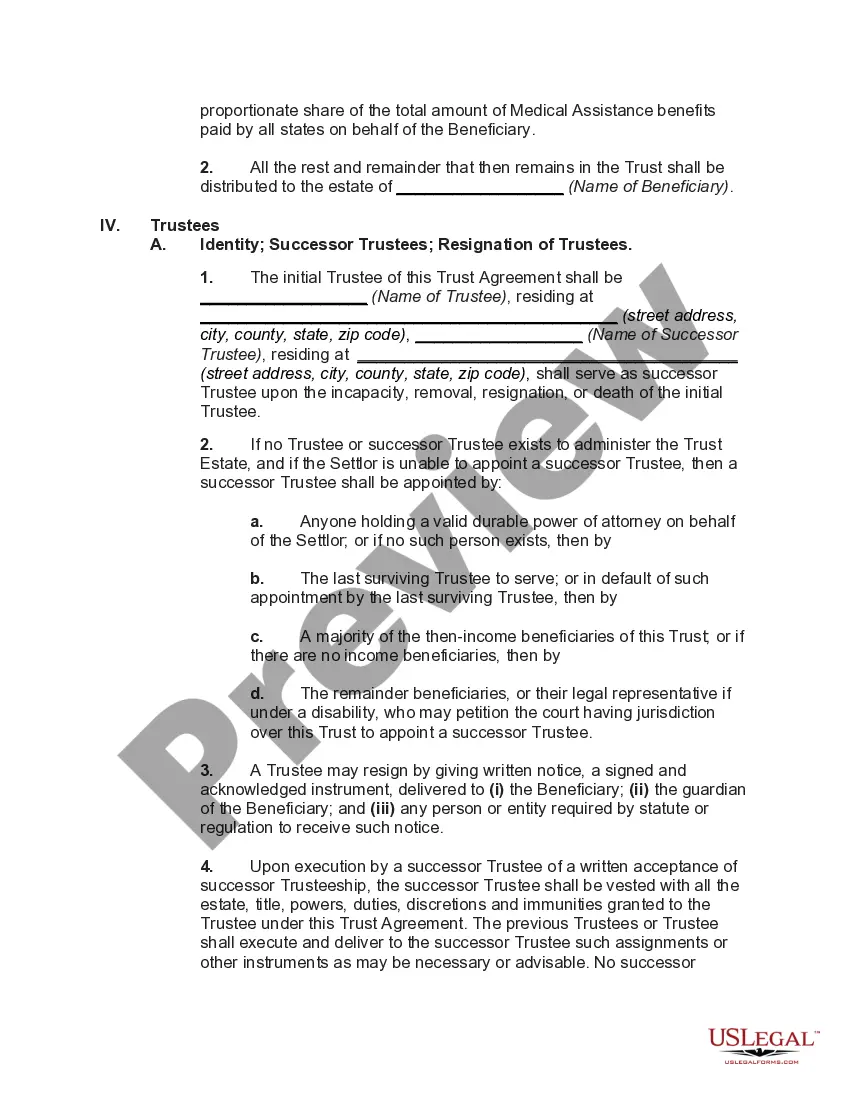
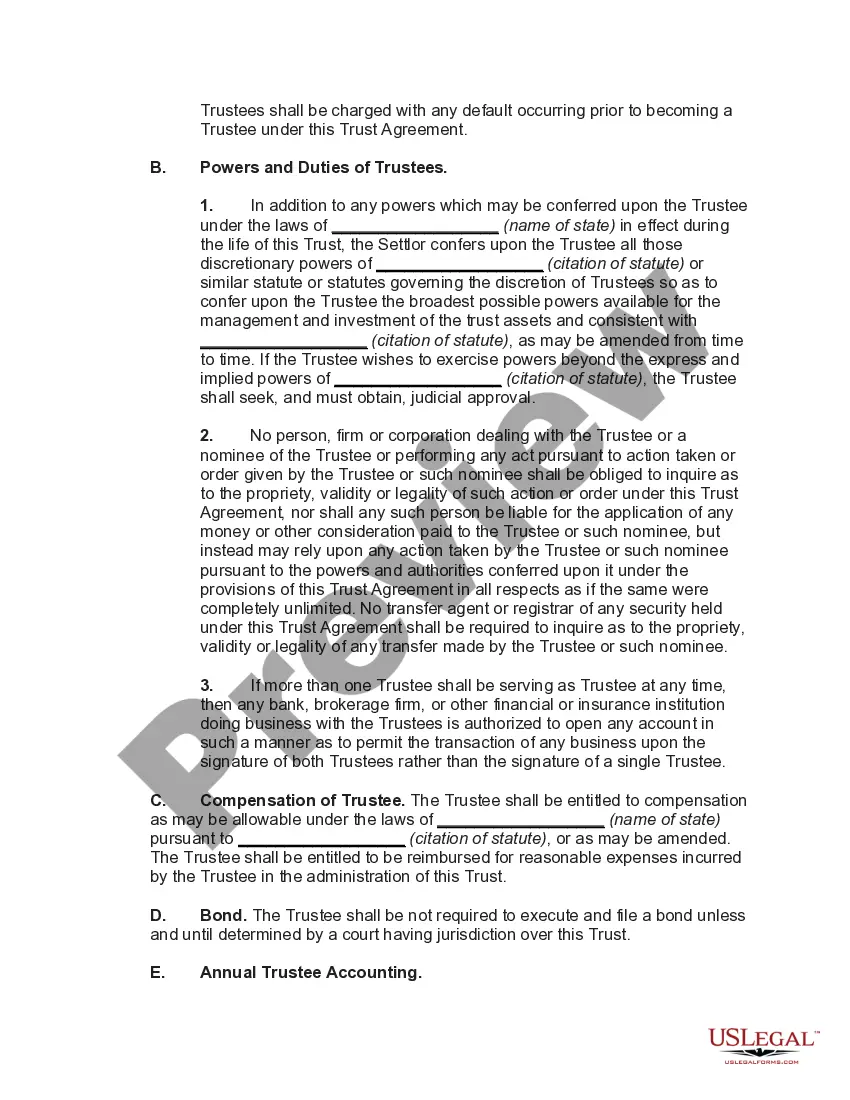
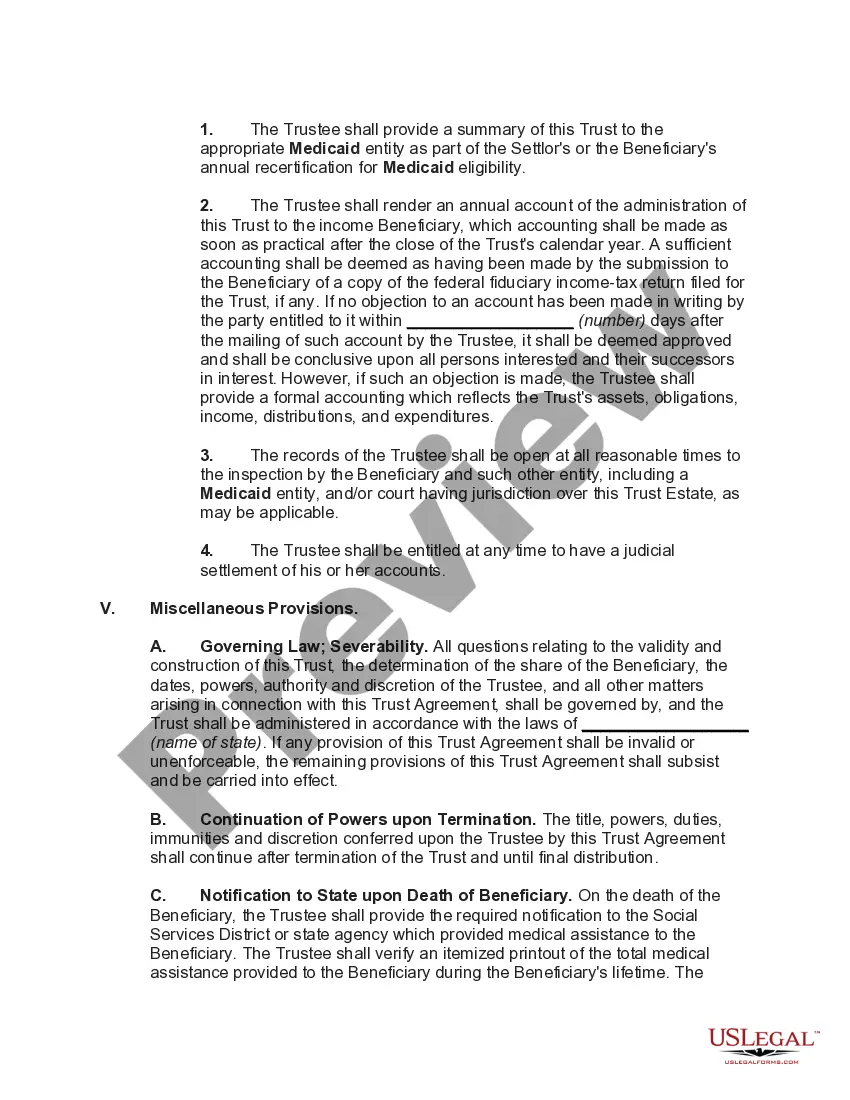
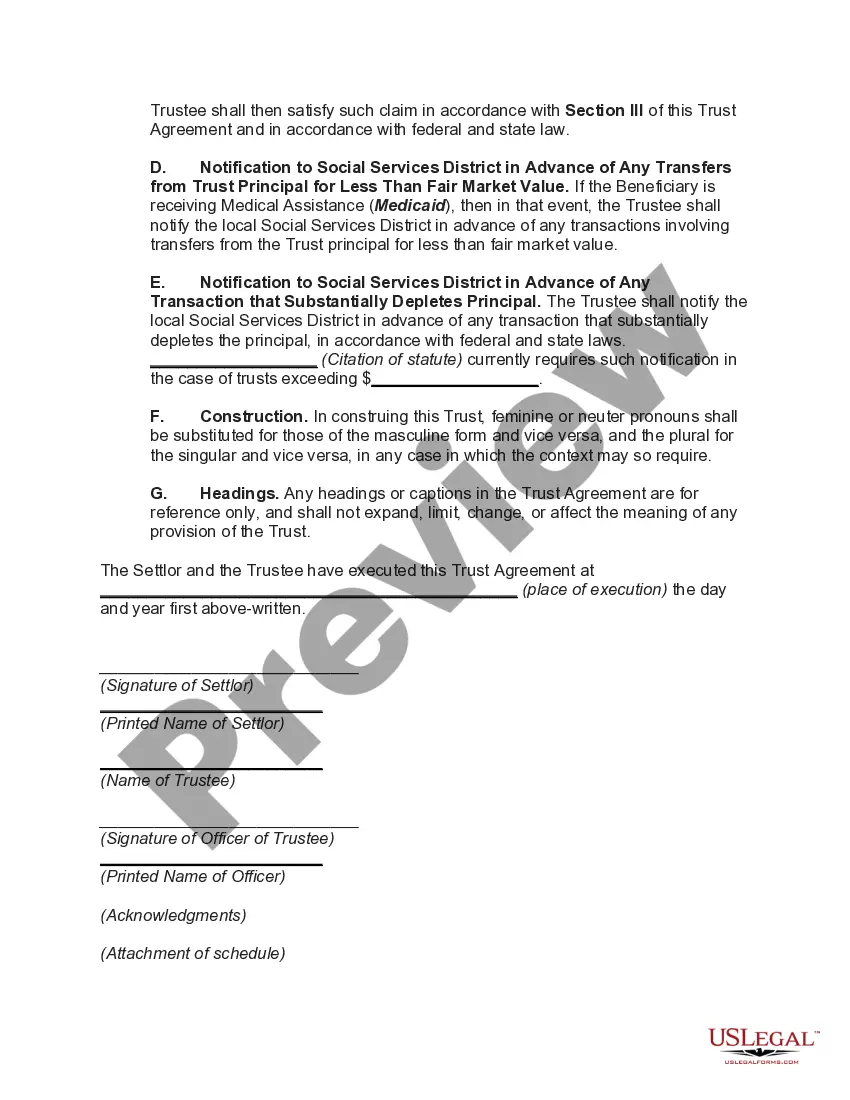
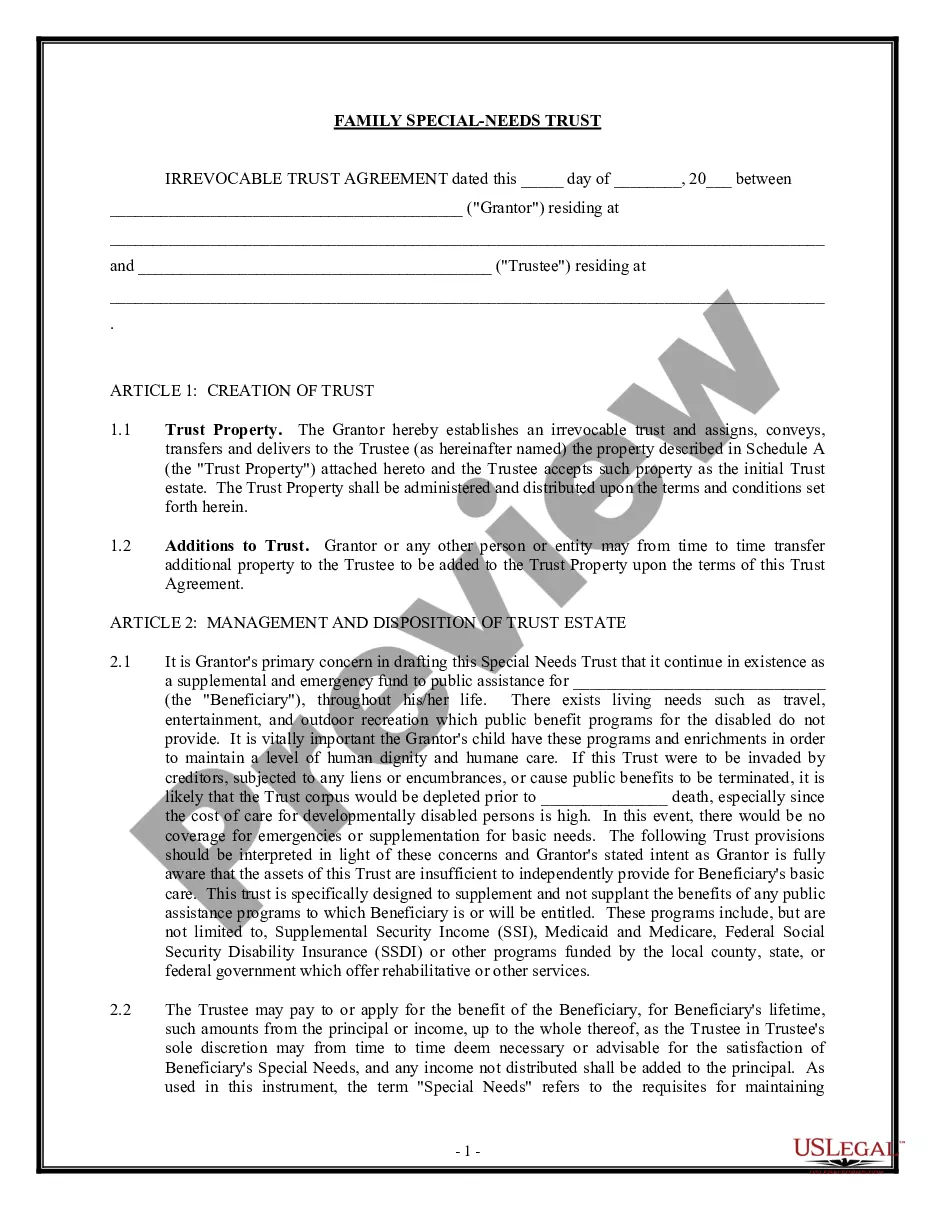



Get your form ready online
Our built-in tools help you complete, sign, share, and store your documents in one place.
Make edits, fill in missing information, and update formatting in US Legal Forms—just like you would in MS Word.
Download a copy, print it, send it by email, or mail it via USPS—whatever works best for your next step.
Sign and collect signatures with our SignNow integration. Send to multiple recipients, set reminders, and more. Go Premium to unlock E-Sign.
If this form requires notarization, complete it online through a secure video call—no need to meet a notary in person or wait for an appointment.
We protect your documents and personal data by following strict security and privacy standards.

Make edits, fill in missing information, and update formatting in US Legal Forms—just like you would in MS Word.

Download a copy, print it, send it by email, or mail it via USPS—whatever works best for your next step.

Sign and collect signatures with our SignNow integration. Send to multiple recipients, set reminders, and more. Go Premium to unlock E-Sign.

If this form requires notarization, complete it online through a secure video call—no need to meet a notary in person or wait for an appointment.

We protect your documents and personal data by following strict security and privacy standards.
Looking for another form?







How to fill out Special Needs Irrevocable Trust Agreement For Benefit Of Disabled Child Of Trustor?
- Log into your US Legal Forms account. If you’re a returning user, ensure your subscription is current to access your documents without interruption.
- Review the form descriptions and preview modes to choose the template that aligns with your local jurisdiction and requirements.
- If the form you need isn’t quite right, utilize the search function to locate a more suitable option.
- Purchase the document by clicking the 'Buy Now' button. Select a subscription plan that works best for you and create an account if you haven't already.
- Complete your purchase by entering your payment details, either using a credit card or your PayPal account for secure transactions.
- Download the form to your device and easily manage it later through the 'My Forms' section of your profile.
By following these steps, you gain immediate access to US Legal Forms’ extensive resources, ensuring you can obtain legally sound documents with ease.
Get started today and experience the benefits of using US Legal Forms for your legal documentation needs!
Form popularity
FAQ
The best trust for a disabled person often depends on their specific needs and circumstances. A special needs trust or a qualified disability trust usually provides effective support while preserving eligibility for government assistance. Consulting with professionals and utilizing resources like uslegalforms can guide you through creating the most suitable trust disabled form complete for this page.
Setting up a trust fund for a disabled person involves determining their needs and goals, choosing the right type of trust, and completing the necessary legal documentation. Consider working with a professional to navigate the complexities involved in the process. Using a trust disabled form can facilitate this setup, ensuring that everything is organized and legally sound.
If the trust has no income, you generally do not need to file Form 1041. However, it may still be beneficial to file to maintain the trust's status or for other administrative reasons. Be sure to weigh your options in terms of compliance with the trust disabled form complete for this page.
Filling out Form 1041 involves gathering relevant financial information about the trust, including income, deductions, and distributions to beneficiaries. It's important to ensure all sections are completed accurately to avoid issues with the IRS. Utilizing detailed guides or services such as uslegalforms can help you successfully complete the trust disabled form required for this page.
Tax Form 1041 is designed for estates and trusts to report their income and deductions. It details how much income the trust generated during the tax year and what deductions can be claimed. Simplifying this form can provide peace of mind; using resources, like uslegalforms, can help demystify the process, ensuring that your trust disabled form is complete and compliant.
The exemption for estates reported on Form 1041 can vary based on current tax laws. It's essential to consult the latest guidelines, as the exemption amount may change annually. Having accurate information readily available can be beneficial when managing your trust disabled form complete for this page.
To be classified as a qualified disability trust, it must meet specific criteria, including being established for a disabled individual under the age of 65. The trust must also provide for the individual's sole benefit and must be irrevocable. Familiarizing yourself with these requirements can ease the process of filling out the trust disabled form complete for this page.
While special needs trusts offer significant benefits, they also have disadvantages, such as restrictions on how funds can be used. These trusts may limit the beneficiary's access to certain government benefits if not structured properly. It’s essential to carefully consider the plans before committing. Using the trust disabled form can help streamline this process to align with individual needs.
Form 1041 is used to report income for estates and trusts. This includes interest, dividends, capital gains, and rental income earned by the trust. Accurate reporting is essential, as any errors can lead to penalties and audits. Therefore, ensuring that your trust disabled form complete reflects all relevant income is crucial.
As of recent guidelines, the exemption amount for a qualified disability trust is set at $4,650. This amount allows trusts to deduct certain expenses, which can result in tax savings. Understanding this exemption is vital when managing a trust disabled form complete for this page, as it can significantly impact the trust’s financial handling.