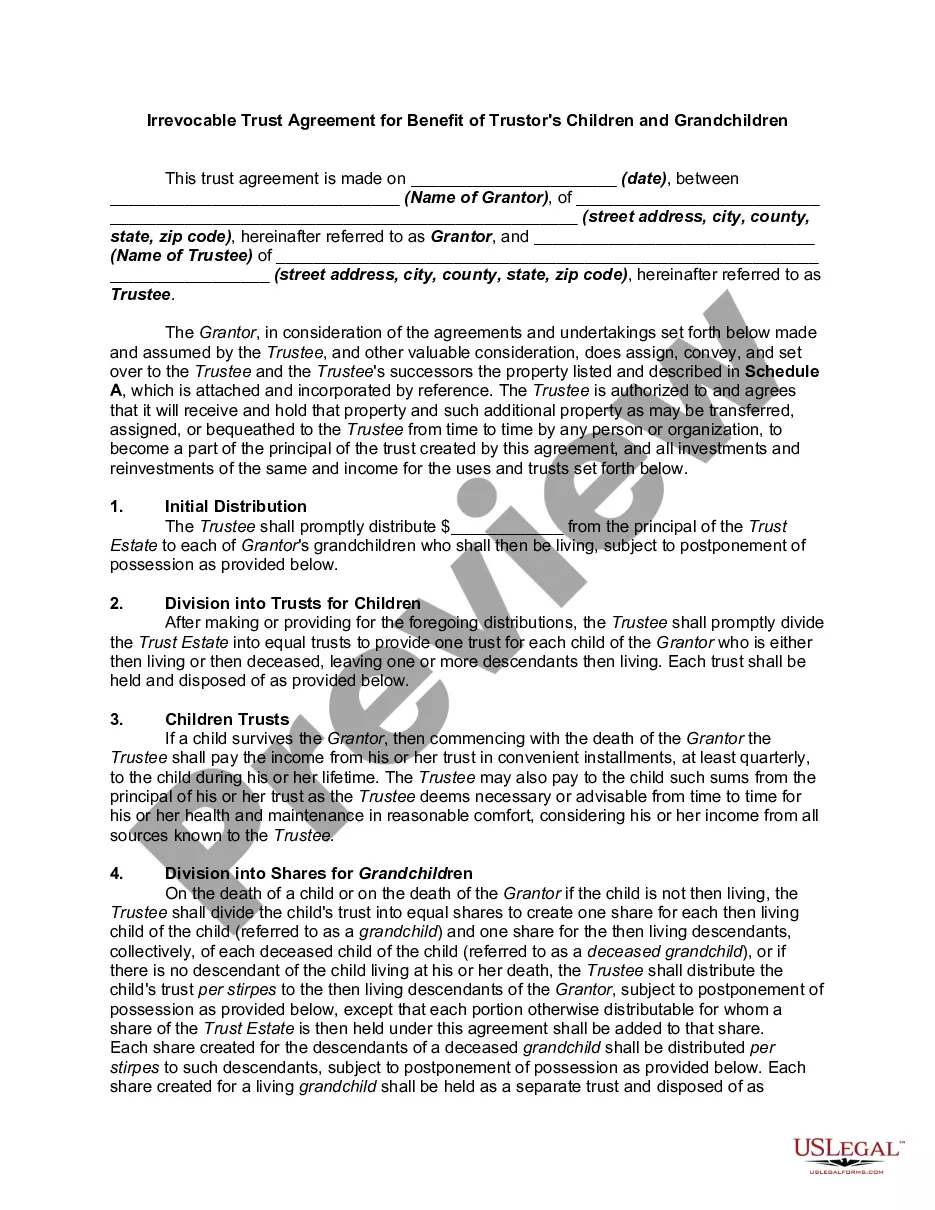
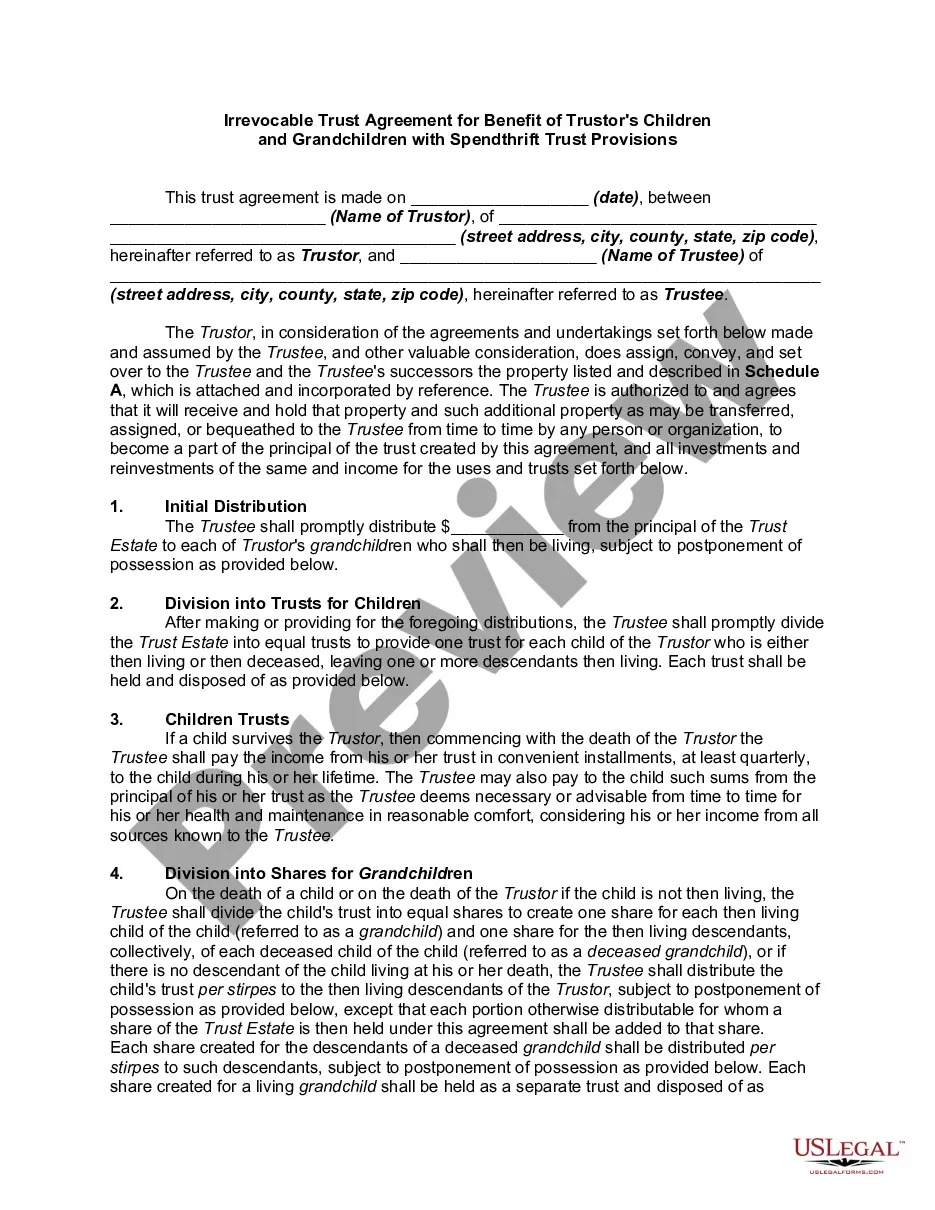
Special Trust Disabled Printable For Sale
Description
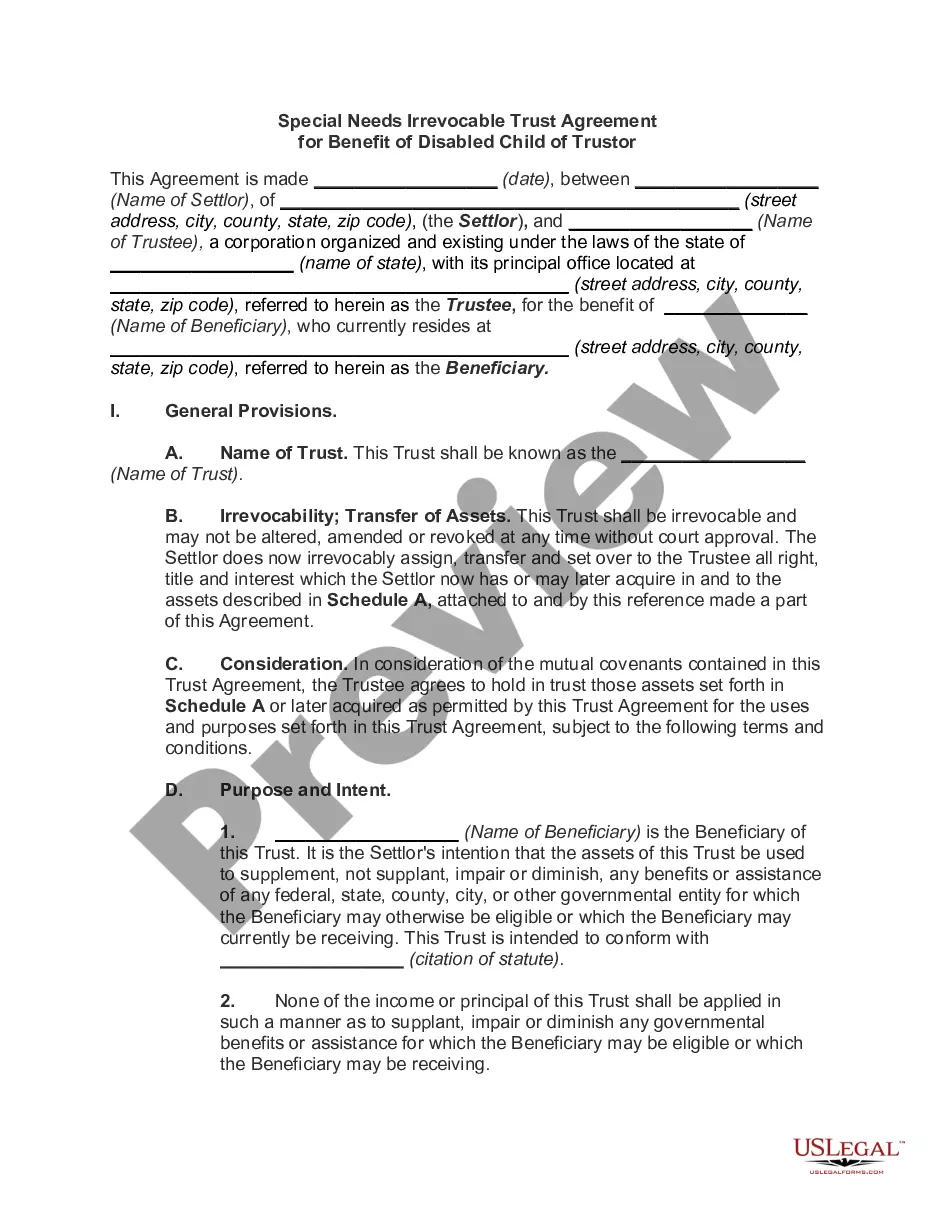
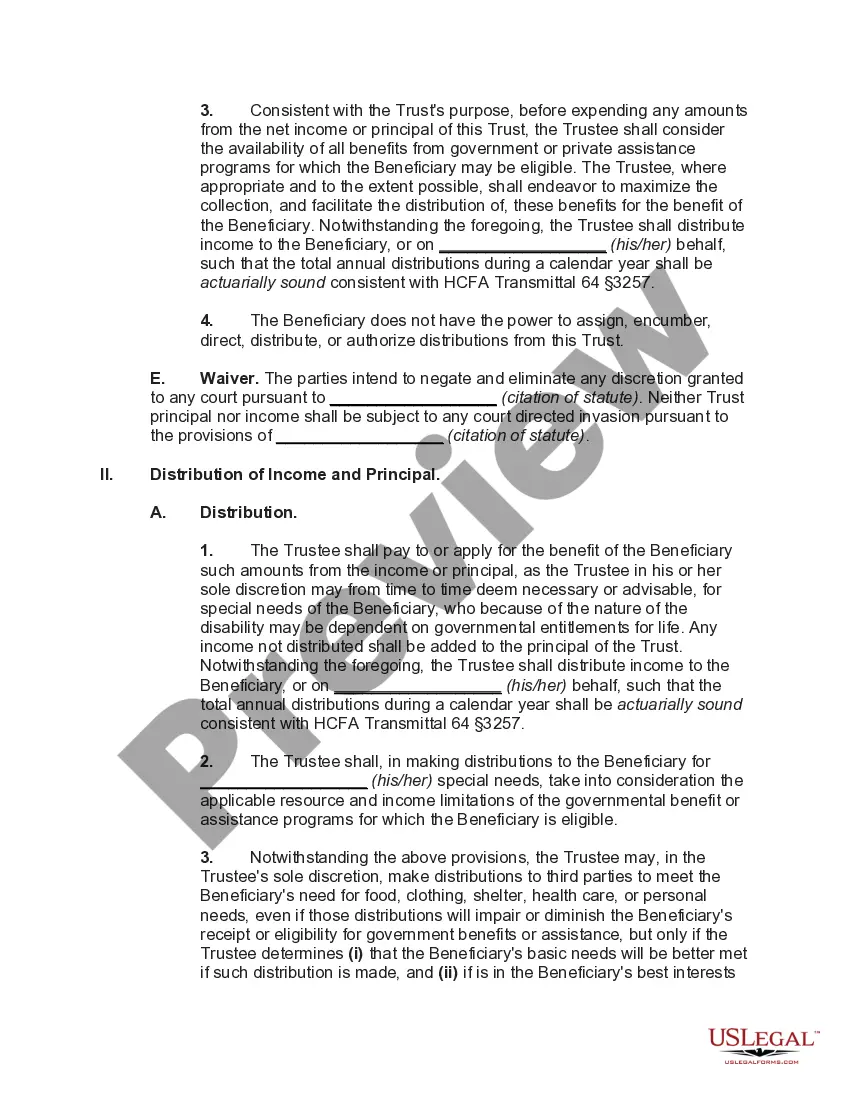
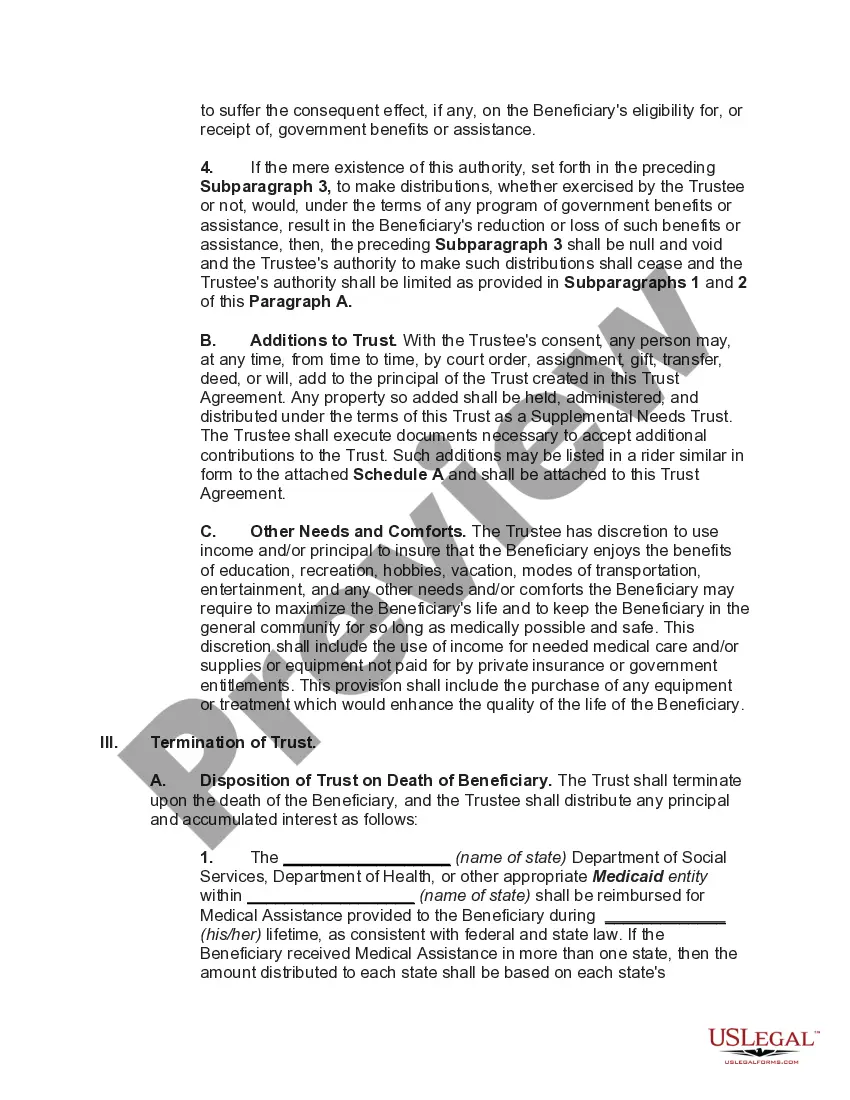
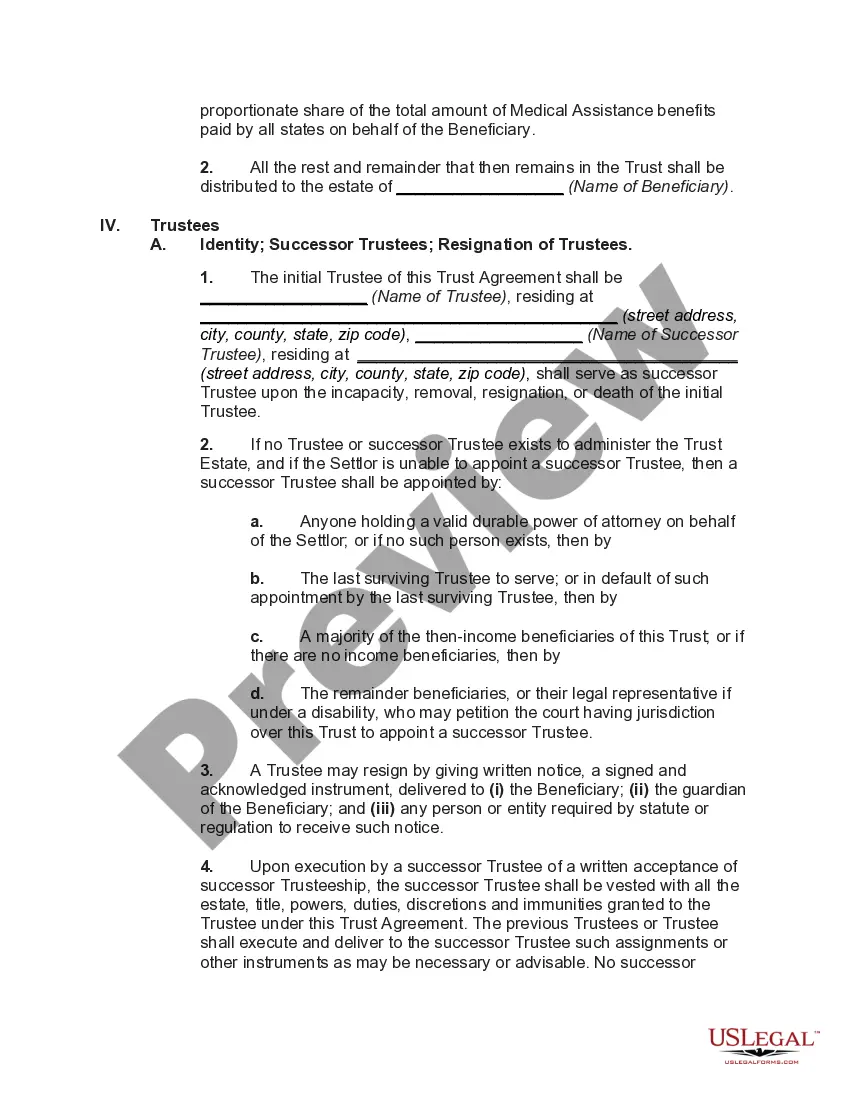
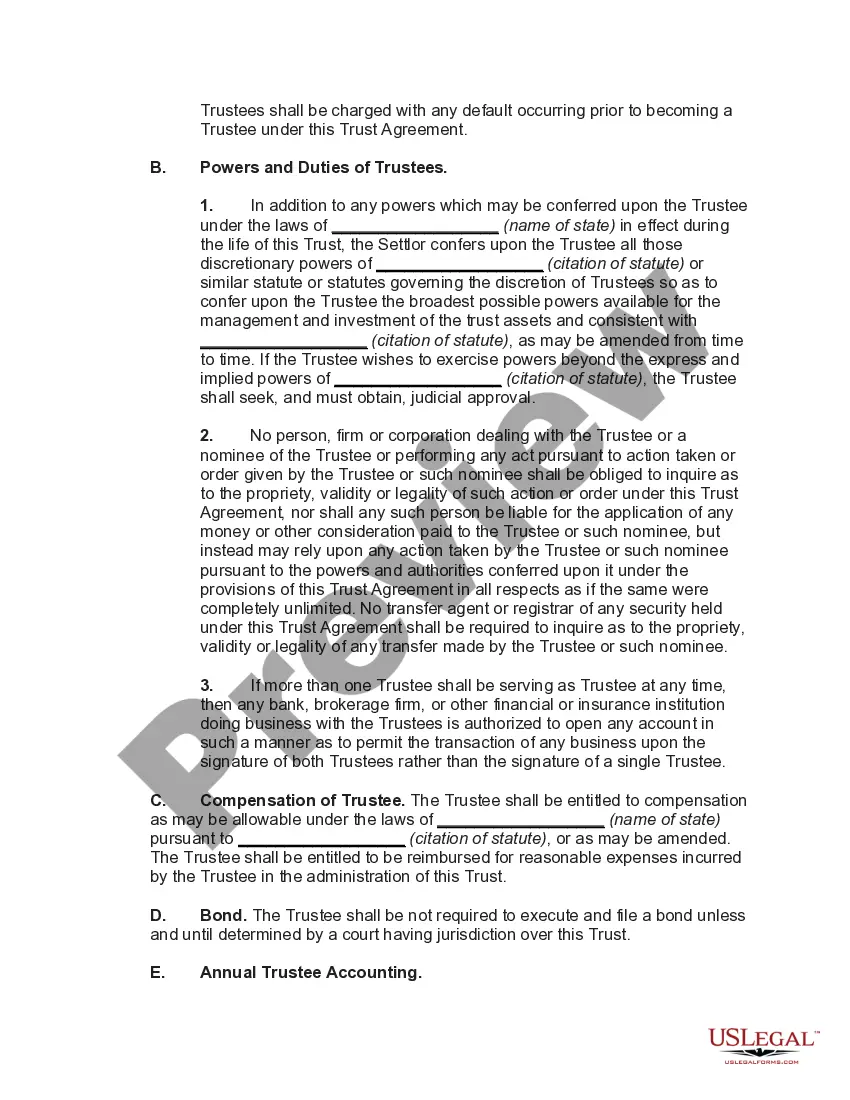
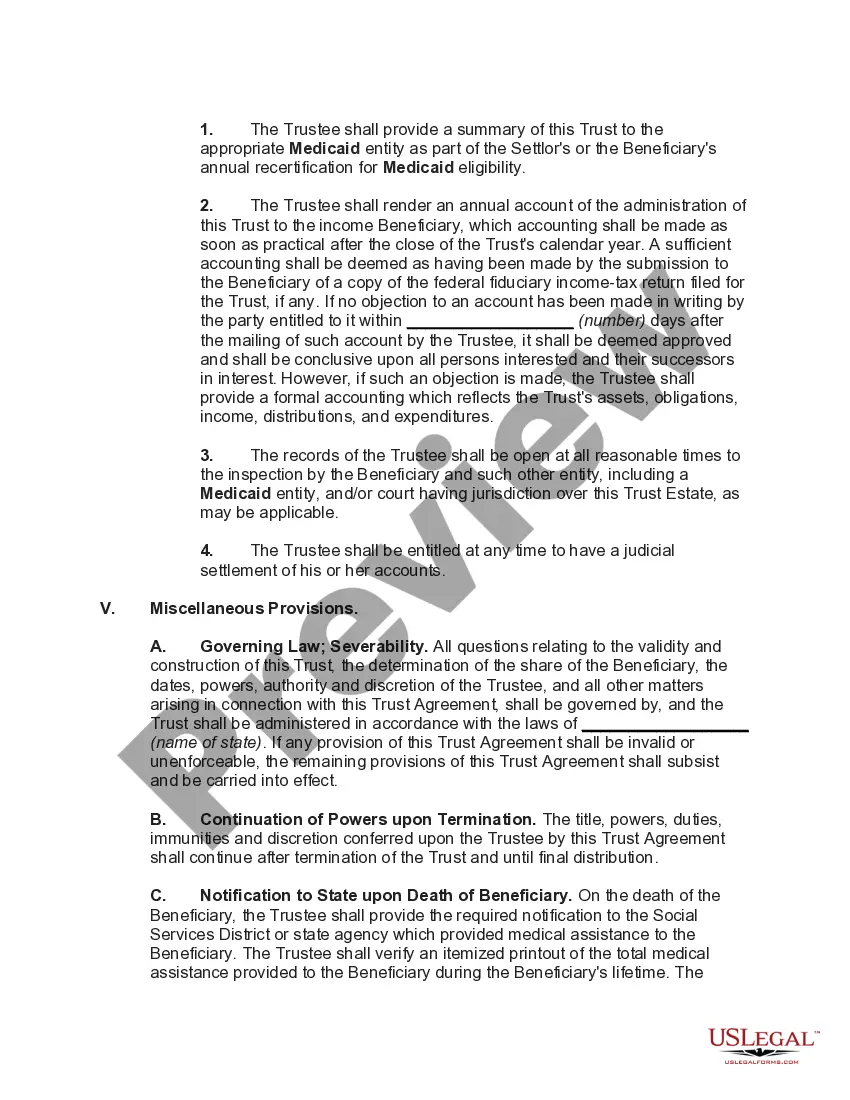
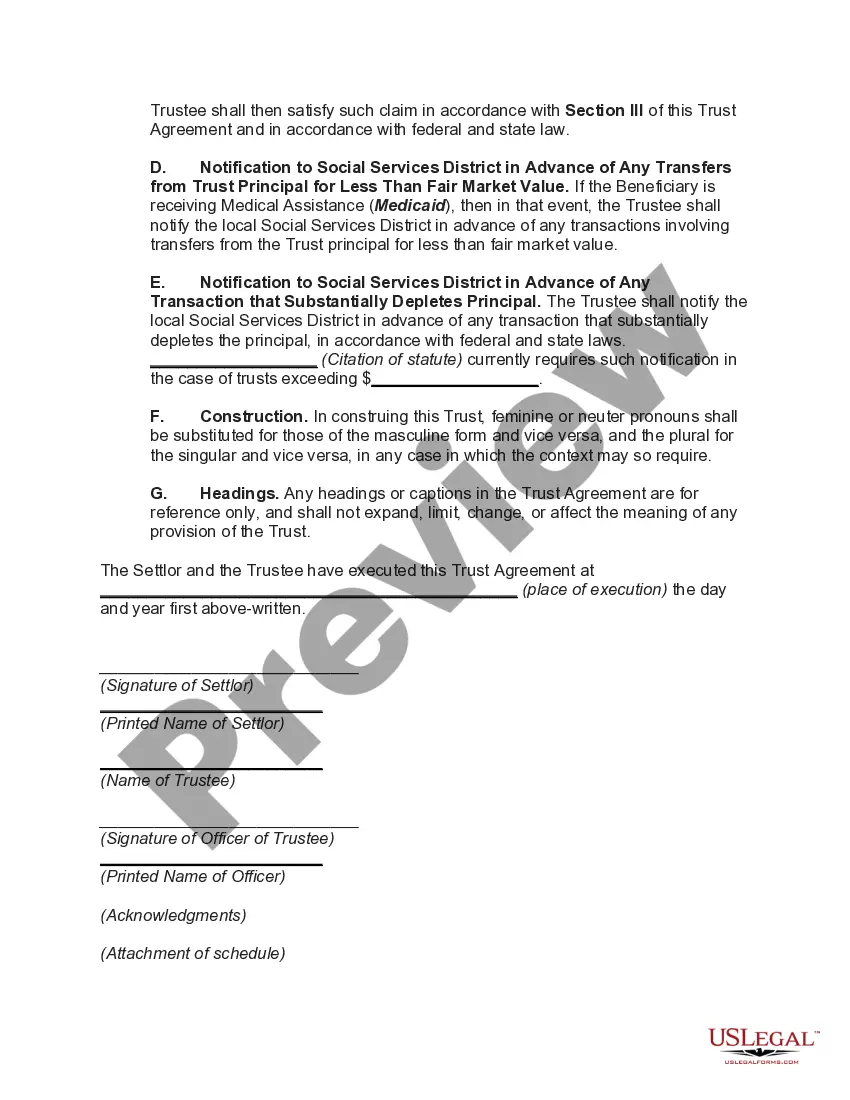
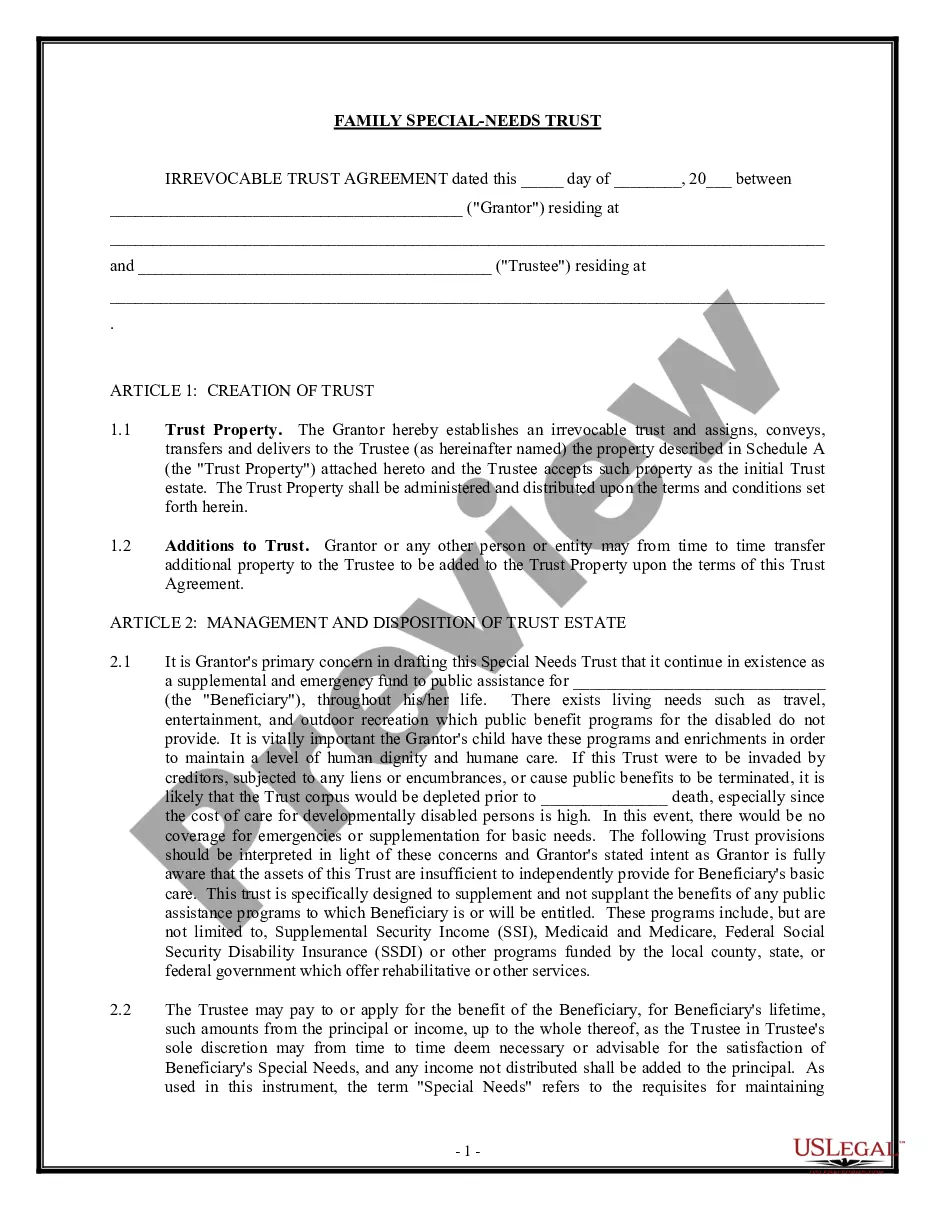
Get your form ready online
Our built-in tools help you complete, sign, share, and store your documents in one place.
Make edits, fill in missing information, and update formatting in US Legal Forms—just like you would in MS Word.
Download a copy, print it, send it by email, or mail it via USPS—whatever works best for your next step.
Sign and collect signatures with our SignNow integration. Send to multiple recipients, set reminders, and more. Go Premium to unlock E-Sign.
If this form requires notarization, complete it online through a secure video call—no need to meet a notary in person or wait for an appointment.
We protect your documents and personal data by following strict security and privacy standards.

Make edits, fill in missing information, and update formatting in US Legal Forms—just like you would in MS Word.

Download a copy, print it, send it by email, or mail it via USPS—whatever works best for your next step.

Sign and collect signatures with our SignNow integration. Send to multiple recipients, set reminders, and more. Go Premium to unlock E-Sign.

If this form requires notarization, complete it online through a secure video call—no need to meet a notary in person or wait for an appointment.

We protect your documents and personal data by following strict security and privacy standards.
Looking for another form?




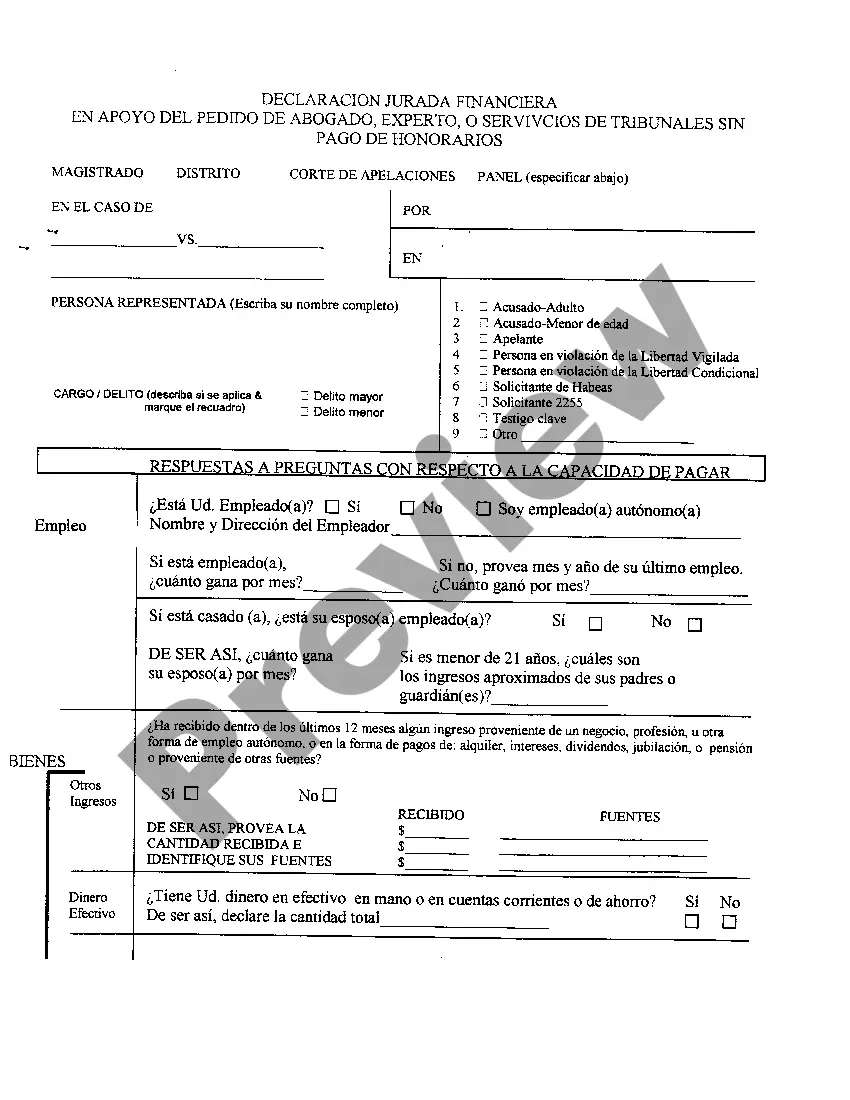
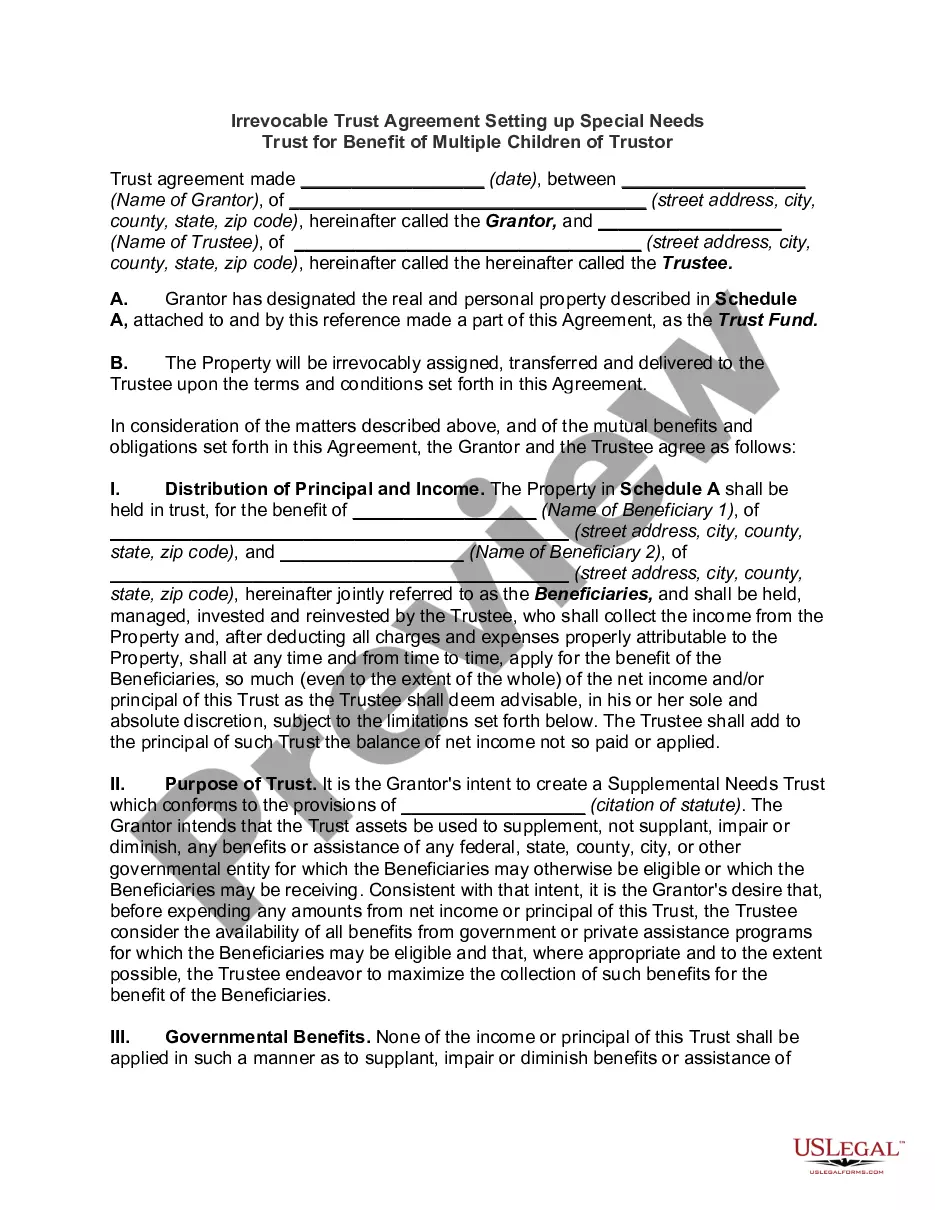
How to fill out Special Needs Irrevocable Trust Agreement For Benefit Of Disabled Child Of Trustor?
- If you already have an account, log in to access your dashboard and ensure your subscription is active. If not, renew it based on your current plan.
- Examine the preview mode and description of the required form to confirm it aligns with your local jurisdiction requirements.
- If you need a different template, utilize the Search tab to find another one that suits your needs.
- Once you’ve selected the correct document, click on the Buy Now button and choose your preferred subscription plan.
- Complete your purchase by entering your payment details or via PayPal.
- Finally, download your form to your device, and access it anytime through the My Forms section of your profile.
US Legal Forms stands out with its extensive library of over 85,000 legal forms and packages, ensuring users have access to a more robust selection than competitors. Additionally, users can connect with premium experts for guidance in completing forms correctly.
In conclusion, acquiring your special trust disabled printable from US Legal Forms not only saves you time but also provides the assurance of accuracy and legal compliance. Start your journey today and ensure you have the right documents at your fingertips!
Form popularity
FAQ
Yes, you typically need to file a tax return for a special needs trust if it generates income. This involves completing IRS Form 1041 and understanding the rules surrounding deductions and distributions. Use a special trust disabled printable for sale as a reference to ensure you are meeting all filing requirements.
Yes, you can create a special needs trust yourself, but it requires careful attention to detail. You must adhere to specific legal guidelines to ensure compliance and protect the beneficiary's interests. A special trust disabled printable for sale can provide useful templates and checklists to help simplify this process.
To set up a trust for a disabled person, you need to draft a trust document outlining the terms and the beneficiaries. It's crucial to include provisions that protect the beneficiary's eligibility for government benefits. A special trust disabled printable for sale can be a valuable resource to assist you in creating the trust correctly.
A qualified disability trust is taxed at the same rates as individual taxpayers, which may vary depending on income. The trust can take advantage of specific exemptions and deductions, which helps reduce the taxable income. Utilizing a special trust disabled printable for sale can help you navigate the tax implications efficiently.
To file taxes for a special needs trust, complete IRS Form 1041, making sure to report all income generated by the trust. You may also need to issue K-1 forms to beneficiaries, detailing their income from the trust. For additional resources, a special trust disabled printable for sale can guide you through the tax filing process effectively.
Setting up a special needs trust without a lawyer is possible, but it can be complicated. You must ensure the trust meets legal requirements and recommend using a special trust disabled printable for sale, which provides clear steps and necessary forms. However, consulting with a legal professional is advisable to avoid potential pitfalls.
To file taxes on behalf of a trust, you need to obtain a Tax Identification Number (TIN) for the trust. You will use IRS Form 1041, the U.S. Income Tax Return for Estates and Trusts, to report the income, deductions, and distributions of the trust. If you require assistance, consider using a special trust disabled printable for sale for guidance on the process.
While special needs trusts offer significant advantages, they do also come with some downsides. They can be complex to set up and may require legal assistance, which can incur additional costs. Moreover, the restrictions on how funds can be used may limit certain expenditures that could otherwise enhance the beneficiary's life. To navigate these complexities, you could benefit from a specially designed resource, such as a special trust disabled printable for sale from US Legal Forms, which simplifies the process.
The three types of special needs generally refer to physical, cognitive, and emotional challenges. Physical needs relate to mobility and daily living support, cognitive needs involve learning and intellectual disabilities, and emotional needs address mental health and behavioral issues. Understanding these categories can guide you in selecting the best tools and resources, such as a special trust disabled printable for sale, to support individuals with disabilities effectively. US Legal Forms provides valuable insight and forms to assist in these matters.
The three primary types of trusts are revocable trusts, irrevocable trusts, and special needs trusts. A revocable trust can be altered or canceled by the person who created it during their lifetime, offering flexibility. In contrast, an irrevocable trust cannot be modified once established, providing asset protection and possible tax benefits. Special needs trusts specifically cater to individuals with disabilities, allowing them to maintain eligibility for essential government benefits while still receiving additional support, such as a special trust disabled printable for sale.