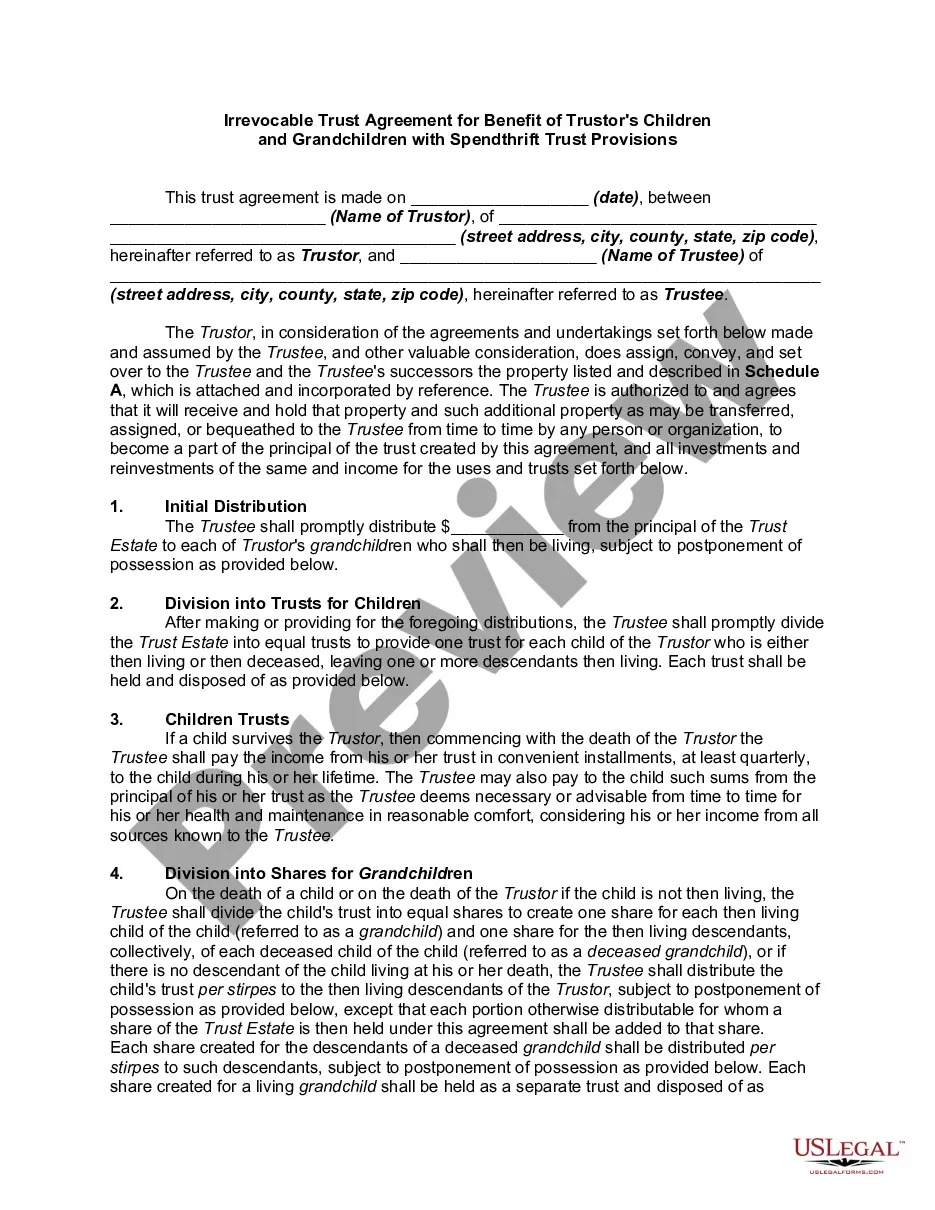
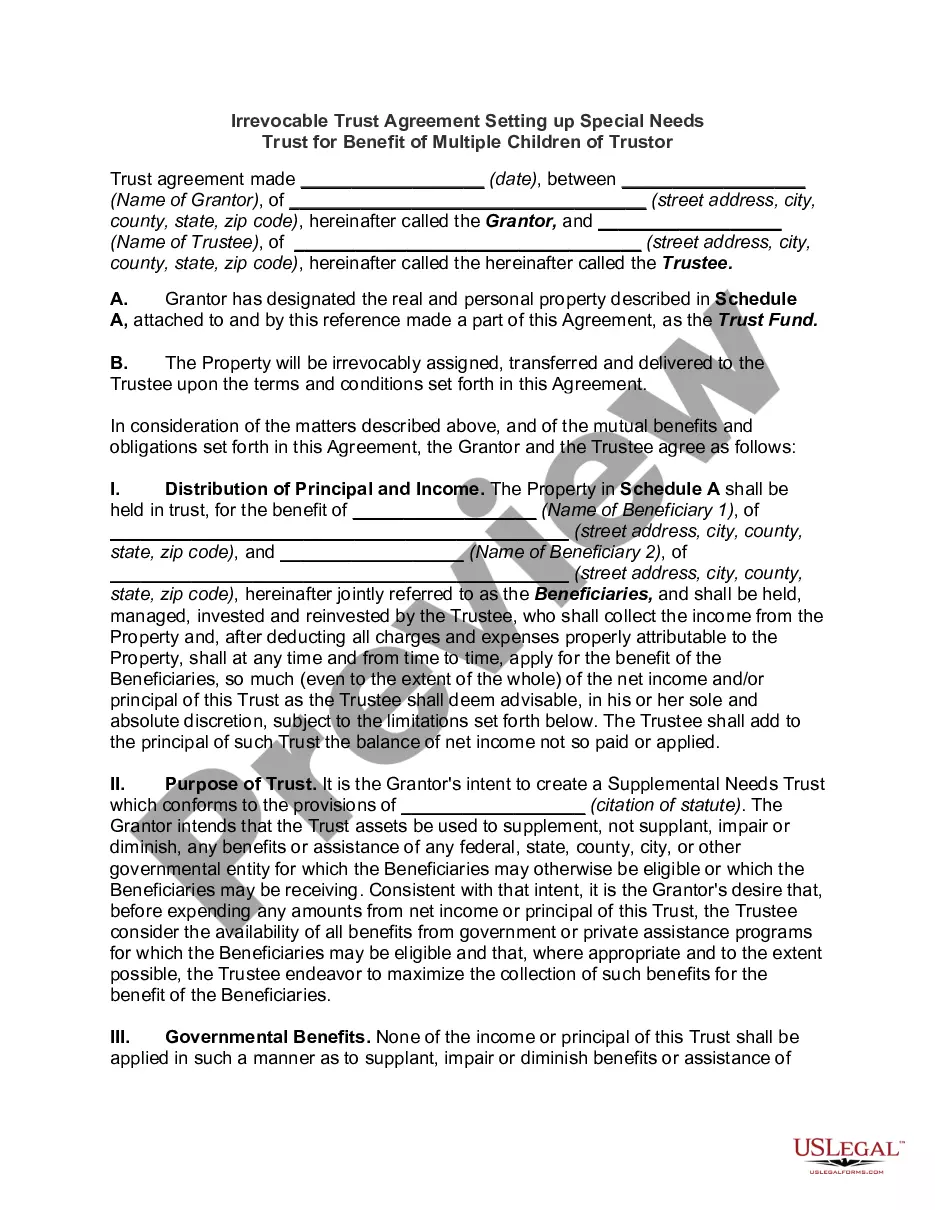
Special Trust Disabled Contract For Deed
Description

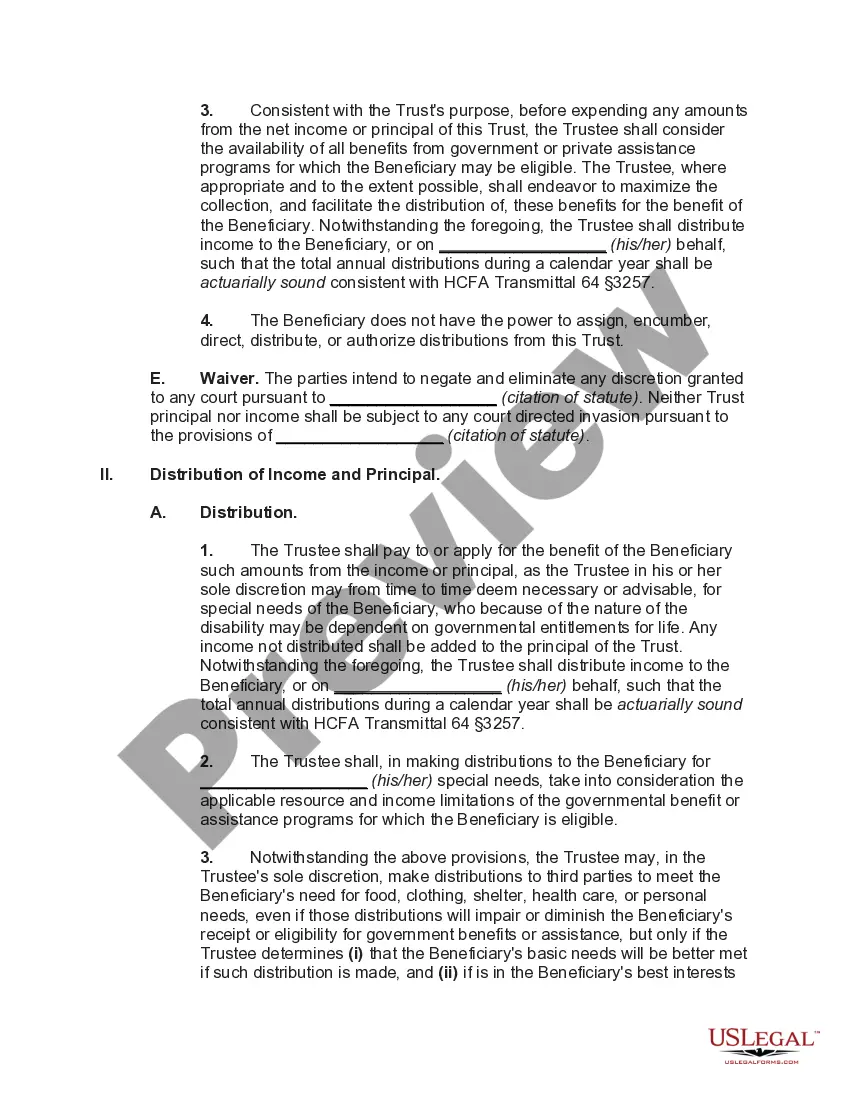
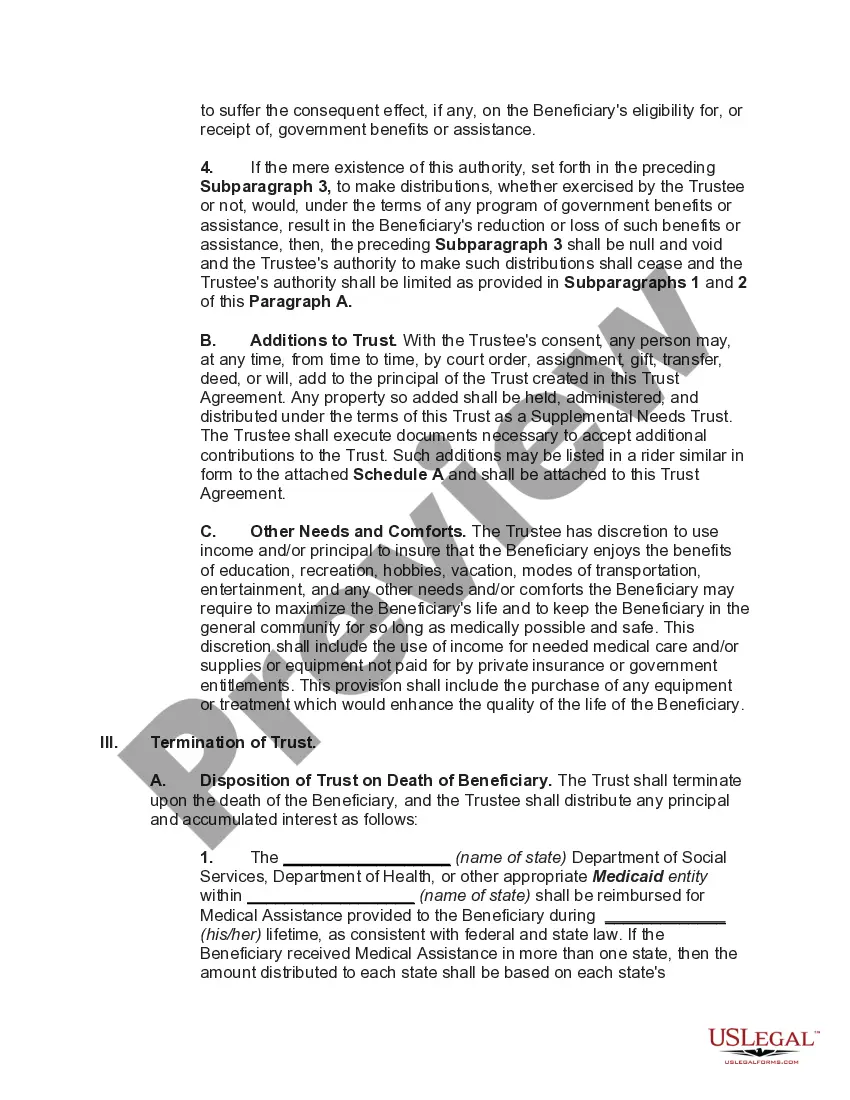
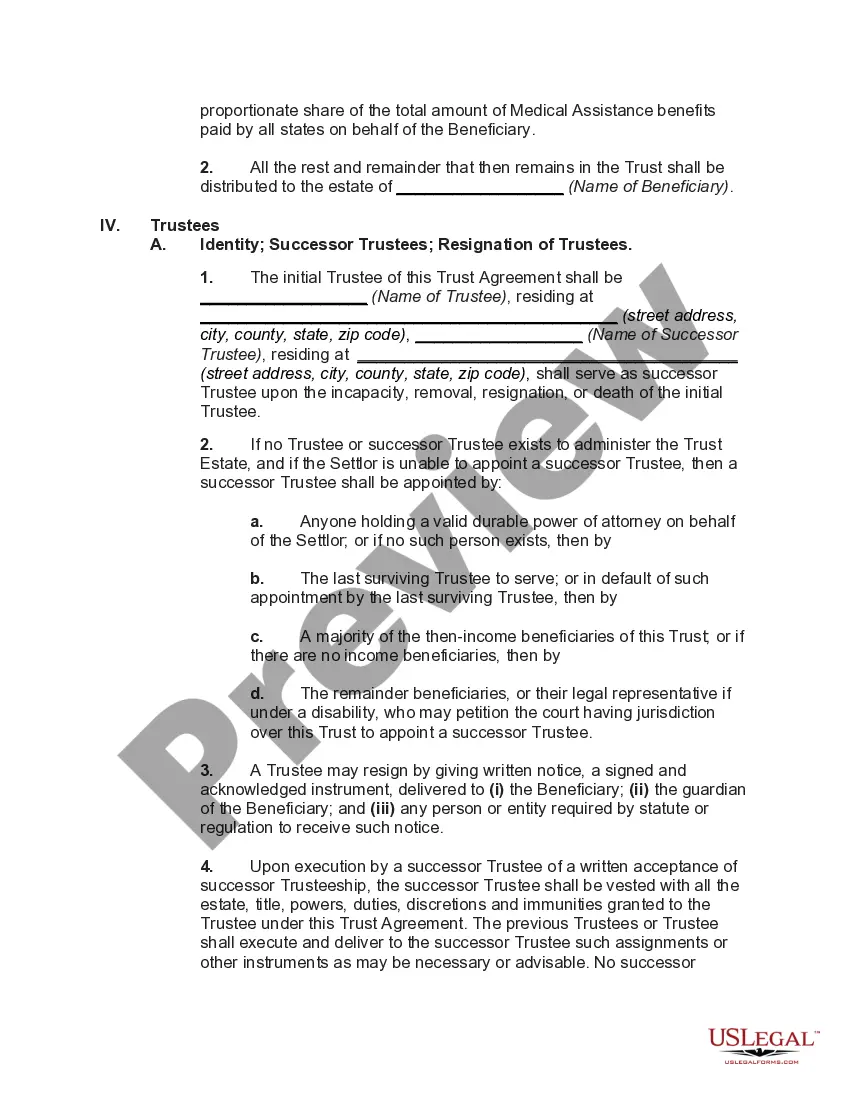
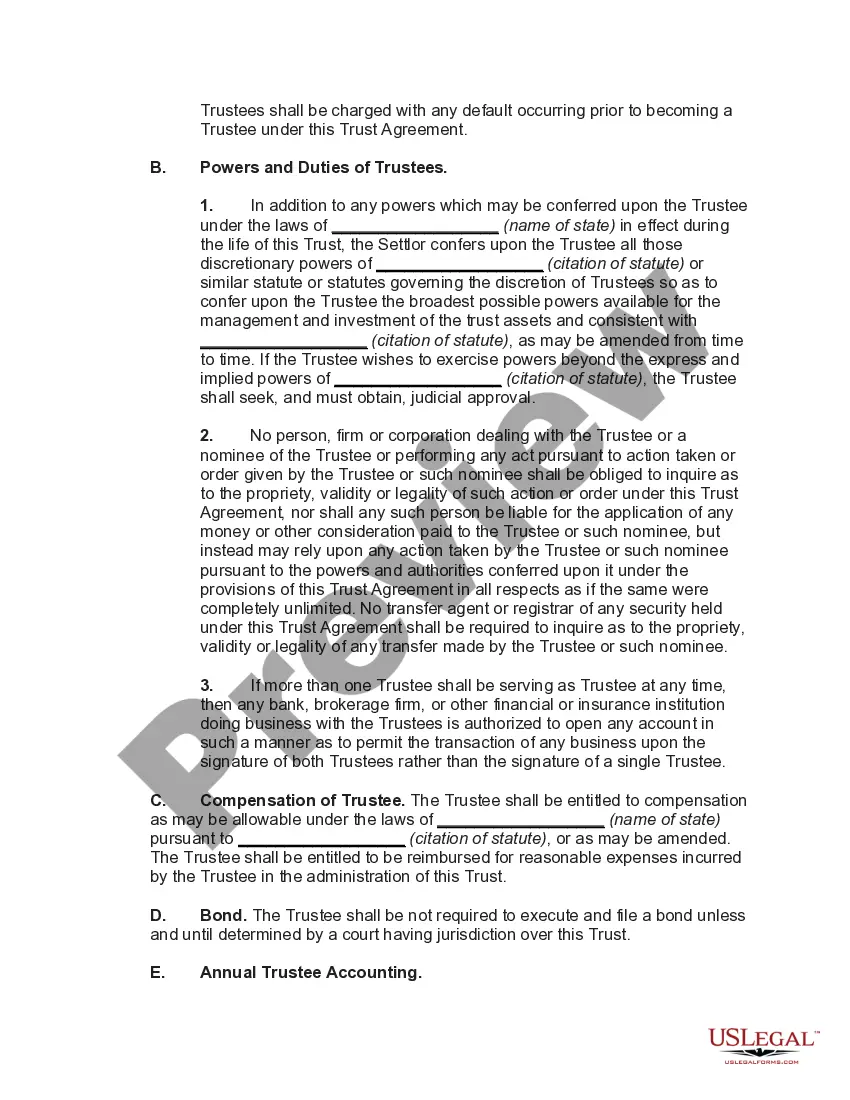
Get your form ready online
Our built-in tools help you complete, sign, share, and store your documents in one place.
Make edits, fill in missing information, and update formatting in US Legal Forms—just like you would in MS Word.
Download a copy, print it, send it by email, or mail it via USPS—whatever works best for your next step.
Sign and collect signatures with our SignNow integration. Send to multiple recipients, set reminders, and more. Go Premium to unlock E-Sign.
If this form requires notarization, complete it online through a secure video call—no need to meet a notary in person or wait for an appointment.
We protect your documents and personal data by following strict security and privacy standards.

Make edits, fill in missing information, and update formatting in US Legal Forms—just like you would in MS Word.

Download a copy, print it, send it by email, or mail it via USPS—whatever works best for your next step.

Sign and collect signatures with our SignNow integration. Send to multiple recipients, set reminders, and more. Go Premium to unlock E-Sign.

If this form requires notarization, complete it online through a secure video call—no need to meet a notary in person or wait for an appointment.

We protect your documents and personal data by following strict security and privacy standards.
Looking for another form?









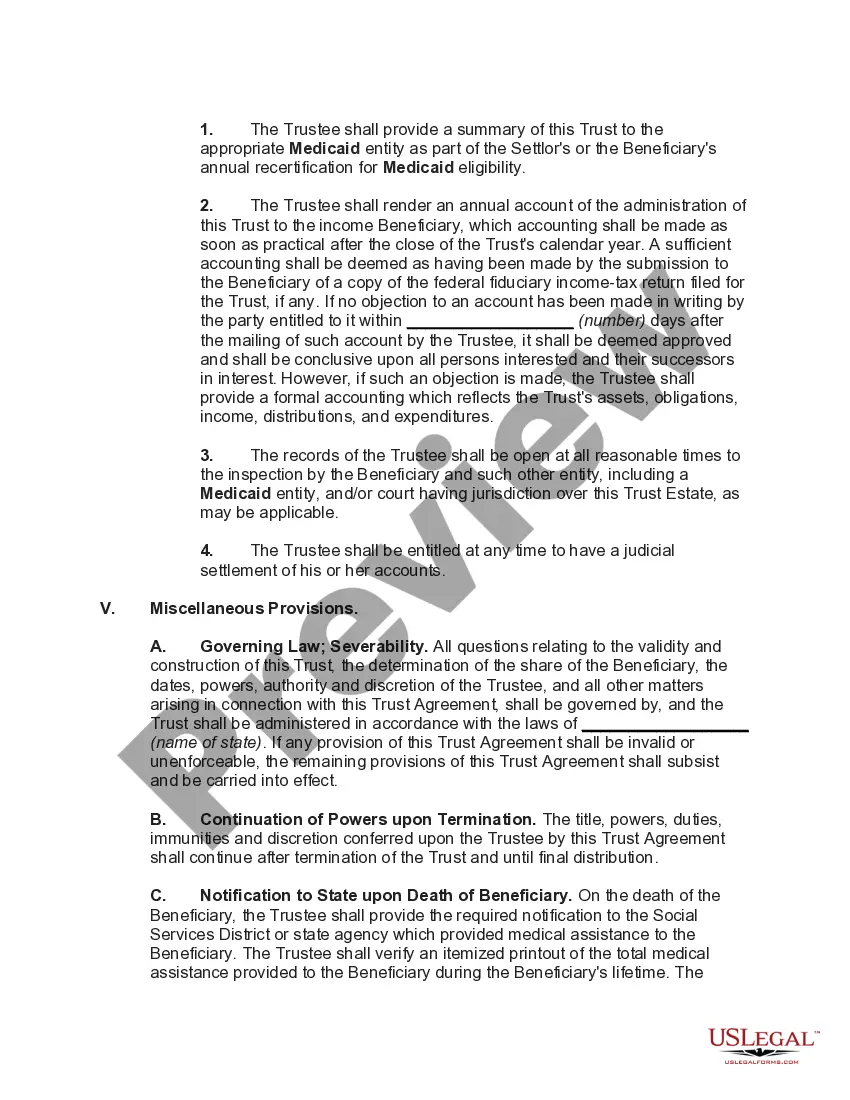
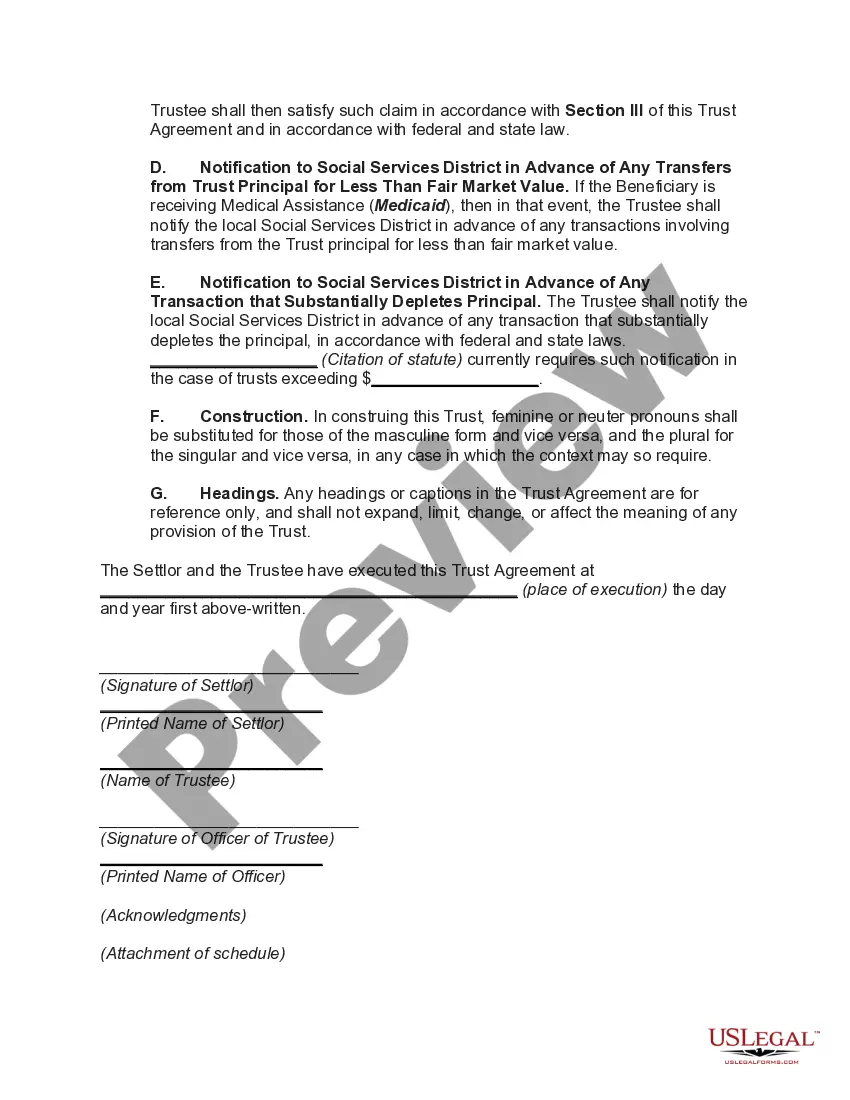
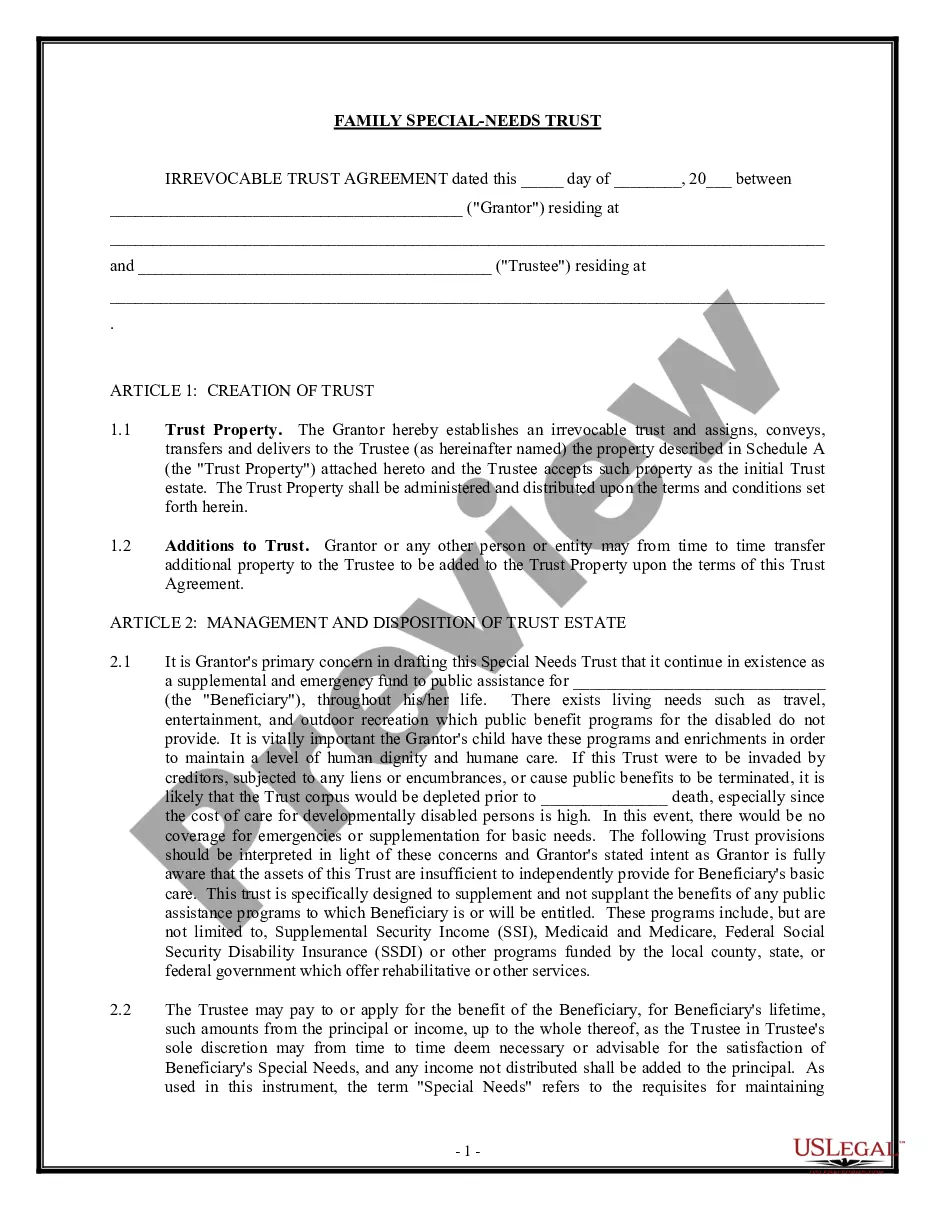
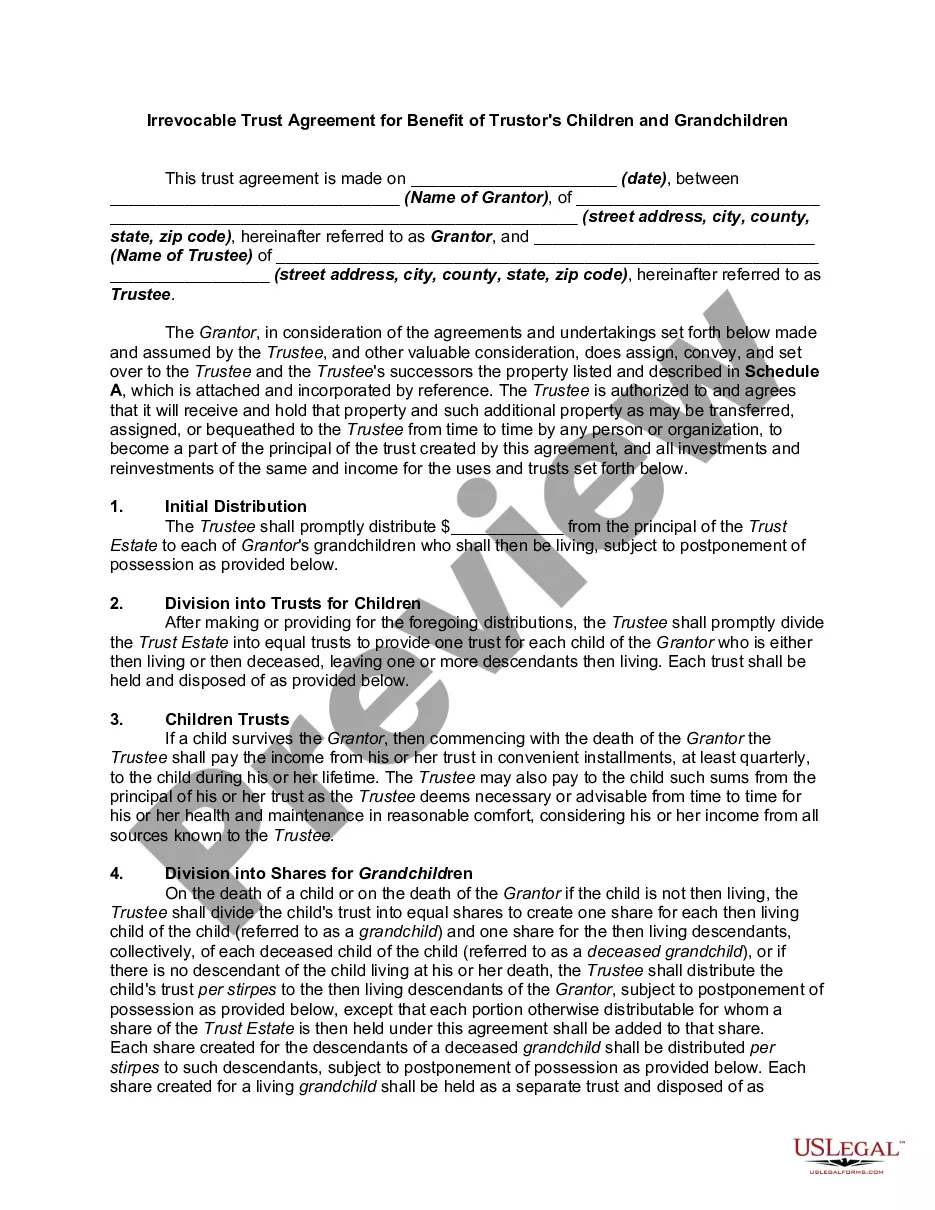
How to fill out Special Needs Irrevocable Trust Agreement For Benefit Of Disabled Child Of Trustor?
- Visit the US Legal Forms website and log in to your account if you are a returning user. Ensure your subscription is active to access the forms.
- If you are new to US Legal Forms, start by browsing the extensive library. Use the Preview mode to check the form descriptions and make sure the document meets your requirements based on local jurisdiction.
- If you cannot find the exact form you need, utilize the Search feature to navigate through over 85,000 legal forms. Look for another template that aligns better with your requirements.
- Once you find the right form, hit the Buy Now button and select your preferred subscription plan, ensuring that you create an account to unlock full access.
- Enter your payment details using your credit card or PayPal account to finalize your purchase, gaining access to comprehensive legal resources.
- After the purchase, download the form directly to your device, and you can also find it anytime in the My Forms section of your account for future use.
In conclusion, US Legal Forms provides an efficient solution for acquiring legal documents with its wide-ranging library and user-friendly interface. Don't hesitate to embark on your legal document journey and secure peace of mind for your contract needs.
Start today and simplify your legal processes with US Legal Forms!
Form popularity
FAQ
Yes, if the special needs trust has taxable income, you must file a return. This ensures compliance with federal tax regulations and safeguards the trust's benefits. By managing these filings correctly, you help protect the trust’s assets for the disabled individual's future needs. Utilize platforms like uslegalforms to simplify this process and access useful templates.
Setting up a trust for a disabled person involves several key steps, starting with defining the trust's purpose and selecting a trustee. You will need to draft the trust document, which outlines how assets will be managed and disbursed. Additionally, leveraging a special trust disabled contract for deed can add benefits while protecting the individual's eligibility for government assistance. Uslegalforms provides resources to help you navigate this process efficiently.
A special needs trust typically must file a tax return if it earns income that exceeds a specific threshold. You should file Form 1041 for the trust, reporting any income and deductions. It is crucial to keep in mind how these filings affect benefits under government programs. For more detailed guidance, consider using uslegalforms to access templates tailored to special trusts.
Yes, trusts often need to file tax returns, depending on their structure and income level. Trusts that generate taxable income are required to file Form 1041 with the IRS. If you have a special trust disabled contract for deed, it may also have unique tax implications that warrant closer examination. Consulting a tax professional can provide clarity on these requirements.
To terminate a special needs trust, you must first review the trust document. Generally, you will need to gather the necessary paperwork and possibly consult an attorney to ensure compliance with state laws. Furthermore, it is essential to distribute any remaining assets according to the terms of the trust. Always consider how this action may affect the individual receiving benefits, particularly under a special trust disabled contract for deed.
To set up a disability trust, you need to define your goals and choose the right type of trust for your situation. Engaging with legal professionals ensures that you correctly address eligibility requirements. Using a special trust disabled contract for deed can be beneficial, and platforms like uslegalforms offer the tools to make this process easier.
While it is possible to set up a special needs trust without professional help, it is often not advisable. Legal intricacies and federal regulations can complicate the process. By using platforms like uslegalforms, you can navigate the setup of a special trust disabled contract for deed with guided expertise, ensuring compliance.
Setting up a special needs trust can take approximately 1 to 3 months to complete. Factors such as gathering necessary documentation and state-specific regulations can influence this timeline. Utilizing resources like uslegalforms can simplify the setup of a special trust disabled contract for deed, making the process smoother.
Typically, forming a trust can take anywhere from a few days to a couple of months. The time frame can vary based on the type of trust and the documentation required. If you are considering a special trust disabled contract for deed, having a clear plan can help expedite the formation process.
One downside of a special needs trust is that it can limit the beneficiary’s ability to access certain government benefits. Mismanagement of the trust funds can also lead to unintended consequences. It's important to thoughtfully plan a special trust disabled contract for deed to avoid these pitfalls and ensure financial security.