Special Needs Trustor Buy For The Future
Description

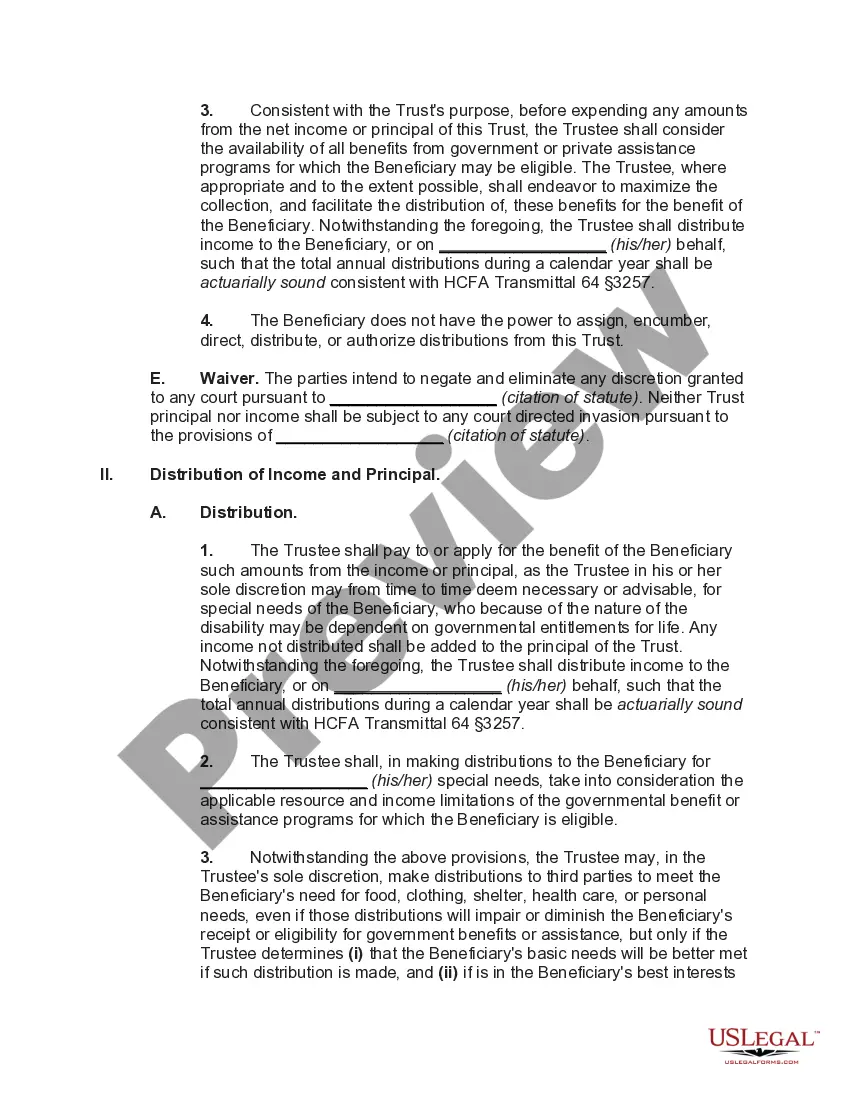
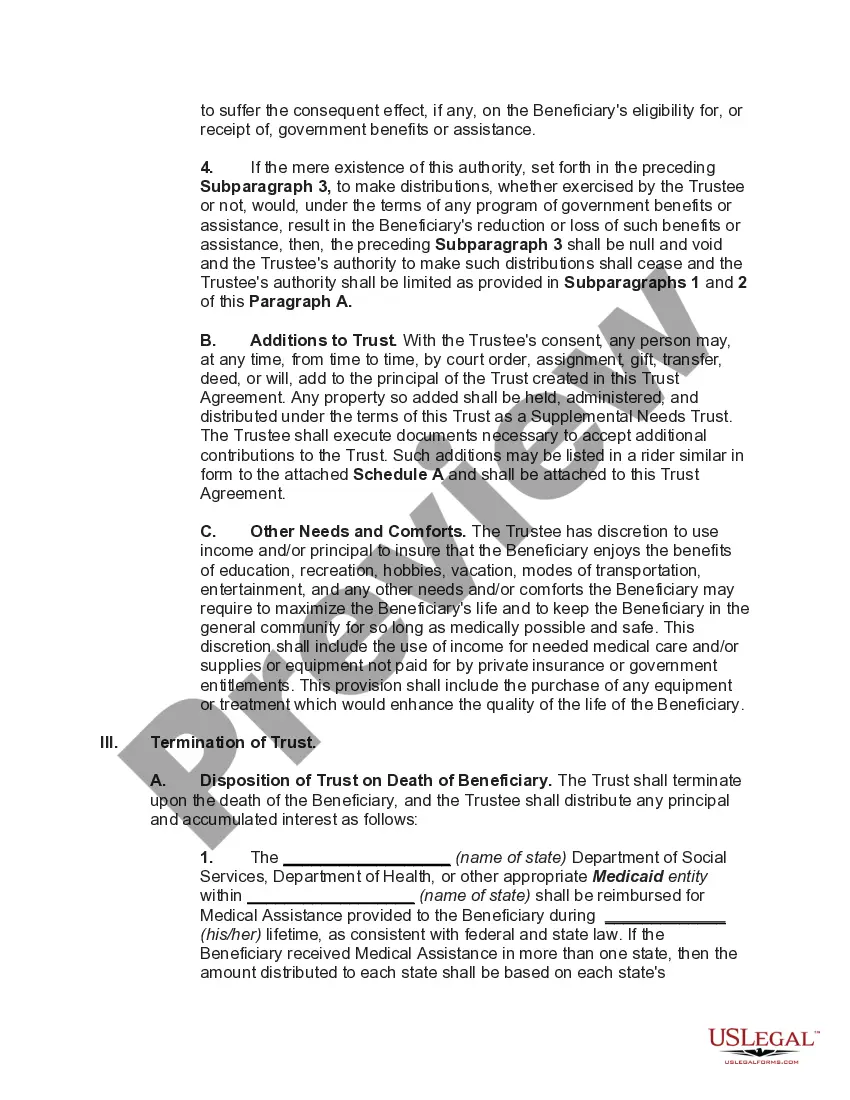
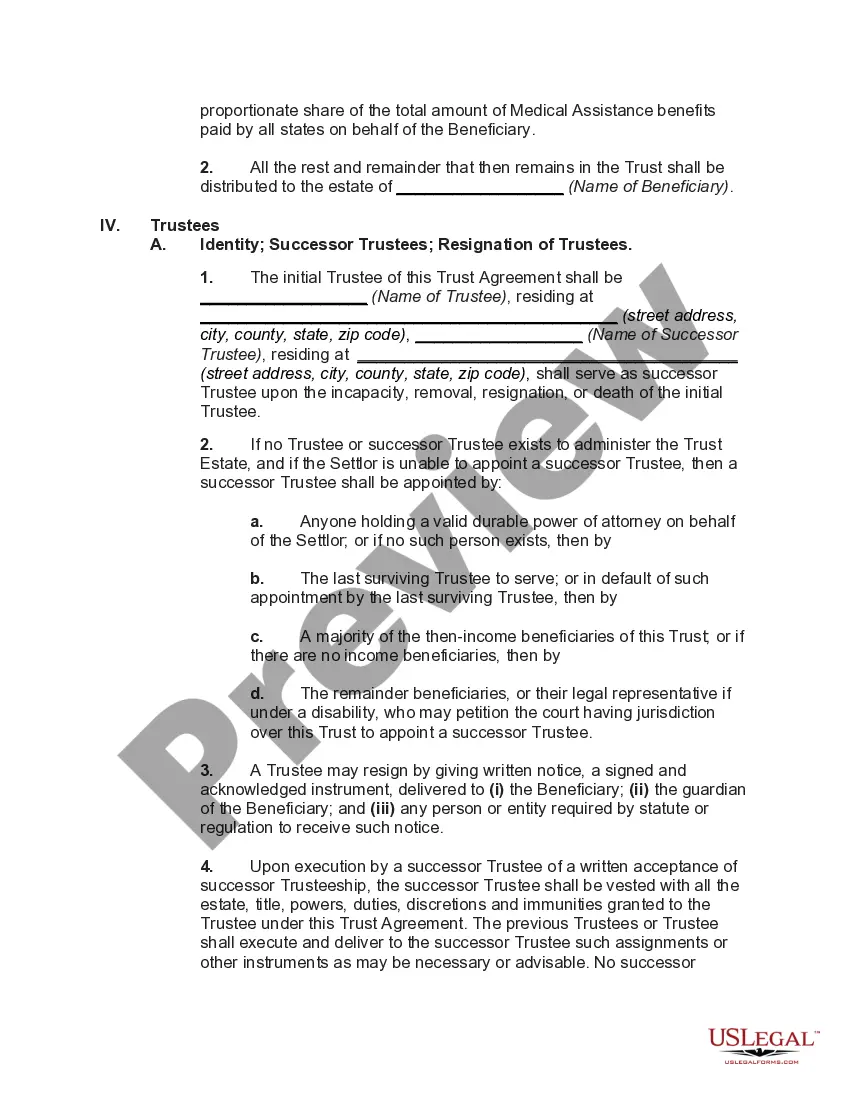
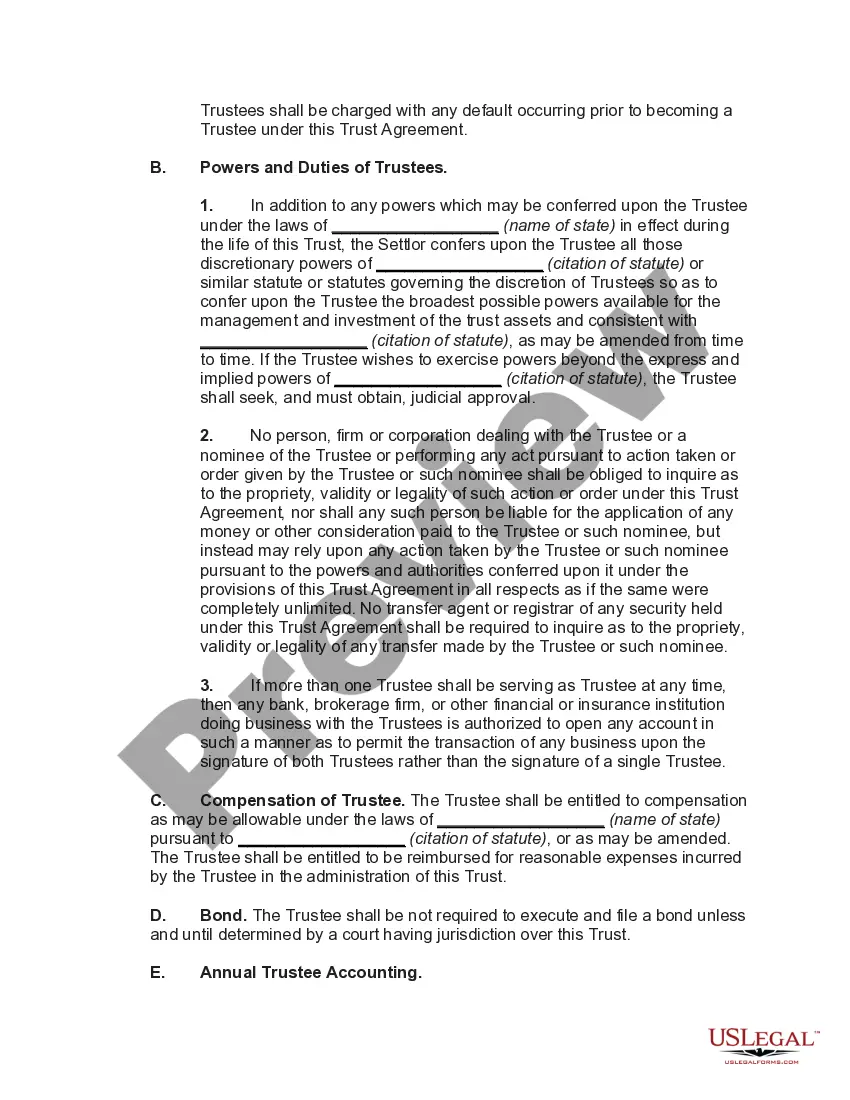


Get your form ready online
Our built-in tools help you complete, sign, share, and store your documents in one place.
Make edits, fill in missing information, and update formatting in US Legal Forms—just like you would in MS Word.
Download a copy, print it, send it by email, or mail it via USPS—whatever works best for your next step.
Sign and collect signatures with our SignNow integration. Send to multiple recipients, set reminders, and more. Go Premium to unlock E-Sign.
If this form requires notarization, complete it online through a secure video call—no need to meet a notary in person or wait for an appointment.
We protect your documents and personal data by following strict security and privacy standards.

Make edits, fill in missing information, and update formatting in US Legal Forms—just like you would in MS Word.

Download a copy, print it, send it by email, or mail it via USPS—whatever works best for your next step.

Sign and collect signatures with our SignNow integration. Send to multiple recipients, set reminders, and more. Go Premium to unlock E-Sign.

If this form requires notarization, complete it online through a secure video call—no need to meet a notary in person or wait for an appointment.

We protect your documents and personal data by following strict security and privacy standards.
Looking for another form?






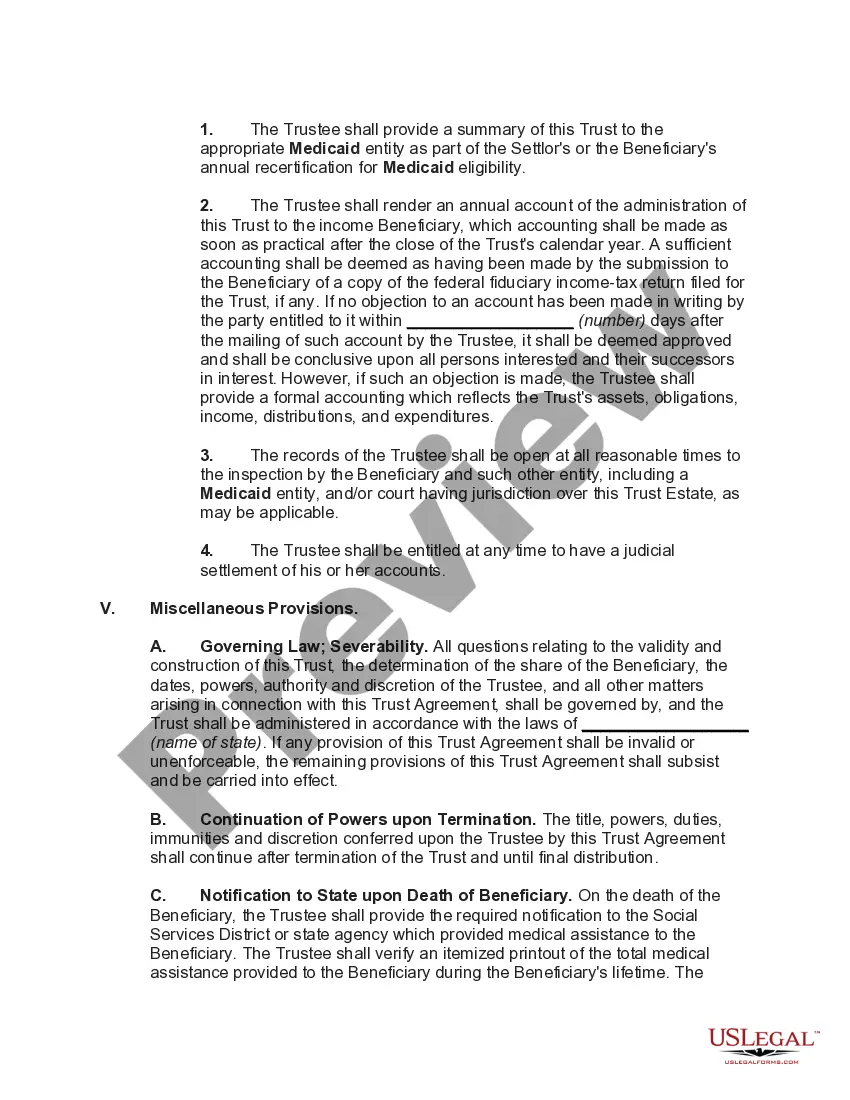
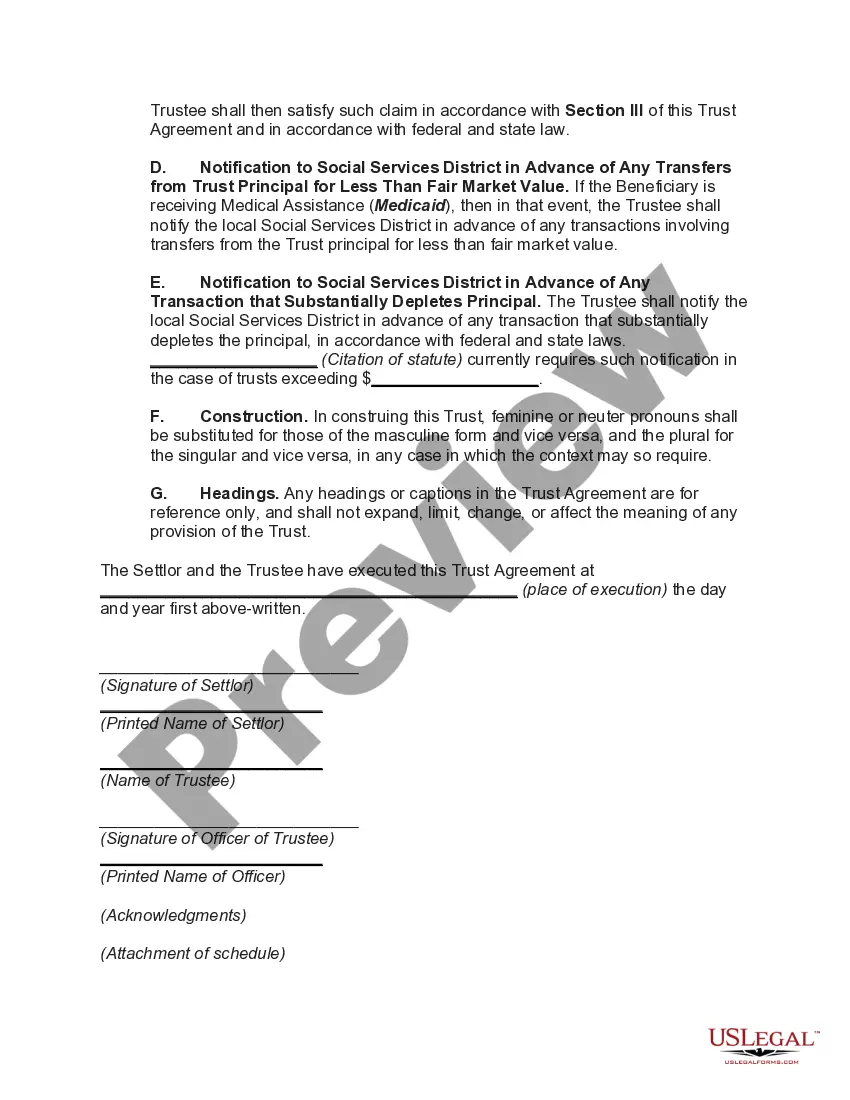
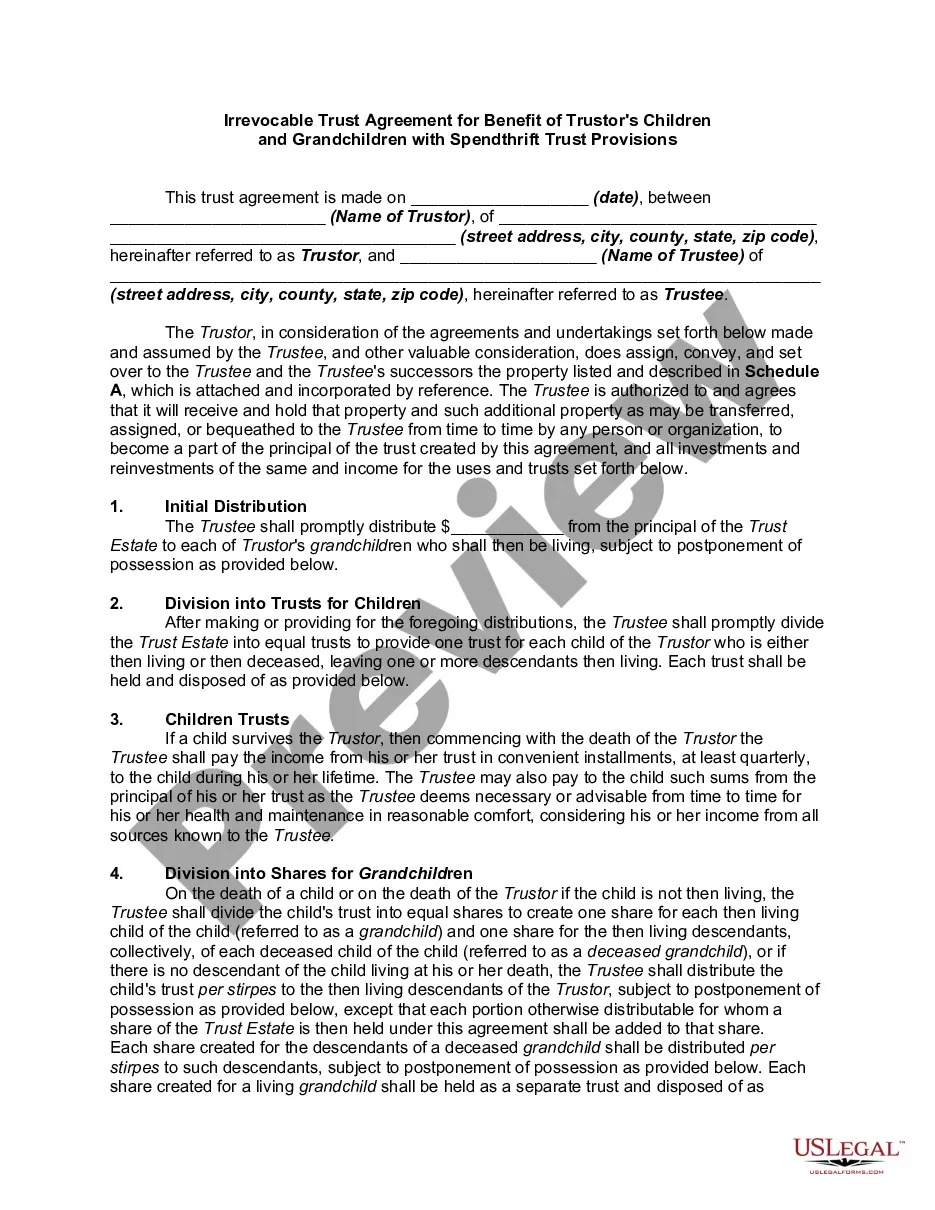
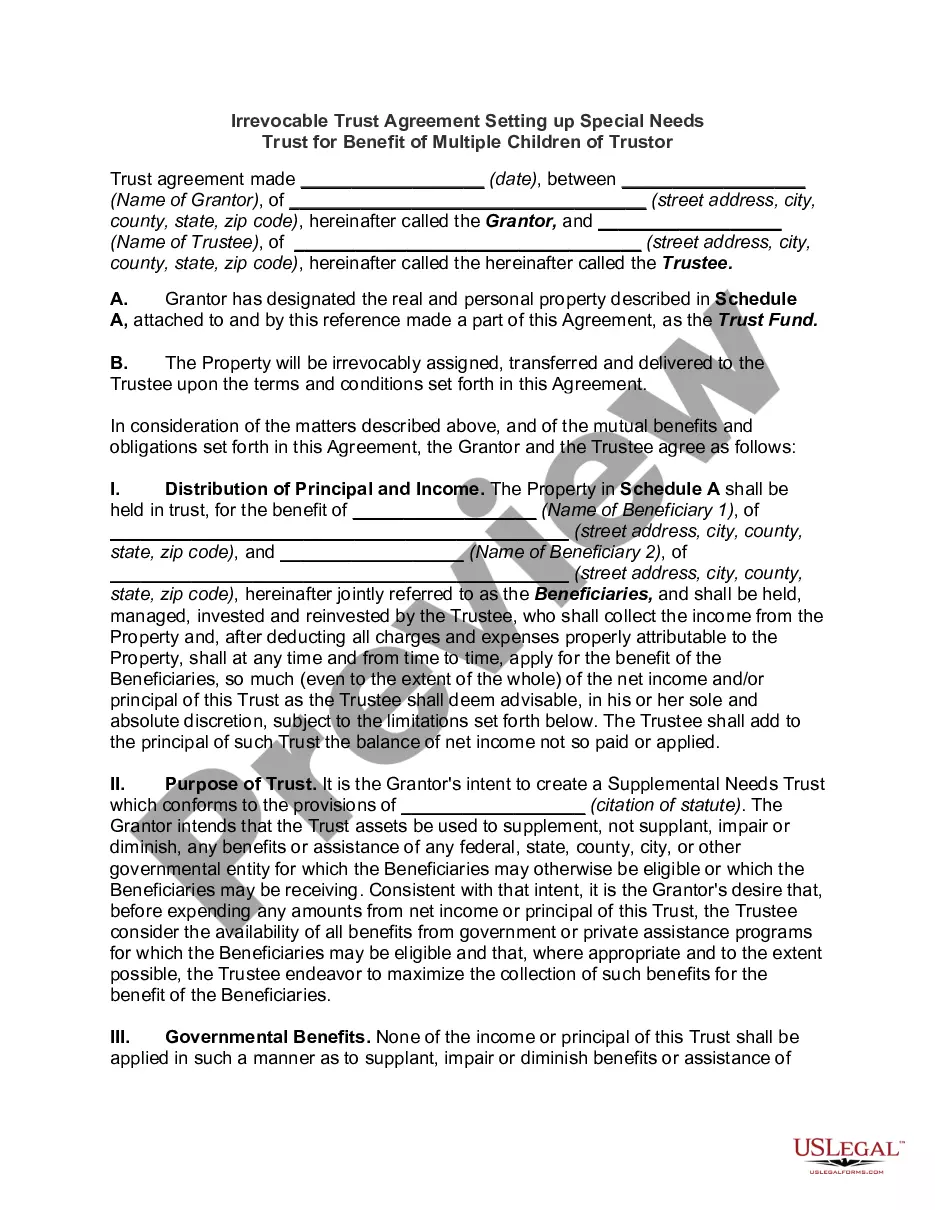
How to fill out Special Needs Irrevocable Trust Agreement For Benefit Of Disabled Child Of Trustor?
- If you're an existing user, log in and access your account to download the needed form template directly to your device by clicking the Download button. Verify that your subscription is current; renew it if necessary.
- For new users, begin by exploring the Preview mode and form description. Make sure you've selected the correct form that aligns with your requirements and local jurisdiction.
- If the form needs adjustments, use the Search feature to find another template that fits. Once you're satisfied, proceed to the next step.
- Purchase the document by clicking the Buy Now button. Choose your preferred subscription plan and register an account for full access to our library.
- Complete your purchase by entering your payment information via credit card or PayPal. This payment grants you access to premium resources.
- Download your selected form and save it to your device. You can also revisit and manage your documents in the My Forms section anytime.
In conclusion, US Legal Forms empowers individuals and attorneys to efficiently execute necessary legal documents, streamlining the process of establishing a special needs trust. With our extensive library of over 85,000 editable forms, you can ensure your legal needs are met accurately.
Start your journey towards peace of mind today by exploring our services!
Form popularity
FAQ
While it is technically possible to set up a special needs trust without a lawyer, doing so could lead to significant mistakes and complications. Legal guidelines are intricate, and missing details can affect the trust’s validity. Therefore, considering professional guidance ensures proper execution and peace of mind as you, as a special needs trustor, look to buy for the future.
While special needs trusts offer various benefits, they also come with important limitations. For instance, the funds can only be used for the benefit of the beneficiary, which can restrict certain spending options. Furthermore, the establishment of such a trust could complicate your estate plans. Understanding these limitations helps ensure you, as a special needs trustor, can strategically buy for the future.
A special disability trust can hold a maximum of $250,000 in assets, which remains exempt from means testing for government services. Funds specifically earmarked for the disabled individual's needs can be contributed without affecting their eligibility for benefits. It is vital to plan adequately to maximize this limit, ensuring you, as a special needs trustor, effectively buy for the future.
The IRS taxes special needs trusts based on the type of trust established. Generally, if it is a first-party special needs trust, the assets are counted towards the beneficiary's income, and taxes are due on that income. Contrarily, third-party trusts typically do not impact the beneficiary’s public benefits and are taxed upon the death of the trustor. This distinction is essential for navigating tax implications while you, as a special needs trustor, buy for the future.
A special needs trust can limit eligibility for government benefits, which might concern many families. Additionally, managing the trust requires ongoing administration, potentially incurring costs. Moreover, if funds in the trust exceed certain limits, it can create complications for the beneficiary. Therefore, understanding these disadvantages is crucial for any special needs trustor planning to buy for the future.
The best way to fund a special needs trust includes using savings, life insurance policies, or gifts. Each funding source should align with the long-term goals of the beneficiary to ensure their financial security. A special needs trustor can explore various funding strategies to buy for the future wisely.
A common mistake parents make when setting up a trust fund is not consulting with a legal expert. They may overlook crucial details that could impact the financial well-being of their child. This oversight can hinder a special needs trustor's ability to buy for the future effectively.
Restrictions on a special needs trust primarily revolve around disbursements that could affect government benefits. For example, funds cannot be used for basic living expenses that the government already covers. A special needs trustor should understand these limitations to effectively buy for the future.
Investing a special needs trust requires a careful and thoughtful approach to ensure consistent growth without risking the beneficiary's benefits. Common investment strategies include low-risk options that provide income while preserving principal. A knowledgeable financial advisor can help guide a special needs trustor wanting to buy for the future.
One downside of a special needs trust is the complexity of its management, which can sometimes lead to costly mistakes. If not managed correctly, the trust can inadvertently impact government benefits. Understanding how to navigate these challenges is crucial for anyone who intends for a special needs trustor to buy for the future.