Special Needs Trustor Buy For Child
Description

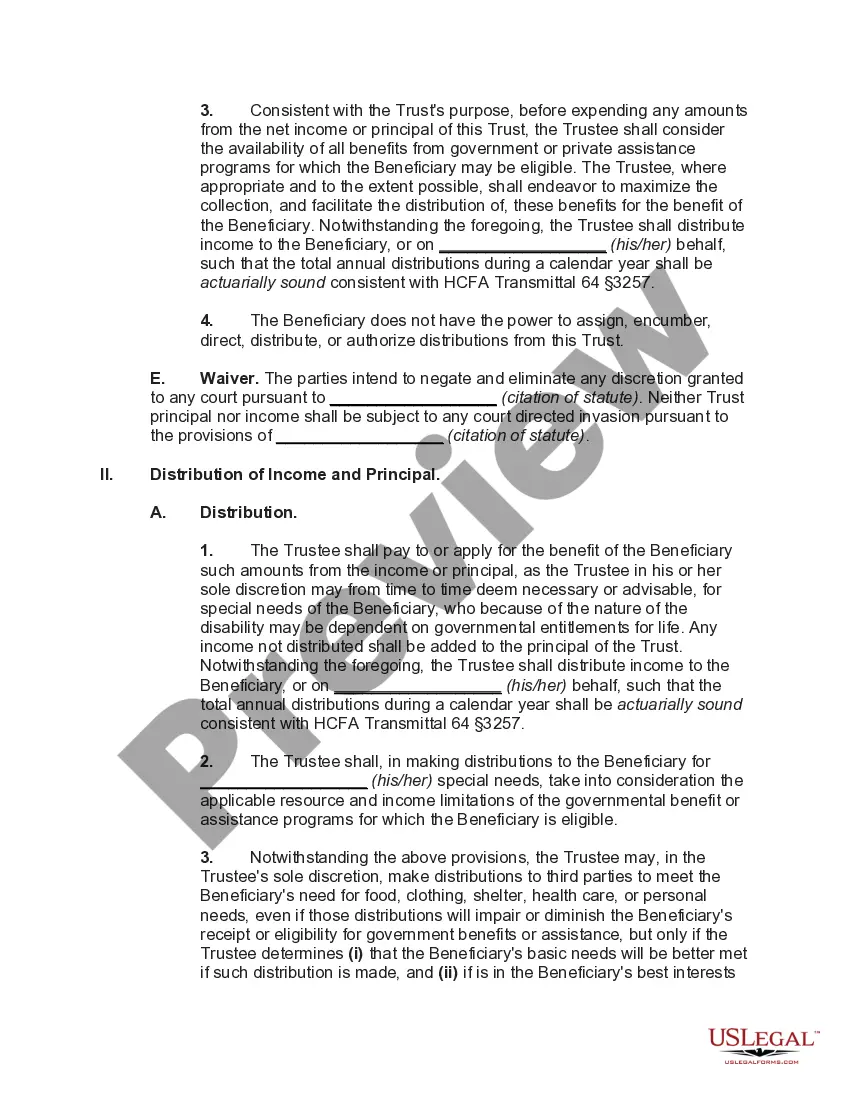
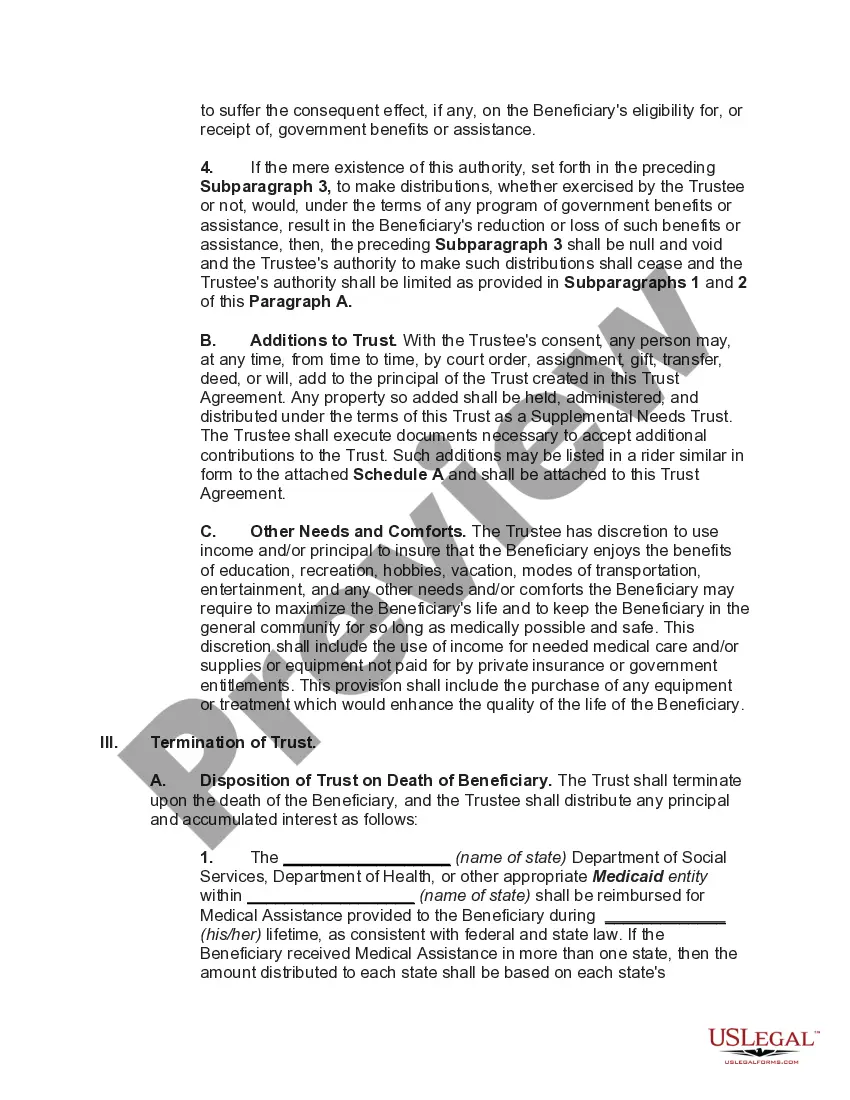
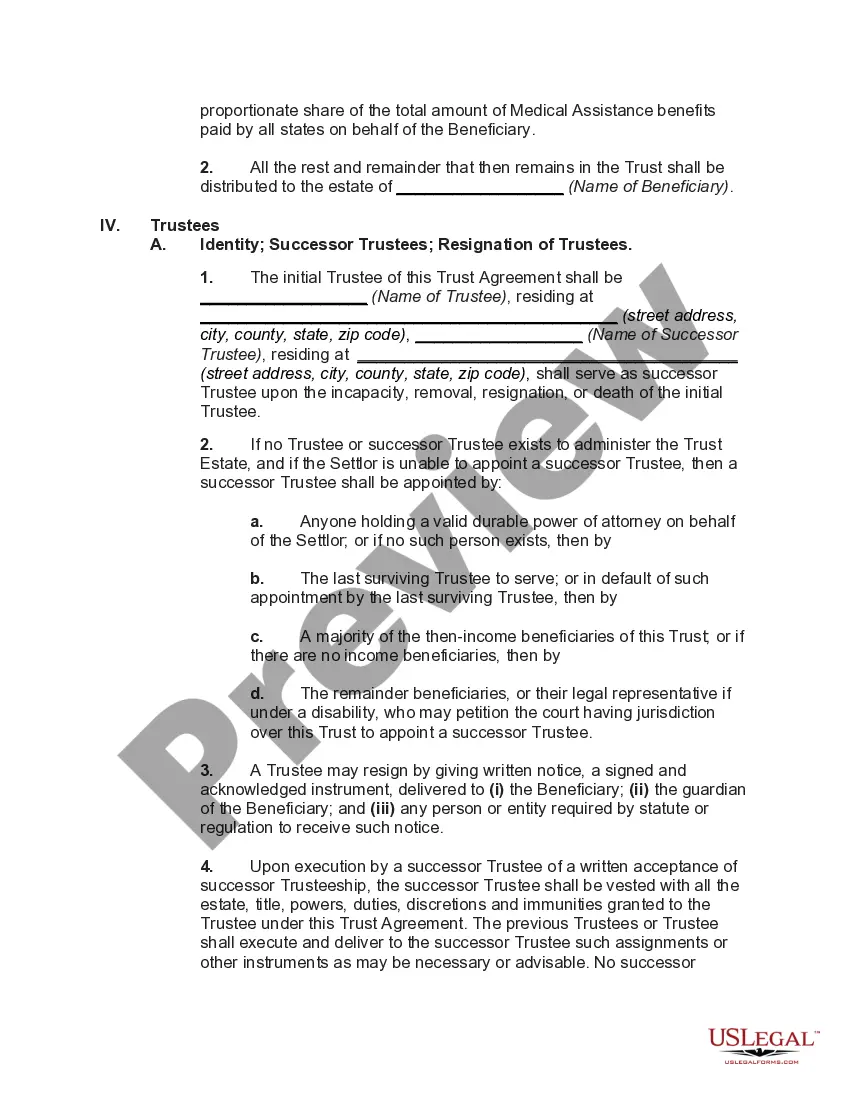
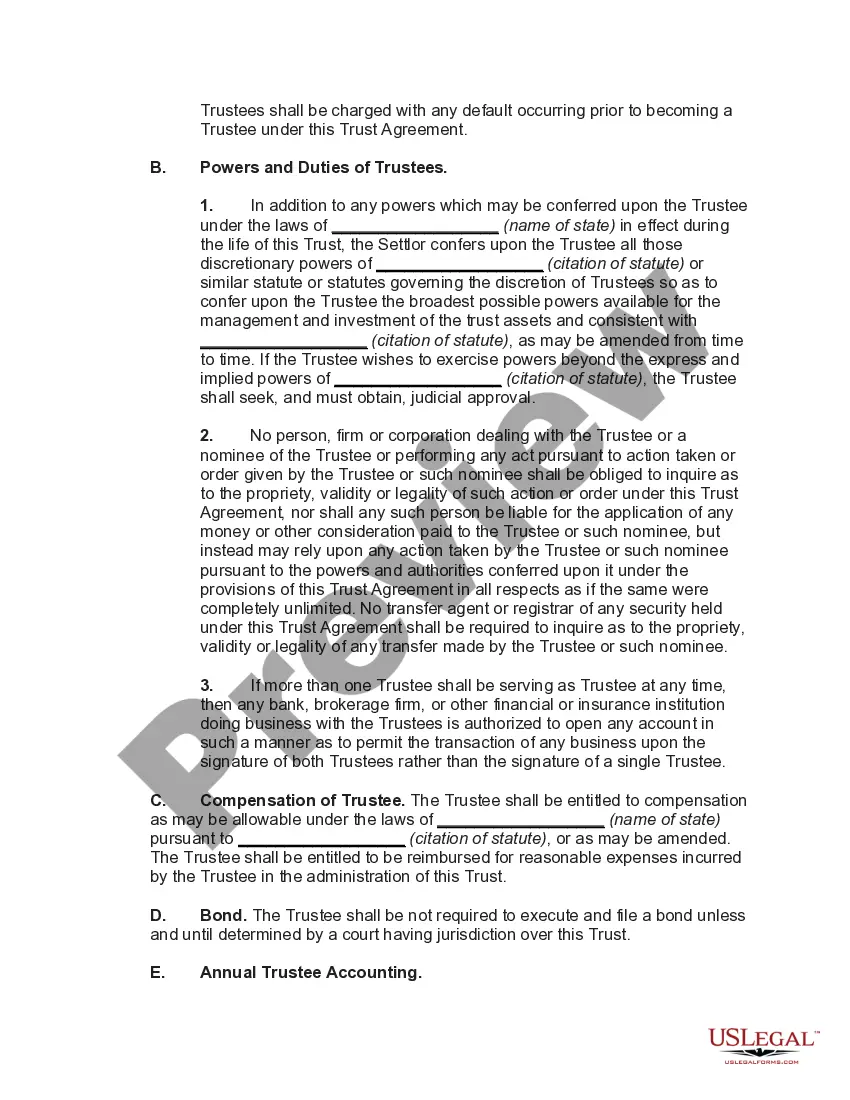
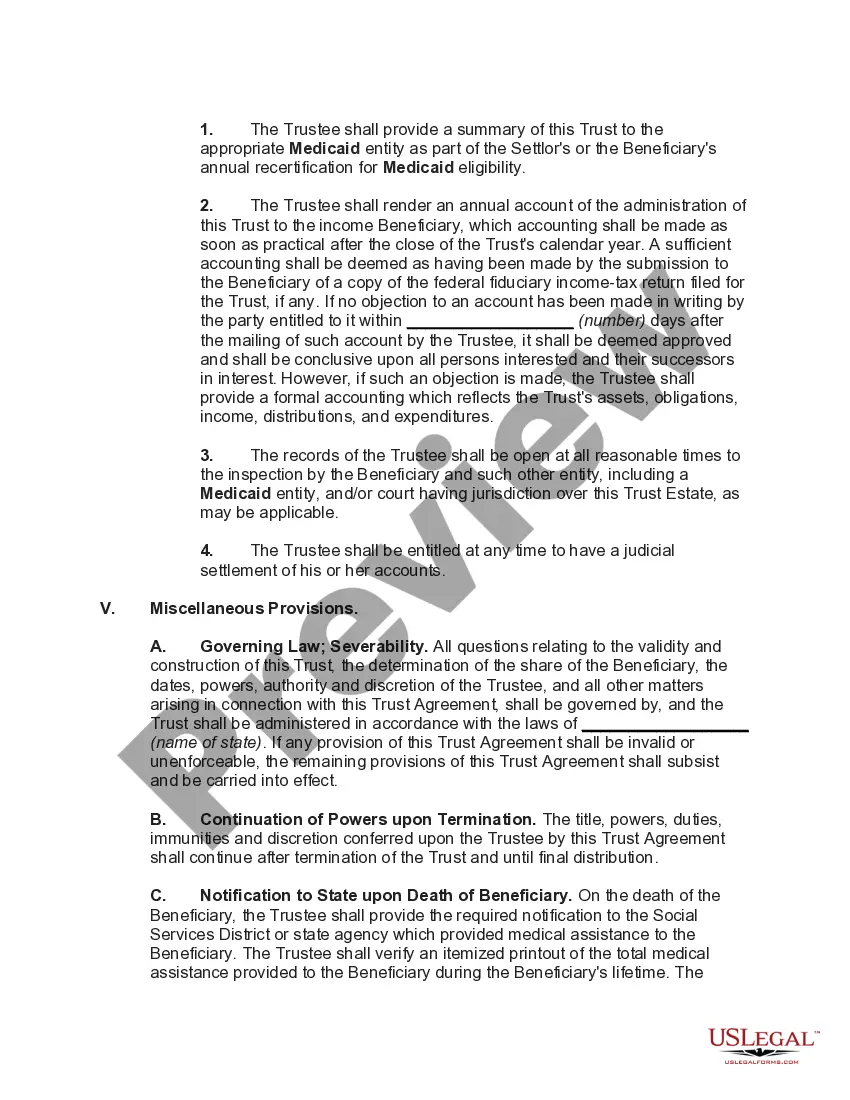
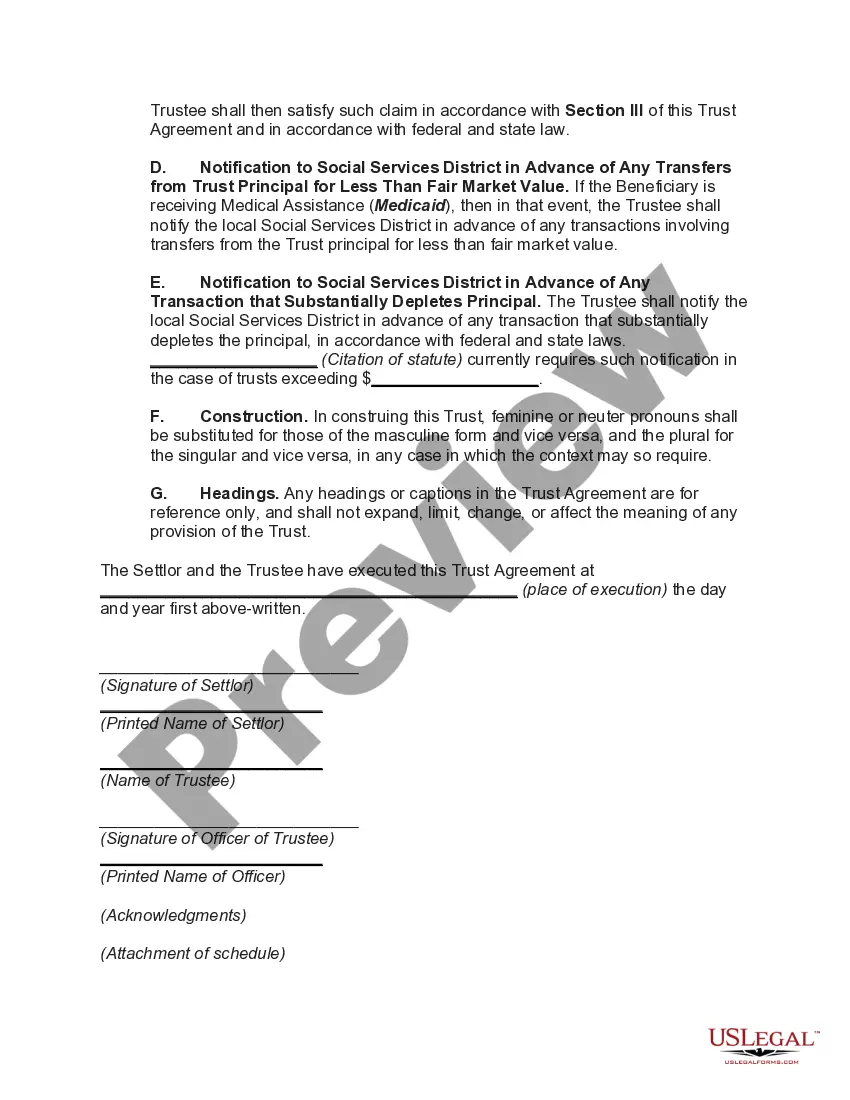



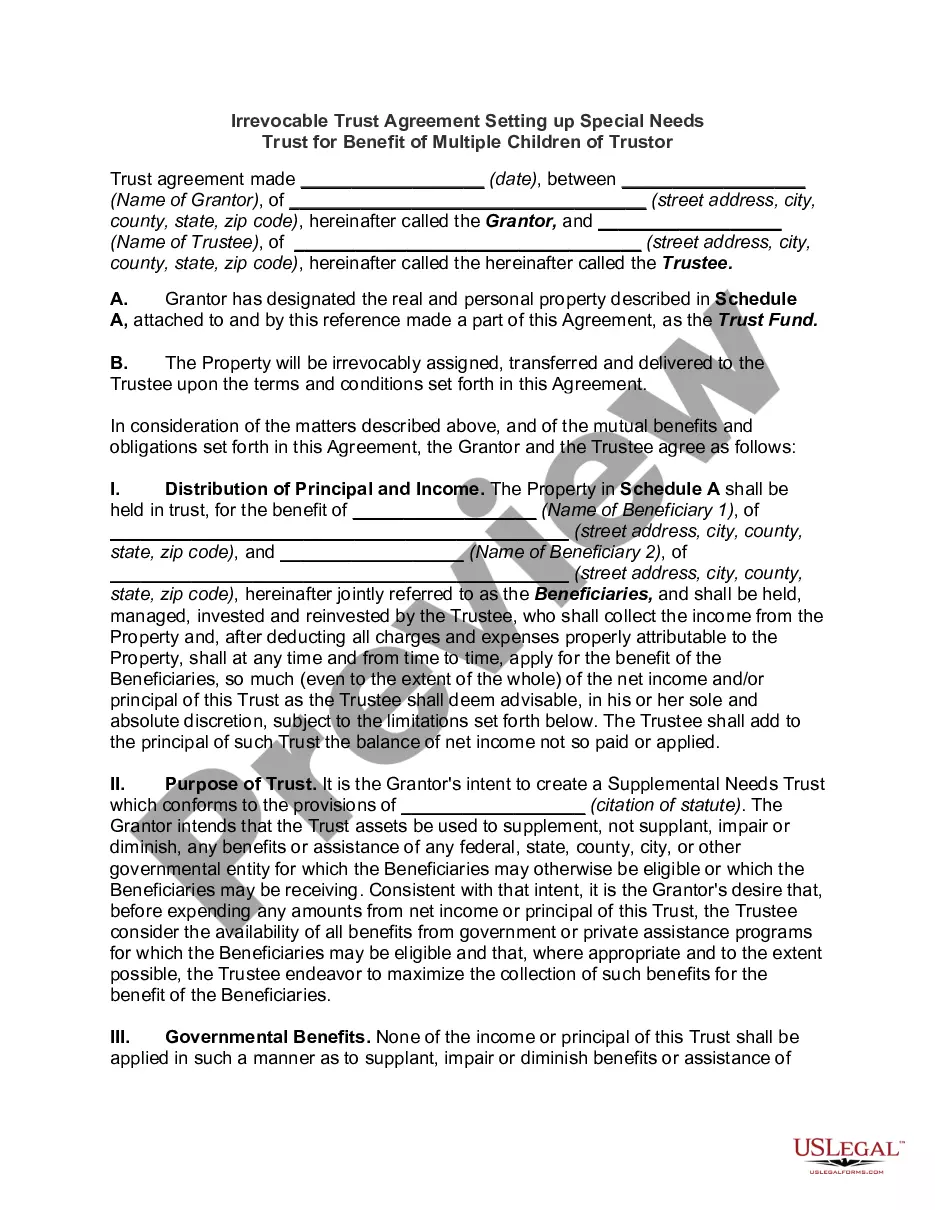
Get your form ready online
Our built-in tools help you complete, sign, share, and store your documents in one place.
Make edits, fill in missing information, and update formatting in US Legal Forms—just like you would in MS Word.
Download a copy, print it, send it by email, or mail it via USPS—whatever works best for your next step.
Sign and collect signatures with our SignNow integration. Send to multiple recipients, set reminders, and more. Go Premium to unlock E-Sign.
If this form requires notarization, complete it online through a secure video call—no need to meet a notary in person or wait for an appointment.
We protect your documents and personal data by following strict security and privacy standards.

Make edits, fill in missing information, and update formatting in US Legal Forms—just like you would in MS Word.

Download a copy, print it, send it by email, or mail it via USPS—whatever works best for your next step.

Sign and collect signatures with our SignNow integration. Send to multiple recipients, set reminders, and more. Go Premium to unlock E-Sign.

If this form requires notarization, complete it online through a secure video call—no need to meet a notary in person or wait for an appointment.

We protect your documents and personal data by following strict security and privacy standards.
Looking for another form?



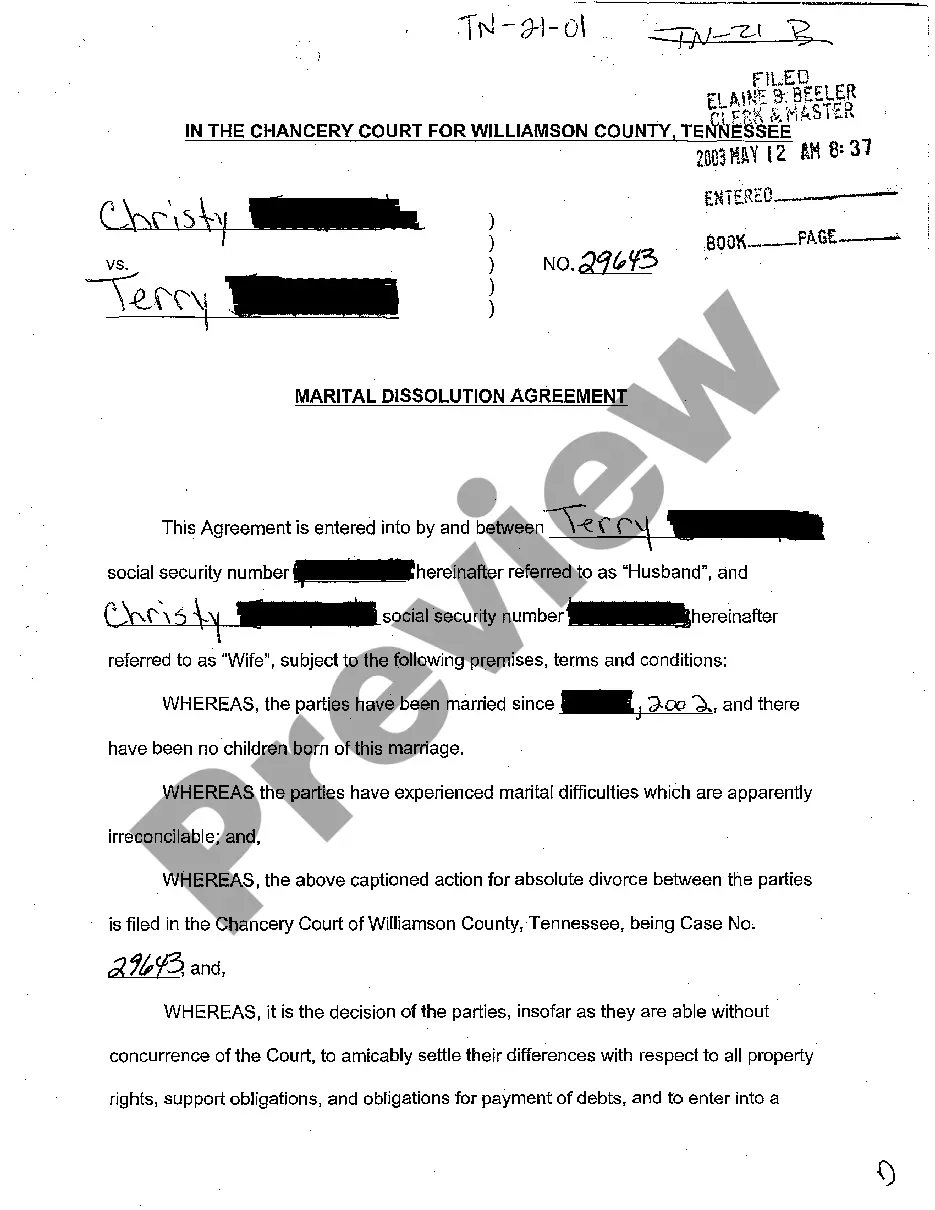





How to fill out Special Needs Irrevocable Trust Agreement For Benefit Of Disabled Child Of Trustor?
- Log into your US Legal Forms account or create a new account if you're a first-time user.
- Search for the specific special needs trust form that aligns with your requirements and local laws.
- Review the form description to confirm it suits your needs; utilize the Preview mode to inspect details.
- Select the desired template and continue if it meets your criteria; if not, use the Search feature to find alternatives.
- Purchase the document by clicking on the Buy Now button and choosing a suitable subscription plan.
- Complete your payment through credit card or PayPal for a seamless transaction.
- Download the form to your device for easy access, and retrieve it anytime from the My Forms section of your profile.
US Legal Forms empowers you to quickly navigate the complexities of legal documentation with their vast library of over 85,000 forms. This extensive collection, combined with access to premium experts, ensures that you receive correct and legally sound documents tailored to your specific needs.
Start securing your child's future today. Visit US Legal Forms and find the documentation you need!
Form popularity
FAQ
A special needs trust, specifically designed for individuals with disabilities, does not affect Supplemental Security Income (SSI) benefits. This type of trust allows the trustor to buy for a child while protecting their eligibility for SSI and Medicaid. By keeping assets within the trust, you can ensure that your child receives necessary care without losing essential government benefits. Consider using US Legal Forms to create a special needs trust tailored to your family's needs.
The IRS taxes a special needs trust based on its income, and the rate can vary depending on whether the income is retained or distributed. If the trust retains its earnings, it may be taxed at a higher trust tax rate. Conversely, if you distribute income to your child, they may be taxed at their individual income tax rate. To ensure optimal tax management of a trust you create to buy for your child, consider using platforms like uslegalforms for guidance.
Yes, a special needs trust typically requires its own tax ID number, also known as an Employer Identification Number (EIN). This number is essential for the trust to file its tax returns and manage its financial activities independently of the trustor. When you set up a special needs trust to buy for your child, obtaining an EIN is a crucial step in maintaining proper tax compliance. A legal service like uslegalforms can assist you in acquiring the necessary paperwork.
Yes, income distributions from a special needs trust can be taxable, but the specific tax implications depend on multiple factors. When funds are distributed to your child, these distributions may be subject to income tax at their rate. Therefore, as a special needs trustor buying for your child, it is essential to plan your distributions wisely to minimize tax liability. Consulting with a tax professional familiar with trust laws can help you navigate this area.
You can certainly fund your own special needs trust designed to buy for your child. This process often involves transferring assets into the trust, providing your child with the financial support they need without affecting their eligibility for government benefits. Engaging with legal experts can streamline the funding process and ensure everything is compliant with regulations. Remember, the goal is to enhance your child's future, so consider various funding options suitable for your situation.
A special needs trust can be subject to taxation, but it largely depends on the income generated by the trust. Typically, the trust's income distributions might be taxed at the beneficiary's rate, not the trustor's. This means if you set up a special needs trust to buy for your child, you should consult with a tax advisor to understand your specific obligations. Income earned within the trust is usually reported on the trust's tax return.
To set up a special needs trust, you typically need personal identification documents, financial information, and details about your child's needs. Collaborate with a qualified attorney to ensure compliance with legal requirements. Additionally, using tools from US Legal Forms can streamline the paperwork required. Being organized will help in creating a solid foundation for your child's future.
To set up a special needs trust for your child, start by consulting with an attorney who specializes in this area. You will need to define the trust's terms, decide on the trustee, and determine how assets will be managed. It is essential to align the trust with your child's needs. Resources like US Legal Forms can provide simple templates and guidance to make this process smoother.
The three types of special needs trusts include first-party, third-party, and pooled trusts. A first-party trust holds the assets of the disabled individual, whereas a third-party trust holds assets from family members or others. Pooled trusts are managed by nonprofit organizations and combine funds from multiple individuals. Choosing the right type ensures optimal support for your child.
Disadvantages of a special needs trust include the costs associated with its establishment and ongoing legal fees. Moreover, there are strict rules governing how funds may be used. If not managed correctly, you could risk your child's eligibility for crucial government benefits. Discussing these aspects with a qualified professional can help mitigate potential issues.