Special Needs Trustor Application For The United States
Description



Get your form ready online
Our built-in tools help you complete, sign, share, and store your documents in one place.
Make edits, fill in missing information, and update formatting in US Legal Forms—just like you would in MS Word.
Download a copy, print it, send it by email, or mail it via USPS—whatever works best for your next step.
Sign and collect signatures with our SignNow integration. Send to multiple recipients, set reminders, and more. Go Premium to unlock E-Sign.
If this form requires notarization, complete it online through a secure video call—no need to meet a notary in person or wait for an appointment.
We protect your documents and personal data by following strict security and privacy standards.

Make edits, fill in missing information, and update formatting in US Legal Forms—just like you would in MS Word.

Download a copy, print it, send it by email, or mail it via USPS—whatever works best for your next step.

Sign and collect signatures with our SignNow integration. Send to multiple recipients, set reminders, and more. Go Premium to unlock E-Sign.

If this form requires notarization, complete it online through a secure video call—no need to meet a notary in person or wait for an appointment.

We protect your documents and personal data by following strict security and privacy standards.
Looking for another form?






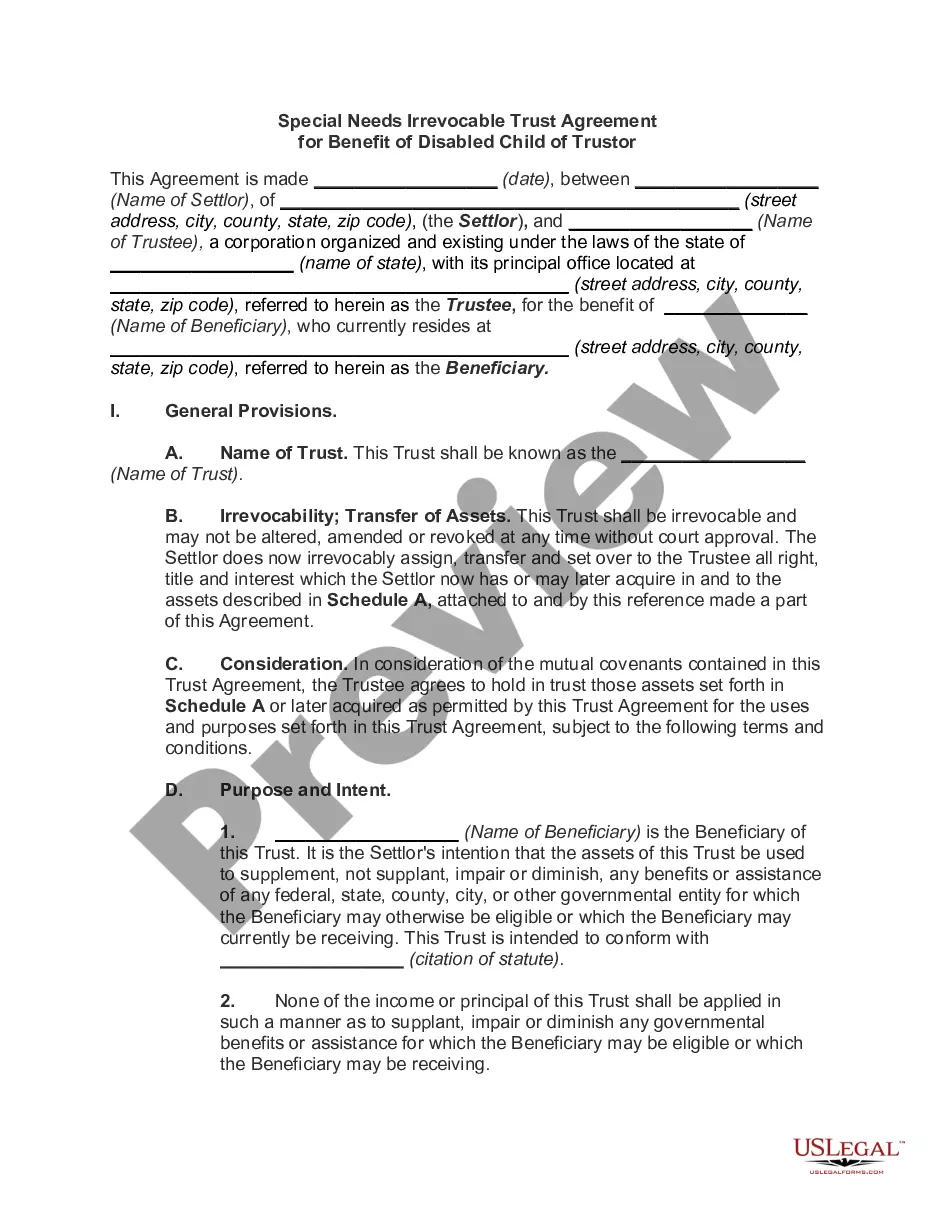
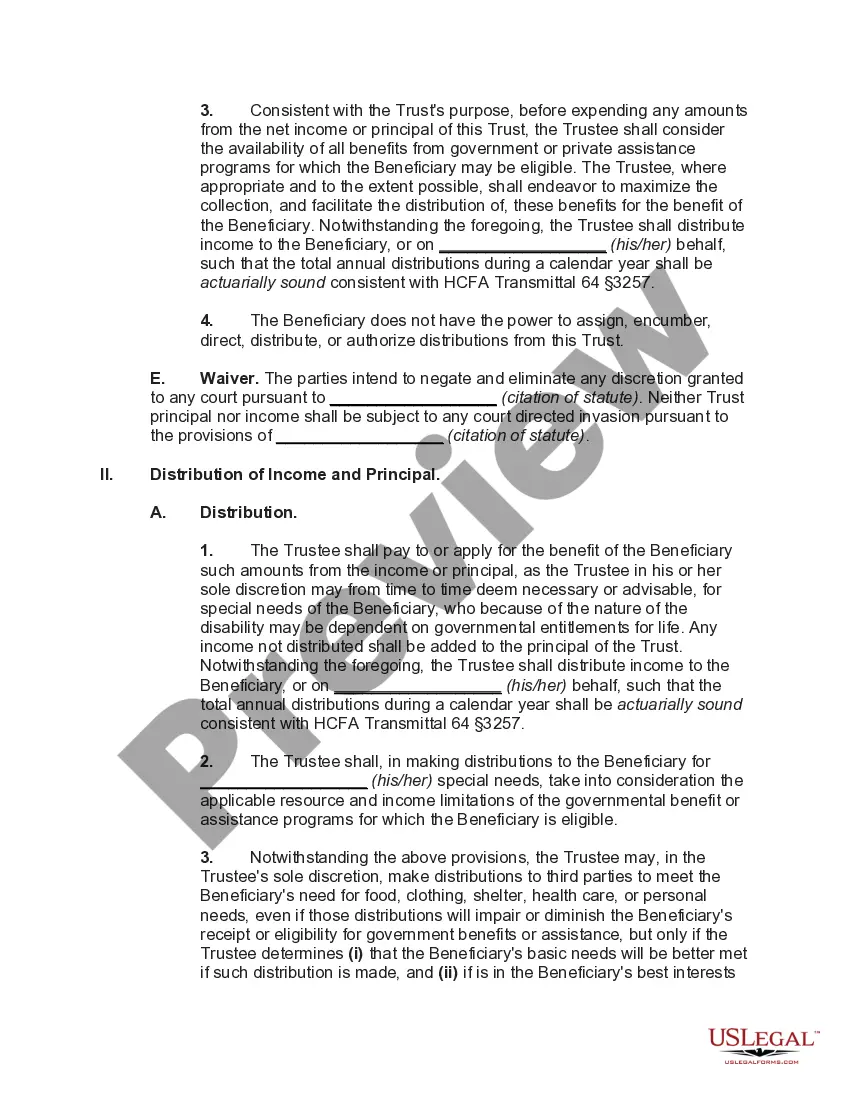
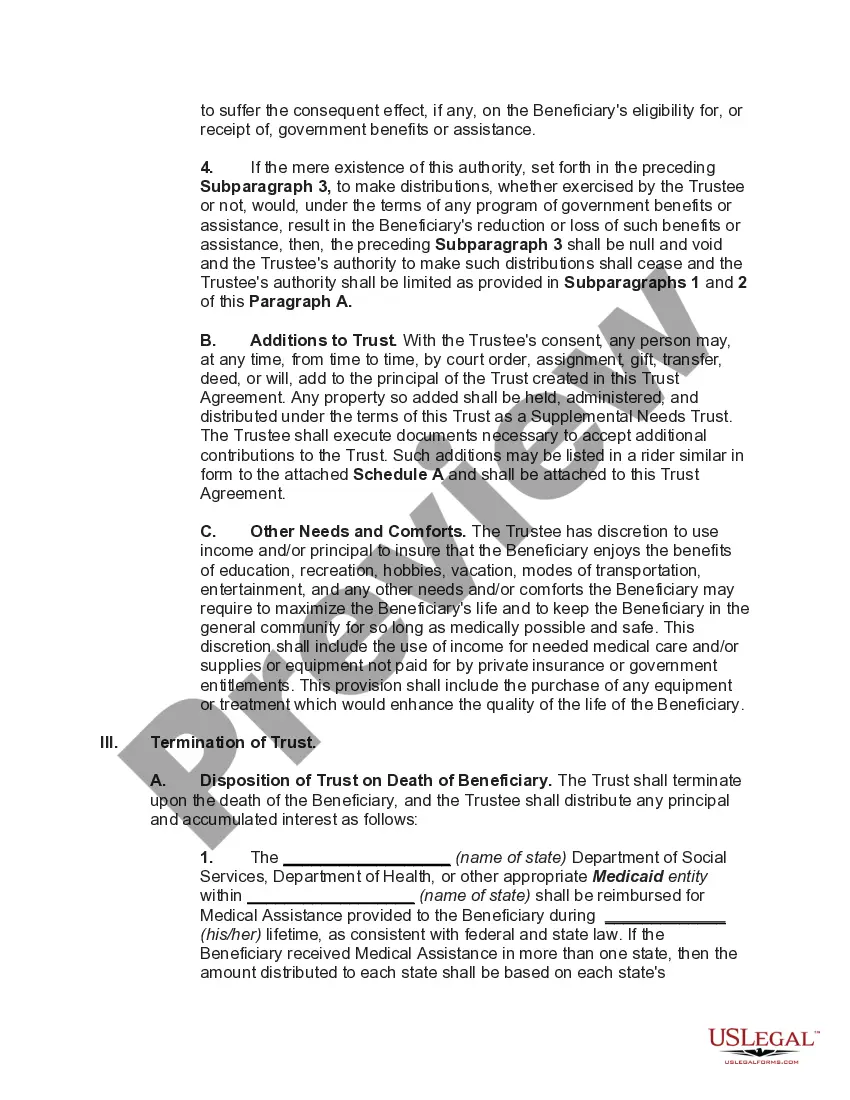
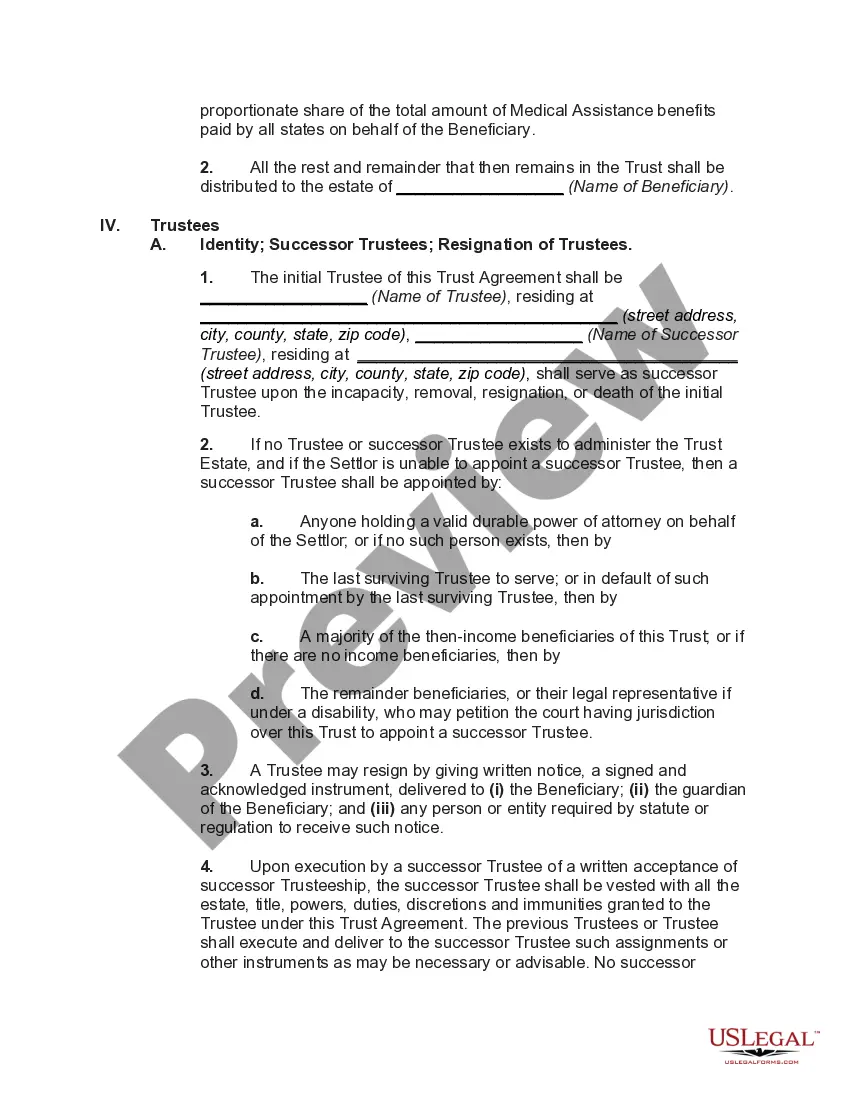
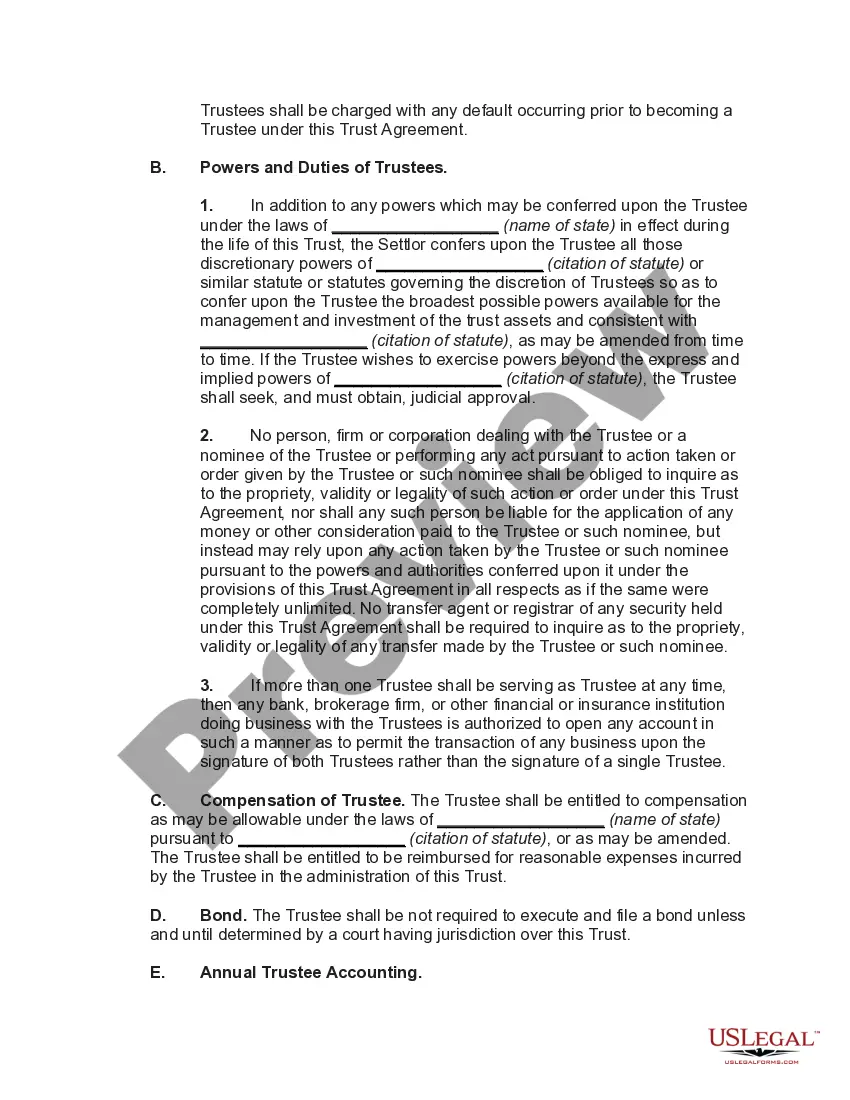
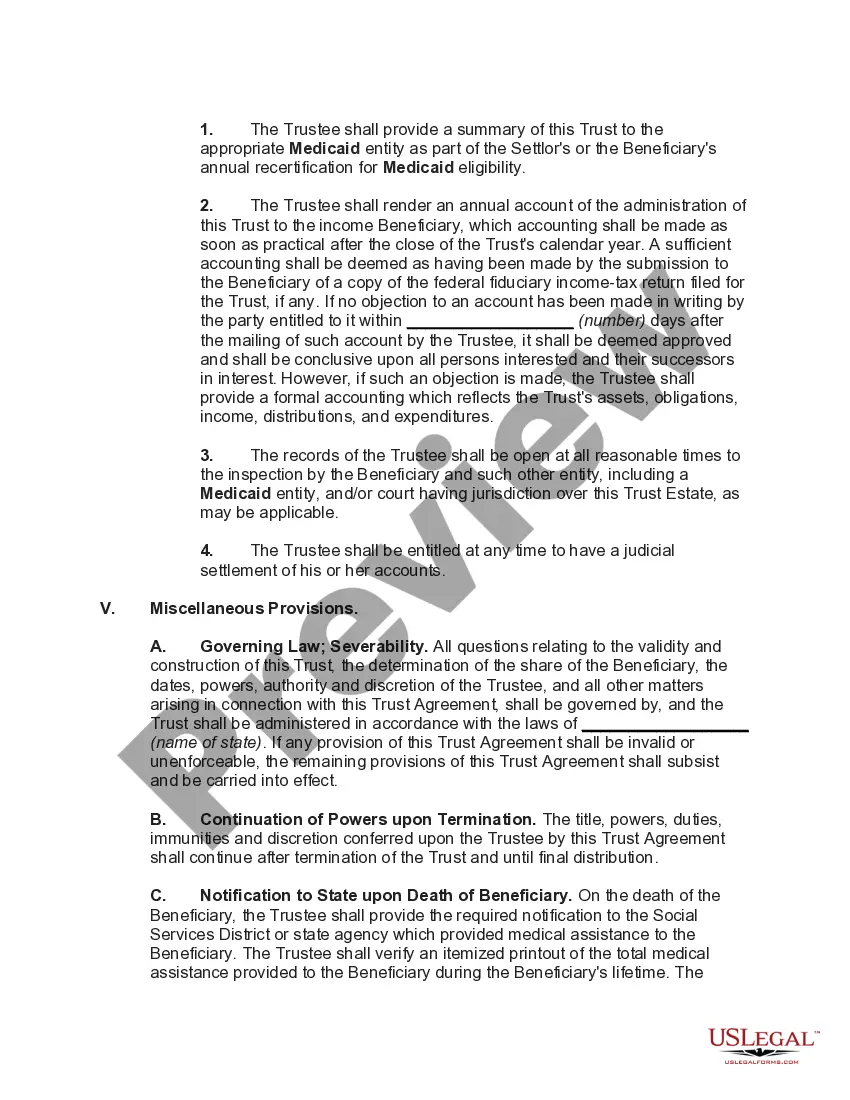
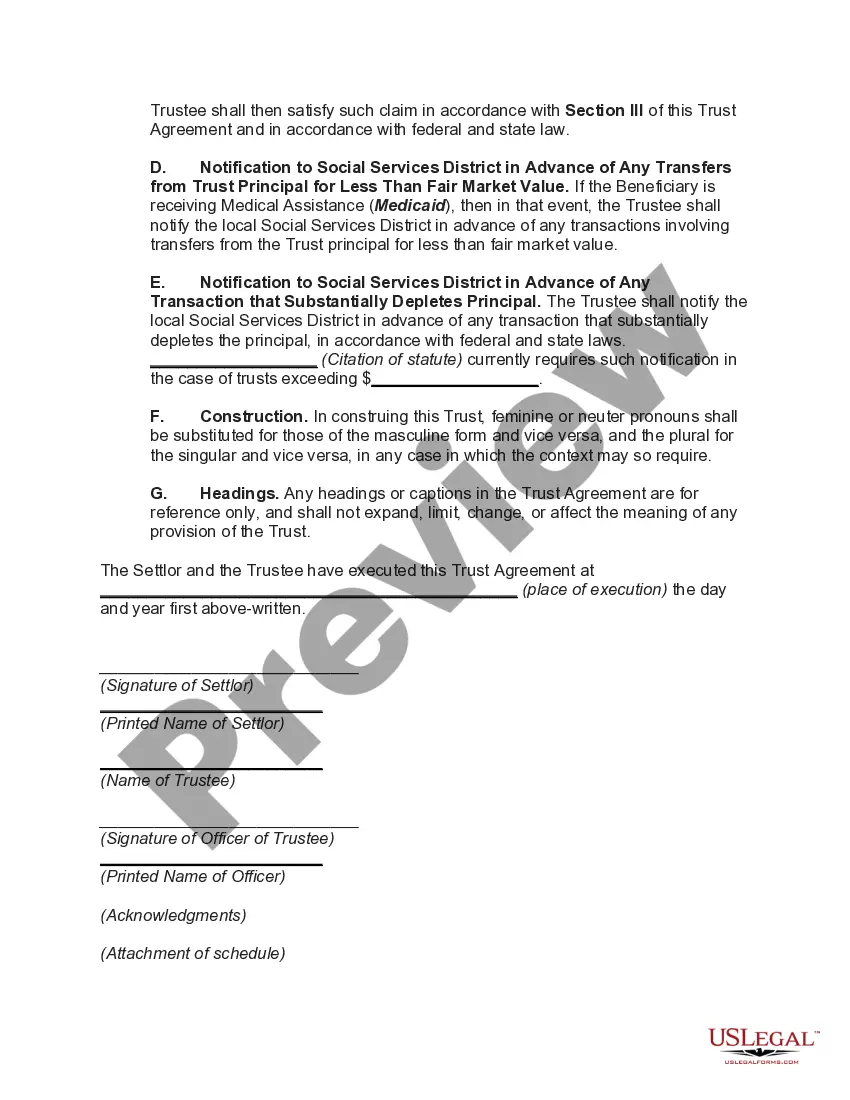
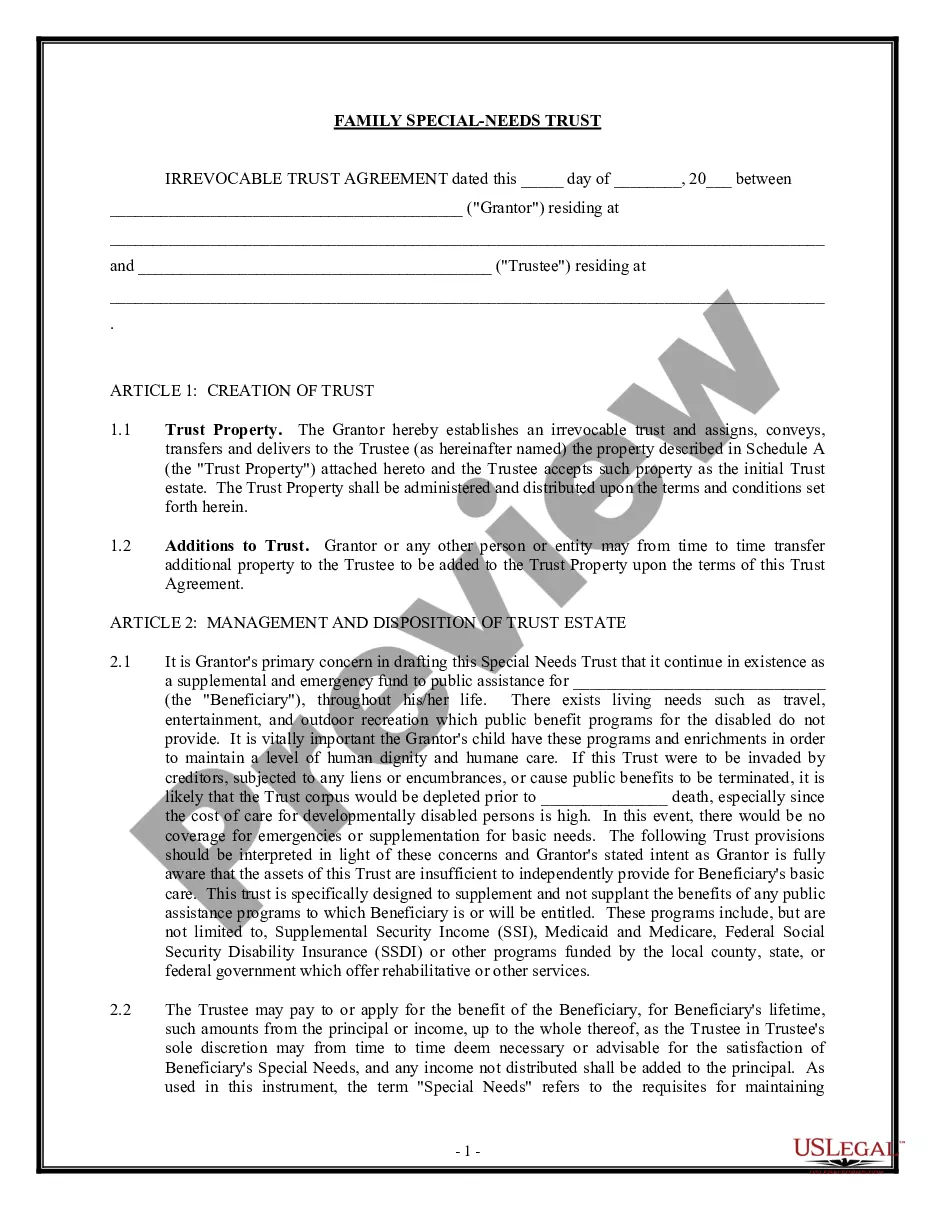
How to fill out Special Needs Irrevocable Trust Agreement For Benefit Of Disabled Child Of Trustor?
- If you are an existing user, log in to your account and locate the Special Needs Trustor application. Ensure your subscription is still active to download the required form.
- For first-time users, start by reviewing the form descriptions available in the preview mode to pick the appropriate application that suits your requirements.
- If you find any discrepancies or need another template, utilize the Search feature to find the correct document that aligns with your jurisdiction.
- Once you have identified the right form, click on the Buy Now button and select your preferred subscription plan. An account registration will be necessary to unlock the library of resources.
- Complete your purchase by entering your payment information, whether through credit card or PayPal.
- After your payment is confirmed, download your Special Needs Trustor application to your device and access it anytime through the My Forms section.
In conclusion, utilizing US Legal Forms provides a robust solution for individuals and attorneys alike in creating legally binding documents efficiently. With over 85,000 forms at your fingertips and premium support available, you're not just obtaining a form; you’re securing peace of mind.
Start your journey today by visiting US Legal Forms and take control of your legal needs!
Form popularity
FAQ
One drawback of a special needs trust may include restrictions on how the funds can be used, as expenditures must not interfere with government benefits. Additionally, ongoing administration can incur costs and require time. Understanding these limitations through the special needs trustor application for the United States can aid in making informed decisions.
Yes, a special needs trust requires its own Employer Identification Number (EIN) for tax purposes, even if it does not have employees. This number helps the IRS track the trust's income and filings. By using the special needs trustor application for the United States, you can easily apply for the necessary EIN.
Typically, a trust must file Form 1041, which is the U.S. Income Tax Return for Estates and Trusts. This form accounts for the trust’s income, deductions, and distributions. The special needs trustor application for the United States can simplify tax management and ensure accurate filings.
There isn’t a set minimum amount to establish a special needs trust; however, enough funding is necessary to make it worthwhile. Consider the beneficiary's ongoing needs and expenses to determine an appropriate amount. The special needs trustor application for the United States can help gauge these financial requirements.
A special needs trust often requires filing Form 1041, the income tax return for estates and trusts, if it generates taxable income. Beneficiaries may also need to report distributions received. To ensure compliance, consider utilizing the special needs trustor application for the United States alongside appropriate tax guidance.
Forming a special needs trust involves drafting the trust document according to state laws and funding the trust with suitable assets. You should define the authority of the trustee and specify the beneficiary's needs clearly. The special needs trustor application for the United States serves as a useful starting point for crafting a compliant trust.
To establish a special needs trust, you typically need the details of the beneficiary, the name of the trust, and the trustor's assets. Additionally, it's essential to outline how the funds will be managed and the purpose of the trust. Using the special needs trustor application for the United States can help streamline this process.
While it is possible to create a special needs trust without legal assistance, it’s generally not advisable. The special needs trustor application for the United States involves complex legalities that can affect eligibility for government benefits. Consulting with an attorney ensures that the trust complies with state laws and serves its intended purpose effectively.
The overall timeframe to get a special needs trust established typically ranges from a few weeks to months, depending on your specific circumstances and the complexity of the trust. Preparing the necessary documents, selecting a trustee, and ensuring compliance with state regulations all play roles in this timeline. By utilizing USLegalForms for your special needs trustor application for the United States, you can access resources to help reduce the time spent on setup.
Setting up a special needs trust often takes several weeks, depending on the required documentation and state laws. Factors such as gathering financial information, identifying a trustee, and preparing the trust documents all contribute to the timeline. For a more efficient process, consider using the tools and resources available at USLegalForms to simplify the special needs trustor application for the United States.