Special Needs Trustor Application For The State
Description

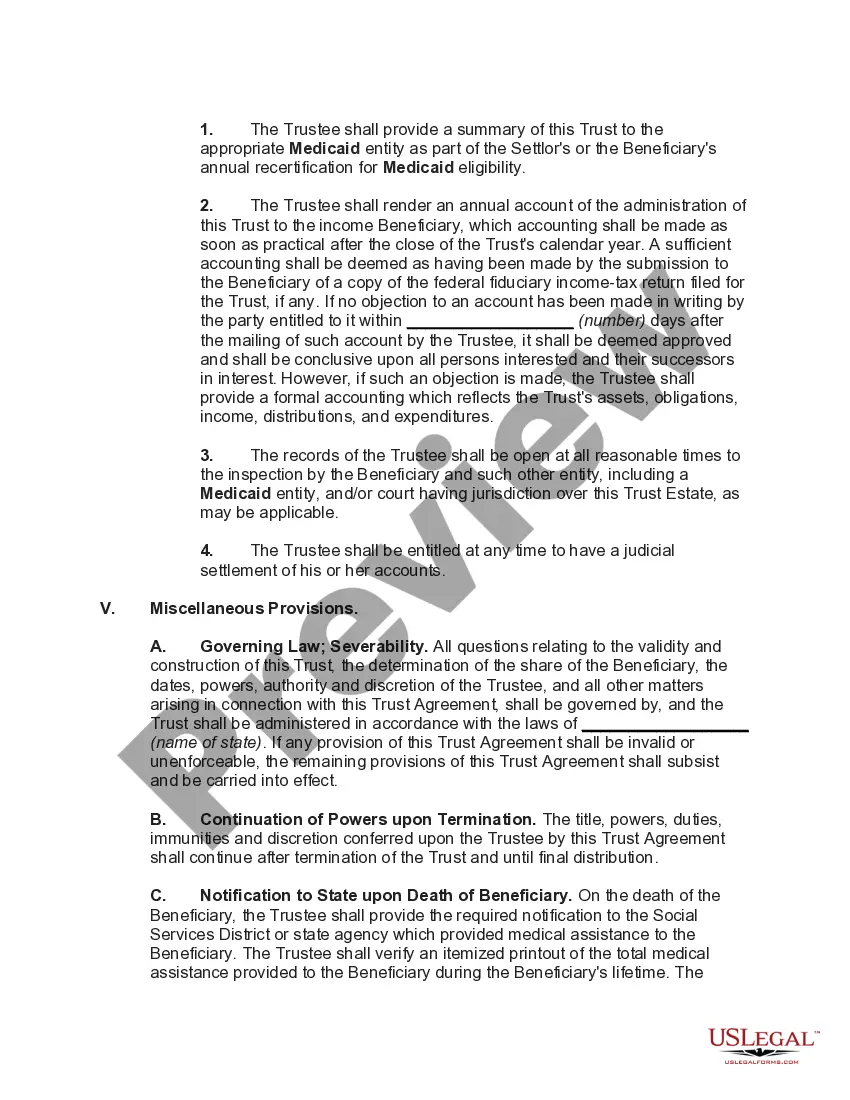
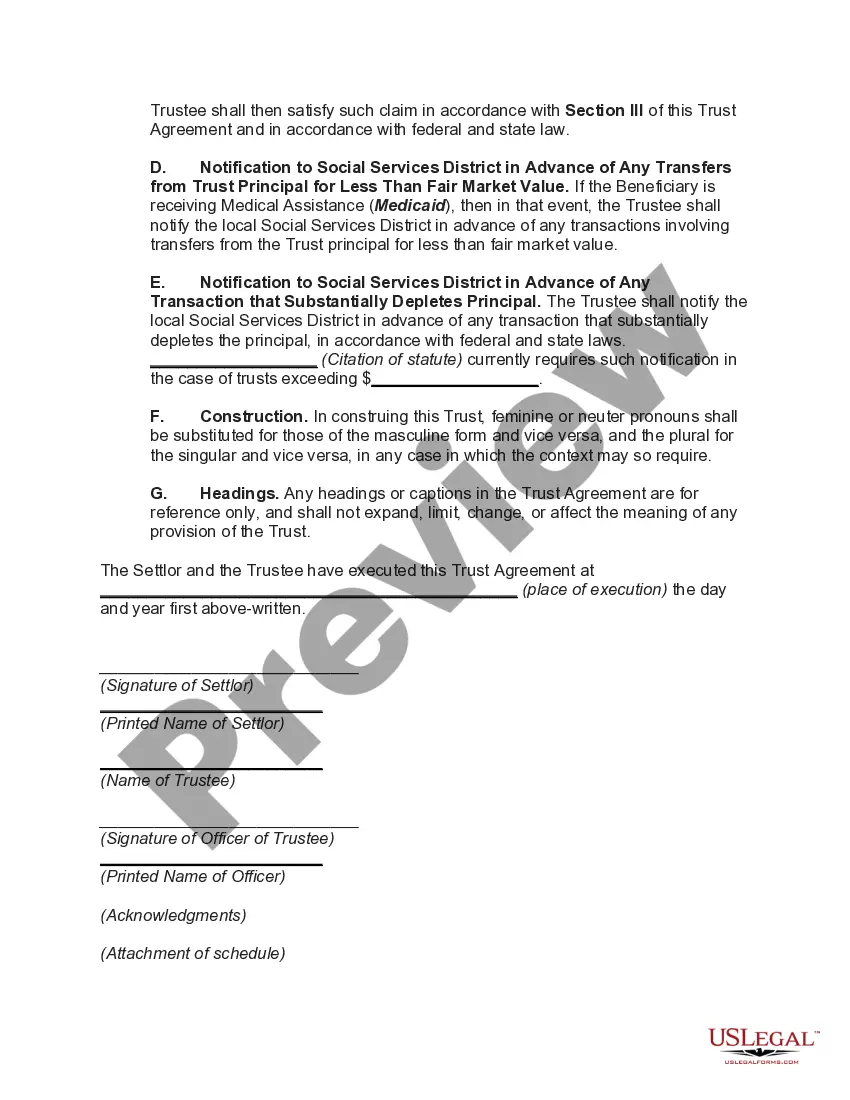
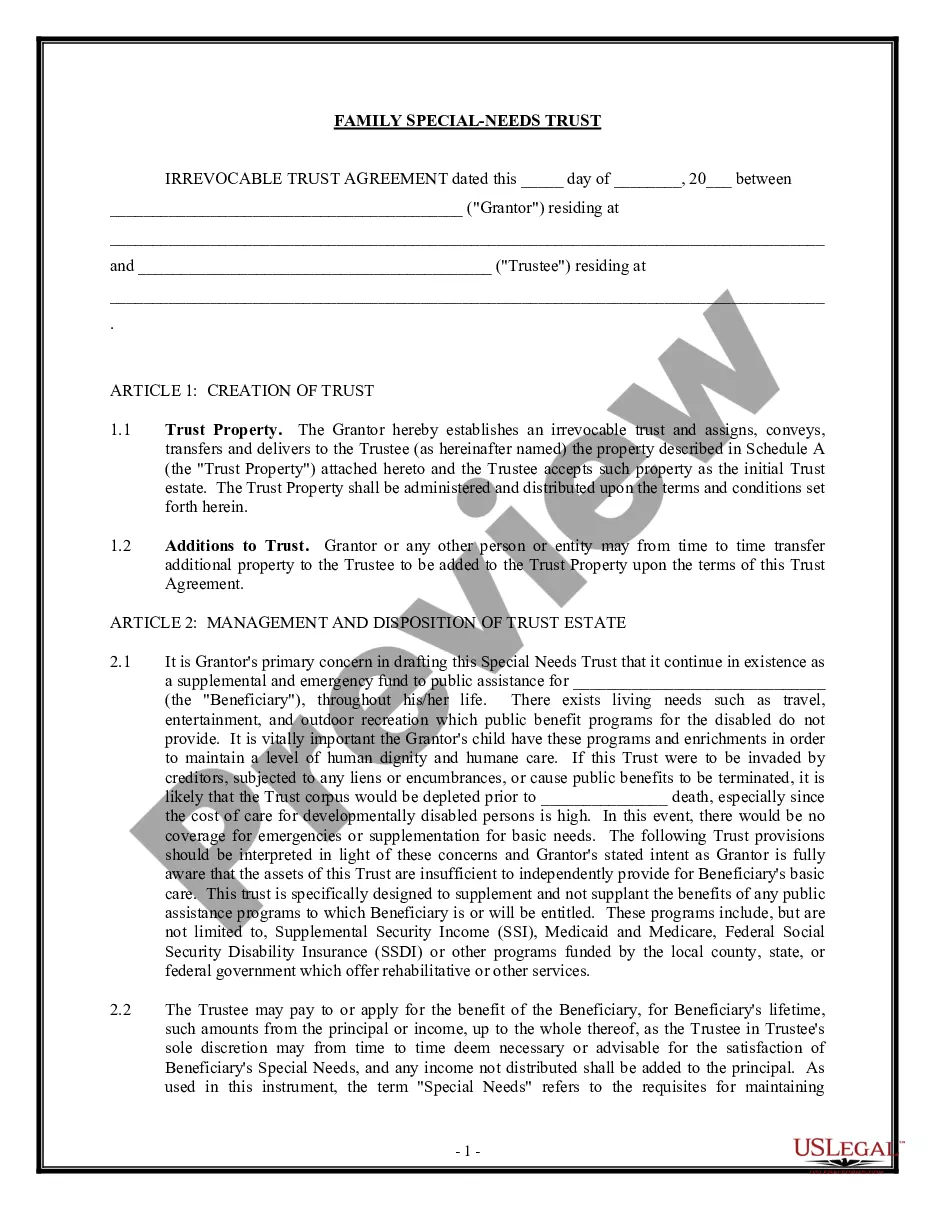



Get your form ready online
Our built-in tools help you complete, sign, share, and store your documents in one place.
Make edits, fill in missing information, and update formatting in US Legal Forms—just like you would in MS Word.
Download a copy, print it, send it by email, or mail it via USPS—whatever works best for your next step.
Sign and collect signatures with our SignNow integration. Send to multiple recipients, set reminders, and more. Go Premium to unlock E-Sign.
If this form requires notarization, complete it online through a secure video call—no need to meet a notary in person or wait for an appointment.
We protect your documents and personal data by following strict security and privacy standards.

Make edits, fill in missing information, and update formatting in US Legal Forms—just like you would in MS Word.

Download a copy, print it, send it by email, or mail it via USPS—whatever works best for your next step.

Sign and collect signatures with our SignNow integration. Send to multiple recipients, set reminders, and more. Go Premium to unlock E-Sign.

If this form requires notarization, complete it online through a secure video call—no need to meet a notary in person or wait for an appointment.

We protect your documents and personal data by following strict security and privacy standards.
Looking for another form?


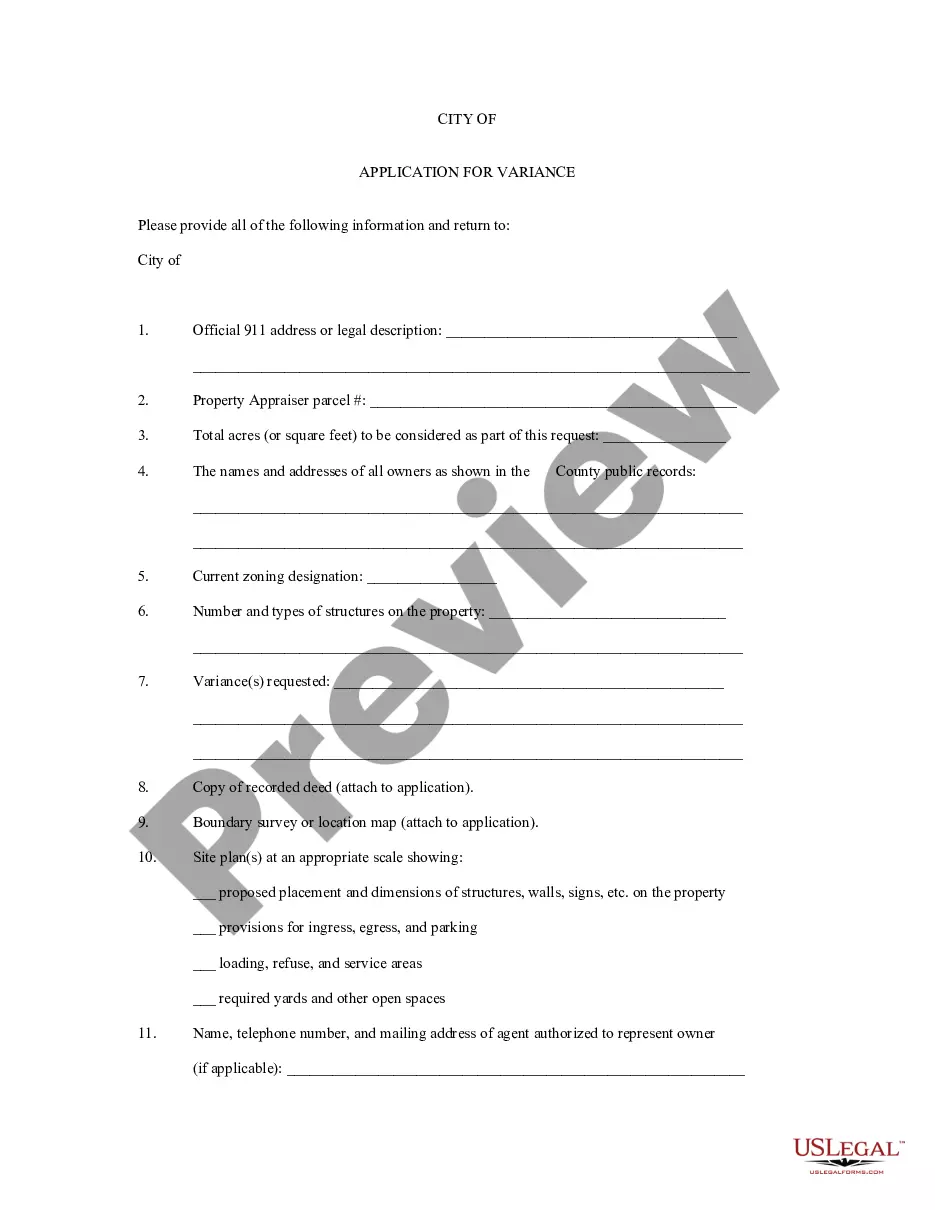





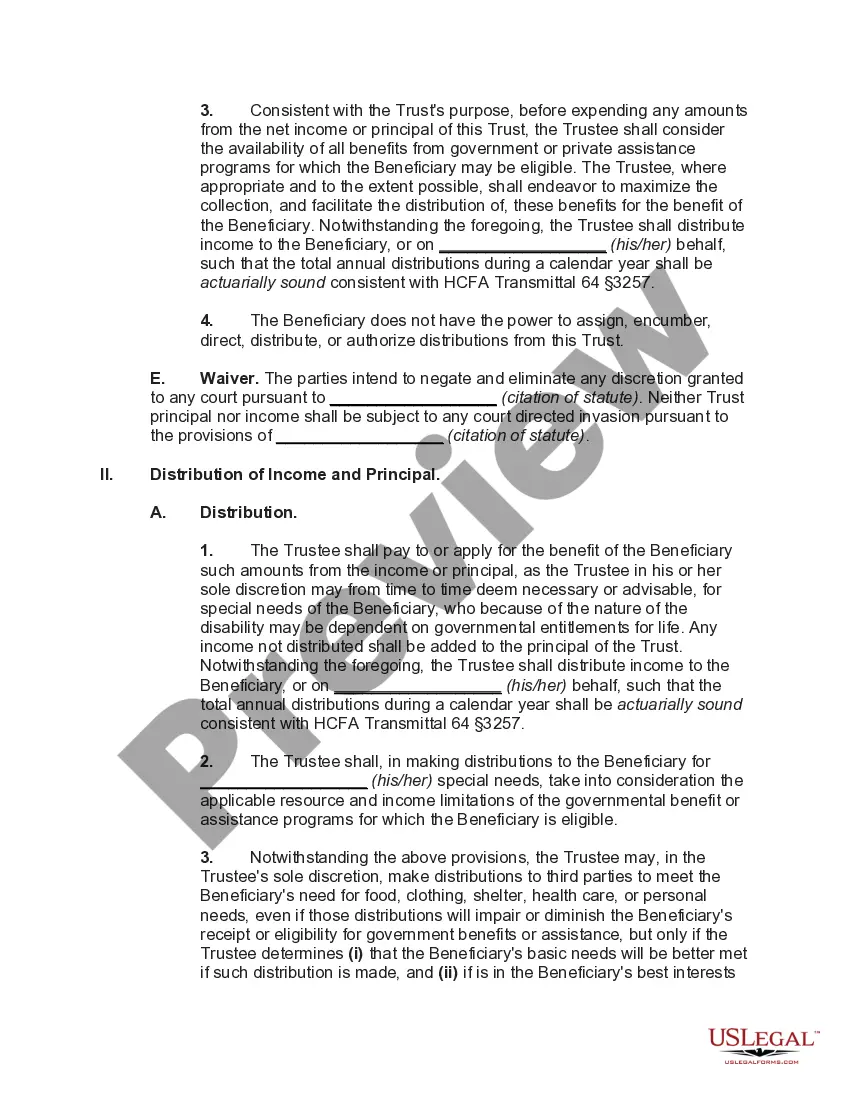
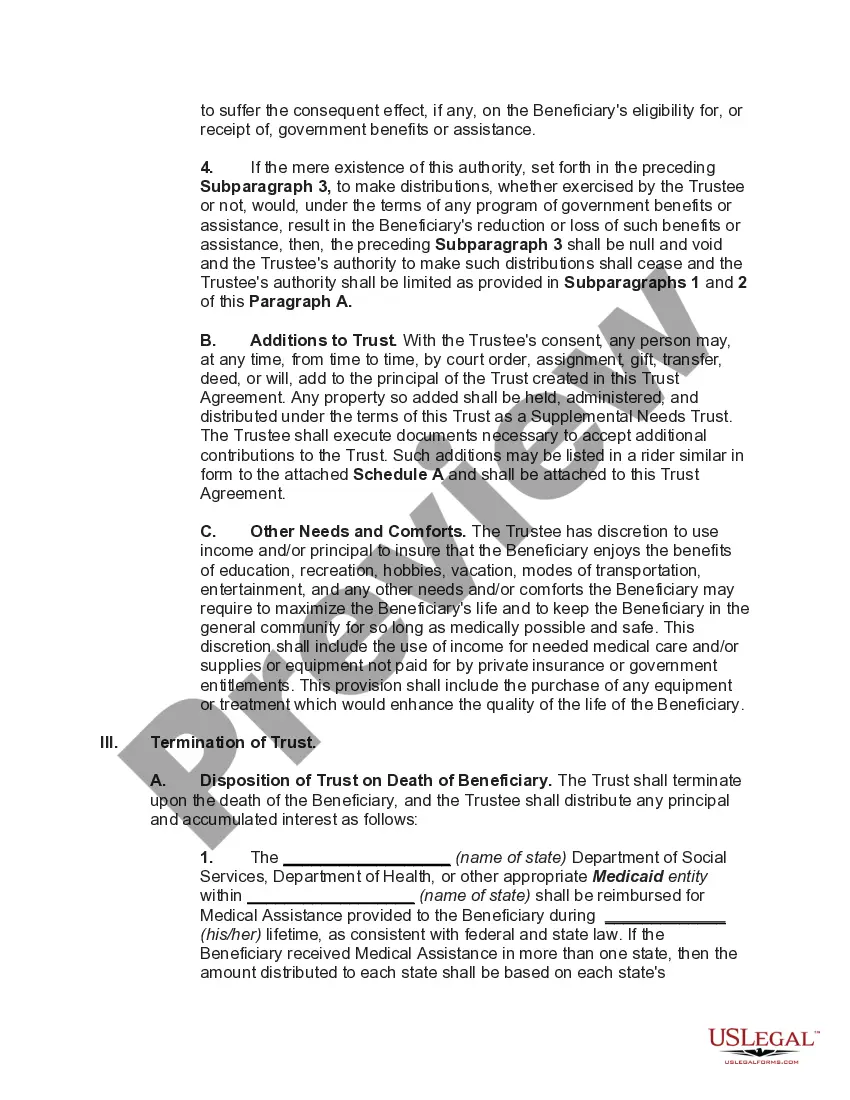
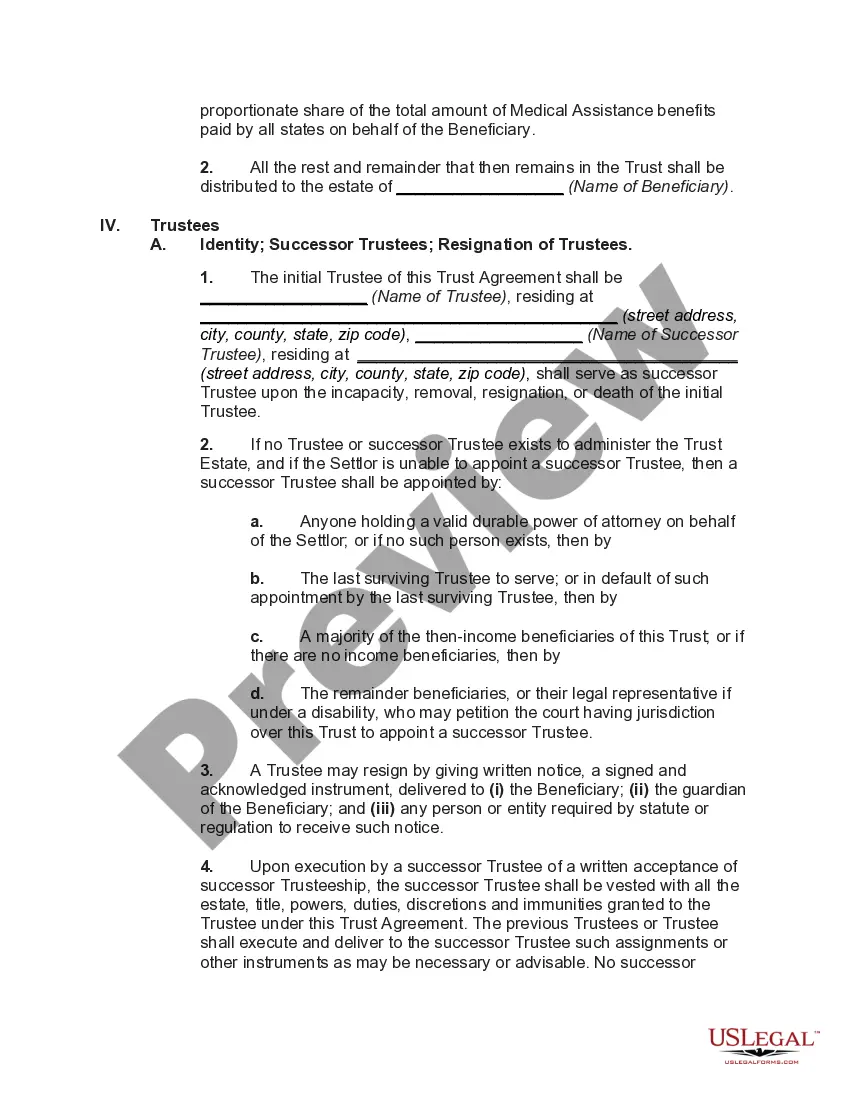
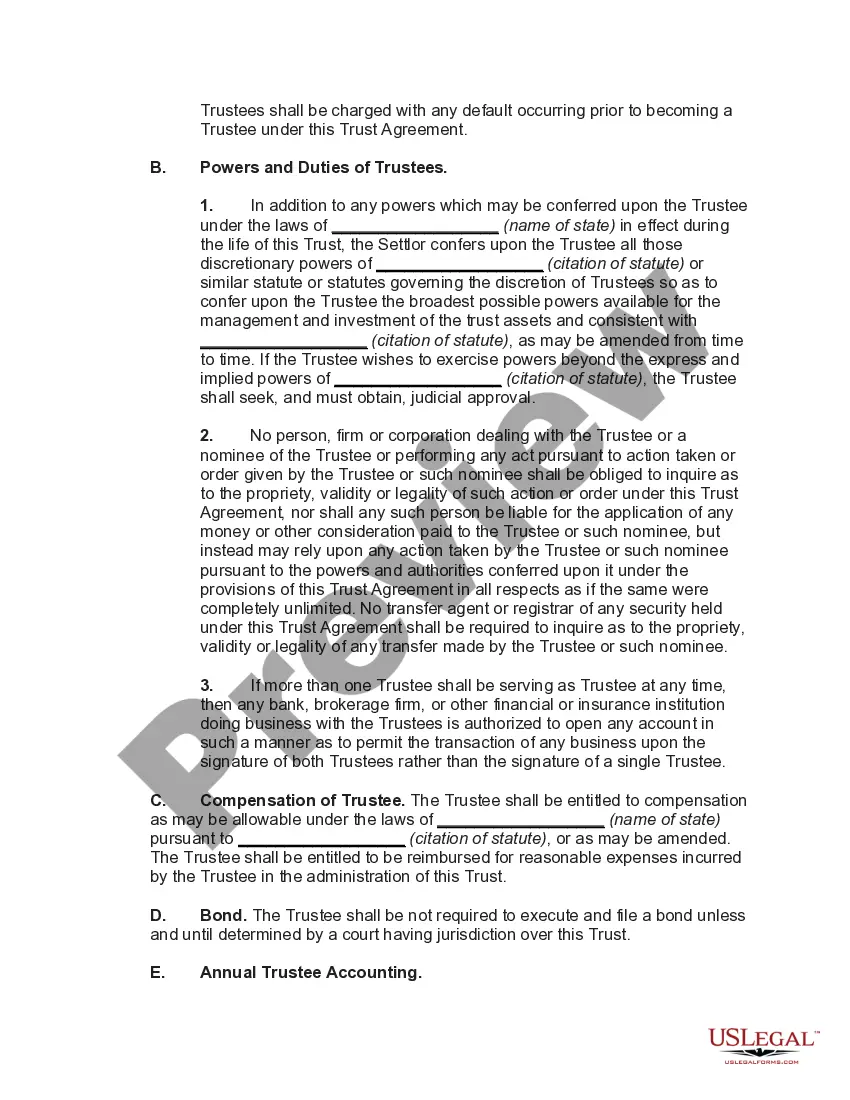
How to fill out Special Needs Irrevocable Trust Agreement For Benefit Of Disabled Child Of Trustor?
- Log in to your US Legal Forms account if you’ve previously used the service. Verify your subscription is current; if not, renew it accordingly.
- In case of a first-time user, begin by exploring the preview mode of the desired form. Confirm it matches your requirements and adheres to your local jurisdiction.
- Utilize the Search tab to find alternative templates if the chosen form is inadequate.
- Select the Buy Now button corresponding to your desired document, and opt for a suitable subscription plan. A user account registration will be necessary for full access.
- Complete your transaction by entering your payment information through credit card or PayPal for the subscription.
- Finally, download the document onto your device and access it via the My Forms menu in your profile whenever needed.
In conclusion, US Legal Forms streamlines the process of acquiring legal documents with a rich library and numerous expert assistance options. By following these steps carefully, you can confidently complete your special needs trustor application.
Start today by visiting US Legal Forms and empower yourself to manage legal documents effectively!
Form popularity
FAQ
The three types of special needs trusts include first-party trusts, third-party trusts, and pooled trusts. First-party trusts are funded with the beneficiary's assets, while third-party trusts are funded by family members or friends. Pooled trusts combine resources from several individuals, managed by a non-profit organization. Each type plays a unique role in the special needs trustor application for the state, providing flexible solutions for financial planning.
To qualify for a special needs trust, individuals must have a disability and require long-term financial assistance. This application often involves providing medical documentation and proof of income. The special needs trustor application for the state will guide you through necessary forms and requirements, ensuring you don’t compromise any benefits, such as Medicaid or Supplemental Security Income. Consulting with a legal professional can enhance your understanding of this process.
Forming a special needs trust involves several steps, starting with determining the specific needs of the beneficiary. You'll need to draft a trust document that complies with state laws, which often requires a lawyer’s assistance. Consider utilizing the special needs trustor application for the state to ensure all legal terms are met and to streamline the setup process efficiently. This way, you can create a trust that best serves your loved one's future.
Yes, reporting a special needs trust to Medicaid is necessary to ensure compliance with regulations. Such trusts need to be disclosed during eligibility assessments for Medicaid benefits. Failing to report can lead to complications regarding the beneficiary's enrollment in these programs. When filling out the special needs trustor application for the state, it’s crucial to provide accurate information to avoid any issues.
The beneficial owner of a special needs trust is typically the person with disabilities who is meant to benefit from the trust. They are the individual whose needs the trust aims to support financially without jeopardizing their eligibility for government assistance programs. Understanding this role is vital when completing the special needs trustor application for the state.
The best person to appoint as a trustee is usually a close family member or a trusted friend who has experience managing finances. This individual should empathize with the needs of the beneficiary and be committed to their well-being. Alternatively, you may also consider a professional trustee who specializes in special needs trusts. Utilizing a special needs trustor application for the state can assist you in selecting the ideal candidate.
Choosing a trustee for a special needs trust requires careful consideration. You should look for someone who understands the unique needs of individuals with disabilities. This person should have financial knowledge, be reliable, and be someone you trust completely. Using the special needs trustor application for the state can help streamline the process and ensure all legal requirements are met.
Creating a special needs trust on your own is possible, but it comes with its challenges. Completing the special needs trustor application for the state requires attention to compliance and specific legal language. To ensure your trust meets all state requirements and protects your child's needs, enlisting the help of professionals is suggested. They can guide you through the process and help you avoid common pitfalls.
Yes, you can create a trust fund for yourself, often referred to as a self-settled trust. However, using such a structure in the context of the special needs trustor application for the state can be complex. It's important to consider how this might impact your eligibility for government assistance programs. Consulting an expert will provide you with clearer options.
While it is possible to set up a special needs trust without a lawyer, it is generally not recommended. The complexities of the special needs trustor application for the state can lead to errors that may affect your child’s benefits. Therefore, it’s wise to consult with a legal professional who specializes in this area to ensure that everything is set up correctly.