Special Needs Trust Form With Life Insurance
Description

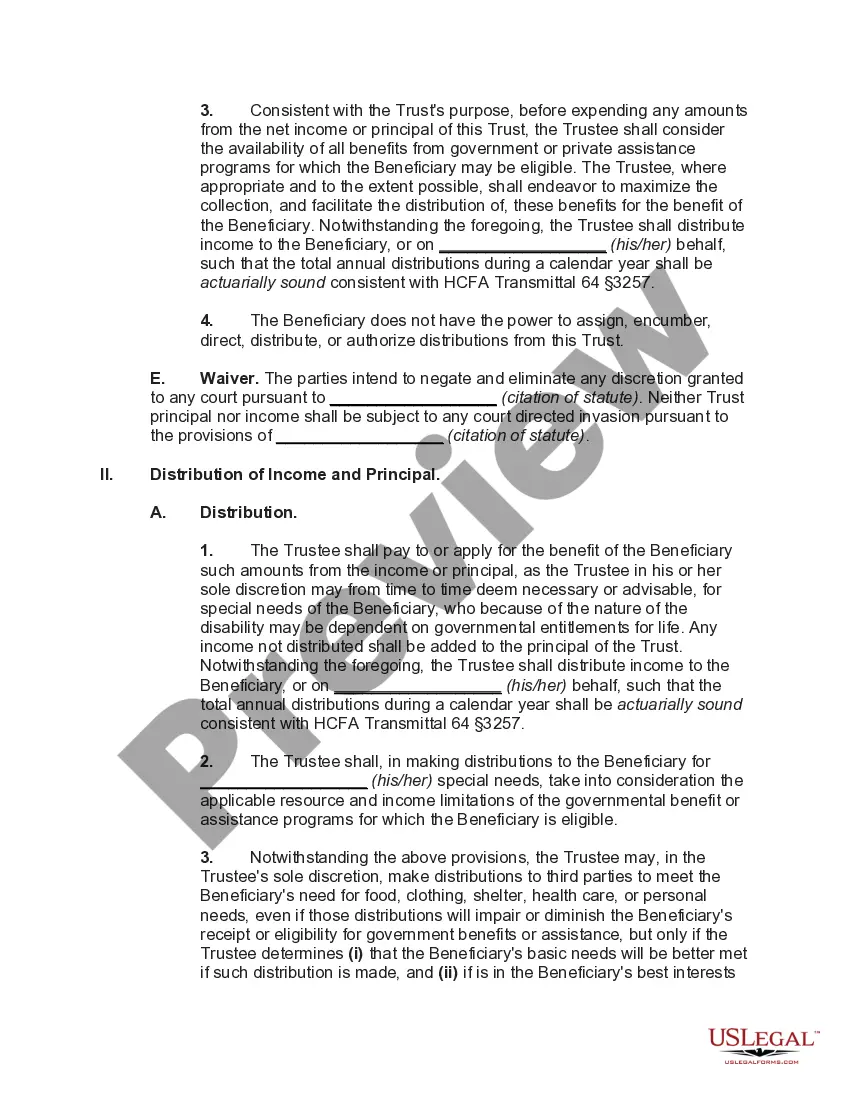
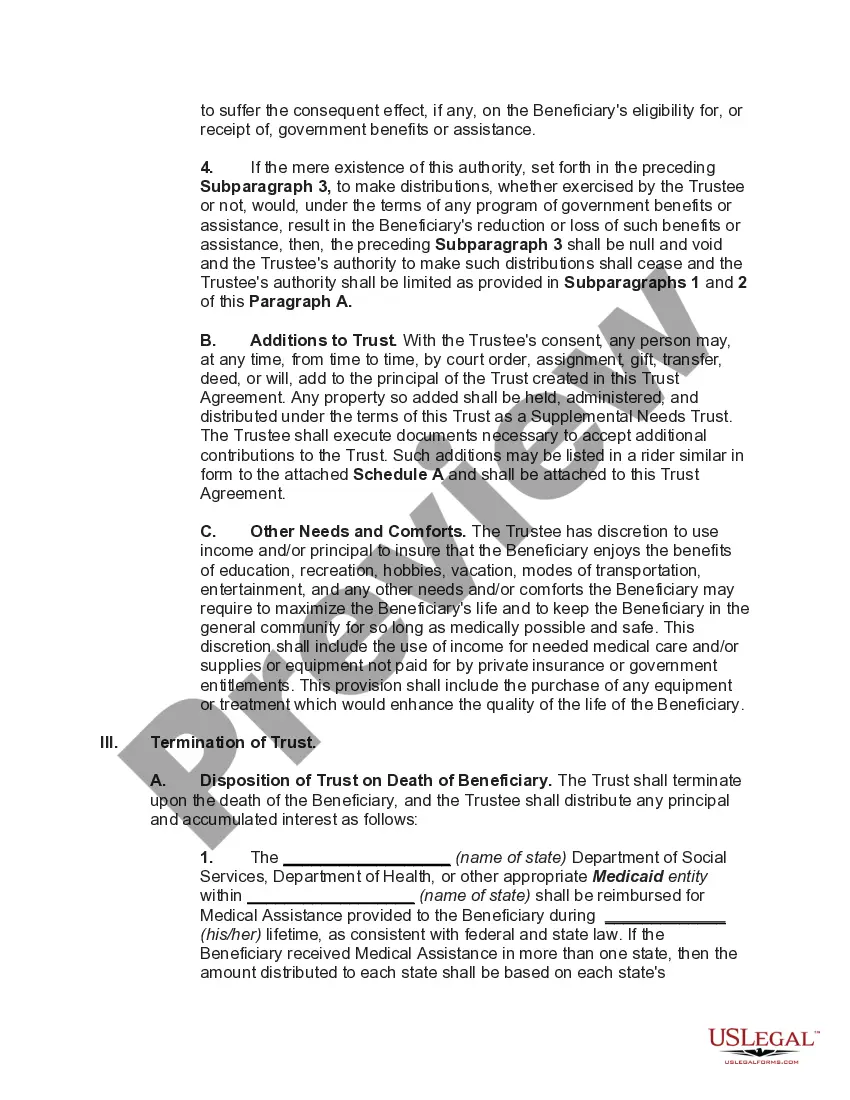
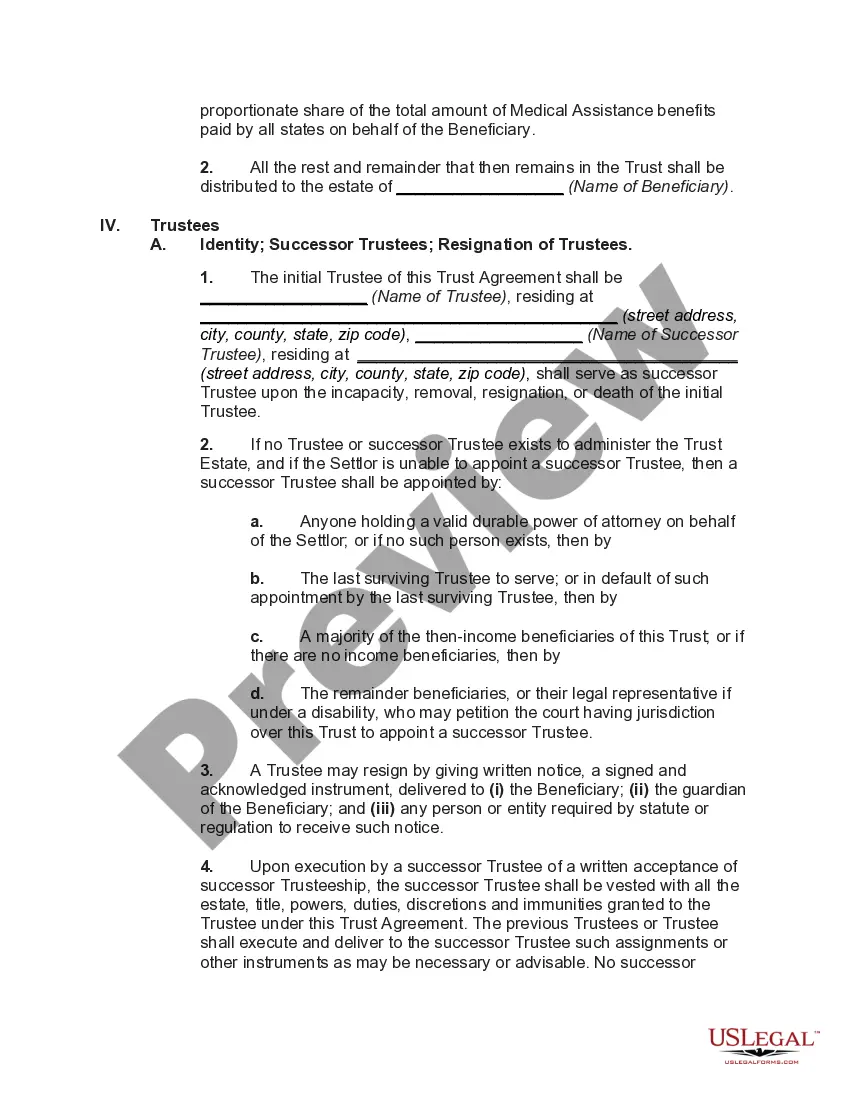
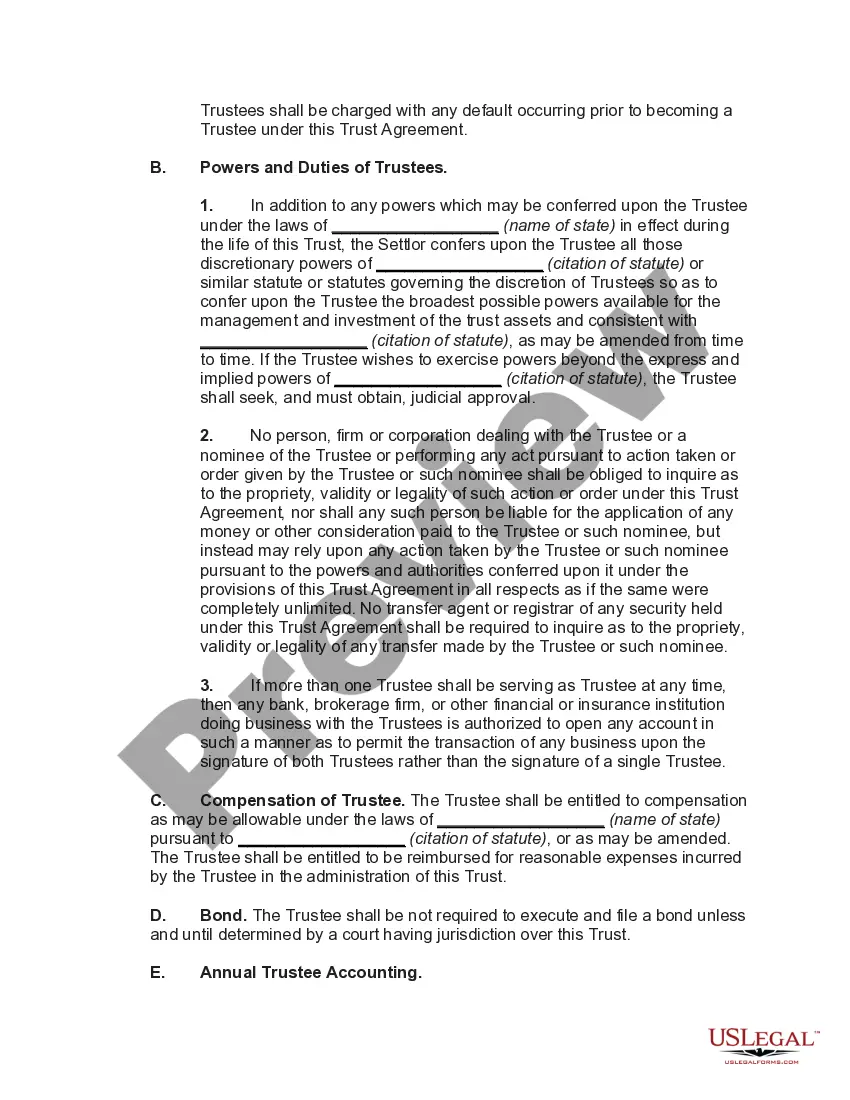
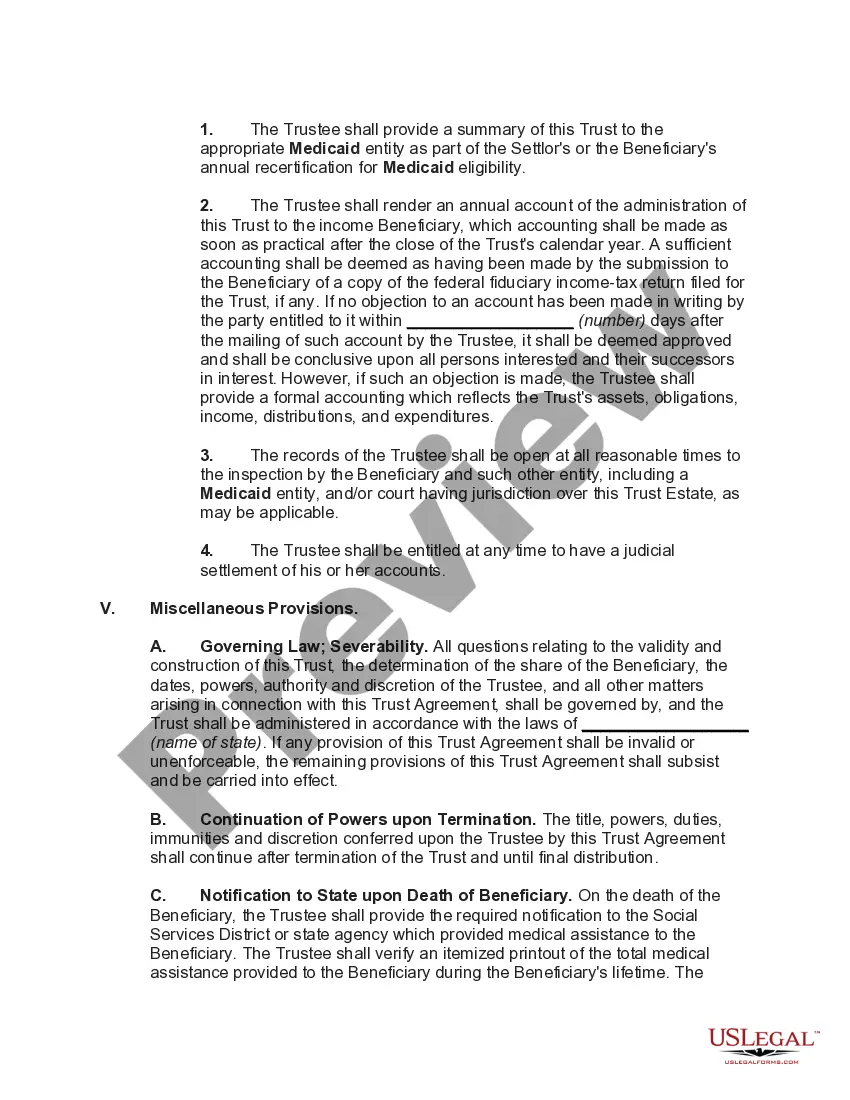
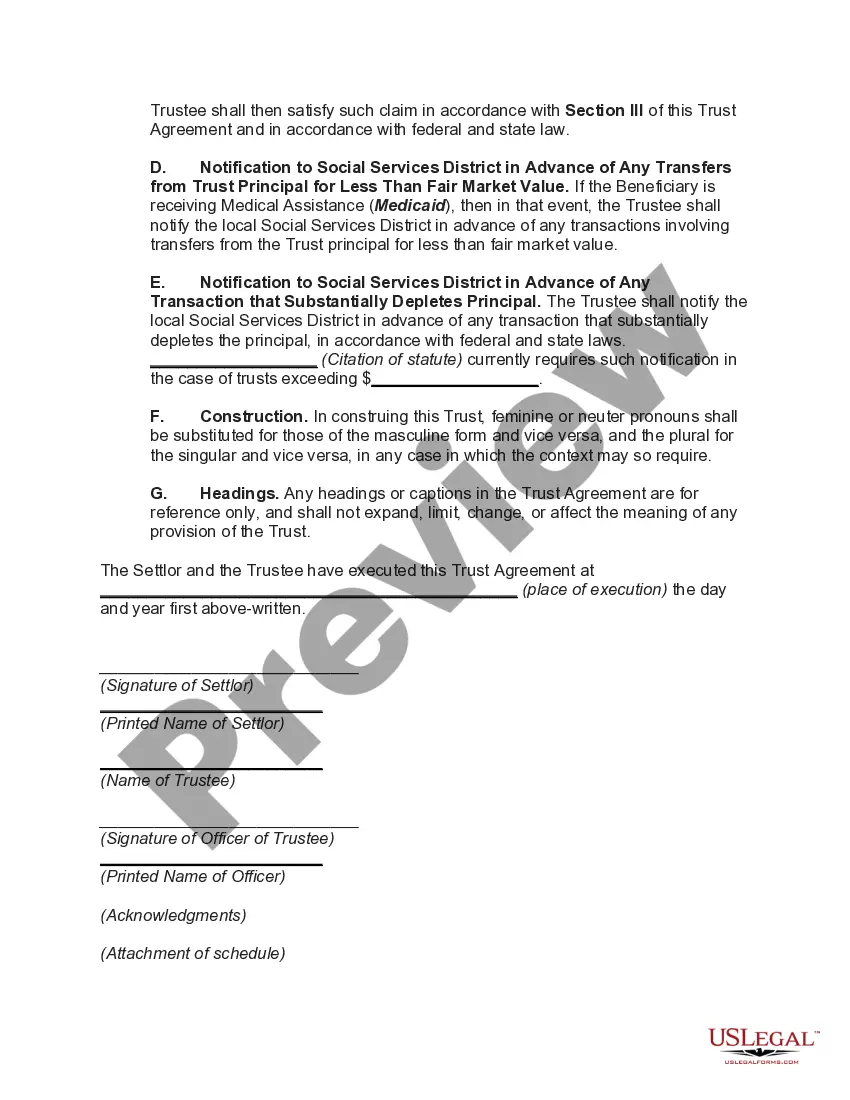
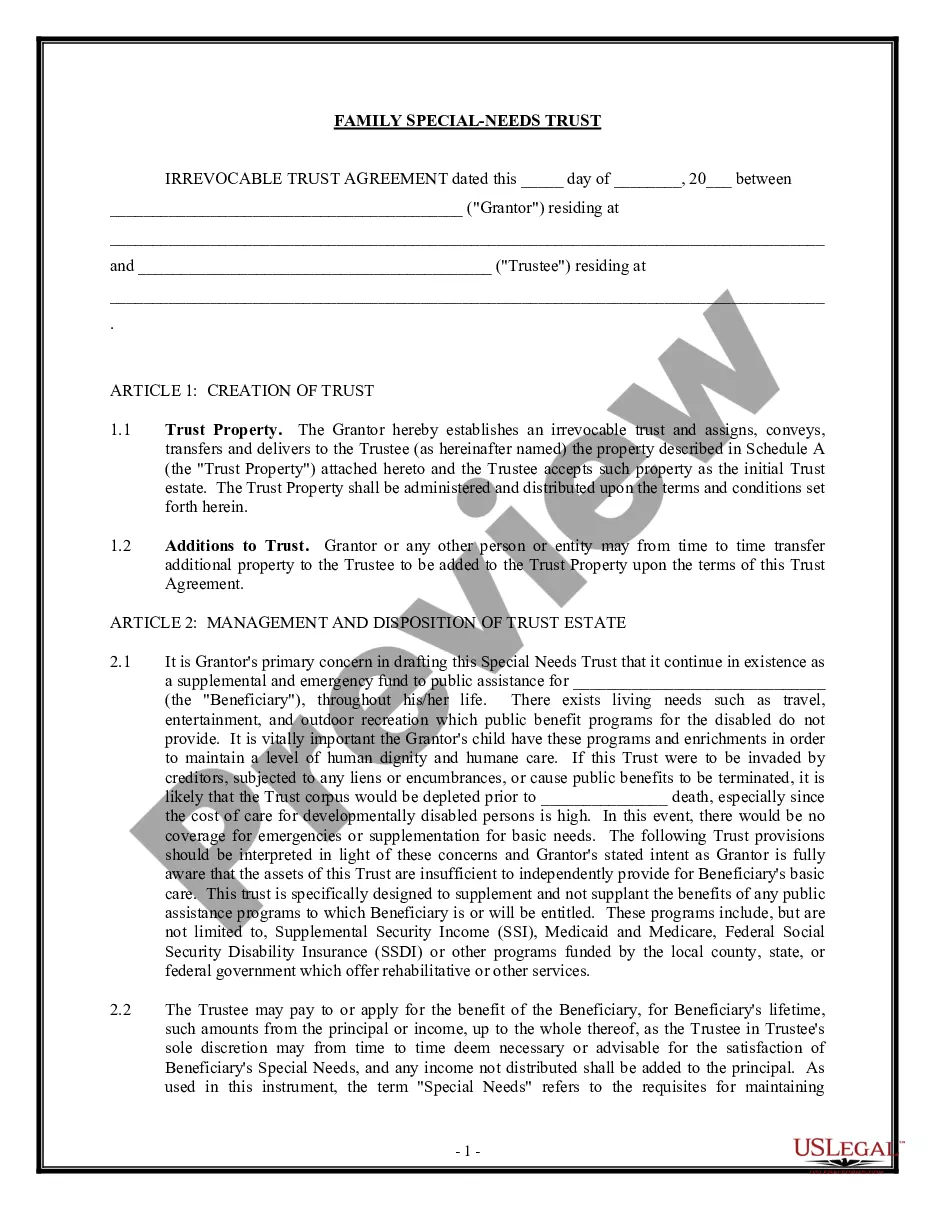
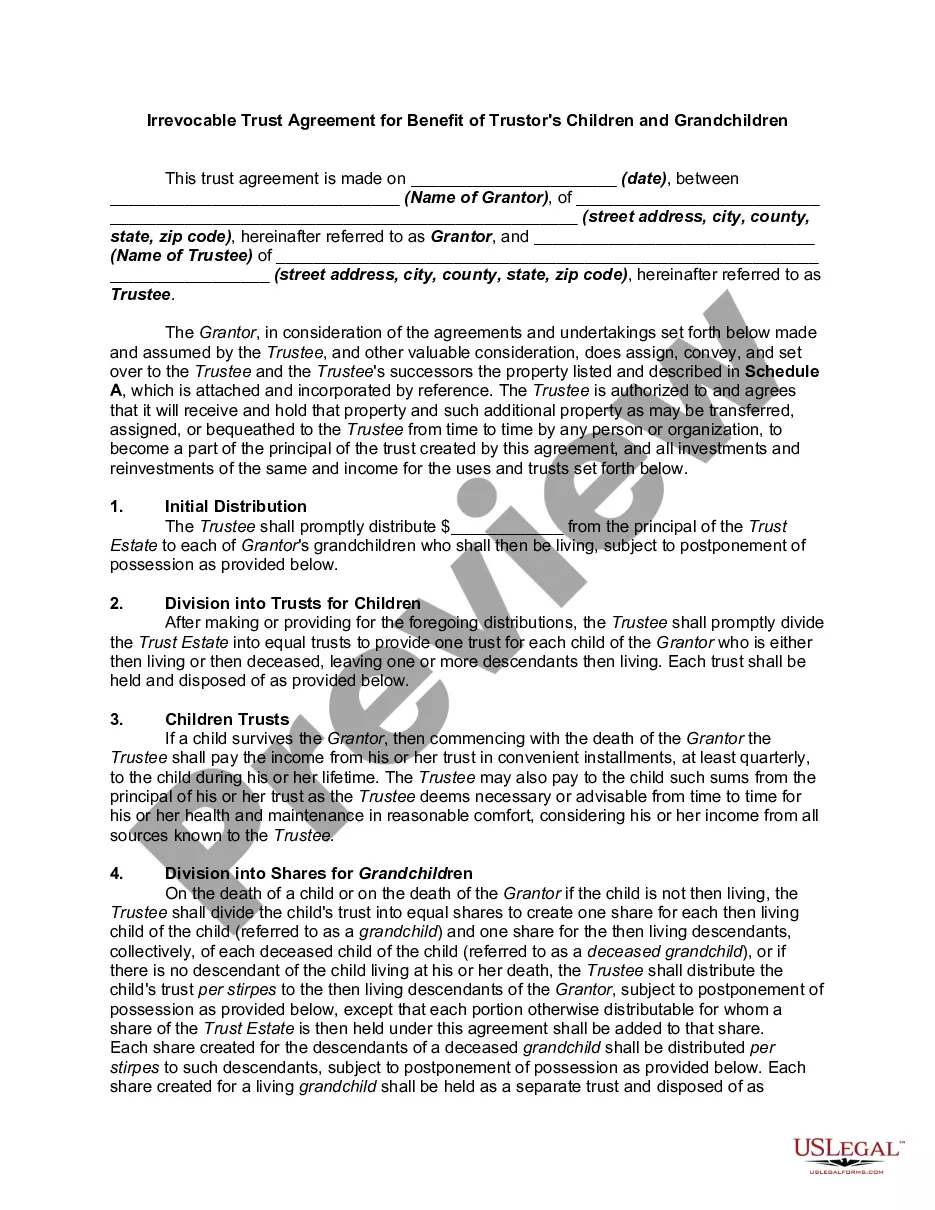
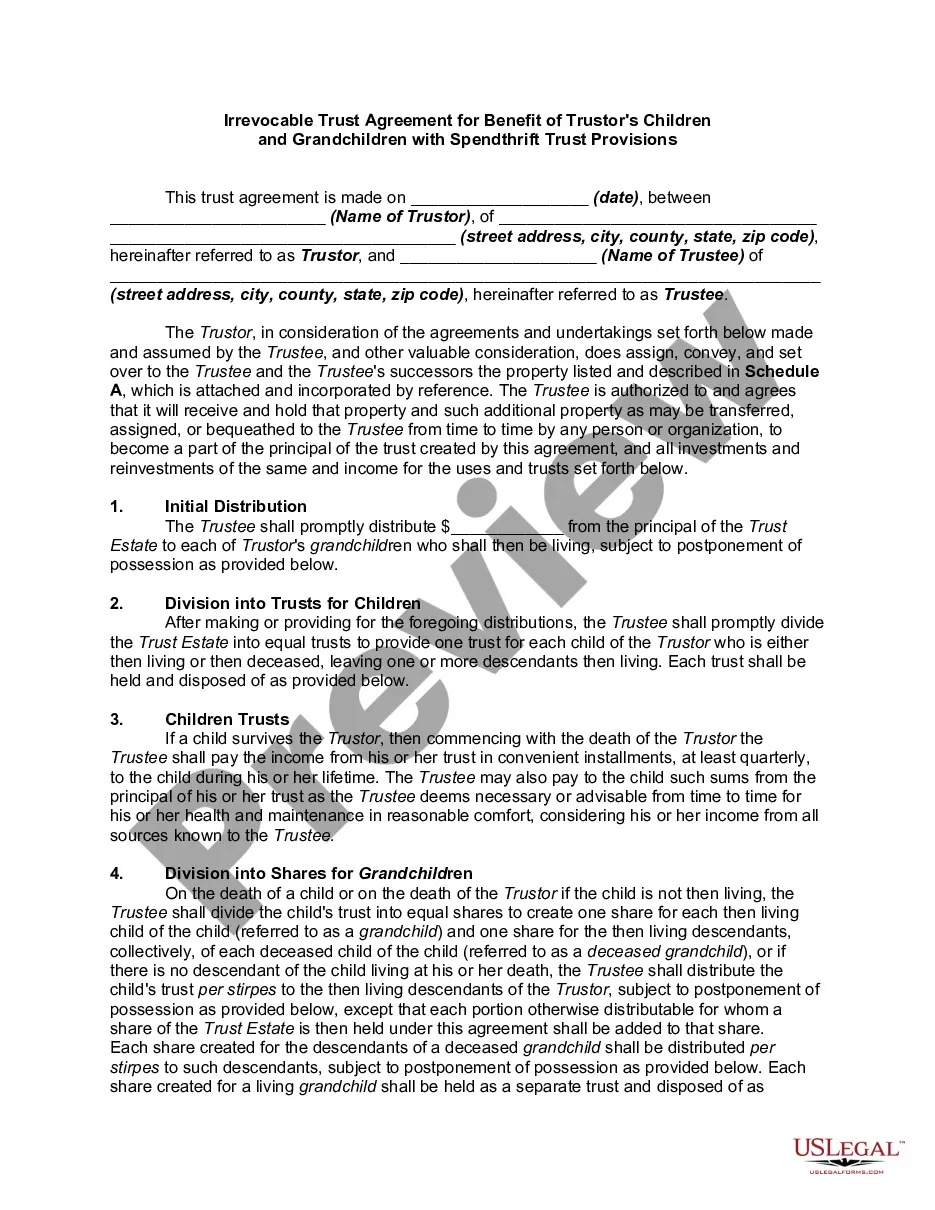
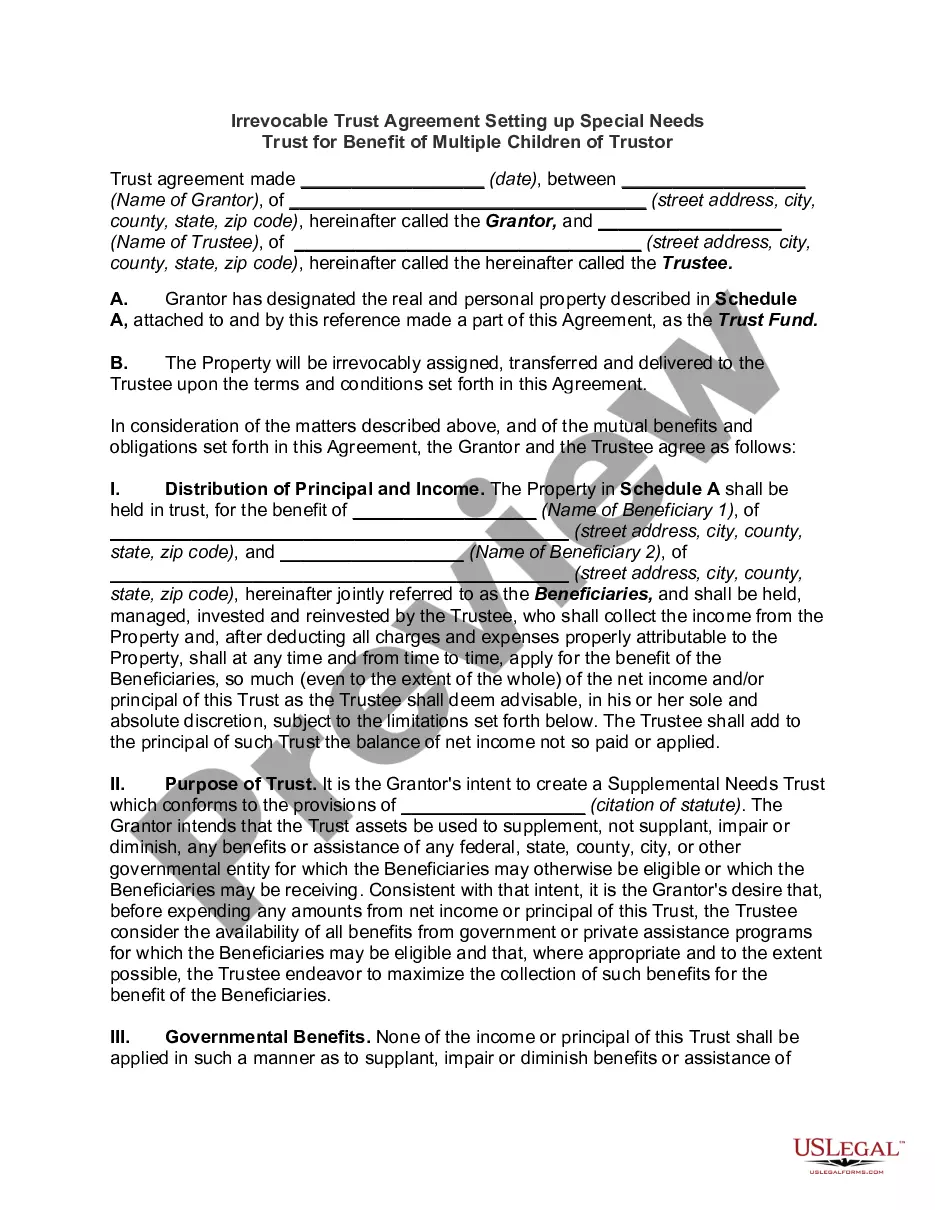
Get your form ready online
Our built-in tools help you complete, sign, share, and store your documents in one place.
Make edits, fill in missing information, and update formatting in US Legal Forms—just like you would in MS Word.
Download a copy, print it, send it by email, or mail it via USPS—whatever works best for your next step.
Sign and collect signatures with our SignNow integration. Send to multiple recipients, set reminders, and more. Go Premium to unlock E-Sign.
If this form requires notarization, complete it online through a secure video call—no need to meet a notary in person or wait for an appointment.
We protect your documents and personal data by following strict security and privacy standards.

Make edits, fill in missing information, and update formatting in US Legal Forms—just like you would in MS Word.

Download a copy, print it, send it by email, or mail it via USPS—whatever works best for your next step.

Sign and collect signatures with our SignNow integration. Send to multiple recipients, set reminders, and more. Go Premium to unlock E-Sign.

If this form requires notarization, complete it online through a secure video call—no need to meet a notary in person or wait for an appointment.

We protect your documents and personal data by following strict security and privacy standards.
Looking for another form?








Form popularity
FAQ
In many cases, a special needs trust does need to file a tax return, particularly if it generates income. Special needs trusts may be viewed as separate legal entities for tax purposes when assets and income exceed certain thresholds. When completing the special needs trust form with life insurance, it is wise to consult with a tax professional to clarify any obligations. This step ensures compliance and protects the trust’s financial assets.
Setting up a trust for your life insurance beneficiary involves several steps. First, you will need to complete the special needs trust form with life insurance, ensuring all necessary details are included. Next, appoint a trustee who will manage the trust and its assets. Finally, contact your insurance provider to update the policy beneficiary details to reflect the trust you established.
Absolutely, a special needs trust can qualify as an eligible designated beneficiary. This allows the trust to receive payouts from a life insurance policy without jeopardizing the beneficiary's eligibility for assistance programs. When filling out the special needs trust form with life insurance, be sure to specify the trust to ensure compliance with relevant laws. This arrangement provides peace of mind and financial security for your loved one.
Yes, a trust can be named as the beneficiary of a life insurance policy. When you fill out the special needs trust form with life insurance, you ensure that the benefits go directly to the trust. This approach provides financial support to your loved one without affecting their eligibility for government assistance. By designating a trust, you also maintain control over how the funds are managed.
Setting up a special needs trust requires careful planning to ensure that the trust complies with legal standards. Start by defining the terms and conditions of the trust, focusing on the needs of the beneficiary. Consider using a special needs trust form with life insurance to provide additional support for your loved one. Consulting with a legal expert can help you navigate this process smoothly and guarantee that your trust is correctly established.
To set up a trust for your life insurance policy, begin by selecting a trustee who will manage the policy and its benefits. Next, draft the trust document, making sure to include specific provisions about how the life insurance proceeds will be used, especially if you are using a special needs trust form with life insurance. After that, contact your insurance provider to change the beneficiary designation to the trust. This process can be streamlined by using services like USLegalForms for guidance.
One significant mistake parents often make is failing to articulate their intentions clearly within the trust document. Without clear instructions, trustees may mismanage funds or assets, which can be detrimental, particularly for a special needs trust form with life insurance. Parents should ensure they communicate their wishes explicitly to avoid confusion and ensure that the trust serves its intended purpose effectively. Additionally, seeking professional guidance will prevent potential errors.
Yes, you can place your life insurance policy in a trust. This can help manage the proceeds effectively, especially in the case of a special needs trust form with life insurance. By doing so, the trust can control how the benefits are distributed, ensuring that they are used for the intended purposes, like supporting a loved one with special needs. It's wise to consult with a legal expert to ensure that all rules are followed properly.
Naming a trust as the beneficiary of your life insurance policy can lead to complexities in the distribution of benefits. The trust might have to go through legal processes that delay payment to beneficiaries, especially if the trust is contested. Additionally, the terms set within the trust must align with your intent, which can be misinterpreted without clear guidance. Therefore, when you consider a special needs trust form with life insurance, clarity and legal assistance are key to avoid pitfalls.
When considering a special needs trust form with life insurance, it's important to recognize potential downsides. One common issue is the complexity of the trust setup, which may require legal assistance to ensure compliance with regulations. Additionally, there might be limitations on how funds can be used, which could restrict the beneficiary's access to certain public benefits. Lastly, maintaining the trust incurs administrative costs, which could reduce the overall funds available for the beneficiary.
