Special Needs Trust Disabled With A Child
Description
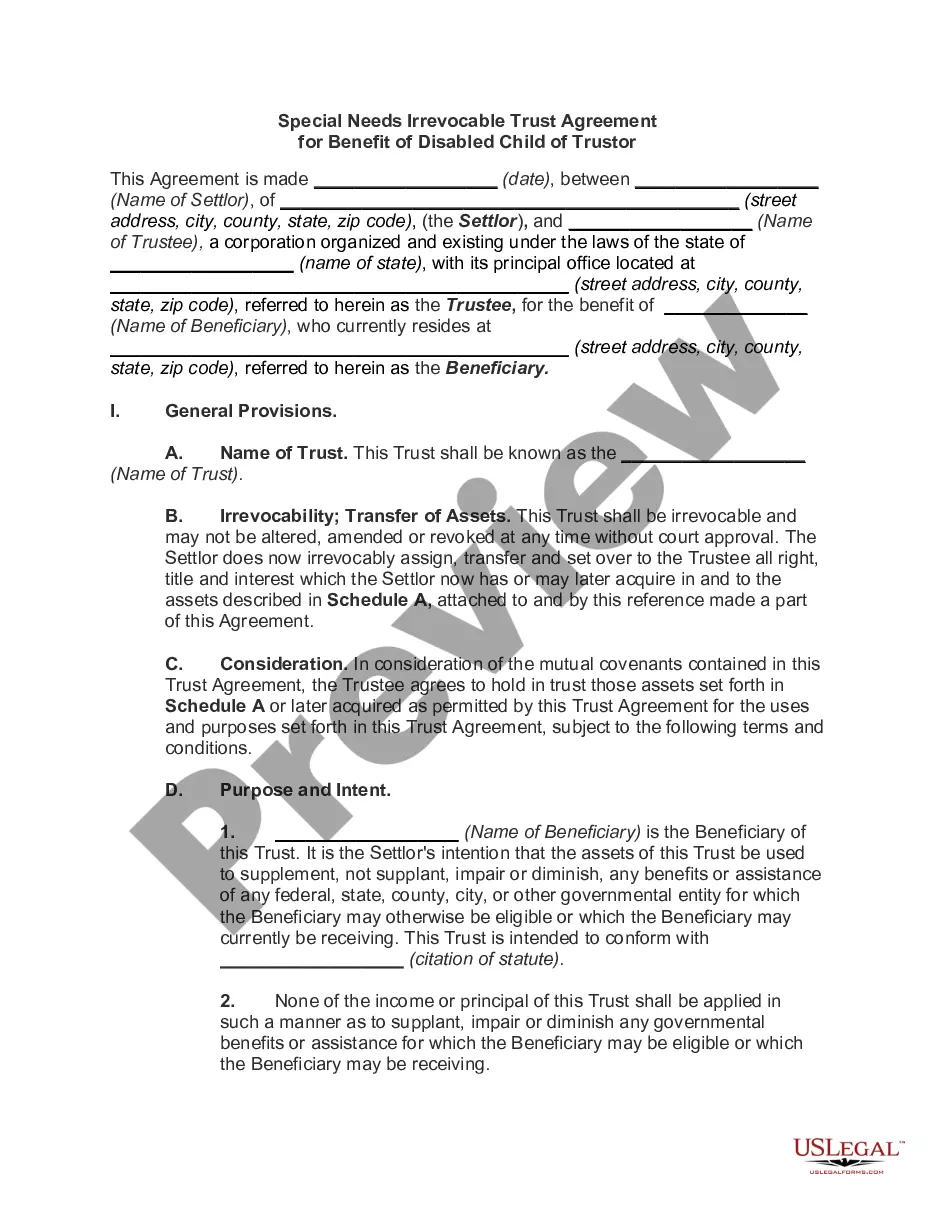
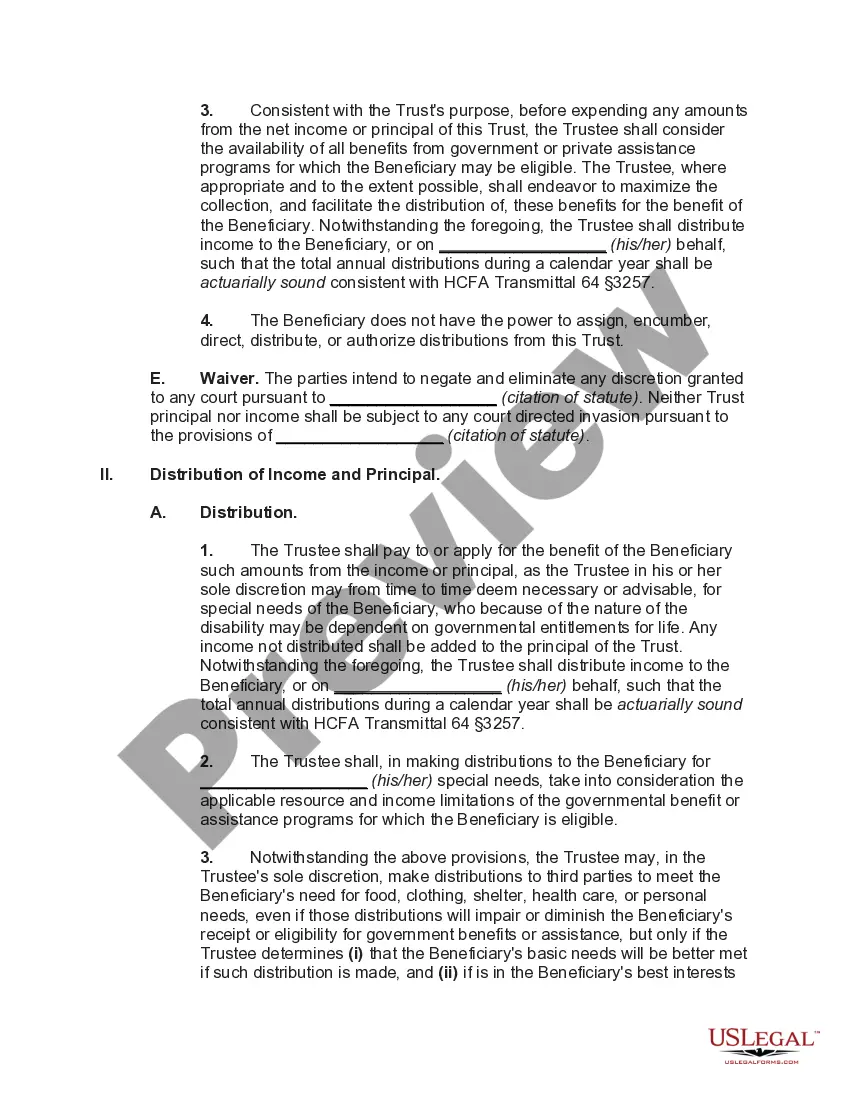
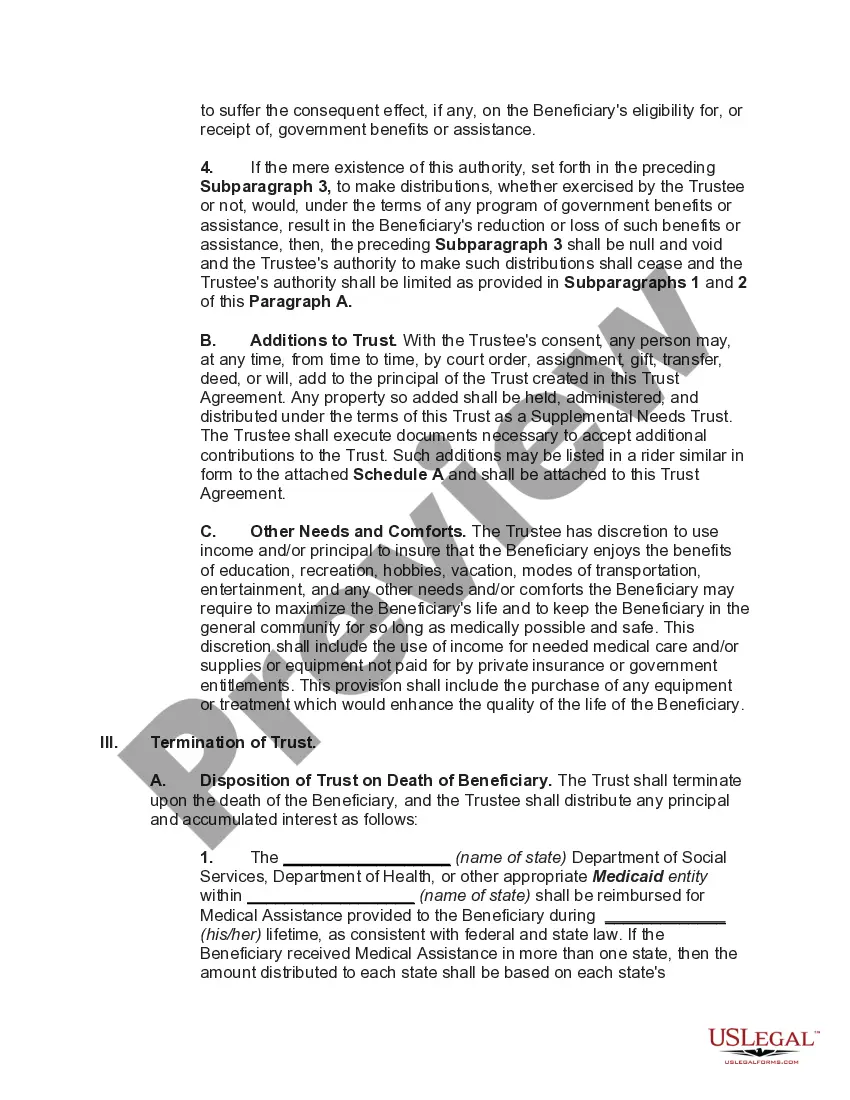
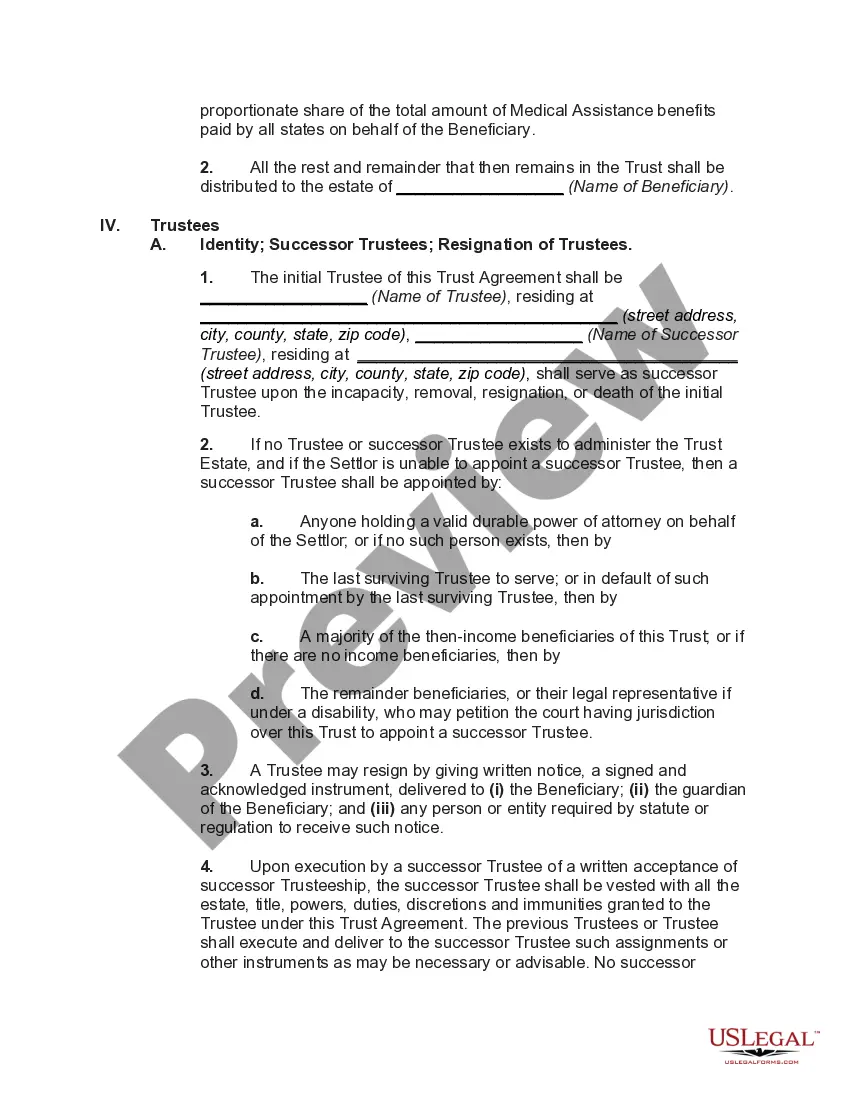
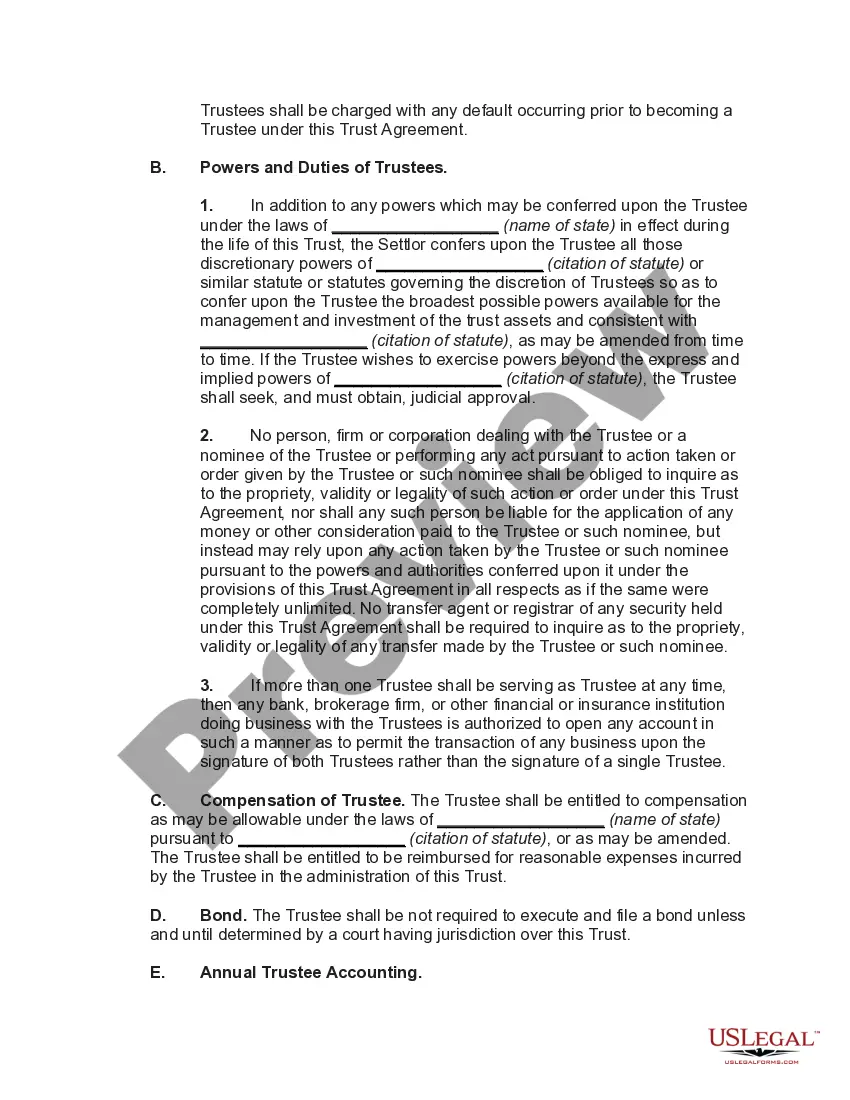
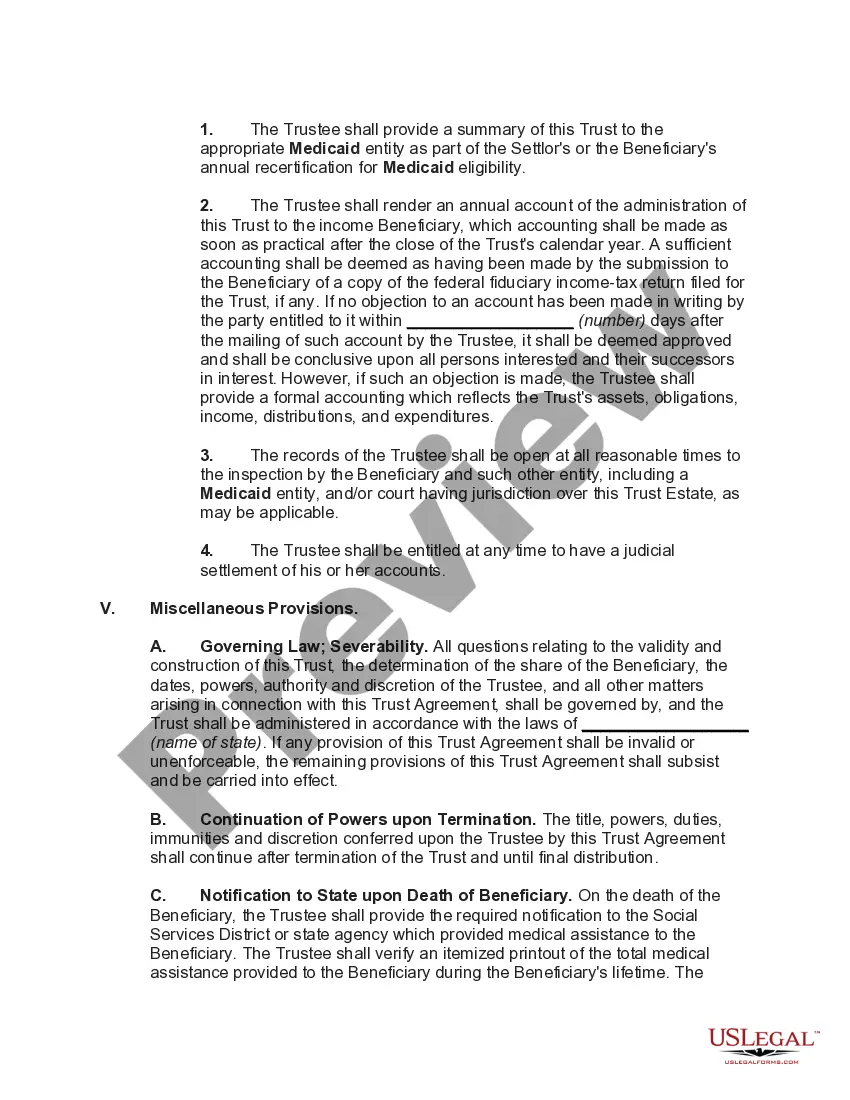
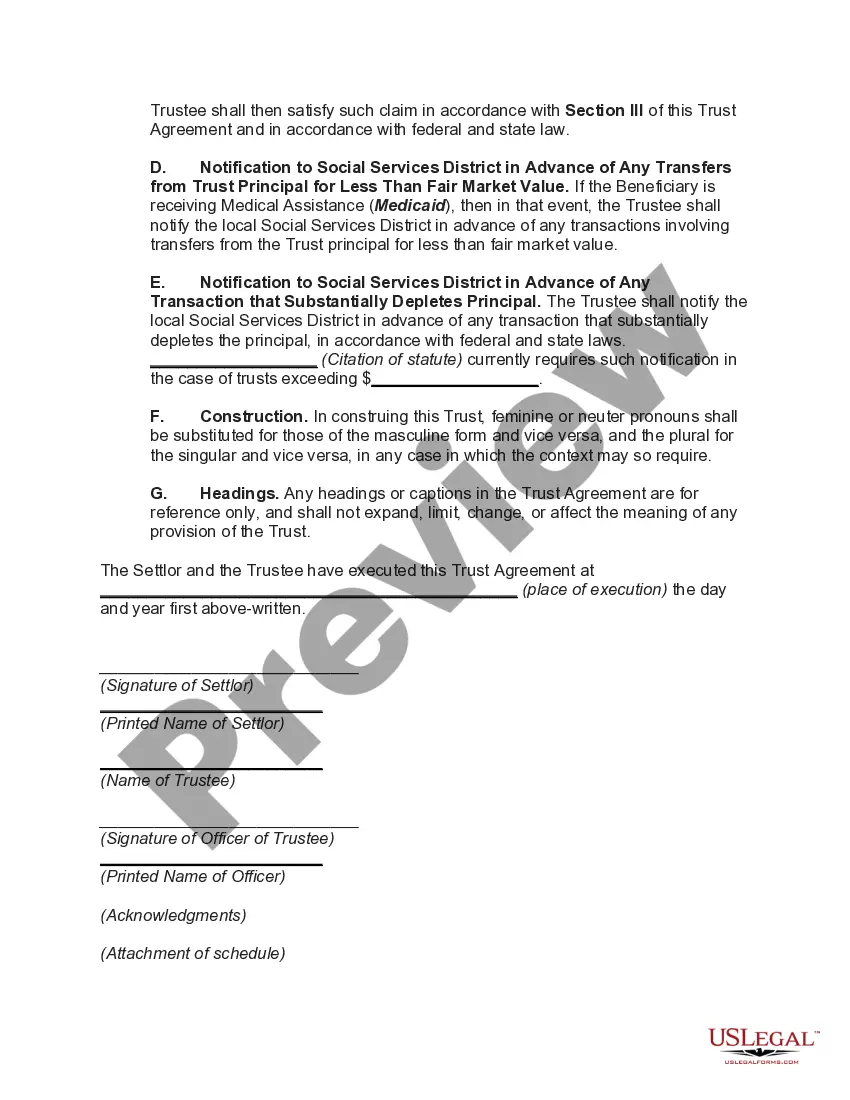
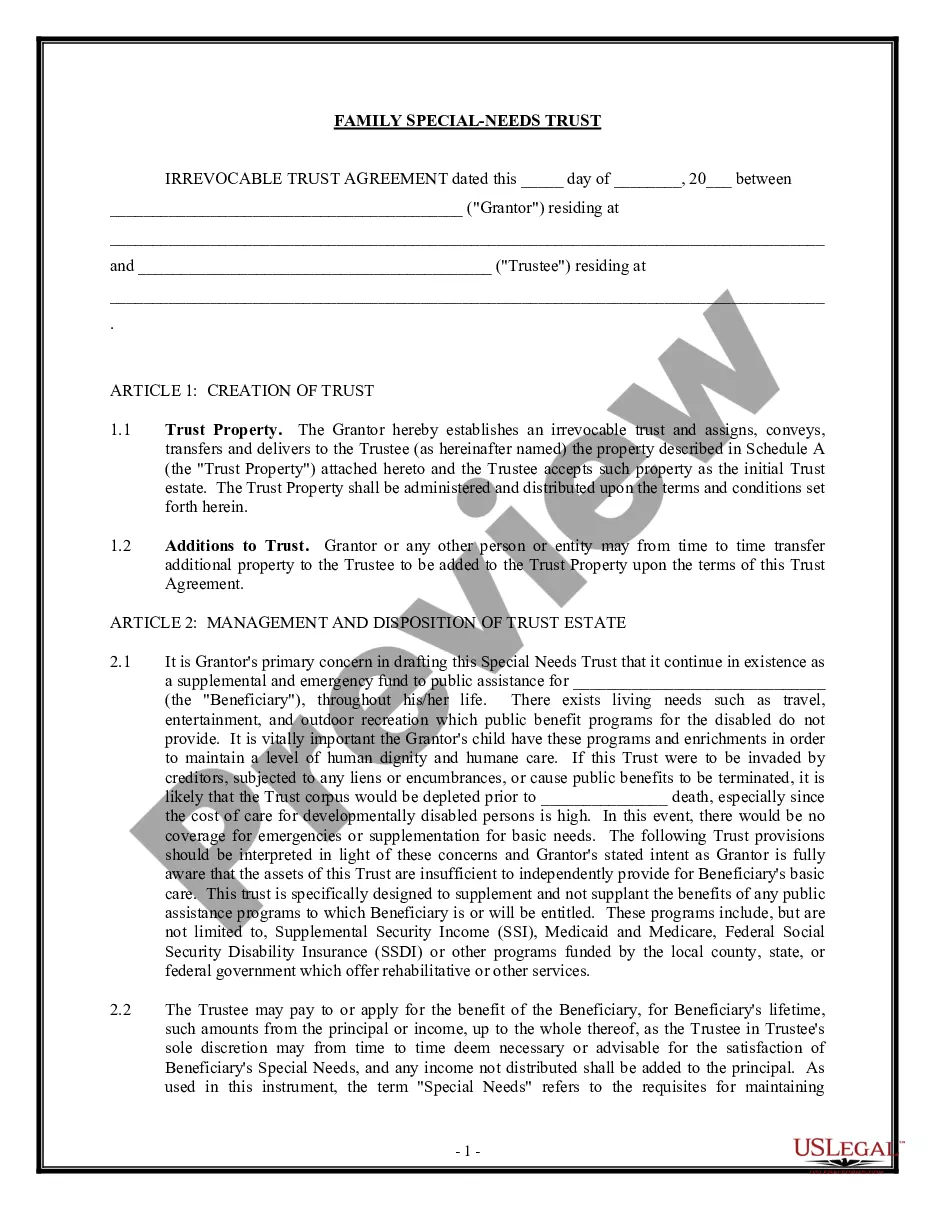

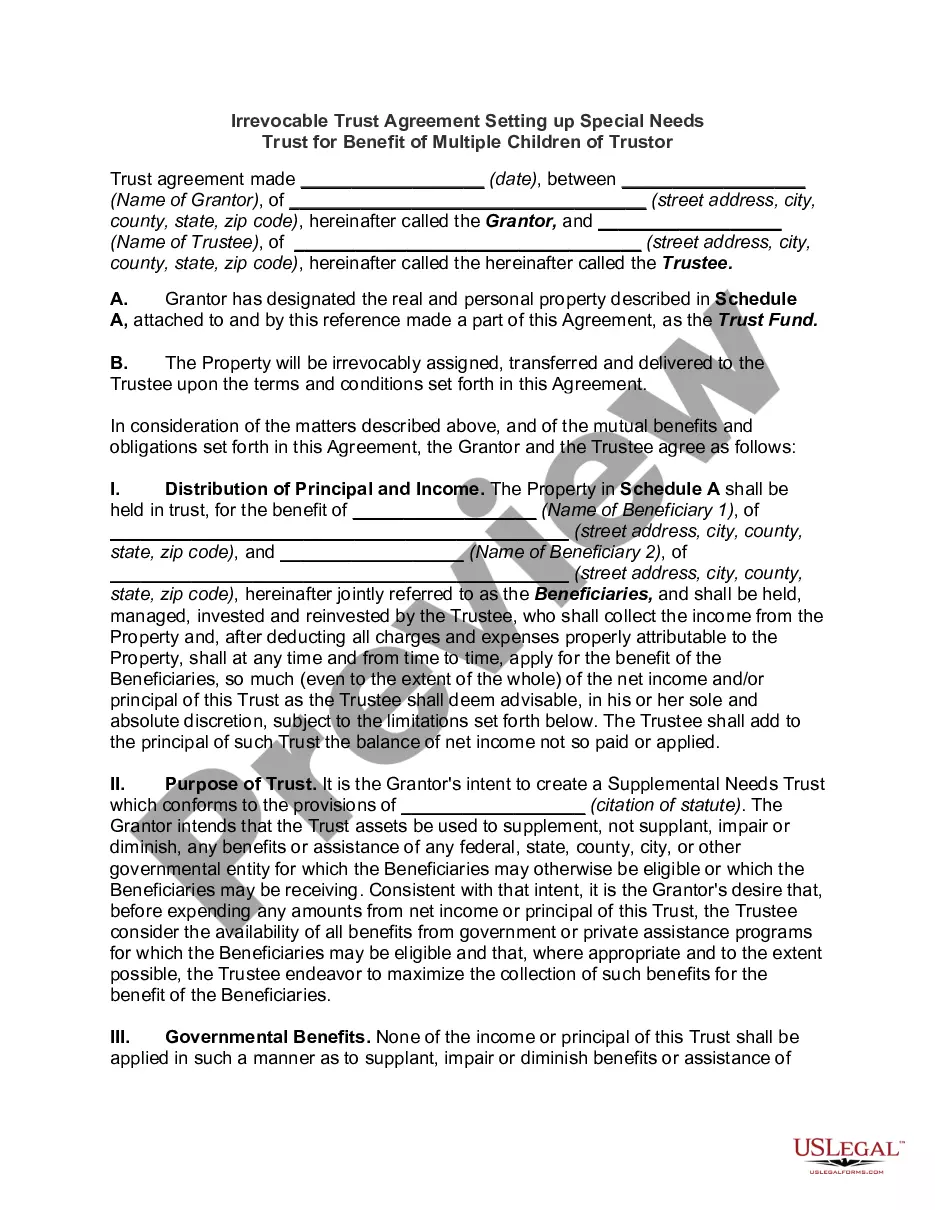
Get your form ready online
Our built-in tools help you complete, sign, share, and store your documents in one place.
Make edits, fill in missing information, and update formatting in US Legal Forms—just like you would in MS Word.
Download a copy, print it, send it by email, or mail it via USPS—whatever works best for your next step.
Sign and collect signatures with our SignNow integration. Send to multiple recipients, set reminders, and more. Go Premium to unlock E-Sign.
If this form requires notarization, complete it online through a secure video call—no need to meet a notary in person or wait for an appointment.
We protect your documents and personal data by following strict security and privacy standards.

Make edits, fill in missing information, and update formatting in US Legal Forms—just like you would in MS Word.

Download a copy, print it, send it by email, or mail it via USPS—whatever works best for your next step.

Sign and collect signatures with our SignNow integration. Send to multiple recipients, set reminders, and more. Go Premium to unlock E-Sign.

If this form requires notarization, complete it online through a secure video call—no need to meet a notary in person or wait for an appointment.

We protect your documents and personal data by following strict security and privacy standards.
Looking for another form?






How to fill out Special Needs Irrevocable Trust Agreement For Benefit Of Disabled Child Of Trustor?
- Start by logging into your US Legal Forms account if you are a returning user. Ensure your subscription is active for seamless access.
- If you are new to US Legal Forms, familiarize yourself with the platform. Browse through the preview mode and form descriptions to select the right Special Needs Trust template.
- Should you encounter issues in finding a suitable trust template, utilize the Search feature to locate documents that align with your local jurisdiction needs.
- Once you have identified the appropriate form, click on 'Buy Now' and select your preferred subscription plan. You will need to set up an account if you haven't registered before.
- Proceed with your purchase by entering your payment details via credit card or PayPal to finalize your subscription.
- Download the completed Special Needs Trust document directly onto your device. You can easily access it anytime from the 'My Forms' section in your profile.
Establishing a Special Needs Trust with US Legal Forms offers valuable peace of mind. The platform not only provides a vast selection of legal templates but also gives you the option to consult with experts for guidance.
Start your journey today and ensure the well-being of your loved one with a reliable Special Needs Trust. Visit US Legal Forms to explore your options.
Form popularity
FAQ
There is no specific dollar limit set for a special needs trust disabled with a child; however, the trust assets need to be managed effectively. The amount in the trust should not exceed what is necessary for the beneficiary's supplemental needs. It’s essential to monitor the trust to ensure it aligns with both the beneficiary's requirements and the rules governing government assistance programs. Utilizing a service like USLegalForms can guide you in establishing a viable trust.
While special needs trusts disabled with a child offer many benefits, there can be several issues to consider. One common problem includes the potential for improper disbursement of funds, which could jeopardize government assistance. Additionally, the administration of the trust requires careful oversight to meet legal requirements and ensure compliance with state and federal laws. It's wise to seek help from a knowledgeable attorney or platform like USLegalForms to avoid pitfalls.
A special needs trust disabled with a child is designed to avoid affecting the recipient's SSI disability benefits. Funds in the trust do not count as income or assets, allowing the beneficiary to maintain eligibility for government assistance. However, any distributions from the trust must be managed carefully to prevent impacting SSI. Consulting with a legal expert can clarify complexities related to SSI and trust distributions.
A special needs trust disabled with a child has specific restrictions to ensure eligibility for government benefits. The trust cannot disburse funds for items that are covered by public assistance, such as medical care or basic living expenses. Additionally, the trust must be managed properly to avoid disqualification from programs like Medicaid or SSI. Understanding these restrictions helps protect the assets while providing needed support.
Typically, the trustee of the special needs trust disabled with a child is responsible for filing the taxes. They must ensure accurate reporting of the trust's income and deductions. This can involve filing IRS Form 1041, which is essential for maintaining legal compliance. Familiarizing yourself with the process, or utilizing resources from USLegalForms, can simplify this task considerably.
Yes, a special needs trust disabled with a child generally requires its own Employer Identification Number (EIN) for tax purposes. This number is important because it allows the trust to file taxes separate from the individual beneficiaries. Applying for an EIN is usually a straightforward process and can be done through the IRS website. Make sure to keep this in mind when establishing the trust.
When it comes to trust fund taxes for a special needs trust disabled with a child, the trust itself primarily bears this responsibility, depending on its structure. If the income exceeds a certain threshold, the trust may owe taxes on that income. It's essential to understand your specific situation to ensure compliance with tax laws. Consult with tax professionals or use resources like USLegalForms to stay informed.
Selecting the best trustee for a special needs trust disabled with a child requires careful consideration. The ideal trustee should possess good financial literacy, experience in managing trusts, and a genuine understanding of your child’s unique needs. Family members, professionals, or corporate fiduciaries may be suitable choices. Ultimately, the trustee should prioritize the beneficiary’s well-being.
The trustee of a special needs trust disabled with a child is responsible for filing the trust's tax return. This task involves ensuring that all income and deductions are accurately reported on IRS Form 1041. A knowledgeable trustee will help ensure compliance with tax regulations, making it easier for your family. If you need more guidance, consider platforms like USLegalForms for resources.
The income generated by a special needs trust disabled with a child is typically taxed based on the trust's structure. If the trust is irrevocable, the trust itself may owe taxes on its income. Conversely, if the trust is revocable, the grantor might be responsible for the taxes. Understanding these responsibilities can help you manage the overall financial obligations of the trust.