Special Needs Trust Definition For Dummies
Description

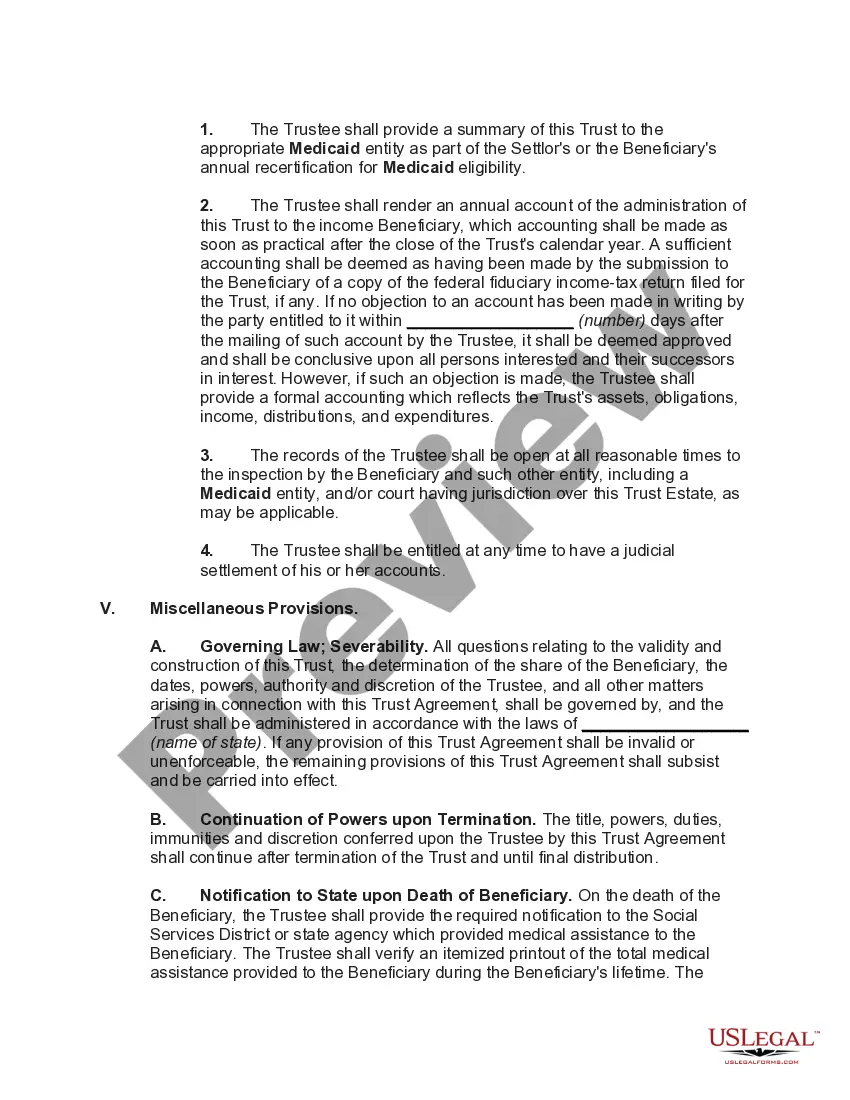
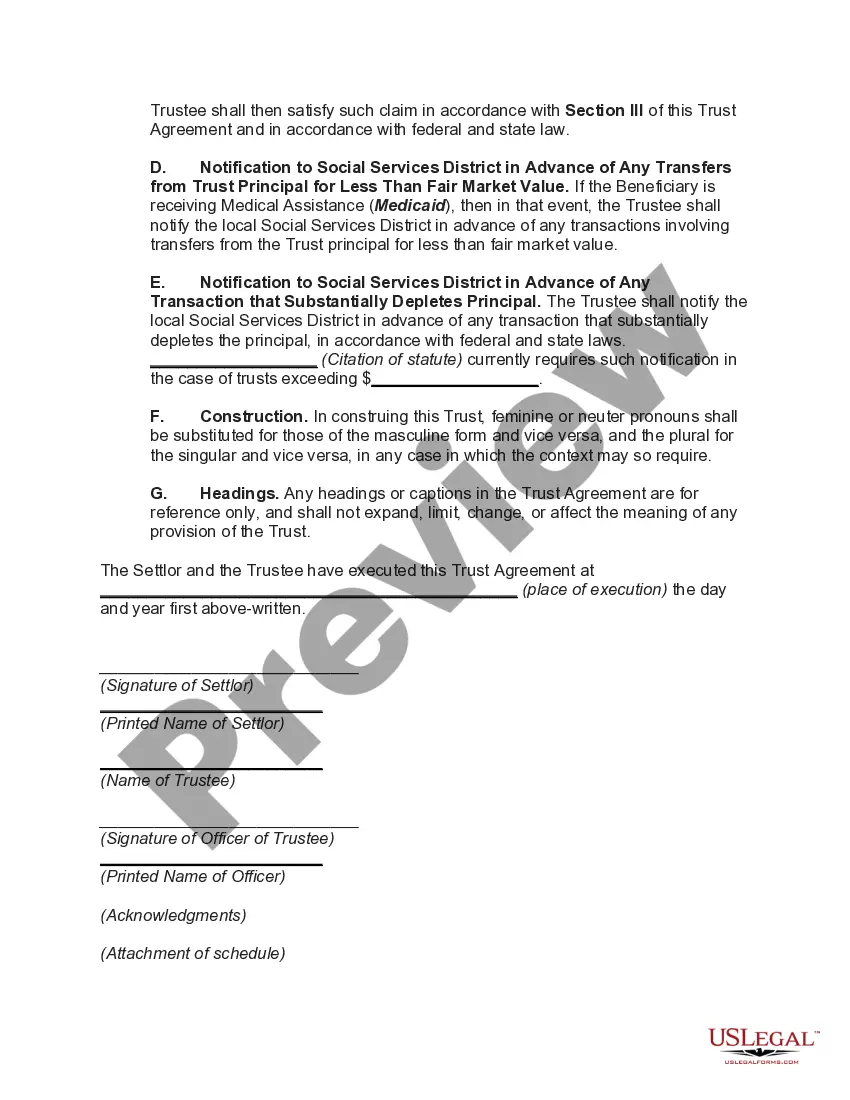
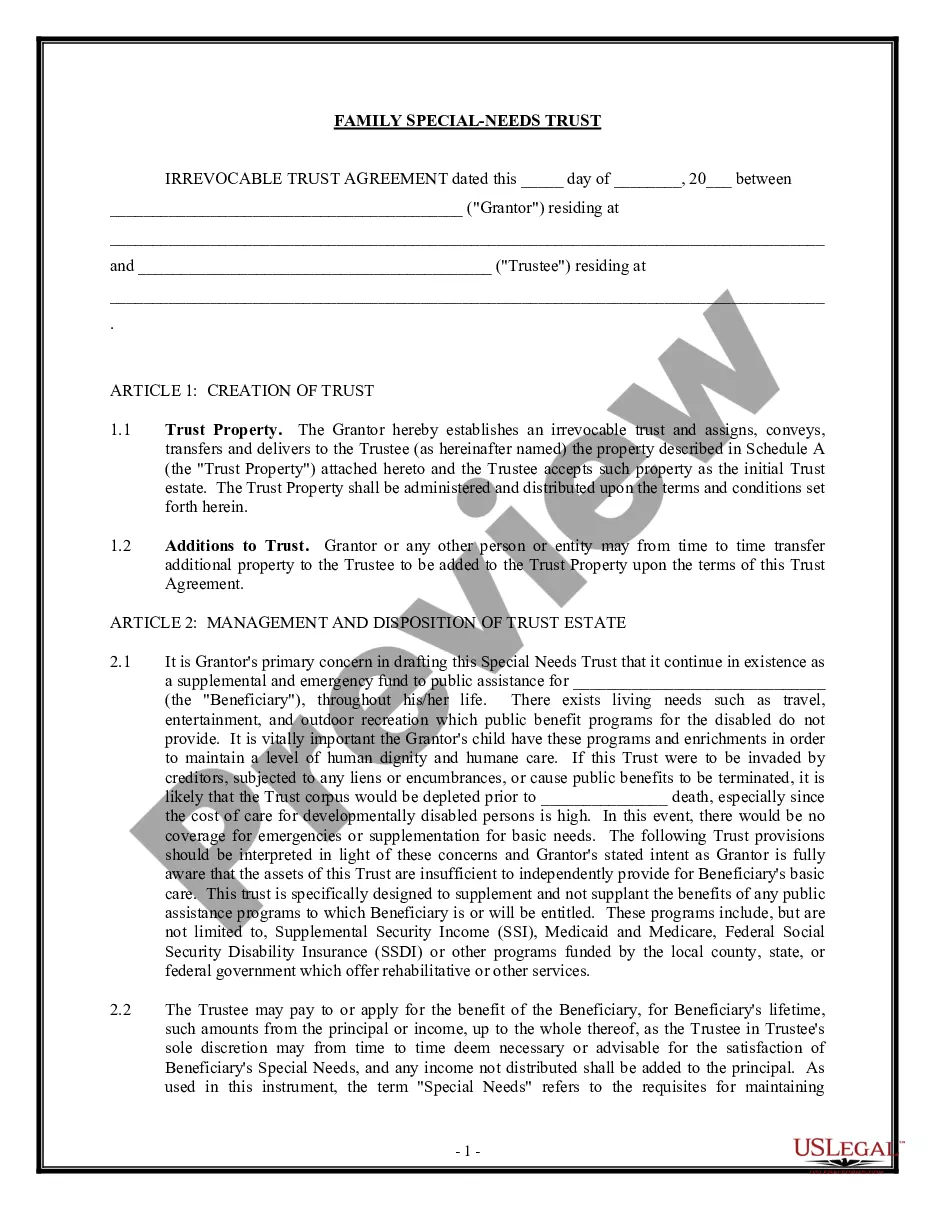
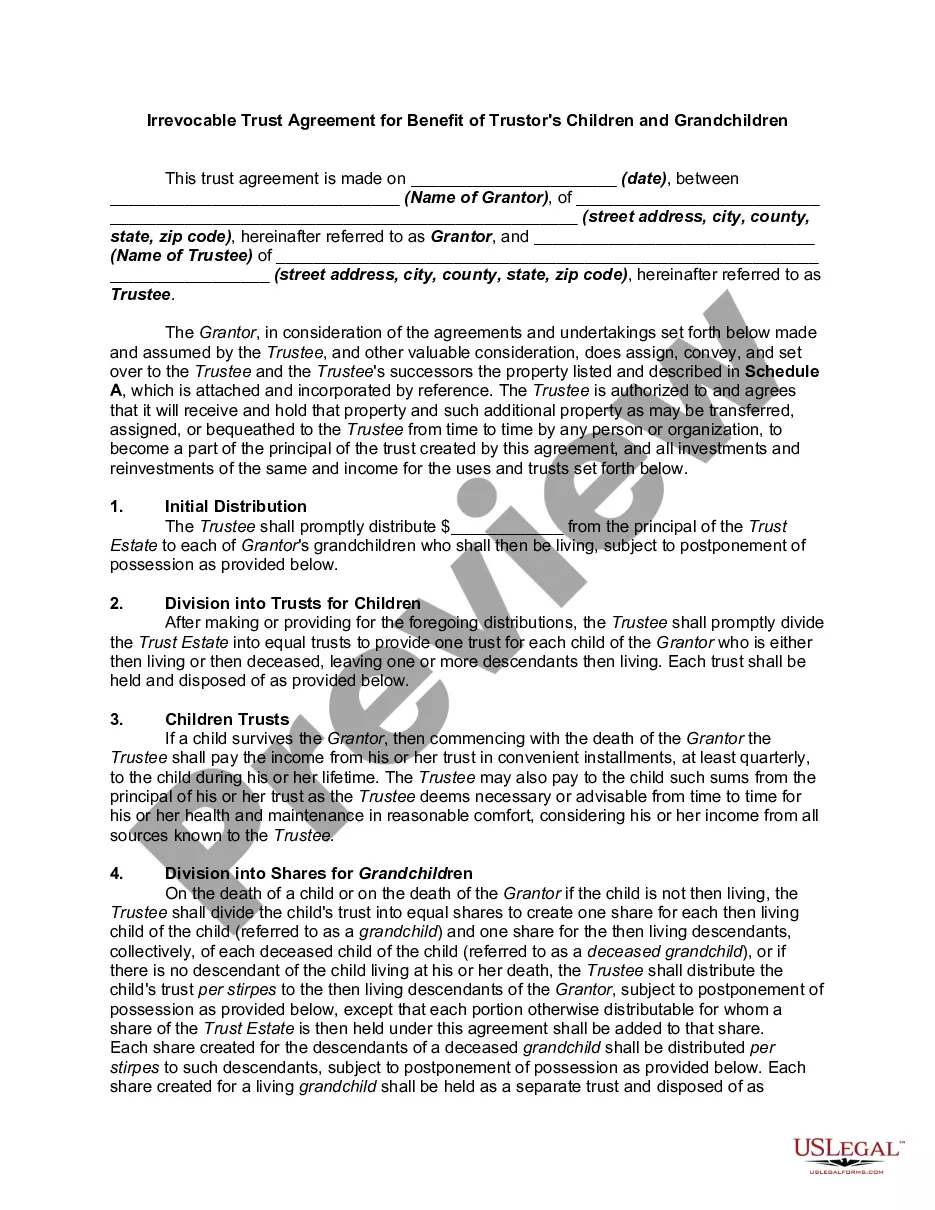

Get your form ready online
Our built-in tools help you complete, sign, share, and store your documents in one place.
Make edits, fill in missing information, and update formatting in US Legal Forms—just like you would in MS Word.
Download a copy, print it, send it by email, or mail it via USPS—whatever works best for your next step.
Sign and collect signatures with our SignNow integration. Send to multiple recipients, set reminders, and more. Go Premium to unlock E-Sign.
If this form requires notarization, complete it online through a secure video call—no need to meet a notary in person or wait for an appointment.
We protect your documents and personal data by following strict security and privacy standards.

Make edits, fill in missing information, and update formatting in US Legal Forms—just like you would in MS Word.

Download a copy, print it, send it by email, or mail it via USPS—whatever works best for your next step.

Sign and collect signatures with our SignNow integration. Send to multiple recipients, set reminders, and more. Go Premium to unlock E-Sign.

If this form requires notarization, complete it online through a secure video call—no need to meet a notary in person or wait for an appointment.

We protect your documents and personal data by following strict security and privacy standards.
Looking for another form?



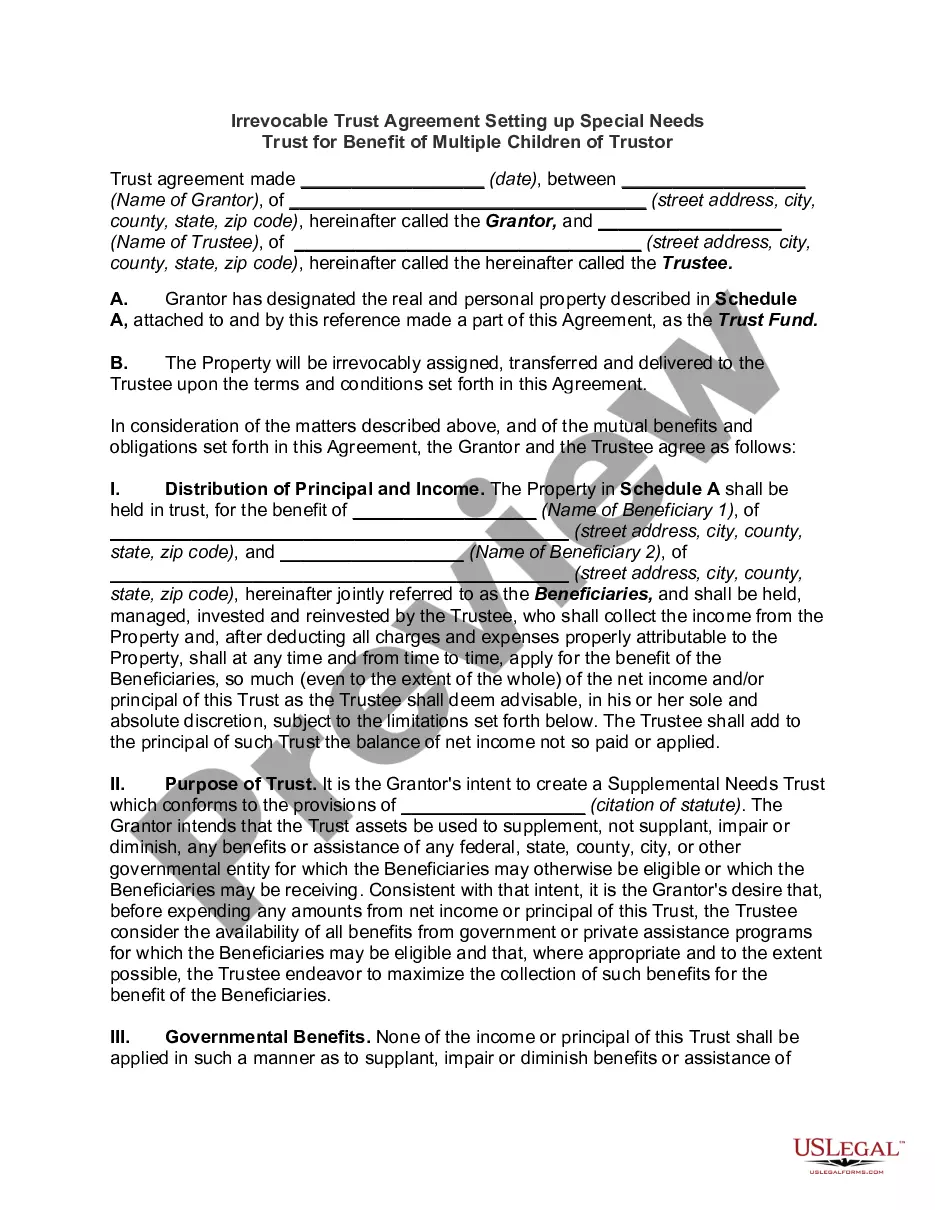
How to fill out Special Needs Irrevocable Trust Agreement For Benefit Of Disabled Child Of Trustor?
Whether for professional objectives or for personal issues, everyone must handle legal situations at some point in their lives.
Completing legal documentation demands meticulous attention, starting with selecting the correct form template. For example, if you select an incorrect version of a Special Needs Trust Definition For Dummies, it will be denied upon submission. Thus, it is crucial to obtain a trustworthy source of legal documents like US Legal Forms.
With a comprehensive US Legal Forms catalog available, you will never need to waste time searching for the suitable template online. Utilize the library's user-friendly navigation to locate the right form for any situation.
- Acquire the template you need using the search bar or catalog browsing.
- Review the form's description to confirm it suits your situation, state, and county.
- Click on the form's preview to inspect it.
- If it is the incorrect form, return to the search feature to find the Special Needs Trust Definition For Dummies template you need.
- Download the template if it aligns with your needs.
- If you already have a US Legal Forms account, simply click Log in to access previously saved templates in My documents.
- If you do not have an account yet, you can obtain the form by clicking Buy now.
- Select the appropriate pricing option.
- Complete the account registration form.
- Choose your payment method: use a credit card or PayPal account.
- Select the document format you prefer and download the Special Needs Trust Definition For Dummies.
- Once it is downloaded, you can fill out the form using editing software or print it and complete it by hand.
Form popularity
FAQ
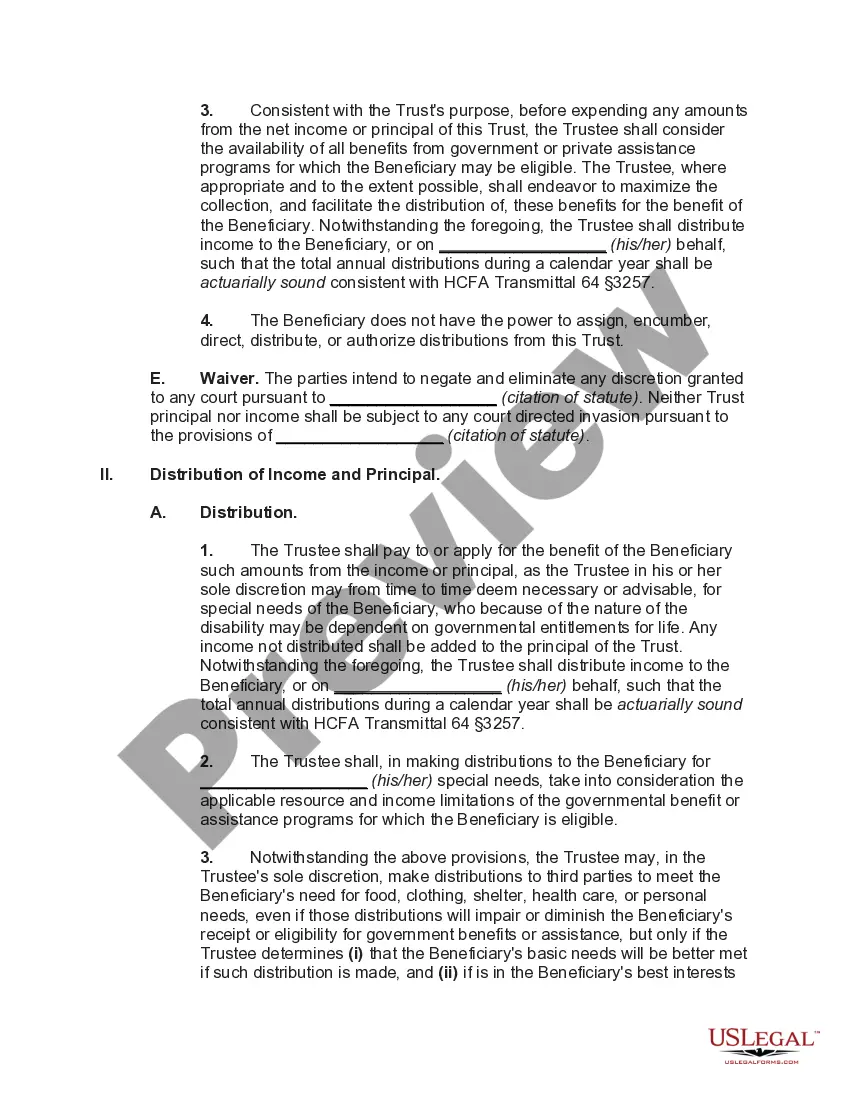
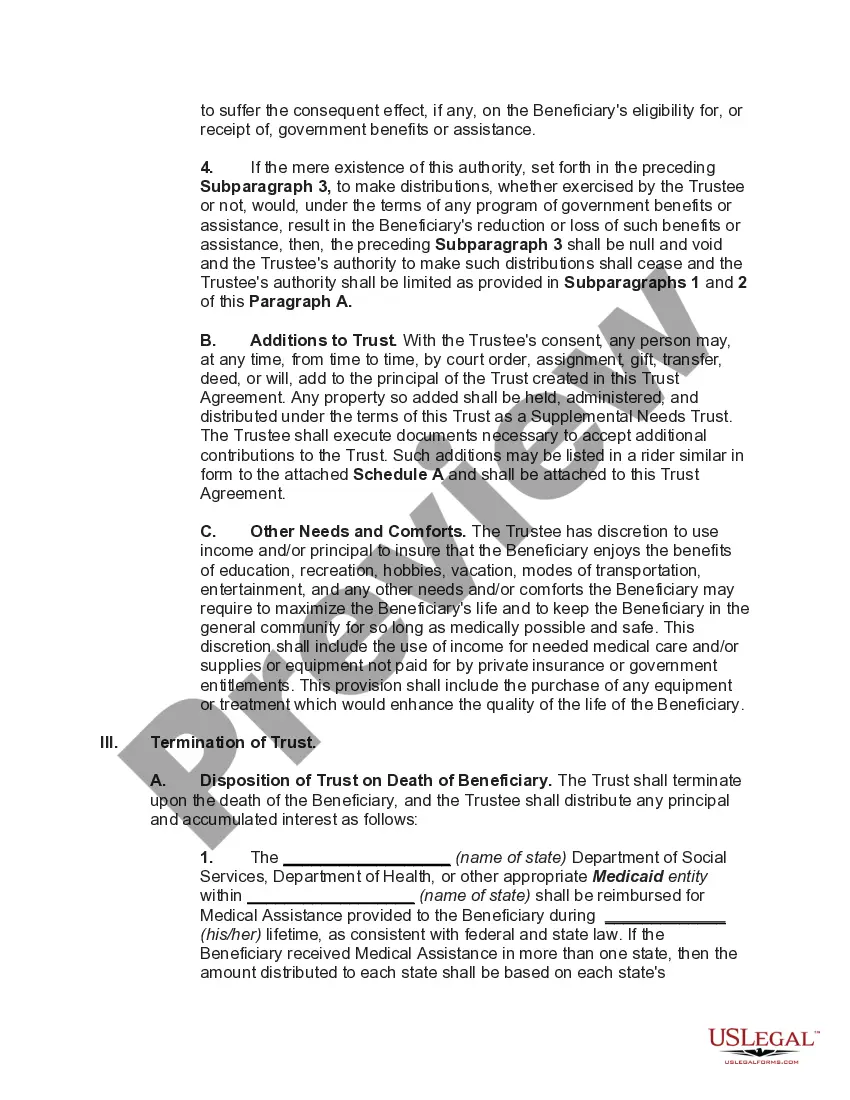
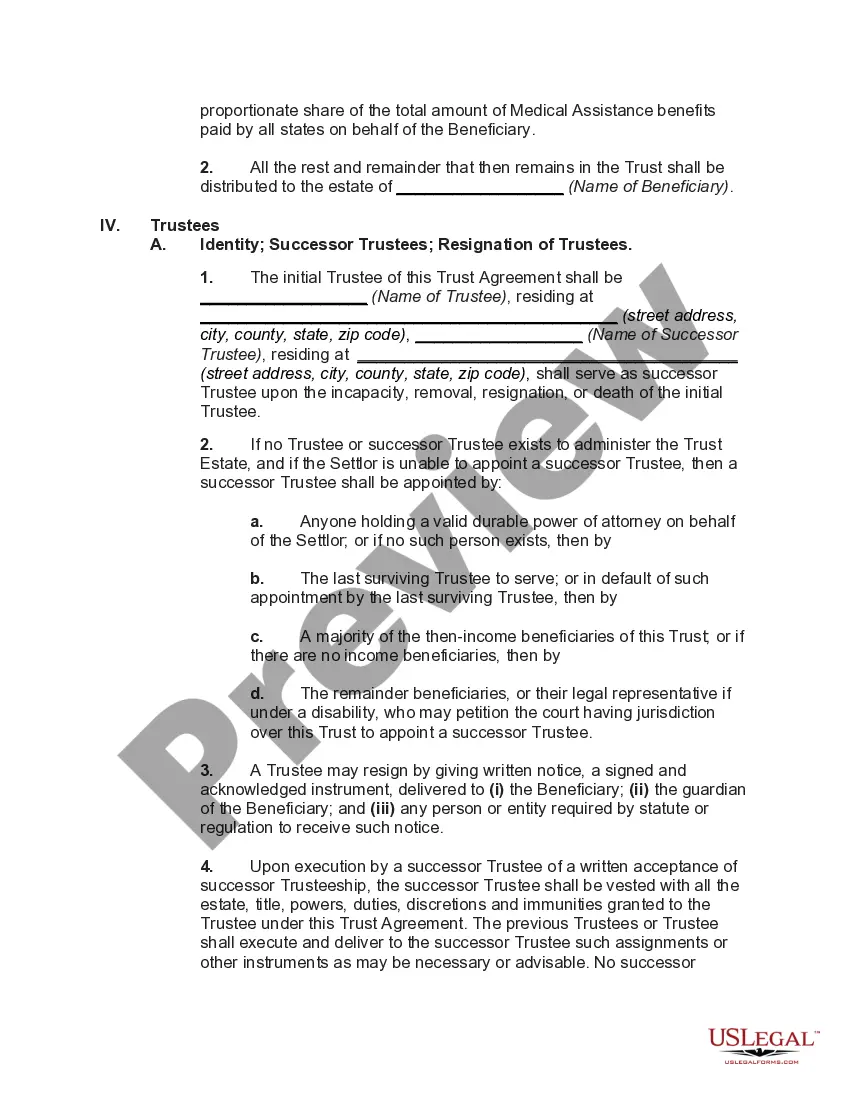
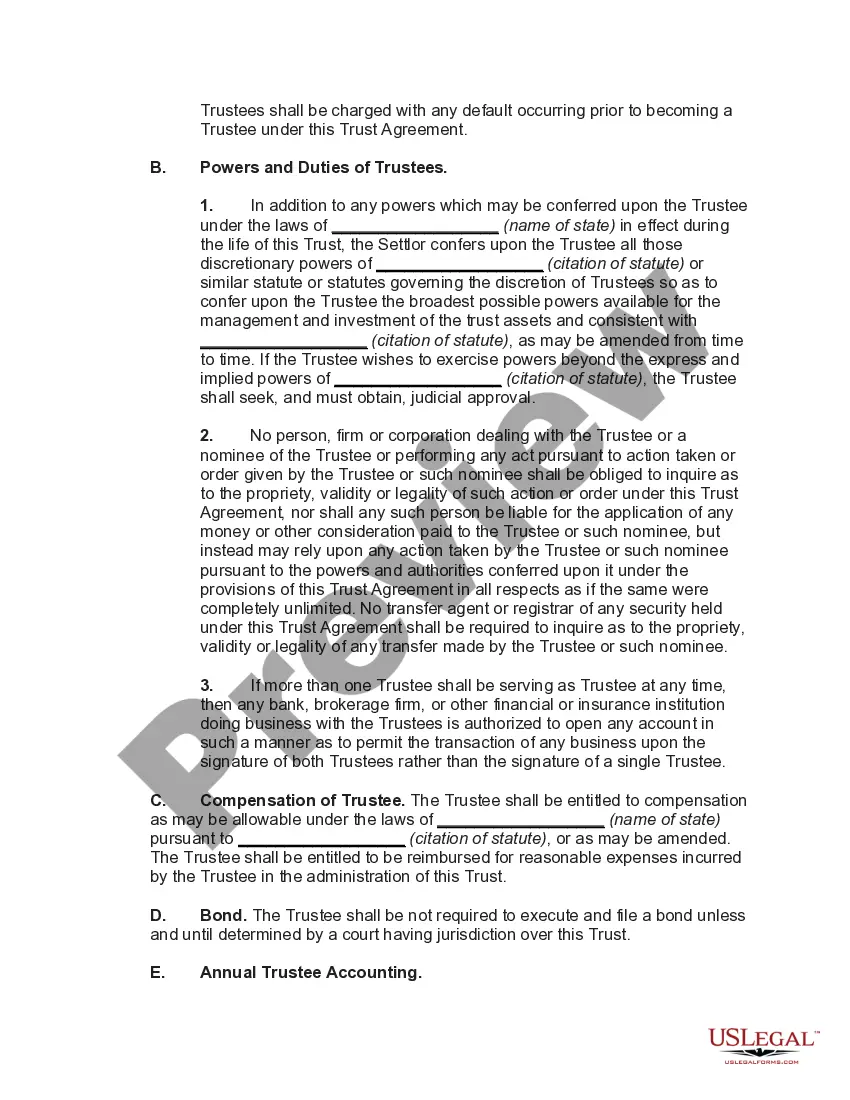
A special needs trust is a legal arrangement that allows individuals with disabilities to receive financial support without losing their eligibility for government benefits. Essentially, it works by holding assets for the beneficiary while ensuring those assets do not count against their benefit limits. This means the individual can enjoy a better quality of life with additional resources. To fully understand this concept, exploring the special needs trust definition for dummies can provide valuable insights into how it functions and its benefits.
One downside of a special needs trust is the complexity involved in setting it up and maintaining it. Families may face legal fees and administrative costs, which can add up over time. Additionally, if not managed properly, the trust could inadvertently affect the beneficiary's eligibility for crucial government assistance. Thus, grasping the special needs trust definition for dummies can clarify these challenges, enabling families to navigate the process more effectively.
The purpose of a special disability trust is to provide financial support for individuals with disabilities while preserving their eligibility for government benefits. This type of trust allows families to set aside funds for their loved ones without jeopardizing essential support programs. Essentially, it acts as a safety net, ensuring that the individual has access to additional resources. In simpler terms, understanding the special needs trust definition for dummies can help families make informed decisions about financial planning.
When managing a special needs trust, it’s important to avoid common mistakes that can lead to complications. One frequent error is failing to fund the trust properly, which can leave the beneficiary without necessary resources. Another mistake is not understanding the rules regarding disbursements, which can impact government benefits. Utilizing US Legal Forms can help you navigate these challenges and create a trust that meets your needs effectively.
An example of a special needs trust is one that is set up to provide for a child with disabilities. In this case, a parent might establish a trust that funds specific needs like education, therapy, or medical expenses without interfering with the child’s eligibility for government assistance. This practical approach showcases the special needs trust definition for dummies by demonstrating how it protects assets while prioritizing the beneficiary’s well-being.
Understanding how a special needs trust is taxed by the IRS is crucial for proper financial planning. Generally, the trust itself may be taxed on any income it generates, but distributions to the beneficiary are typically not taxed. It's essential to consult with a tax professional or an attorney who specializes in special needs trusts to navigate these regulations effectively and ensure compliance.
A special needs trust definition for dummies refers to a financial tool designed to help individuals with disabilities receive support without jeopardizing their government benefits. This type of trust allows funds to be set aside for extra care and expenses while preserving eligibility for programs like Medicaid and Social Security. By using a special needs trust, you can ensure your loved one has additional resources available, enhancing their quality of life.