Special Needs Trust Definition For Autistic Child
Description

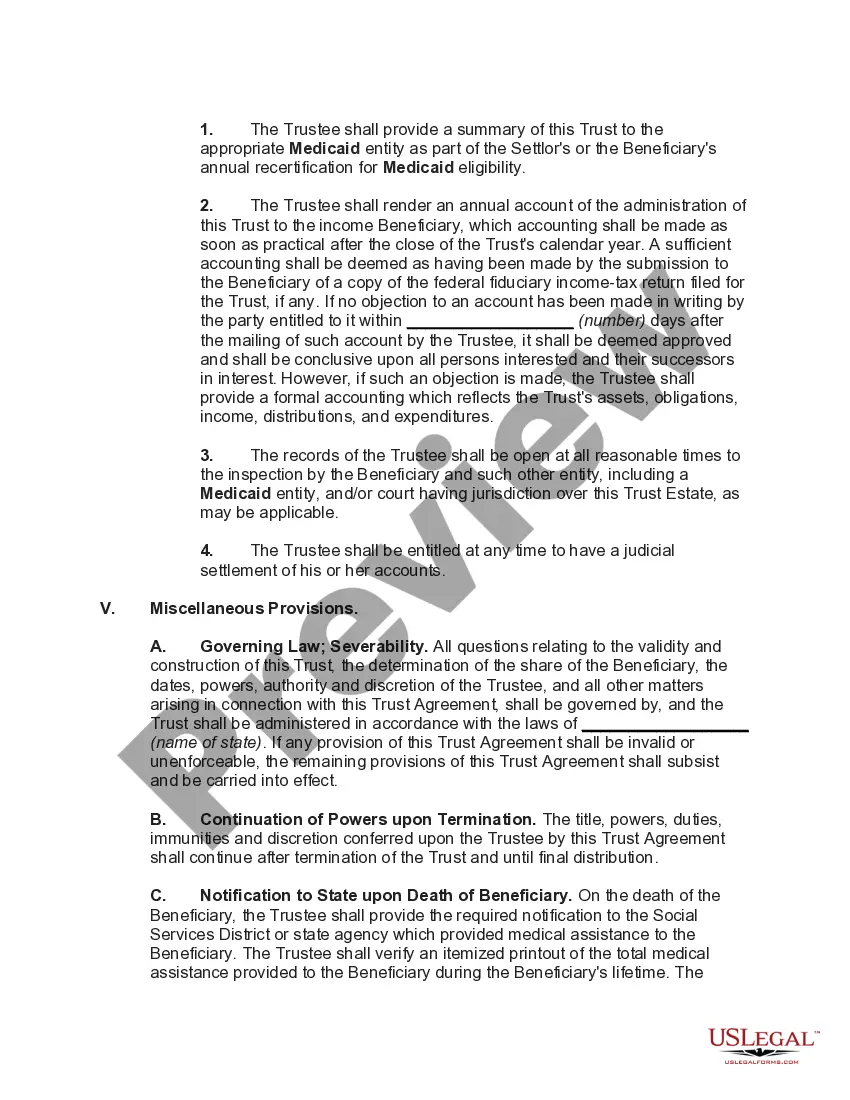
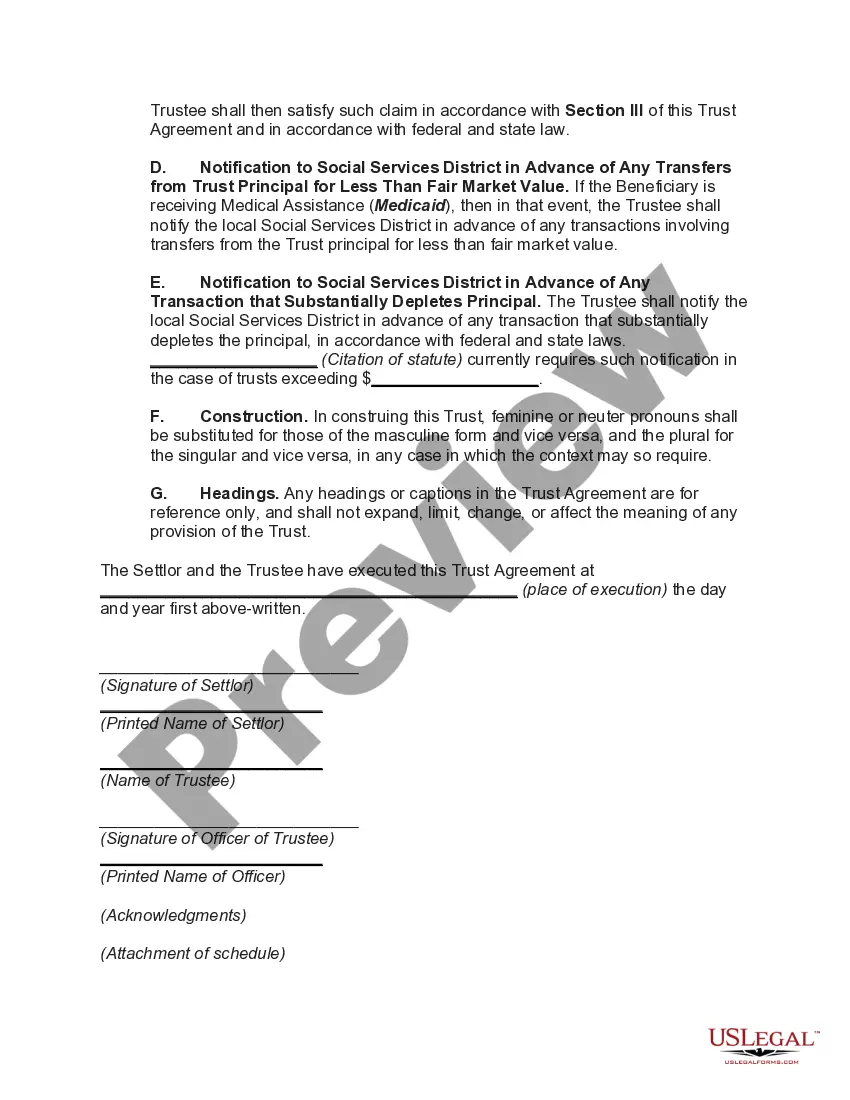
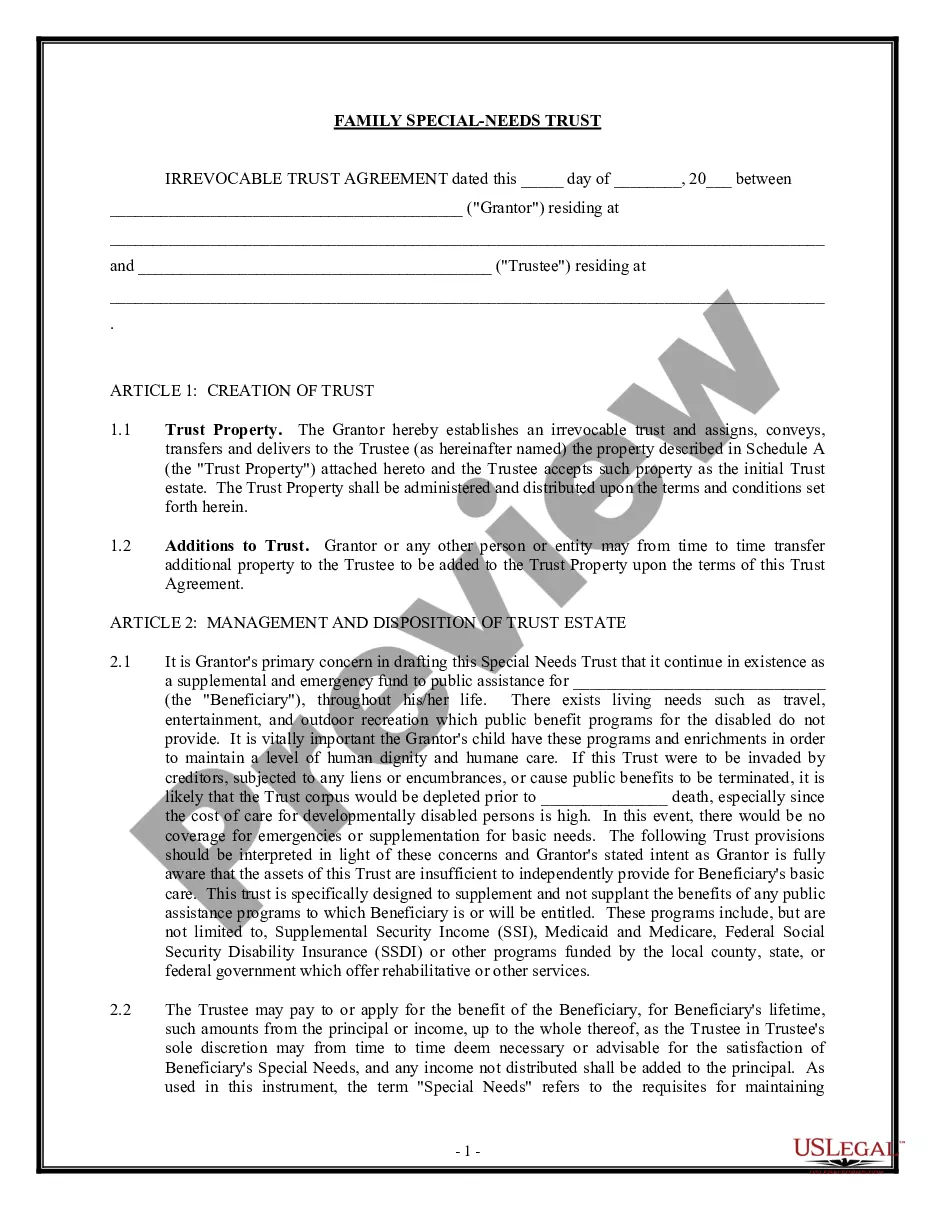
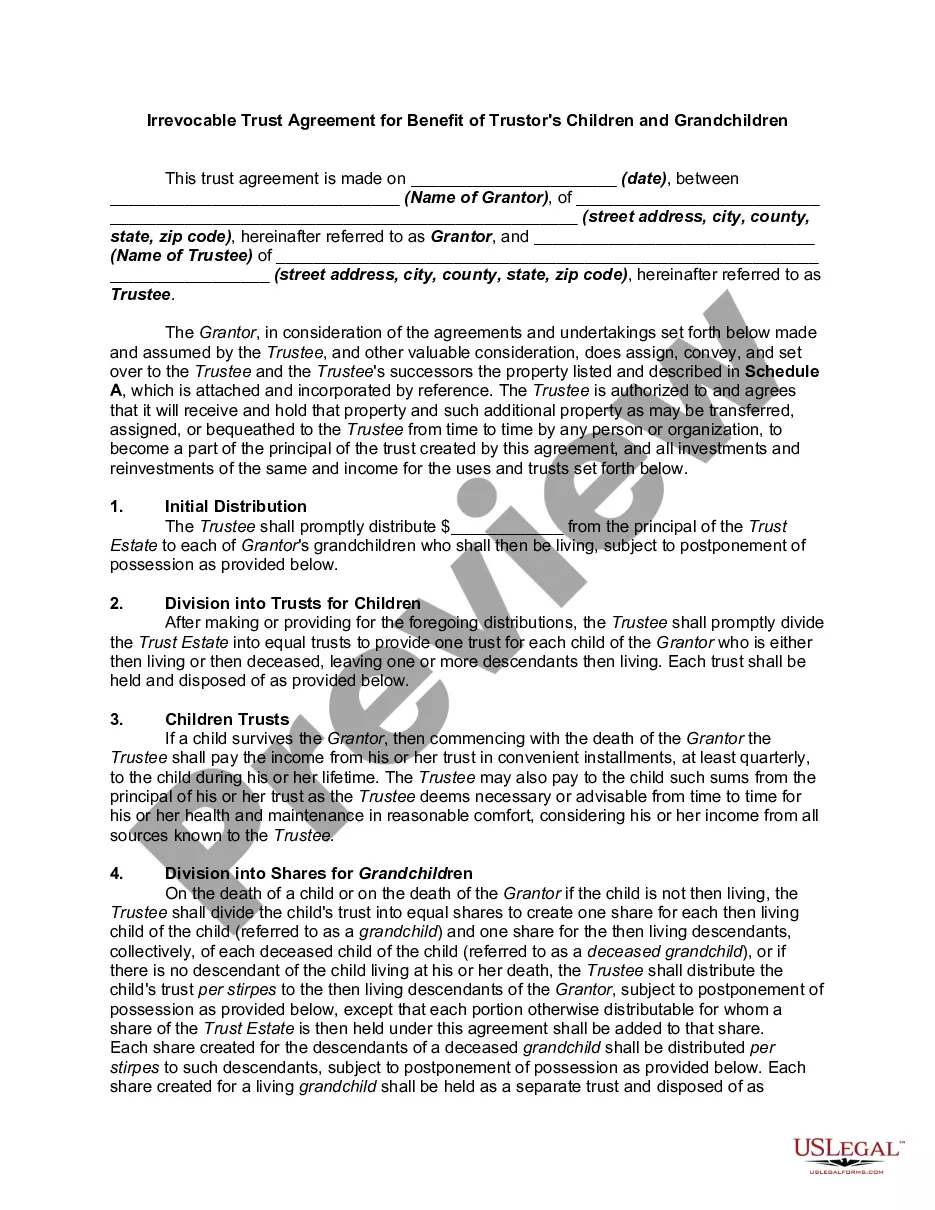

Get your form ready online
Our built-in tools help you complete, sign, share, and store your documents in one place.
Make edits, fill in missing information, and update formatting in US Legal Forms—just like you would in MS Word.
Download a copy, print it, send it by email, or mail it via USPS—whatever works best for your next step.
Sign and collect signatures with our SignNow integration. Send to multiple recipients, set reminders, and more. Go Premium to unlock E-Sign.
If this form requires notarization, complete it online through a secure video call—no need to meet a notary in person or wait for an appointment.
We protect your documents and personal data by following strict security and privacy standards.

Make edits, fill in missing information, and update formatting in US Legal Forms—just like you would in MS Word.

Download a copy, print it, send it by email, or mail it via USPS—whatever works best for your next step.

Sign and collect signatures with our SignNow integration. Send to multiple recipients, set reminders, and more. Go Premium to unlock E-Sign.

If this form requires notarization, complete it online through a secure video call—no need to meet a notary in person or wait for an appointment.

We protect your documents and personal data by following strict security and privacy standards.
Looking for another form?
How to fill out Special Needs Irrevocable Trust Agreement For Benefit Of Disabled Child Of Trustor?
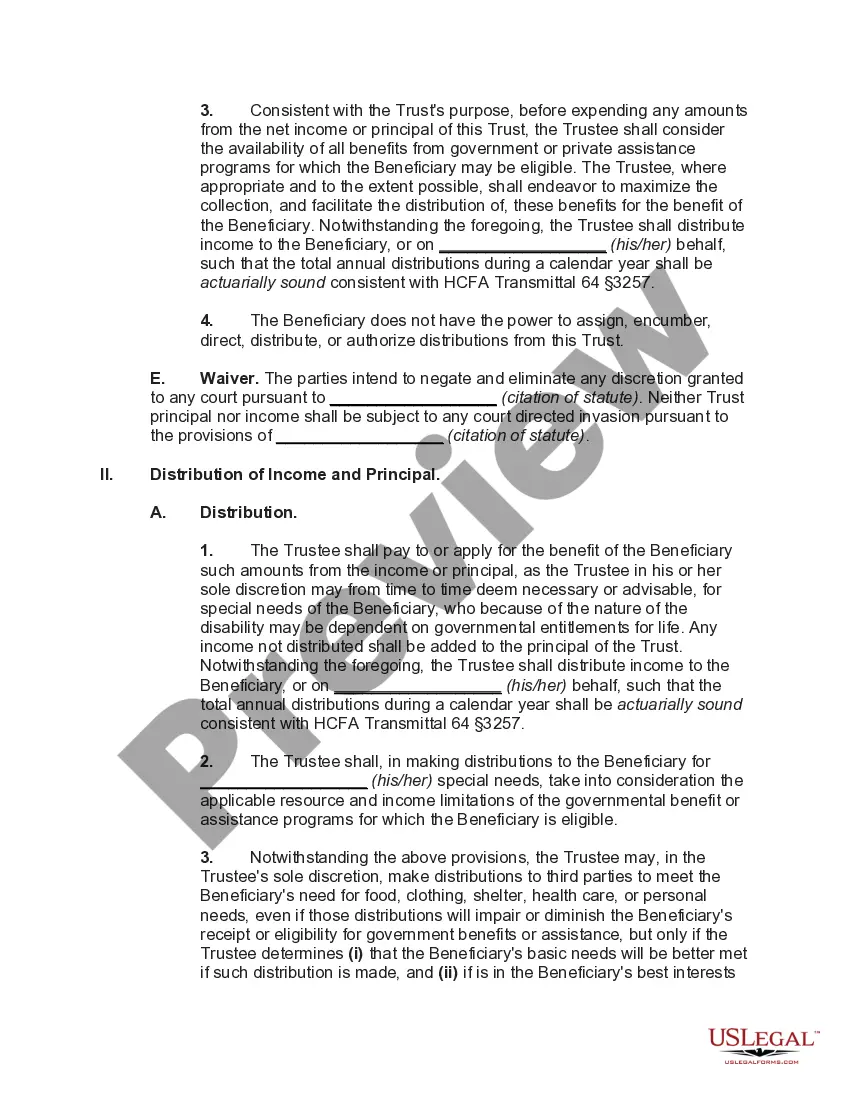
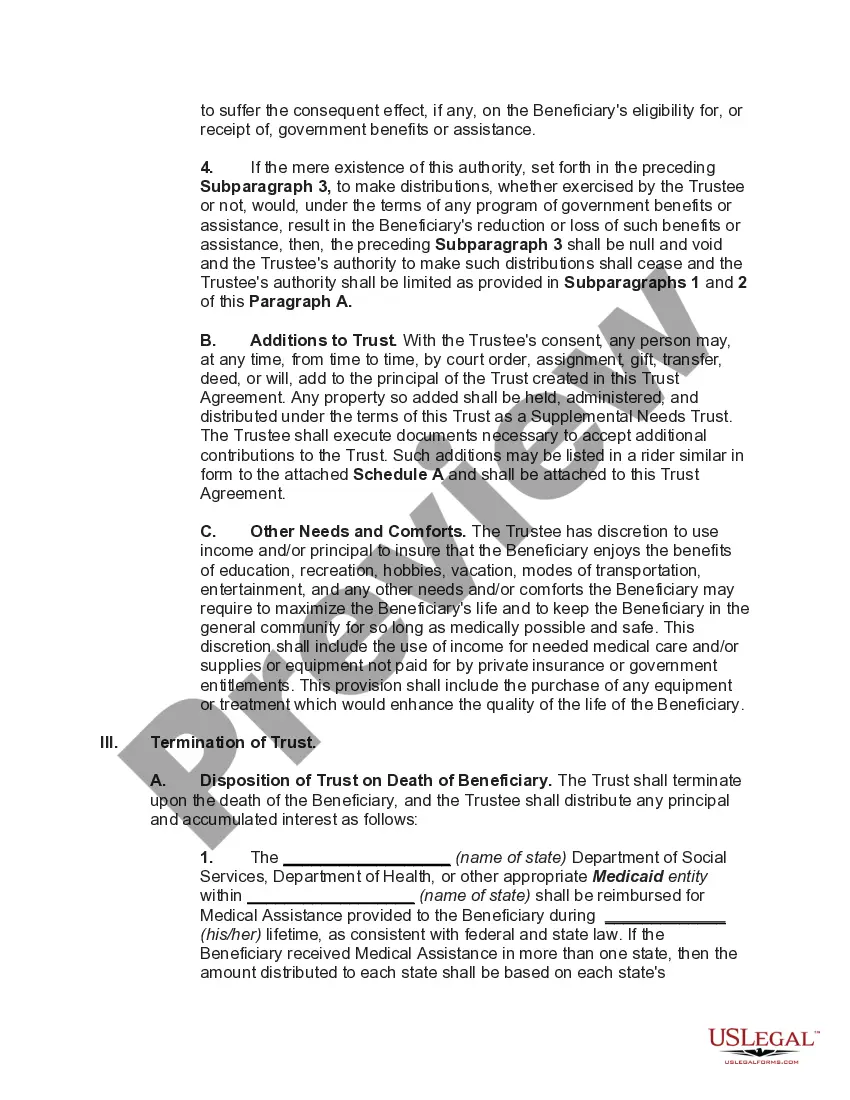
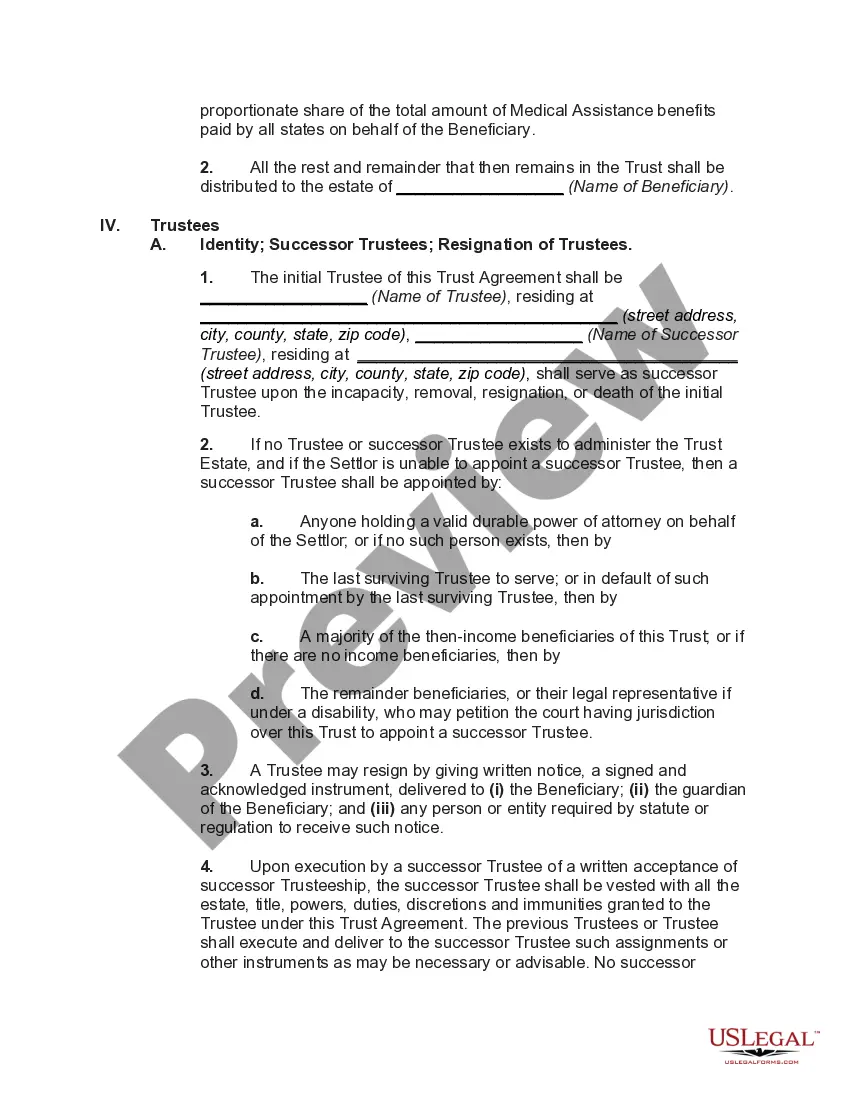
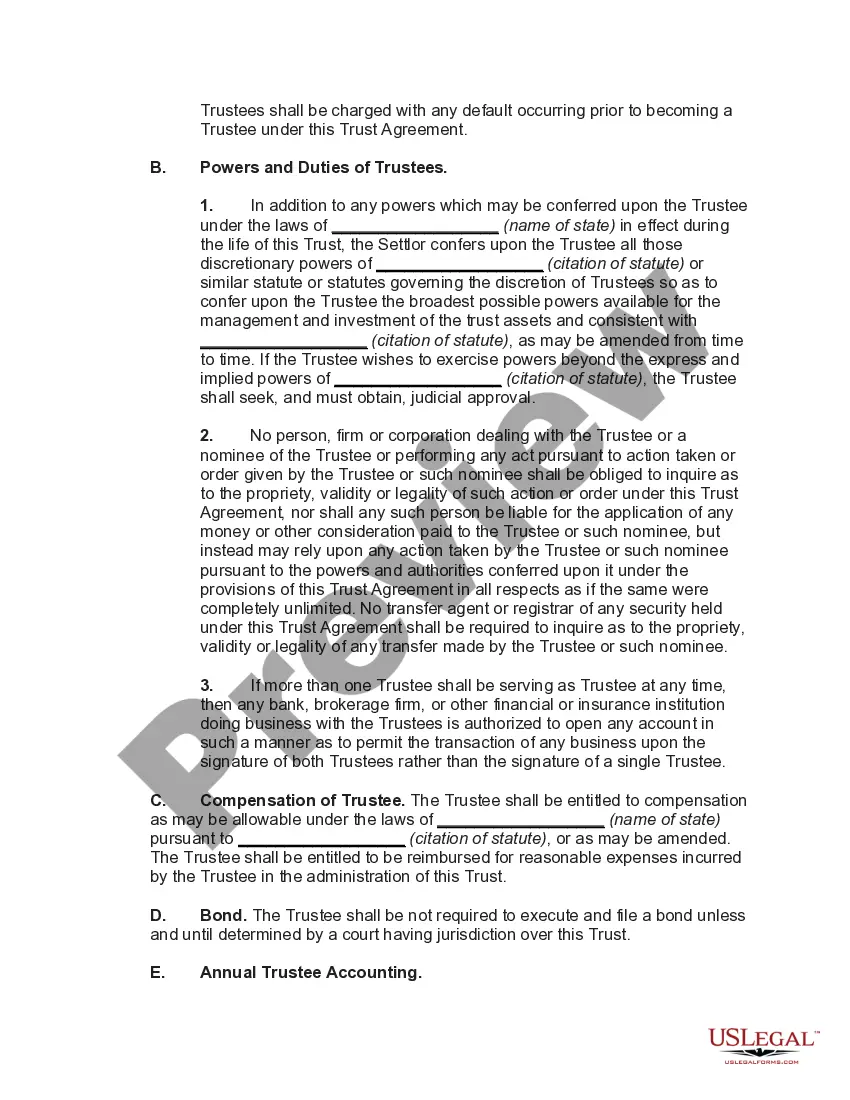
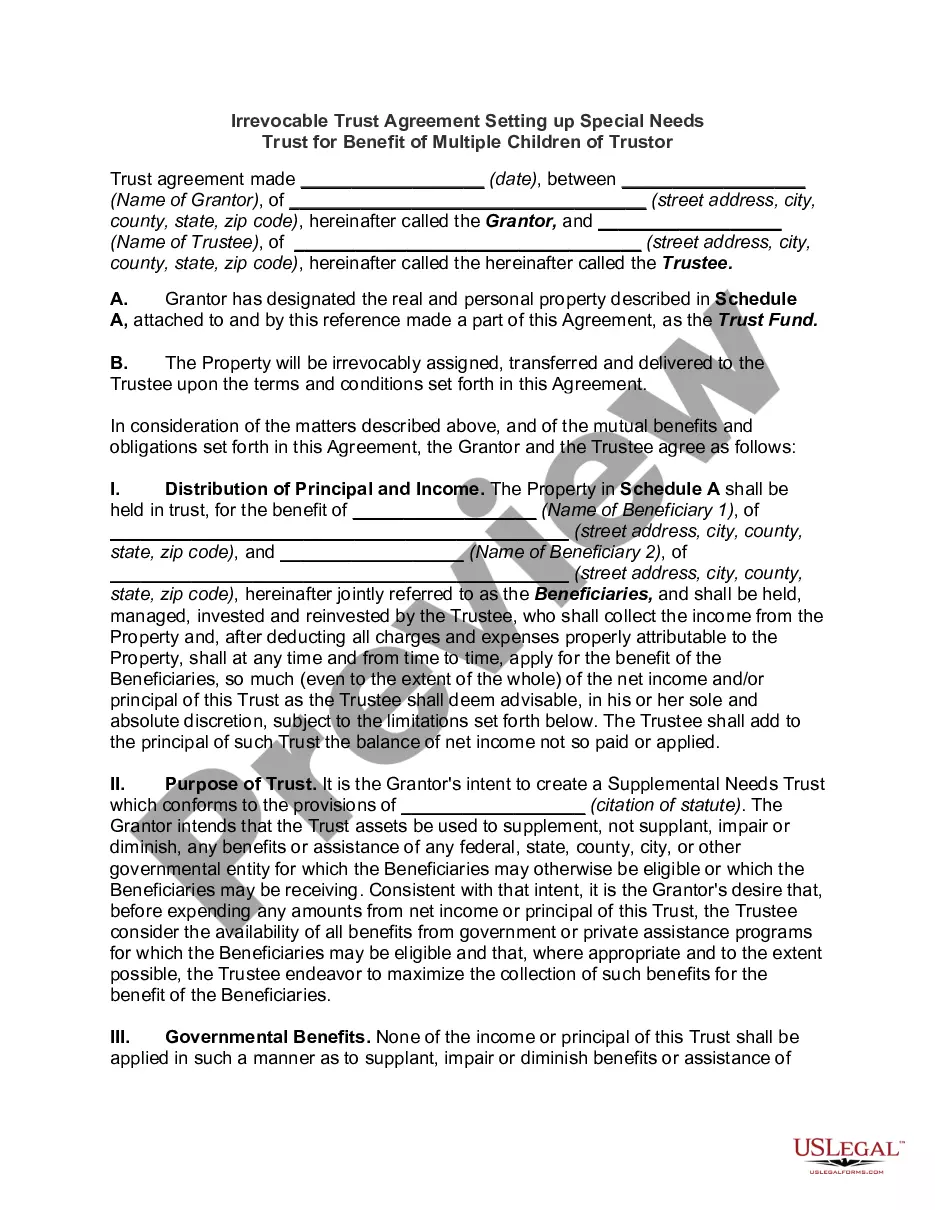
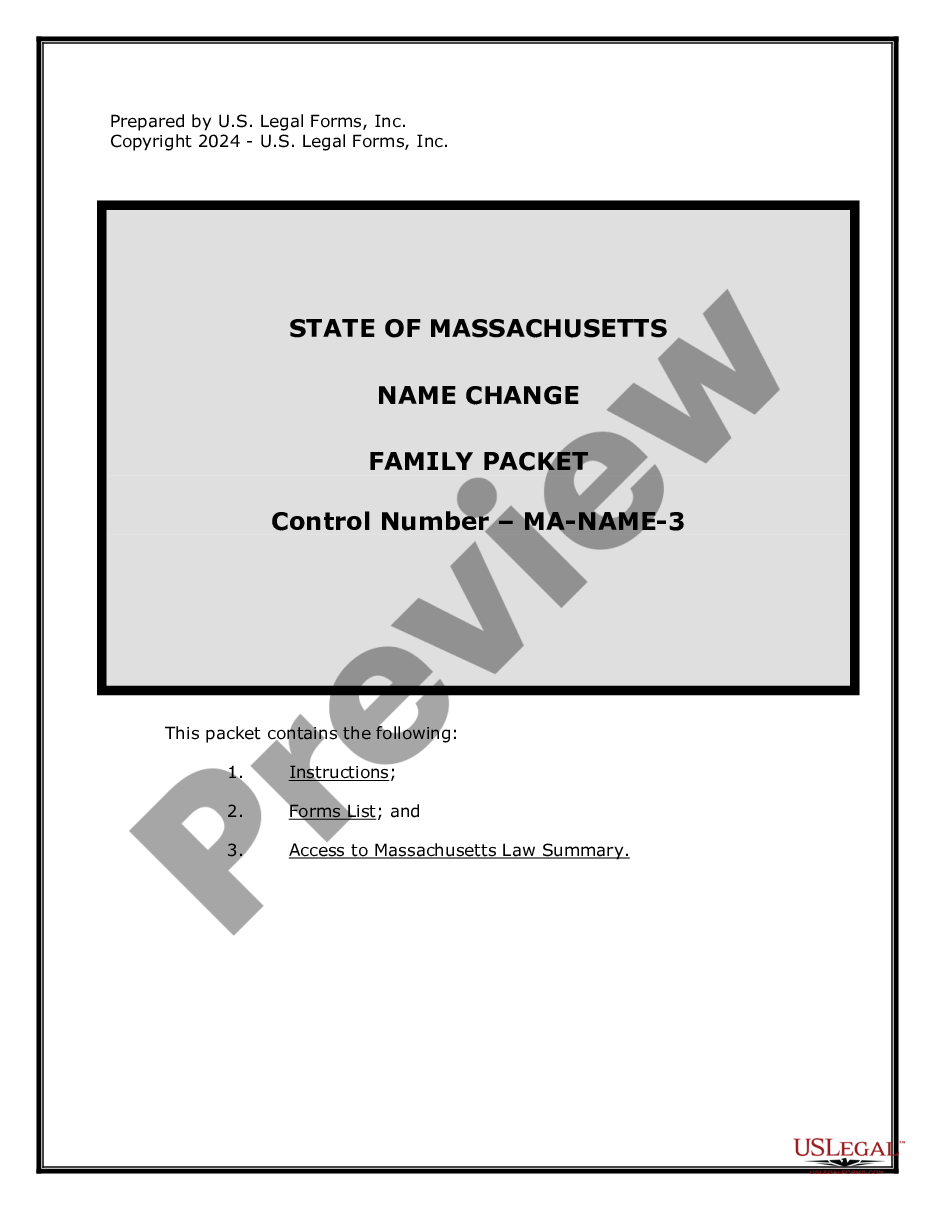
The Special Needs Trust Explanation For Autistic Child you observe on this page is a reusable legal framework created by experienced attorneys in compliance with federal and state statutes and regulations.
For over 25 years, US Legal Forms has supplied individuals, organizations, and lawyers with more than 85,000 authenticated, state-specific documents for any business and personal occasion. It’s the quickest, simplest, and most dependable method to acquire the paperwork you require, as the service assures the highest level of data protection and anti-virus security.
Register for US Legal Forms to have verified legal templates for all of life’s situations at your fingertips.
- Browse for the document you require and examine it.
- Select the pricing option that works best for you and create an account.
- Choose the format you prefer for your Special Needs Trust Explanation For Autistic Child (PDF, DOCX, RTF) and download the template to your device.
- Print the template to fill it out manually, or use an online versatile PDF editor to swiftly and accurately complete and sign your form with a legally-recognized electronic signature.
- Access the same document again whenever necessary. Open the My documents section in your profile to redownload any previously obtained forms.
Form popularity
FAQ
Creating a special needs trust for your autistic child involves several key steps. First, you should consult with a qualified attorney who specializes in special needs planning. They will help you understand the special needs trust definition for autistic child and guide you through the legal requirements. Additionally, using platforms like US Legal Forms can simplify the process by providing templates and resources tailored to your needs, ensuring that your trust complies with state laws.
Determining whether you need a special needs trust for your autistic child depends on your financial situation and future plans. If you wish to provide for your child's needs without jeopardizing their eligibility for government benefits, a special needs trust is a prudent option. Consulting with an attorney who specializes in special needs planning can help you understand if this solution is right for your family.
The 5-year rule for special needs trusts refers to the timeframe concerning asset transfers in relation to Medicaid eligibility. If assets are transferred to a special needs trust within five years of applying for Medicaid, it may lead to a penalty period where the child is ineligible for benefits. Understanding this rule is crucial, as it ensures that families plan appropriately to protect their autistic child’s access to necessary resources.
A special needs trust for autistic children is a specific type of trust designed to manage funds for the benefit of a child with autism, ensuring they receive care and support throughout their life. This trust allows parents to allocate resources for medical expenses, education, and personal care without affecting the child's eligibility for government assistance programs. By establishing this trust, families can provide financial stability and peace of mind for their child’s future.
Building trust with an autistic child often involves consistent communication, patience, and understanding. Engage with them in activities they enjoy, and be attentive to their needs and preferences. By creating a safe and supportive environment, you can foster a strong bond, which is essential for effective interaction and emotional connection.
A special needs trust is a legal arrangement that allows a person with disabilities, such as an autistic child, to receive benefits without losing eligibility for government assistance. For instance, a parent might set up a special needs trust to cover additional expenses like therapy, education, or recreational activities. This ensures that the child can enjoy a higher quality of life while still maintaining access to necessary support from programs like Medicaid.
A special needs trust is a legal arrangement that provides access to funding to someone who is physically or mentally disabled or chronically ill. This trust allows for the additional financial support of an individual without potentially jeopardizing the benefits provided by public assistance programs.
What are the disadvantages of an ABLE account? Qualified Disability Expenses. The funds in an ABLE account can only be used for qualified disability expenses. Medicaid Payback. ... The disability must have occurred prior to the beneficiary attaining age 26. ... The total assets in the account cannot exceed $100,000.
A qualified disability trust (QDisT) is a type of trust that qualifies for tax exemptions and applies to most trusts set up for someone with special needs. Normally, you must pay income tax on the income you receive from trusts, and that requirement formerly included special needs trusts.
There are three main differences between SNTs and ABLE accounts: eligibility, the expenses permitted for each type of account, and the limits on how much money you can save through them.