Special Disabled Trustor Contract With Cra
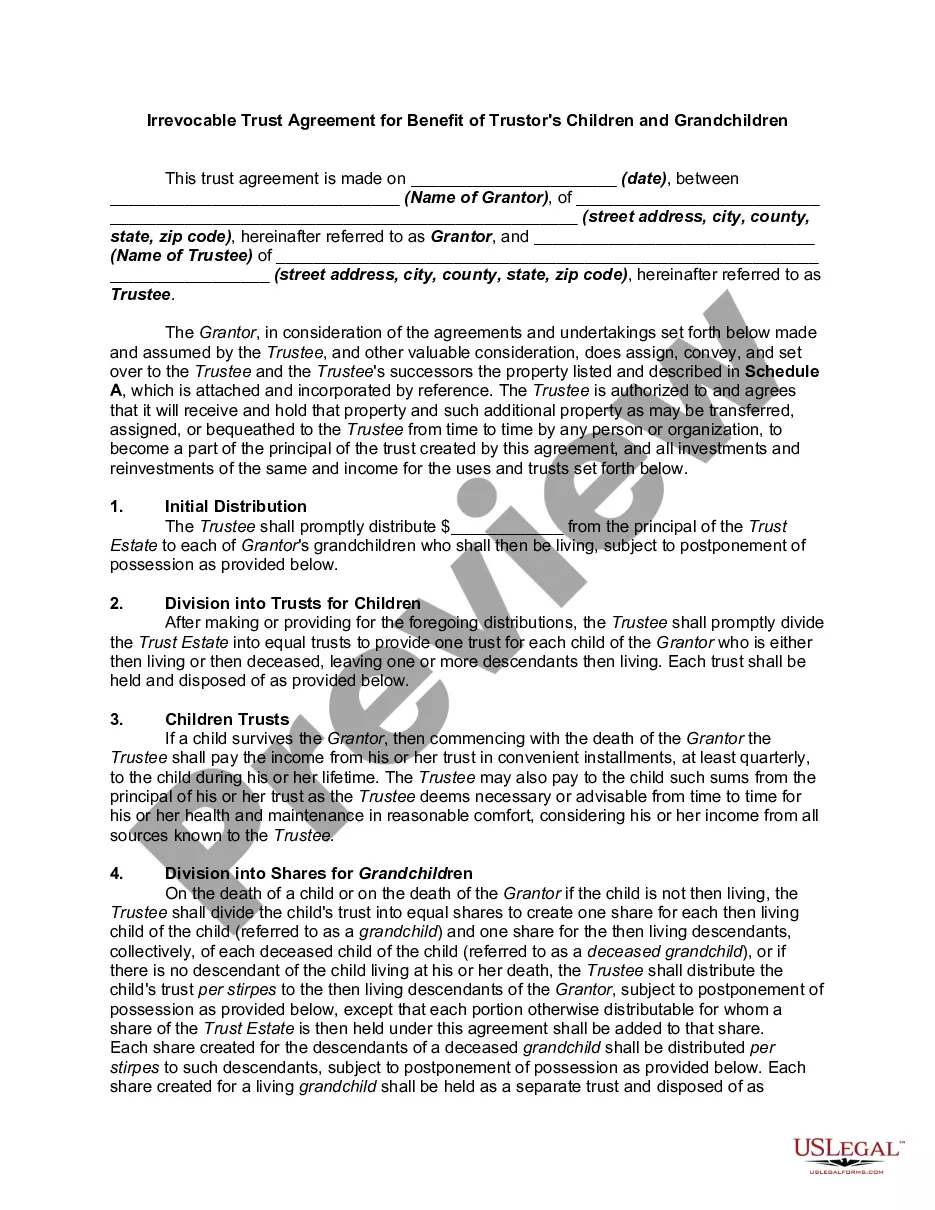
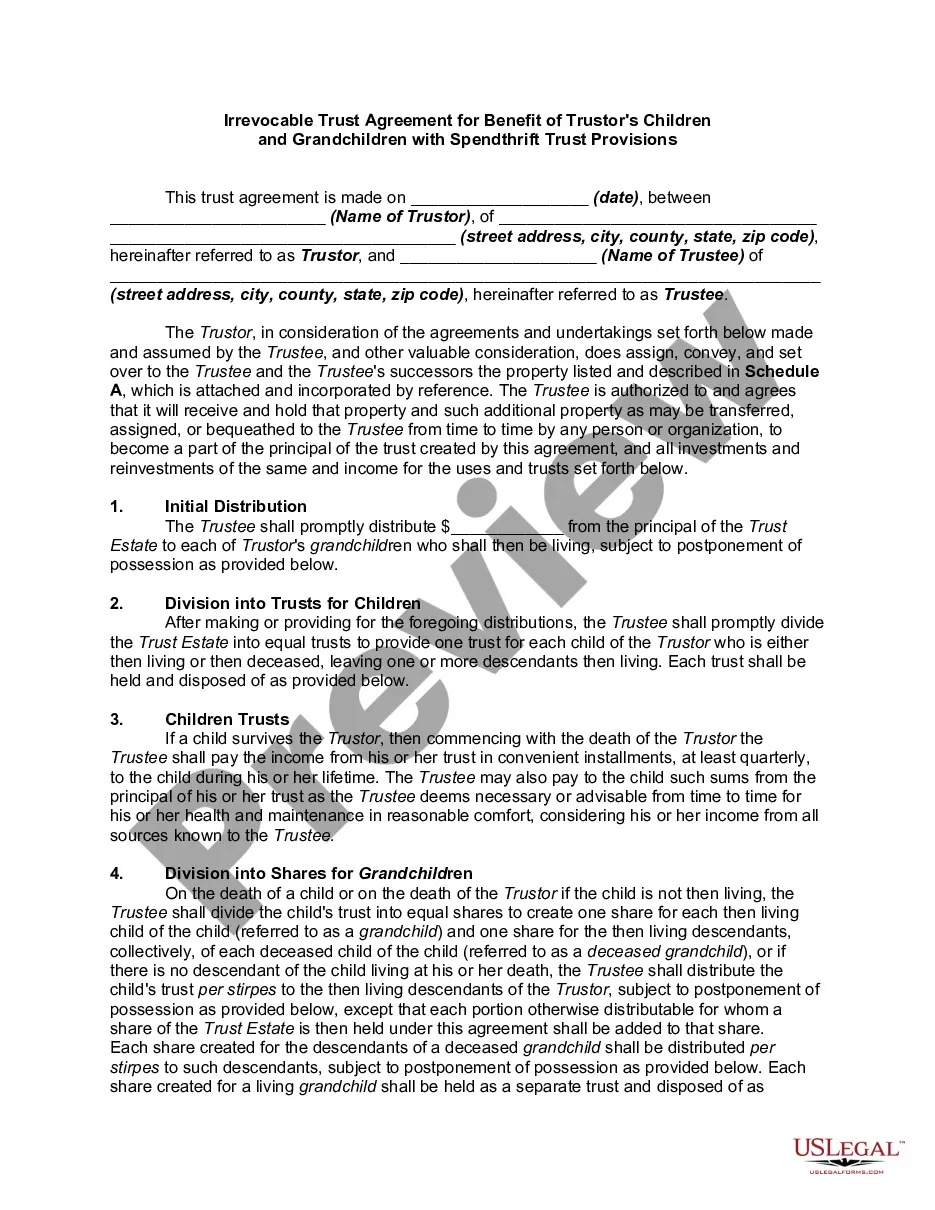
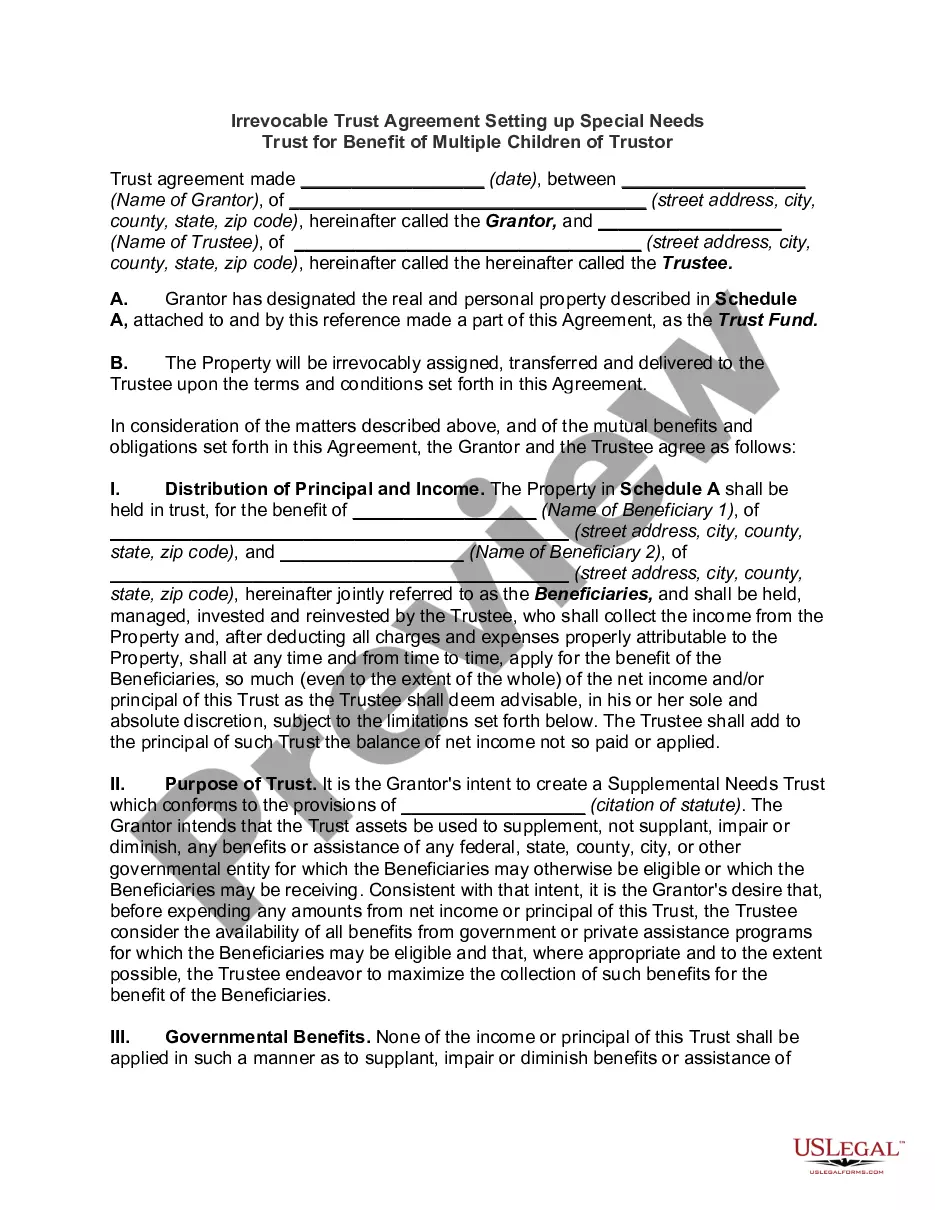
Description
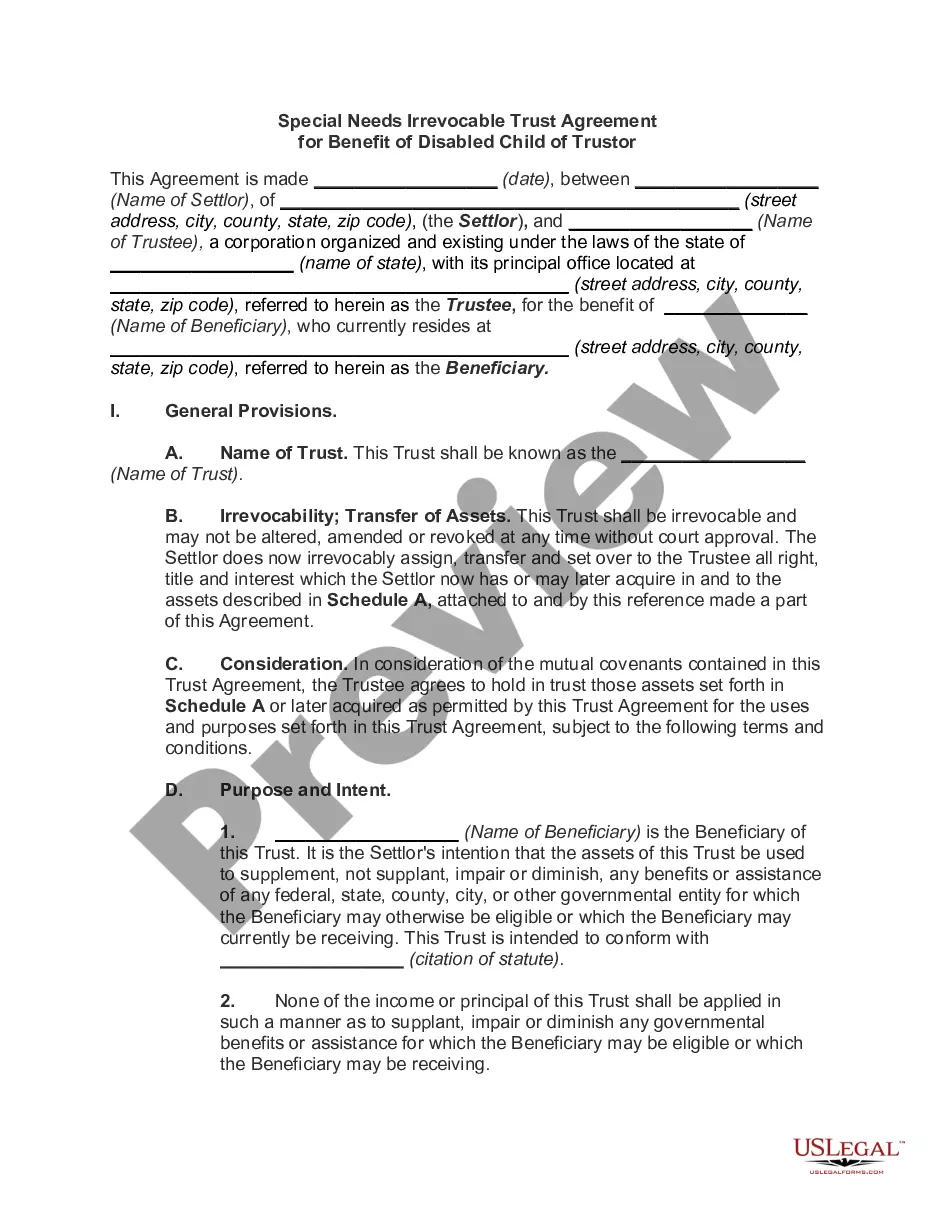
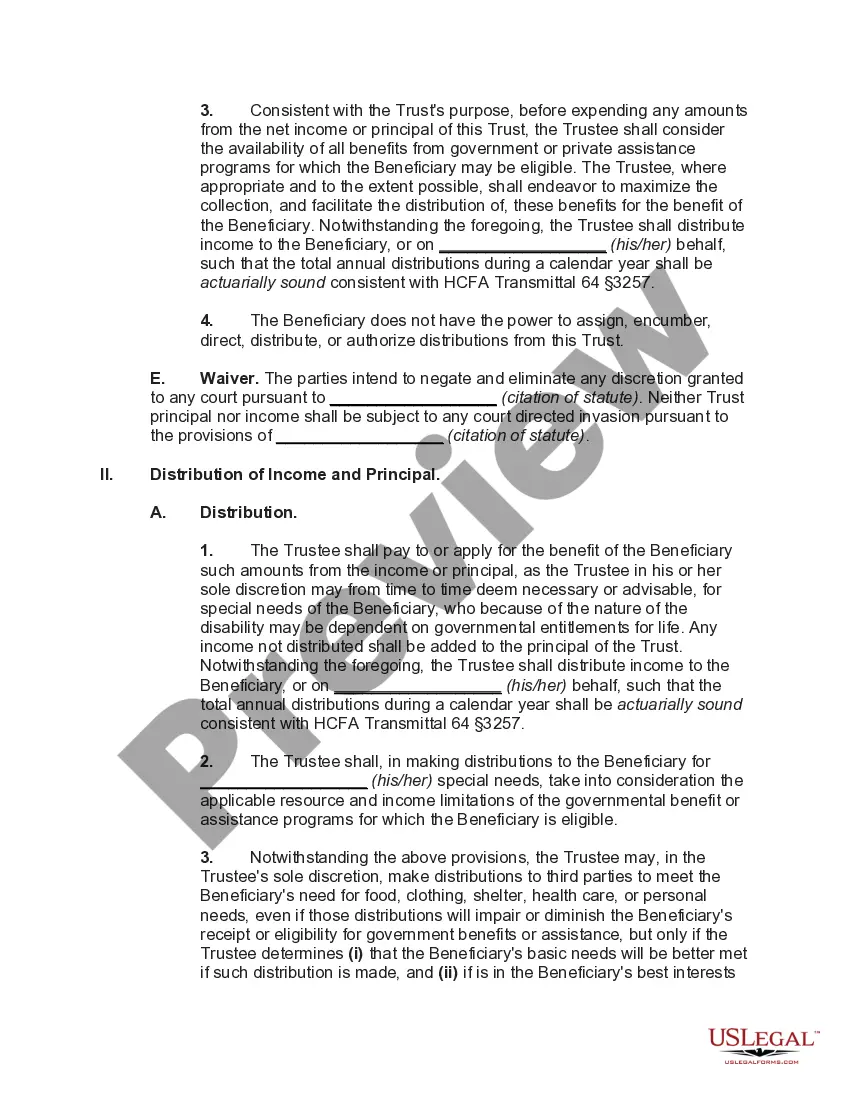
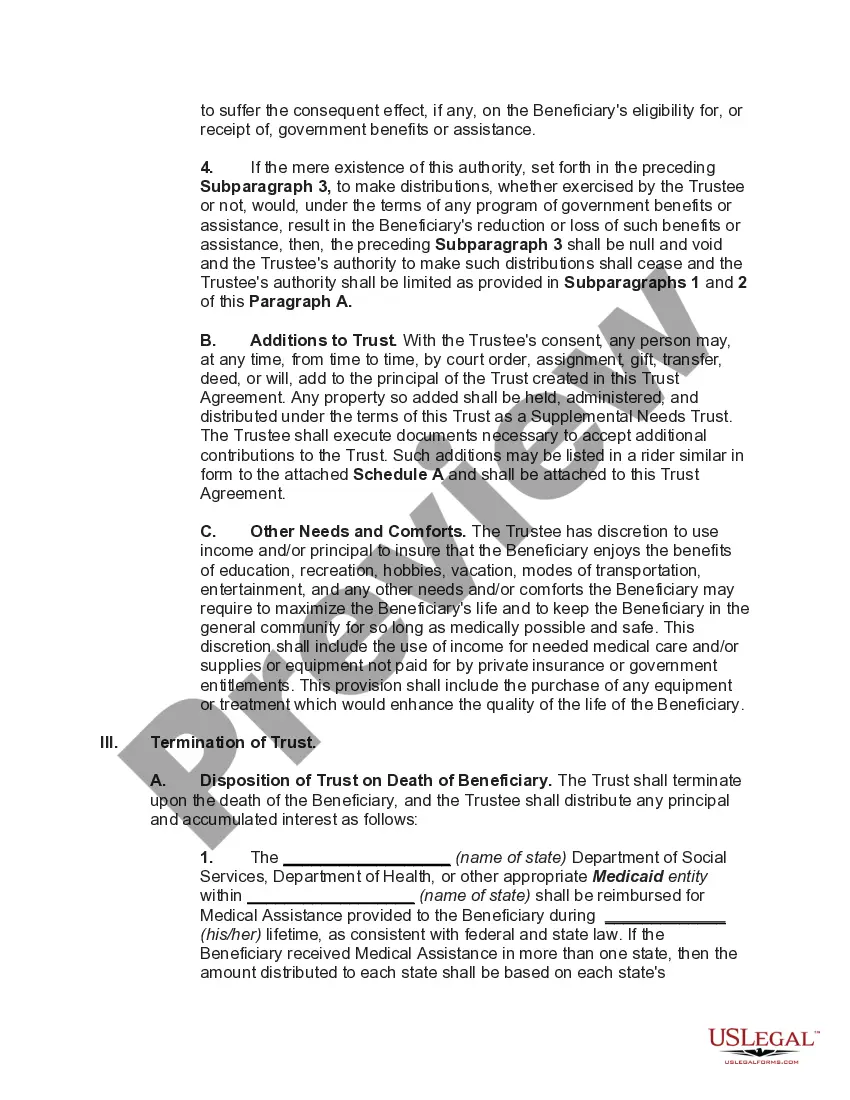
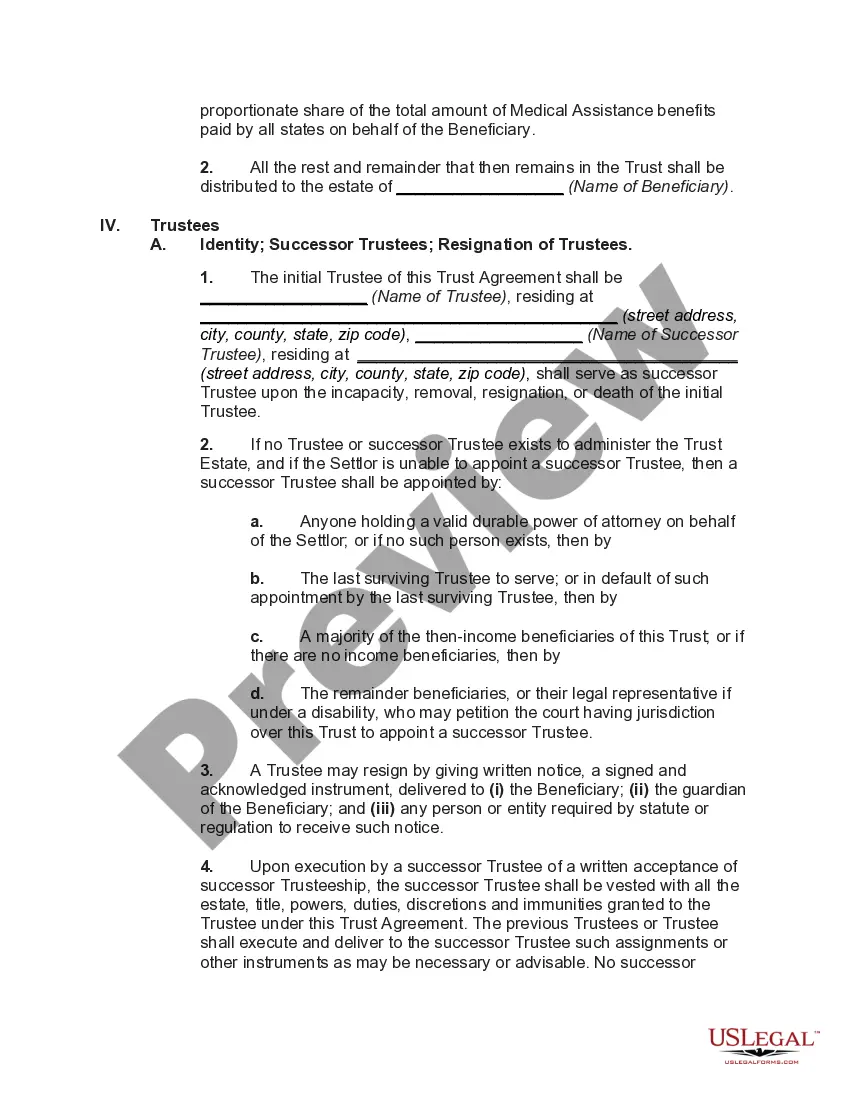
Get your form ready online
Our built-in tools help you complete, sign, share, and store your documents in one place.
Make edits, fill in missing information, and update formatting in US Legal Forms—just like you would in MS Word.
Download a copy, print it, send it by email, or mail it via USPS—whatever works best for your next step.
Sign and collect signatures with our SignNow integration. Send to multiple recipients, set reminders, and more. Go Premium to unlock E-Sign.
If this form requires notarization, complete it online through a secure video call—no need to meet a notary in person or wait for an appointment.
We protect your documents and personal data by following strict security and privacy standards.

Make edits, fill in missing information, and update formatting in US Legal Forms—just like you would in MS Word.

Download a copy, print it, send it by email, or mail it via USPS—whatever works best for your next step.

Sign and collect signatures with our SignNow integration. Send to multiple recipients, set reminders, and more. Go Premium to unlock E-Sign.

If this form requires notarization, complete it online through a secure video call—no need to meet a notary in person or wait for an appointment.

We protect your documents and personal data by following strict security and privacy standards.
Looking for another form?


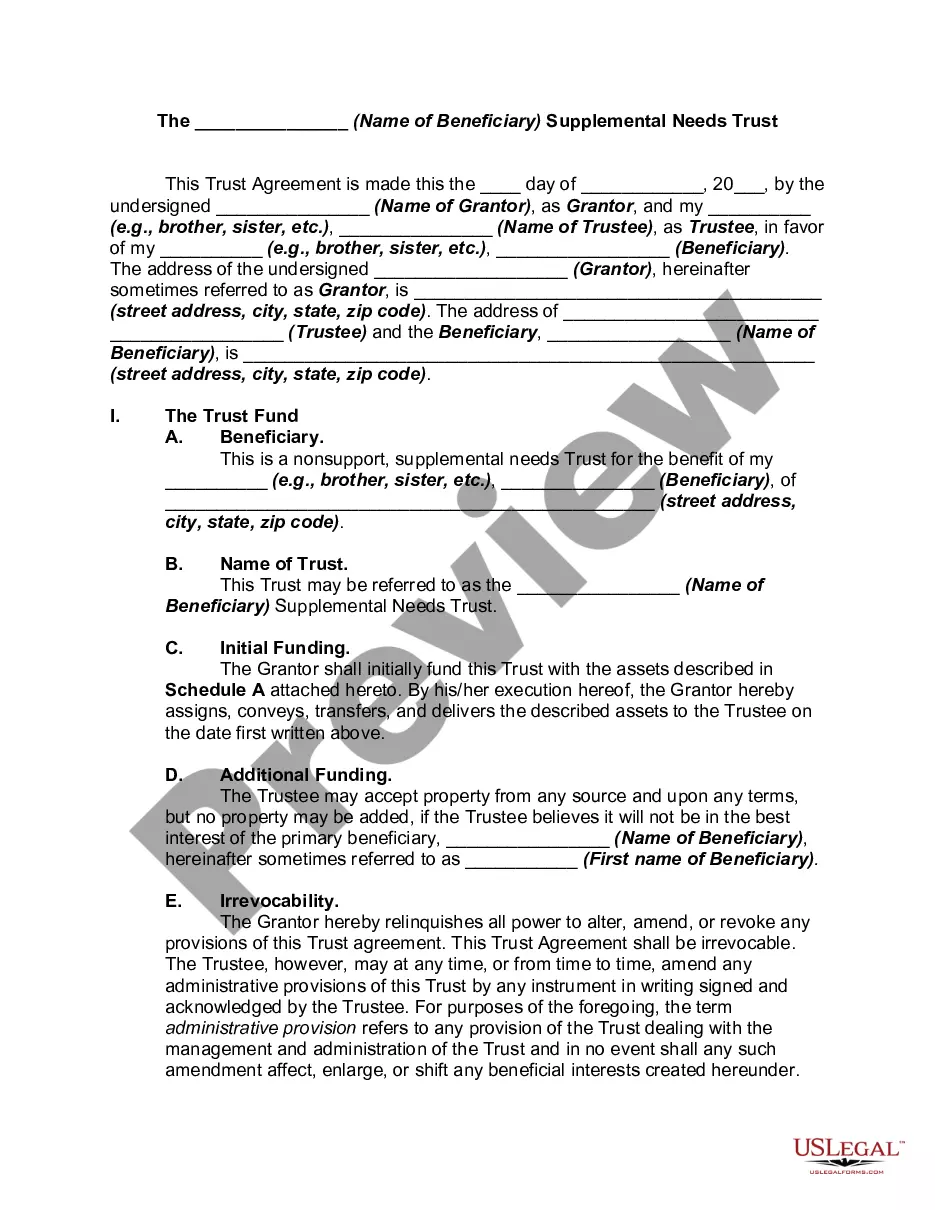


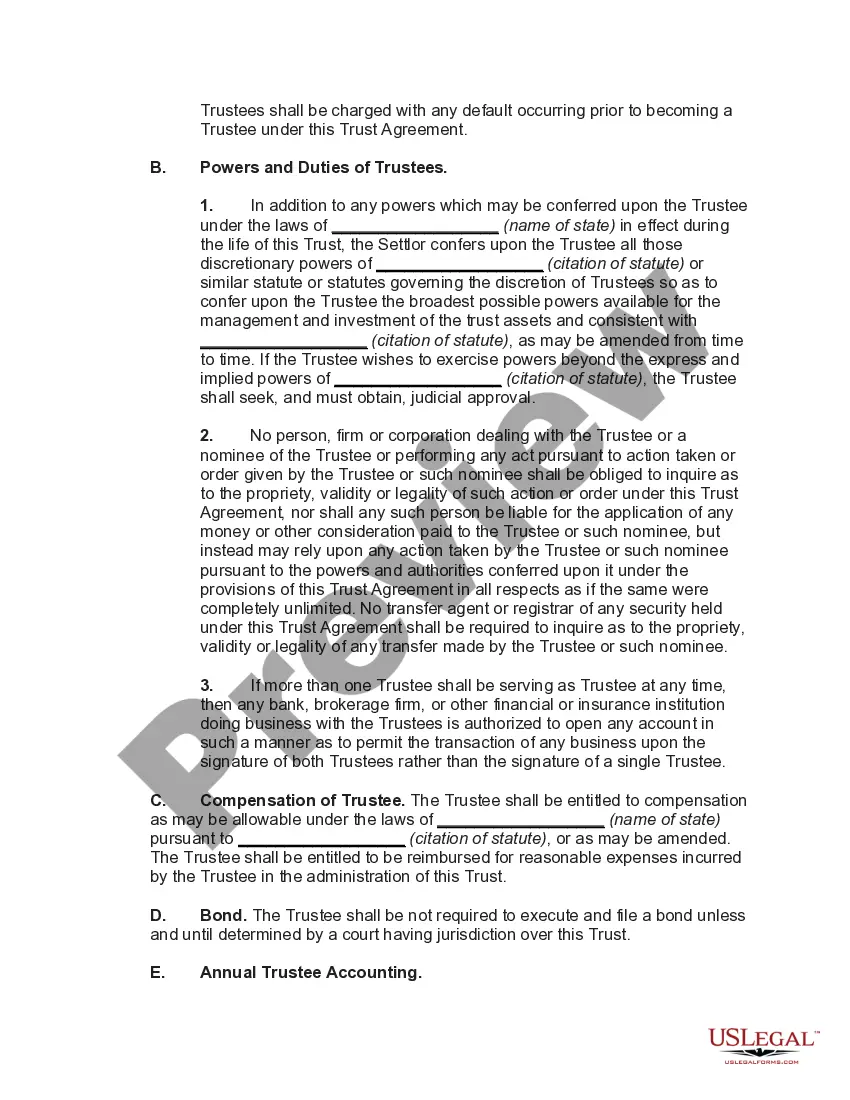
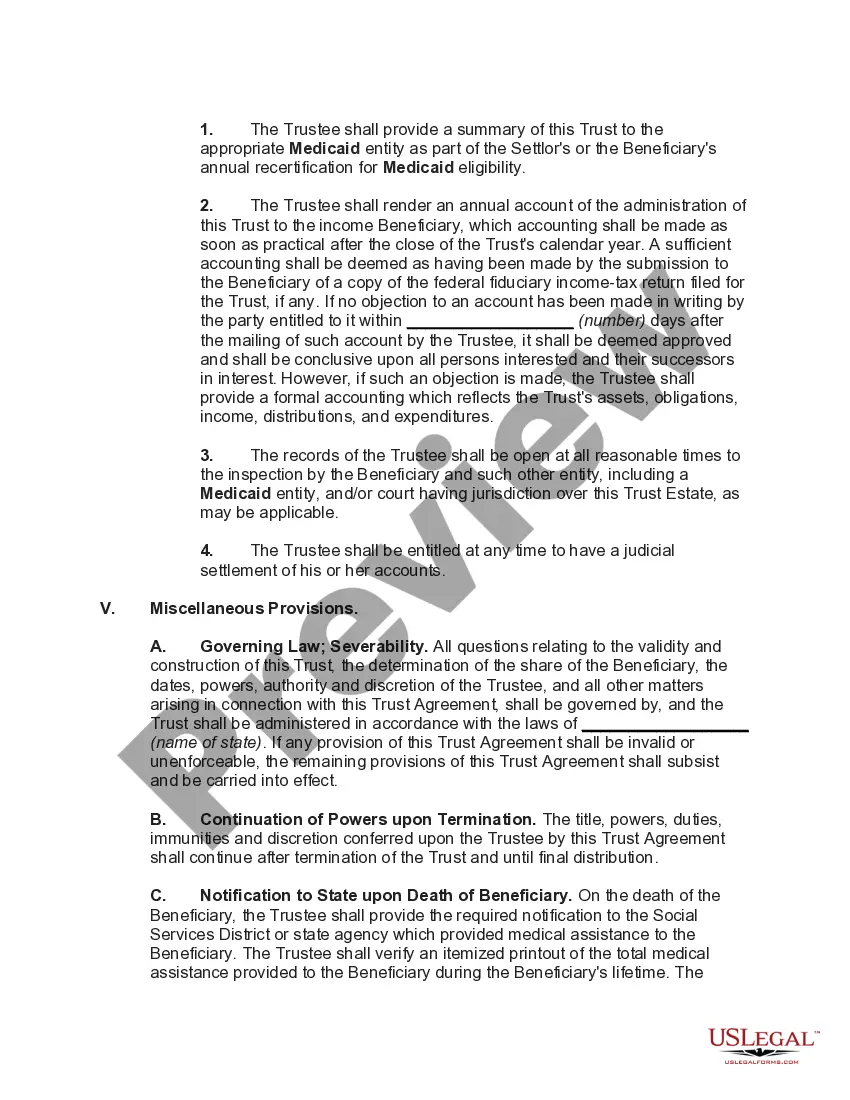
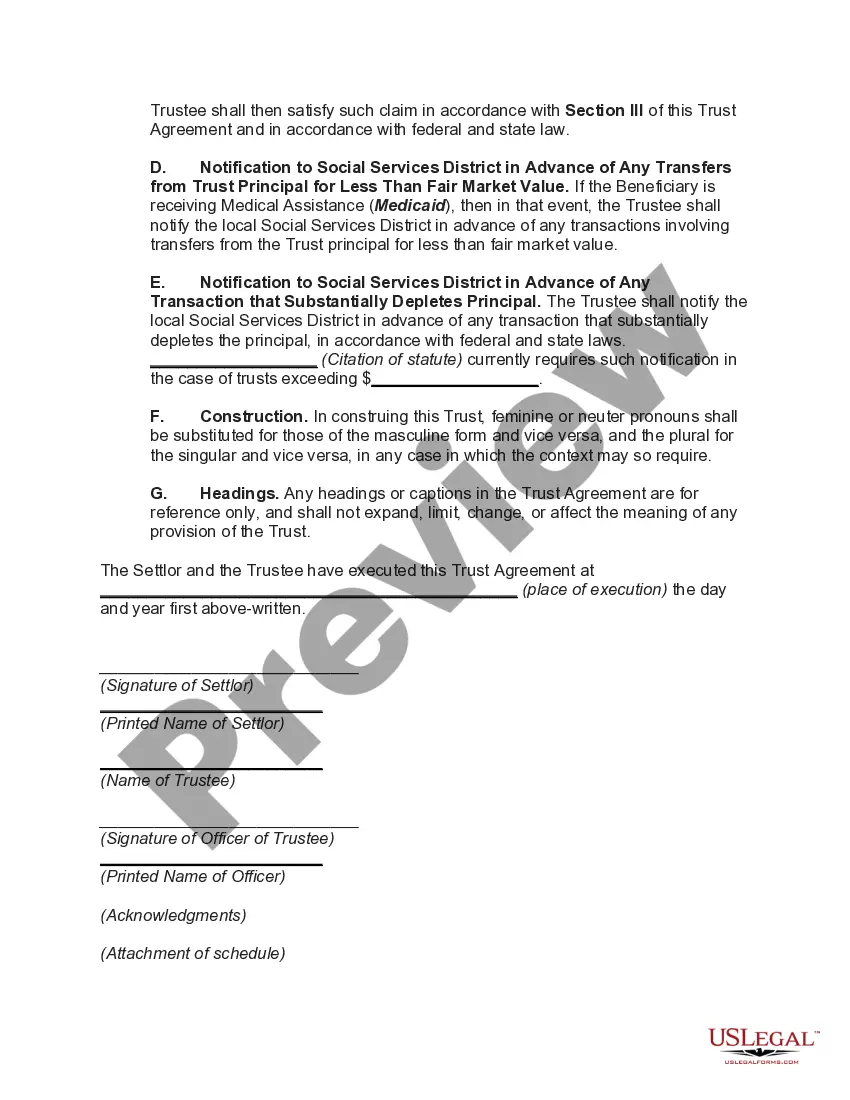
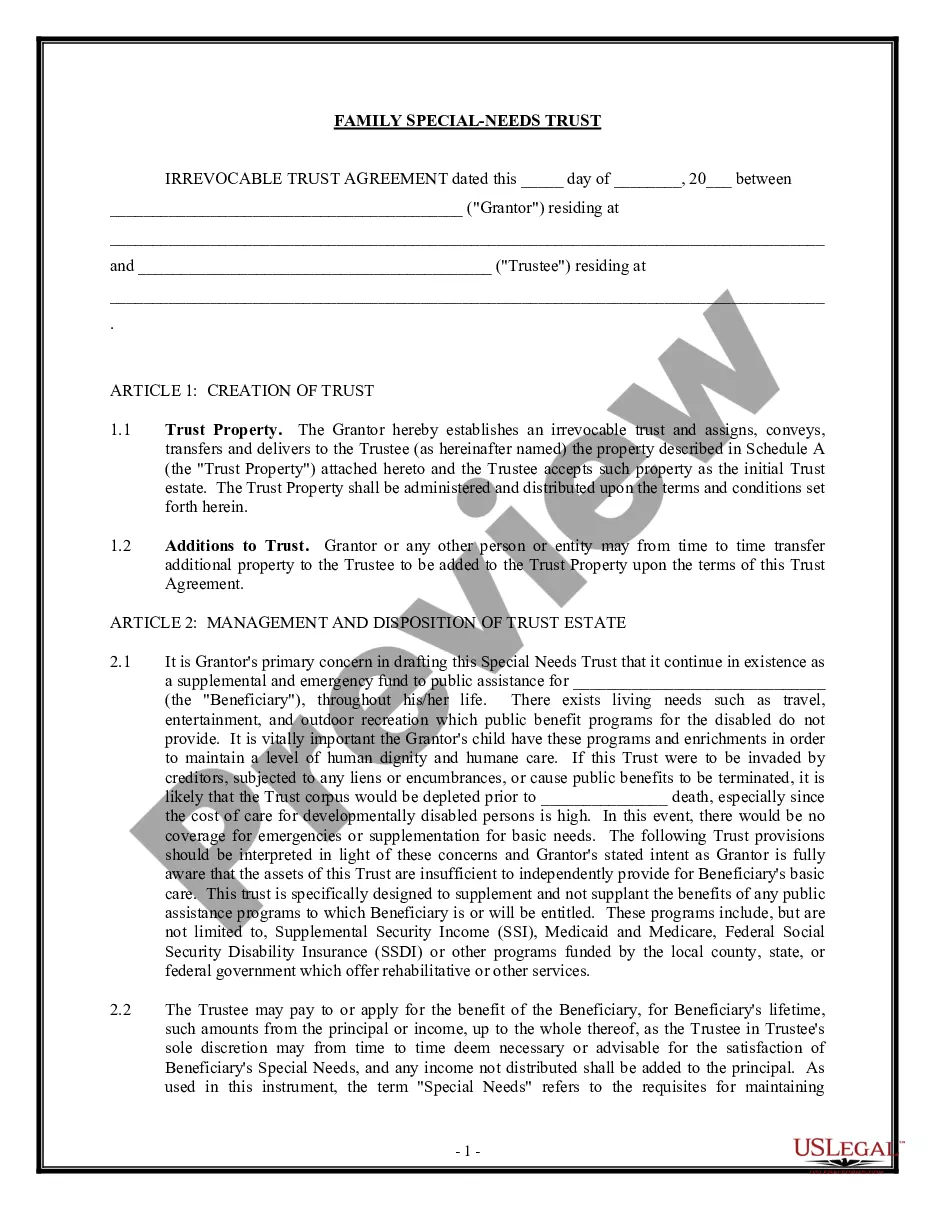
How to fill out Special Needs Irrevocable Trust Agreement For Benefit Of Disabled Child Of Trustor?
- Log in to your existing US Legal Forms account to access your saved templates and verify the validity of your subscription.
- If you're a new user, start by previewing the specific form. Ensure it aligns with your needs and meets local jurisdiction requirements.
- Use the search function to locate an alternative template if the initial one doesn't suit you.
- Once satisfied, click the 'Buy Now' button. Select a subscription plan that fits your needs and create an account.
- Complete your purchase by providing your payment details, either via credit card or PayPal.
- Download your chosen form to your device for completion and access it anytime from the 'My Forms' section in your profile.
By utilizing US Legal Forms, you gain access to a robust collection of legal documents, empowering you to handle your legal needs with confidence. Each template is designed for ease of use, ensuring you spend less time stressing and more time focusing on your priorities.
Ready to get started? Visit US Legal Forms today and simplify your legal document needs!
Form popularity
FAQ
The T3 form is a tax return for trusts in Canada, used to report income, expenses, and distributions to beneficiaries. This form is essential for any trust, including those involving a Special disabled trustor contract with CRA, as it ensures compliance with tax obligations and proper reporting of trust income. Submitting the T3 form accurately helps prevent potential issues with the CRA and secures the financial interests of beneficiaries.
A bare trust in Canada is one where the trustee has no discretion over the income or capital of the trust and must act according to the beneficiary's instructions. An example of a bare trust is when a parent holds property in trust for their child until the child reaches a specified age. Understanding bare trusts can be beneficial when setting up a Special disabled trustor contract with CRA, as it provides clarity on how assets can be managed and distributed.
The 21 year deemed disposition rule relates to the taxation of trusts and their assets in Canada. Essentially, this rule states that a trust is assumed to have disposed of its assets every 21 years, potentially triggering a capital gains tax. For individuals considering a Special disabled trustor contract with CRA, it is essential to plan for this eventuality, as it may affect the overall value and distribution of trust assets.
A T3 return is a tax document used in Canada to report income from trusts, including income generated under a special disabled trustor contract with CRA. This return details the income received by beneficiaries and any taxes owed. It is important for trusts to file T3 returns to ensure compliance with tax regulations and to avoid penalties. If you're managing a trust, consider using USLegalForms to streamline the process of filing and managing your T3 return.
Canada recognizes various types of trusts, including discretionary trusts, unit trusts, and special trusts like the disability trust. Each type serves unique purposes under Canadian law, and understanding these can guide you in selecting the right one for your needs. For instance, the Special disabled trustor contract with CRA specifically protects the interests of disabled beneficiaries. Knowing the distinctions can help you make informed decisions about trust management.
A qualified disability trust (QDT) must meet certain requirements outlined by the CRA. Essentially, the trust must provide benefits to a disabled individual and comply under the Special disabled trustor contract with CRA. The trust must also be designated as such in tax filings. This classification allows for potentially advantageous treatments under tax regulations, which can be crucial for effective financial planning.
A Qualified Disability Trust (QDT) offers several significant advantages. It allows for a more favorable tax rate on income, which can be particularly beneficial for individuals managing a Special disabled trustor contract with CRA. Additionally, a QDT can facilitate better financial planning for beneficiaries. This type of trust provides a structured way to manage assets while ensuring compliance with federal regulations.
The 21 year rule refers to a tax implication that affects trusts in Canada. Under this rule, a trust must be disposed of after 21 years unless specific exemptions apply. This is particularly relevant for those managing a Special disabled trustor contract with CRA, as it determines when capital gains tax may be incurred. Understanding this rule helps in planning for long-term trust management.
A qualified trust meets specific criteria set by the CRA. Essentially, the trust must adhere to regulations that govern its purpose, especially when it involves a Special disabled trustor contract with CRA. It must also distribute income to beneficiaries or be structured to manage assets effectively. This distinction helps you understand your obligations and benefits under Canadian tax laws.
Yes, you can file a T3 return online. Utilizing the right software can simplify the process significantly. The Special disabled trustor contract with CRA is often confused regarding T3 returns, but online filing remains a straightforward option for most taxpayers. Just ensure you have all necessary documentation ready for a smooth submission.