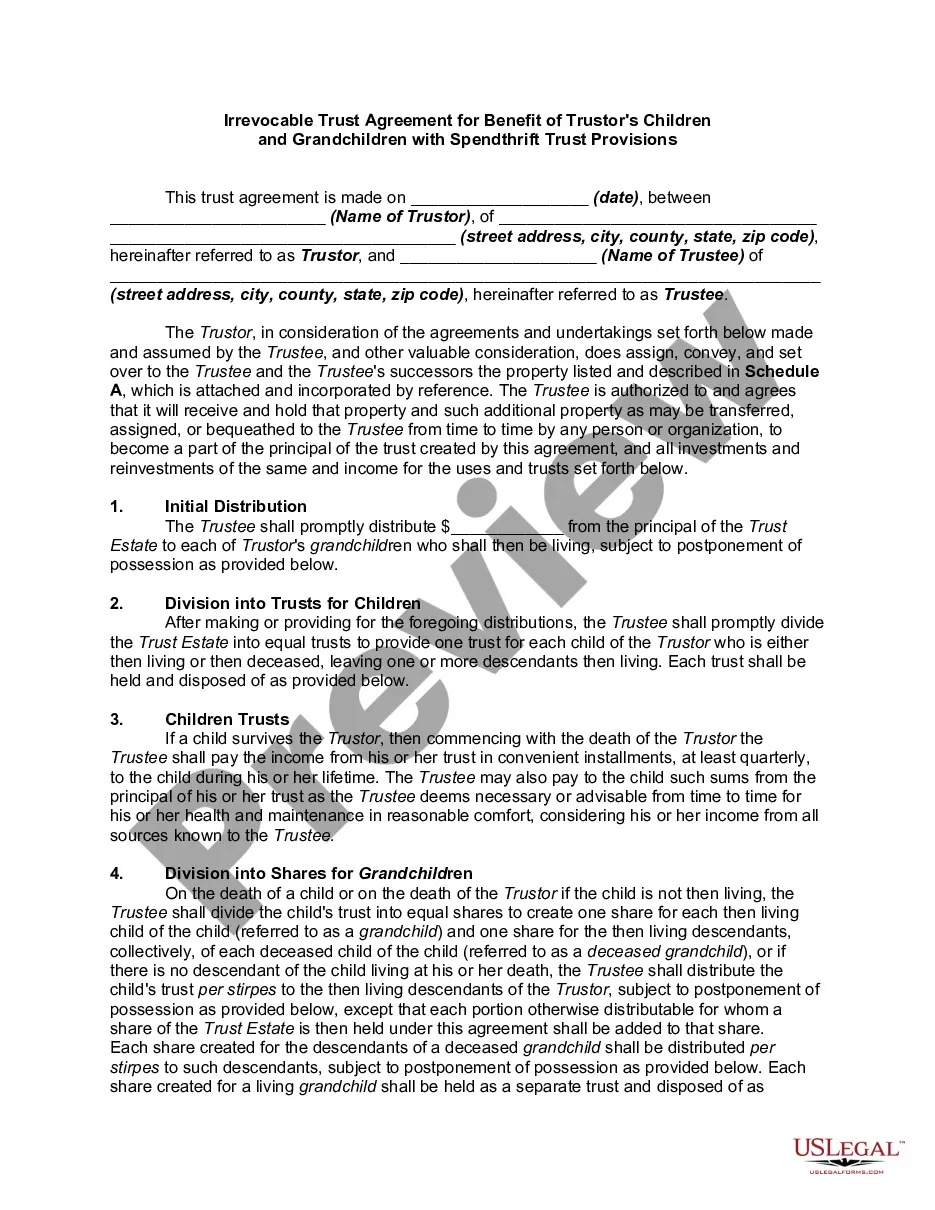
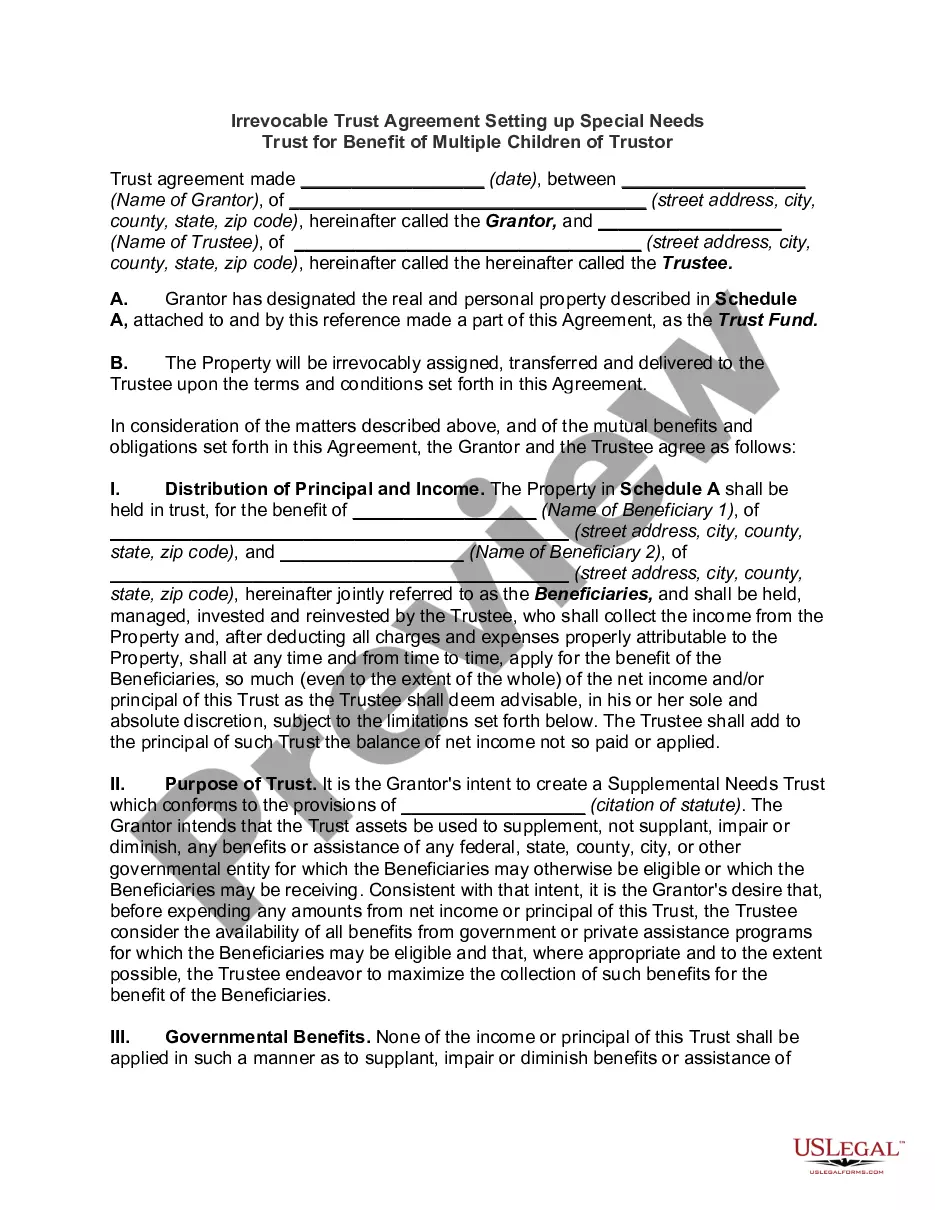
Special Benefit Disabled Child With Disabilities
Description
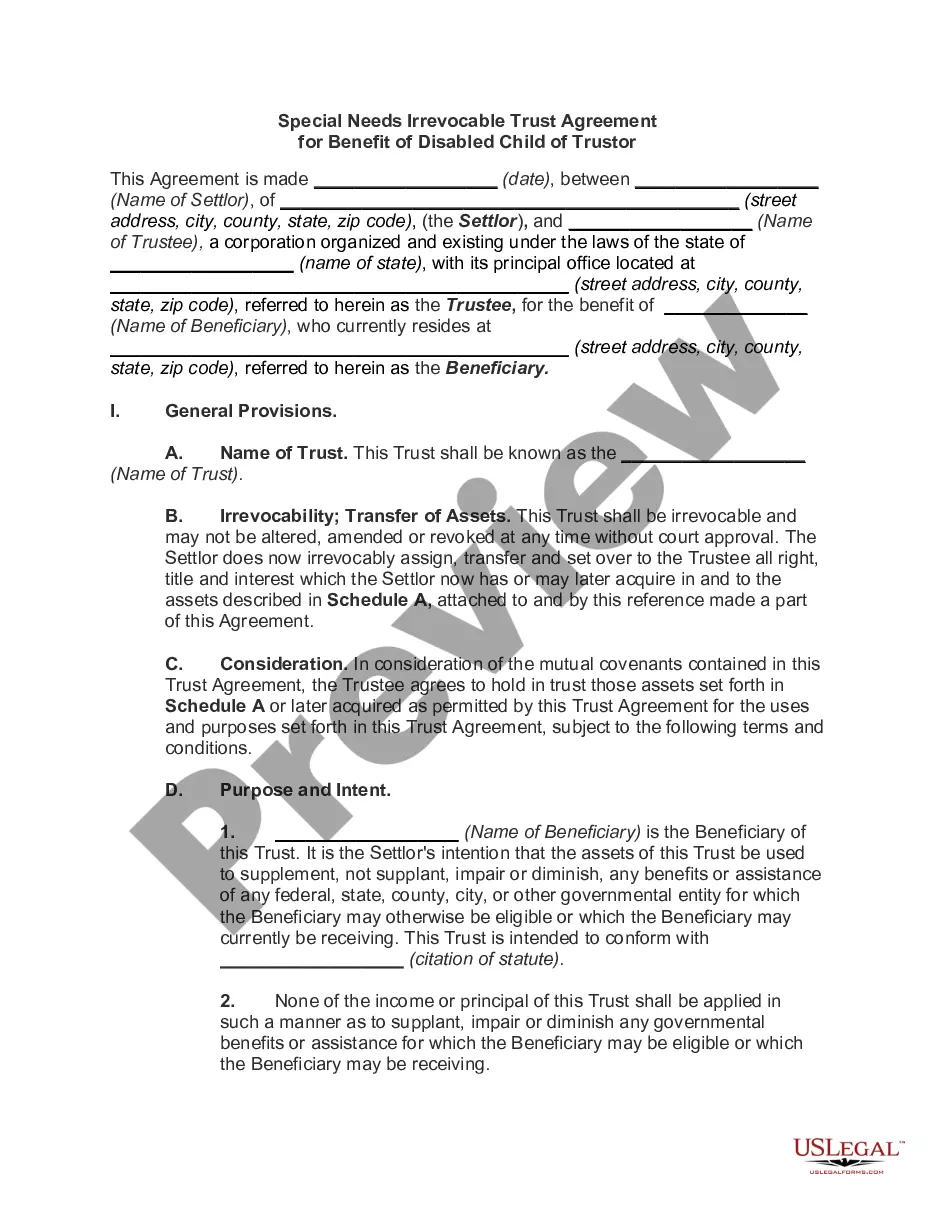
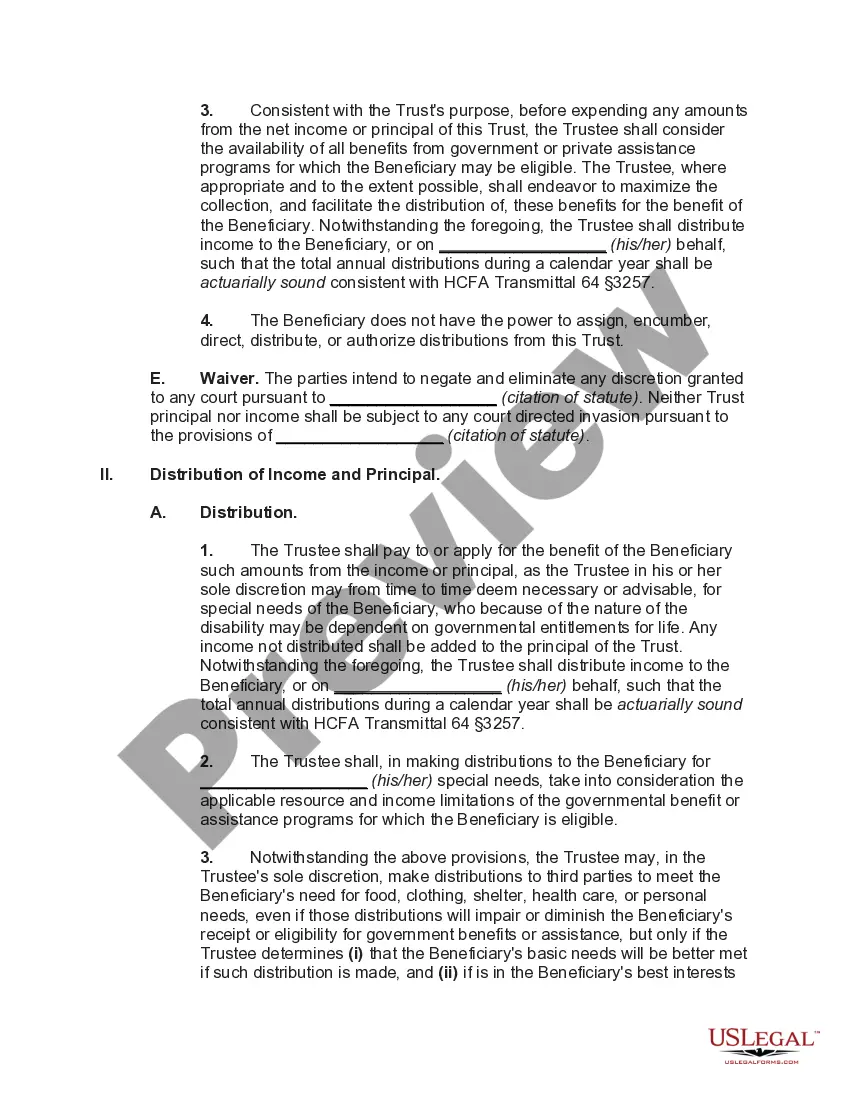
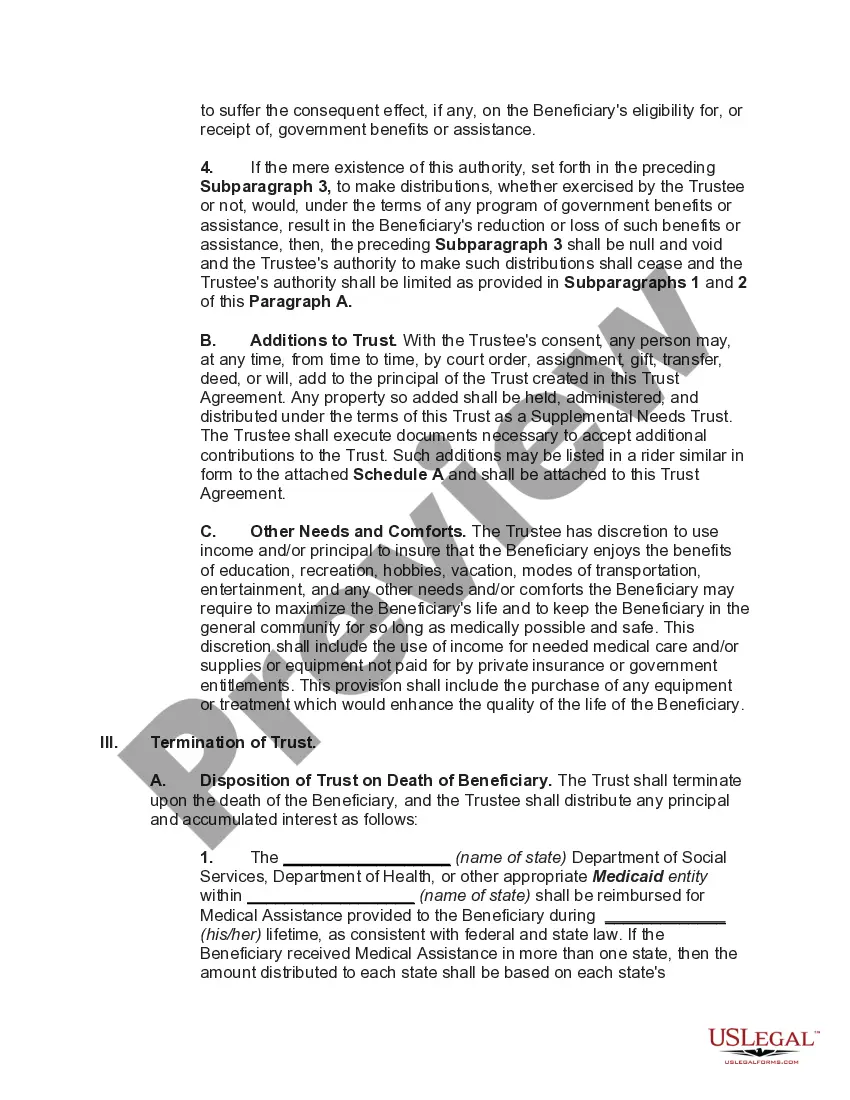
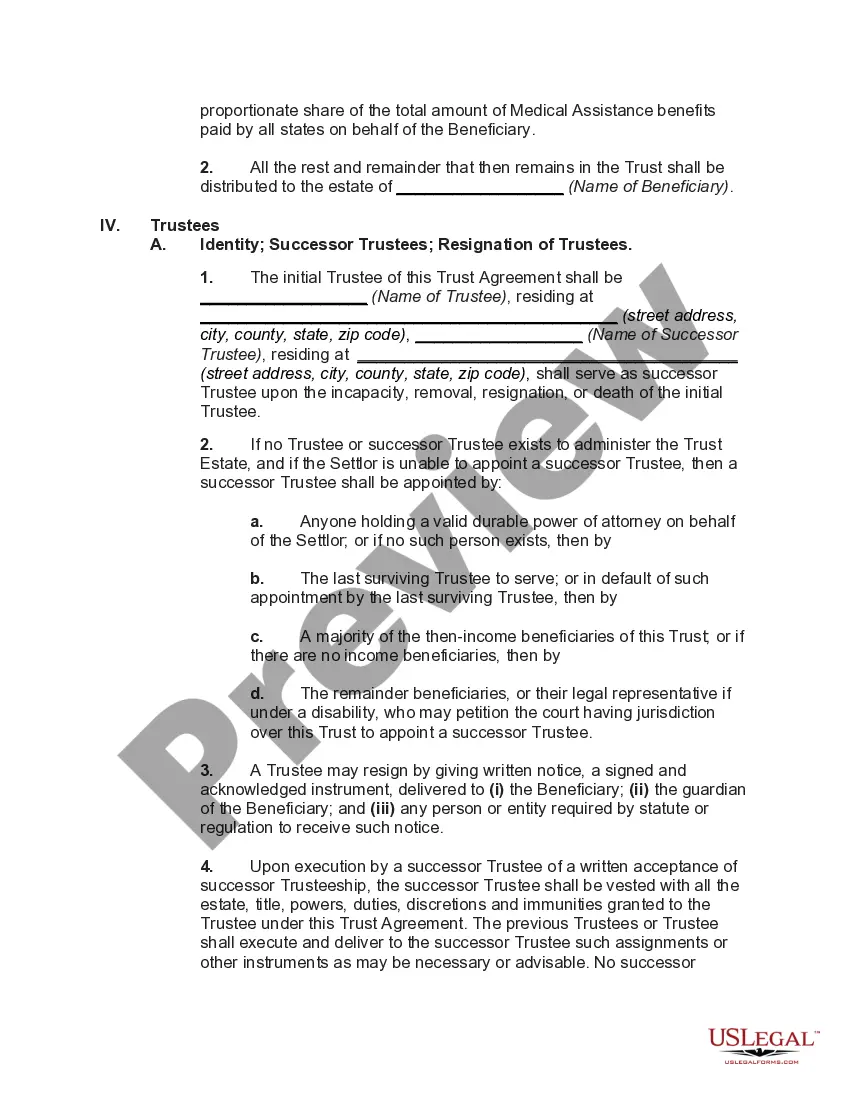
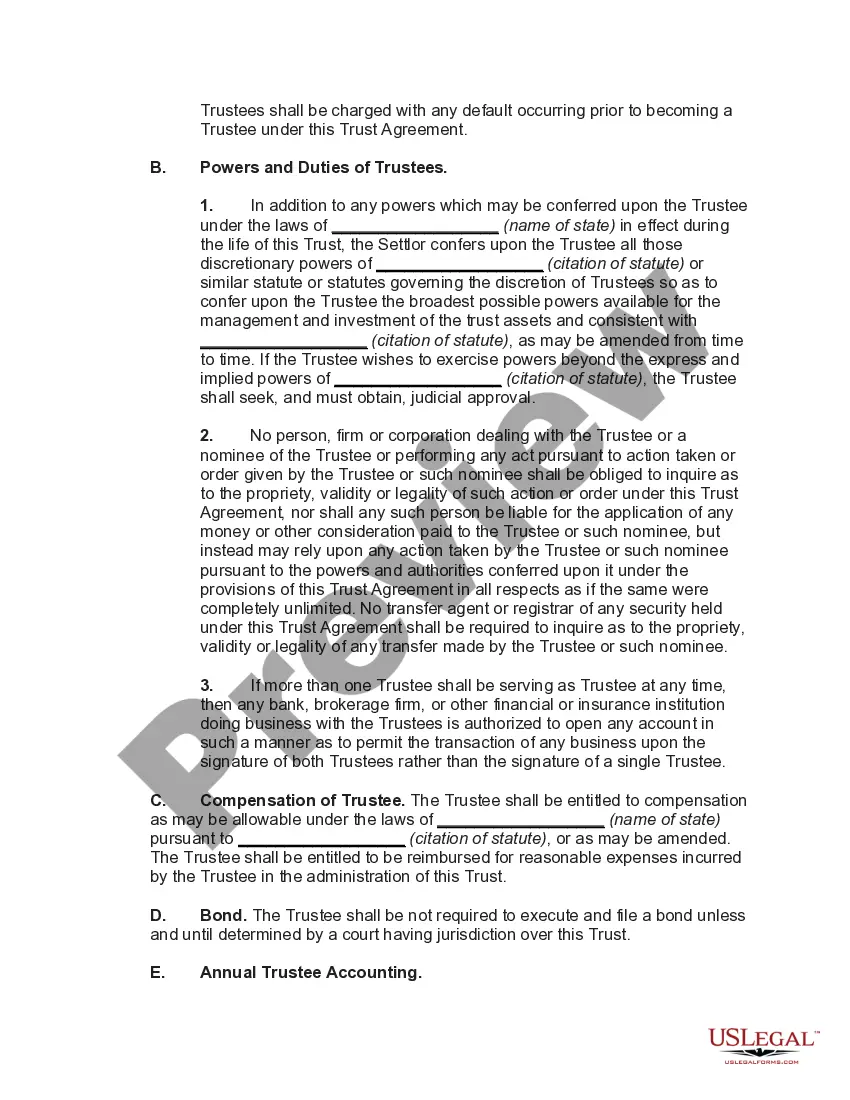
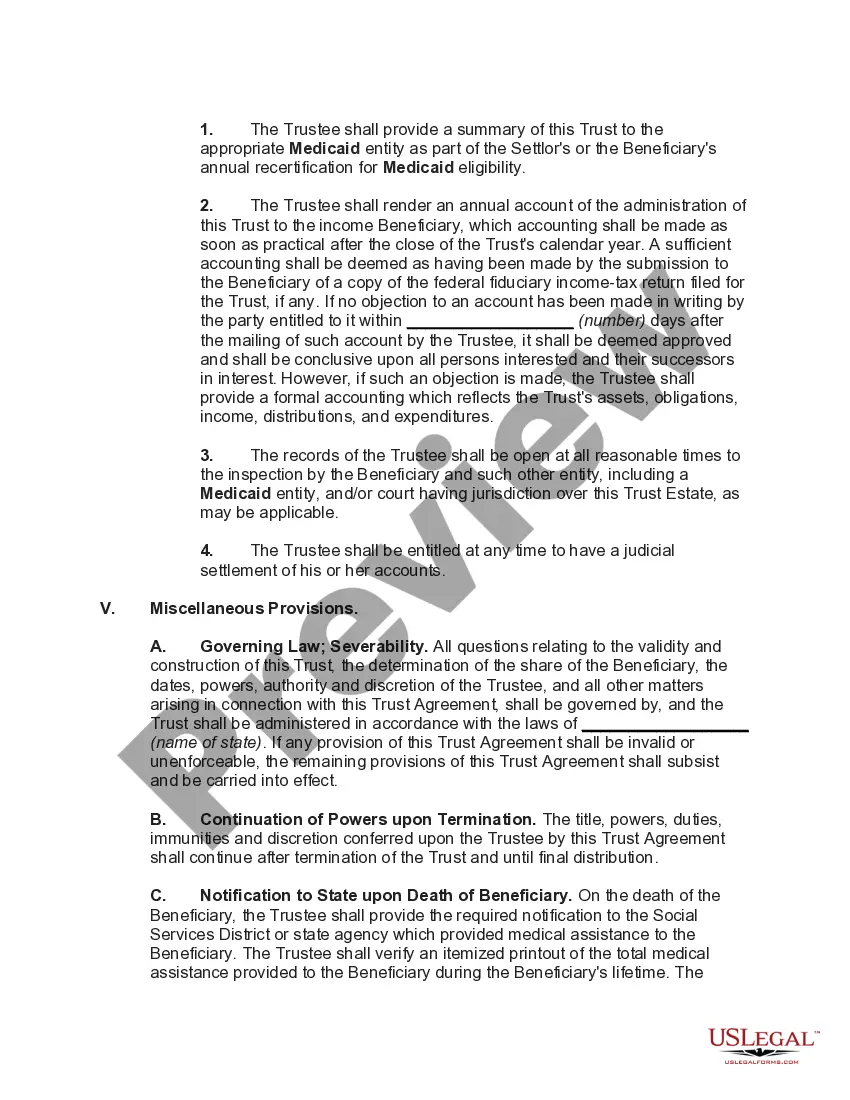
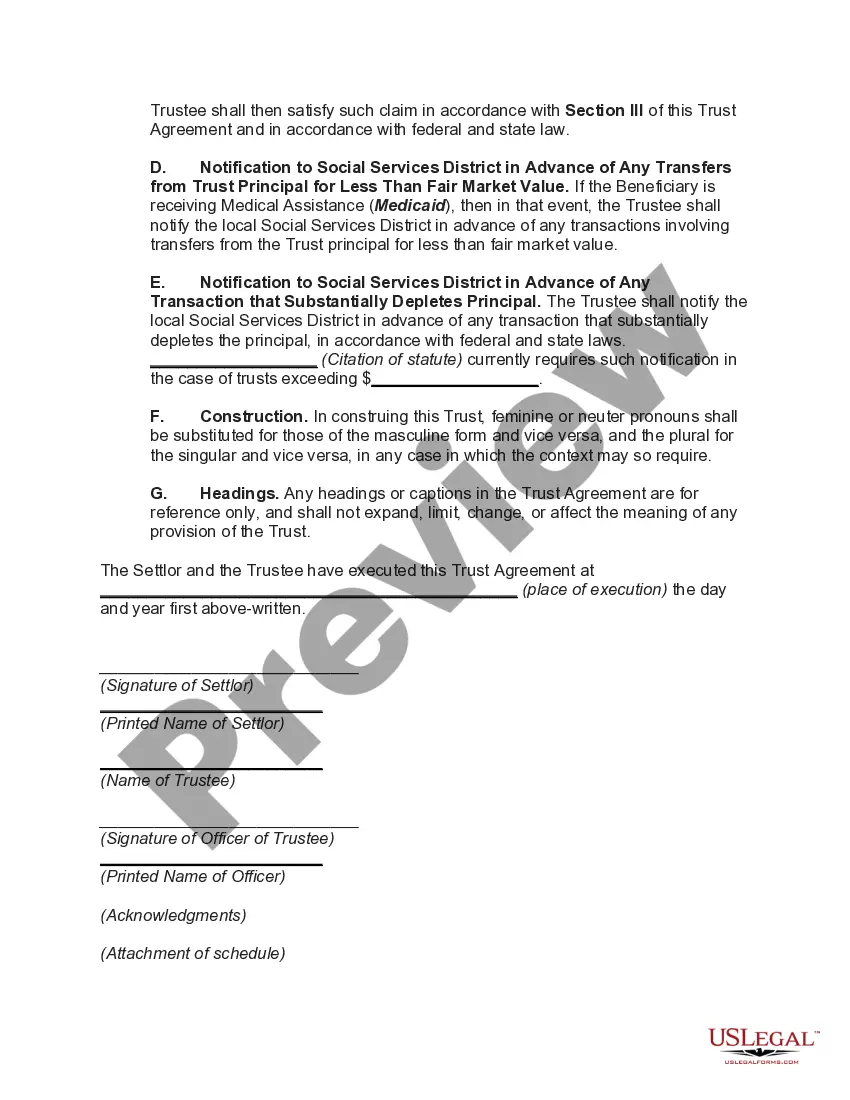
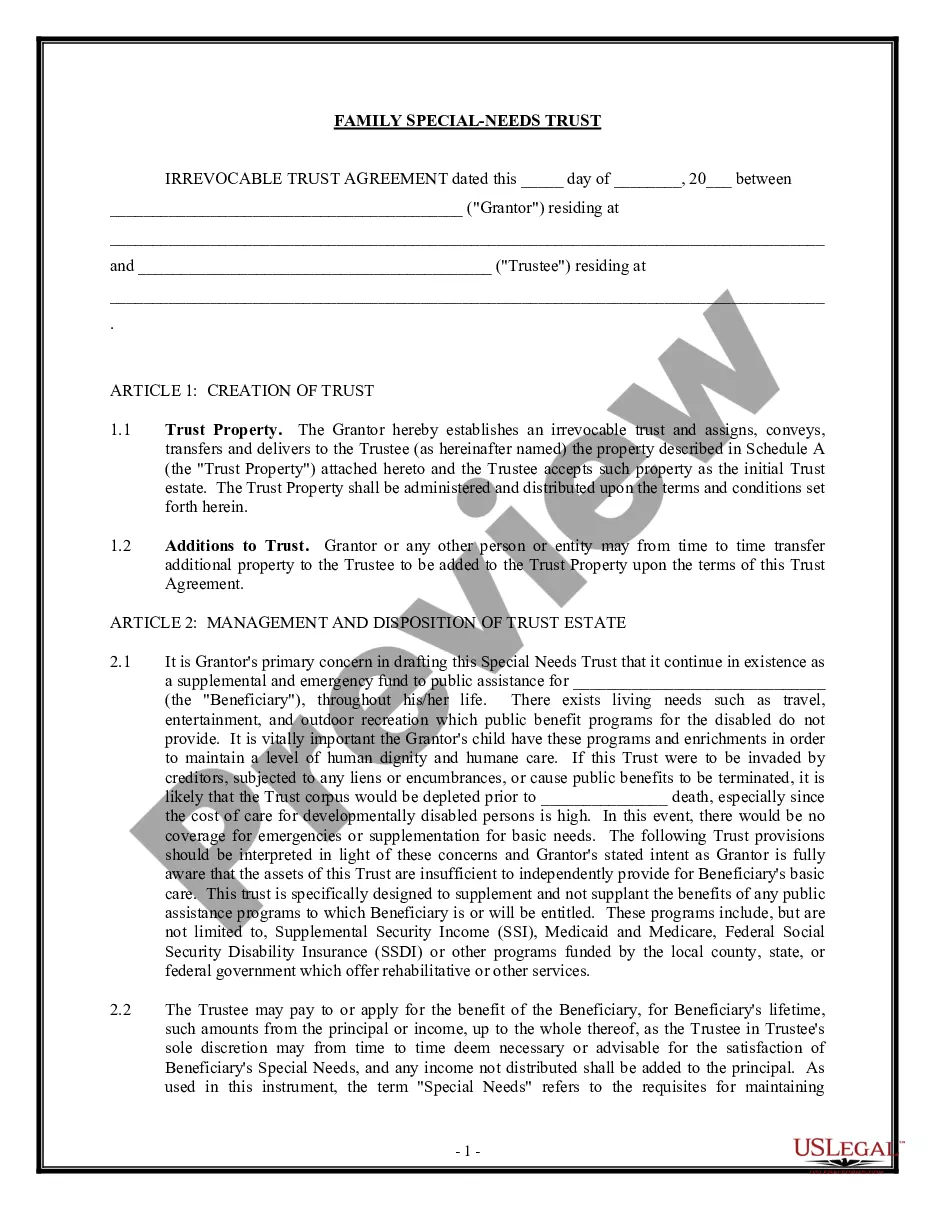

Get your form ready online
Our built-in tools help you complete, sign, share, and store your documents in one place.
Make edits, fill in missing information, and update formatting in US Legal Forms—just like you would in MS Word.
Download a copy, print it, send it by email, or mail it via USPS—whatever works best for your next step.
Sign and collect signatures with our SignNow integration. Send to multiple recipients, set reminders, and more. Go Premium to unlock E-Sign.
If this form requires notarization, complete it online through a secure video call—no need to meet a notary in person or wait for an appointment.
We protect your documents and personal data by following strict security and privacy standards.

Make edits, fill in missing information, and update formatting in US Legal Forms—just like you would in MS Word.

Download a copy, print it, send it by email, or mail it via USPS—whatever works best for your next step.

Sign and collect signatures with our SignNow integration. Send to multiple recipients, set reminders, and more. Go Premium to unlock E-Sign.

If this form requires notarization, complete it online through a secure video call—no need to meet a notary in person or wait for an appointment.

We protect your documents and personal data by following strict security and privacy standards.
Looking for another form?




How to fill out Special Needs Irrevocable Trust Agreement For Benefit Of Disabled Child Of Trustor?
- Log in to your US Legal Forms account if you're a returning user and click on the Download button for your desired form template. Ensure your subscription is currently active.
- If you are new to the service, start by browsing the form descriptions to confirm it matches your needs and complies with local jurisdiction requirements.
- Use the Search feature to find alternative templates if necessary, ensuring you choose the right document.
- Select the form you need and click on the Buy Now button to choose a suitable subscription plan. You'll need to create an account for full access.
- Proceed with your purchase by entering your payment details or opting for PayPal to complete the transaction.
- Download the document to your device so you can fill it out, with easy access in the My Forms section of your profile whenever you need to refer back to it.
In conclusion, US Legal Forms offers a robust resource for families managing the complexities of acquiring benefits for a special benefit disabled child with disabilities. Their extensive library and expert assistance simplify the process, ensuring you can complete crucial legal documents with confidence.
Explore the affordable options available through US Legal Forms and empower yourself today!
Form popularity
FAQ
Filling in the Disability Living Allowance (DLA) application for your special benefit disabled child with disabilities involves gathering necessary information about their condition and daily needs. Begin by clearly detailing how their disabilities affect their daily life and mobility. It's important to answer every question thoroughly, using the insight you've gained as a caregiver.
Including a child with disabilities in assessments requires a comprehensive approach. Gather input from various aspects of their life and detail how their disabilities affect their participation in activities, emphasizing their role as a special benefit disabled child with disabilities. This holistic view helps others understand their needs and can guide supportive measures.
Filling out disability forms involves careful attention to detail. Ensure that you accurately reflect how your child's disabilities impact their daily functioning as a special benefit disabled child with disabilities. Take your time to provide detailed descriptions and check for completeness before submission. For a smoother process, utilize resources from USLegalForms.
When describing daily activities for disability, highlight the routines your child follows and any difficulties encountered. Explain how your child engages in activities like eating, playing, or learning, focusing on the implications of being a special benefit disabled child with disabilities. Use detailed personal accounts to illustrate these challenges effectively.
During doctor visits, be honest about your child’s capabilities and limitations. Focus on specific examples rather than general statements. Avoid exaggerating or understating the challenges faced by a special benefit disabled child with disabilities. Clear communication helps ensure that medical professionals understand your child's situation.
To fill out a disability function report, begin by reviewing the questions carefully. Provide thorough information about your child’s limitations and how these impact daily tasks. It is vital to convey a clear picture of life as a special benefit disabled child with disabilities to help evaluate their needs. For assistance and pre-filled templates, look into the offerings from USLegalForms.
Filling out a function report for disability requires clarity and detail about your daily life. Focus on how the condition affects your ability to perform everyday activities, especially as a special benefit disabled child with disabilities. Keep descriptions straightforward and ensure you include specific examples. If you need guidance, consider using USLegalForms to access tailored resources.
The amount a child receives on disability can vary based on several factors, including the parent’s work history and the family’s income level. Generally, a special benefit disabled child with disabilities may receive anywhere from a few hundred to over a thousand dollars monthly. To better understand your specific situation and options, consider exploring resources like US Legal Forms, which can help you navigate these benefits comprehensively.
Yes, a child of a disabled parent can receive benefits through programs like SSI or SSD. These benefits aim to support a special benefit disabled child with disabilities, ensuring access to essential needs. Eligibility typically depends on the parent's disability status, financial circumstances, and the child's age or disability.
A child can receive Social Security benefits as long as the disabled parent qualifies and remains eligible for benefits. Typically, these benefits continue until the child turns 18, or 19 if still in high school. In some cases, a special benefit disabled child with disabilities can receive benefits even longer if they meet certain criteria for disability.