Special Benefit Disabled Child For A Divorce
Description
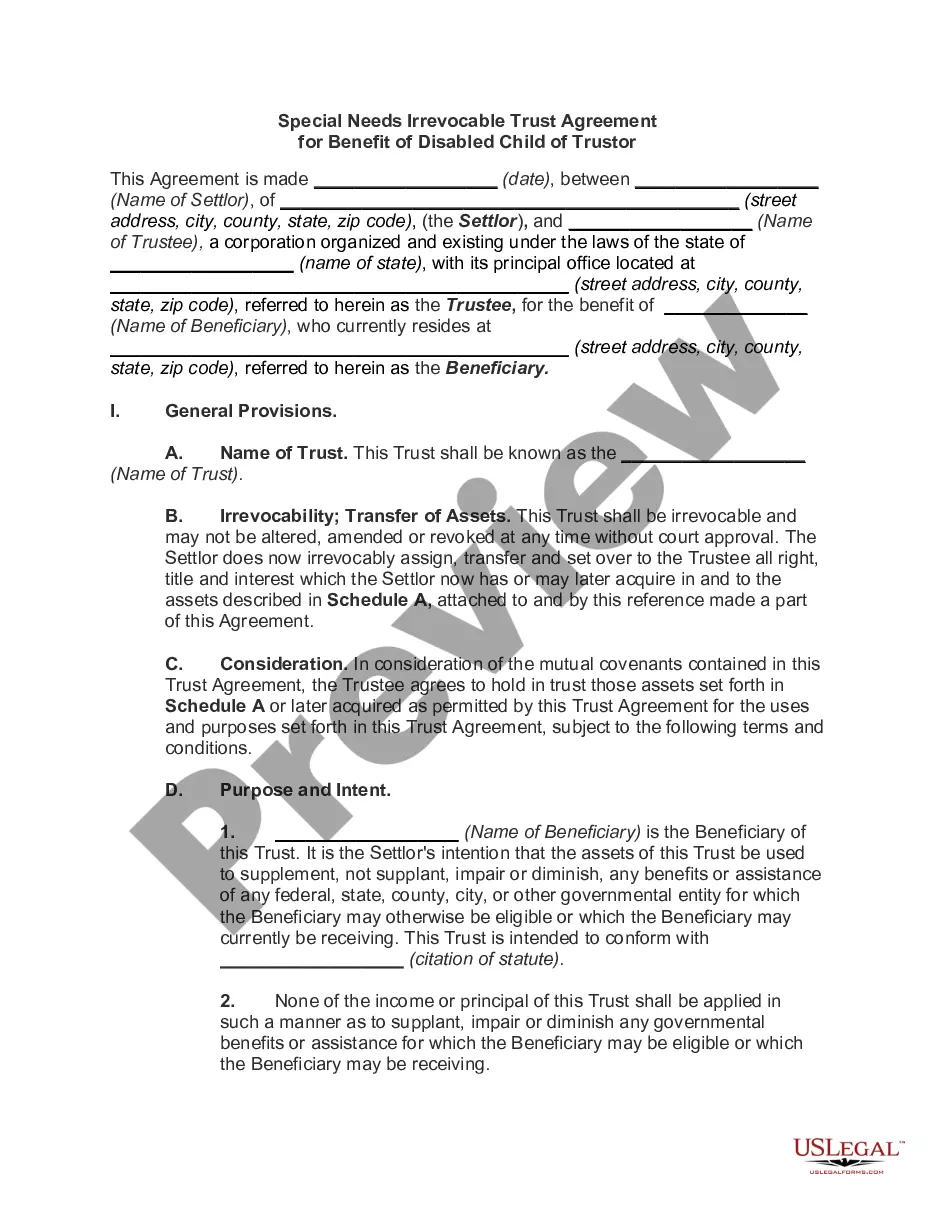
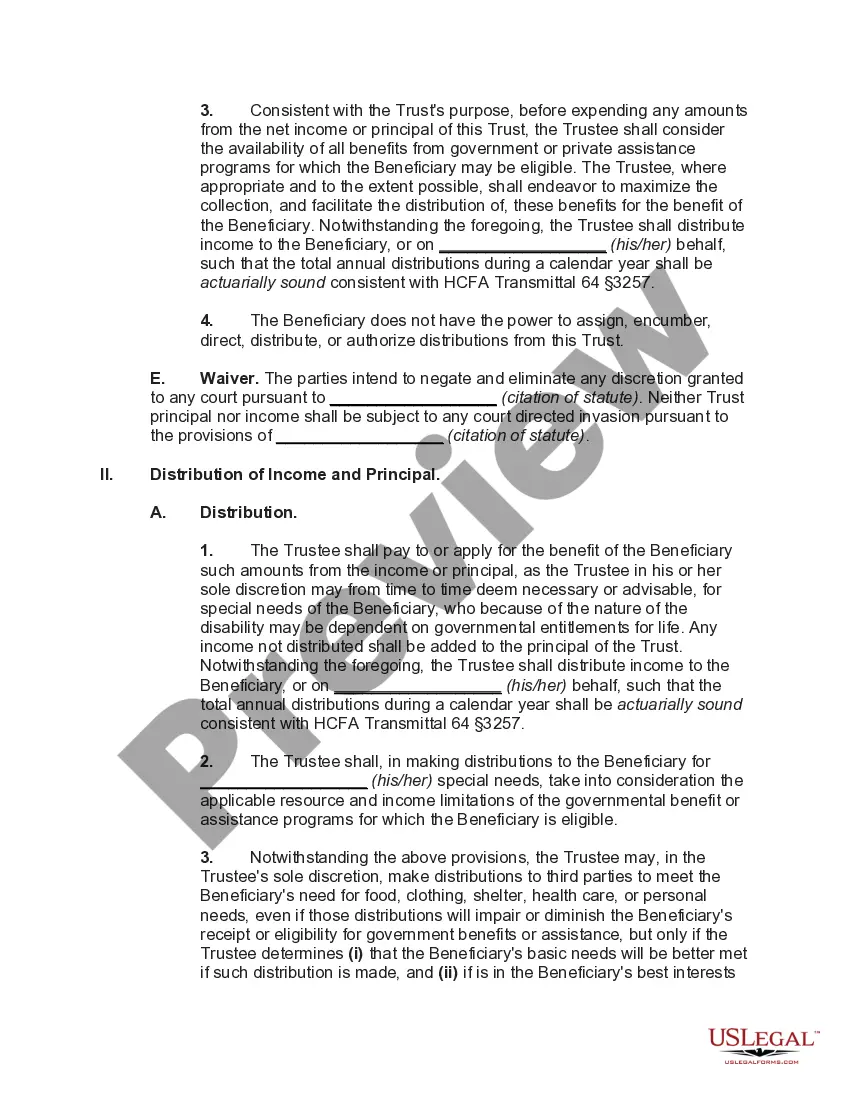
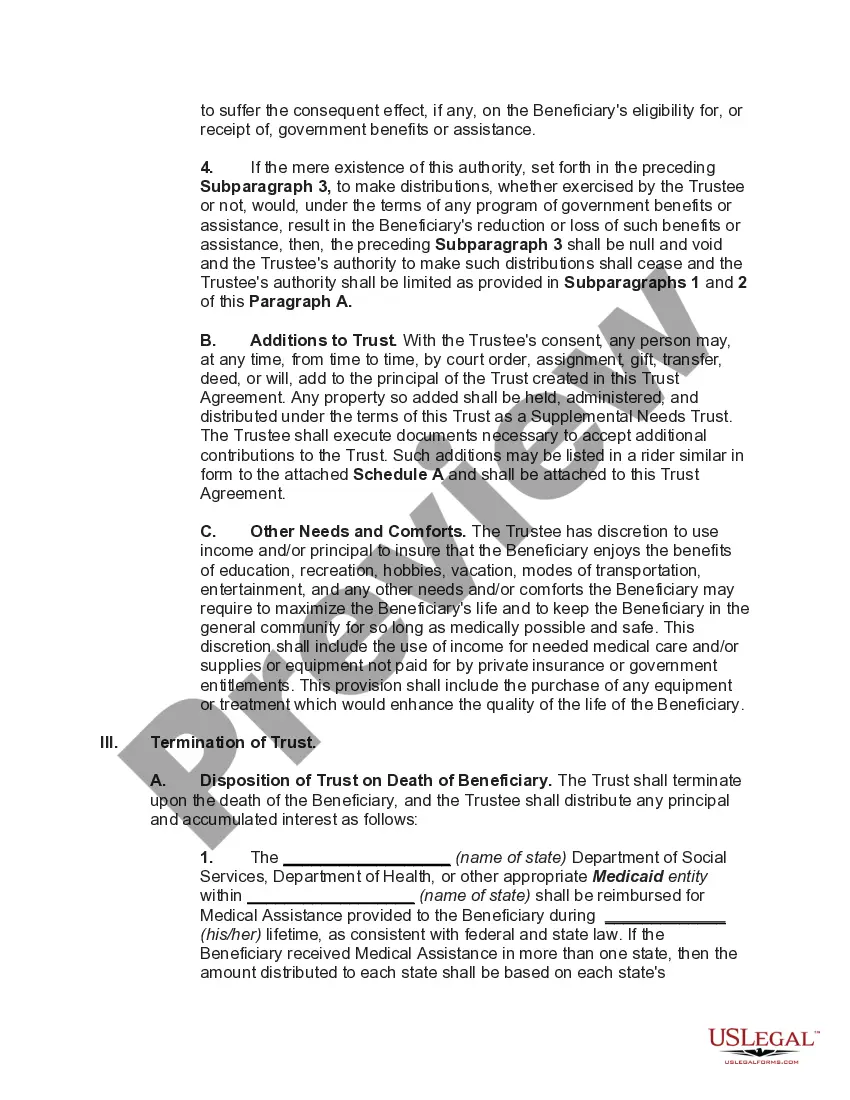
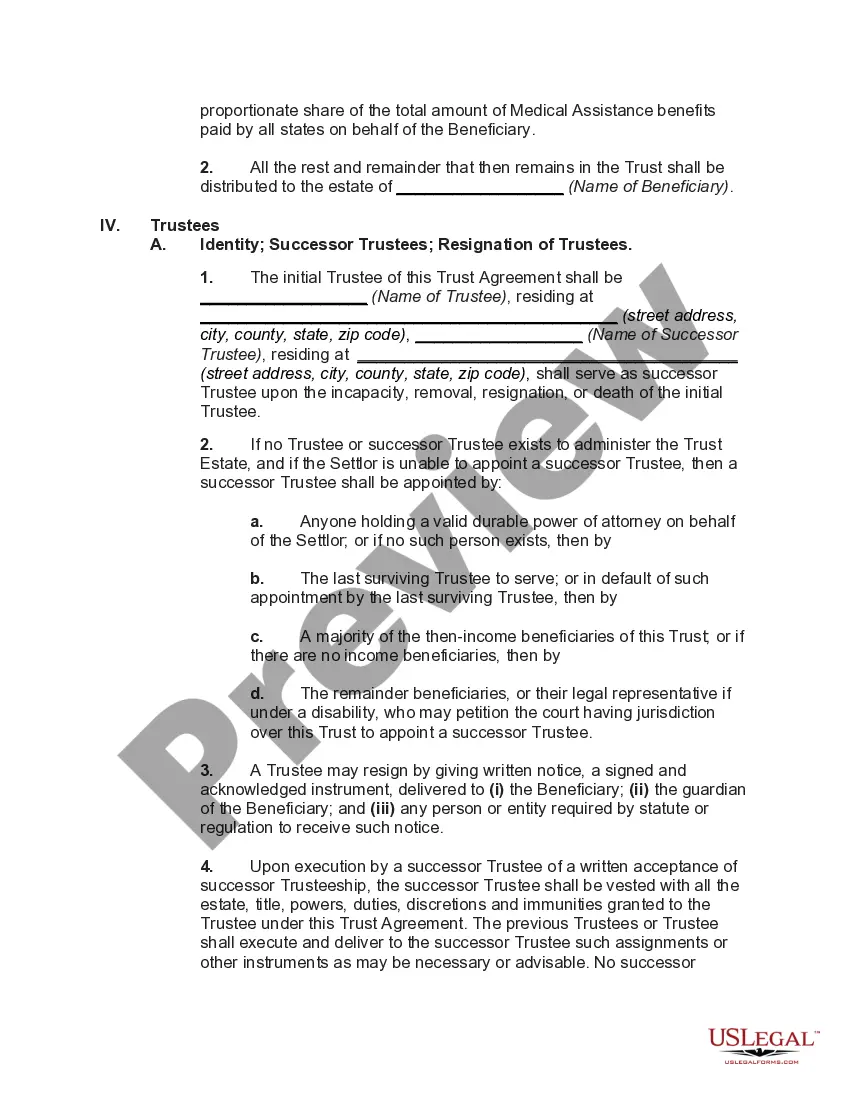

Get your form ready online
Our built-in tools help you complete, sign, share, and store your documents in one place.
Make edits, fill in missing information, and update formatting in US Legal Forms—just like you would in MS Word.
Download a copy, print it, send it by email, or mail it via USPS—whatever works best for your next step.
Sign and collect signatures with our SignNow integration. Send to multiple recipients, set reminders, and more. Go Premium to unlock E-Sign.
If this form requires notarization, complete it online through a secure video call—no need to meet a notary in person or wait for an appointment.
We protect your documents and personal data by following strict security and privacy standards.

Make edits, fill in missing information, and update formatting in US Legal Forms—just like you would in MS Word.

Download a copy, print it, send it by email, or mail it via USPS—whatever works best for your next step.

Sign and collect signatures with our SignNow integration. Send to multiple recipients, set reminders, and more. Go Premium to unlock E-Sign.

If this form requires notarization, complete it online through a secure video call—no need to meet a notary in person or wait for an appointment.

We protect your documents and personal data by following strict security and privacy standards.
Looking for another form?




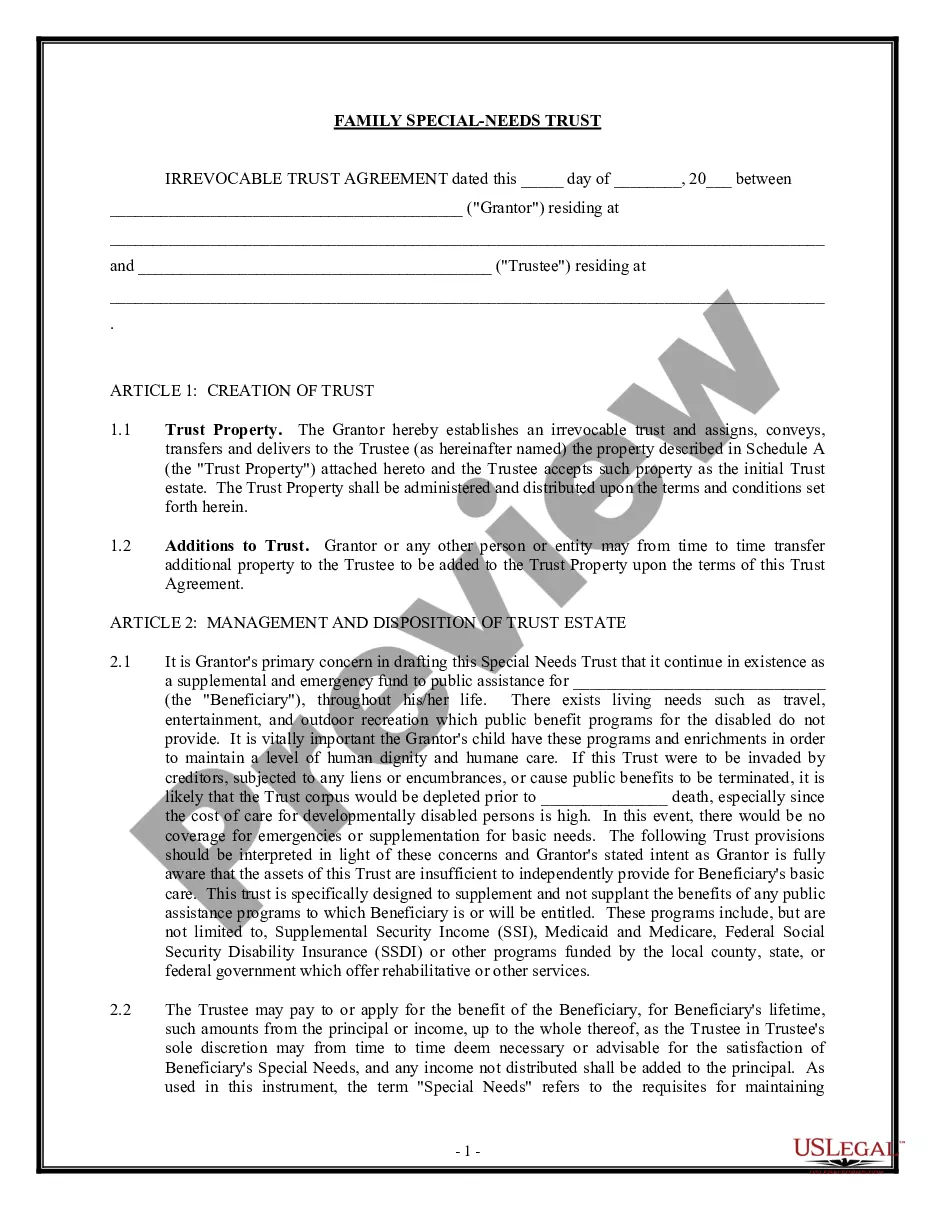
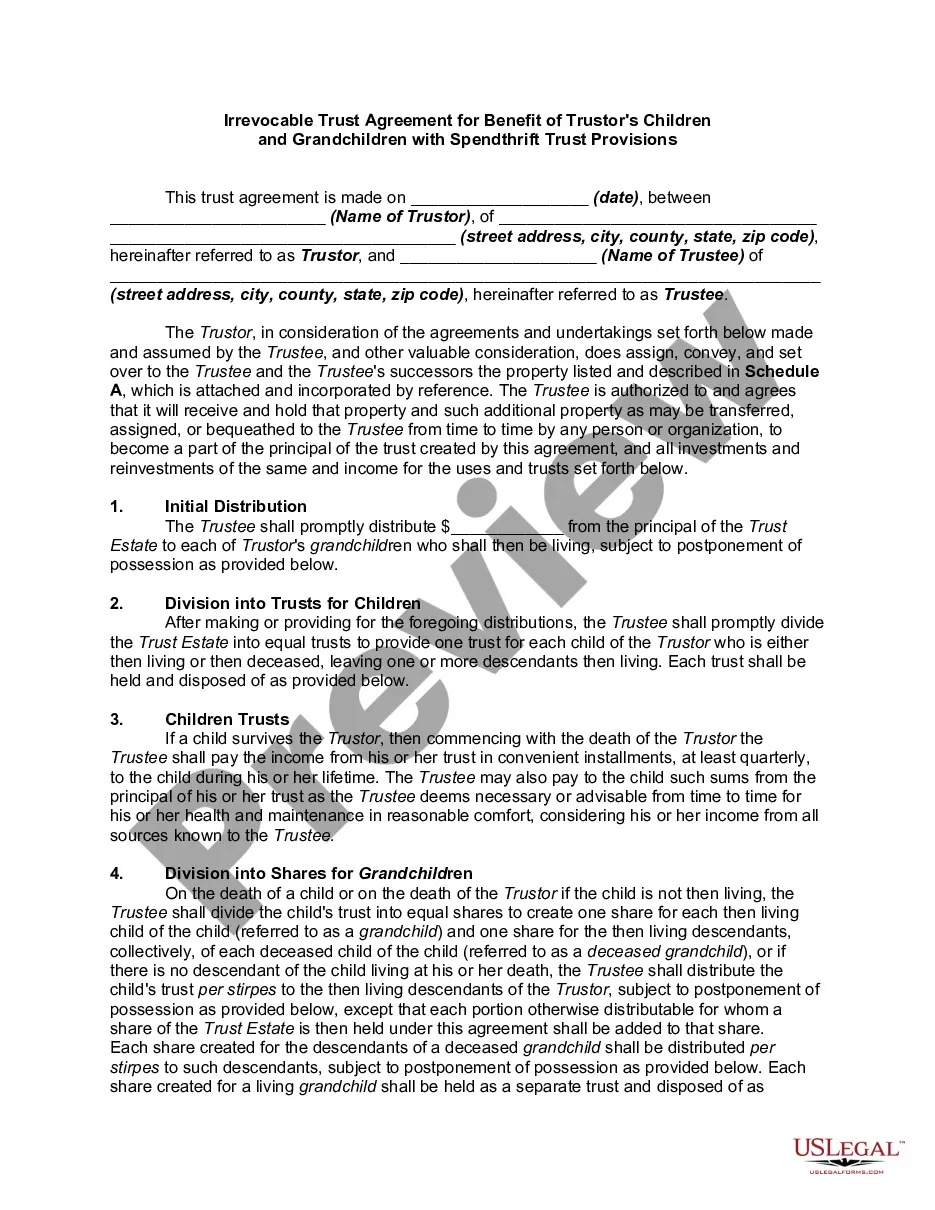
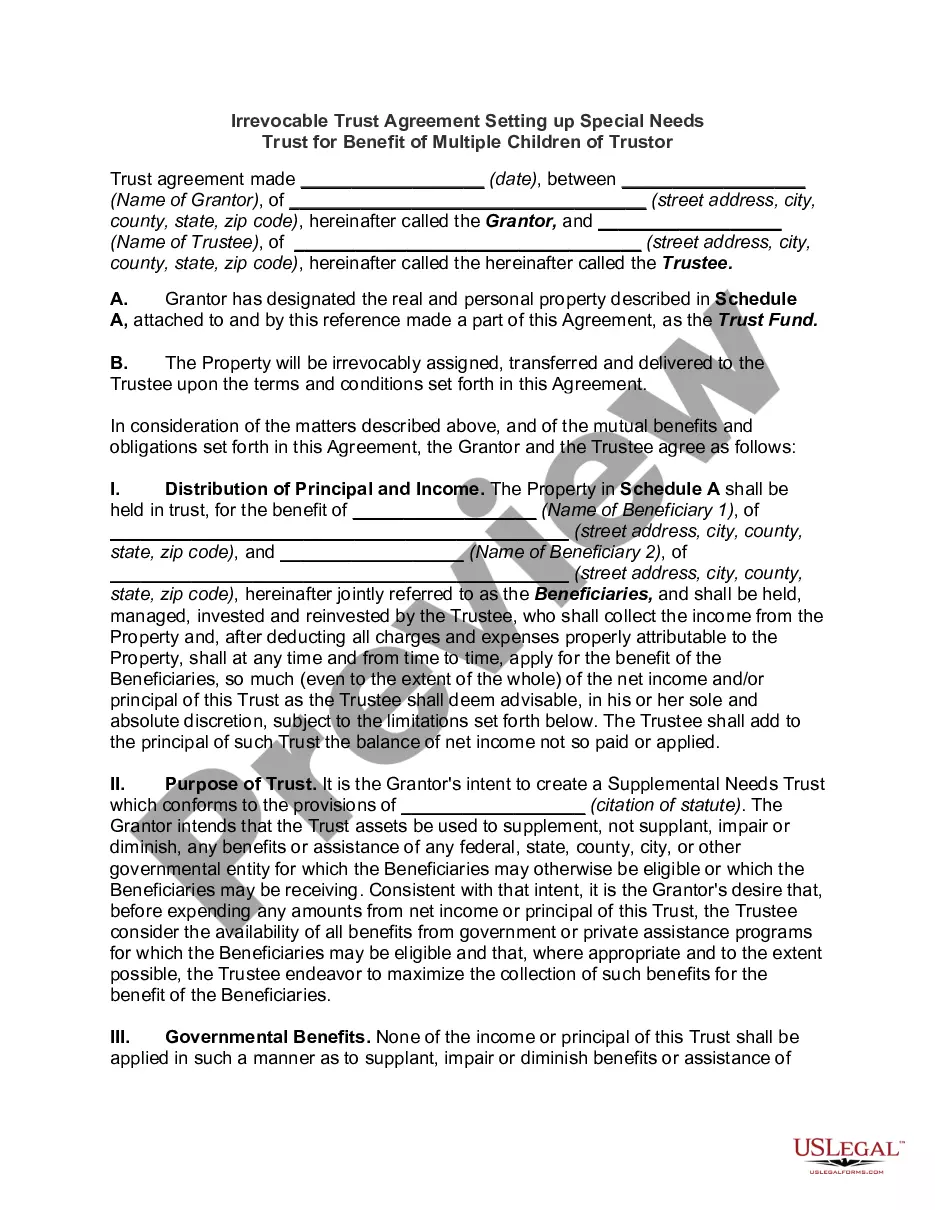
How to fill out Special Needs Irrevocable Trust Agreement For Benefit Of Disabled Child Of Trustor?
- If you are an existing user, log into your account and download the required form template by clicking the Download button. Please verify that your subscription remains active and renew if necessary.
- For new users, begin by reviewing the Preview mode and form description to confirm that the document aligns with your specific requirements and local laws.
- If you require a different template, utilize the Search function to locate the appropriate form. This ensures that all specifics are correctly addressed.
- Purchase the document by clicking the Buy Now button. Choose your preferred subscription plan and create an account to access the full library.
- Process your payment with either a credit card or PayPal to complete the purchase.
- Finally, download the form to your device for completion. You can also revisit it anytime through the My Forms section of your profile.
In conclusion, US Legal Forms is dedicated to empowering users with an extensive assortment of legal documents tailored to your needs. Their comprehensive services ensure you get the right form easily and quickly.
Ready to find the perfect template? Visit US Legal Forms today and secure your legal rights!
Form popularity
FAQ
Several factors can lead to the loss of social security disability benefits, including substantial improvements in your medical condition or increased income. Additionally, failing to report changes in your situation or not adhering to program requirements can jeopardize your benefits. This is especially critical when caring for a special benefit disabled child. Staying informed and connected with resources is vital to maintaining your benefits.
Alimony and social security disability payments can intersect in various ways, which may cause confusion. In general, alimony may not directly impact disability benefits, but it can influence your overall financial situation. It's essential to navigate these details carefully, especially if you have a special benefit disabled child in the picture. Consulting with a knowledgeable attorney can help clarify your obligations and rights.
Divorce can significantly impact disability payments, particularly for a special benefit disabled child. It's important to know how custody arrangements and parental income changes can affect eligibility. Consulting with a legal expert can provide clarity on how to best protect your child's benefits amidst divorce proceedings. Understanding these complexities can ensure your child receives the support they need.
Research indicates that children around the ages of 6 to 12 often face heightened challenges during a divorce. At these ages, kids are more aware of family dynamics and may feel caught in the middle of parental conflicts. Providing assurance and love is essential during this time, especially when a special benefit disabled child is involved. Open communication can facilitate understanding and ease the transition.
If you find it difficult to cope with a disabled child, seeking support is crucial. You can reach out to local organizations, support groups, or mental health professionals who specialize in family dynamics. Additionally, consider exploring services tailored for special benefit disabled children during divorce discussions. Understanding your legal options can help create a stable environment for your child.
After a divorce, a spouse may be entitled to certain benefits, including those related to disability, particularly if they were dependent on the other for support. If a child qualifies as a special benefit disabled child for a divorce, the custodial parent may receive additional assistance. Understanding your rights and obligations can greatly impact your financial planning. Using resources from USLegalForms can guide you through these complicated legal waters.
Deciding to give up a special needs child is a complex and emotional situation. Legally, parents cannot simply relinquish their rights without going through the proper channels, which often involves the court systems. It's essential to understand that your responsibilities concerning a special benefit disabled child for a divorce may still affect your legal status. Considering counseling or support services can help navigate these tough decisions.
Helping kids through divorce involves listening, validating their feelings, and maintaining routines. Encourage them to share their thoughts and reassure them of your love and support. For families with a special benefit disabled child for a divorce, utilizing resources like US Legal Forms can provide valuable assistance in navigating both legal decisions and emotional challenges.
Children typically experience several stages during a divorce, including denial, anger, bargaining, depression, and acceptance. Each stage demands patience and understanding from parents, especially if a special benefit disabled child for a divorce is involved. Being aware of these stages can help parents provide appropriate support throughout the process.
Supporting your kids through a divorce requires open communication and emotional support. Acknowledge their feelings and provide them with a safe space to express themselves. When children face challenges as a special benefit disabled child for a divorce, finding the right resources or support groups can further aid in their adjustment.