Irrevocable Trust Template
Description

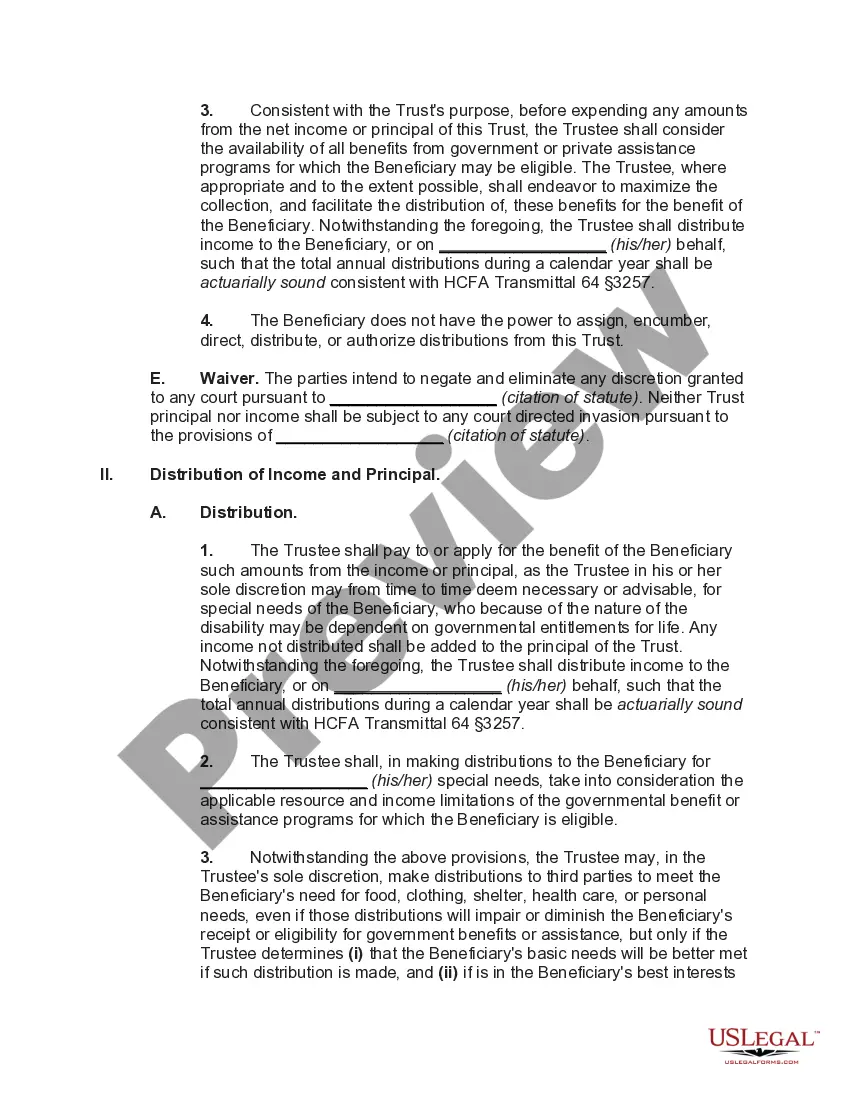
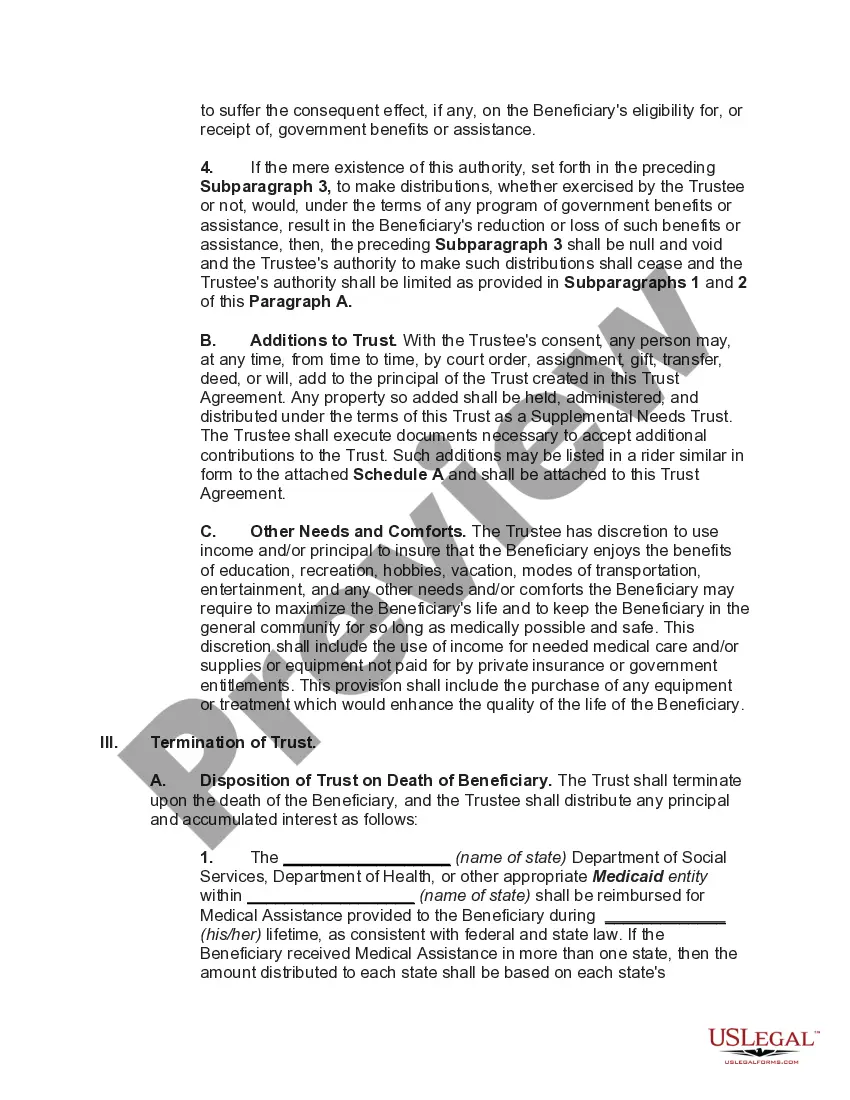
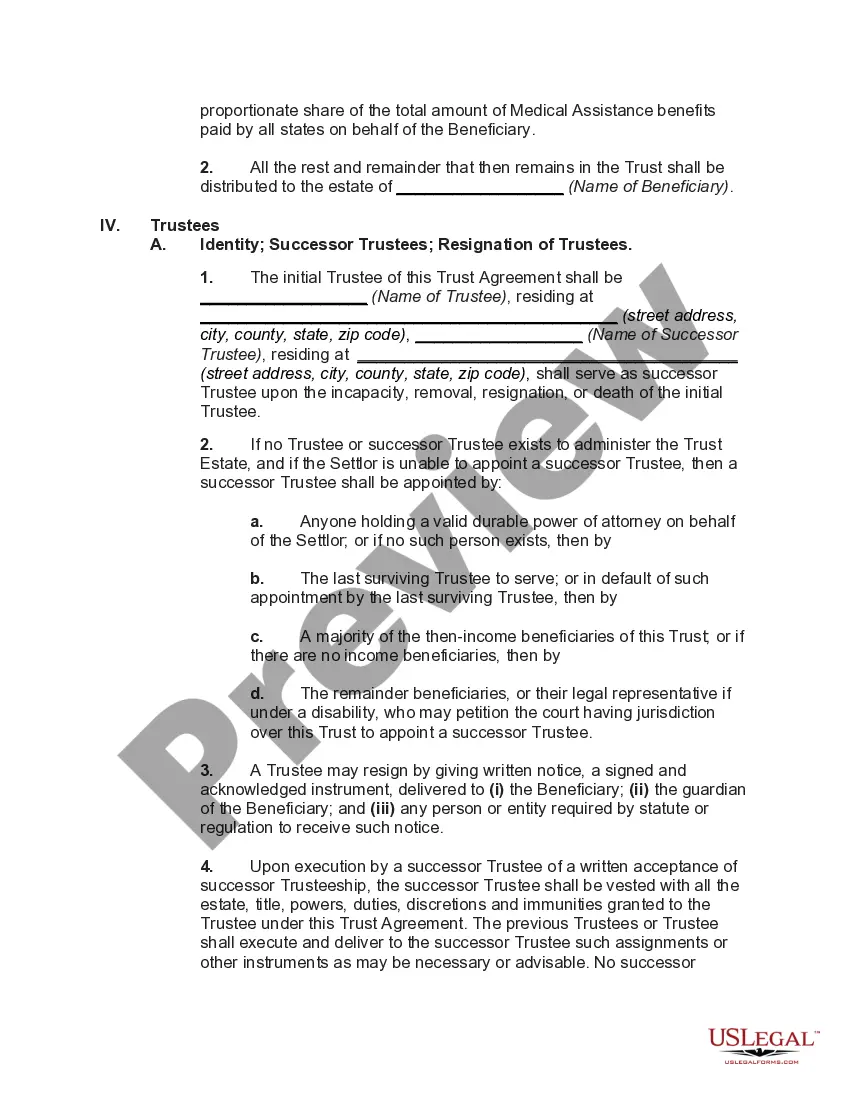
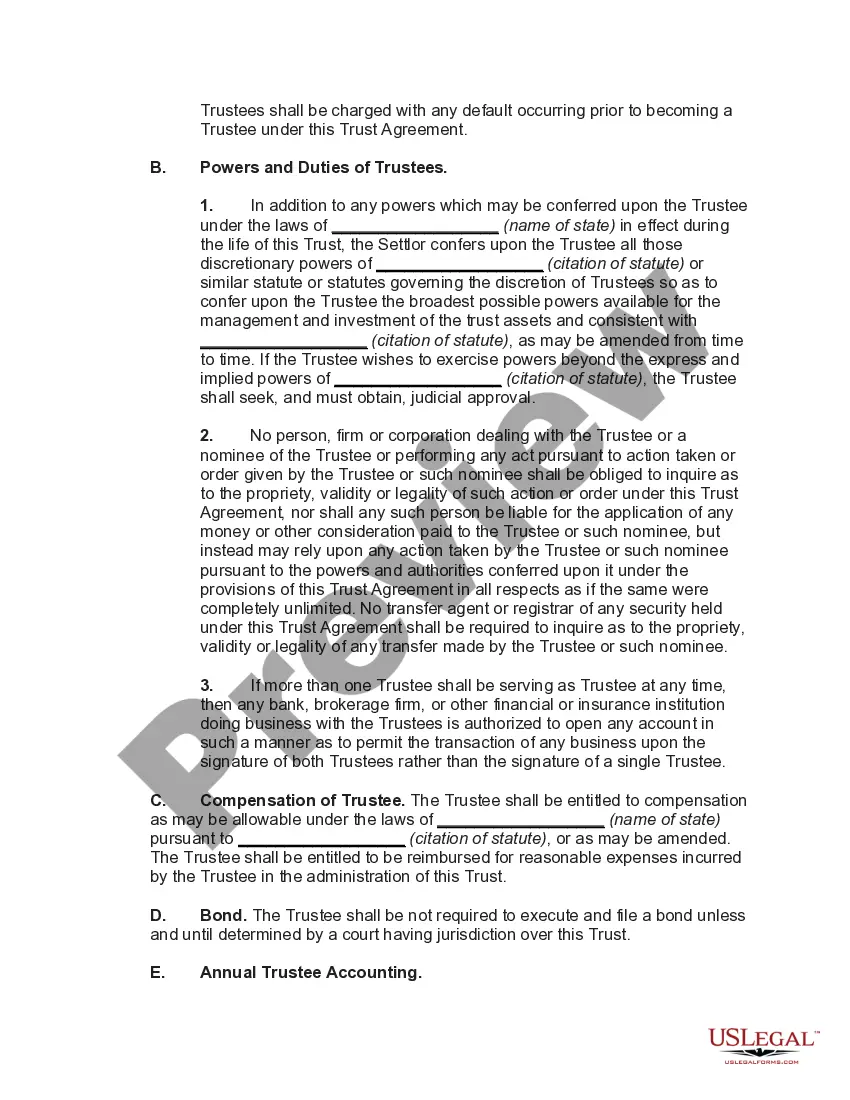
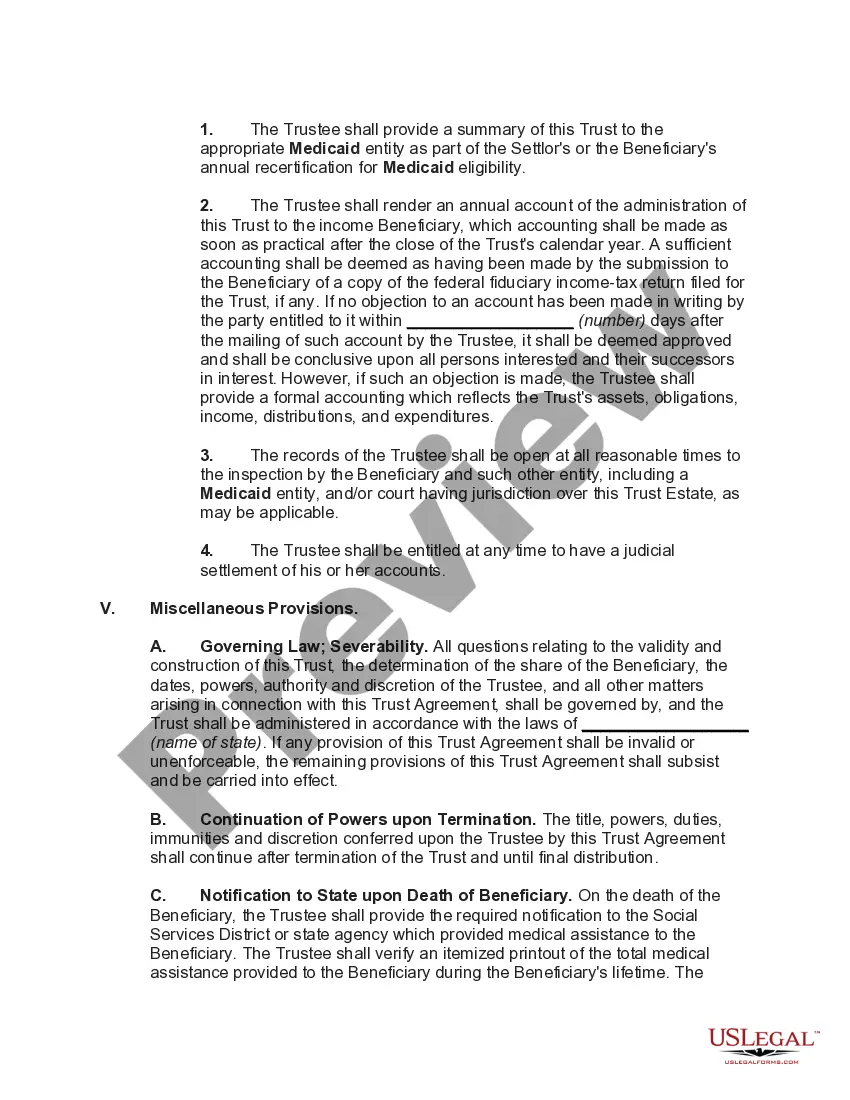
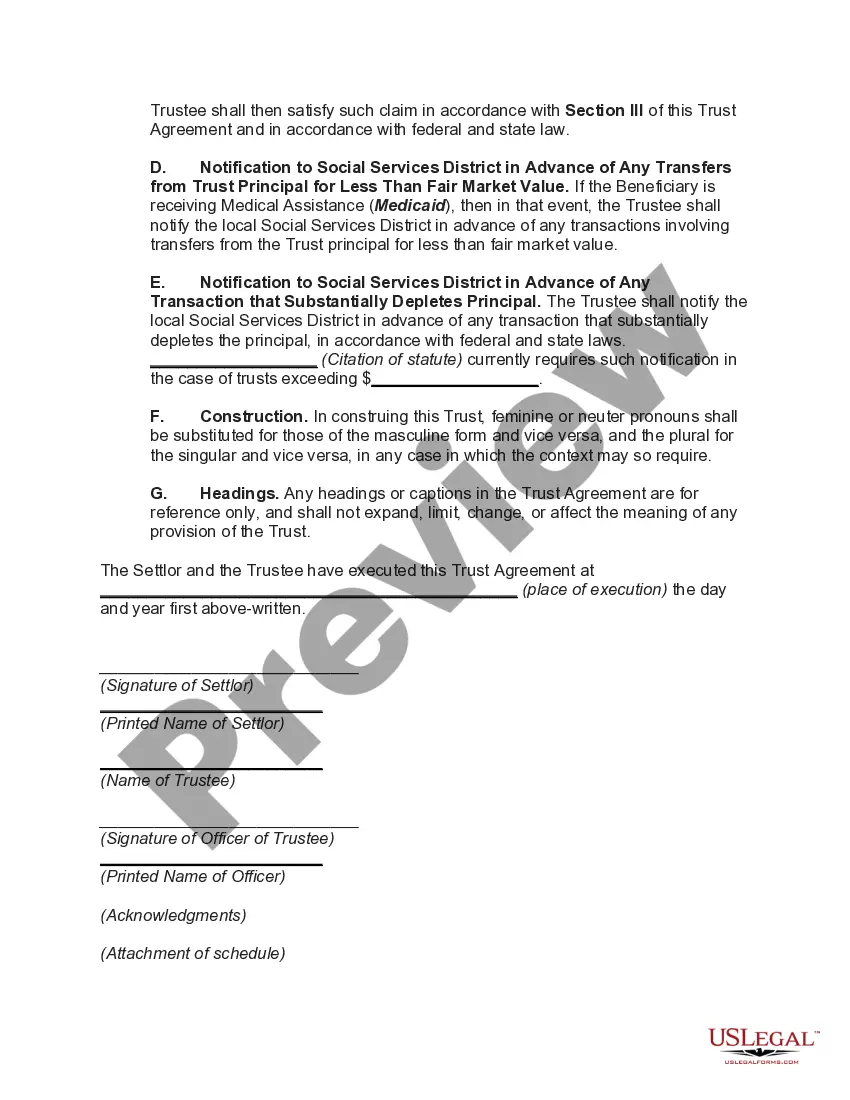
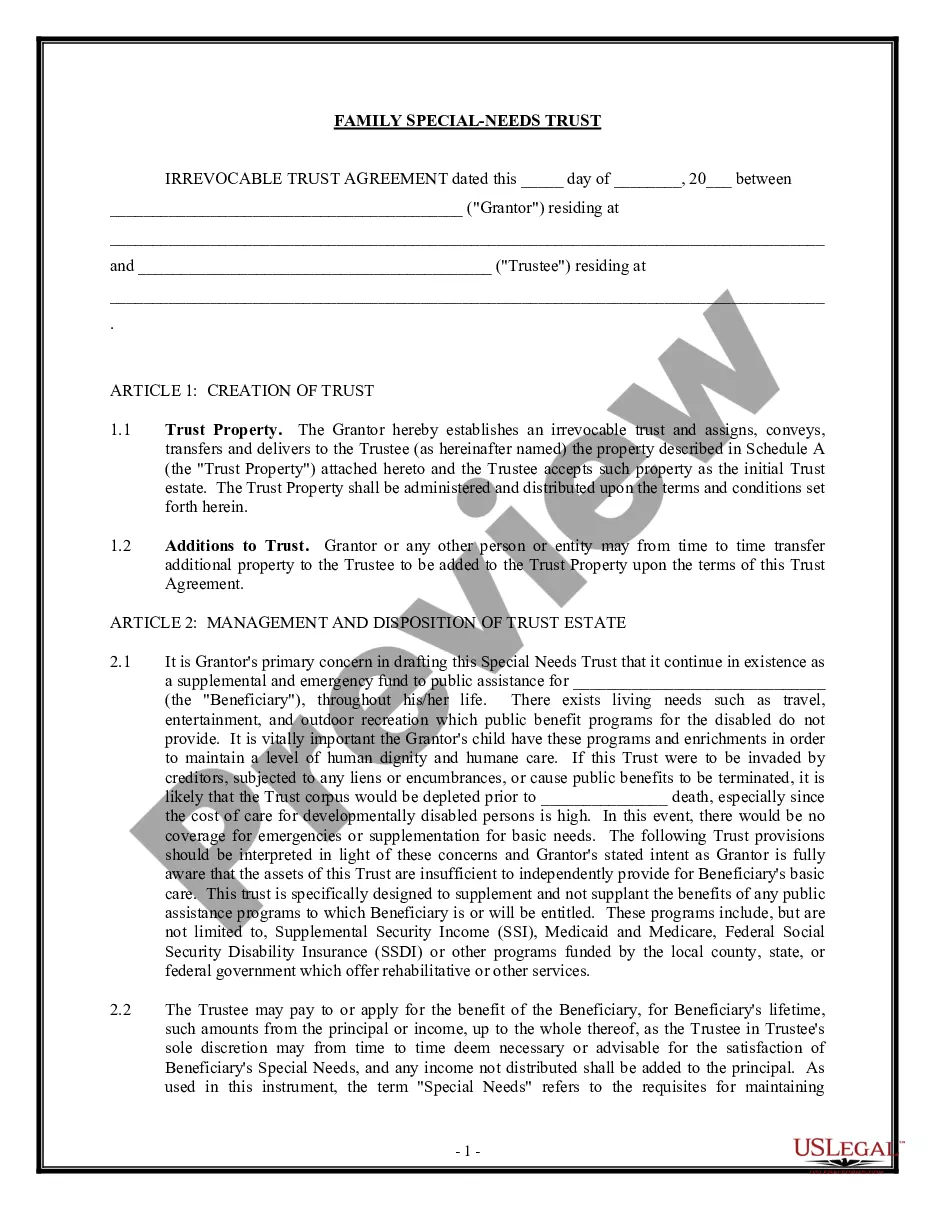

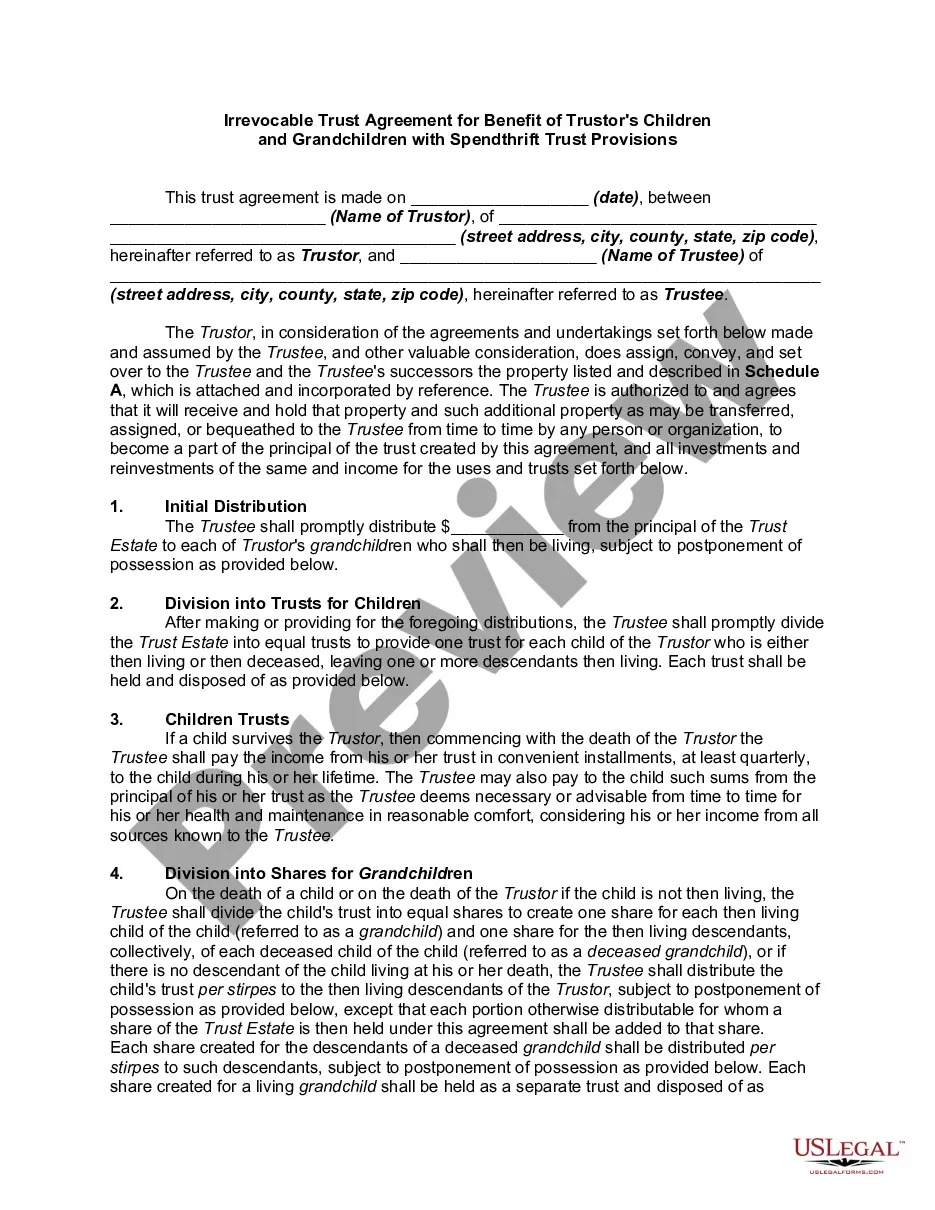
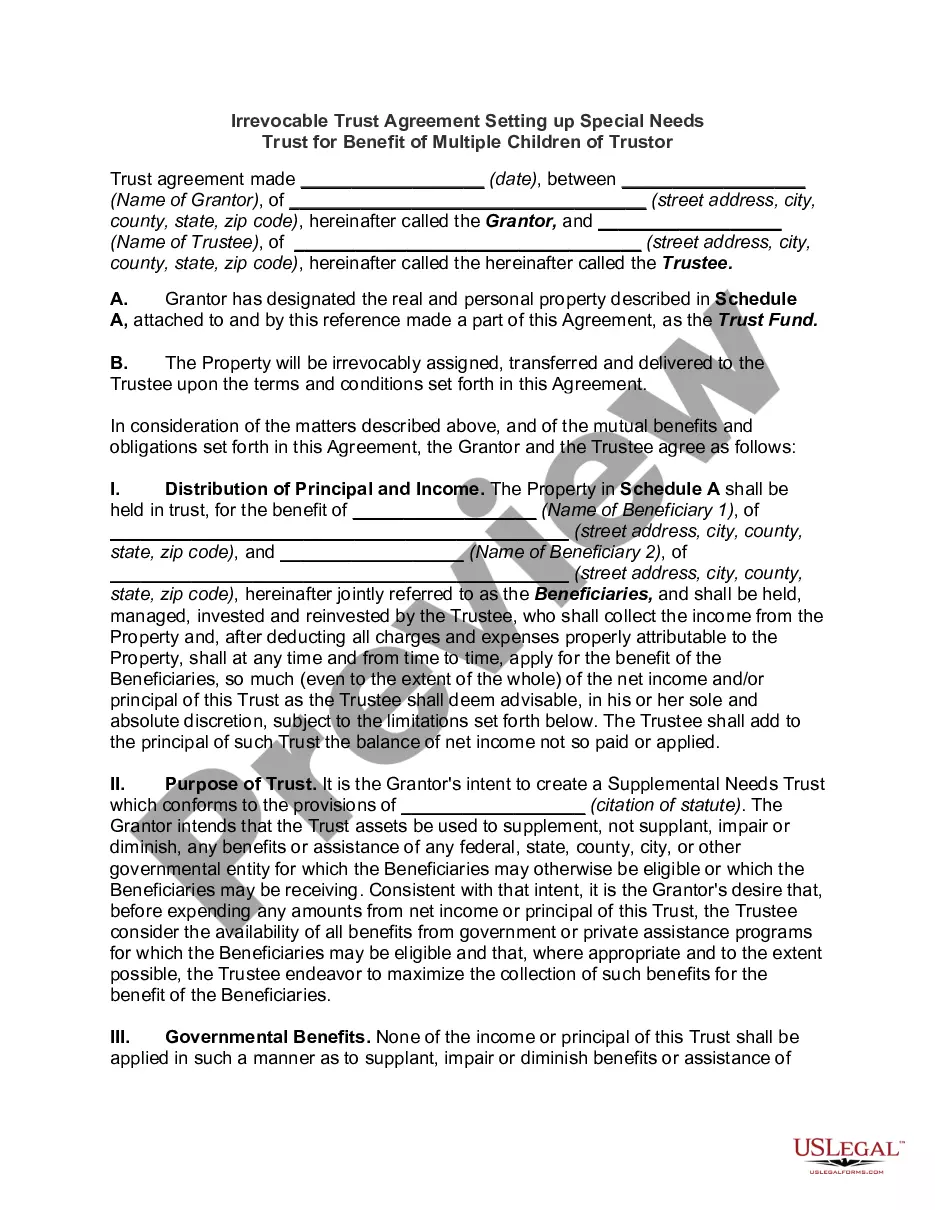
Get your form ready online
Our built-in tools help you complete, sign, share, and store your documents in one place.
Make edits, fill in missing information, and update formatting in US Legal Forms—just like you would in MS Word.
Download a copy, print it, send it by email, or mail it via USPS—whatever works best for your next step.
Sign and collect signatures with our SignNow integration. Send to multiple recipients, set reminders, and more. Go Premium to unlock E-Sign.
If this form requires notarization, complete it online through a secure video call—no need to meet a notary in person or wait for an appointment.
We protect your documents and personal data by following strict security and privacy standards.

Make edits, fill in missing information, and update formatting in US Legal Forms—just like you would in MS Word.

Download a copy, print it, send it by email, or mail it via USPS—whatever works best for your next step.

Sign and collect signatures with our SignNow integration. Send to multiple recipients, set reminders, and more. Go Premium to unlock E-Sign.

If this form requires notarization, complete it online through a secure video call—no need to meet a notary in person or wait for an appointment.

We protect your documents and personal data by following strict security and privacy standards.
Looking for another form?


How to fill out Special Needs Irrevocable Trust Agreement For Benefit Of Disabled Child Of Trustor?
- Log in to your account if you're a returning user. Ensure your subscription is active before proceeding.
- For first-time users, start by exploring the preview mode to find the appropriate irrevocable trust template that meets your needs.
- In case of any discrepancies, utilize the search function to locate the correct template that complies with your local laws.
- Select your desired document by clicking on the 'Buy Now' button, and choose the subscription plan that suits you.
- Fill in your payment details using a credit card or PayPal to complete your purchase.
- Download the irrevocable trust template to your device and access it anytime through the 'My Forms' section in your account.
US Legal Forms stands out by offering a robust collection of legal documents at competitive prices, with over 85,000 forms available for easy filling and editing. Their service allows users to consult premium experts, ensuring that your documents are not only completed but also legally sound.
Start your journey towards a secure future with an irrevocable trust today! Visit US Legal Forms and take advantage of their comprehensive library.
Form popularity
FAQ
There are no specific limits on the amount that can be placed into an irrevocable trust, but certain tax implications may arise based on the value of the assets. Additionally, consider how transferring assets to an irrevocable trust can impact your estate's overall tax situation. By using an effective irrevocable trust template, you can ensure that your trust is set up efficiently and in accordance with the law.
Writing an irrevocable trust document involves several key steps. First, identify your assets and decide who will be the beneficiaries. Next, use an irrevocable trust template to create a detailed document that outlines terms, conditions, and trustee responsibilities. You may also want to consult with a legal professional to ensure compliance with local laws.
The three main types of irrevocable trusts are the irrevocable life insurance trust, special needs trust, and charitable remainder trust. Each type serves a unique purpose and provides specific benefits, such as asset protection or tax advantages. When creating your own irrevocable trust template, consider your goals and how each type aligns with your estate planning needs.
Whether your parents should put their assets in a trust depends on their financial goals and family circumstances. If their goal is to protect assets from probate and potential creditors, an irrevocable trust might be a suitable option. However, discussing their specific needs with a legal professional is essential before making any decisions. An irrevocable trust template can provide a solid foundation for understanding how this option works.
The primary downside of putting assets in a trust is the potential loss of flexibility. Once assets are transferred into an irrevocable trust, you usually cannot modify its terms without the consent of beneficiaries. This could limit your ability to respond to unexpected financial situations. A detailed irrevocable trust template can help you plan more effectively and understand the restrictions involved.
A significant downfall of having a trust can be the loss of control over your assets. Once you place assets into an irrevocable trust, you relinquish ownership, making it challenging to access them if your financial situation changes. Moreover, setting up a trust can incur legal fees and requires ongoing management. To navigate these challenges effectively, you can rely on a well-structured irrevocable trust template.
Yes, you can write your own irrevocable trust. However, it is crucial to ensure that your document complies with the legal requirements of your state. Using an irrevocable trust template can streamline this process, ensuring that essential clauses are included and adhere to local laws. This approach can save time and reduce the risks associated with drafting errors.
One significant disadvantage of a family trust is the potential for complexity in management. Setting up a family trust may require ongoing administrative tasks, including record-keeping and tax filings. Additionally, if the family dynamic changes, it could lead to disputes among beneficiaries. Considering an irrevocable trust template can help mitigate some issues, as it provides clear guidelines for asset distribution.
Filling out an irrevocable trust involves several key steps, starting with gathering the necessary information about your assets and beneficiaries. An irrevocable trust template offers a structured outline that makes this process easier, as it includes prompts for vital details you must provide. After completing the template, ensure you review it for accuracy before signing in the presence of a notary. Remember, proper completion of the document is crucial to avoiding issues down the line.
Yes, you can write your own irrevocable trust, but it requires careful planning. Using an irrevocable trust template can simplify the process by providing a clear framework that covers essential elements such as assets, beneficiaries, and trustees. However, it's advisable to consult with a legal professional to ensure that your document meets state laws and truly reflects your wishes. Doing this will minimize errors and make sure your trust is legally binding.