Irrevocable Trust Form Sample With 10
Description
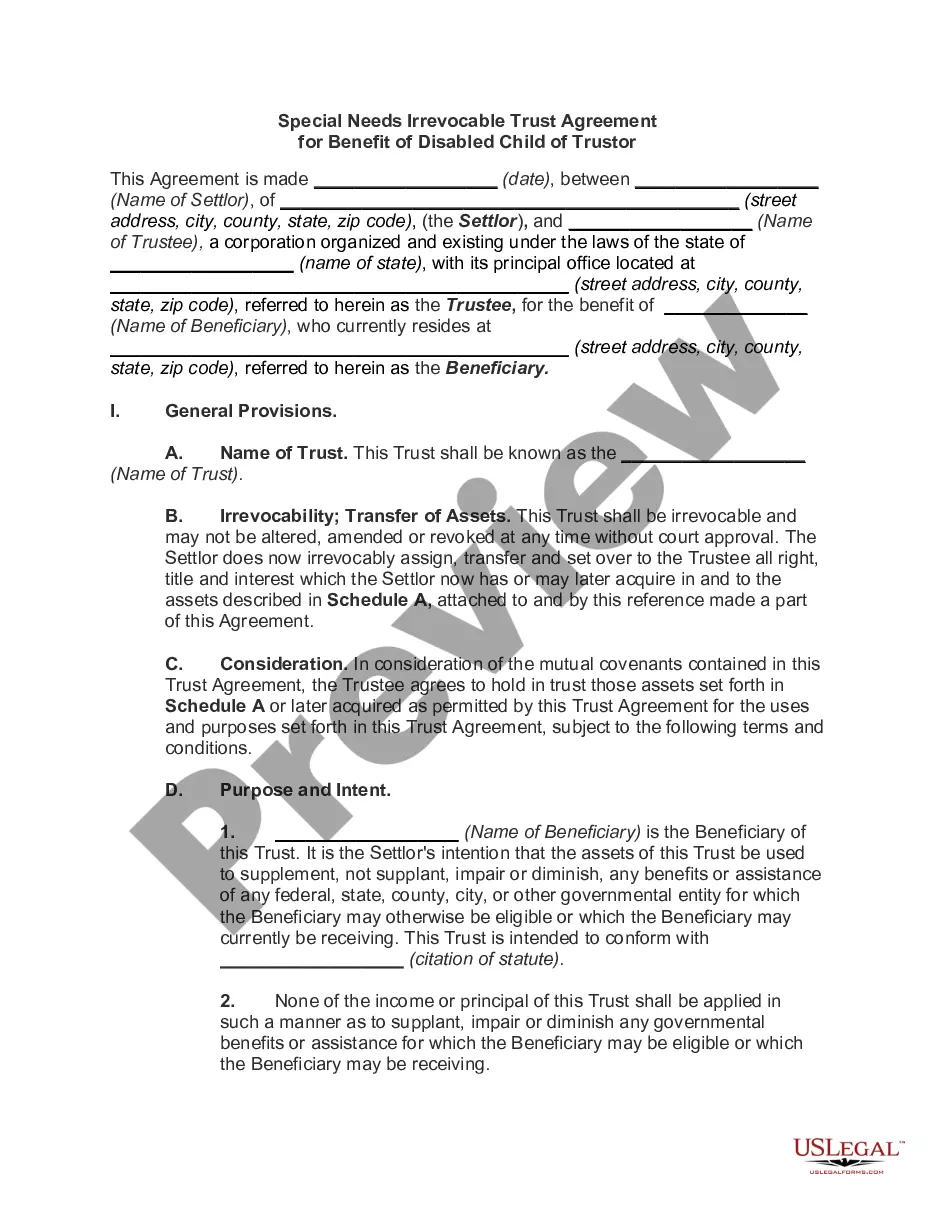
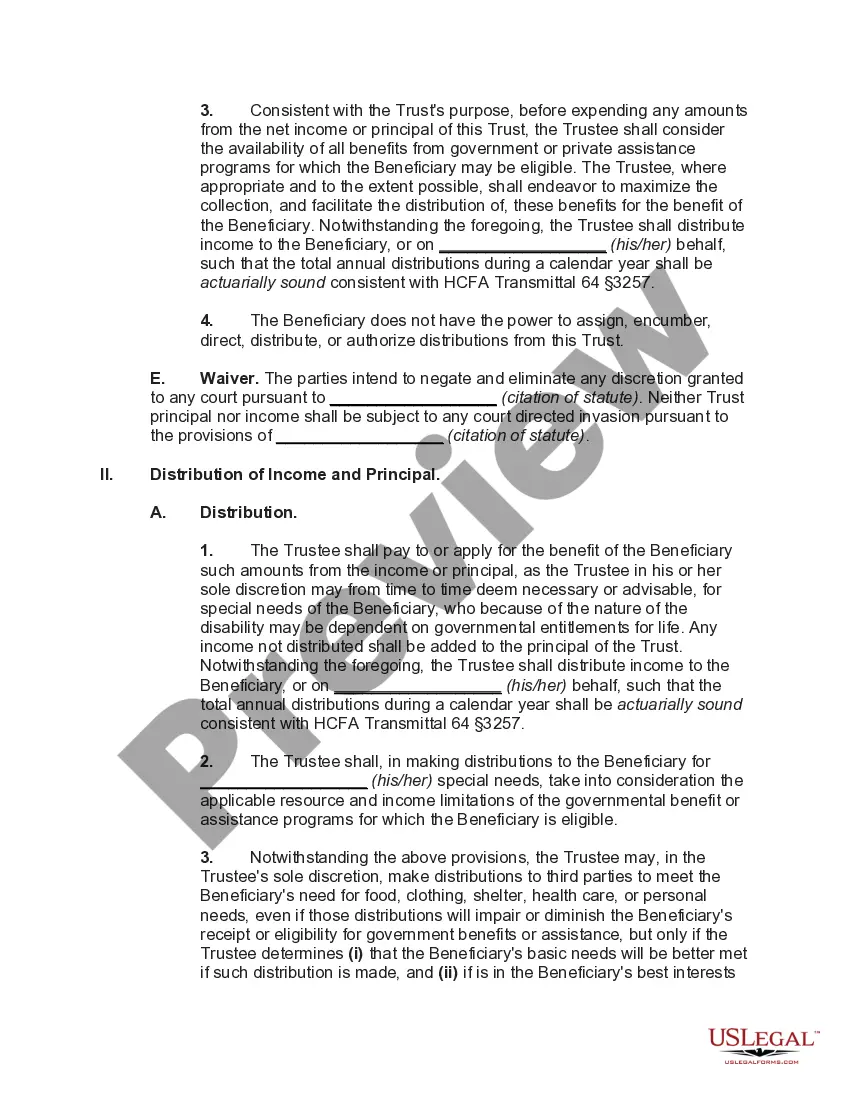
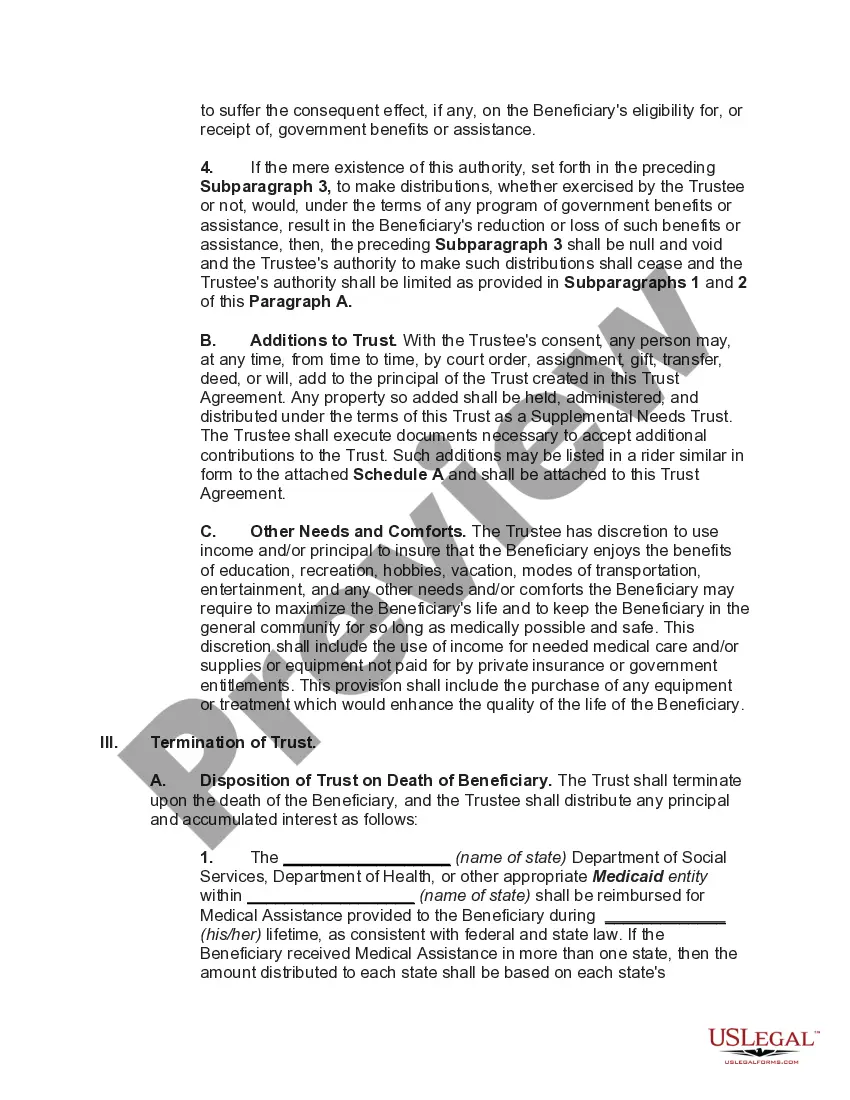
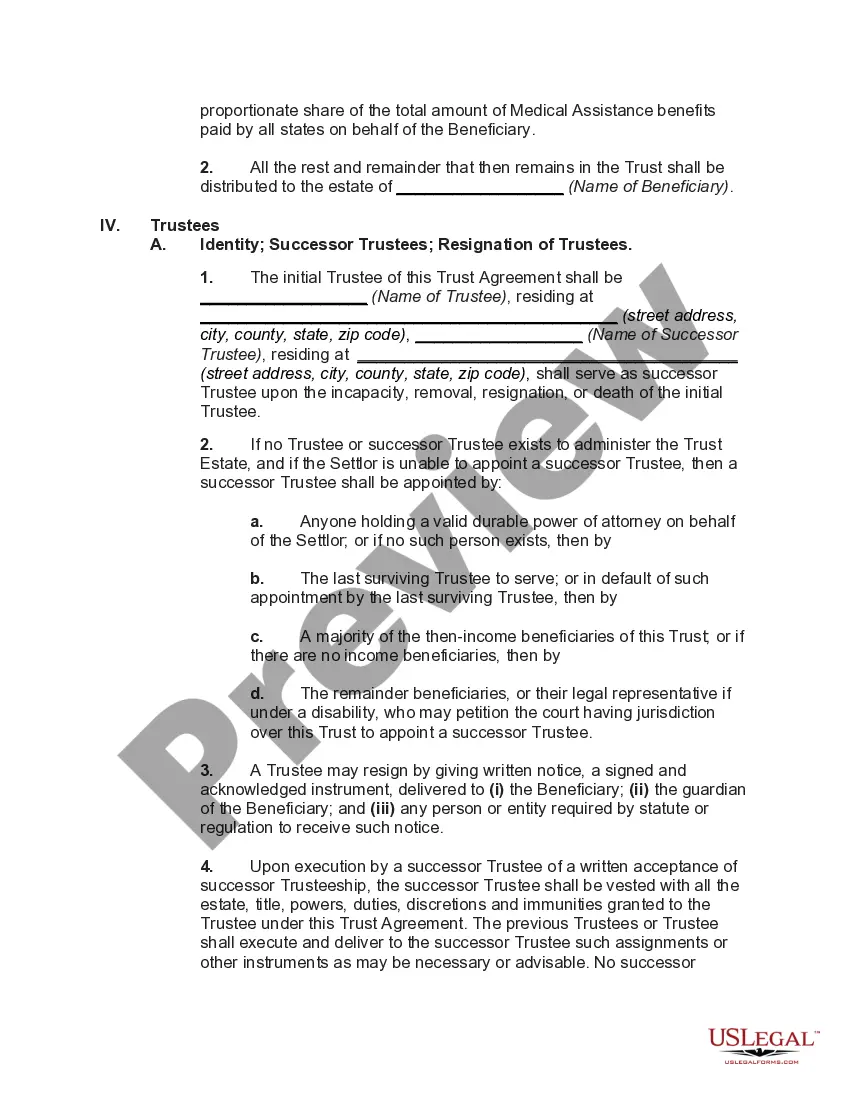
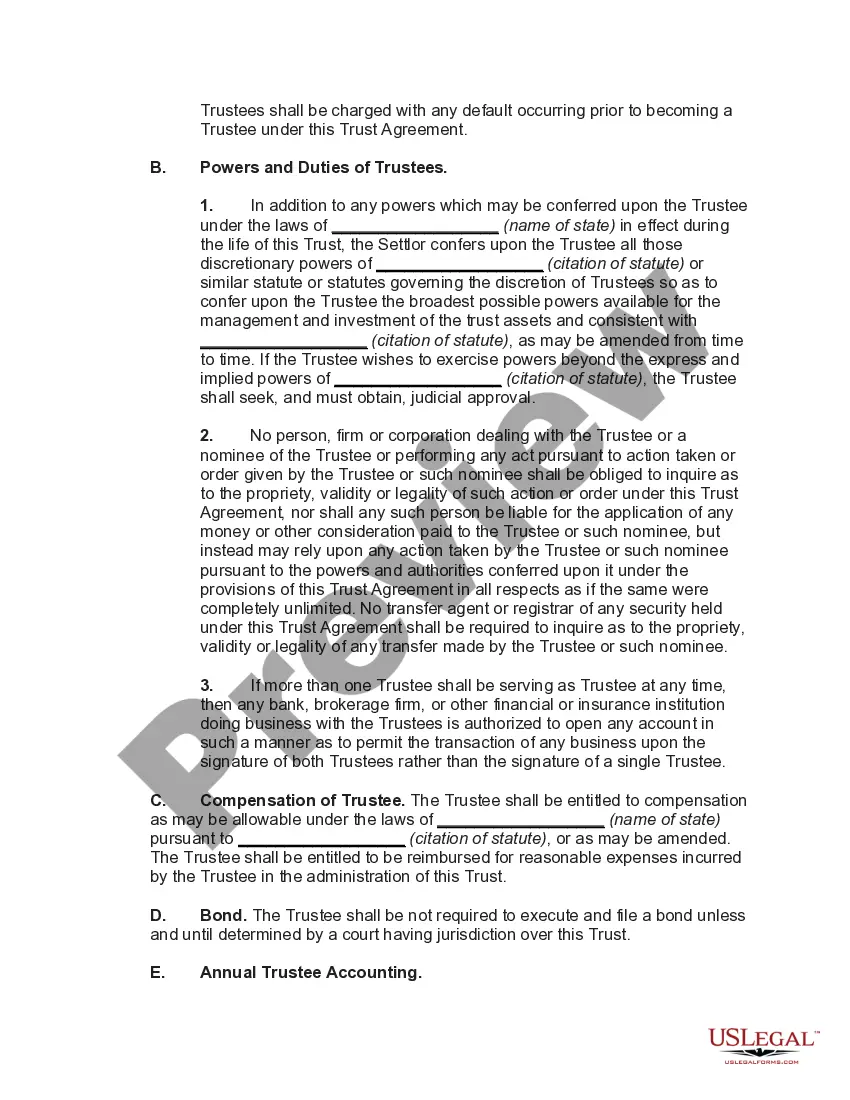
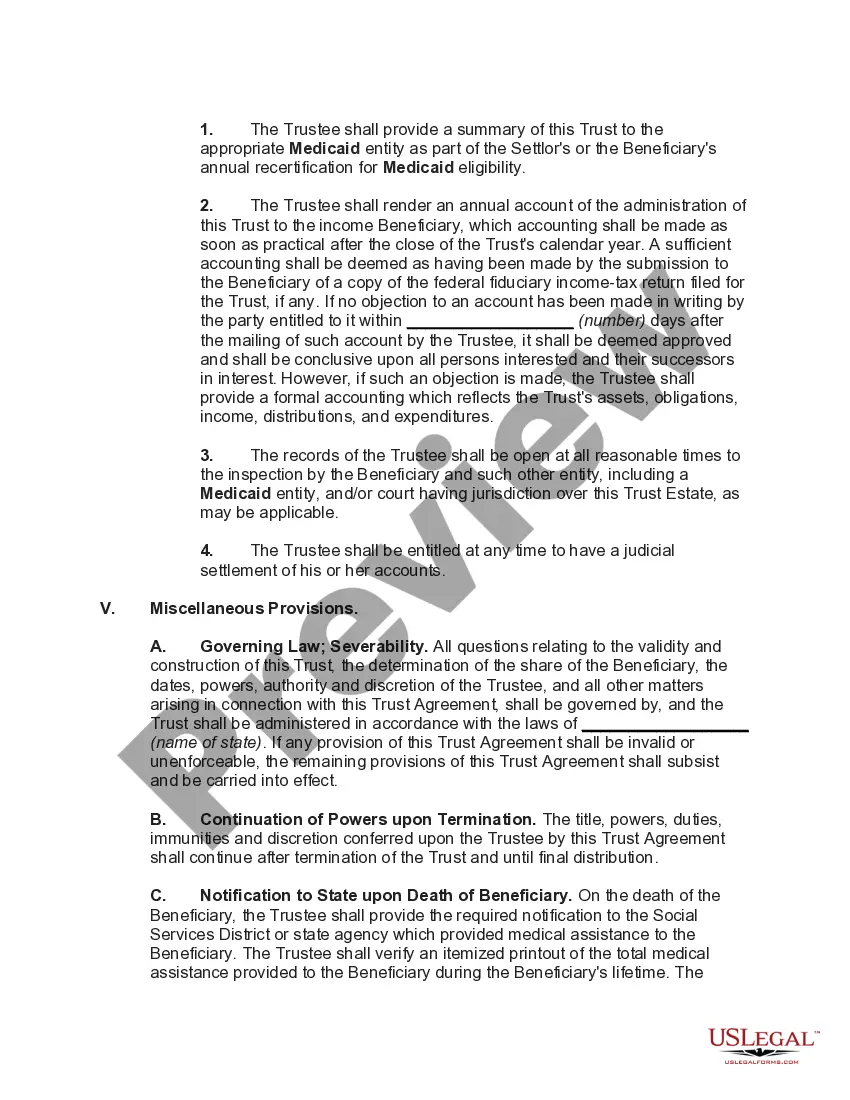
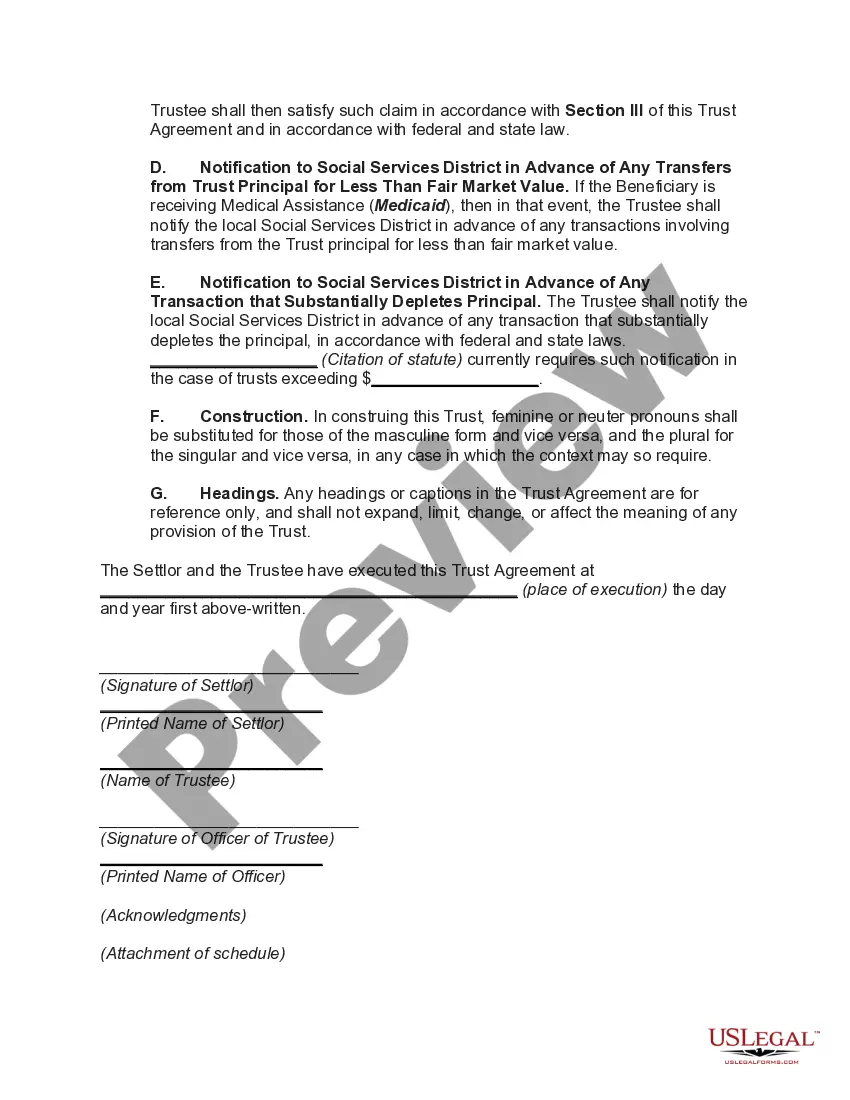
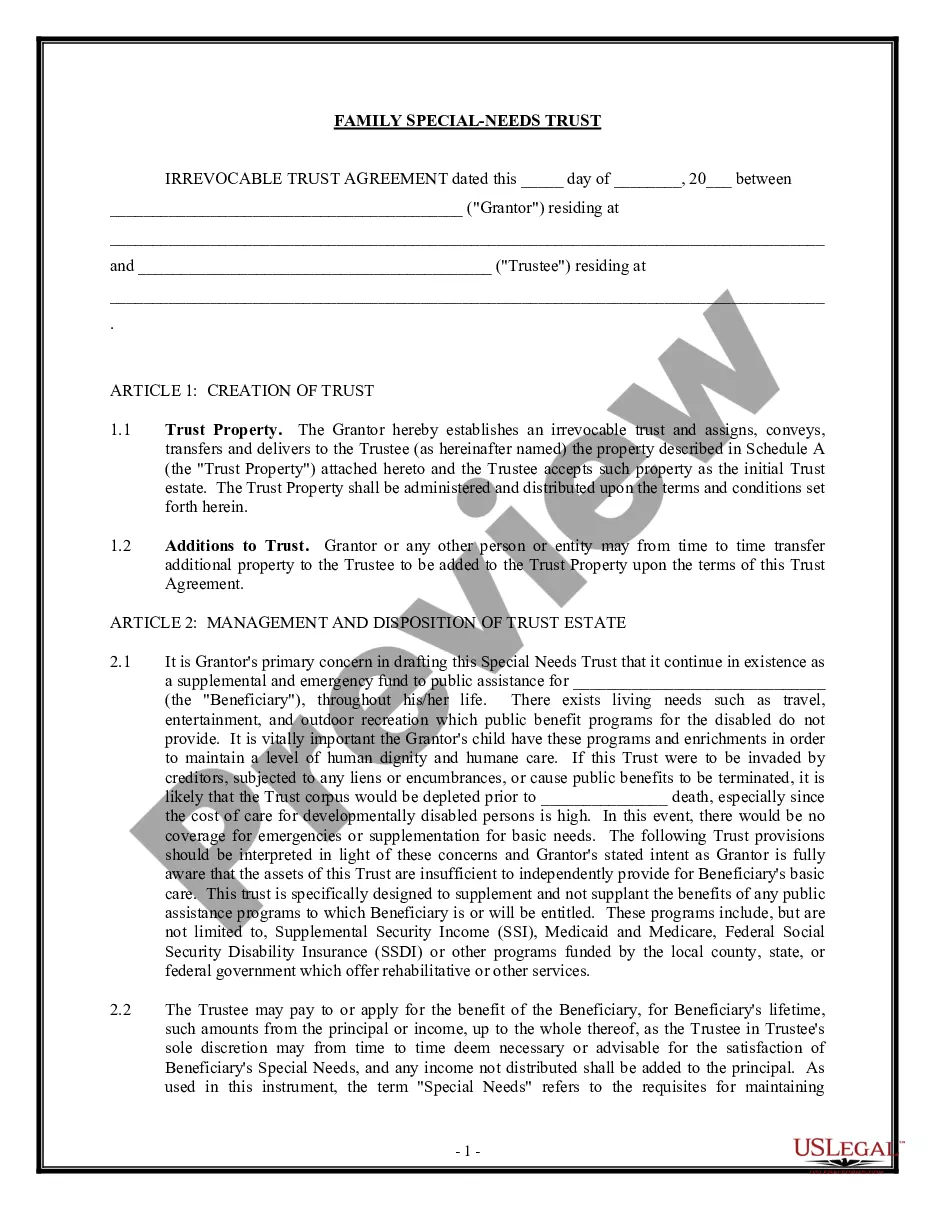
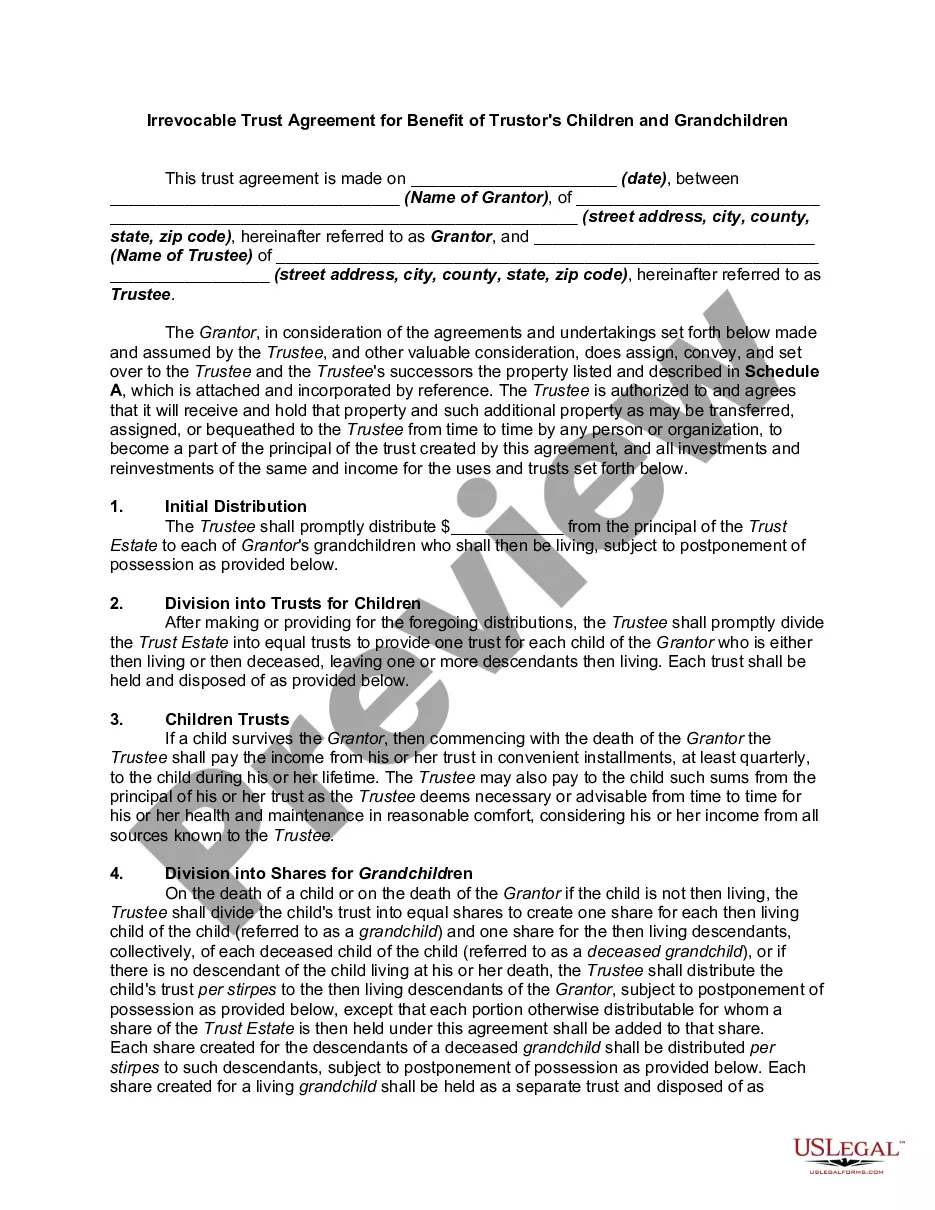
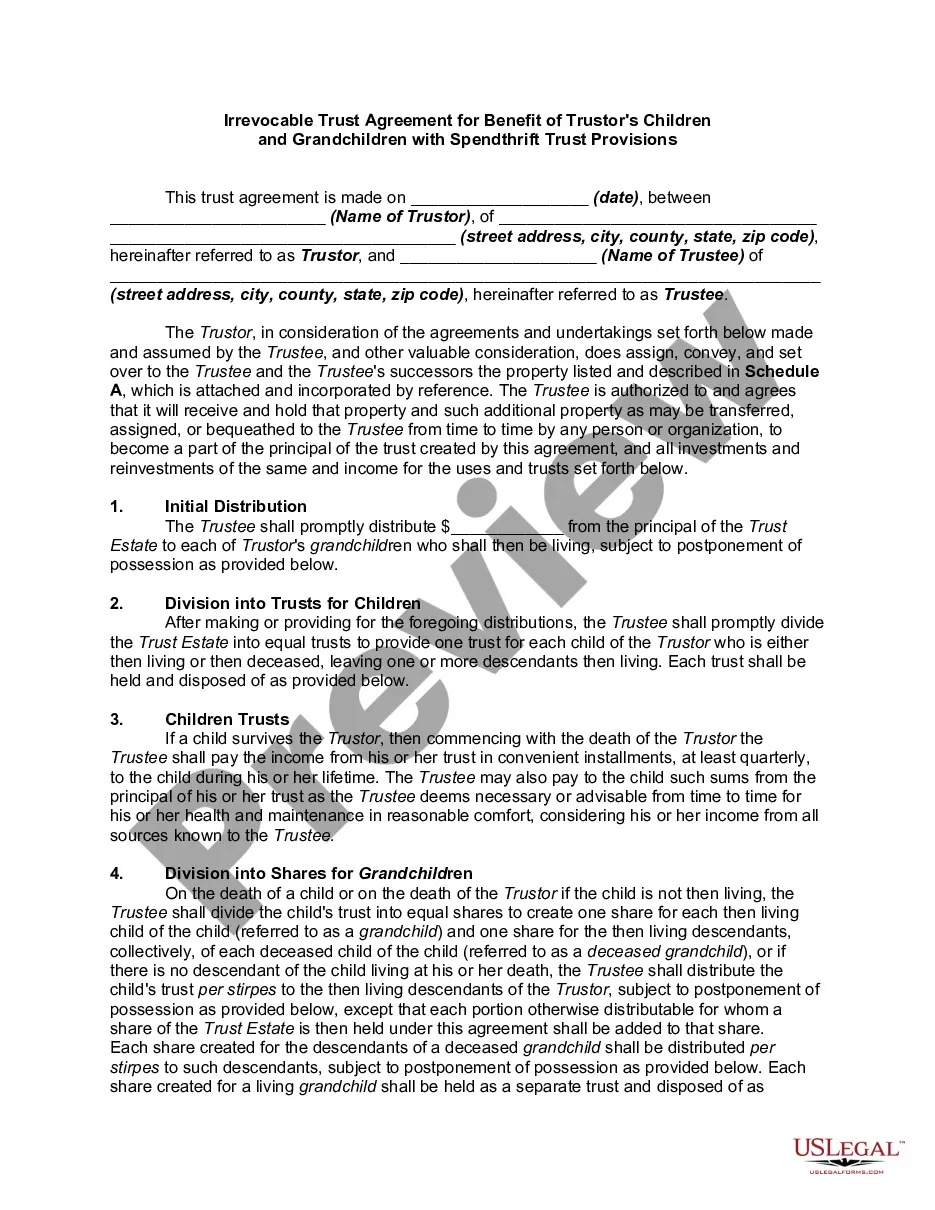
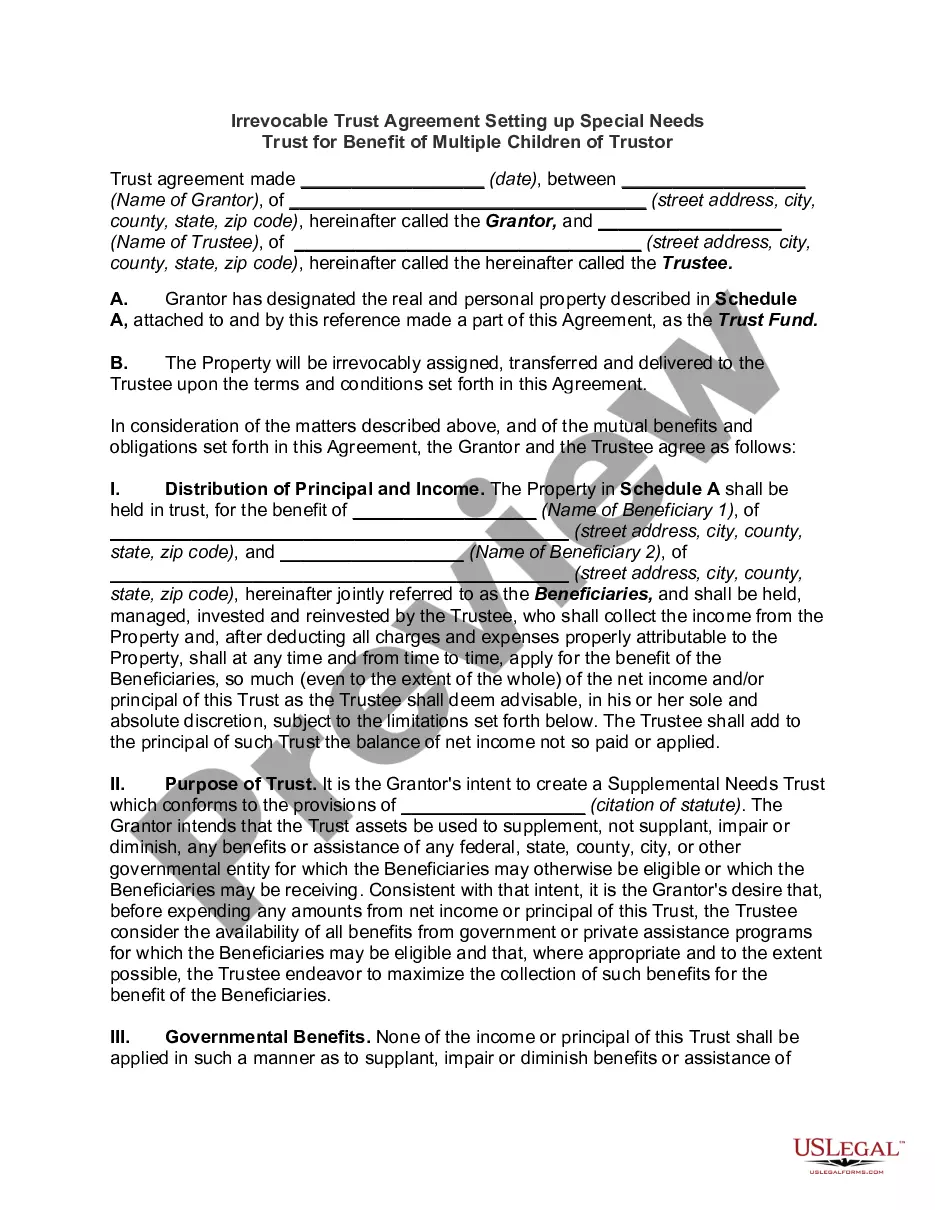
Get your form ready online
Our built-in tools help you complete, sign, share, and store your documents in one place.
Make edits, fill in missing information, and update formatting in US Legal Forms—just like you would in MS Word.
Download a copy, print it, send it by email, or mail it via USPS—whatever works best for your next step.
Sign and collect signatures with our SignNow integration. Send to multiple recipients, set reminders, and more. Go Premium to unlock E-Sign.
If this form requires notarization, complete it online through a secure video call—no need to meet a notary in person or wait for an appointment.
We protect your documents and personal data by following strict security and privacy standards.

Make edits, fill in missing information, and update formatting in US Legal Forms—just like you would in MS Word.

Download a copy, print it, send it by email, or mail it via USPS—whatever works best for your next step.

Sign and collect signatures with our SignNow integration. Send to multiple recipients, set reminders, and more. Go Premium to unlock E-Sign.

If this form requires notarization, complete it online through a secure video call—no need to meet a notary in person or wait for an appointment.

We protect your documents and personal data by following strict security and privacy standards.
Looking for another form?

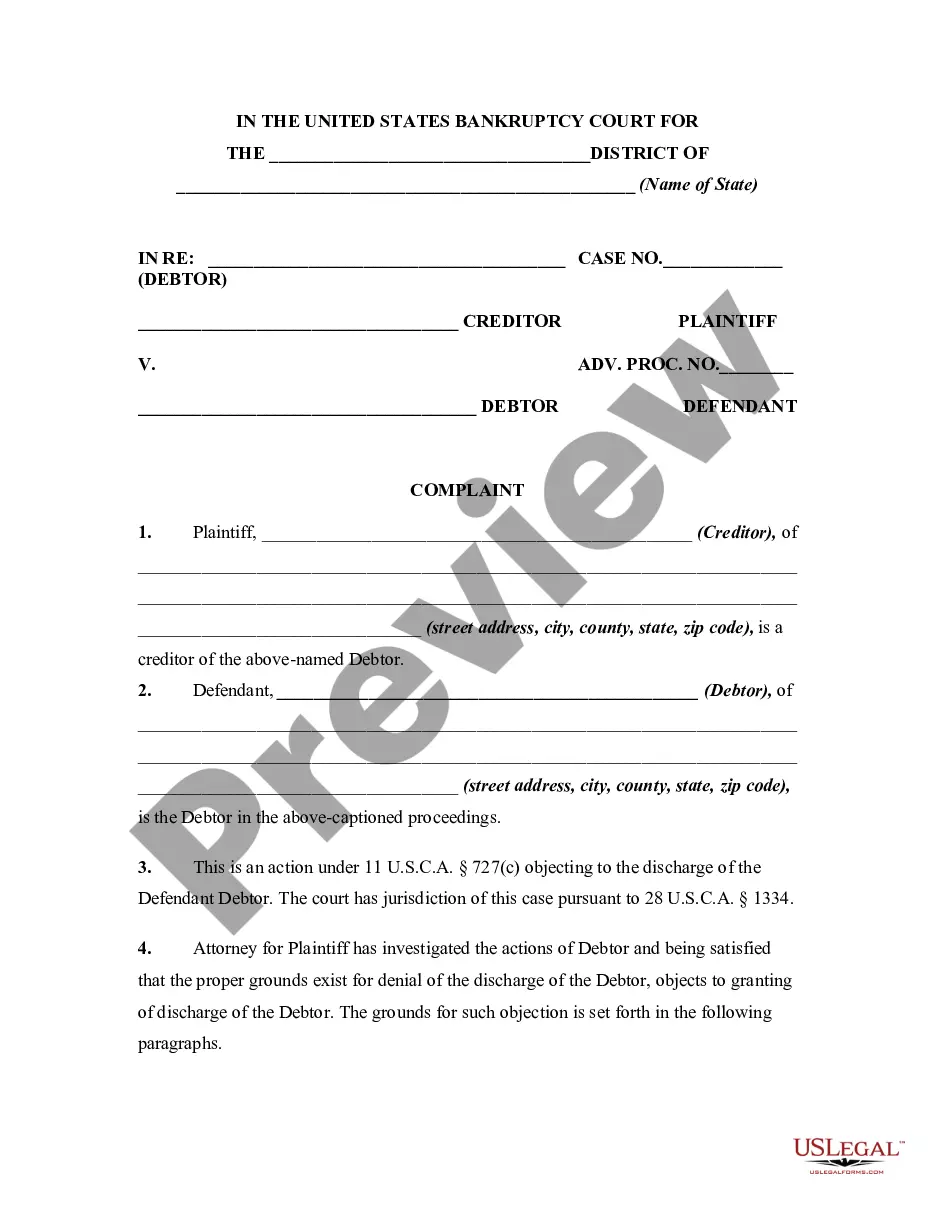


How to fill out Special Needs Irrevocable Trust Agreement For Benefit Of Disabled Child Of Trustor?
- If you are a returning user, log in to your account and click on the Download button to save the form template directly to your device. Ensure your subscription is active; renew it if necessary.
- For first-time users, check the Preview mode along with the form description to ensure it meets your needs and aligns with your local jurisdiction's requirements.
- If you need to find another template, use the Search tab to locate the correct form. Once you find a suitable option, proceed to the next step.
- Purchase your document by clicking the Buy Now button. Select a subscription plan and create an account to access the legal library.
- Complete your purchase by entering your credit card information or using your PayPal account to finalize the payment.
- After the purchase, download your form and save it on your device. You can access it later from the My Forms section of your profile.
US Legal Forms not only provides a robust collection of documents but also offers premium expert assistance to ensure that your forms are both accurate and legally valid.
Get started today and simplify your legal document needs by visiting US Legal Forms.
Form popularity
FAQ
Generally, an irrevocable trust cannot be dissolved or revoked once established. However, there may be specific circumstances under which a court might allow modifications or terminations. Consulting with a legal professional is recommended to explore your options. Therefore, using our irrevocable trust form sample with 10 can ensure proper documentation and planning.
A variety of individuals and institutions can serve as a trustee of an irrevocable trust, including family members, friends, or professional fiduciaries. Choosing the right trustee is crucial, as they are responsible for managing the trust's assets and obligations. Ensure that your chosen trustee understands and can fulfill these responsibilities. Consider using our irrevocable trust form sample with 10 to clarify roles and duties.
When a grantor passes away, the irrevocable trust typically continues to operate according to its established terms. The assets within the trust do not enter the grantor's estate, which helps avoid probate. This can simplify the management and distribution process for beneficiaries. Our irrevocable trust form sample with 10 can help you plan for such future scenarios effectively.
You can place various types of property in an irrevocable trust, including real estate, investments, and personal property. This flexibility allows you to effectively manage and distribute different types of assets. However, it's important to consider the implications for each type of asset when establishing the trust. Utilize our irrevocable trust form sample with 10 to navigate this aspect seamlessly.
An irrevocable trust is considered a separate tax entity, which means it must file its tax returns. The income generated by the trust is taxed at a different rate compared to individual tax rates. It’s essential to understand how distributions affect the taxation of beneficiaries. For more guidance, our irrevocable trust form sample with 10 can offer valuable insights.
Typically, you cannot change the beneficiaries of an irrevocable trust once it is established. This is one of the key characteristics that distinguishes irrevocable trusts from revocable ones. However, certain conditions may allow some flexibility. For a comprehensive understanding, refer to our irrevocable trust form sample with 10, which provides clarity on this topic.
Using an irrevocable trust can provide several benefits, including estate tax reduction and asset protection. Once assets are transferred into the trust, they are no longer considered part of the grantor's estate. This can lead to significant tax savings while offering peace of mind regarding asset management. Our irrevocable trust form sample with 10 can guide you through the setup process.
An irrevocable trust is a legal arrangement where a grantor transfers assets to a trustee, and the terms of the trust cannot be modified once set. This type of trust helps protect assets from creditors, offers estate tax benefits, and allows for controlled distribution of assets. By utilizing our irrevocable trust form sample with 10, you can establish a trust tailored to your specific needs.
Yes, an irrevocable trust may need to issue a 1099 form, depending on its income distribution. If the trust generates income and distributes it to beneficiaries, it must report that income using a 1099. This ensures proper tax reporting for the beneficiaries involved. For more detailed information, consider exploring our irrevocable trust form sample with 10 to ensure compliance.
The IRS treats irrevocable trusts as separate taxable entities, which means the trust itself may need to file a tax return. Any income generated by the trust assets is usually taxed at the trust level. Understanding these obligations is crucial, and an irrevocable trust form sample with 10 can assist in structuring your trust effectively to comply with IRS regulations.