Irrevocable Trust Agreement With The Owner
Description

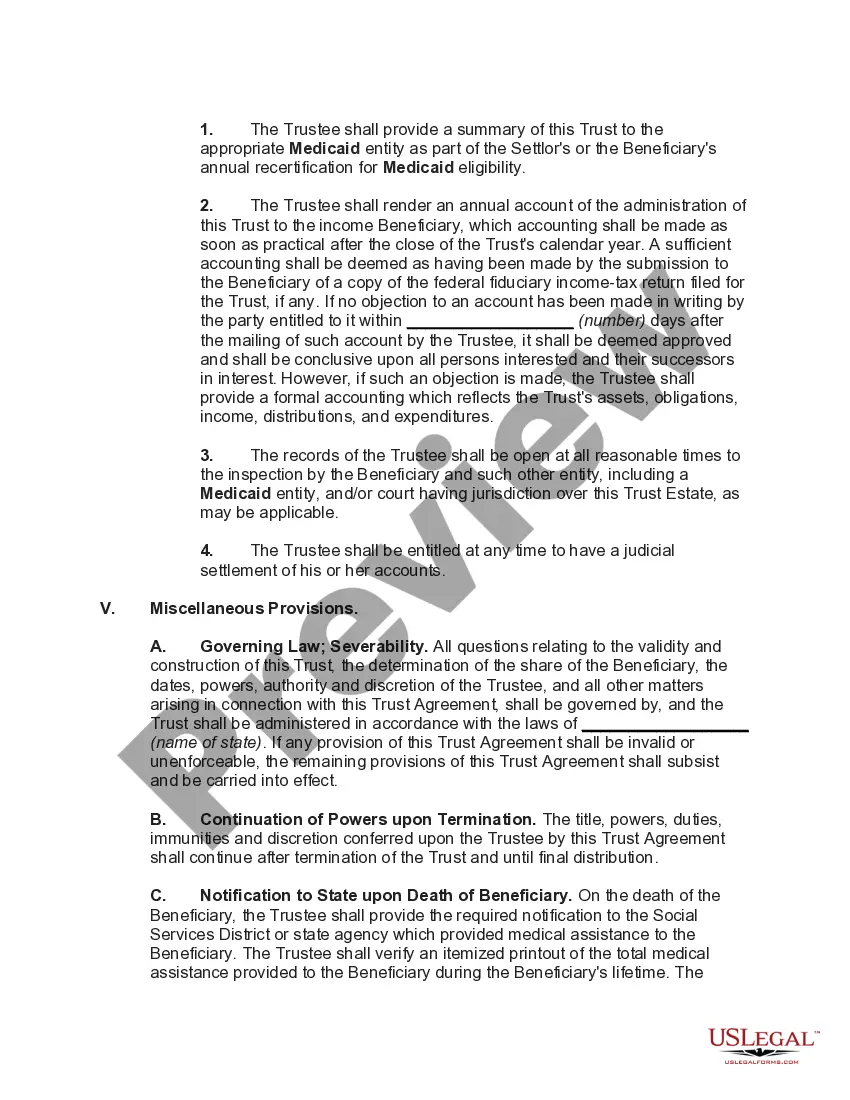
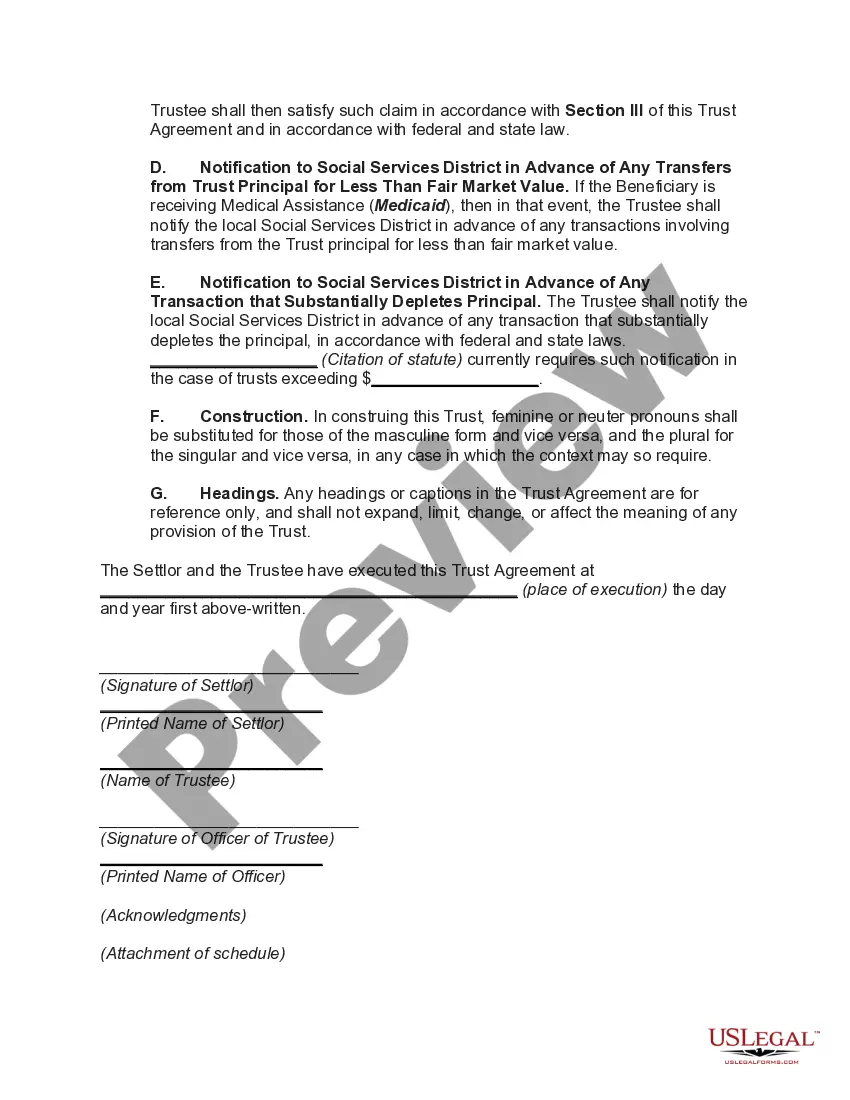


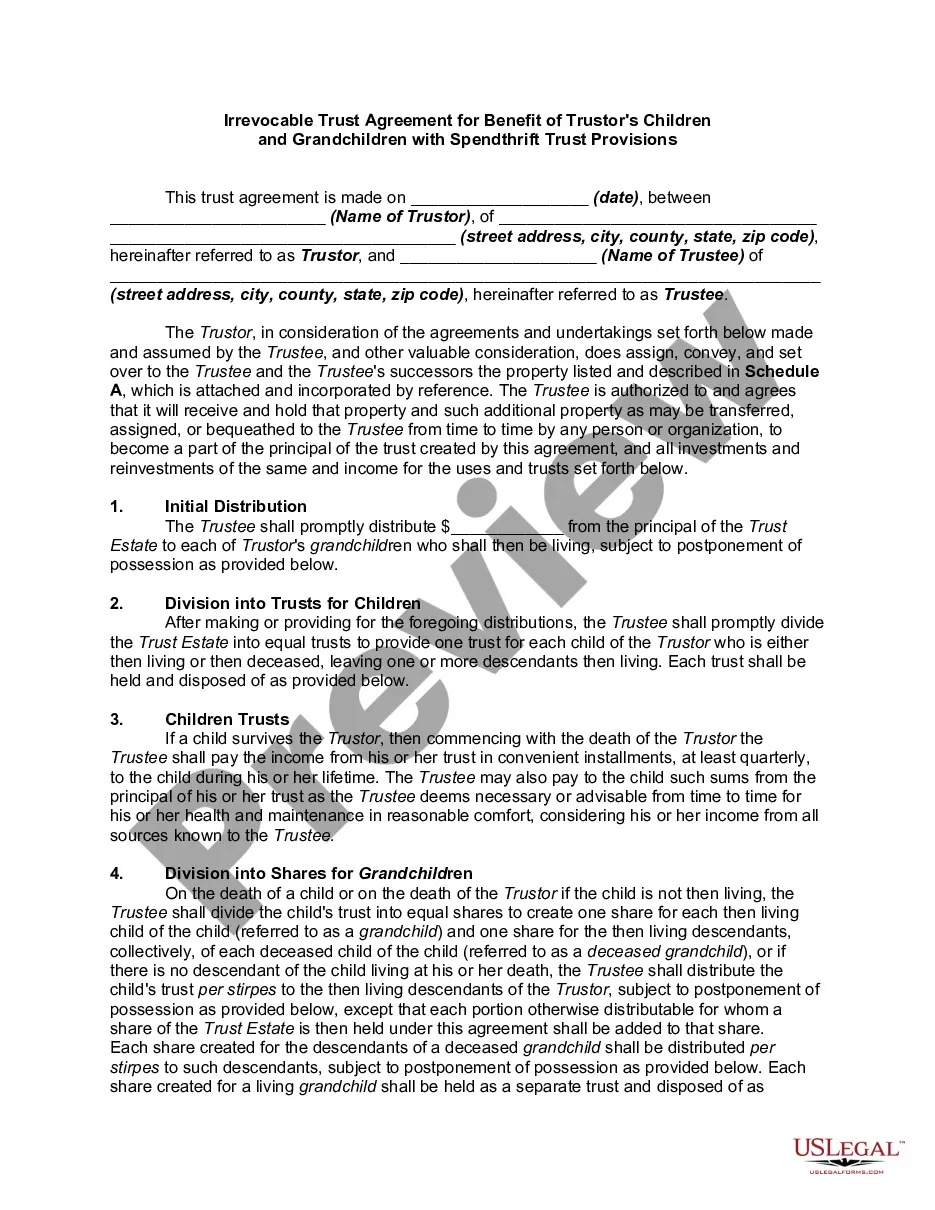

Get your form ready online
Our built-in tools help you complete, sign, share, and store your documents in one place.
Make edits, fill in missing information, and update formatting in US Legal Forms—just like you would in MS Word.
Download a copy, print it, send it by email, or mail it via USPS—whatever works best for your next step.
Sign and collect signatures with our SignNow integration. Send to multiple recipients, set reminders, and more. Go Premium to unlock E-Sign.
If this form requires notarization, complete it online through a secure video call—no need to meet a notary in person or wait for an appointment.
We protect your documents and personal data by following strict security and privacy standards.

Make edits, fill in missing information, and update formatting in US Legal Forms—just like you would in MS Word.

Download a copy, print it, send it by email, or mail it via USPS—whatever works best for your next step.

Sign and collect signatures with our SignNow integration. Send to multiple recipients, set reminders, and more. Go Premium to unlock E-Sign.

If this form requires notarization, complete it online through a secure video call—no need to meet a notary in person or wait for an appointment.

We protect your documents and personal data by following strict security and privacy standards.
Looking for another form?
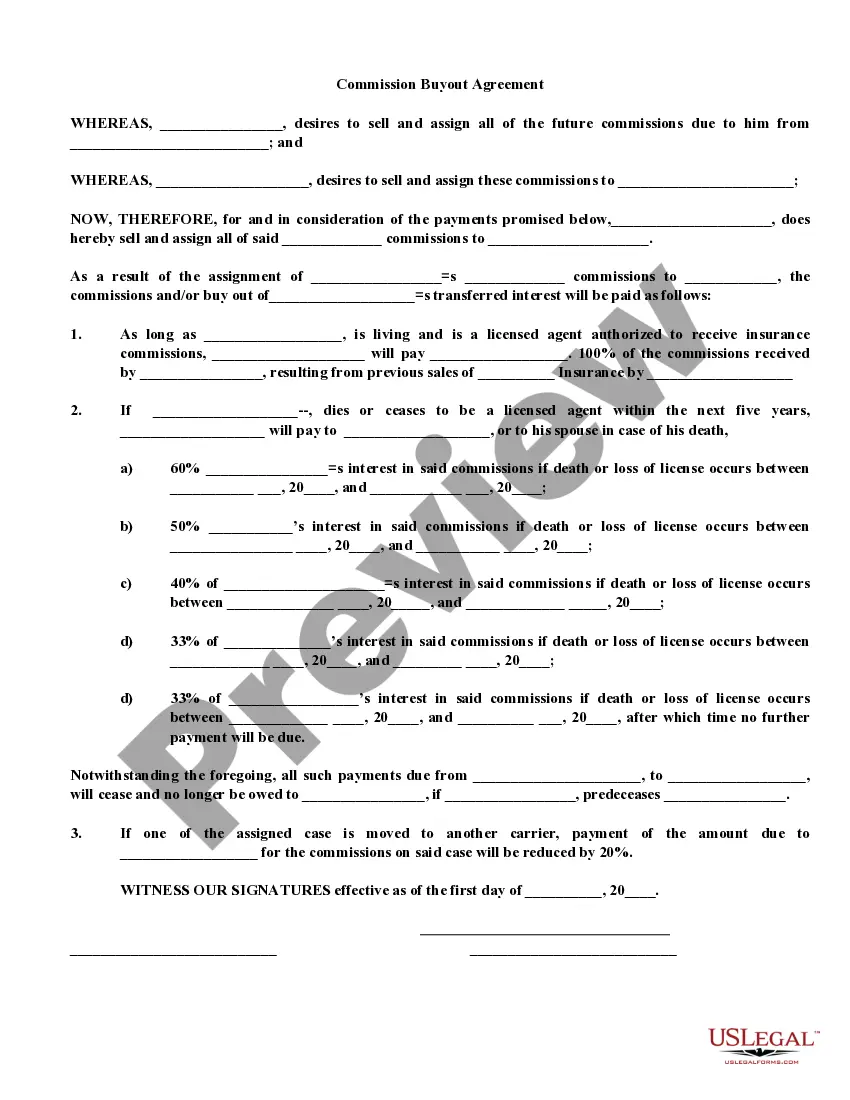




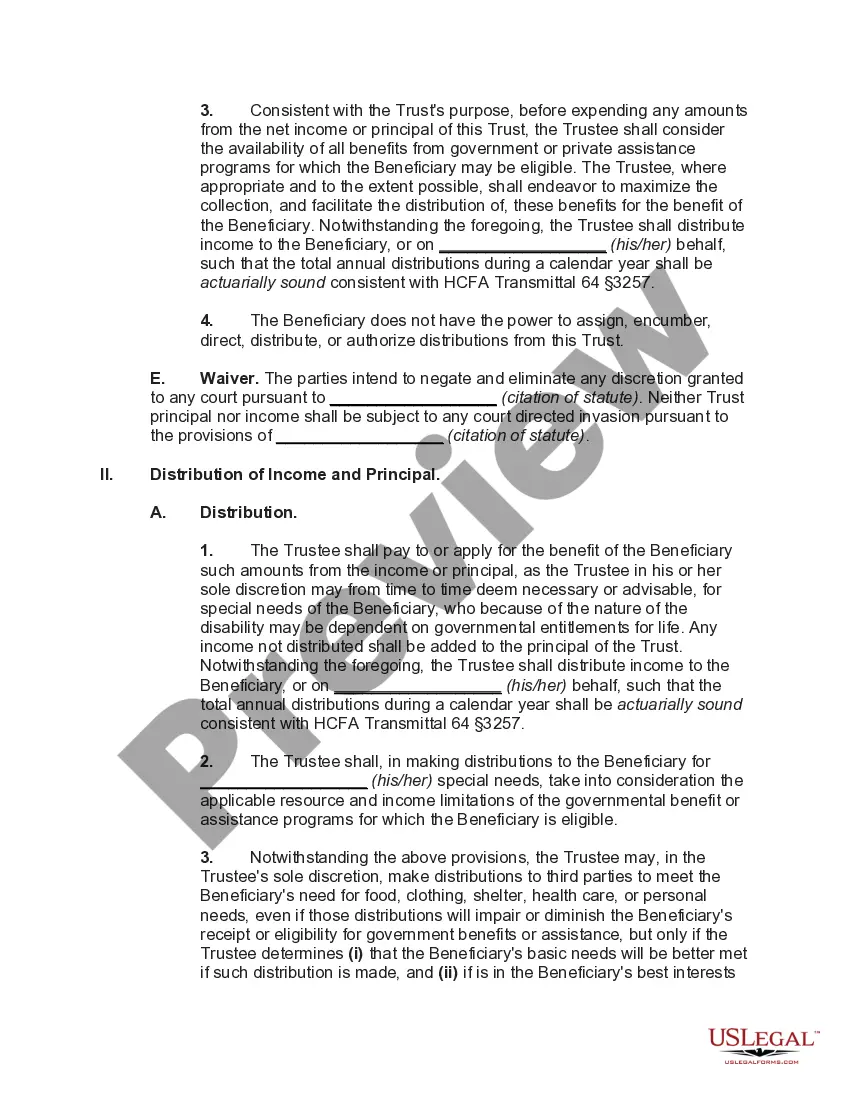
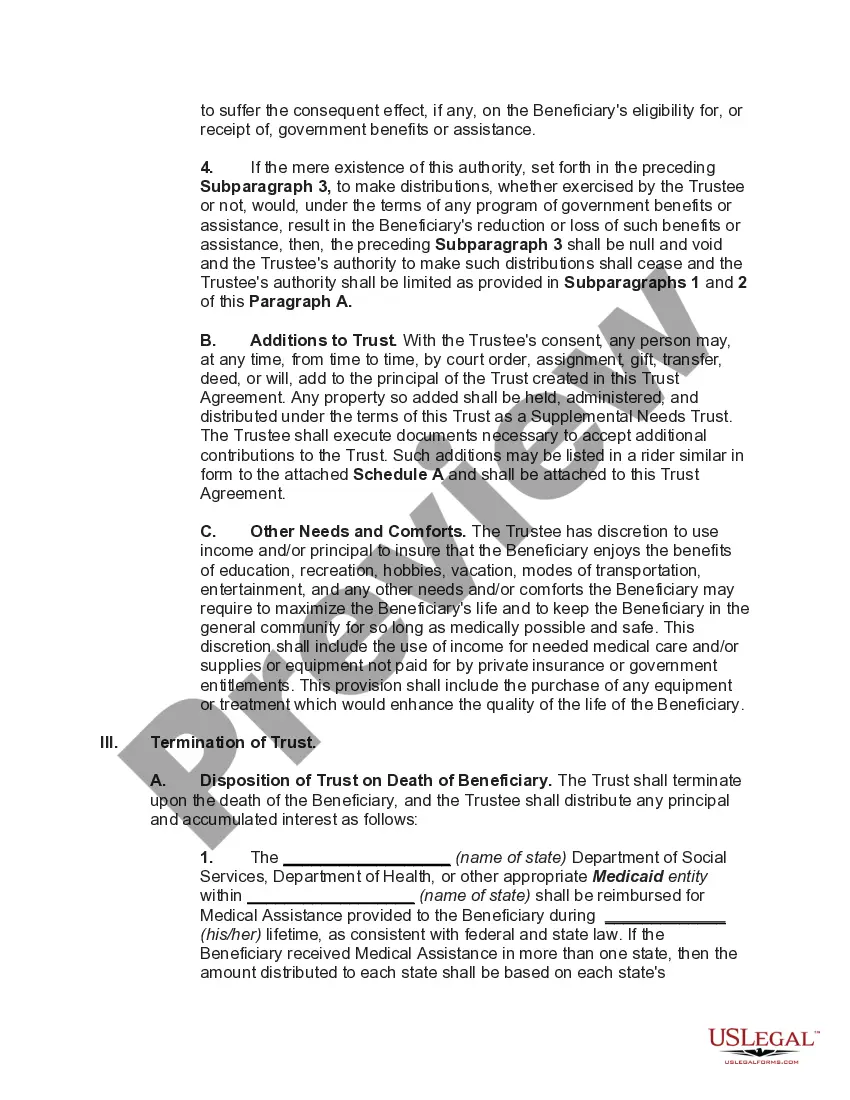
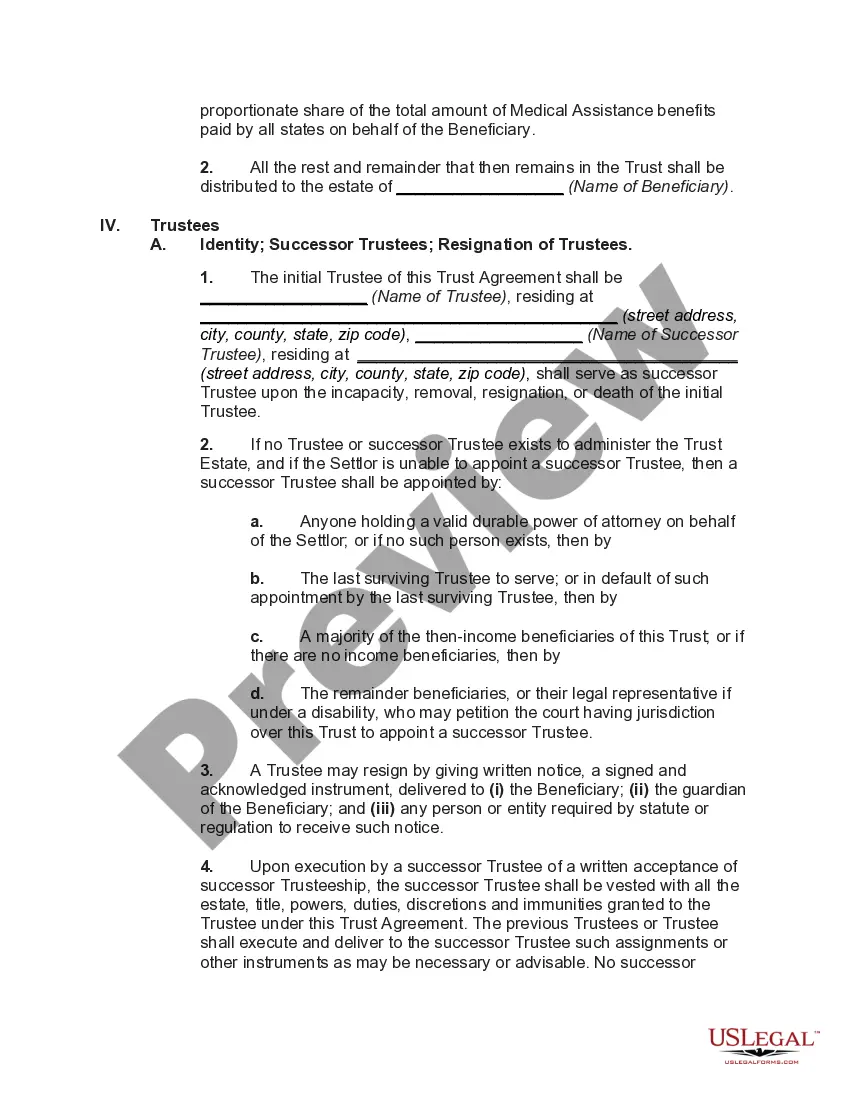
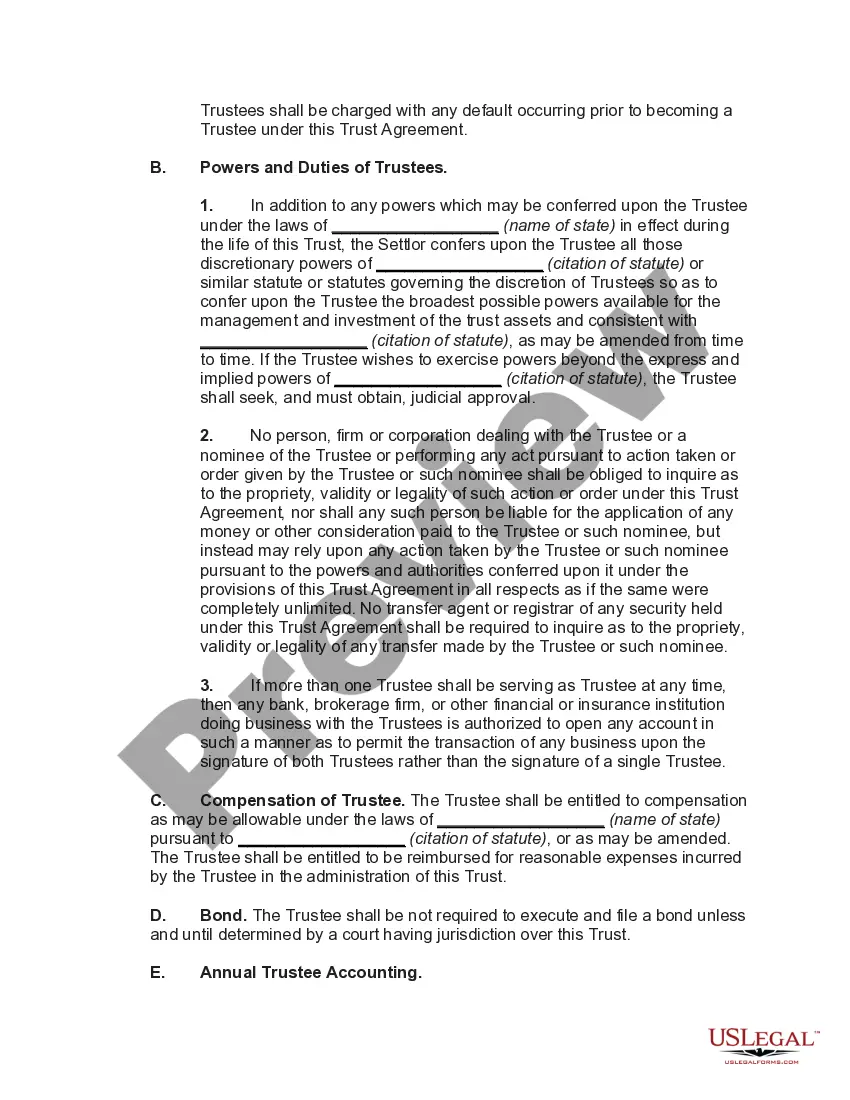
How to fill out Special Needs Irrevocable Trust Agreement For Benefit Of Disabled Child Of Trustor?
- If you are a returning user, log in to your account and select the form template required. Ensure that your subscription is active.
- For first-time users, check the Preview mode and description of the form to confirm it meets your needs and complies with local laws.
- If you need a different template, utilize the Search tab to find the correct one before proceeding.
- Purchase the document by clicking the Buy Now button and select your desired subscription plan. You'll need to register for an account for access.
- Complete your purchase by entering your payment information, either via credit card or PayPal.
- Download your form and save it instantly to complete it later or access it anytime via the My Forms section of your profile.
US Legal Forms provides a wide range of over 85,000 editable legal documents, surpassing competitors in value and selection. Users can also receive expert help with form completion to ensure accuracy.
Simplifying your document preparation is just a few clicks away. Start your journey with US Legal Forms today and secure your financial future.
Form popularity
FAQ
The owner of an irrevocable trust is the grantor, who creates the trust and transfers their assets into it. Once the irrevocable trust agreement with the owner is established, the grantor cannot easily change or revoke the trust. This design protects the trust's assets from creditors and ensures they are used according to the grantor's wishes.
The beneficial owners of irrevocable trusts are the individuals or entities designated in the trust agreement to receive benefits from the trust assets. While the trustee holds legal title, the beneficiaries receive distributions according to the terms of the irrevocable trust agreement with the owner. This structure helps protect the assets while providing financial support to the beneficiaries.
You can set up an irrevocable trust on your own, but it is often advisable to seek professional guidance. Drafting an irrevocable trust agreement with the owner requires understanding legal requirements and implications. If you choose to do it yourself, using a platform like USLegalForms can provide templates and resources to help ensure you meet all necessary criteria.
The title of the owner of a trust is referred to as the trustor or grantor. This person creates the irrevocable trust agreement with the owner, transferring their assets into the trust. While the trustor sets up the trust, once it is irrevocable, they relinquish control over the assets, entrusting them to the trustee for management.
In a unit trust, the legal ownership of assets is held by the trustee. The trustee manages these assets according to the terms outlined in the irrevocable trust agreement with the owner. While the trustee has legal title, the beneficiaries possess beneficial ownership, which grants them rights to the income and assets held in the trust.
Yes, you can write your own irrevocable trust agreement with the owner, but it is crucial to understand the specific legal requirements to make it valid. Ensure you include key information such as the identities of the grantor and beneficiaries, as well as asset descriptions and distribution instructions. To simplify the process, consider using US Legal Forms, which offers templates and guidance to help you create a legally sound document. Taking these steps protects your assets and assures your intentions are honored.
To fill out an irrevocable trust agreement with the owner, start by gathering necessary information about the grantor, beneficiaries, and assets involved. Clearly outline the terms and conditions, specifying how the assets will be managed and distributed. Utilize a reliable platform like US Legal Forms to ensure that you follow all legal requirements and include essential details. Properly completing this document can help secure your wishes and provide peace of mind.
The primary downfall of establishing an irrevocable trust agreement with the owner is the permanent transfer of asset ownership. This can affect your financial flexibility, as accessing the assets becomes complicated. Additionally, trusts can carry ongoing administrative responsibilities and costs that you should consider beforehand.
You can create and file your own irrevocable trust agreement with the owner, but it requires careful attention to detail. Drafting a trust involves legal nuances, which may lead to costly errors if not done correctly. Therefore, using a platform like uslegalforms can guide you through the process, ensuring all legal requirements are met.
One critical mistake parents often make when creating a trust fund is failing to clearly communicate their intentions to beneficiaries. An irrevocable trust agreement with the owner should include detailed instructions and expectations to avoid confusion or disputes later. Open discussions about family values and the purpose of the trust can help ensure everyone understands their roles.