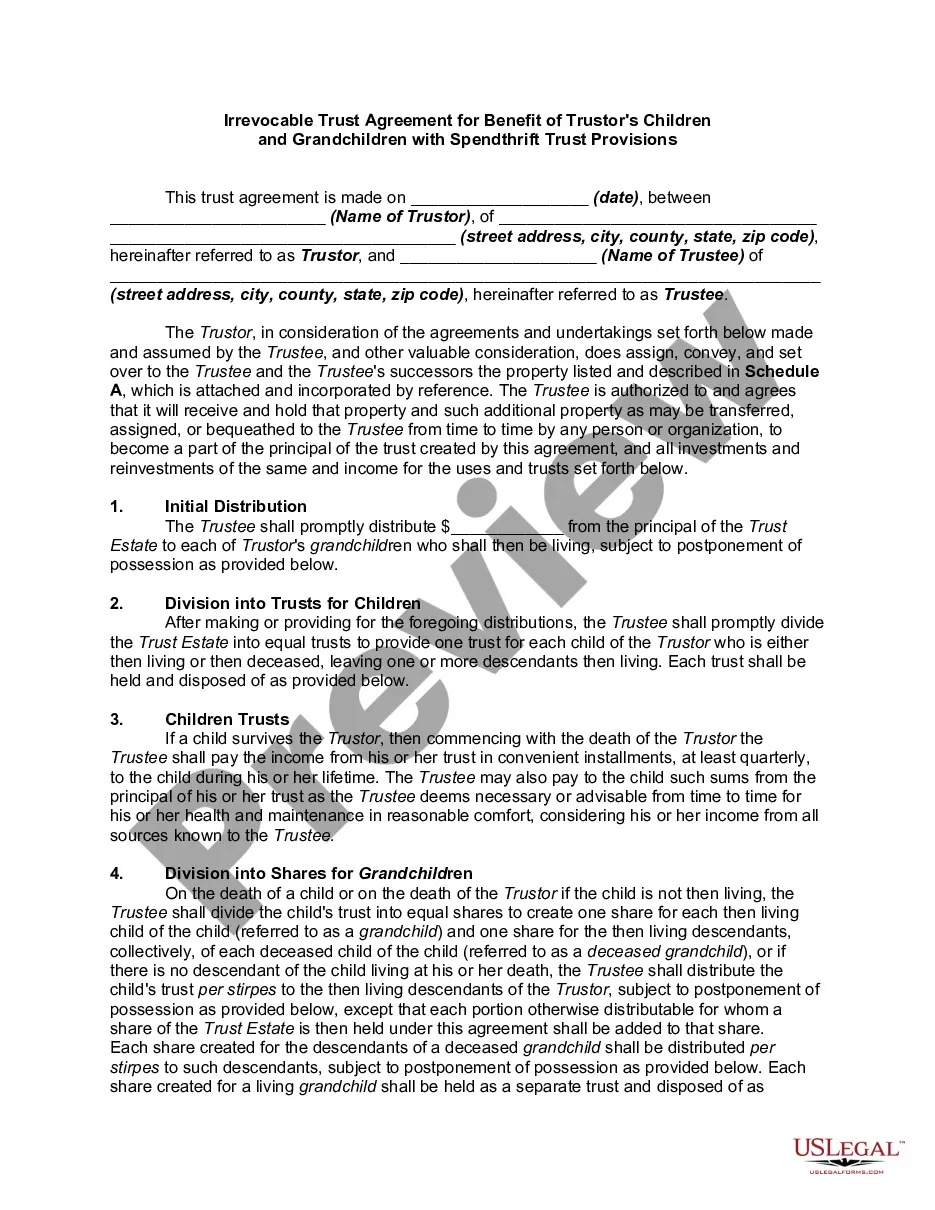
Irrevocable Trust Agreement With The Bank
Description
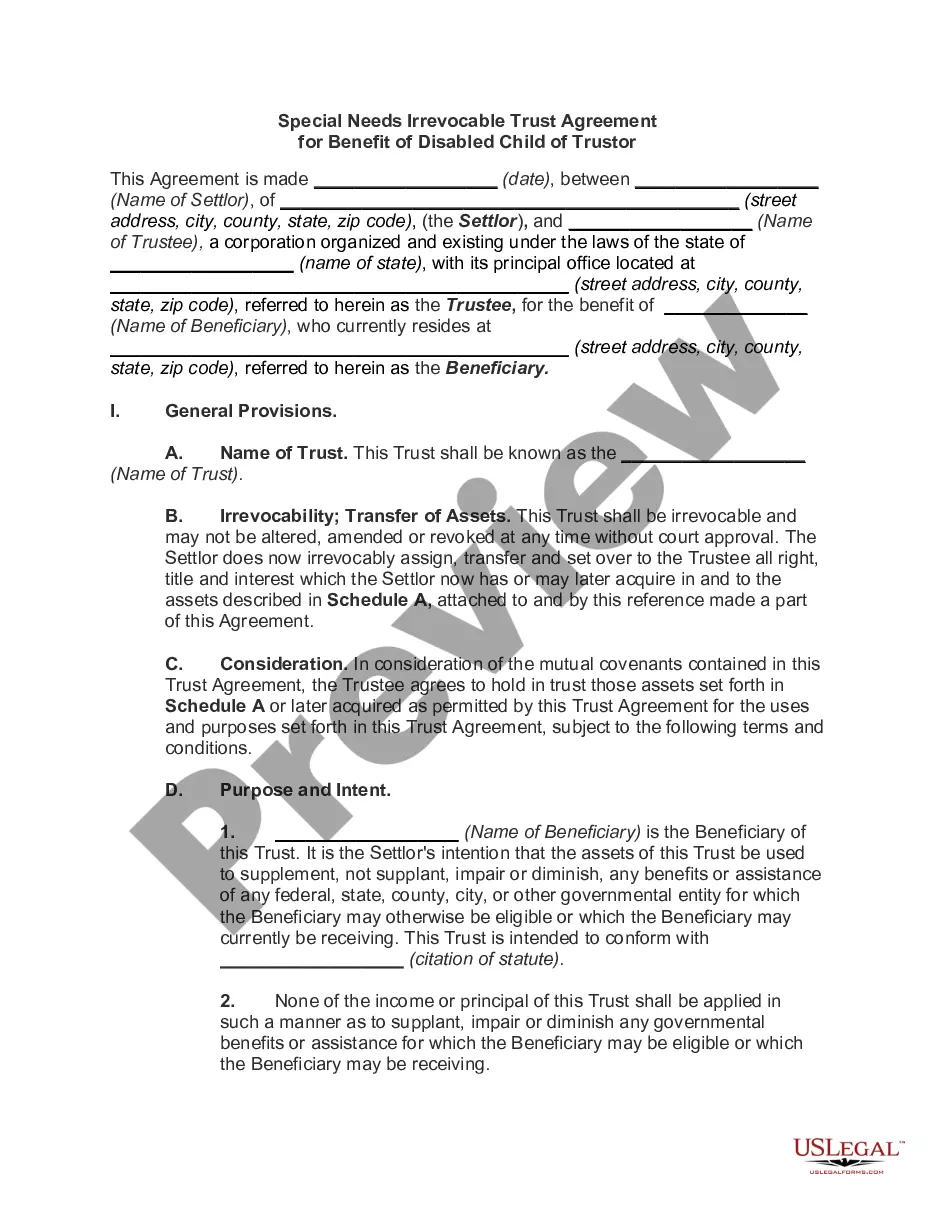
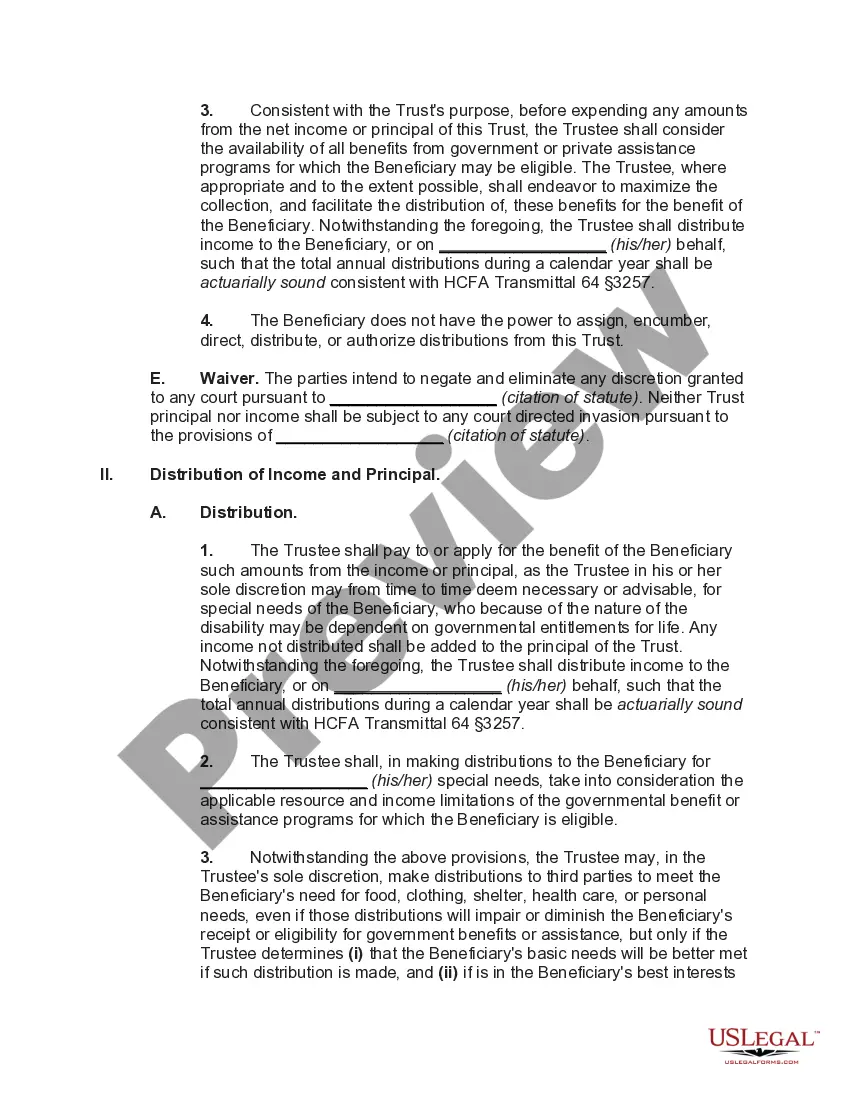
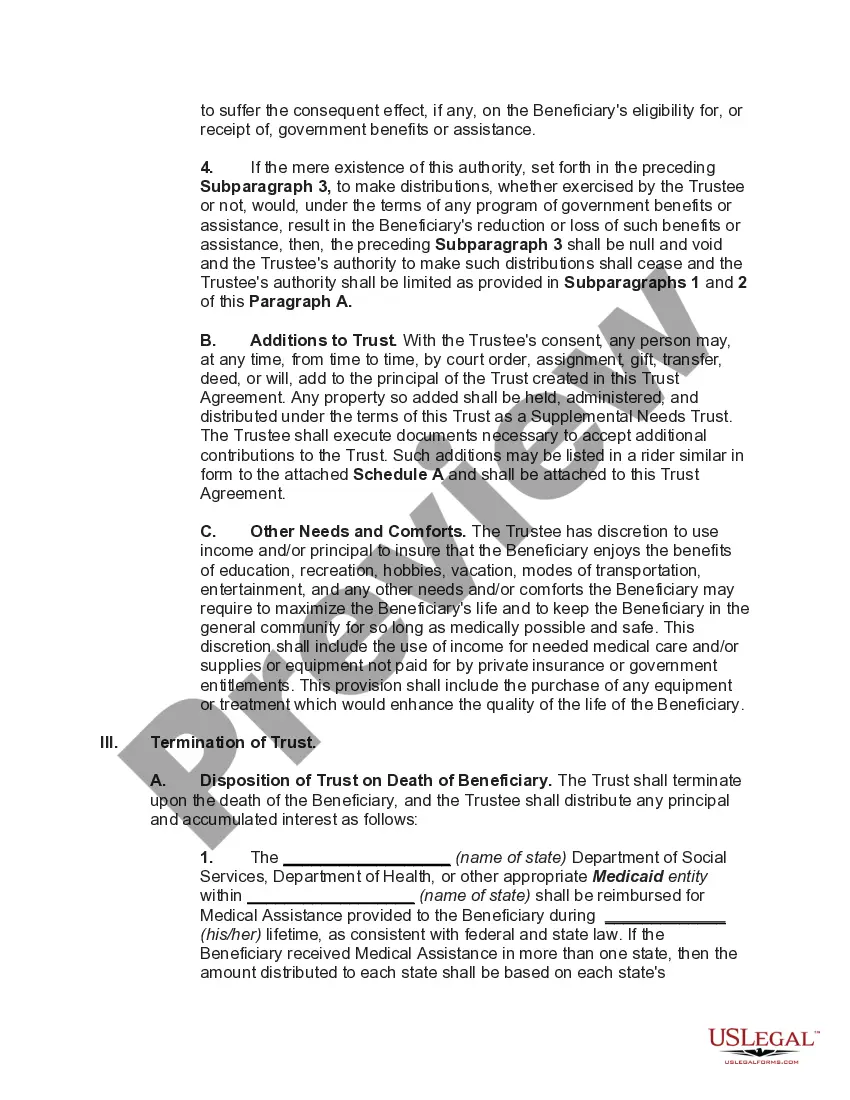
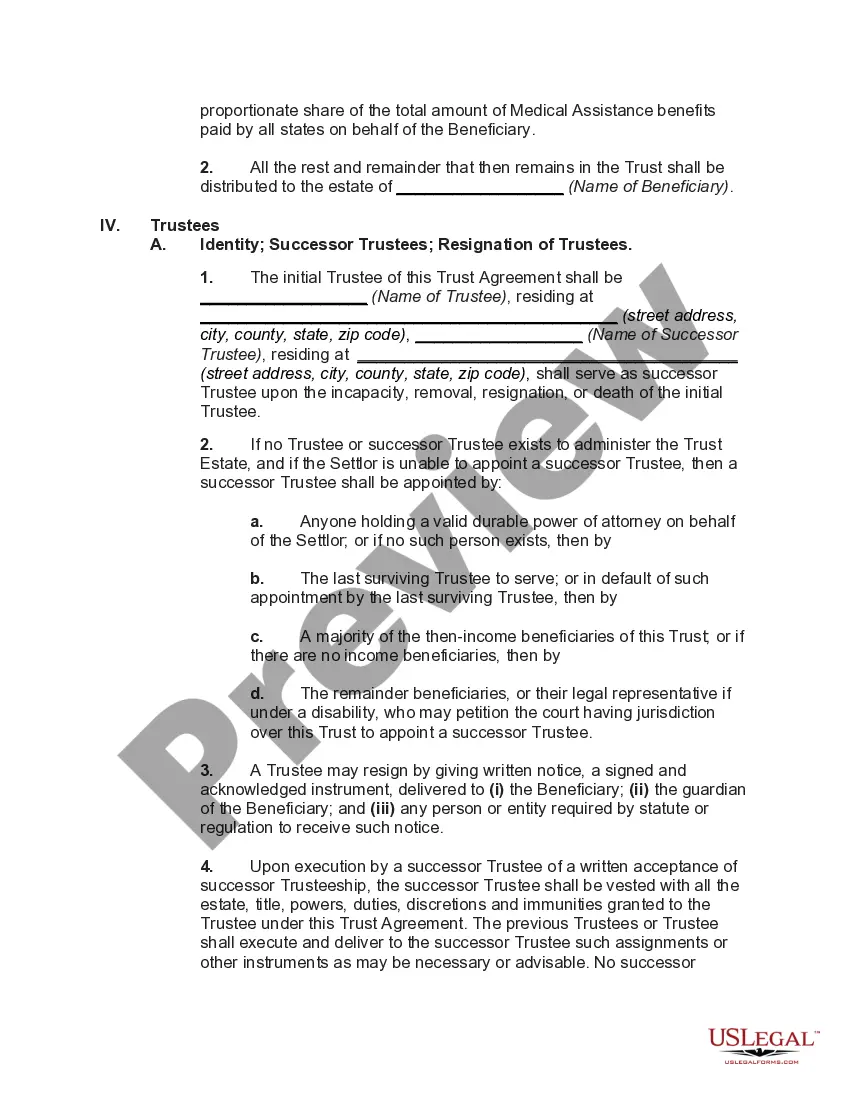
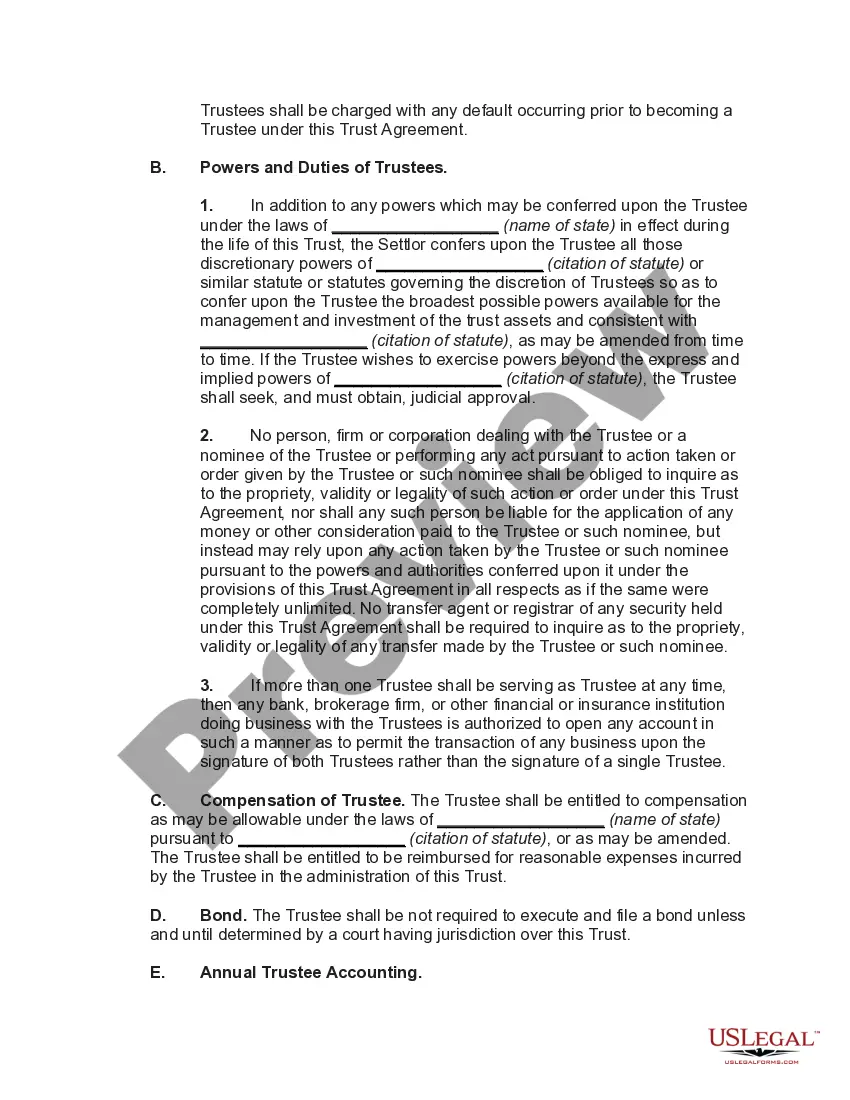
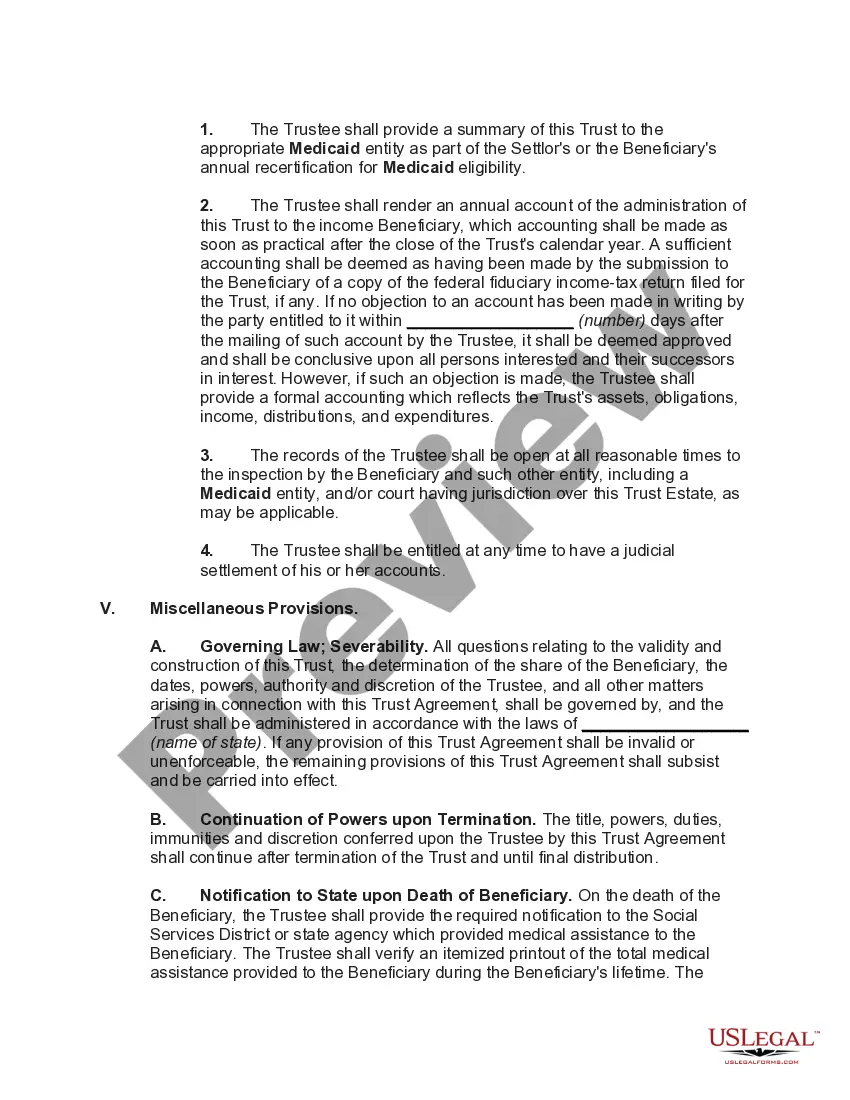
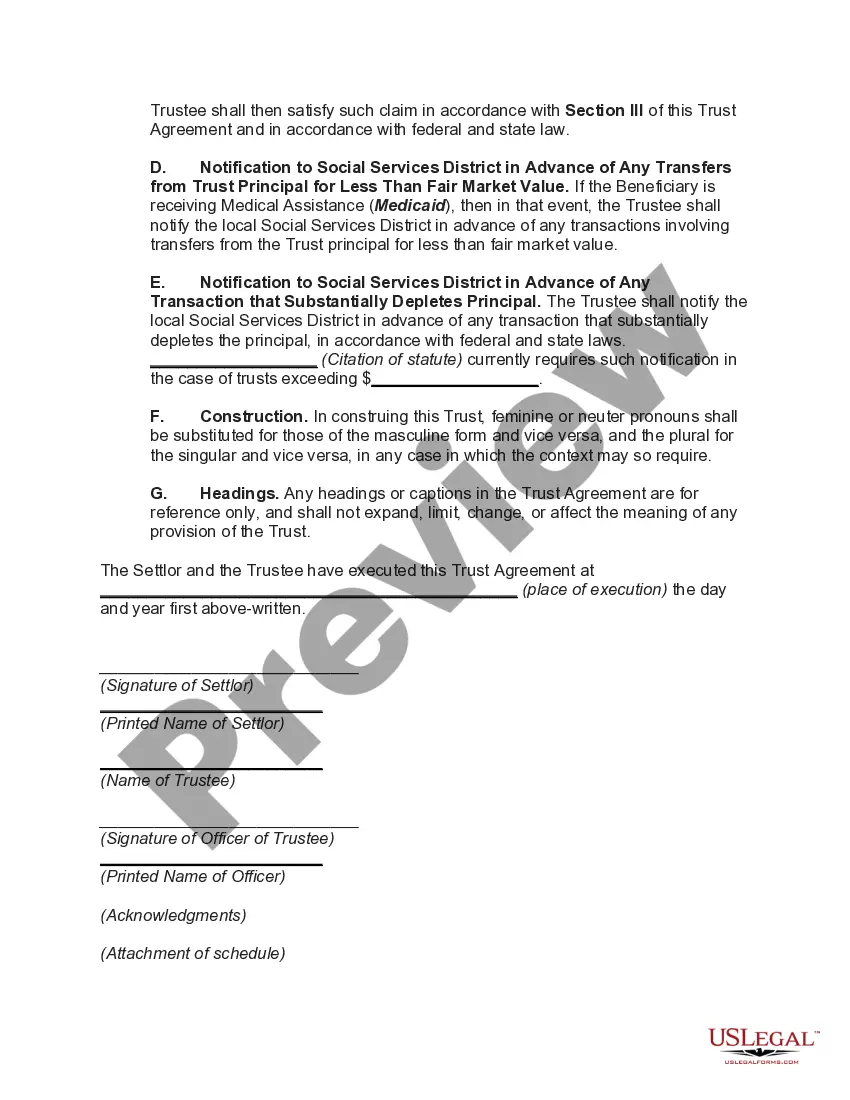
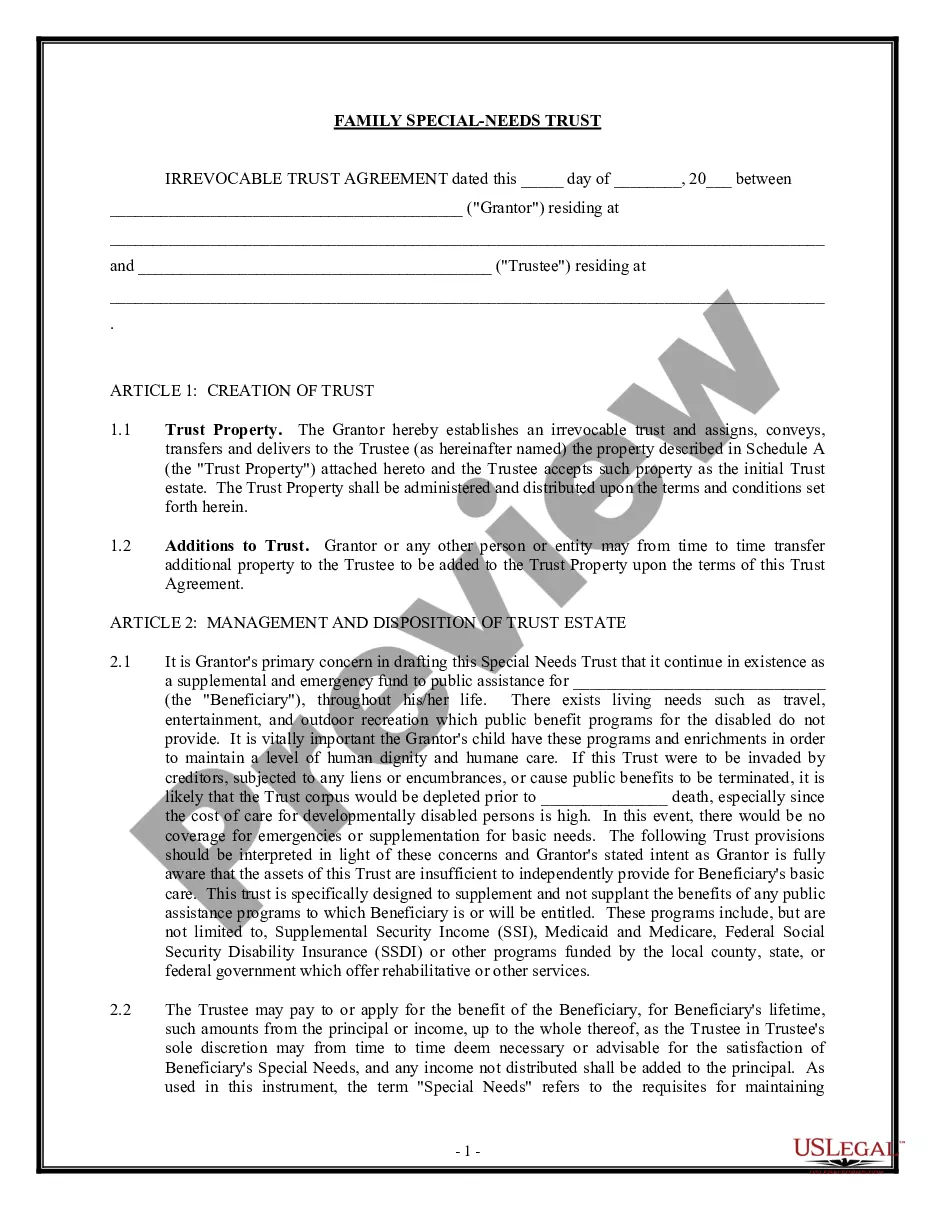


Get your form ready online
Our built-in tools help you complete, sign, share, and store your documents in one place.
Make edits, fill in missing information, and update formatting in US Legal Forms—just like you would in MS Word.
Download a copy, print it, send it by email, or mail it via USPS—whatever works best for your next step.
Sign and collect signatures with our SignNow integration. Send to multiple recipients, set reminders, and more. Go Premium to unlock E-Sign.
If this form requires notarization, complete it online through a secure video call—no need to meet a notary in person or wait for an appointment.
We protect your documents and personal data by following strict security and privacy standards.

Make edits, fill in missing information, and update formatting in US Legal Forms—just like you would in MS Word.

Download a copy, print it, send it by email, or mail it via USPS—whatever works best for your next step.

Sign and collect signatures with our SignNow integration. Send to multiple recipients, set reminders, and more. Go Premium to unlock E-Sign.

If this form requires notarization, complete it online through a secure video call—no need to meet a notary in person or wait for an appointment.

We protect your documents and personal data by following strict security and privacy standards.
Looking for another form?





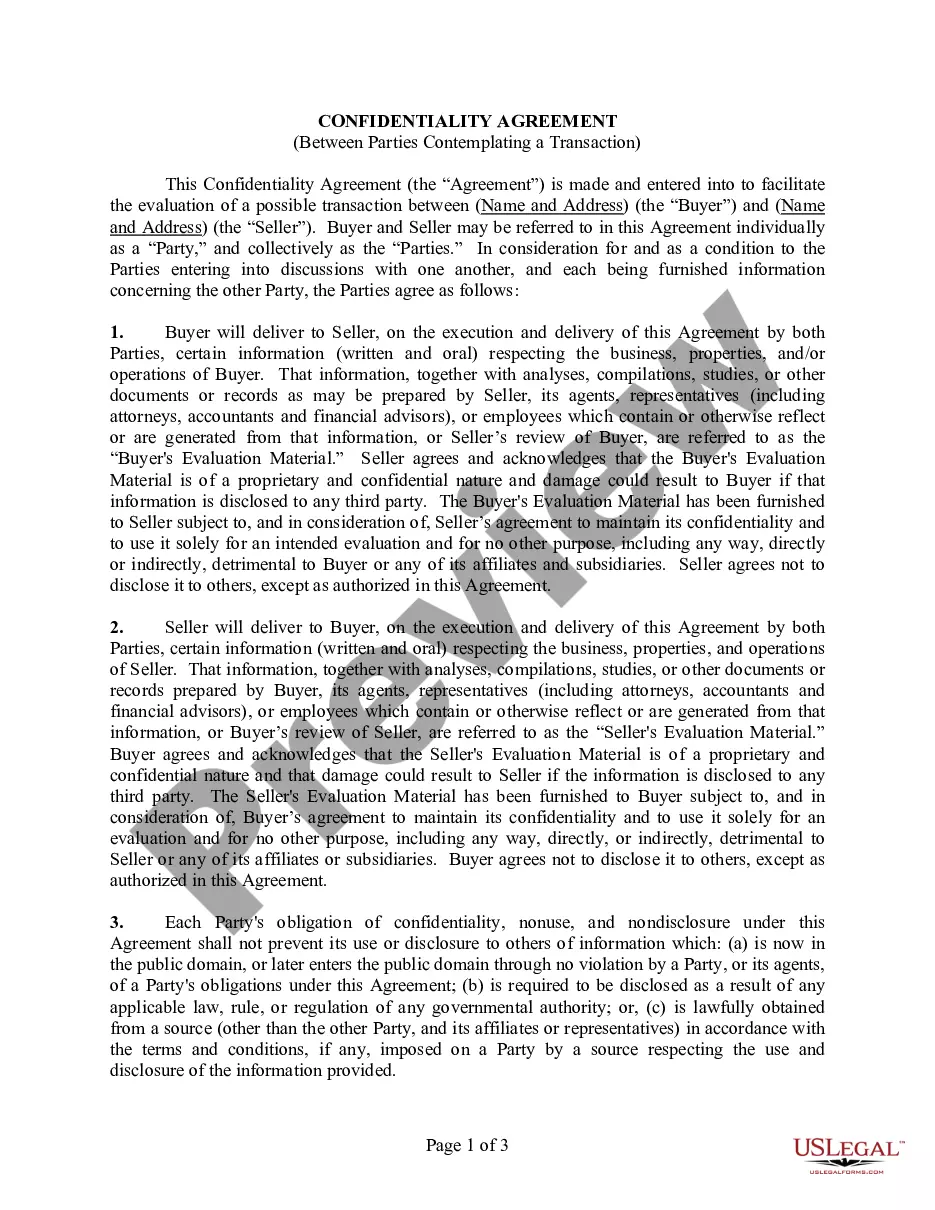



How to fill out Special Needs Irrevocable Trust Agreement For Benefit Of Disabled Child Of Trustor?
- Log into your US Legal Forms account if you're a returning user. If you're new, start by creating an account.
- Browse the preview mode of the irrevocable trust agreement template. Verify that it aligns perfectly with your requirements.
- If necessary, conduct a search for alternative templates that meet your specifications.
- Once you've found the correct document, click on the 'Buy Now' button and choose a subscription plan that suits you.
- Complete your purchase by entering your payment details, either through credit card or PayPal.
- Download your irrevocable trust agreement and save it on your device. You can access it later in the 'My Forms' section of your account.
In conclusion, US Legal Forms provides an efficient way to obtain an irrevocable trust agreement with the bank. With a robust collection of forms and access to expert assistance, you can ensure your document is legally sound and compliant. Don't hesitate—start your process today!
Visit US Legal Forms now to explore the extensive library and get started on your legal document needs.
Form popularity
FAQ
Yes, placing bank accounts in an irrevocable trust agreement with the bank can be a wise decision. It provides various benefits, including asset protection and streamlined estate management. Additionally, if structured correctly, it can help avoid probate, ensuring a smooth transition for your heirs. However, it’s crucial to consult with financial and legal professionals to assess your unique situation.
The primary purpose of a trust agreement, such as an irrevocable trust agreement with the bank, is to manage and protect your assets. This type of trust ensures that your wealth is distributed according to your wishes, even after your passing. A trust can also help minimize estate taxes and provide for the financial needs of your beneficiaries. Understanding this purpose can facilitate better planning for your future.
Trust agreements, including an irrevocable trust agreement with the bank, do have drawbacks. One major disadvantage is that once established, you generally cannot modify or revoke the trust without the consent of all beneficiaries. Additionally, the trust assets may be subject to certain tax implications, which could affect your overall financial strategy. It's essential to weigh these factors carefully before proceeding.
Yes, a bank can assist you in setting up an irrevocable trust agreement with the bank. This process typically involves working with a trust department that specializes in managing such agreements. The bank can help you understand the terms and conditions of the trust, ensuring it meets your financial goals. Using a bank for your irrevocable trust provides an added layer of professional management.
A trust agreement in banking establishes a fiduciary arrangement between a trustor and a trustee. This helps manage assets, such as an irrevocable trust agreement with the bank, to benefit designated beneficiaries. The agreement details the trustee’s responsibilities and the distribution of assets, ensuring compliance with legal standards. To ensure your trust agreement meets all necessary legal requirements, the uslegalforms platform provides reliable templates and guidance.
Banks typically do not lend to irrevocable trusts because these trusts cannot easily provide collateral. An irrevocable trust agreement with the bank limits the access to assets, making it difficult for banks to secure repayment. Moreover, the terms of the trust usually restrict the trustee's ability to take on debt. Therefore, if you seek to navigate this situation, consider using uslegalforms to create a clear trust agreement that outlines your financial intentions.
While irrevocable trusts provide significant benefits, they also come with challenges, mainly regarding control over your assets. Once you establish an irrevocable trust agreement with the bank, you relinquish ownership, which may not align with everyone's financial strategy. It's crucial to weigh the long-term advantages against these restrictions, and platforms like uslegalforms can help you navigate these decisions effectively.
Banks often find irrevocable trusts less appealing due to their complexity and potential legal complications. The irrevocable trust agreement with the bank might place strict limitations on asset management and distribution, making it harder for banks to assess risk. This cautious approach is typical as banks prioritize straightforward lending scenarios.
Banks may hesitate to lend to irrevocable trusts because they view these structures as less stable compared to personal borrowers. The irrevocable trust agreement with the bank creates restrictions that may limit the borrower's ability to repay loans. Financial institutions prefer to lend to individuals with proven creditworthiness, making it more challenging for trusts to secure funding.
Filling out an irrevocable trust involves several steps, including identifying the trust's purpose, appointing a trustee, and detailing the assets included in the trust. Utilize the irrevocable trust agreement with the bank to establish clear guidelines for management and distribution of the trust's assets. You may find it helpful to use platforms like uslegalforms, which provide templates and support for these documents.