Indiana Special Needs Trust Withdrawal
Description

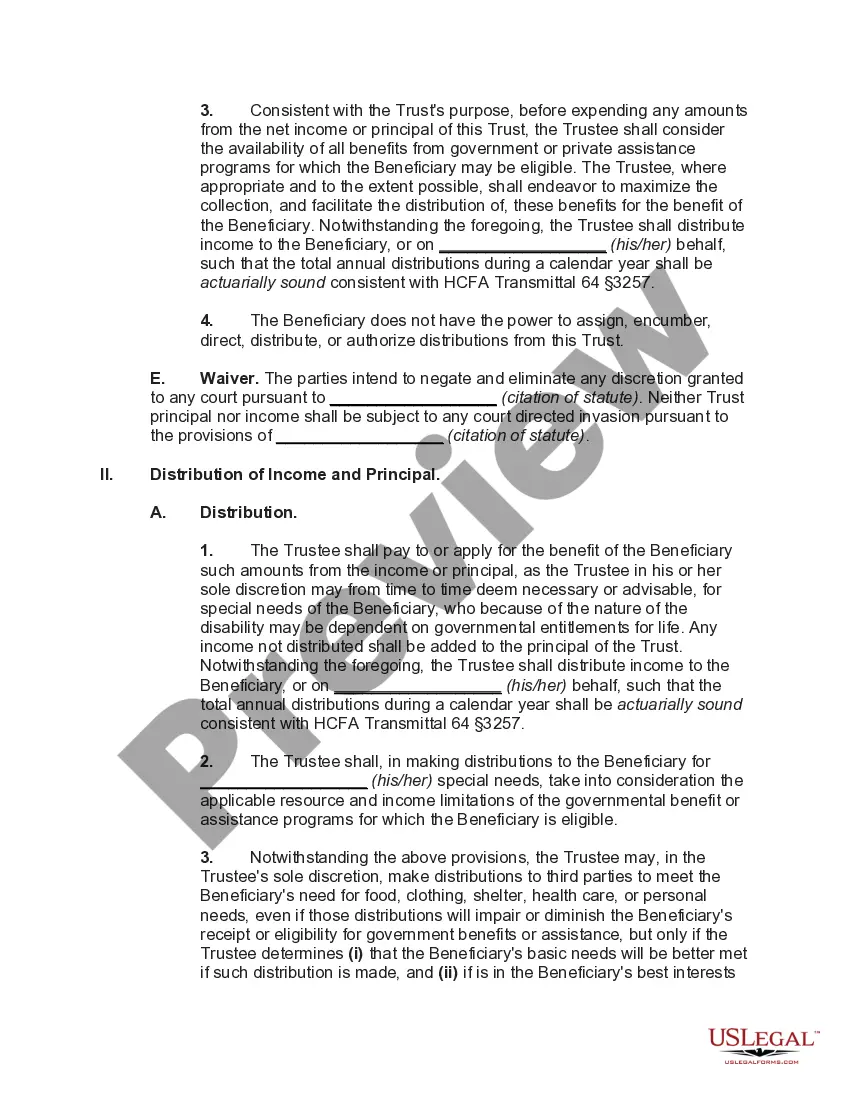
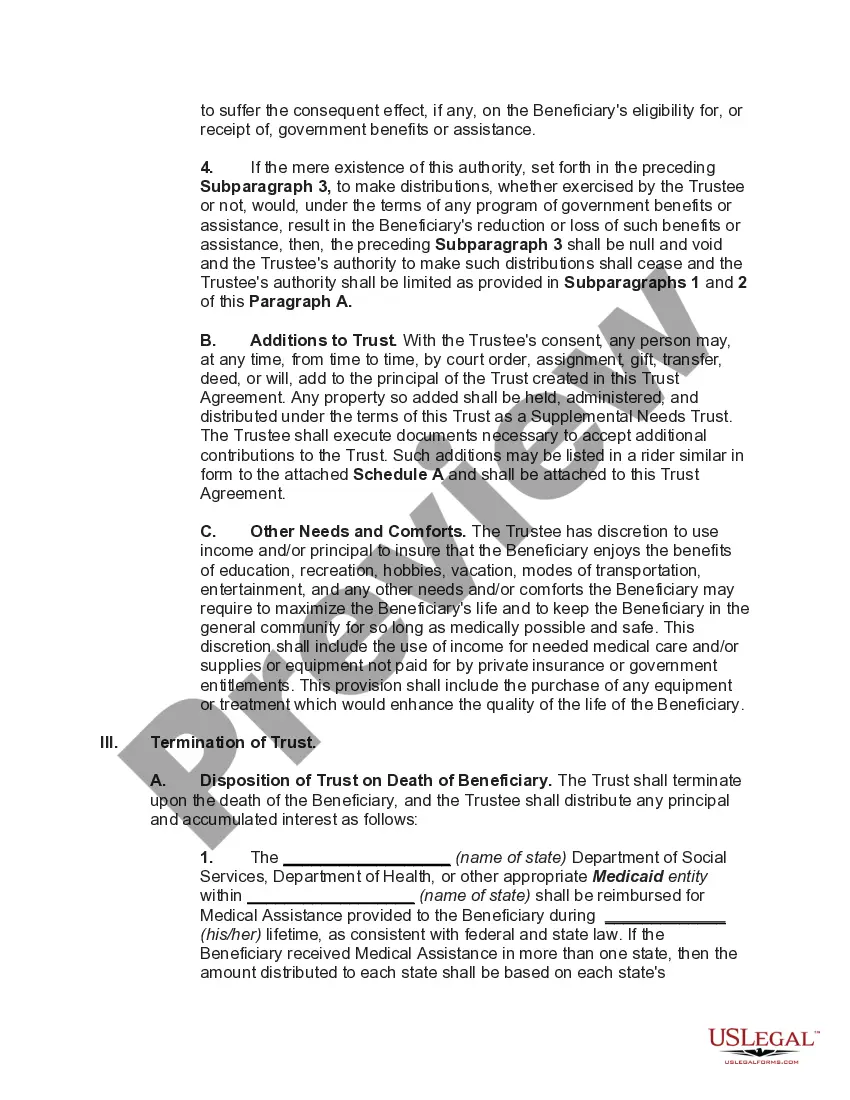
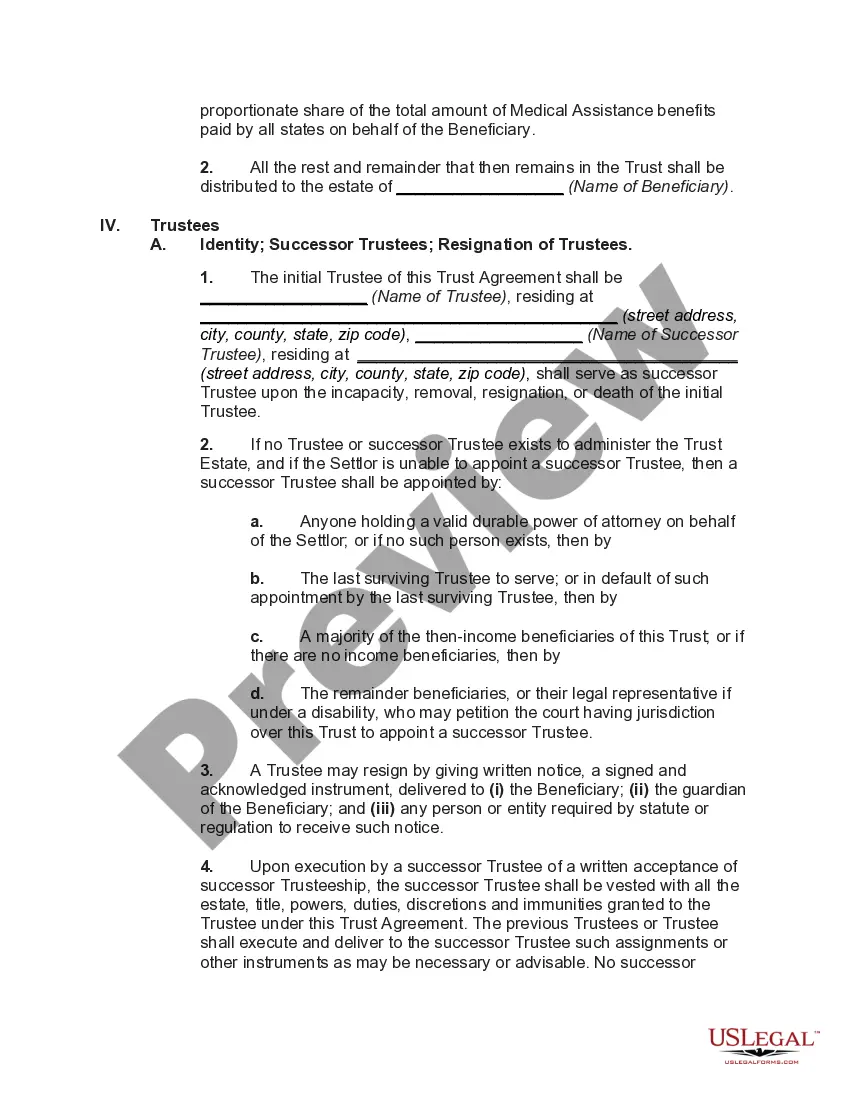
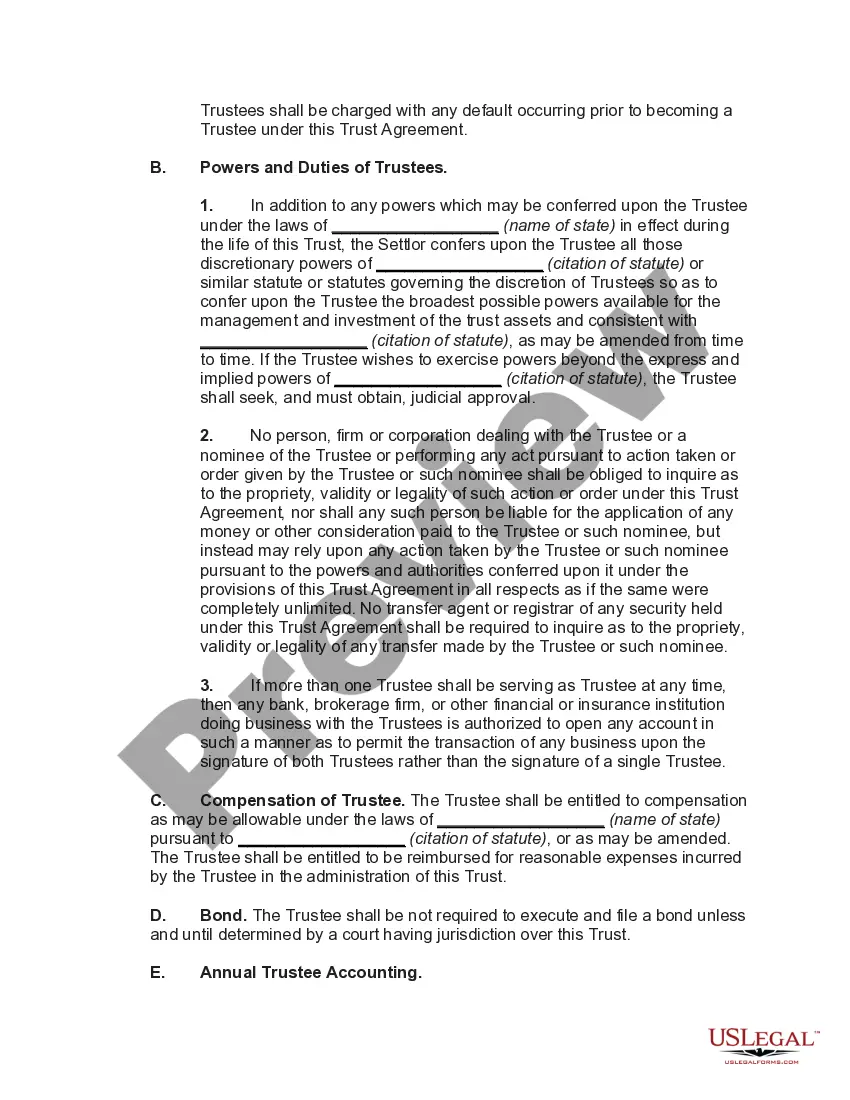




Get your form ready online
Our built-in tools help you complete, sign, share, and store your documents in one place.
Make edits, fill in missing information, and update formatting in US Legal Forms—just like you would in MS Word.
Download a copy, print it, send it by email, or mail it via USPS—whatever works best for your next step.
Sign and collect signatures with our SignNow integration. Send to multiple recipients, set reminders, and more. Go Premium to unlock E-Sign.
If this form requires notarization, complete it online through a secure video call—no need to meet a notary in person or wait for an appointment.
We protect your documents and personal data by following strict security and privacy standards.

Make edits, fill in missing information, and update formatting in US Legal Forms—just like you would in MS Word.

Download a copy, print it, send it by email, or mail it via USPS—whatever works best for your next step.

Sign and collect signatures with our SignNow integration. Send to multiple recipients, set reminders, and more. Go Premium to unlock E-Sign.

If this form requires notarization, complete it online through a secure video call—no need to meet a notary in person or wait for an appointment.

We protect your documents and personal data by following strict security and privacy standards.
Looking for another form?
How to fill out Special Needs Irrevocable Trust Agreement For Benefit Of Disabled Child Of Trustor?
Legal management can be exasperating, even for the most seasoned experts.
When you are looking for an Indiana Special Needs Trust Withdrawal and don’t have the opportunity to invest time searching for the correct and current version, the procedures might be taxing.
US Legal Forms addresses any needs you may have, from personal to corporate documents, all in one place.
Utilize advanced tools to complete and manage your Indiana Special Needs Trust Withdrawal.
Here are the steps to follow after downloading the form you desire: Validate this is the correct document by previewing it and reviewing its description. Ensure that the sample is accepted in your state or county. Choose Buy Now when you are ready. Select a subscription plan. Find the format you want, and Download, complete, eSign, print, and send your document. Enjoy the US Legal Forms web directory, supported by 25 years of experience and reliability. Transform your daily document management into a seamless and user-friendly process today.
- Access a valuable resource library of articles, guides, and materials related to your situation and needs.
- Save time and effort searching for the documents you require, and use US Legal Forms’ advanced search and Review feature to find Indiana Special Needs Trust Withdrawal and obtain it.
- If you have a monthly subscription, Log In to your US Legal Forms account, search for the form, and obtain it.
- Check your My documents tab to view the documents you have previously downloaded as well as organize your folders as needed.
- If this is your first experience with US Legal Forms, create an account and gain unlimited access to all platform benefits.
- A robust web form directory might be a transformative solution for anyone wishing to handle these circumstances proficiently.
- US Legal Forms is a frontrunner in online legal documents, with over 85,000 state-specific legal forms accessible at any moment.
- With US Legal Forms, you can access local or regional legal and organizational forms.
Form popularity
FAQ
The grantor can opt to have the beneficiaries receive trust property directly without any restrictions. The trustee can write the beneficiary a check, give them cash, and transfer real estate by drawing up a new deed or selling the house and giving them the proceeds.
The trustee works in very close contact with the beneficiary and/or their caregiver to manage the trust and its financial distributions to pay for these things. The main takeaway regarding distribution of SNT funds is this: The beneficiary never sees the money directly, but the money is used to pay for their needs.
Income from a QDisT is reported on Internal Revenue Service (IRS) Form 1041, with a unique Employer Identification Number (EIN), while distributions to the beneficiary will be taxed on their own Form 1040 tax return.
In the case of third party special needs trusts, if the trust is considered a grantor trust, all items of income, deduction and credit are generally taxed to the individual(s) who created and funded the trust (typically parents or other relatives of the individual with a disability).
The Trustee simply transfers all assets to the beneficiary. Distribution is also fairly easy if the trust document identifies all assets and specific amounts to be paid to each beneficiary. Distributions by percentages are a little more complicated as the Trustee should first establish the estate's fair market value.