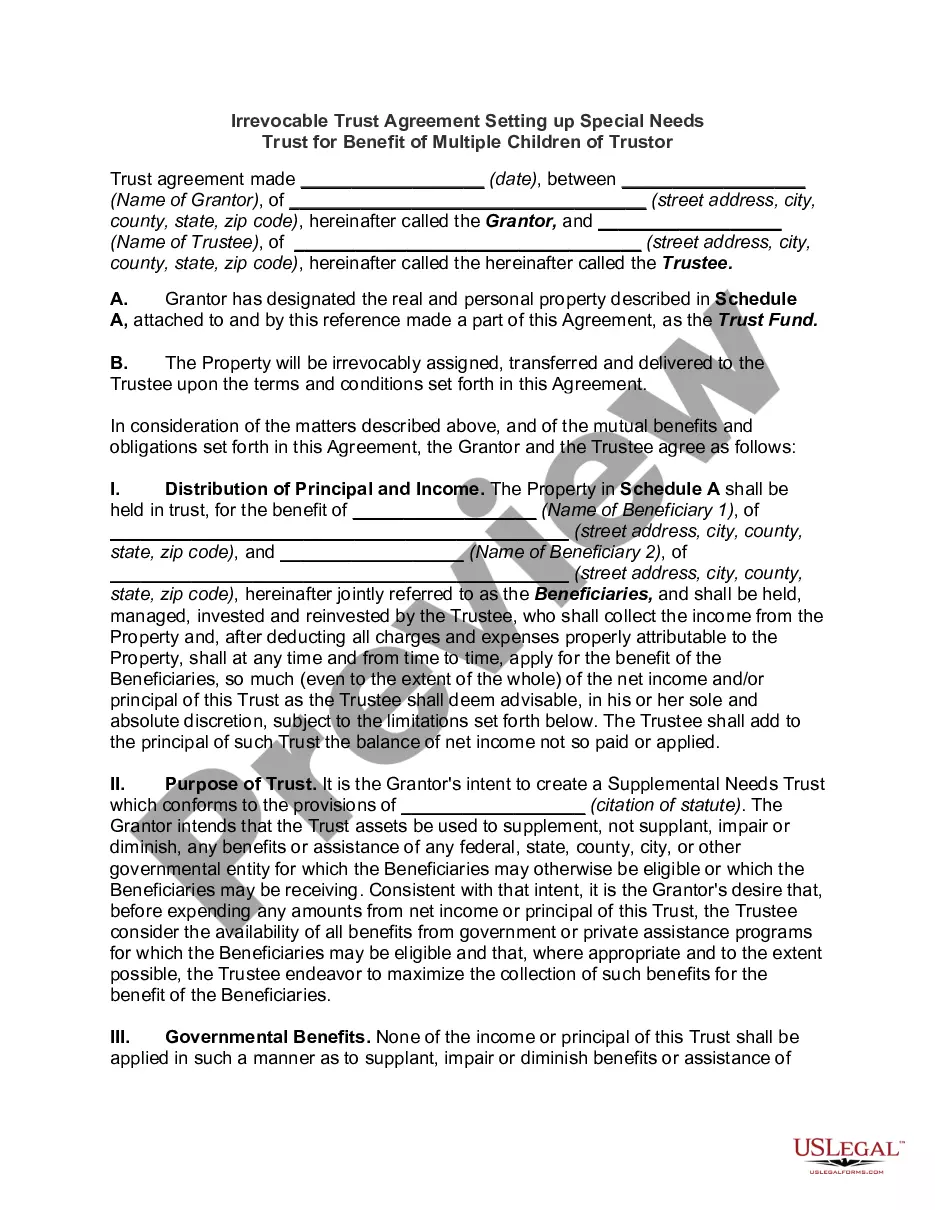
Indiana Special Needs Trust For
Description

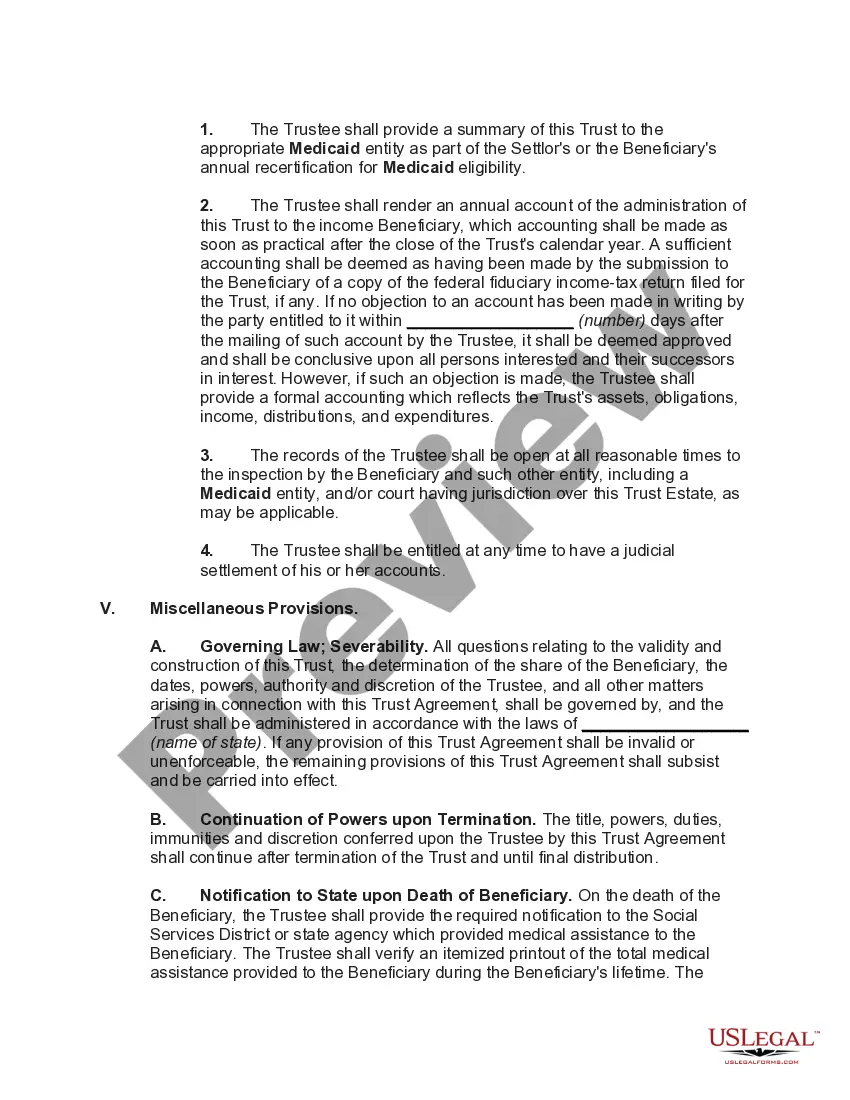
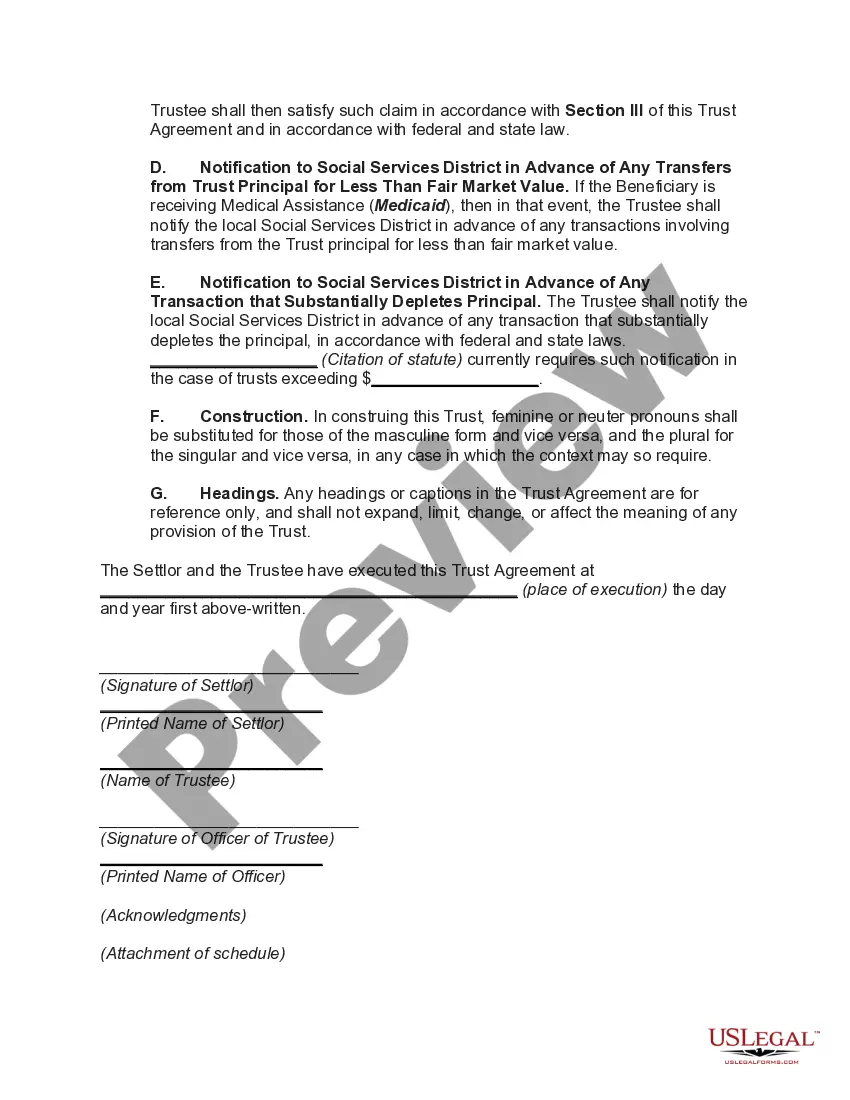
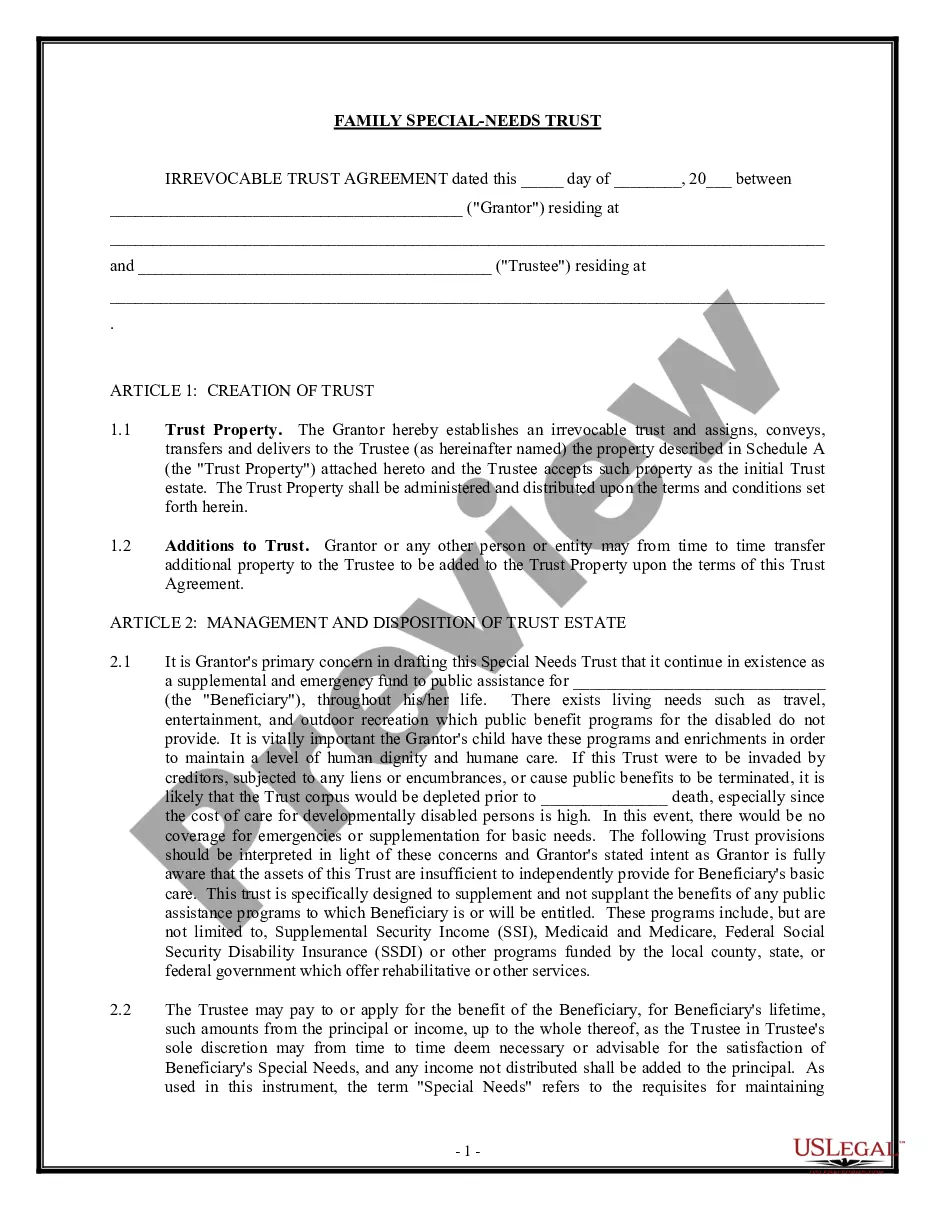
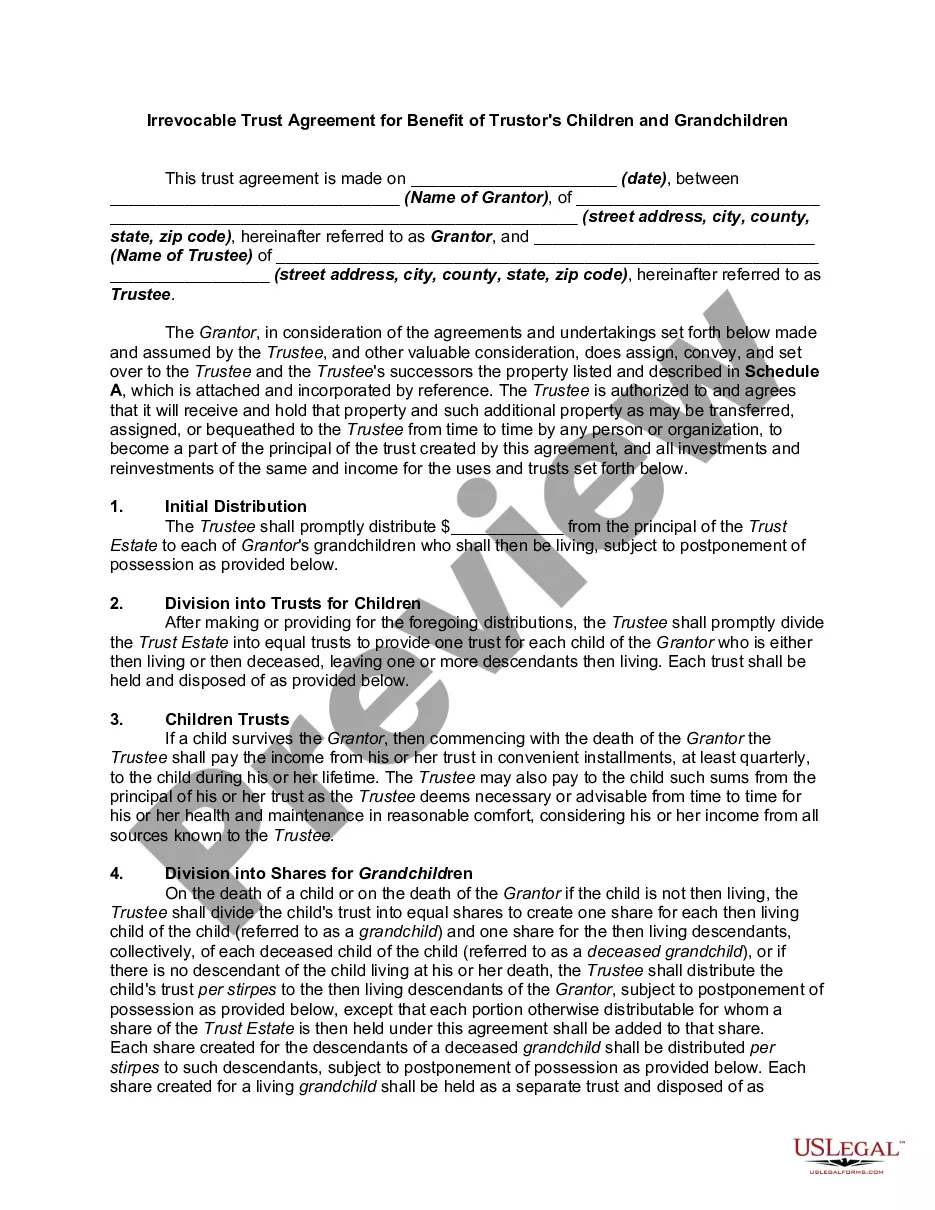

Get your form ready online
Our built-in tools help you complete, sign, share, and store your documents in one place.
Make edits, fill in missing information, and update formatting in US Legal Forms—just like you would in MS Word.
Download a copy, print it, send it by email, or mail it via USPS—whatever works best for your next step.
Sign and collect signatures with our SignNow integration. Send to multiple recipients, set reminders, and more. Go Premium to unlock E-Sign.
If this form requires notarization, complete it online through a secure video call—no need to meet a notary in person or wait for an appointment.
We protect your documents and personal data by following strict security and privacy standards.

Make edits, fill in missing information, and update formatting in US Legal Forms—just like you would in MS Word.

Download a copy, print it, send it by email, or mail it via USPS—whatever works best for your next step.

Sign and collect signatures with our SignNow integration. Send to multiple recipients, set reminders, and more. Go Premium to unlock E-Sign.

If this form requires notarization, complete it online through a secure video call—no need to meet a notary in person or wait for an appointment.

We protect your documents and personal data by following strict security and privacy standards.
Looking for another form?


How to fill out Special Needs Irrevocable Trust Agreement For Benefit Of Disabled Child Of Trustor?
Whether for commercial reasons or for personal matters, everyone must confront legal situations at some point in their life.
Filling out legal documents requires meticulous attention, starting from selecting the appropriate form template.
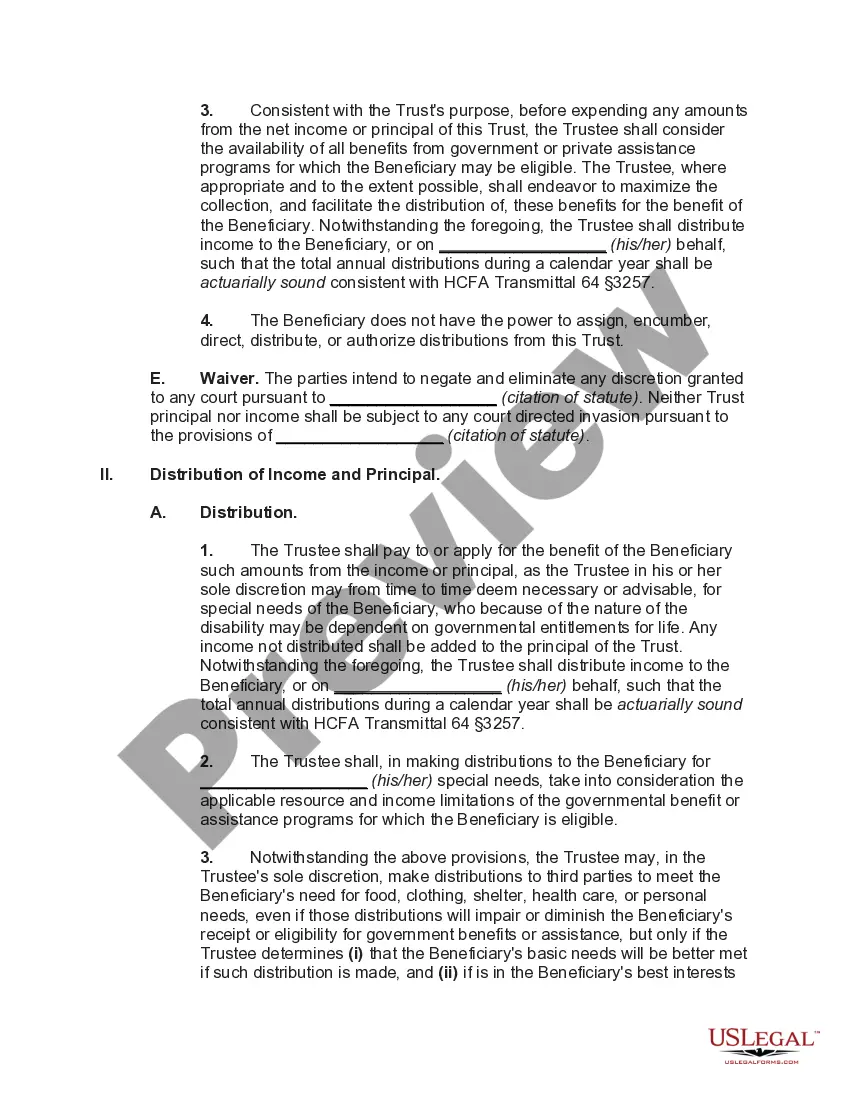
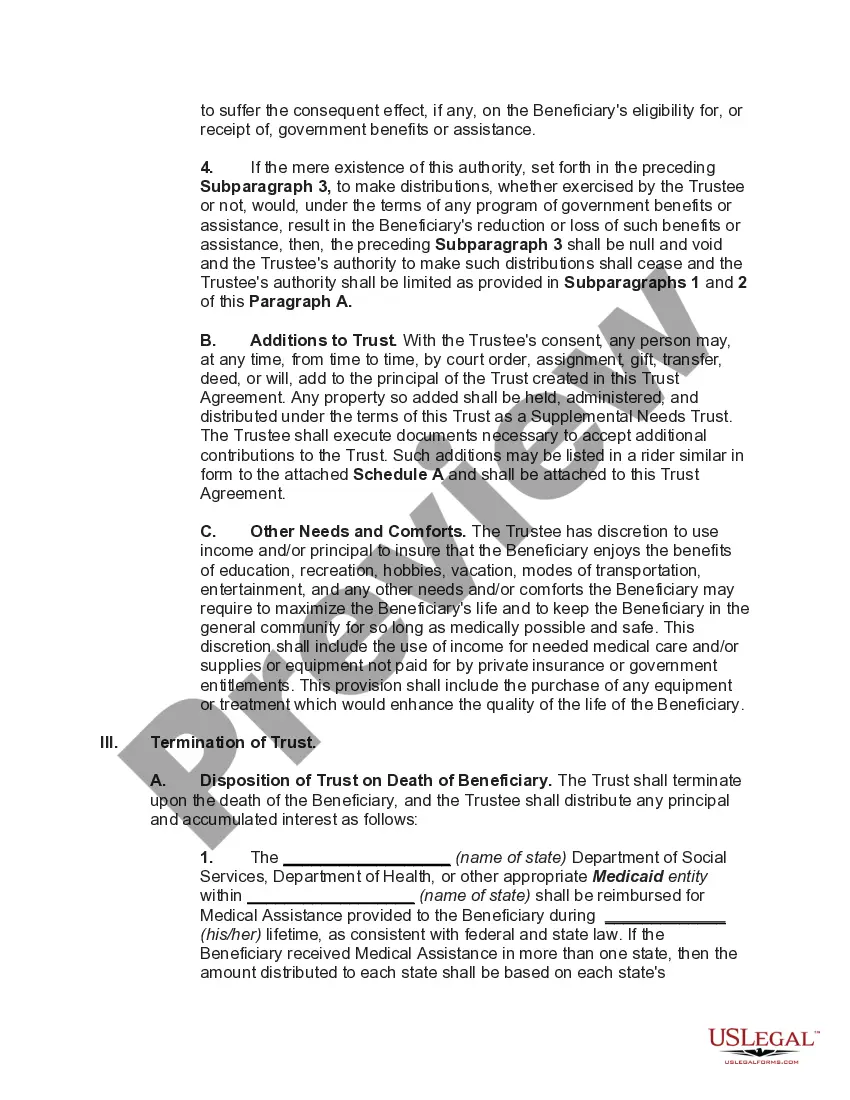
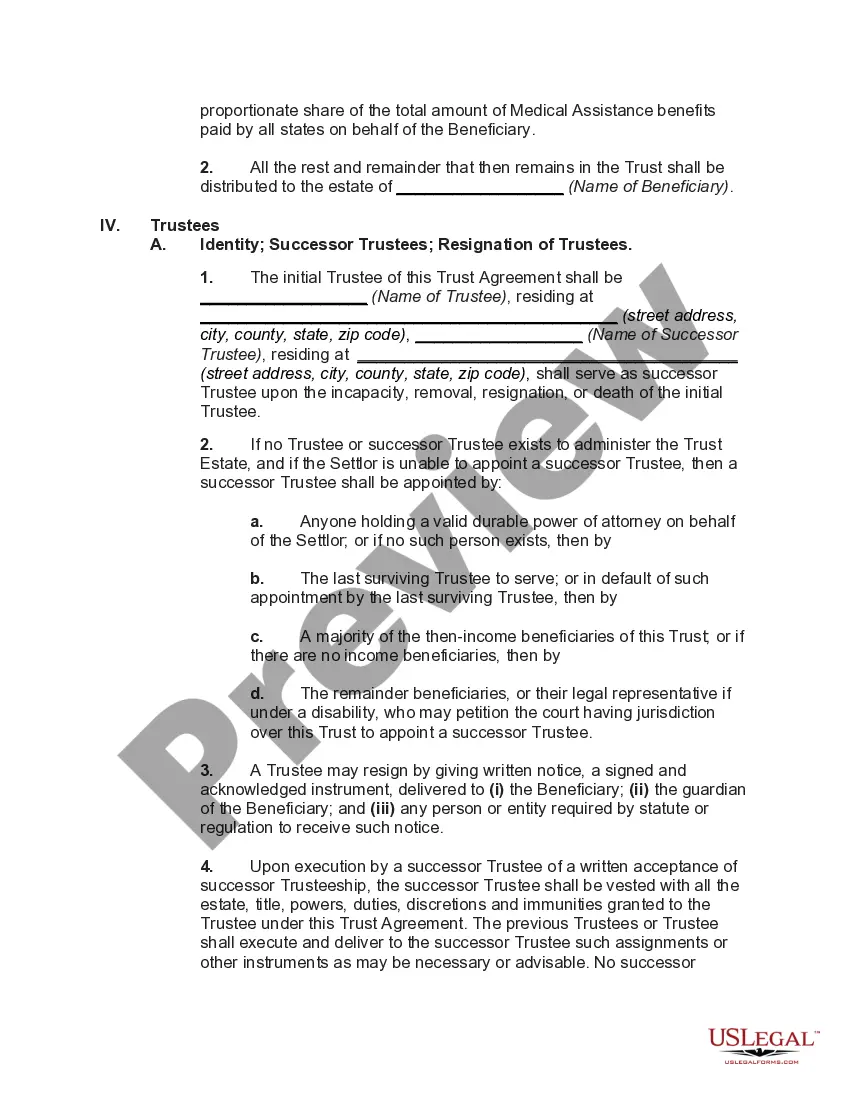
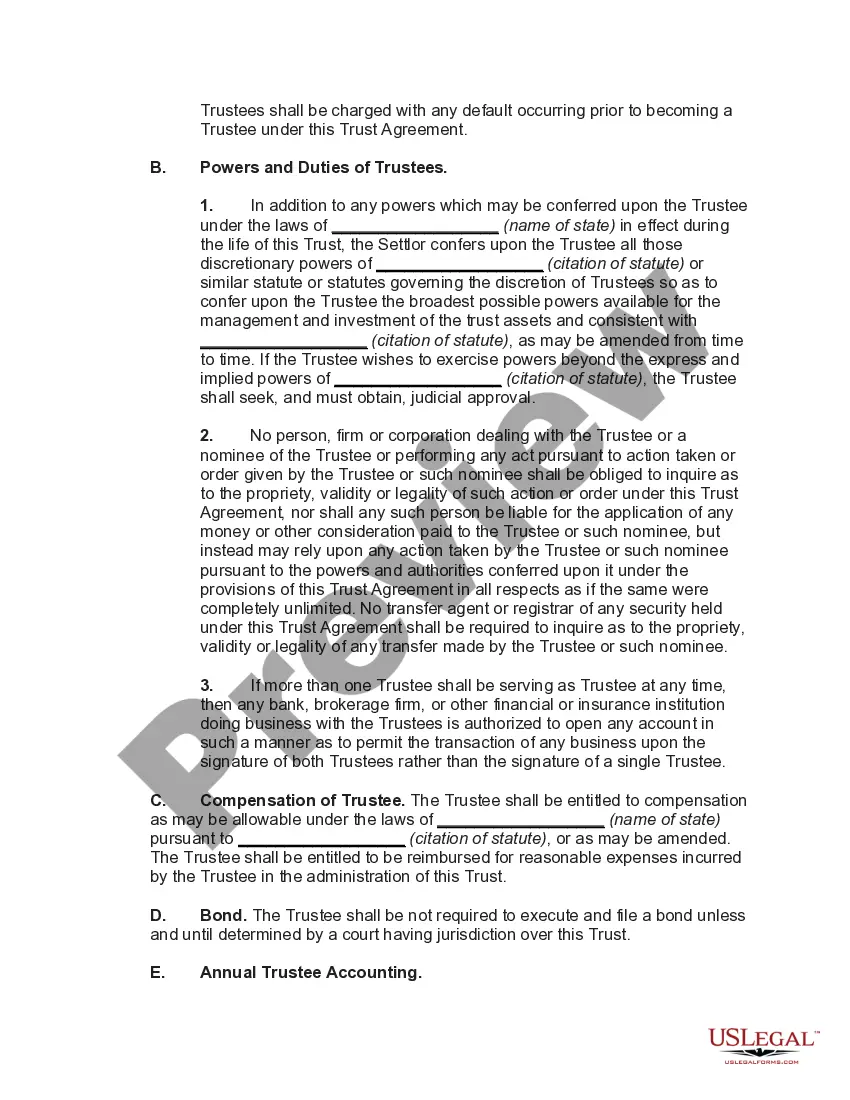
Once it is saved, you can fill out the form using editing software or print it and complete it by hand. With a vast US Legal Forms library available, you don’t have to waste time searching for the correct template online. Use the library’s easy navigation to find the suitable document for any circumstance.
- For example, if you select an incorrect version of an Indiana Special Needs Trust For, it will be denied when submitted.
- Thus, it is essential to have a reliable source of legal documents like US Legal Forms.
- If you need to obtain an Indiana Special Needs Trust For template, follow these uncomplicated steps.
- Locate the template you require by using the search box or catalog browsing.
- Review the form’s details to confirm it suits your situation, state, and county.
- Click on the form’s preview to inspect it.
- If it is the wrong form, return to the search tool to find the Indiana Special Needs Trust For template you need.
- Acquire the template if it aligns with your requirements.
- If you possess a US Legal Forms account, simply click Log in to access previously saved documents in My documents.
- Should you not have an account yet, you can obtain the form by clicking Buy now.
- Select the appropriate pricing option.
- Complete the account registration form.
- Choose your payment method: utilize a credit card or PayPal account.
- Select the file format you prefer and download the Indiana Special Needs Trust For.
Form popularity
FAQ
When you create and fund the trust, you draw up a trust agreement. In this agreement you name a trustee to administer the trust. The beneficiary cannot directly handle assets that have been conveyed into the trust. However, the trustee can use of the trust's assets to address the supplemental needs of the beneficiary.
A special needs trust is a type of trust that is specifically created to provide for your loved one with a disability. Also known as a supplemental needs trust, it is designed to protect and manage your trust beneficiaries with disabilities while maintaining their eligibility for government benefits.
Creating a living trust in Indiana is simple. There is no specific form required and your trust document must simply be clear in its terms. You sign the document in front of a notary and then fund the trust by placing ownership of assets in its name. A living trust provides many benefits that can be very appealing.
Section 30-4-10-43 - Beneficiary with a disability (a) This section applies to any trust that has a beneficiary with a disability, without limitation, whenever a special-needs fiduciary for the trust determines that the beneficiary with a disability may qualify for governmental benefits based on a disability, whether ...
To create a first-party SNT, the government must officially recognize your disability status, and you need to be under the age of 65. The trust will only hold your assets and not serve as a receptacle for funds from other family members.