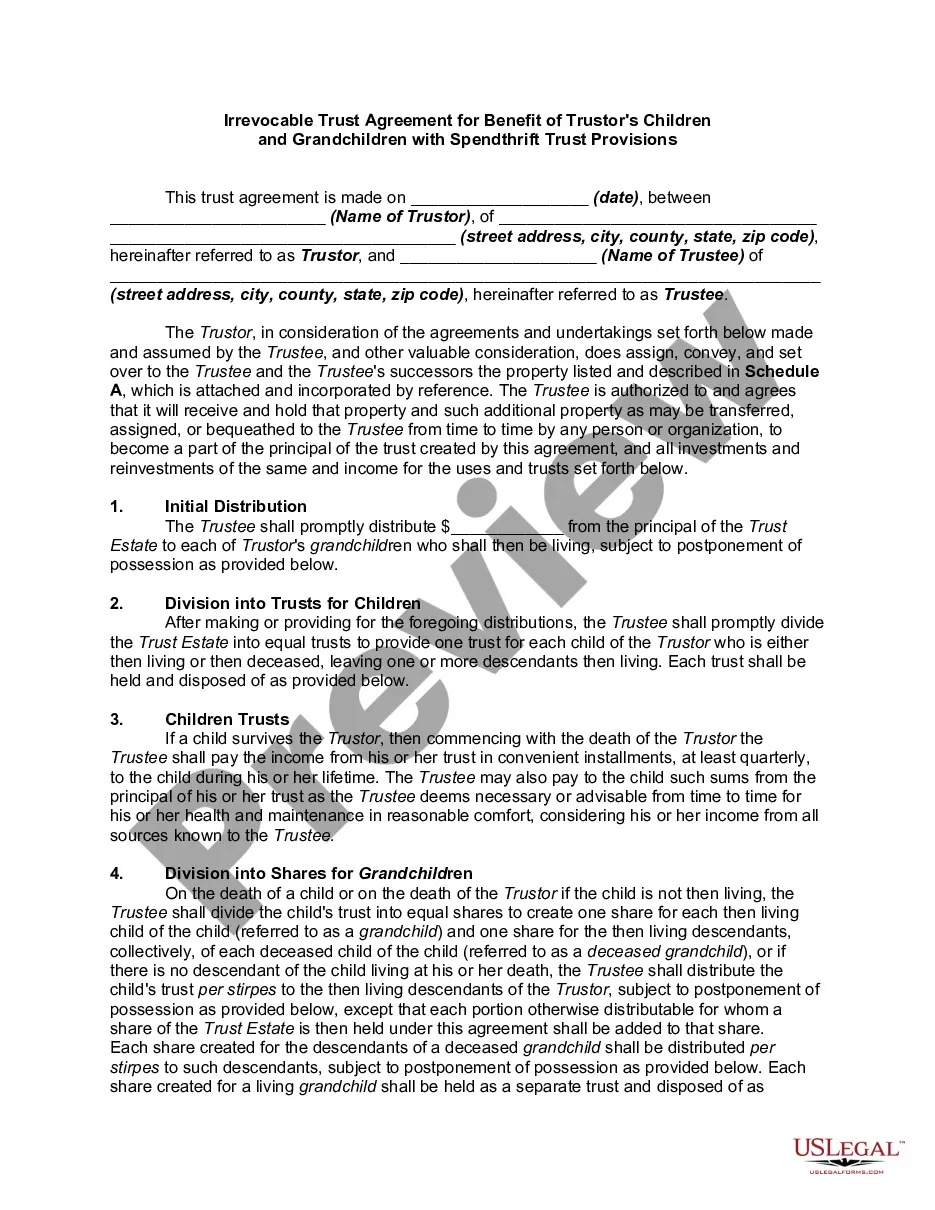
Business Trust Agreement Sample With Beneficiaries
Description
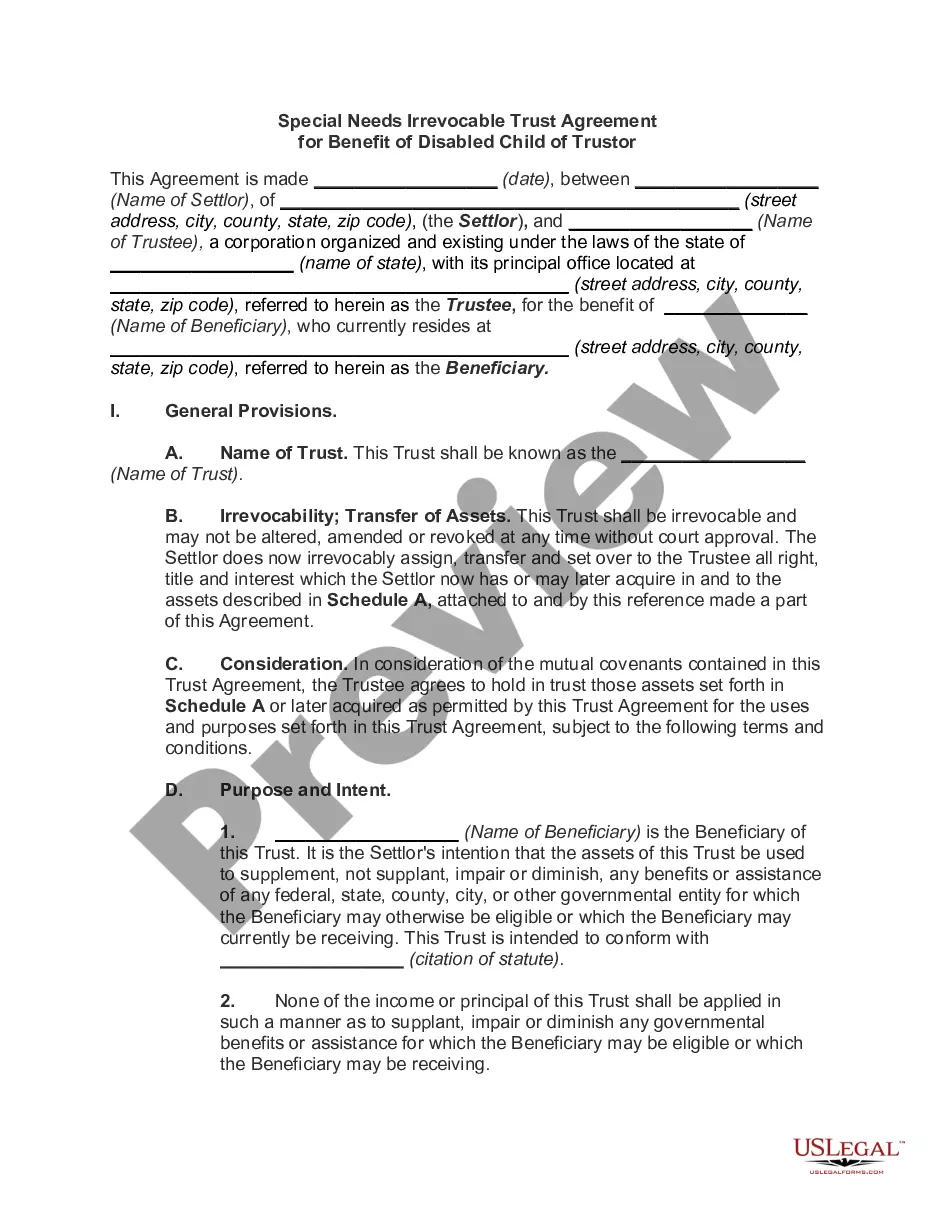
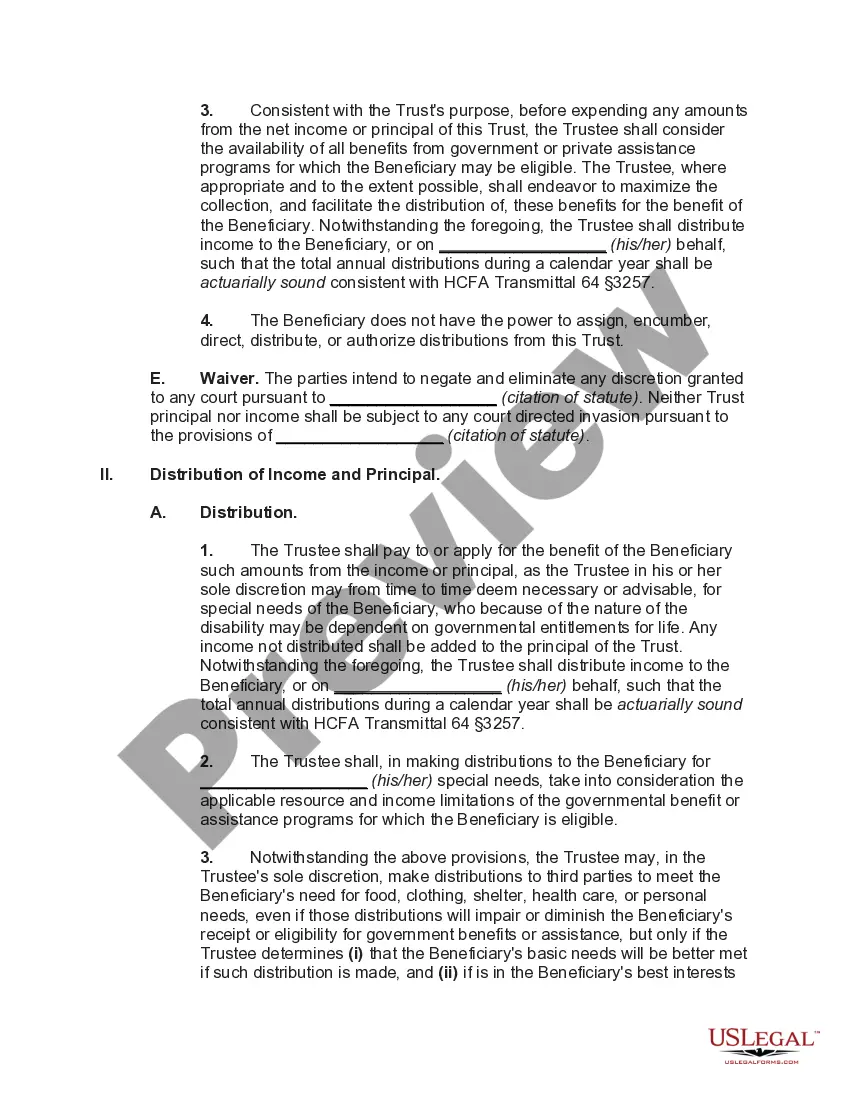
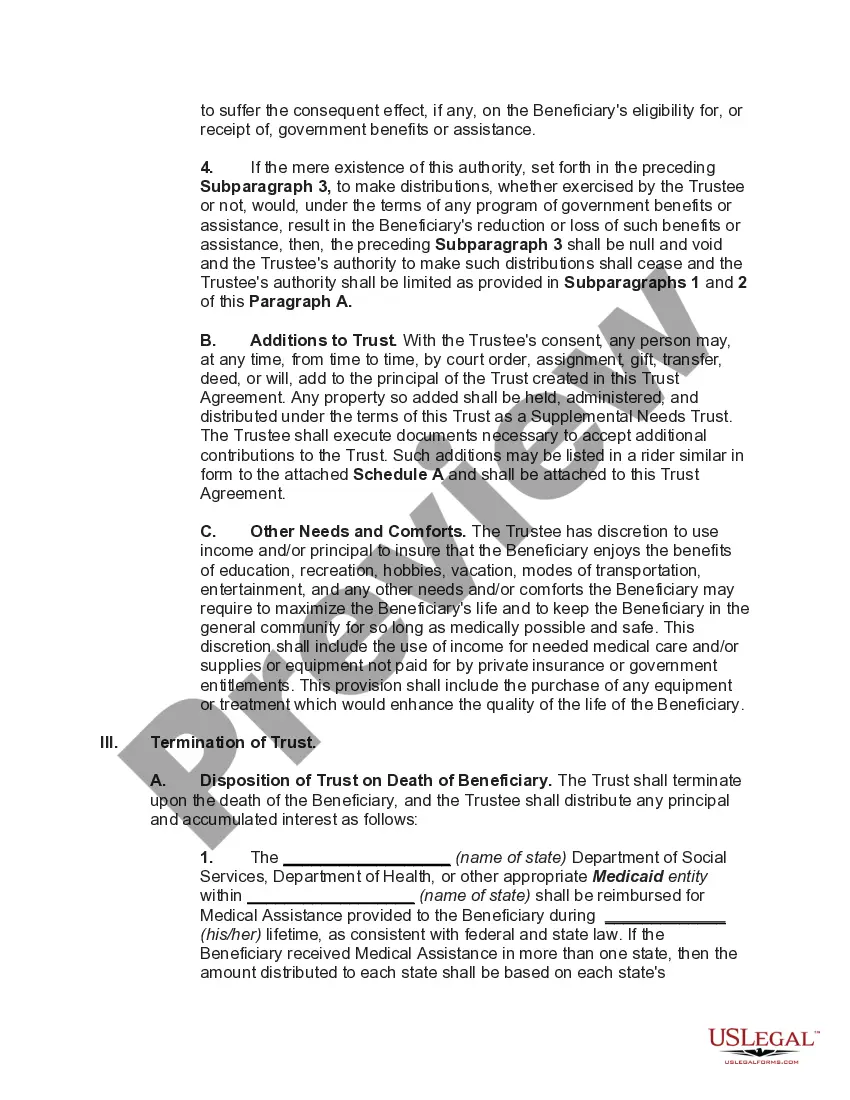
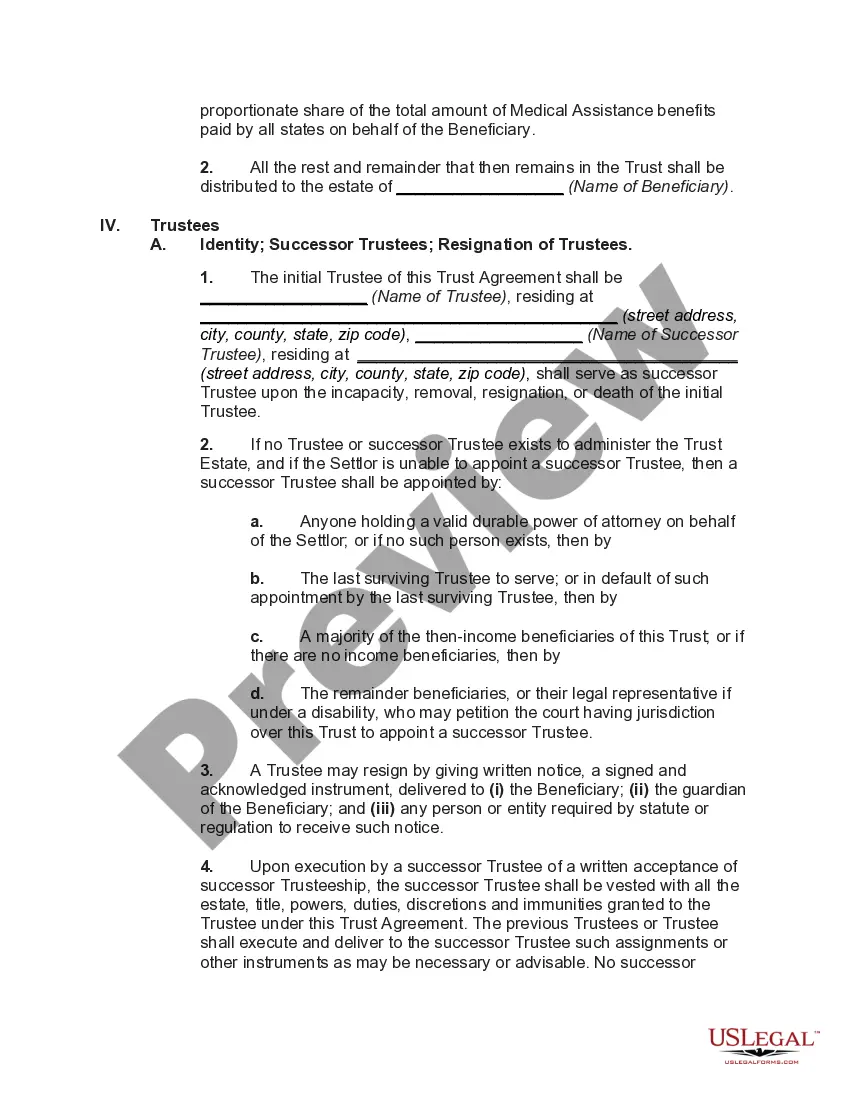
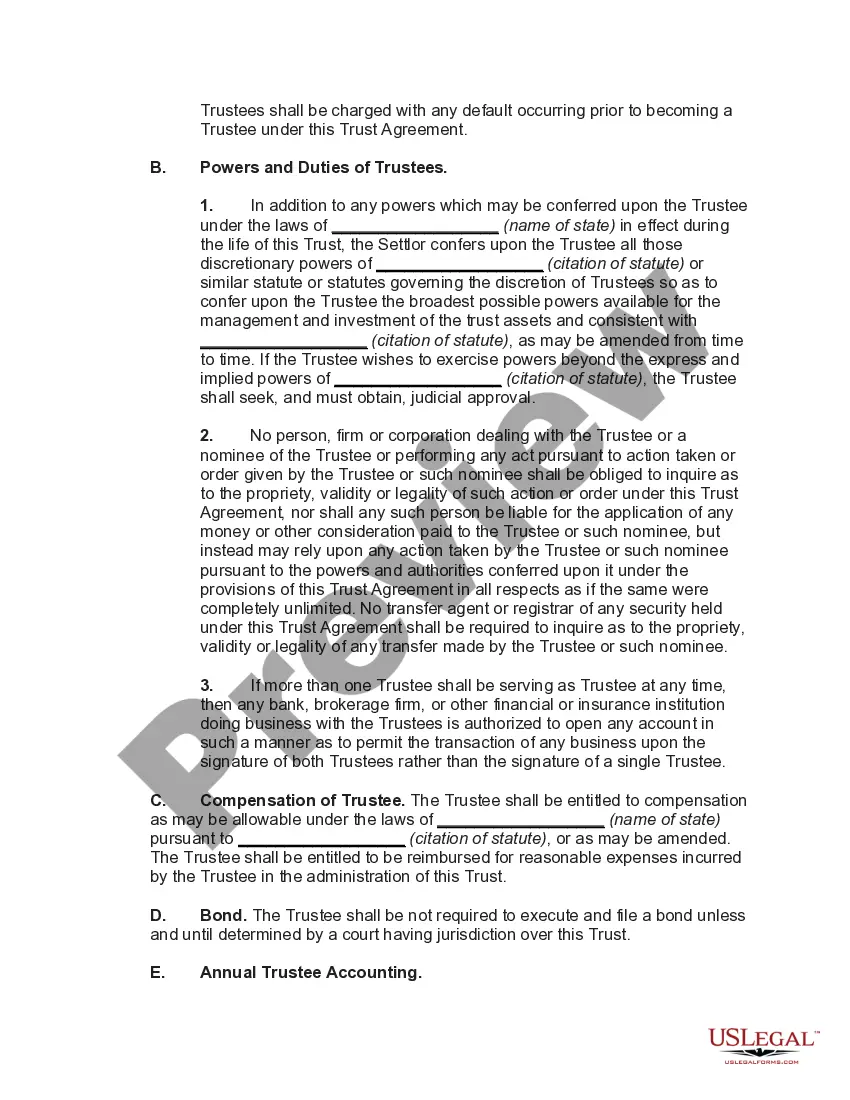
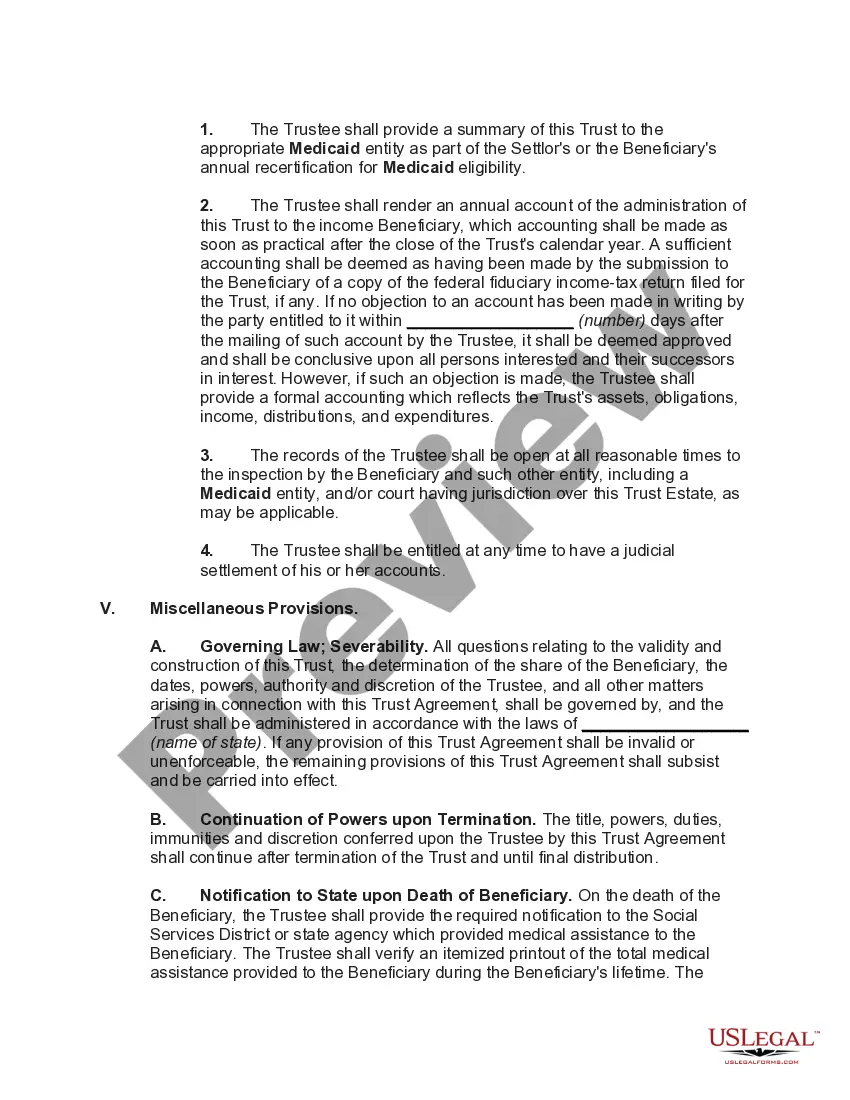
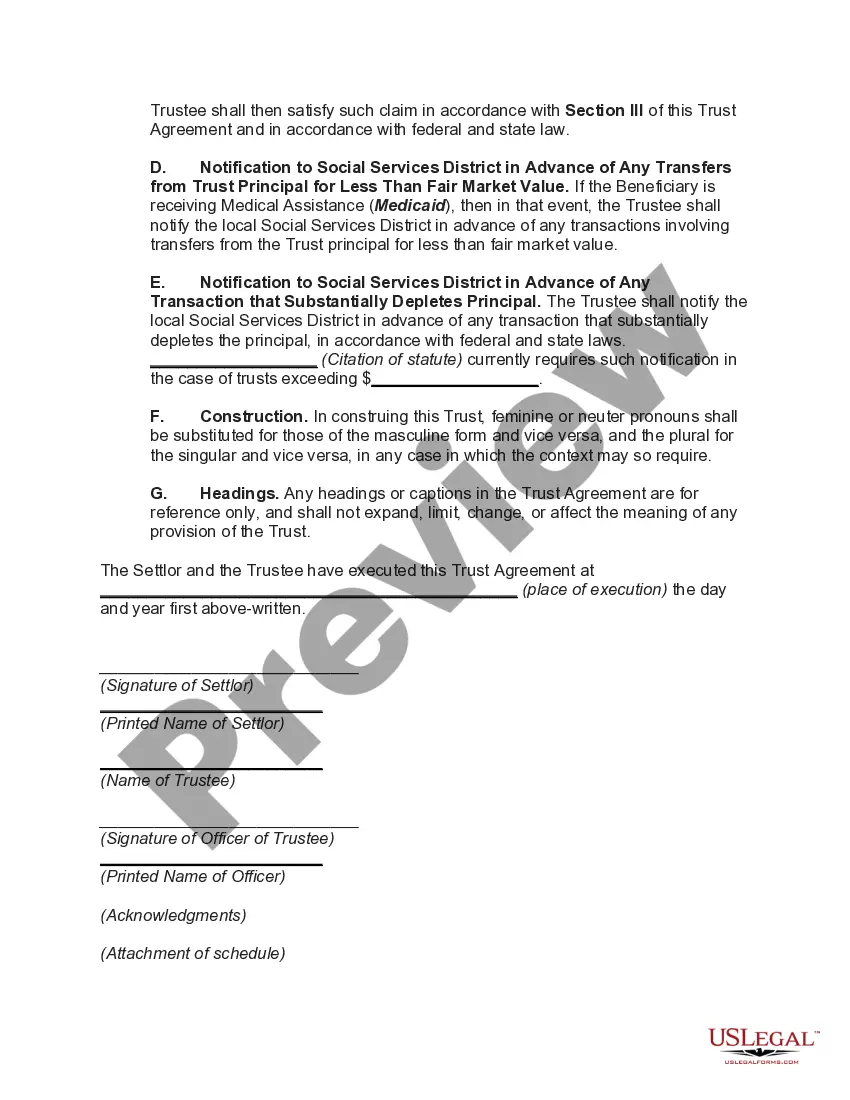
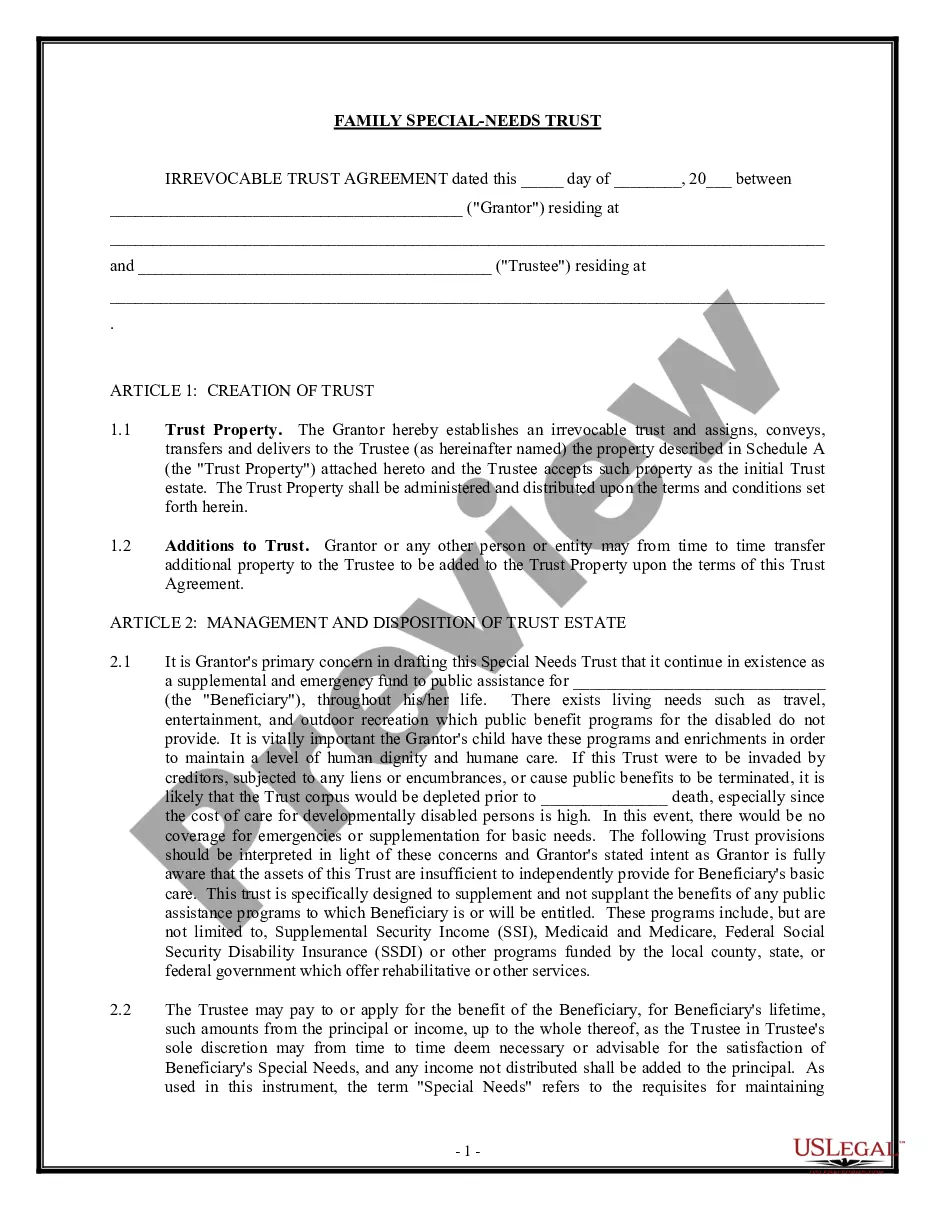


Get your form ready online
Our built-in tools help you complete, sign, share, and store your documents in one place.
Make edits, fill in missing information, and update formatting in US Legal Forms—just like you would in MS Word.
Download a copy, print it, send it by email, or mail it via USPS—whatever works best for your next step.
Sign and collect signatures with our SignNow integration. Send to multiple recipients, set reminders, and more. Go Premium to unlock E-Sign.
If this form requires notarization, complete it online through a secure video call—no need to meet a notary in person or wait for an appointment.
We protect your documents and personal data by following strict security and privacy standards.

Make edits, fill in missing information, and update formatting in US Legal Forms—just like you would in MS Word.

Download a copy, print it, send it by email, or mail it via USPS—whatever works best for your next step.

Sign and collect signatures with our SignNow integration. Send to multiple recipients, set reminders, and more. Go Premium to unlock E-Sign.

If this form requires notarization, complete it online through a secure video call—no need to meet a notary in person or wait for an appointment.

We protect your documents and personal data by following strict security and privacy standards.
Looking for another form?









How to fill out Special Needs Irrevocable Trust Agreement For Benefit Of Disabled Child Of Trustor?
Managing legal documents and tasks can be a lengthy addition to your entire day.
Business Trust Agreement Example With Beneficiaries and similar forms usually necessitate that you search for them and comprehend how to fill them out properly.
As a result, if you are dealing with financial, legal, or personal issues, utilizing a comprehensive and functional online directory of forms at your fingertips will significantly aid you.
US Legal Forms is the leading online platform for legal templates, featuring more than 85,000 state-specific forms along with a range of resources to help you complete your documents with ease.
Simply Log In to your account, find Business Trust Agreement Example With Beneficiaries, and download it instantly from the My documents section. You can also retrieve previously downloaded forms.
- Browse the collection of relevant documents available to you with a single click.
- US Legal Forms provides you with state- and county-specific forms that can be downloaded at any time.
- Protect your document management processes by utilizing a quality service that allows you to create any form in minutes without additional or hidden fees.
Form popularity
FAQ
The file for a court case can be viewed by visiting the clerk of court's office in the county where the case is located. Staff can provide copies of documents in court files for a fee. Also, see the Remote Public Access Program to learn more about licensing for data access and extracts.
How to Change Your Name (8 steps) Have Fingerprints Taken at Sheriff's Office. Complete National Criminal Background Check. Complete North Carolina Criminal Background Check. Submit Notice of Intent to File Name Change. Complete Forms. File with the Clerk. Pay the Filing Fee. Receive Certificate of Name Change.
The filing fee is payable after your name change has been granted and costs $120. You also need to pay the court for each certified copy of your name change order. Expect to pay around $5 per copy. Finally, there may be some cost in getting your records updated, depending on what ID and records you hold.
After you have completed everything, the clerk will review all the information in the application and decide whether you have a good reason to change your name. The clerk will then grant or deny the name change. You will then receive your Order and Certificate of Name Change 6-8 weeks later.
For trial courts, not including the NC Business Court, dockets are not available online. To access these, contact the clerk of court for the specific county. There are computer terminals designated for finding civil and criminal court dockets.
North Carolina considers "public records" a broad category that covers a lot of information. You can access vital records like birth, death, or marriage certificates, criminal histories, sex offender registrations, court filings, driving histories, car data, property records, and criminal histories.
For copies of court documents, please see the obtaining court records help topic or contact the clerk's office in the county in which the case was filed. For eCourts counties: You may search online for case information and court records by name, case number, attorney, and more.
For Court Records (Criminal or civil cases, police reports or traffic citations) - contact NC Judicial Branch Services OR contact the Clerk of Court in the county where the citation was issued.