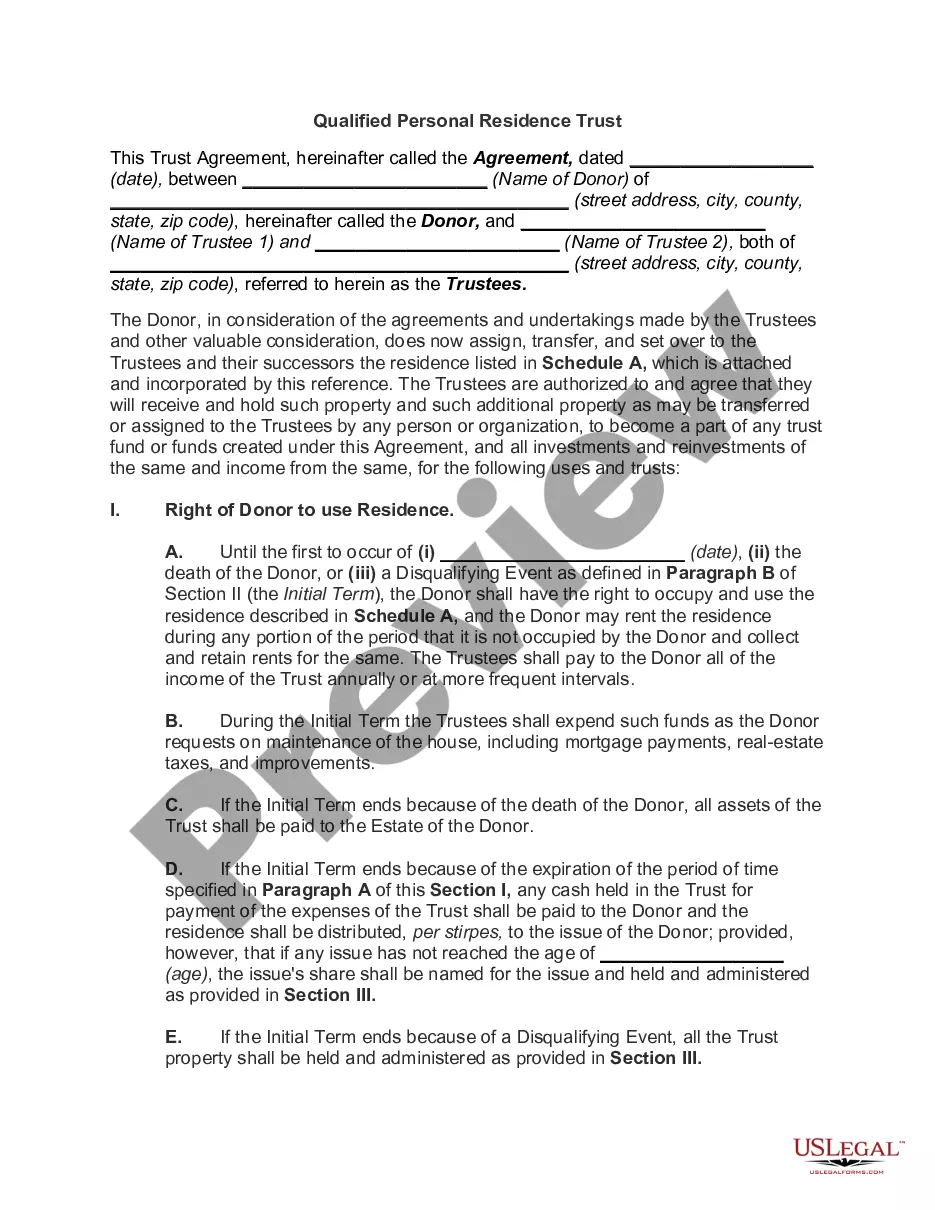
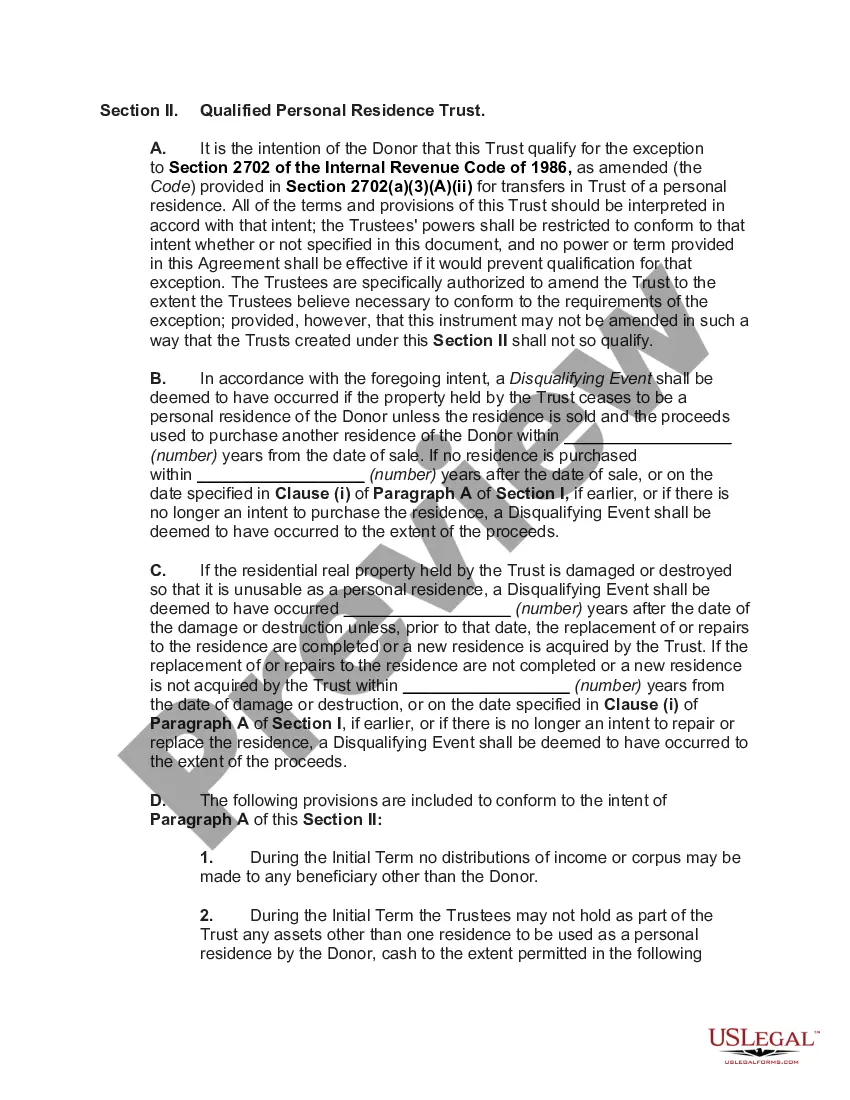
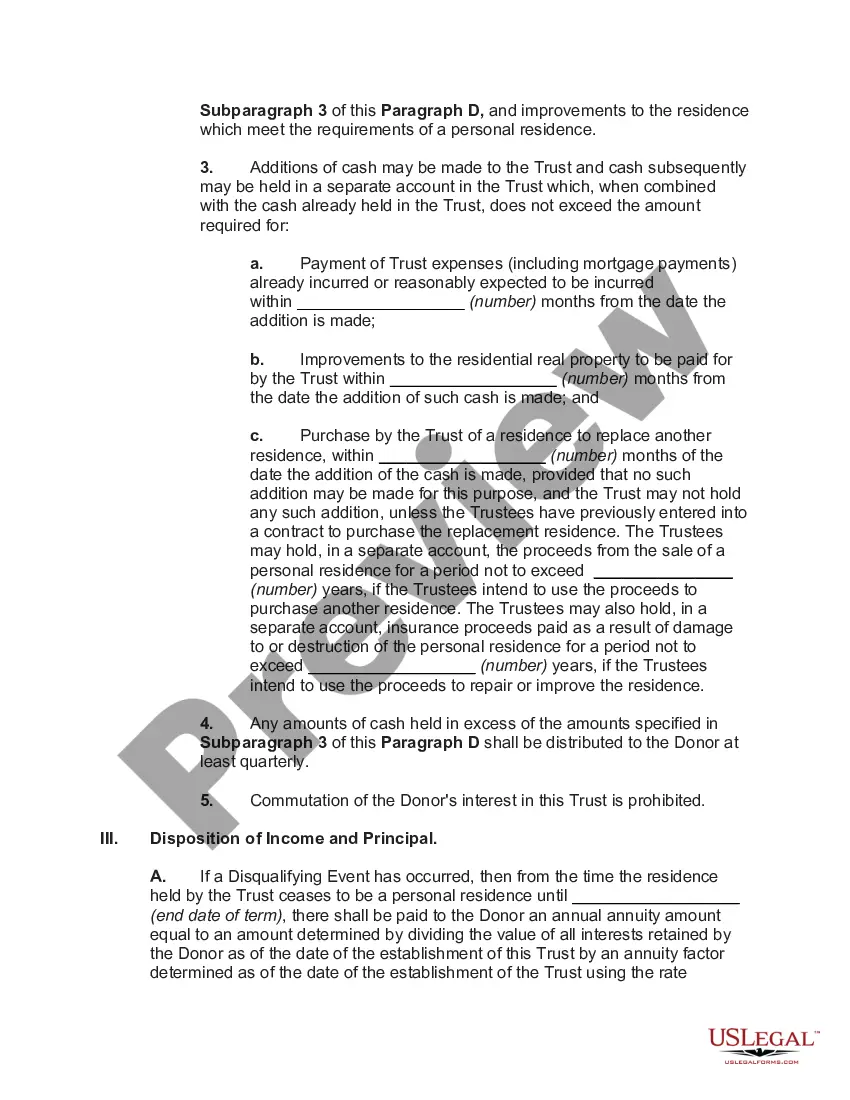
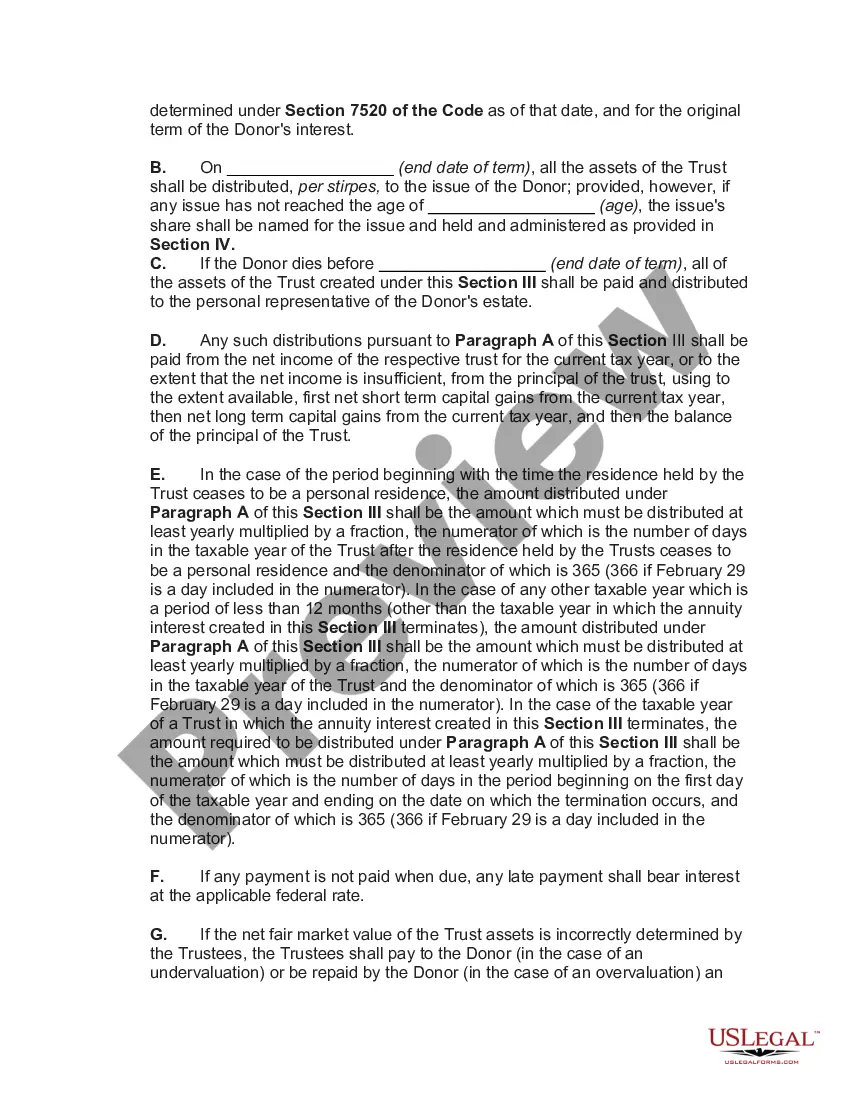
Qualified Trust With A Trust
Description
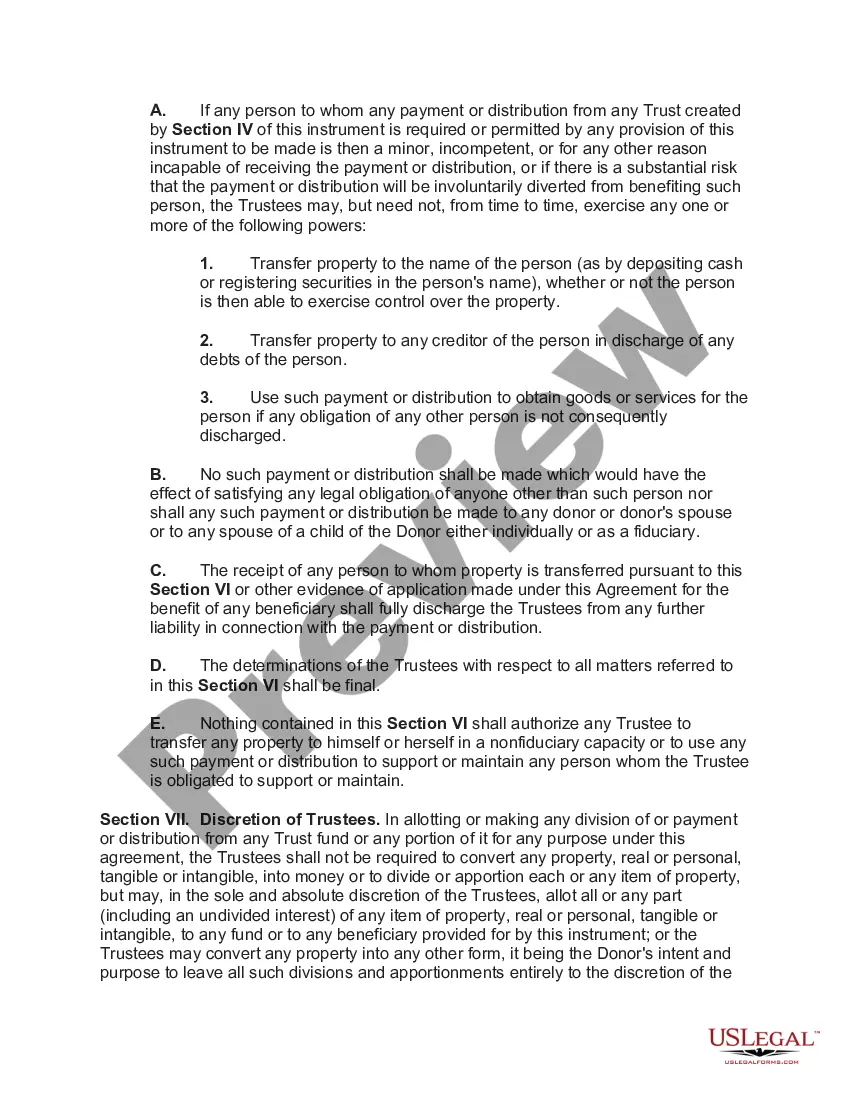
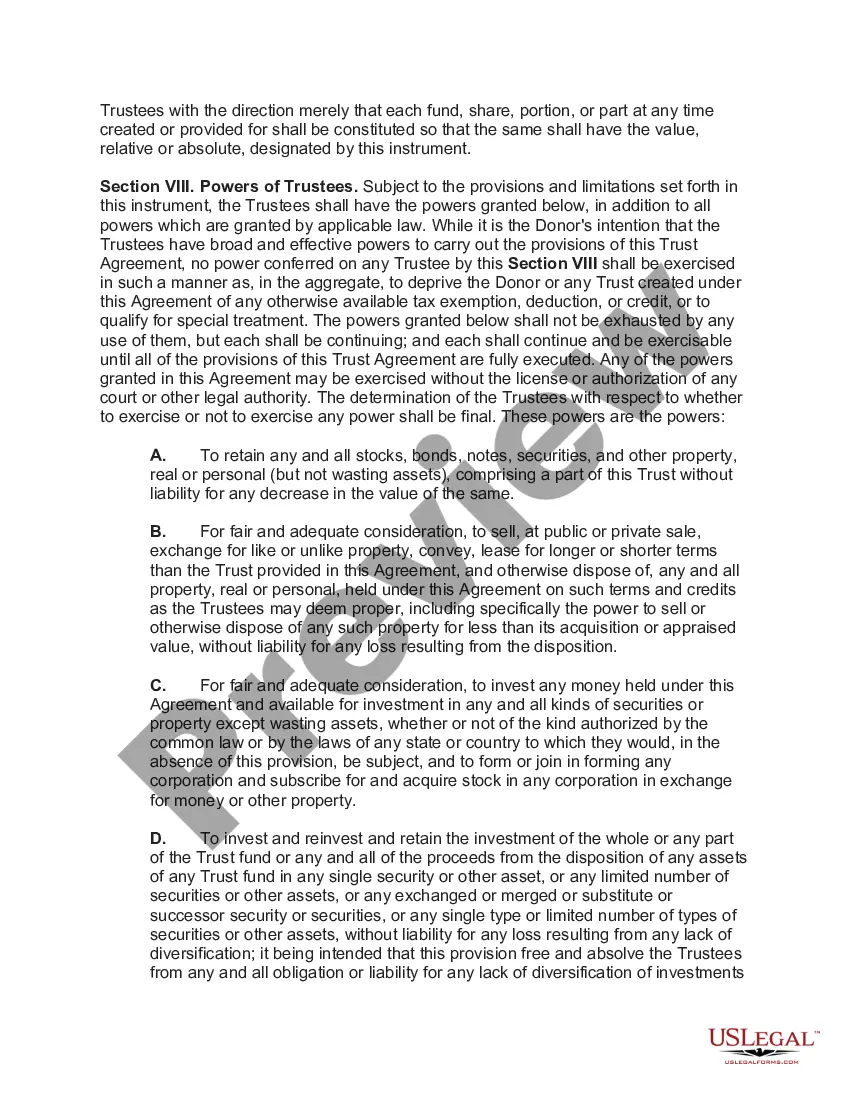

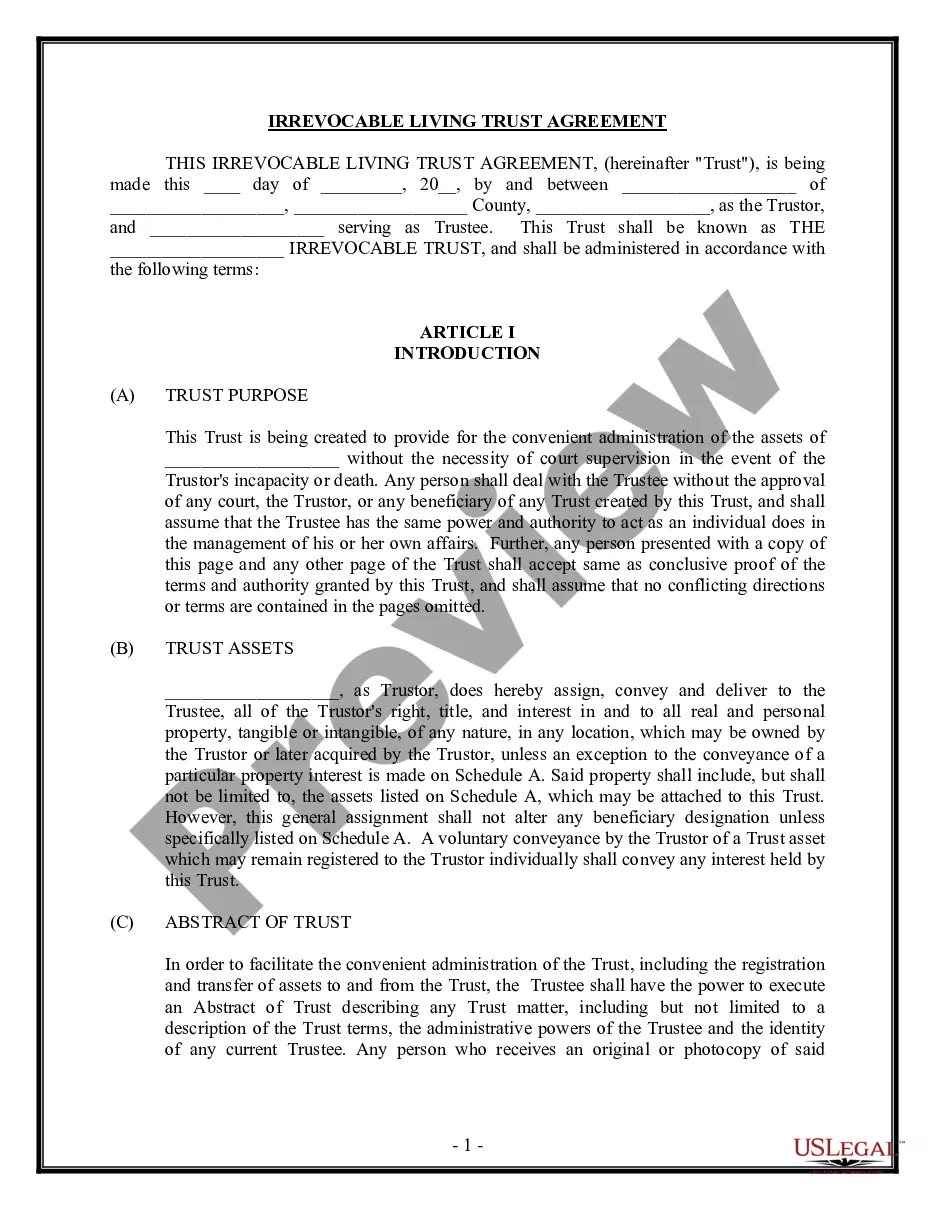
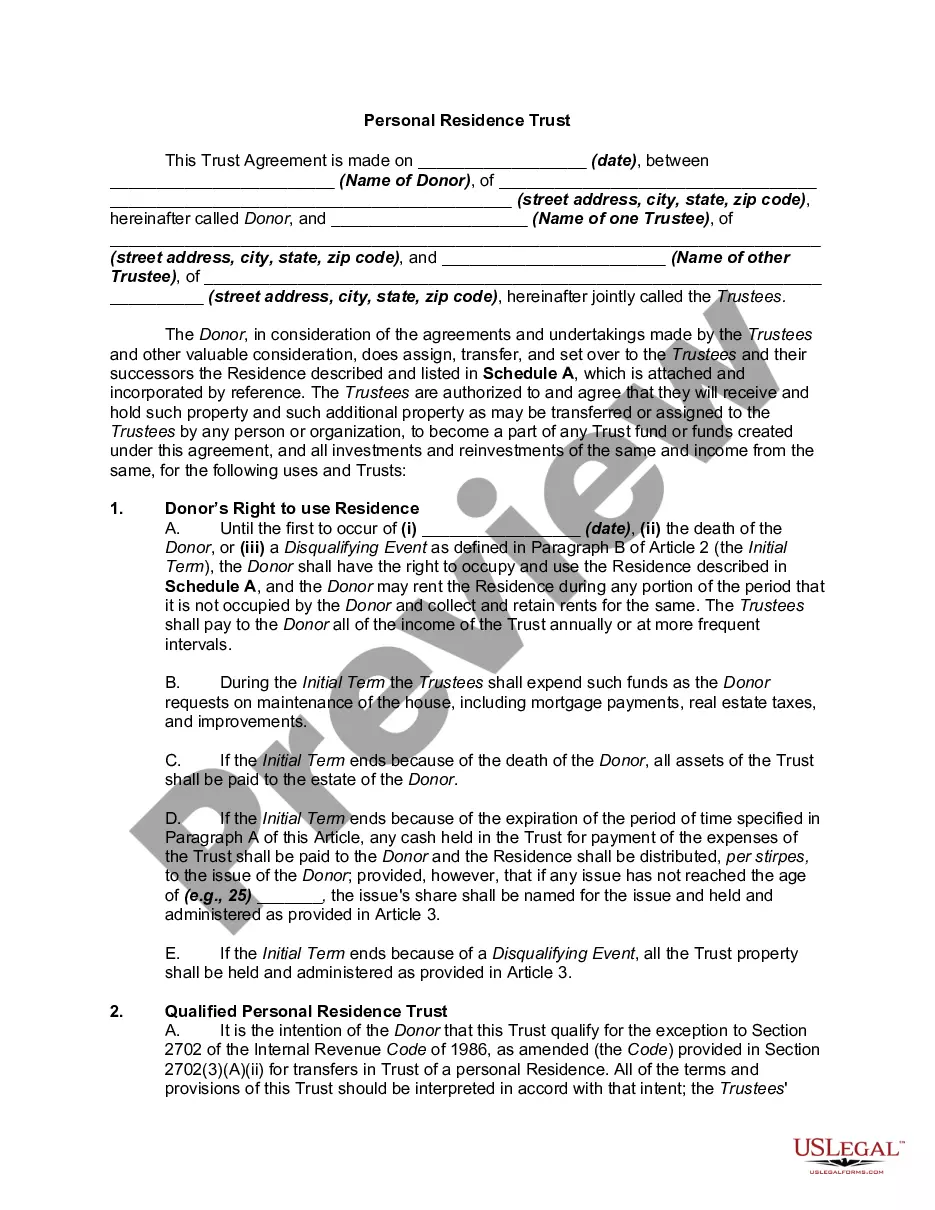
Get your form ready online
Our built-in tools help you complete, sign, share, and store your documents in one place.
Make edits, fill in missing information, and update formatting in US Legal Forms—just like you would in MS Word.
Download a copy, print it, send it by email, or mail it via USPS—whatever works best for your next step.
Sign and collect signatures with our SignNow integration. Send to multiple recipients, set reminders, and more. Go Premium to unlock E-Sign.
If this form requires notarization, complete it online through a secure video call—no need to meet a notary in person or wait for an appointment.
We protect your documents and personal data by following strict security and privacy standards.

Make edits, fill in missing information, and update formatting in US Legal Forms—just like you would in MS Word.

Download a copy, print it, send it by email, or mail it via USPS—whatever works best for your next step.

Sign and collect signatures with our SignNow integration. Send to multiple recipients, set reminders, and more. Go Premium to unlock E-Sign.

If this form requires notarization, complete it online through a secure video call—no need to meet a notary in person or wait for an appointment.

We protect your documents and personal data by following strict security and privacy standards.
Looking for another form?








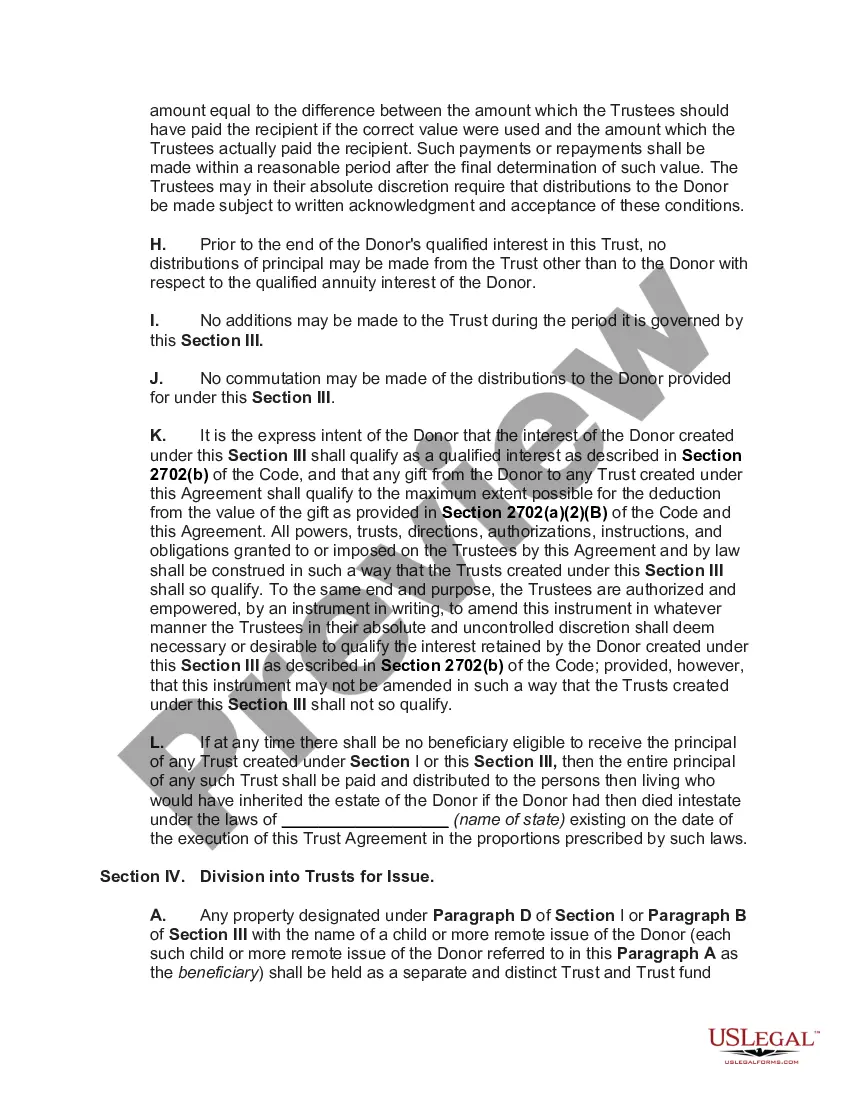
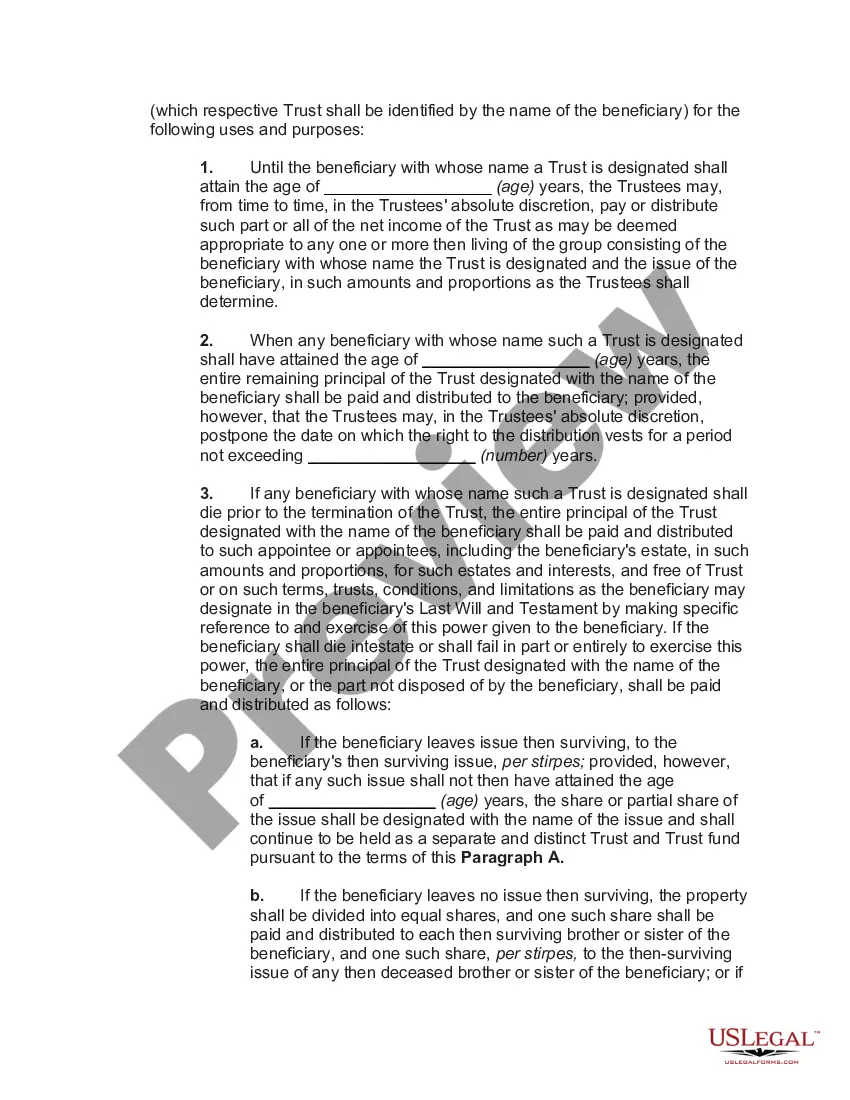
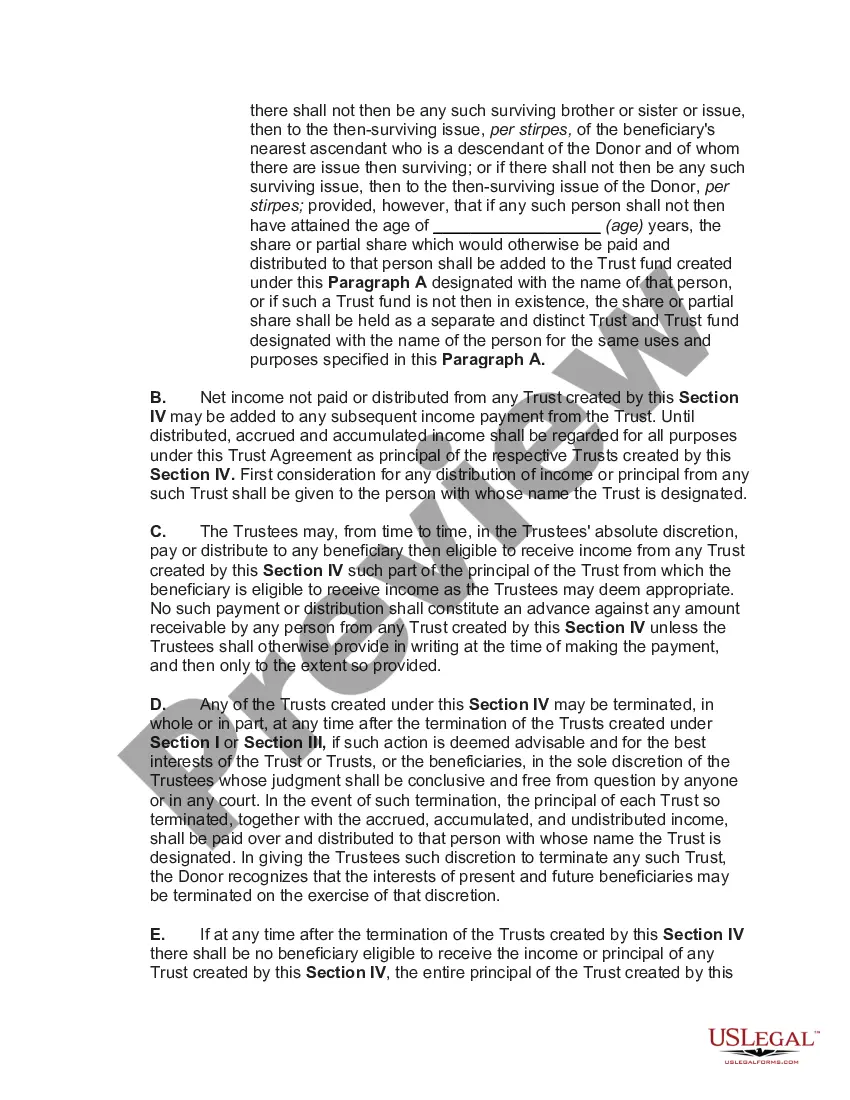
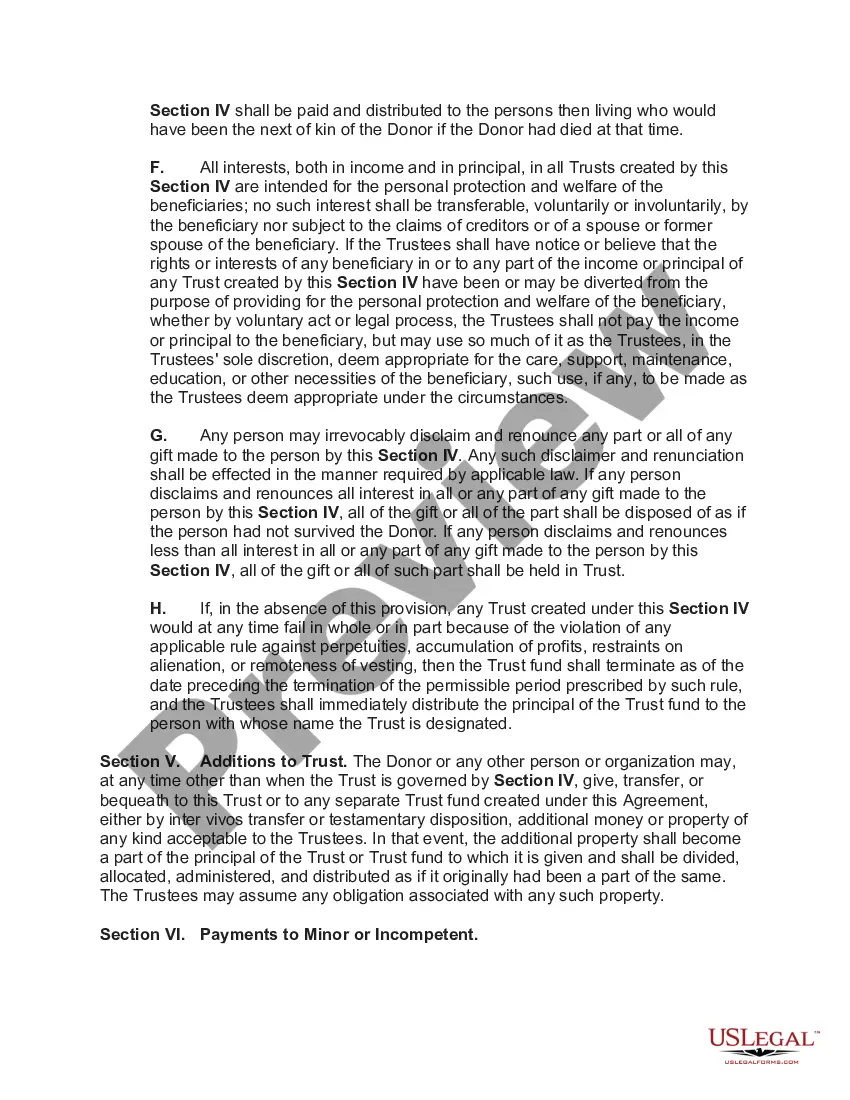
How to fill out Qualified Personal Residence Trust?
- If you're a returning user, log in to your account and verify your subscription status before proceeding to download your form.
- For first-time users, browse the form library and check the Preview mode to ensure the document matches your local jurisdiction requirements.
- Use the Search feature to find alternative templates if your initial choice doesn't meet your needs.
- After selecting the right form, click the Buy Now button and choose your preferred subscription plan before registering an account.
- Complete your payment using a credit card or PayPal to finalize your purchase.
- Download the template to your device and access it anytime in the My Forms section of your profile.
US Legal Forms not only offers a comprehensive collection of over 85,000 legal templates but also provides access to premium experts who can assist you with form completion. This ensures that your documents are accurate and comply with legal standards.
Choosing US Legal Forms to handle your legal documentation needs is a savvy decision. Start your journey today and create your qualified trust with confidence!
Form popularity
FAQ
To establish a qualified trust with a trust, specific requirements must be met, including compliance with state regulations and tax codes. A qualified trust generally needs to outline its purpose clearly and specify the beneficiaries. For assistance in navigating these requirements, consider utilizing platforms like US Legal Forms, which can provide the necessary documents and guidance.
Indeed, one trust can distribute assets to another trust, allowing for strategic asset management. This type of distribution might be utilized for various reasons, including tax planning or meeting the needs of beneficiaries. When working with a qualified trust with a trust, guarantee that the terms allow for such distributions to enhance control over your estate.
A trust can distribute assets to another trust, which may occur under specific conditions defined in the trust documents. This is often done for estate planning purposes or to manage asset allocation more effectively. When creating a qualified trust with a trust, ensure that the distribution clauses are clear to facilitate smooth transactions.
Yes, a trust can be placed within another trust, creating what is known as a nested trust. This approach can provide additional layers of control and protection for your assets. If you're considering this strategy, especially with a qualified trust with a trust, it’s advisable to work with an experienced attorney to navigate the complexities involved.
The 5 year rule for trusts pertains to the management and distribution of assets within a trust over a specified period. Under this rule, assets must be distributed or removed from the trust within five years to avoid tax implications. Understanding this rule is crucial for maintaining a qualified trust with a trust, as it impacts tax liabilities and the financial health of the trust.
Yes, you can transfer assets from one trust to another. This process often requires proper documentation and adherence to trust provisions. It's important to consult with a legal professional to ensure that the transfer aligns with the terms of each trust, especially when dealing with a qualified trust with a trust.
Identifying the type of trust you have requires reviewing the trust document itself. Look for terms that indicate its classification, such as 'revocable,' 'irrevocable,' 'qualified,' or 'nonqualified' trust with a trust. If the language is unclear, a legal advisor can help interpret the trust details. Accessing services like USLegalForms can also provide clarity and support for understanding your trust's classification.
To use a qualified income trust, begin by setting it up to meet state and federal requirements, allowing you to protect eligibility for certain benefits. The trust needs to receive your income and handle distributions accordingly. This arrangement enables you to qualify for Medicaid or similar programs while preserving your assets. If needed, USLegalForms provides resources to assist you in establishing and managing a qualified trust with a trust.
Yes, a Qualified Subchapter S Trust (QSST) must file IRS Form 1041, which is the income tax return for estates and trusts. This filing is necessary to report income, deductions, and tax obligations associated with the trust. If you manage a qualified trust with a trust, understanding the tax implications and filing requirements is essential for compliance. Using a platform like USLegalForms can assist you in navigating these tax forms effectively.
The rules for a qualified trust include adherence to IRS guidelines regarding income distributions and tax obligations. It often requires that all income be distributed to beneficiaries to maintain its status as a qualified trust with a trust. Additional rules may specify the management and reporting requirements of the trust. Understanding these regulations can help ensure compliance and maximize tax benefits.