Personal Representative For Trust
Description

Get your form ready online
Our built-in tools help you complete, sign, share, and store your documents in one place.
Make edits, fill in missing information, and update formatting in US Legal Forms—just like you would in MS Word.
Download a copy, print it, send it by email, or mail it via USPS—whatever works best for your next step.
Sign and collect signatures with our SignNow integration. Send to multiple recipients, set reminders, and more. Go Premium to unlock E-Sign.
If this form requires notarization, complete it online through a secure video call—no need to meet a notary in person or wait for an appointment.
We protect your documents and personal data by following strict security and privacy standards.

Make edits, fill in missing information, and update formatting in US Legal Forms—just like you would in MS Word.

Download a copy, print it, send it by email, or mail it via USPS—whatever works best for your next step.

Sign and collect signatures with our SignNow integration. Send to multiple recipients, set reminders, and more. Go Premium to unlock E-Sign.

If this form requires notarization, complete it online through a secure video call—no need to meet a notary in person or wait for an appointment.

We protect your documents and personal data by following strict security and privacy standards.
Looking for another form?

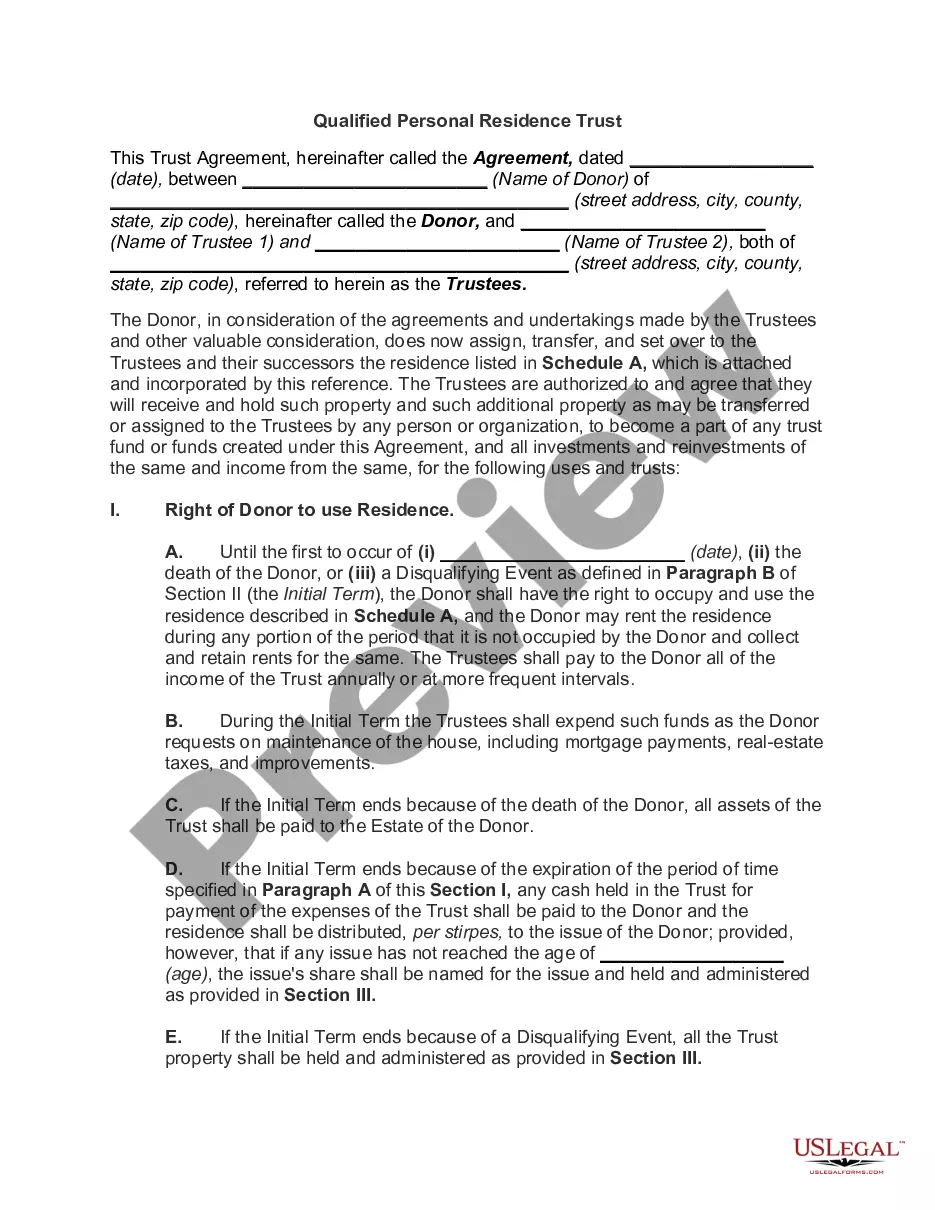
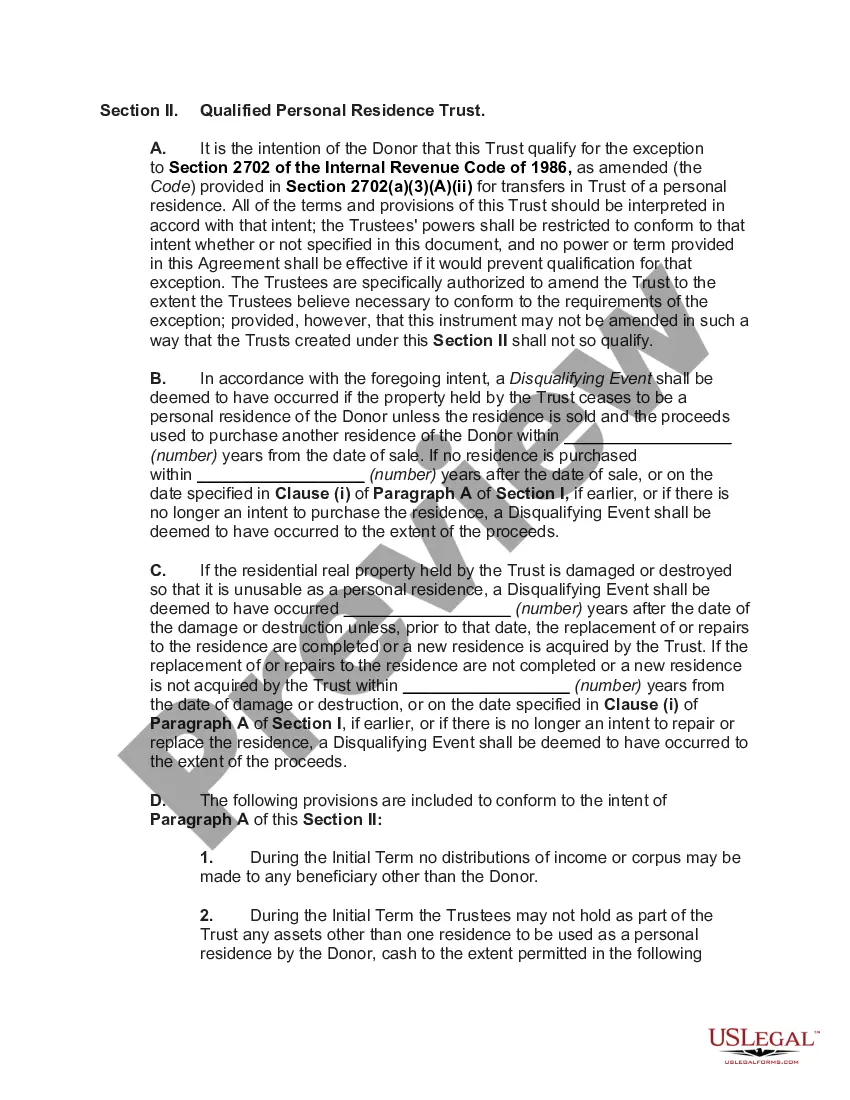
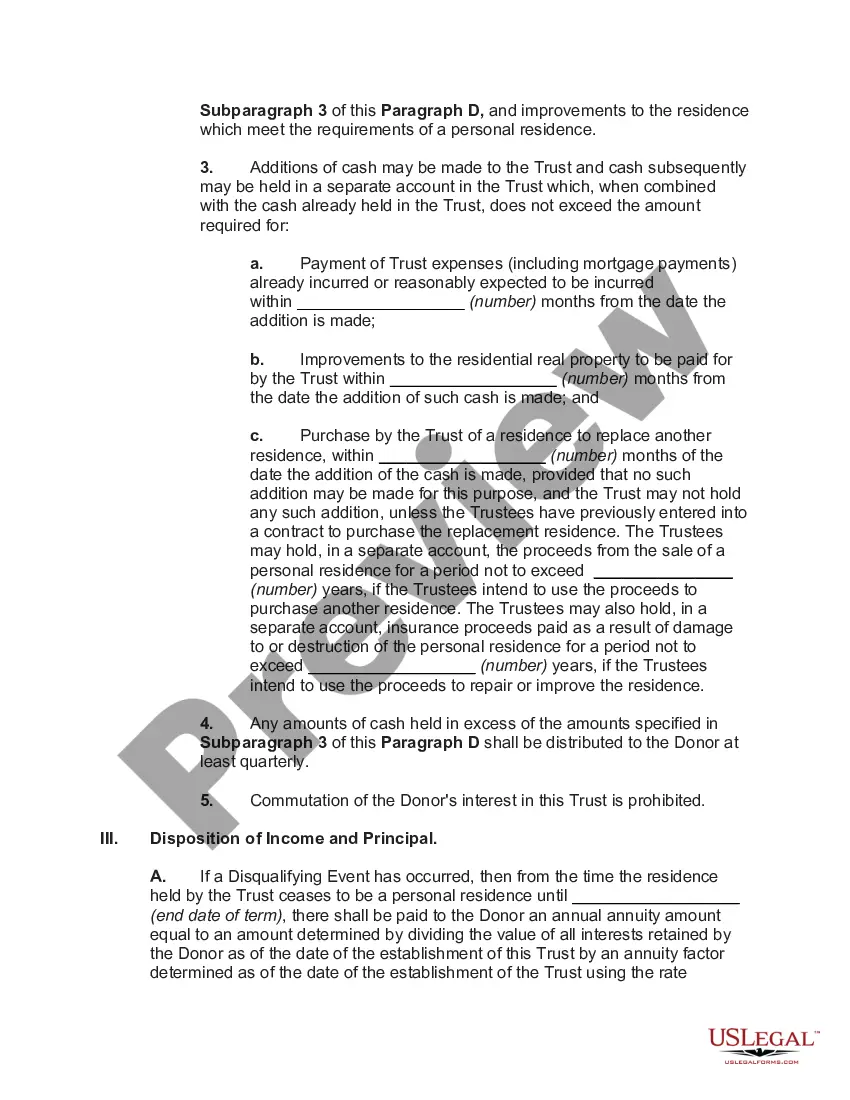
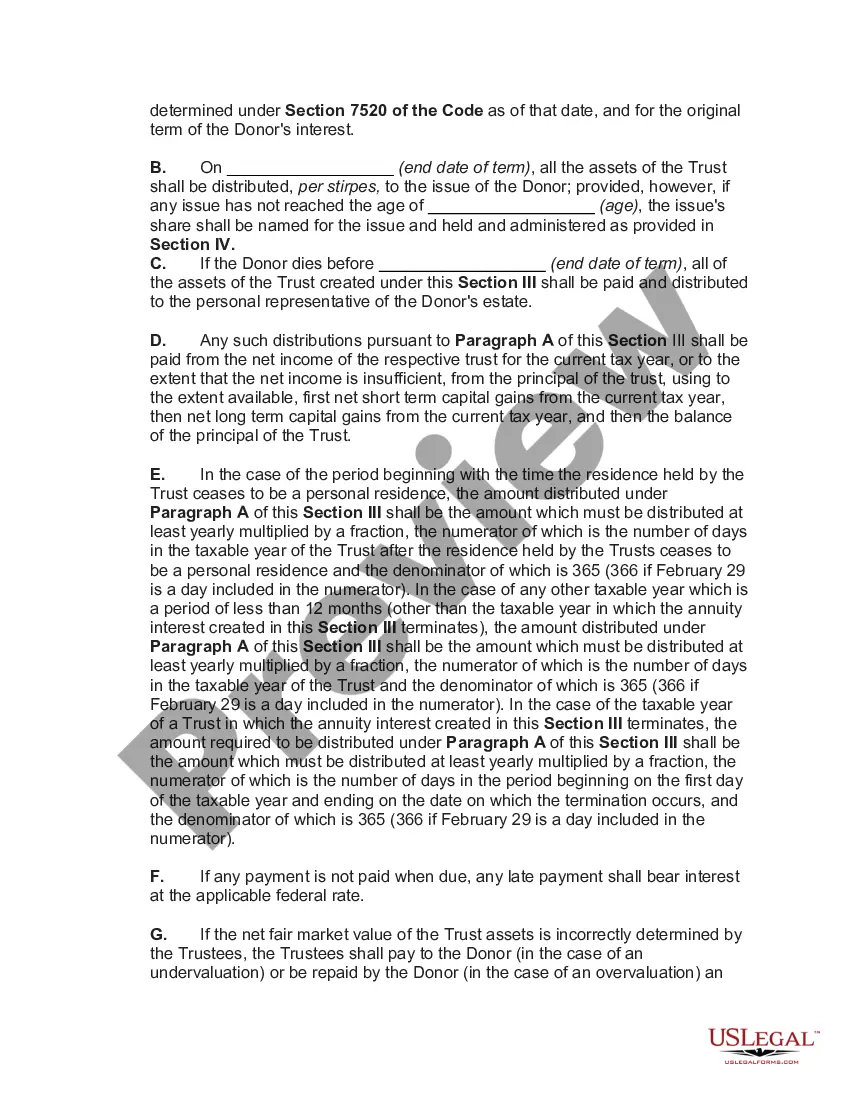
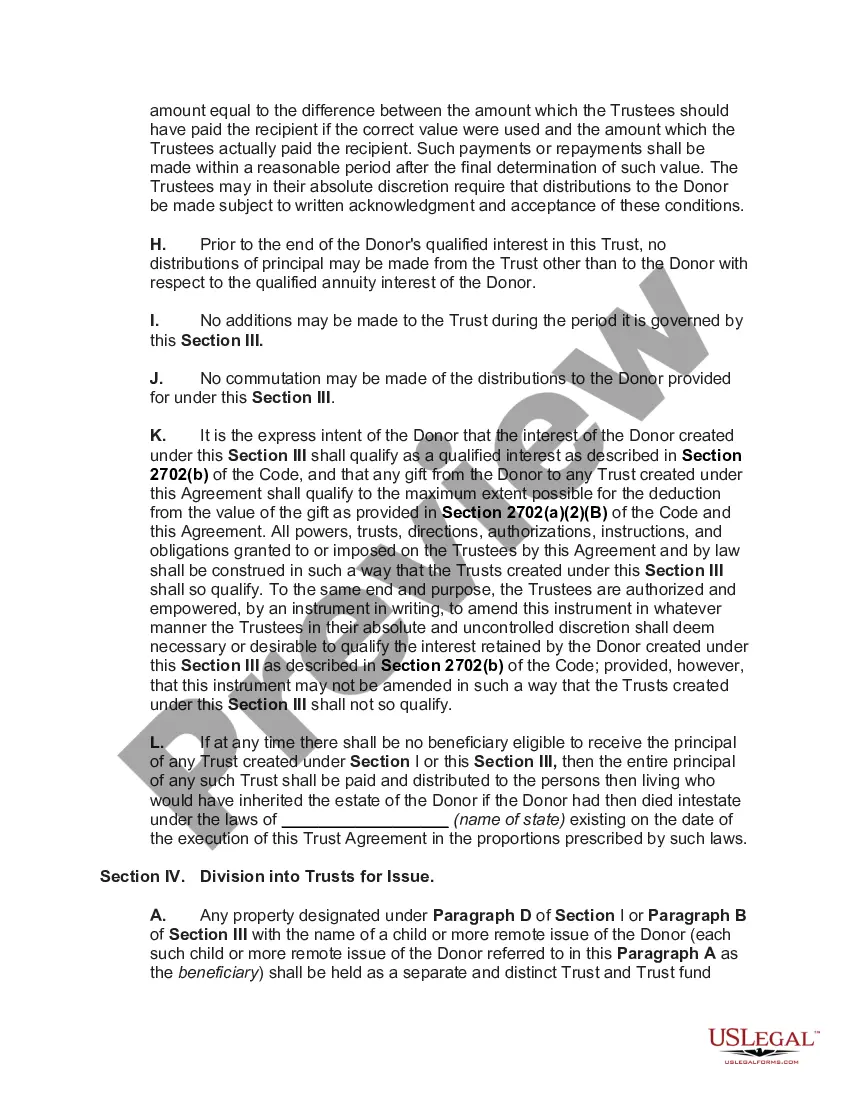
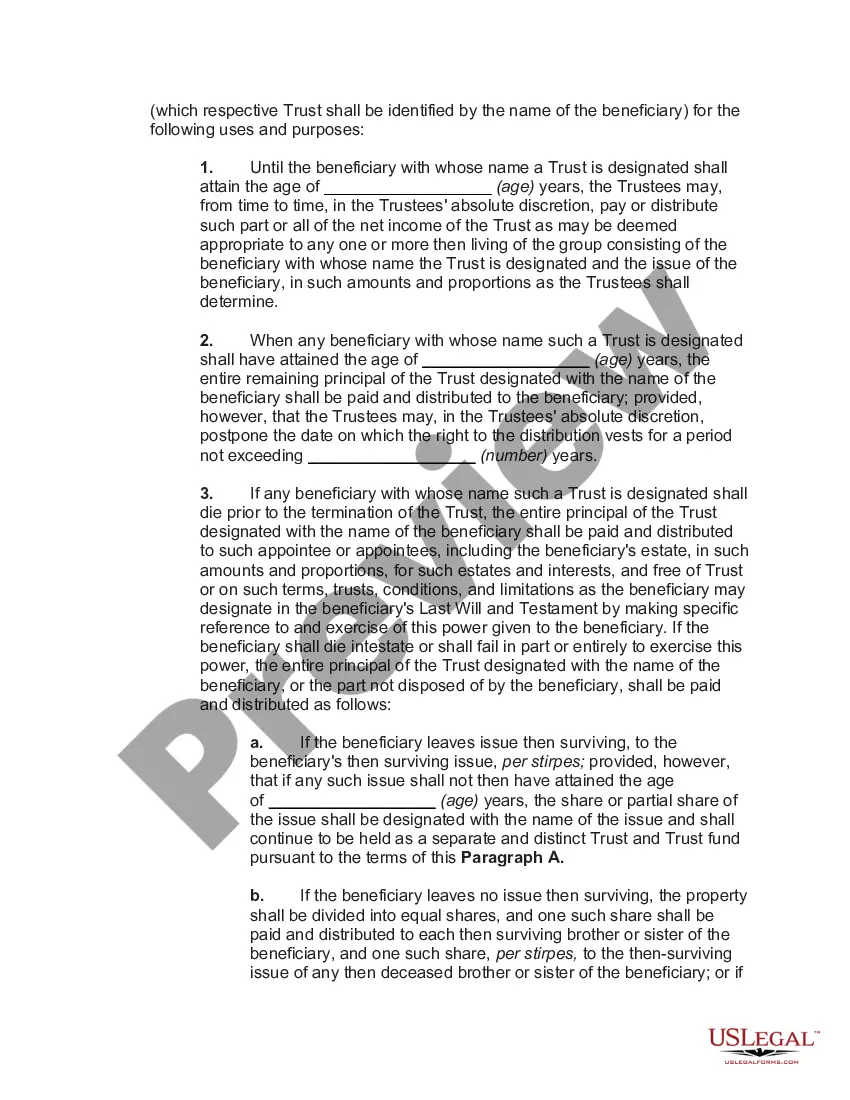
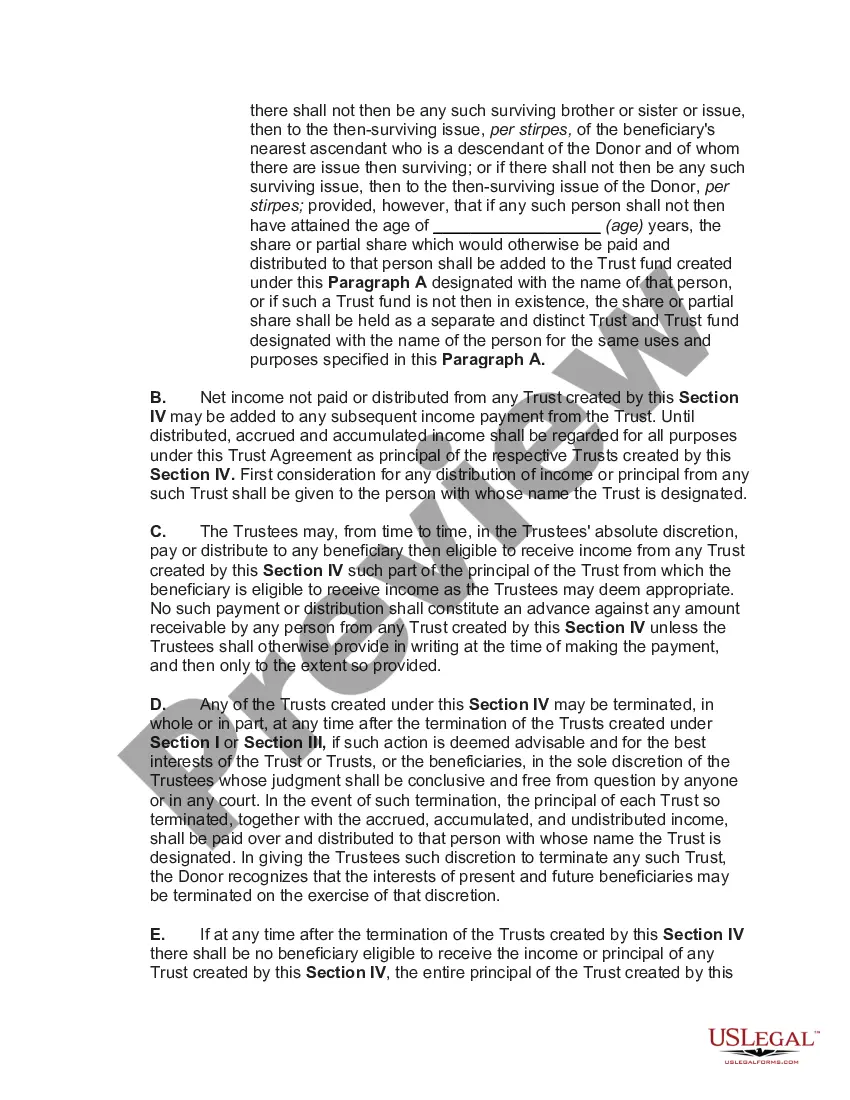
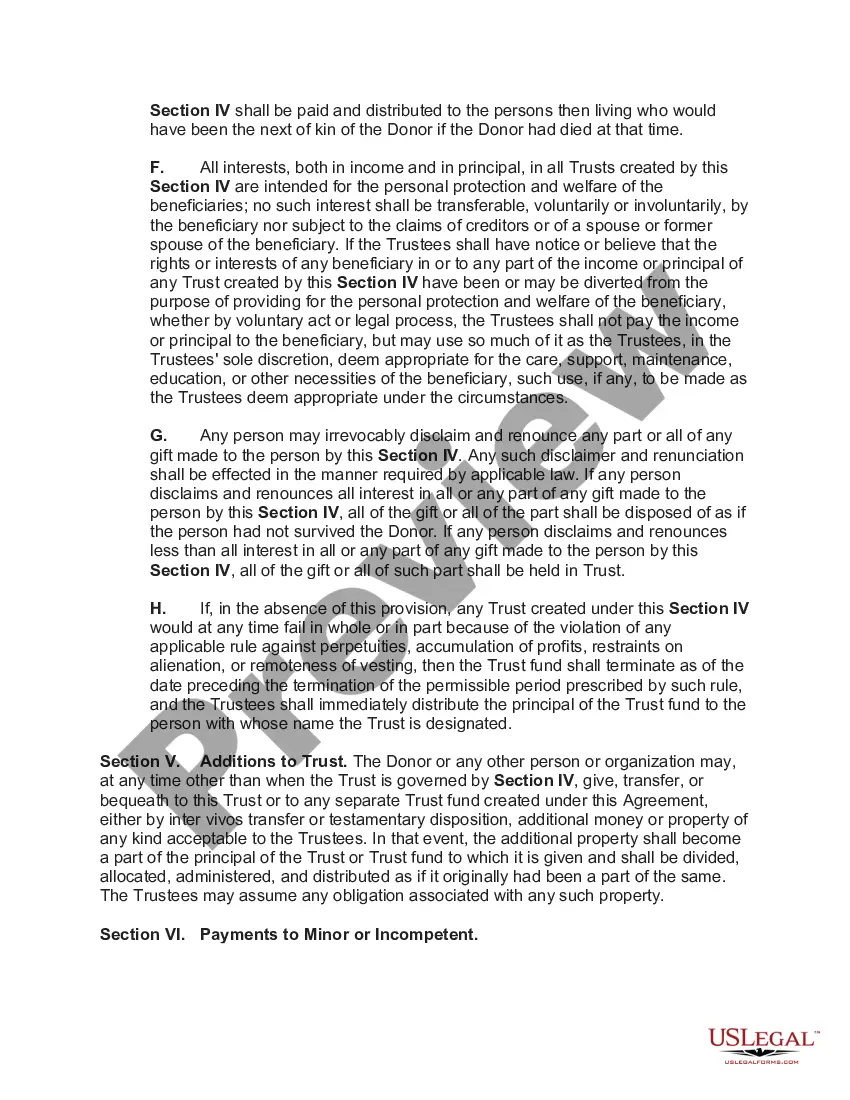
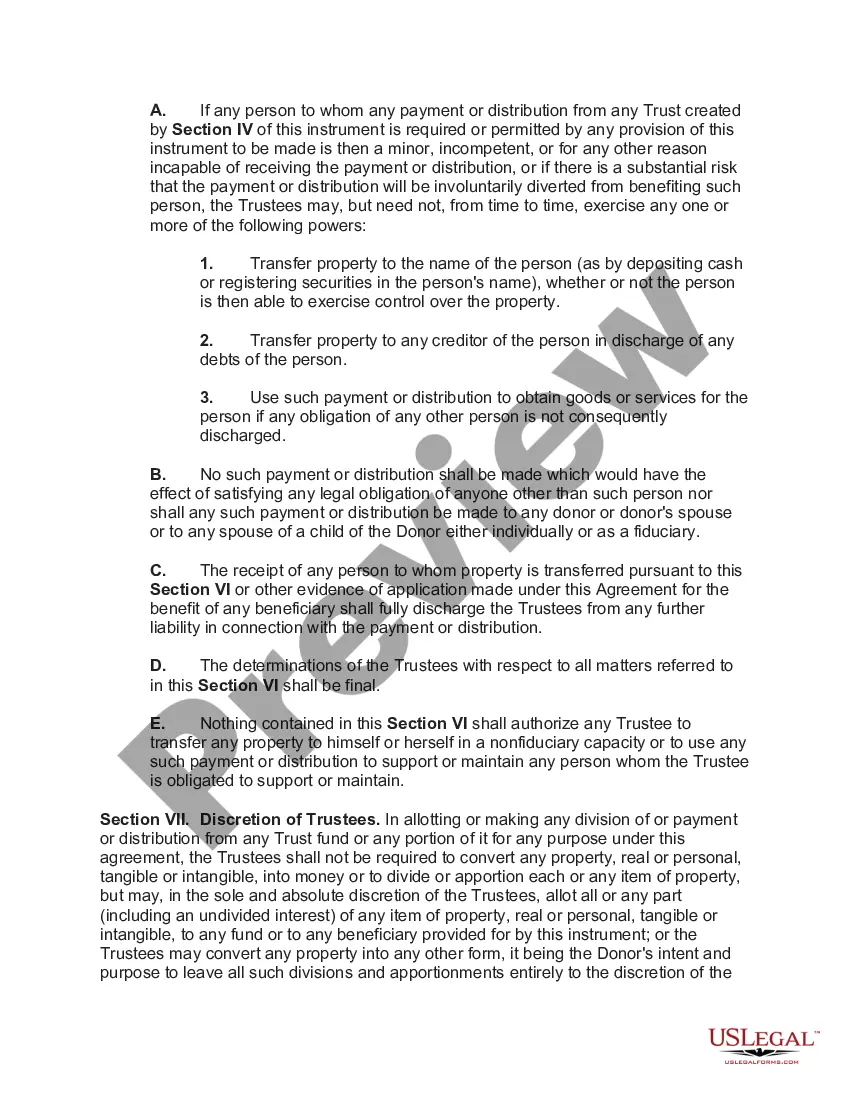
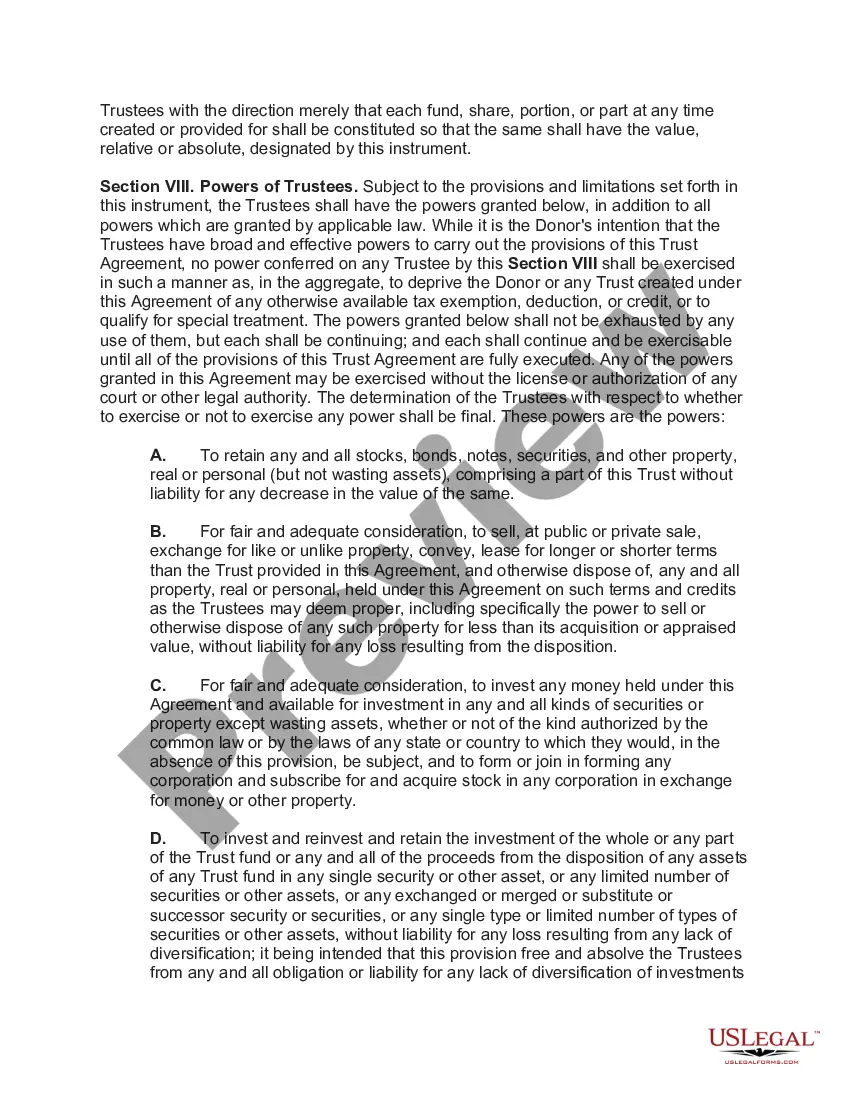
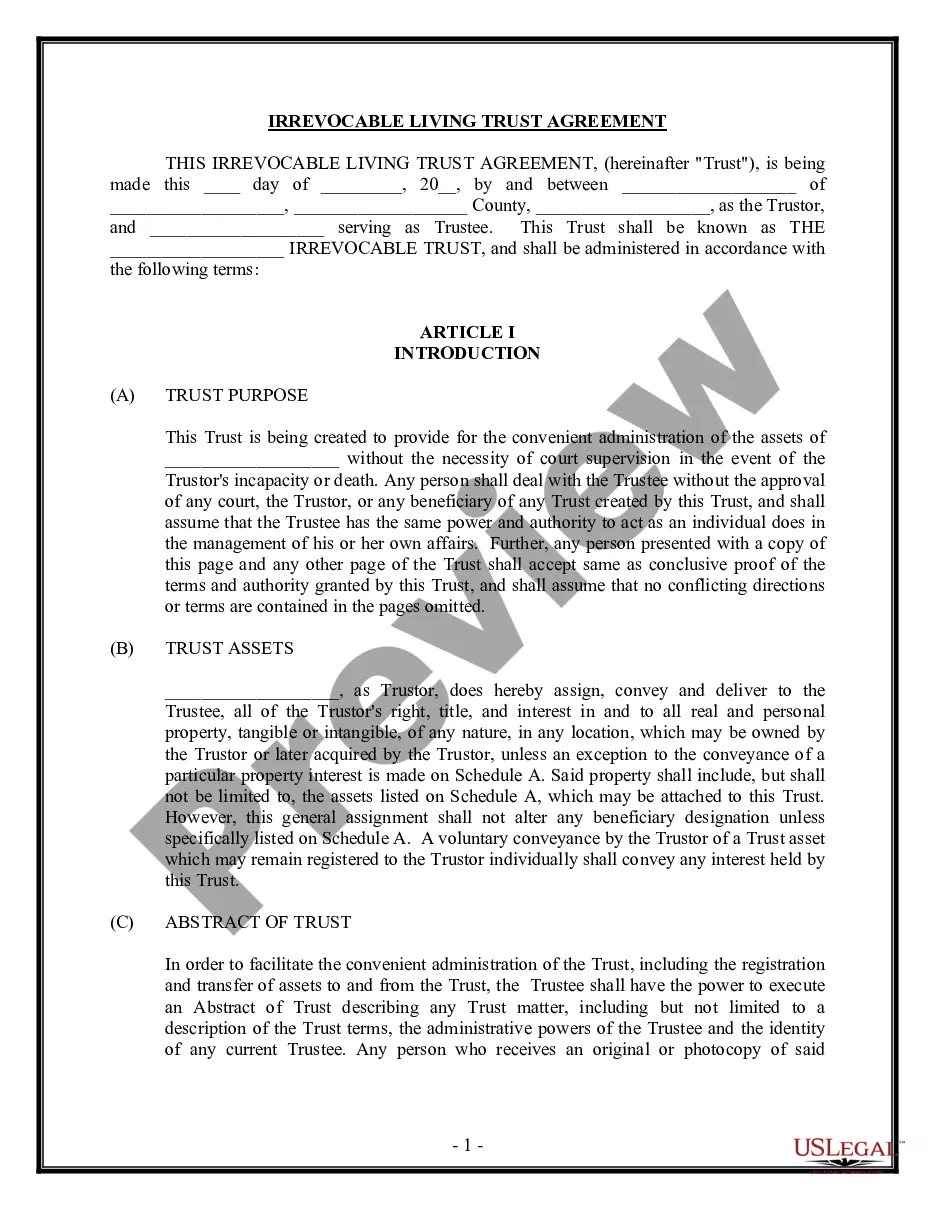
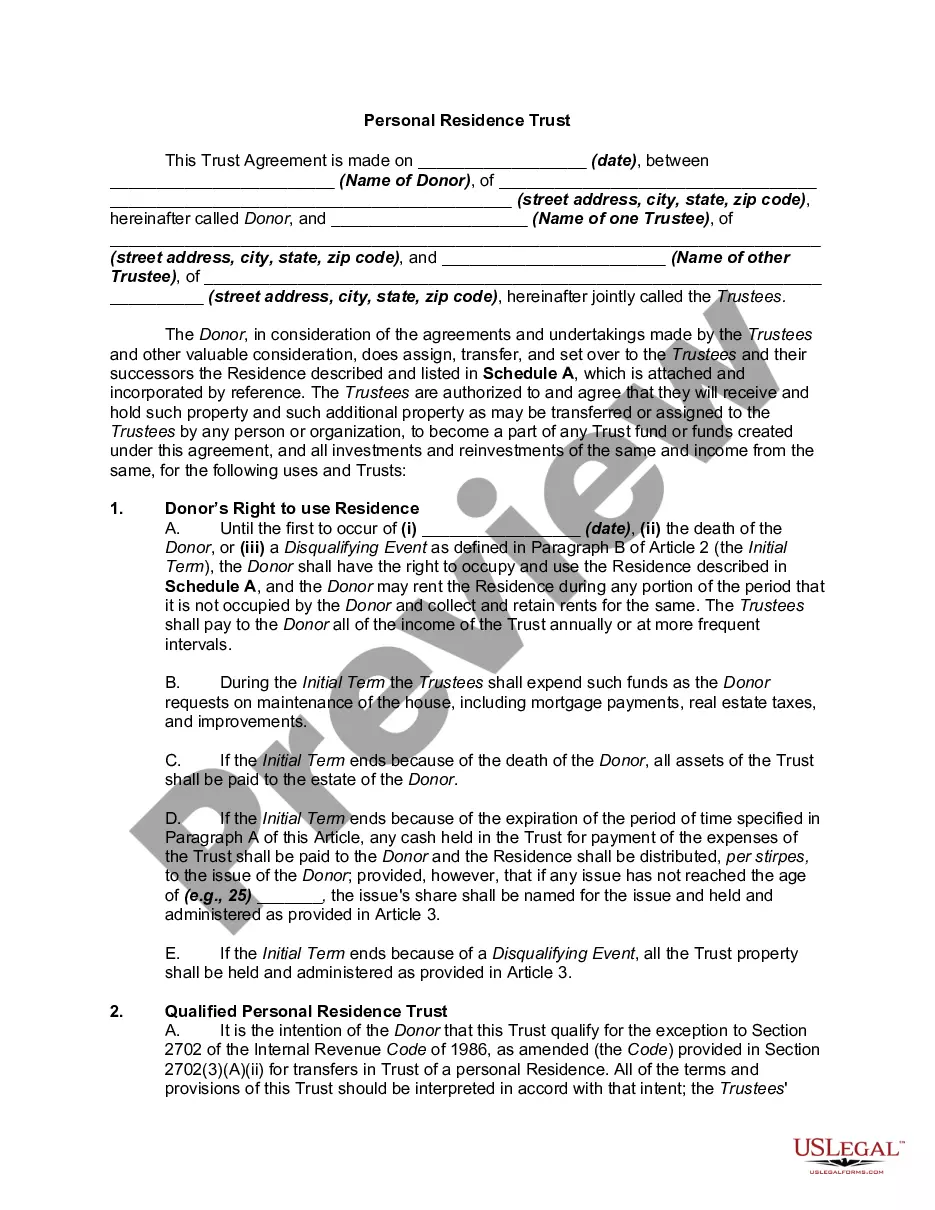
How to fill out Qualified Personal Residence Trust?
- If you're a returning user, log in to your account and download your saved form template directly from your device by clicking the Download button. Ensure your subscription is active; if it has expired, consider renewing it based on your chosen payment plan.
- For first-time users, start by checking the Preview mode and form description to confirm you've selected the right form that aligns with your local requirements.
- If you don't find the right template, utilize the Search tab above to discover additional options that may suit your needs.
- Once you've selected your desired document, click on the Buy Now button and choose the subscription plan that best fits your needs, registering an account to gain full access to their extensive resources.
- Complete the purchase process by entering your credit card details or using your PayPal account for payment.
- Finally, download your form to your device for completion. You can always revisit the My Forms section of your profile to access it whenever necessary.
With US Legal Forms, you gain access to a vast library featuring over 85,000 editable legal forms, empowering individuals and attorneys to create precise documents swiftly.
Don't hesitate—start your journey with US Legal Forms today and ensure your legal needs are met efficiently and accurately!
Form popularity
FAQ
A personal representative for trust and an executor perform similar functions, but they serve in different contexts. An executor is specifically appointed to carry out the instructions of a will after someone passes away, while a personal representative manages the trust as defined in the trust document. Understanding the nuances between these roles helps in appointing the right person for each responsibility.
When signing as a personal representative for trust, you should write your name followed by your title, indicating your role. For example, you would sign your name and then add 'Personal Representative of Trust Name.' This approach clarifies your authority when dealing with financial institutions or legal documents.
Yes, a trustee and a personal representative can be the same individual, especially when the same person is managing both a trust and an estate. This dual role can simplify administration and provide consistency in decision-making. However, it is essential to clarify the responsibilities in each capacity to avoid any potential conflicts of interest.
A trustee is responsible for managing the assets within a trust, while a personal representative handles the administration of a will or the estate after someone passes away. Although both roles involve overseeing assets, they operate in different legal contexts. Understanding these distinctions can help ensure that the proper individual is appointed based on the specific needs of each situation.
A personal representative for trust is an individual appointed to manage and distribute the assets held in a trust according to the trust document. This person ensures that the trust's terms are followed and handles any necessary legal and financial matters. It's essential for the personal representative to have a good understanding of the trust's purpose and the beneficiaries involved.
While both roles involve fiduciary duties, a personal representative typically refers to someone handling a trust, and an executor oversees a will. The responsibilities may overlap, but understanding the distinctions is crucial for effective estate management. You can turn to services like US Legal Forms to navigate these roles confidently.
Yes, an executor of a will can also be a beneficiary. This is a common practice that sometimes simplifies estate management. However, transparency and proper documentation are crucial to avoid any misunderstandings regarding the distribution of the estate.
Absolutely, a personal representative and a beneficiary can be the same individual. This arrangement can streamline the process of managing a trust, as one person oversees the assets while also benefiting from them. It's important to handle these roles transparently to prevent potential disputes.
An executor typically does not have the authority to evict a beneficiary from a property without proper legal grounds. The situation depends on the terms of the will and the rights granted to the beneficiaries. Consulting with a personal representative for trust or a legal professional can help clarify these rights.
Yes, a personal representative can also be a beneficiary of the trust. This setup can simplify the process, as the personal representative has a direct stake in the trust's outcome. However, it's essential to maintain clear documentation to avoid any conflicts of interest.