Living Trust With Pour Over Will
Description
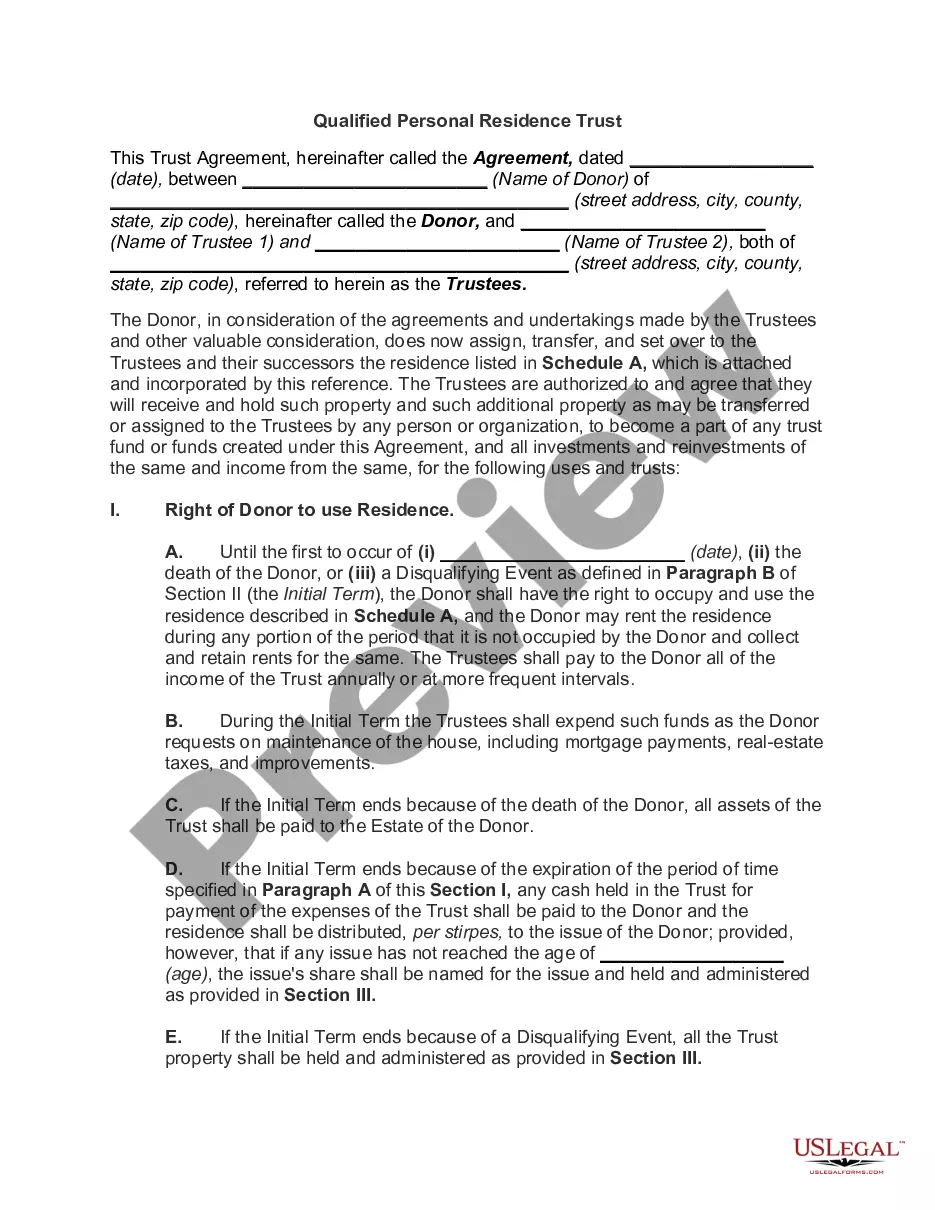
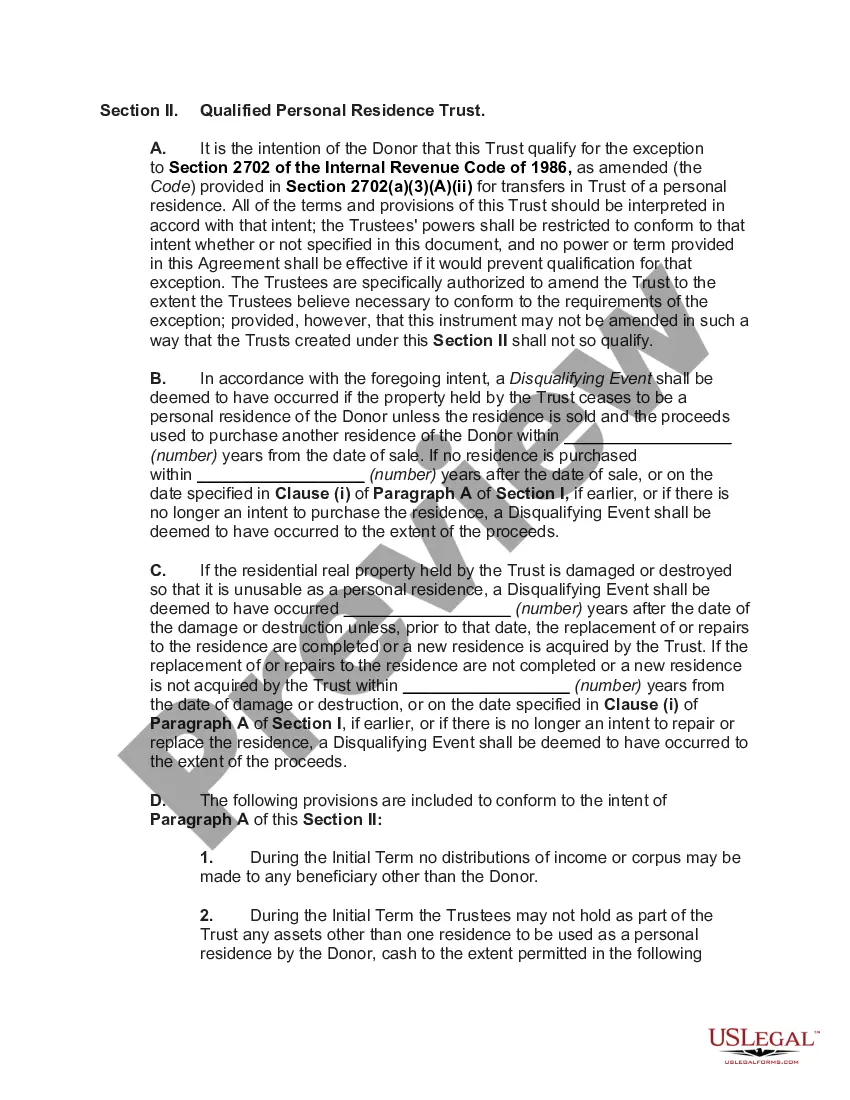
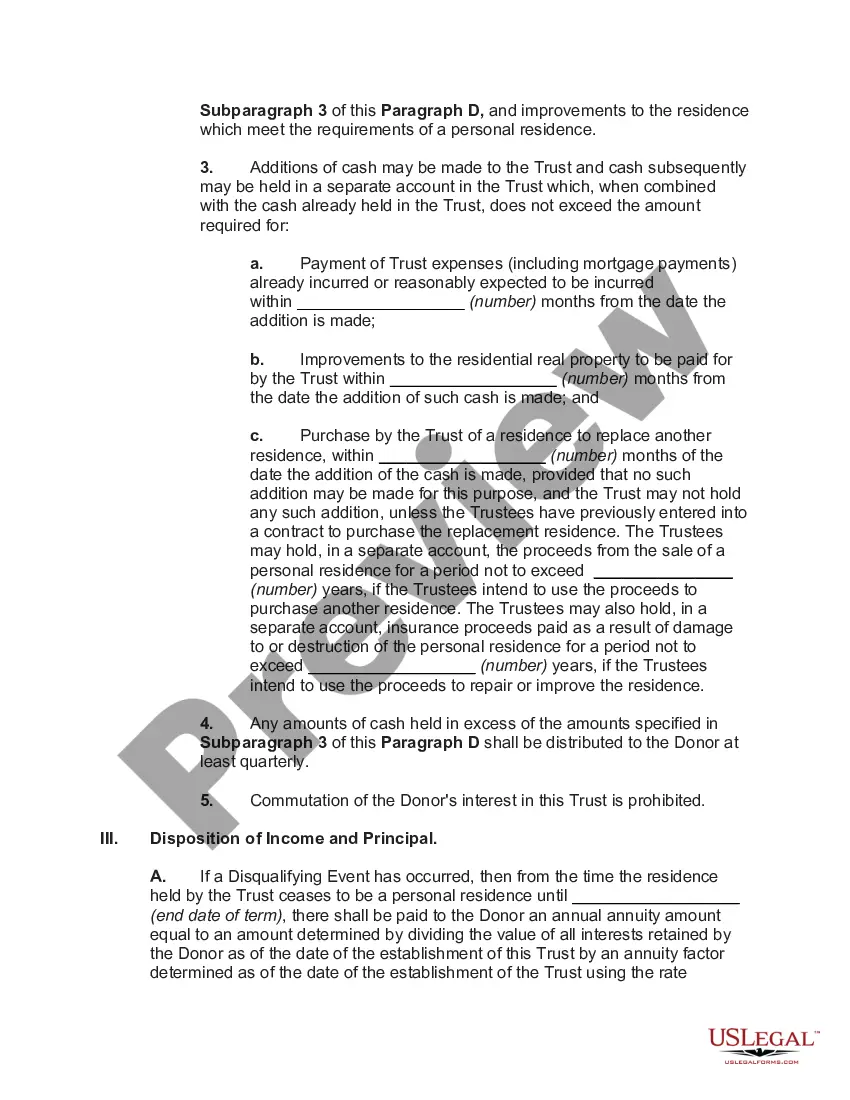
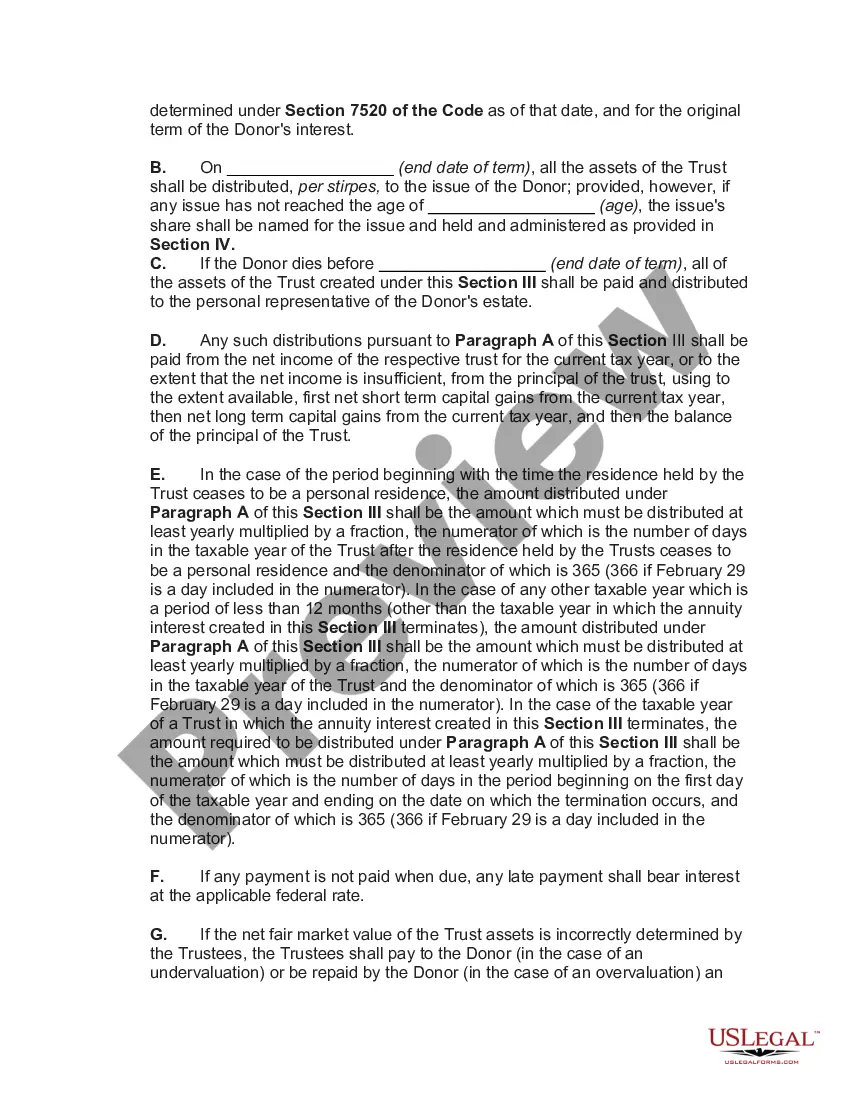

Get your form ready online
Our built-in tools help you complete, sign, share, and store your documents in one place.
Make edits, fill in missing information, and update formatting in US Legal Forms—just like you would in MS Word.
Download a copy, print it, send it by email, or mail it via USPS—whatever works best for your next step.
Sign and collect signatures with our SignNow integration. Send to multiple recipients, set reminders, and more. Go Premium to unlock E-Sign.
If this form requires notarization, complete it online through a secure video call—no need to meet a notary in person or wait for an appointment.
We protect your documents and personal data by following strict security and privacy standards.

Make edits, fill in missing information, and update formatting in US Legal Forms—just like you would in MS Word.

Download a copy, print it, send it by email, or mail it via USPS—whatever works best for your next step.

Sign and collect signatures with our SignNow integration. Send to multiple recipients, set reminders, and more. Go Premium to unlock E-Sign.

If this form requires notarization, complete it online through a secure video call—no need to meet a notary in person or wait for an appointment.

We protect your documents and personal data by following strict security and privacy standards.
Looking for another form?








How to fill out Qualified Personal Residence Trust?
- Log in to your US Legal Forms account if you're a returning user. Ensure your subscription is active before proceeding.
- If you're a new user, start by exploring the platform. Check the Preview mode to review the living trust with pour over will form description.
- Search for alternative templates if necessary by utilizing the Search tab, ensuring you find the right form that aligns with local jurisdiction requirements.
- Once you've found the correct template, proceed to purchase by clicking on the Buy Now button. Choose your preferred subscription plan and create an account for access.
- Complete the payment process using your credit card or PayPal, securing your subscription.
- Download the form and store it on your device. You can also access it later from the My Forms section of your profile.
In conclusion, navigating the process of creating a living trust with pour over will doesn't have to be overwhelming. With the help of US Legal Forms, you can not only find the necessary documents but also receive expert assistance to ensure they are filled out accurately.
Start your journey today by visiting US Legal Forms and explore the extensive library available for your legal needs!
Form popularity
FAQ
Yes, a living trust generally overrides a will when it comes to the distribution of assets. This is particularly important with a living trust with pour over will, as it streamlines the management of your estate. If assets are placed in the trust, those instructions will typically guide the distribution, while the will handles any assets not directly placed in the trust. This ensures your wishes are honored more effectively.
In most cases, a living trust takes precedence over a will. If assets are included in both a living trust with pour over will and a will, the trust's provisions typically govern how those assets are handled. This relationship can protect your estate from probate, making the process smoother for your beneficiaries. Hence, understanding this dynamic is essential for effective estate planning.
over will acts as a safety net for any assets not included in the living trust. When you pass away, this will directs any remaining assets into your living trust with pour over will, ensuring they are managed according to your established wishes. This process simplifies your estate planning by uniting all assets within the trust. Essentially, it ensures nothing falls through the cracks after your passing.
Typically, a will does not override a living trust. Instead, a living trust with pour over will can work together to ensure your assets are distributed as intended. If you have assets in both documents, the trust will usually take precedence, directing how those assets should be managed. It's crucial to understand how both documents function together to achieve your estate planning goals.
One significant mistake parents make when setting up a trust fund is failing to fund the trust properly. It is essential to transfer assets into the living trust with pour over will to ensure they are protected and managed according to your wishes. Without proper funding, your trust may not function as intended, leaving your heirs with complications. Taking the time to understand how to fund your trust can save your loved ones from potential challenges.
To title a trust under a will, you typically specify the name of the trust in the will document. This process often includes clearly stating that the property should be transferred to the living trust with pour over will upon your death. By doing this, your assets will automatically pour over into the trust, ensuring adequate management according to your wishes. Using a service like UsLegalForms can simplify this process by providing you with templates and guidance tailored to establishing a living trust with pour over will.
Choosing between a will and a living trust with pour over will depends on your specific needs. A living trust helps avoid probate and provides more privacy compared to a will. However, a will is often simpler and cheaper to set up. Evaluating your circumstances with resources from US Legal Forms can guide your decision, making sure your assets are managed according to your wishes.
To write a living trust with pour over will, you start by clearly identifying your assets and deciding how to distribute them. Next, you prepare the trust document, which outlines your arrangements. It's crucial to name a trustee who will manage the trust after your passing. You can use platforms like US Legal Forms to streamline this process, ensuring your living trust with pour over will is created correctly.
The primary difference between a pour-over will and a trust is how they manage assets. A trust allows you to distribute your property during your lifetime and beyond, while a pour-over will comes into play after your death to transfer any remaining assets into the trust. This relationship ensures that your living trust with pour over will works together effectively. For detailed assistance, you can explore resources available at US Legal Forms.
While a pour-over will is beneficial, it does have some disadvantages. It generally must go through the probate process, which can be time-consuming and public. This could delay the distribution of your assets and increase costs. Understanding these downsides can help you make an informed decision when creating your living trust with pour over will.