Living Trust With House
Description

Get your form ready online
Our built-in tools help you complete, sign, share, and store your documents in one place.
Make edits, fill in missing information, and update formatting in US Legal Forms—just like you would in MS Word.
Download a copy, print it, send it by email, or mail it via USPS—whatever works best for your next step.
Sign and collect signatures with our SignNow integration. Send to multiple recipients, set reminders, and more. Go Premium to unlock E-Sign.
If this form requires notarization, complete it online through a secure video call—no need to meet a notary in person or wait for an appointment.
We protect your documents and personal data by following strict security and privacy standards.

Make edits, fill in missing information, and update formatting in US Legal Forms—just like you would in MS Word.

Download a copy, print it, send it by email, or mail it via USPS—whatever works best for your next step.

Sign and collect signatures with our SignNow integration. Send to multiple recipients, set reminders, and more. Go Premium to unlock E-Sign.

If this form requires notarization, complete it online through a secure video call—no need to meet a notary in person or wait for an appointment.

We protect your documents and personal data by following strict security and privacy standards.
Looking for another form?







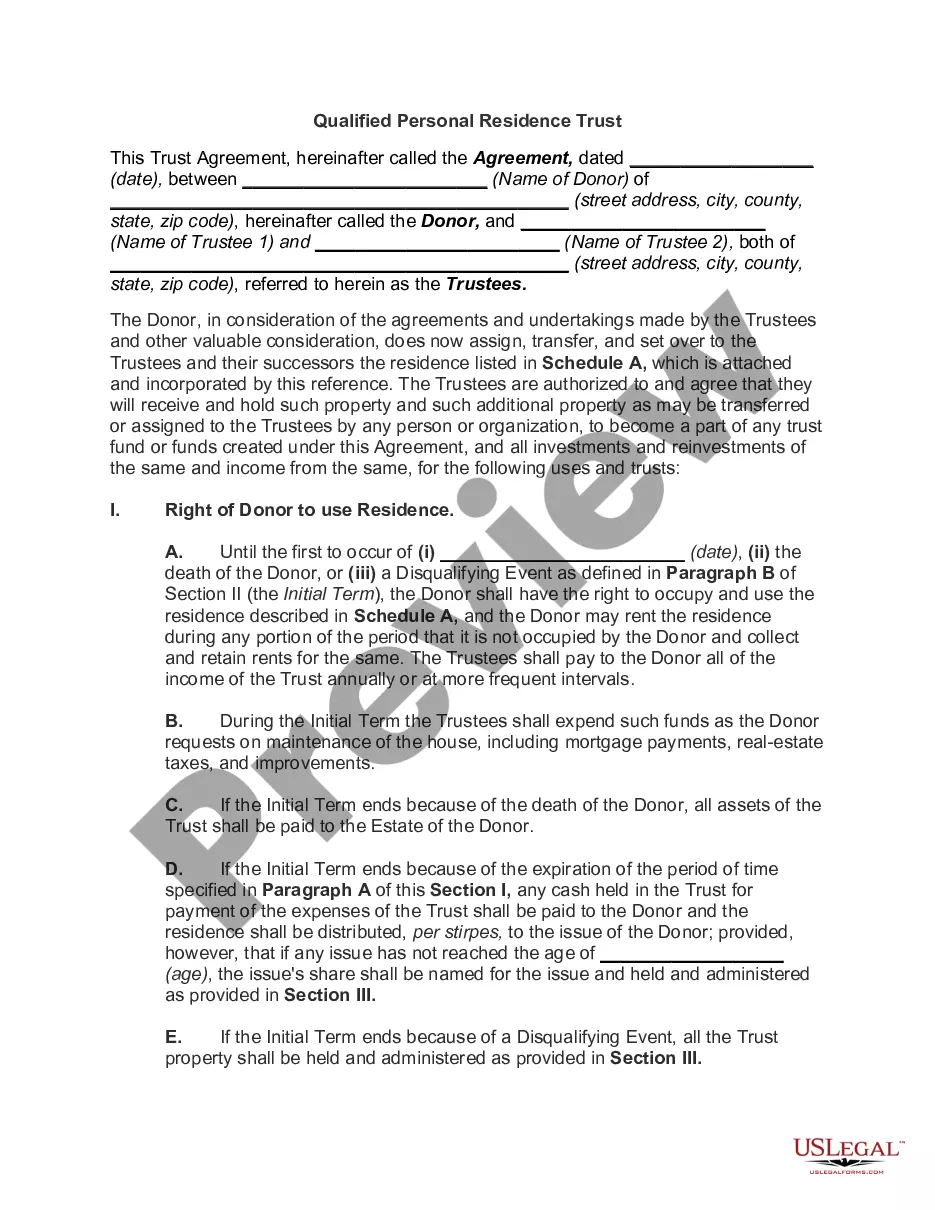
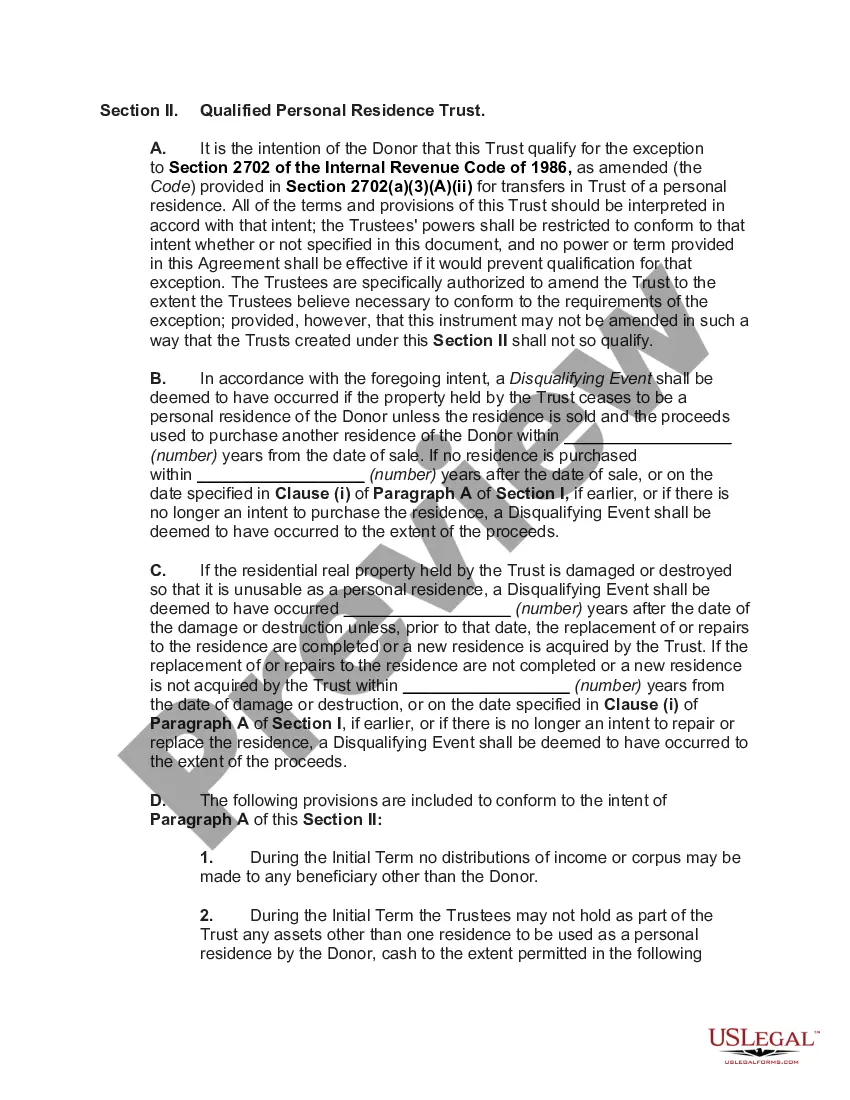
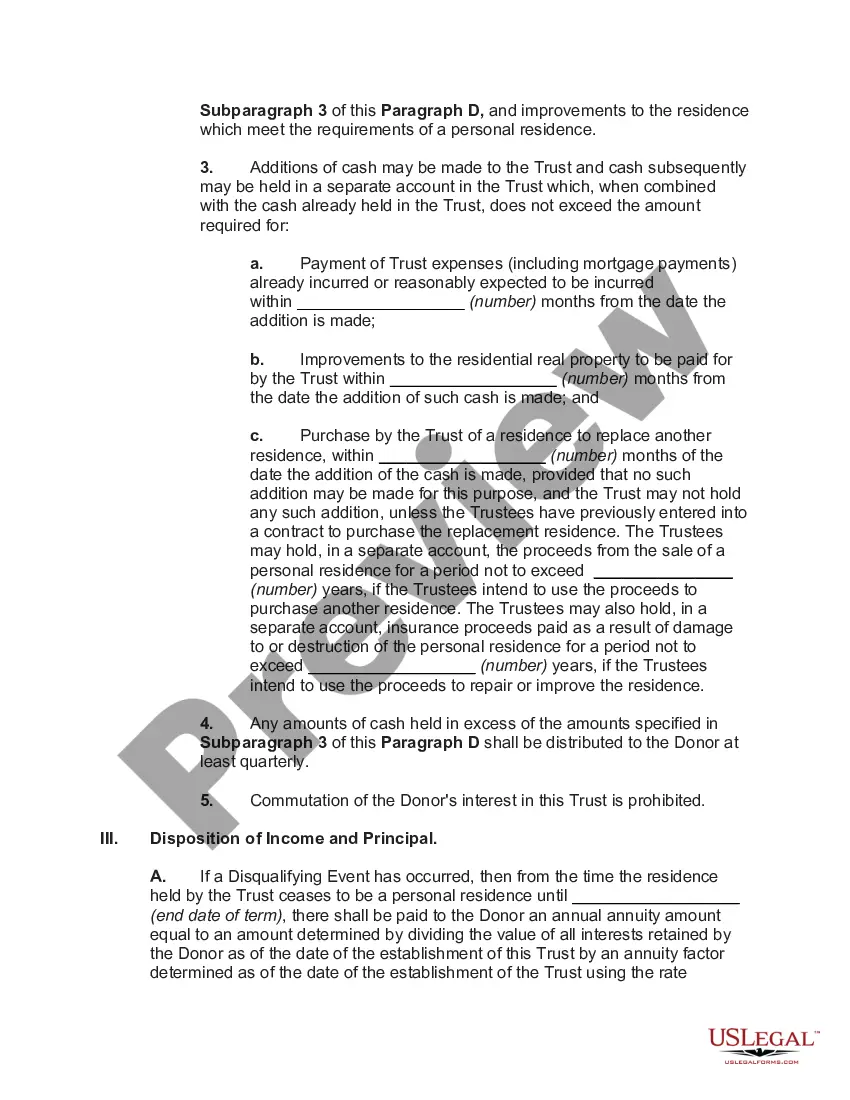
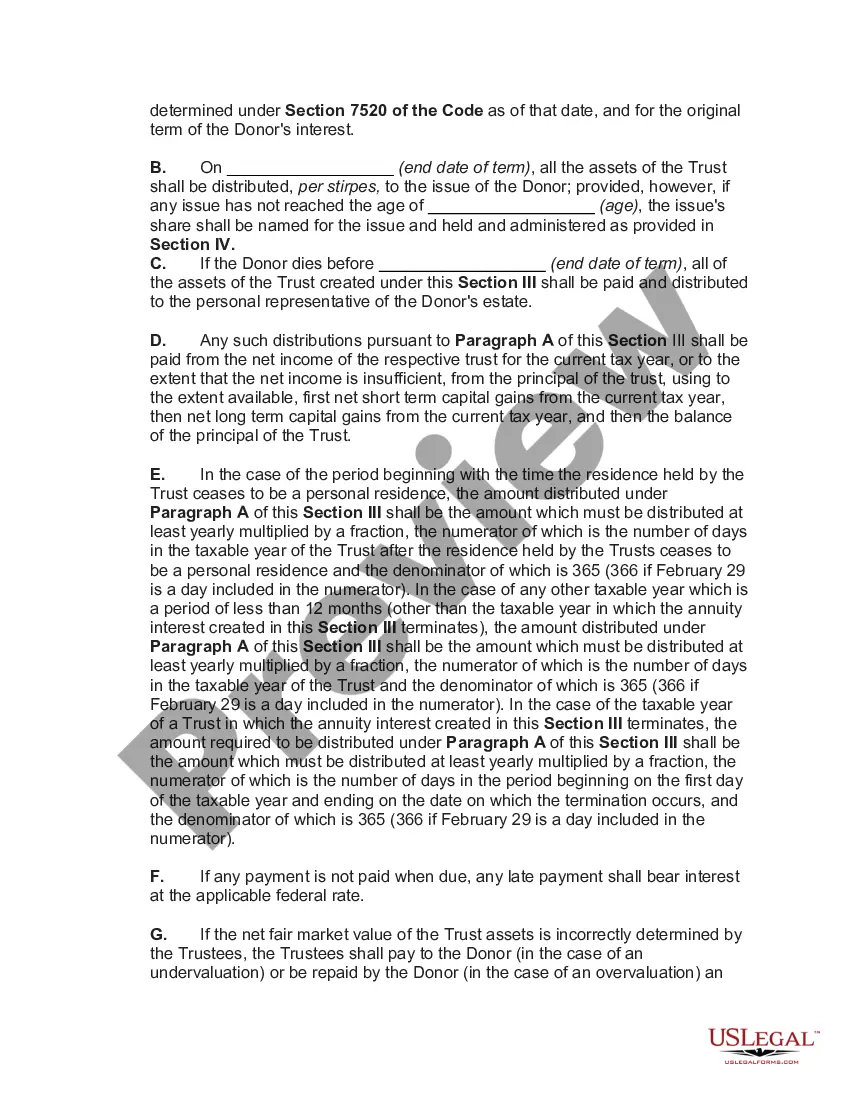
How to fill out Qualified Personal Residence Trust?
- If you're an existing user, log in to your account and retrieve your desired form template by clicking the Download button. Confirm that your subscription is active; if not, renew it according to your plan.
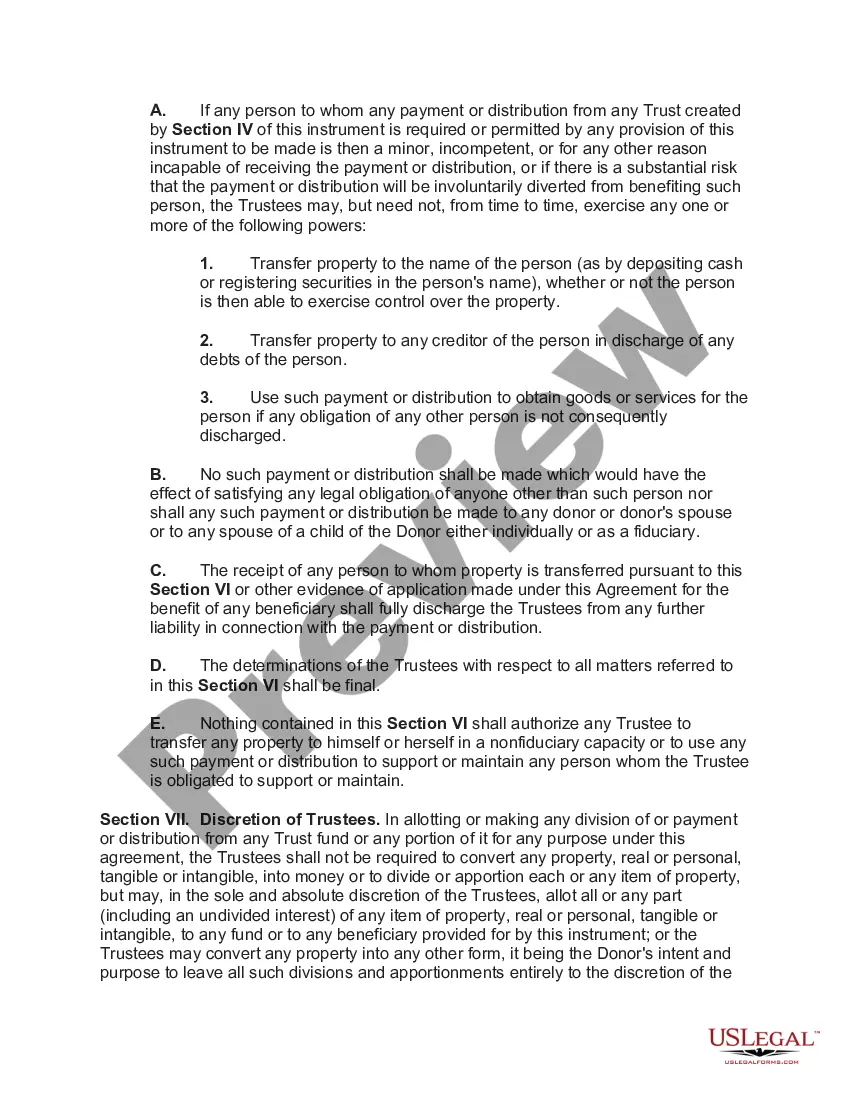
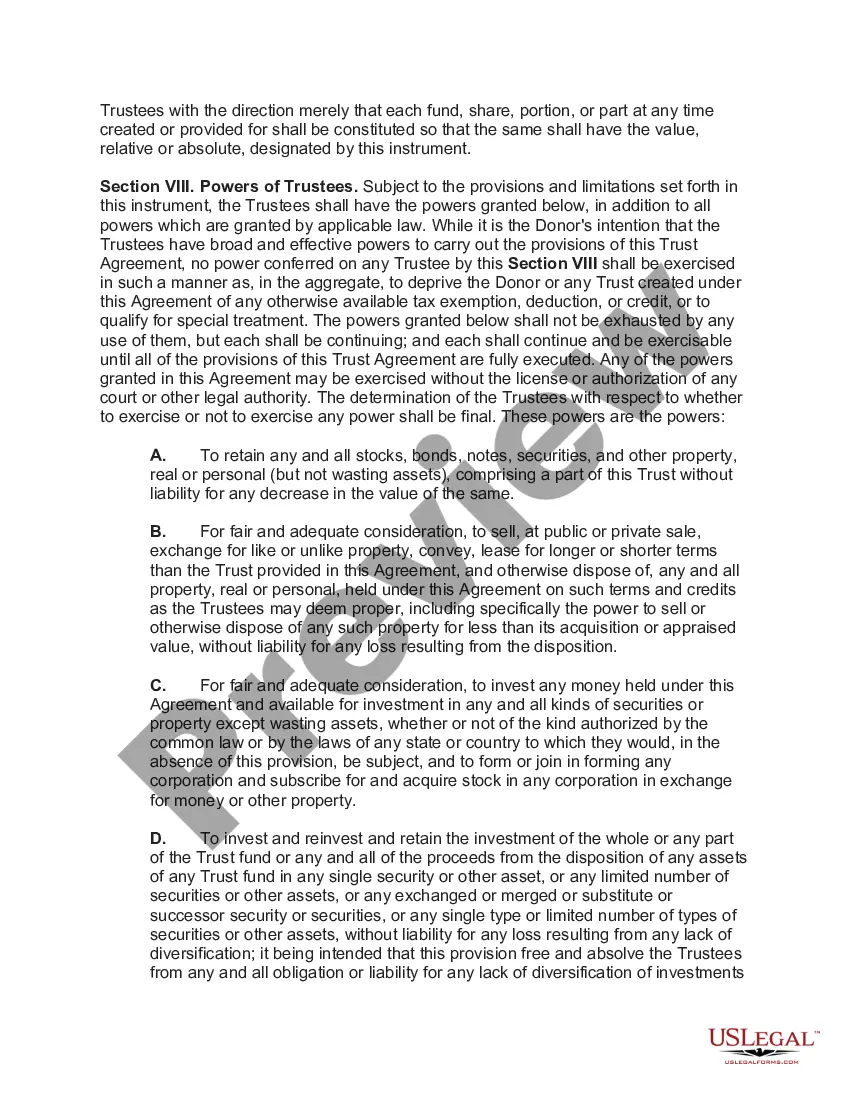
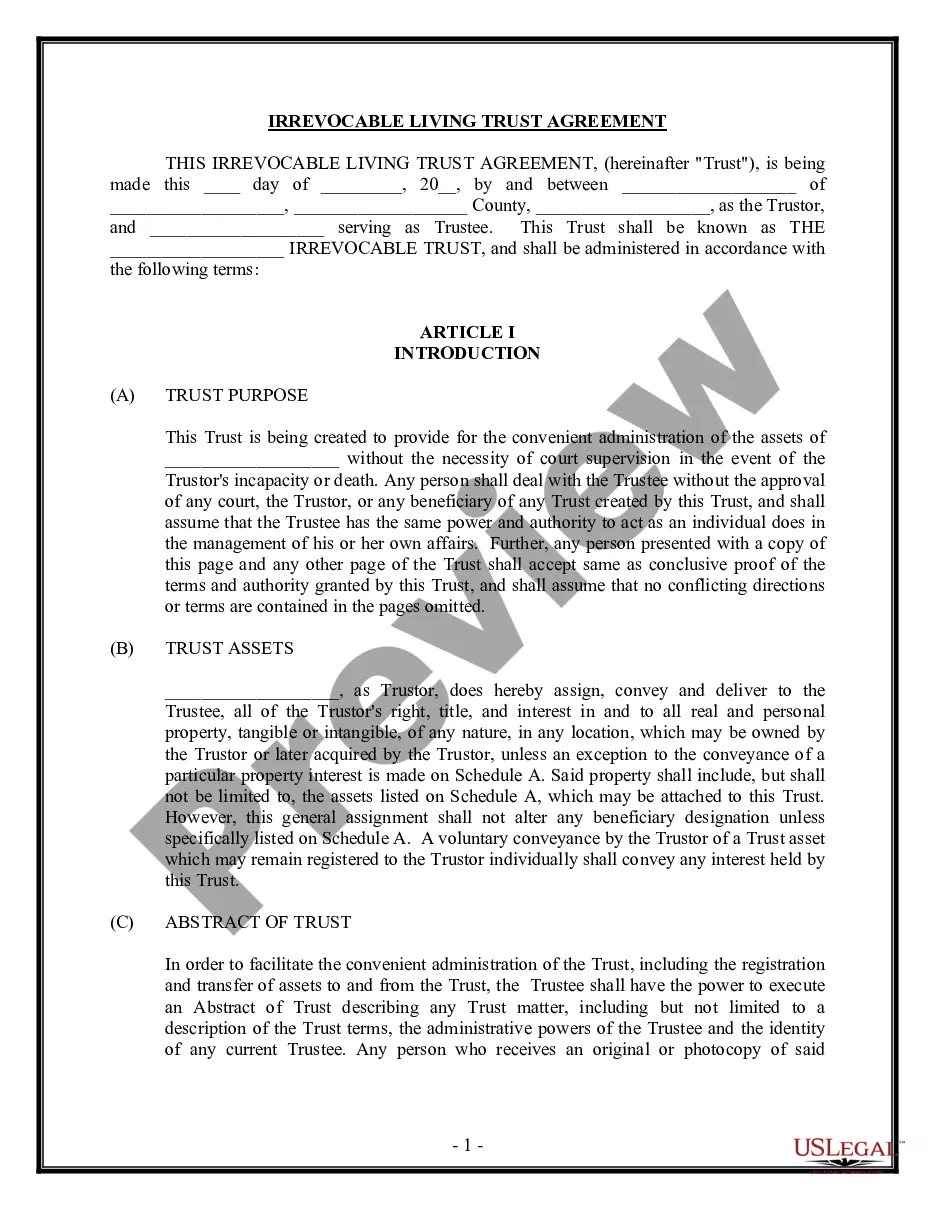
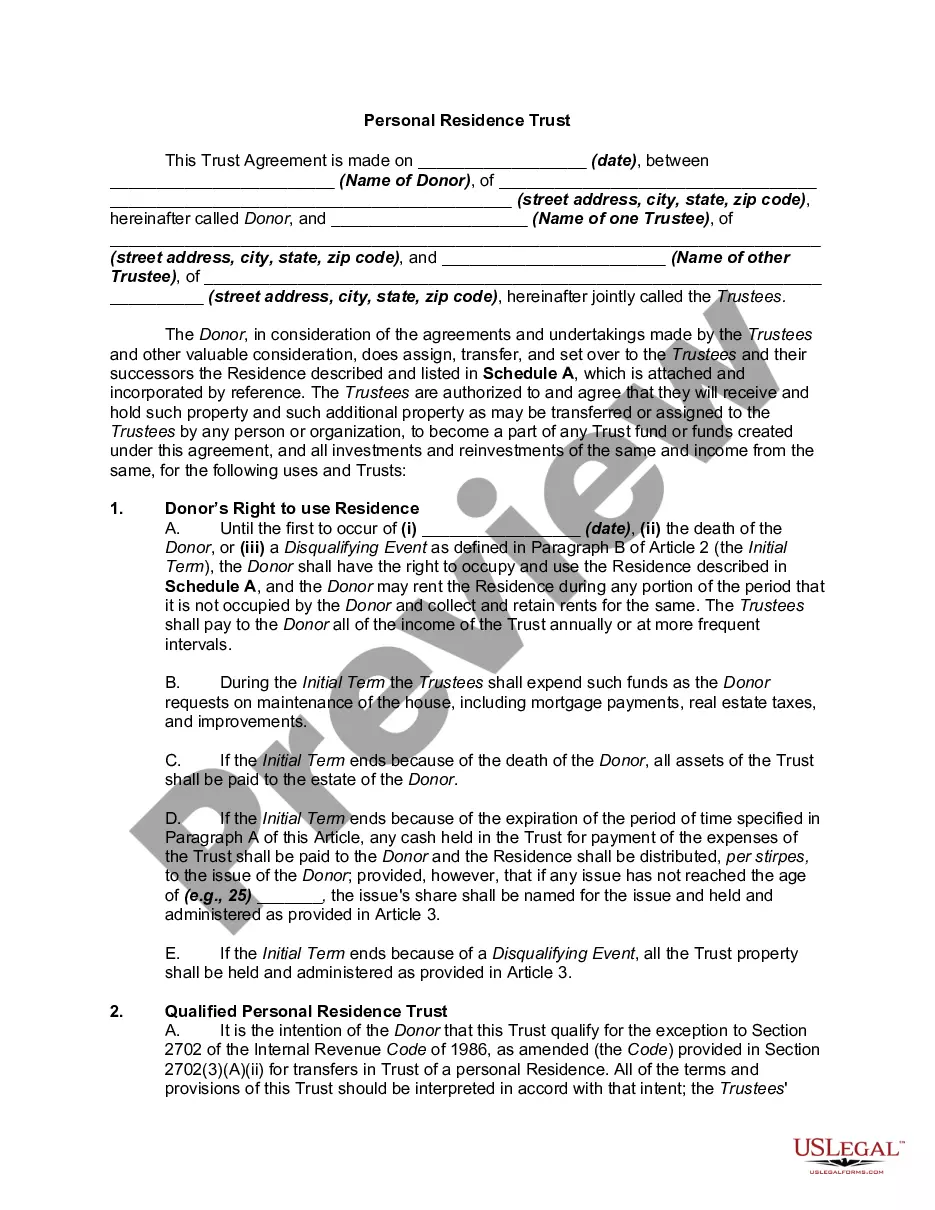
- For new users, begin by checking the Preview mode and form description. Make sure you've selected the right template that aligns with your needs and fulfills your local jurisdiction's requirements.
- If the template doesn't meet your criteria, use the Search function to find a more suitable option and proceed only if it aligns with your needs.
- Purchase your document by clicking on the Buy Now button. Choose a subscription plan that fits your requirements. You'll need to create an account to gain access to the library's resources.
- Finalize your purchase by providing your credit card details or opting for PayPal to complete the transaction.
- Download your selected form and save the template on your device. You can access it again from the My Forms section whenever necessary.
With US Legal Forms, you gain access to a robust collection of over 85,000 expertly crafted legal documents, making the process quick and efficient. Each form is designed for easy fill-out and editing, ensuring that you have exactly what you need.
Start your journey to secure your assets today. Visit US Legal Forms and simplify the process of setting up your living trust with house!
Form popularity
FAQ
Many individuals place their house in a living trust to ensure smooth management and seamless transfer of ownership. By using a living trust with house, you can avoid the lengthy probate process, making it easier for your heirs. Furthermore, this arrangement offers privacy since the trust does not go through public probate, keeping your estate matters confidential. Additionally, a living trust can protect your assets from potential legal challenges or creditors.
People choose to put their house in a living trust with house for various reasons. One key reason is to facilitate the efficient distribution of assets without going through probate court. Furthermore, a living trust can protect your home from potential creditors and ensure that your loved ones receive their inheritance promptly. By utilizing a trust, you can maintain control over your property while simplifying the transition for your heirs.
Yes, placing your home in a living trust with house can be a smart decision. It allows for smoother asset transfer upon your passing, avoiding probate, which can be time-consuming and costly. Additionally, a living trust can provide privacy, as your assets do not become public record during the transfer. Ensuring your home is in a trust may offer peace of mind, knowing your wishes will be honored.
Deciding between gifting a house or placing it in a living trust with house depends on your specific goals. Gifting may provide immediate benefits but can incur gift taxes, while placing a house in a trust can help manage your estate and offer protection for your heirs. A living trust with house allows for controlled distribution and may save your family from tax complications later. You can explore more about these options on the US Legal Forms platform to make an informed decision.
Holding property in a living trust with house offers several advantages. It simplifies the transfer of your assets to beneficiaries, avoiding probate delays and costs. However, there are some downsides, such as the initial setup costs and the ongoing management requirements. Ultimately, weighing these pros and cons can help you decide if a living trust with house is the right choice for your estate plan.
In addition to the initial setup costs, a living trust with house may create complications with homeowners' insurance and mortgage agreements. Some lenders may view your property differently once it's in a trust, possibly requiring refinancing. Also, be aware that having a trust might not provide you with liability protection. We recommend consulting with legal experts to understand all implications.
For most individuals, a revocable living trust serves as the best option to hold a house. This living trust with house simplifies the transfer process and avoids the lengthy probate procedure. You can retain complete control over your property during your lifetime while designating its distribution after your death. Consider working with uslegalforms to ensure a smooth setup.
One common mistake parents make is not clearly communicating their intentions to their children. A living trust with house can manage family properties effectively, but without proper discussions, misunderstandings may arise. It's vital to explain your decisions, including why you chose certain assets for the trust. Taking time to educate your family can promote harmony in the future.
A revocable living trust is often considered the best choice for protecting your home while maintaining control over your assets. This type of living trust with house allows you to adjust terms as needed and avoids probate upon your passing. By designating a trusted successor, you can ensure your property is managed according to your preferences. Reach out to professionals who can help you set up the right trust for your situation.