Dot With Kolam
Description
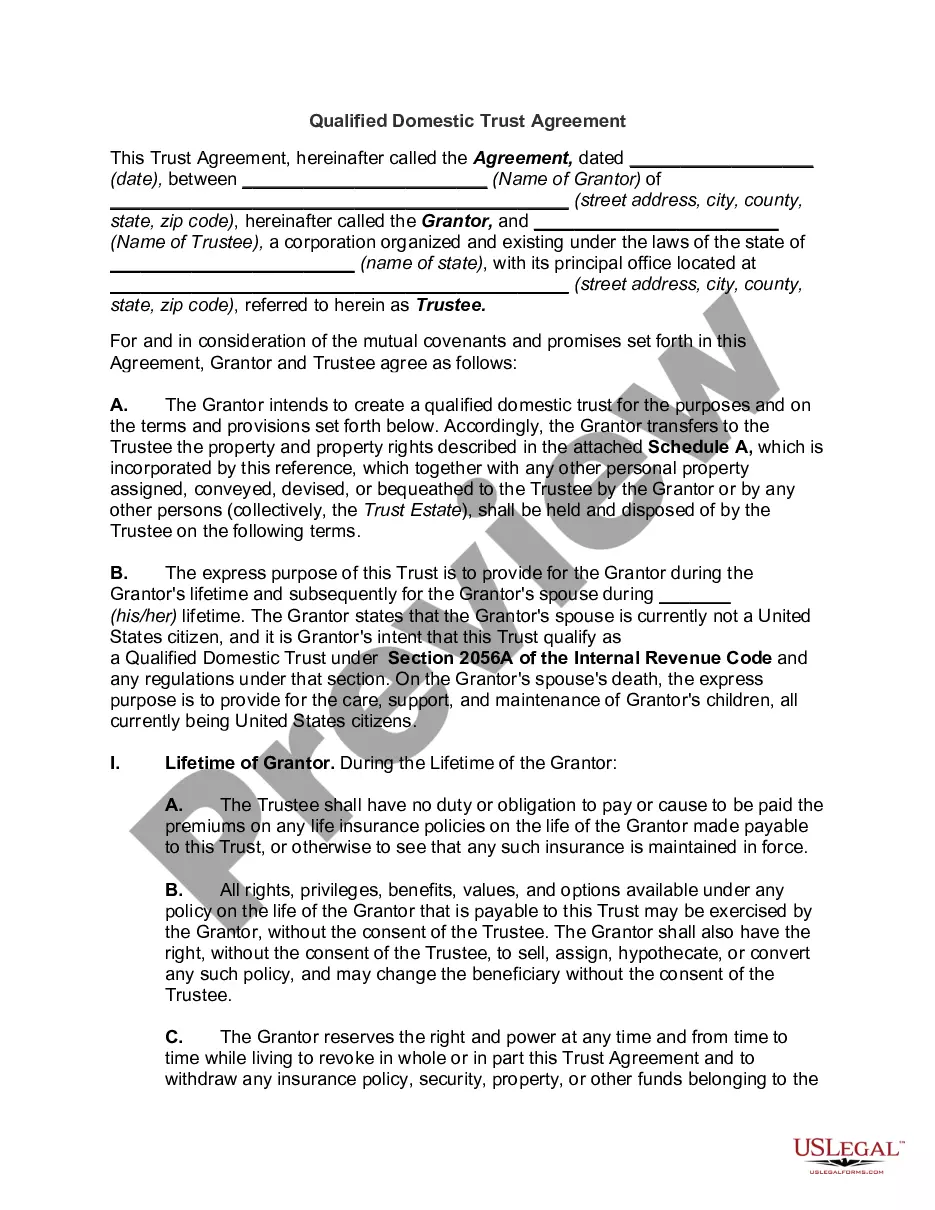
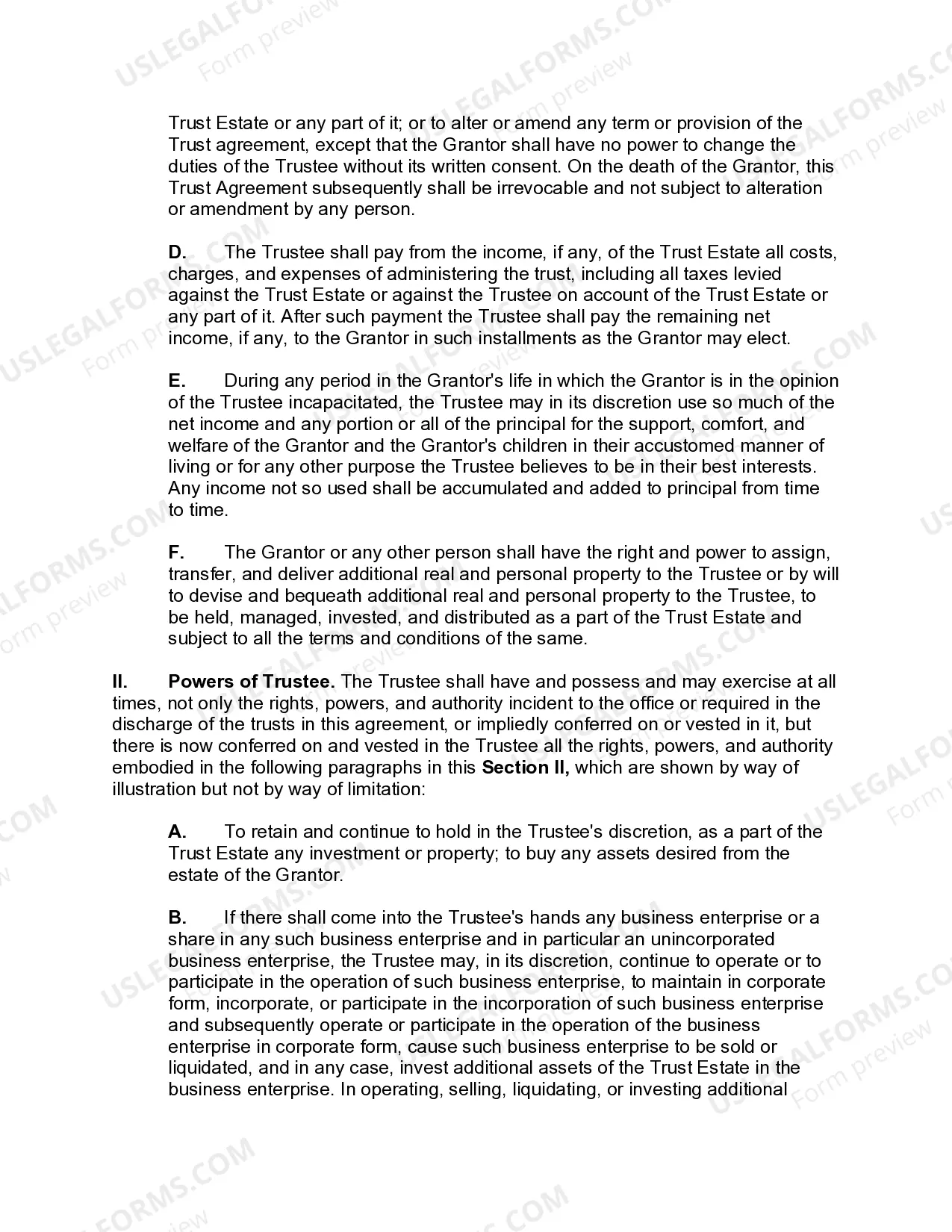
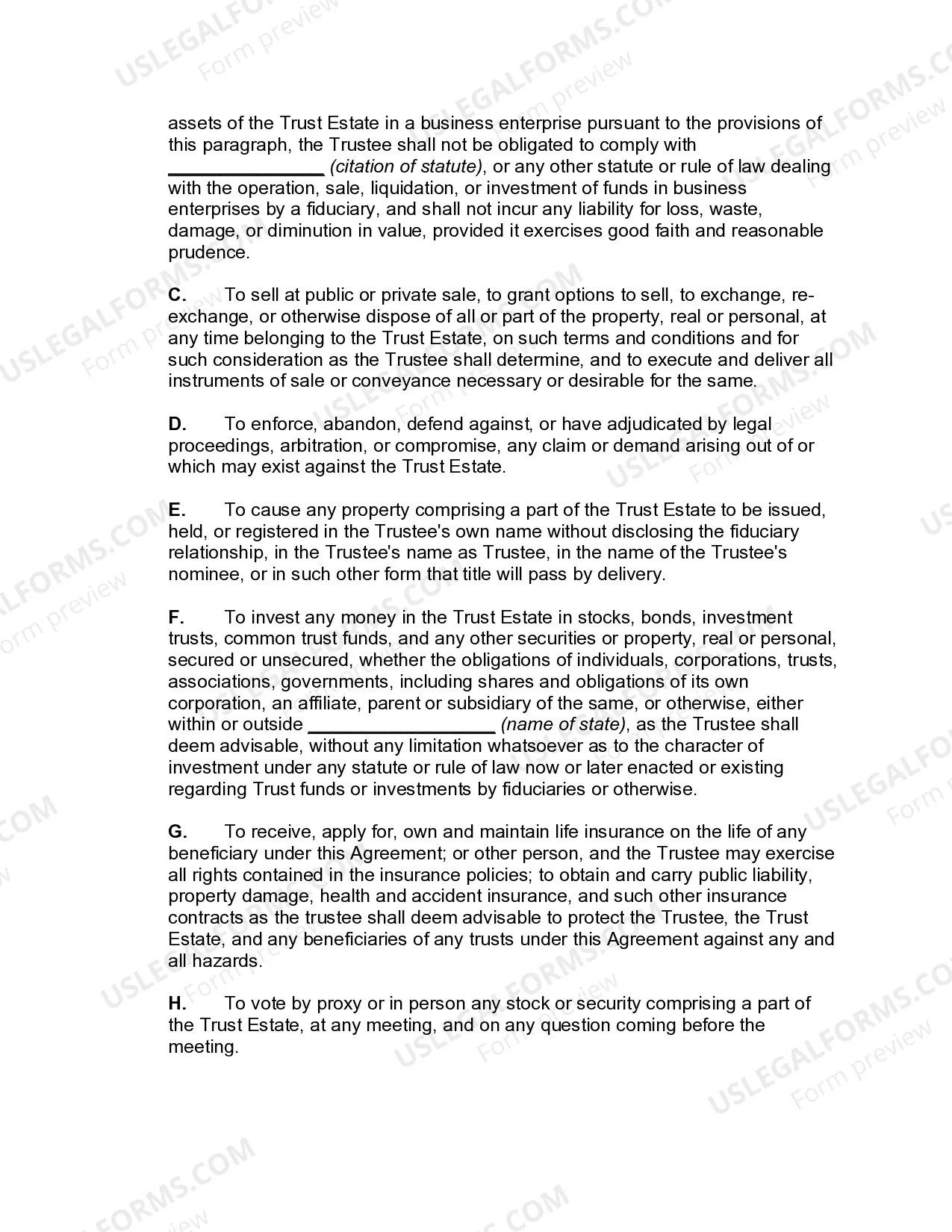
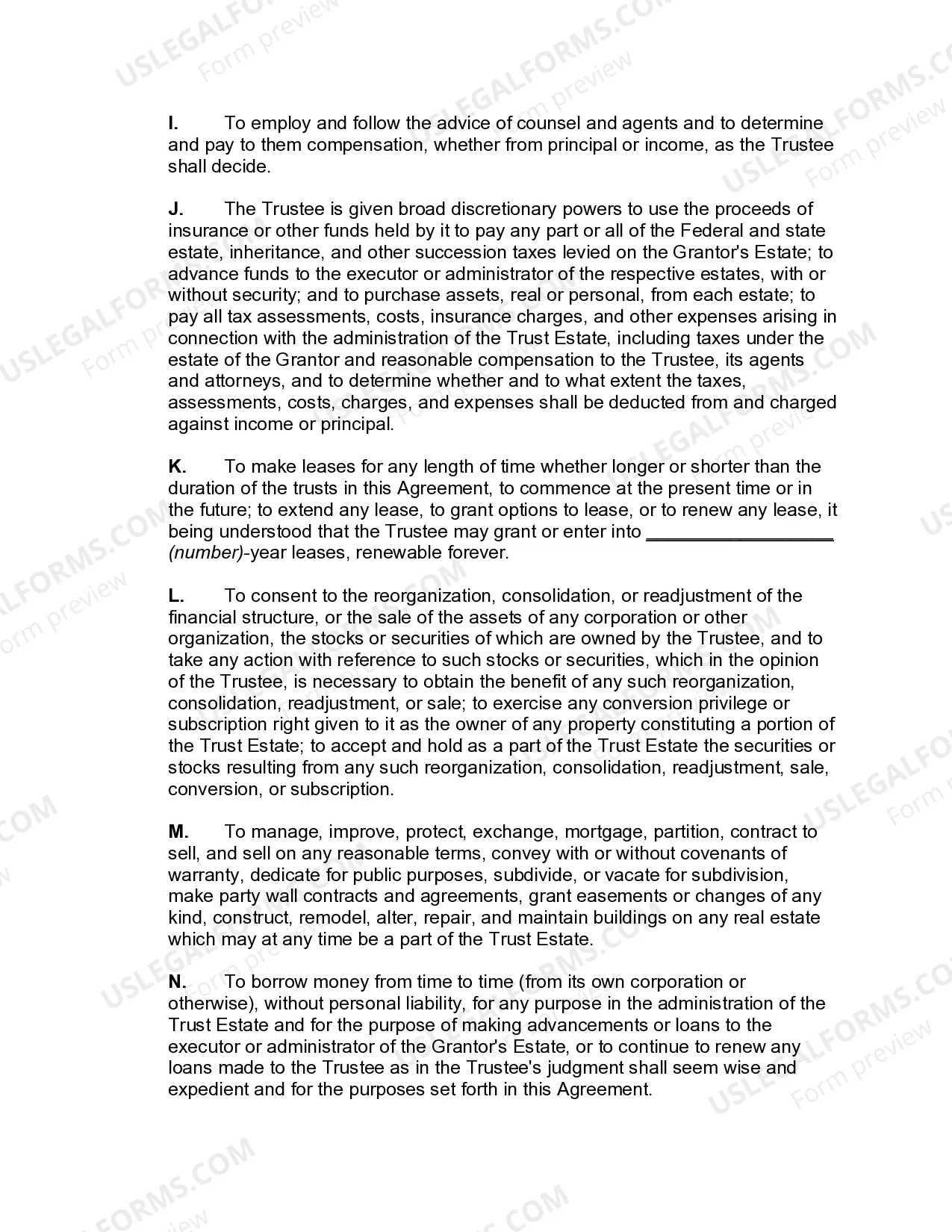
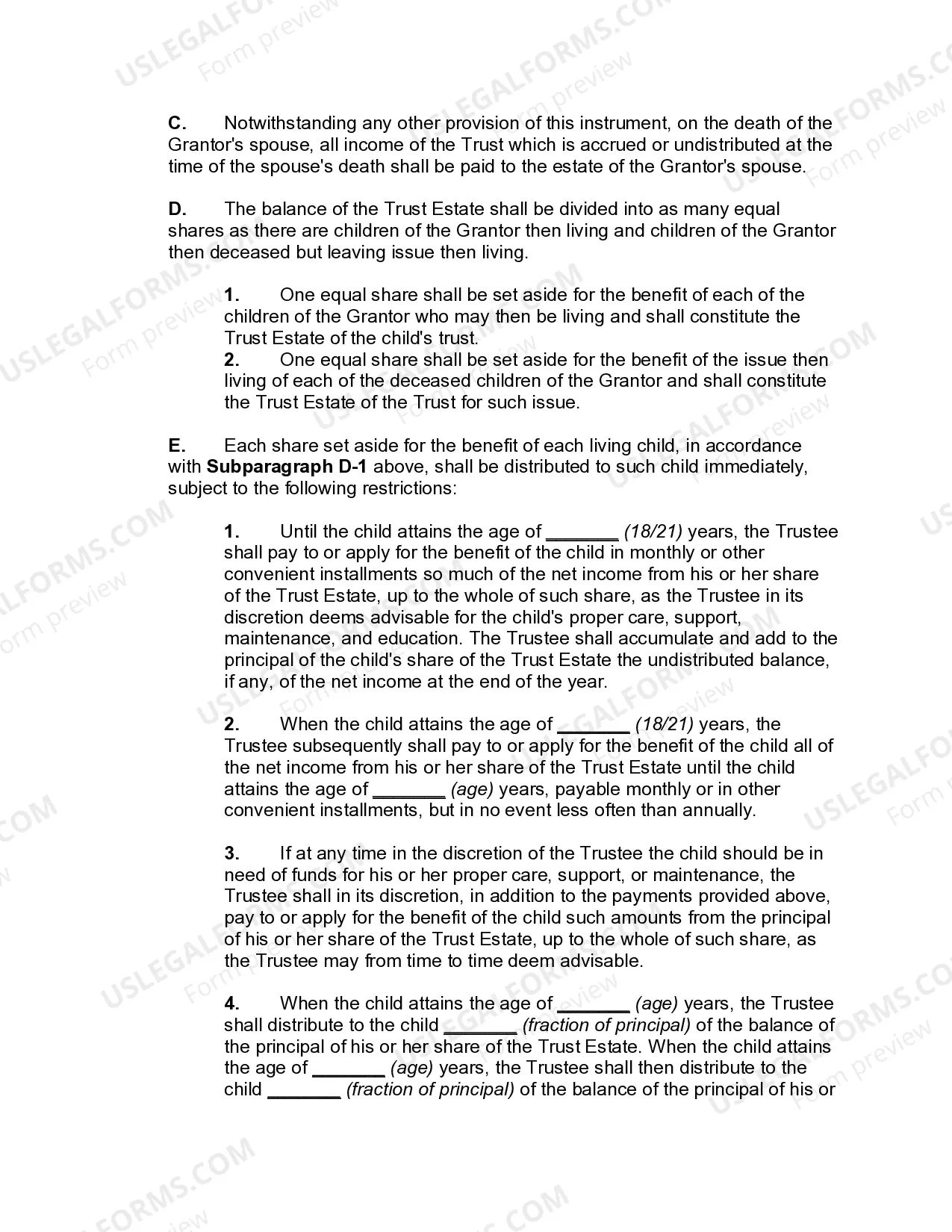
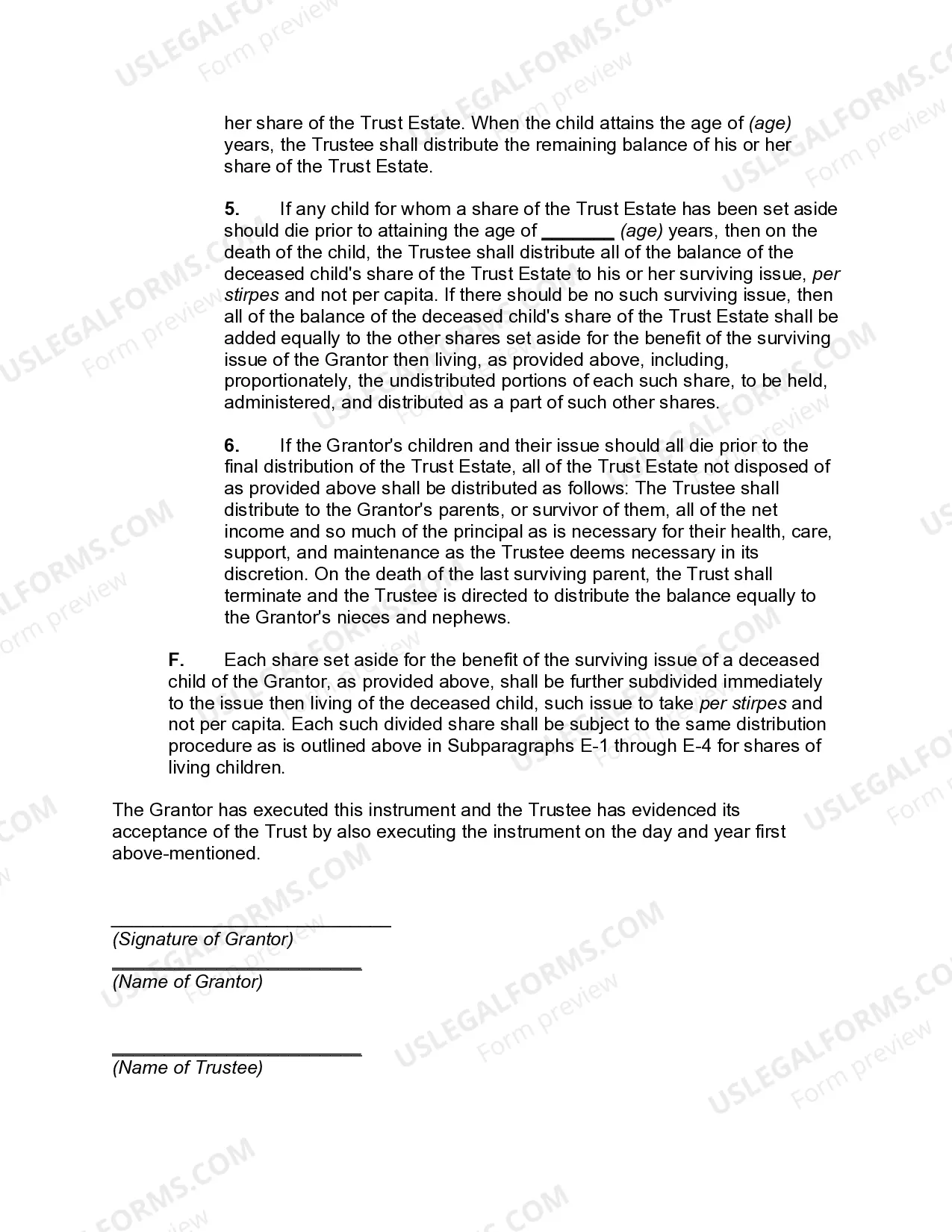

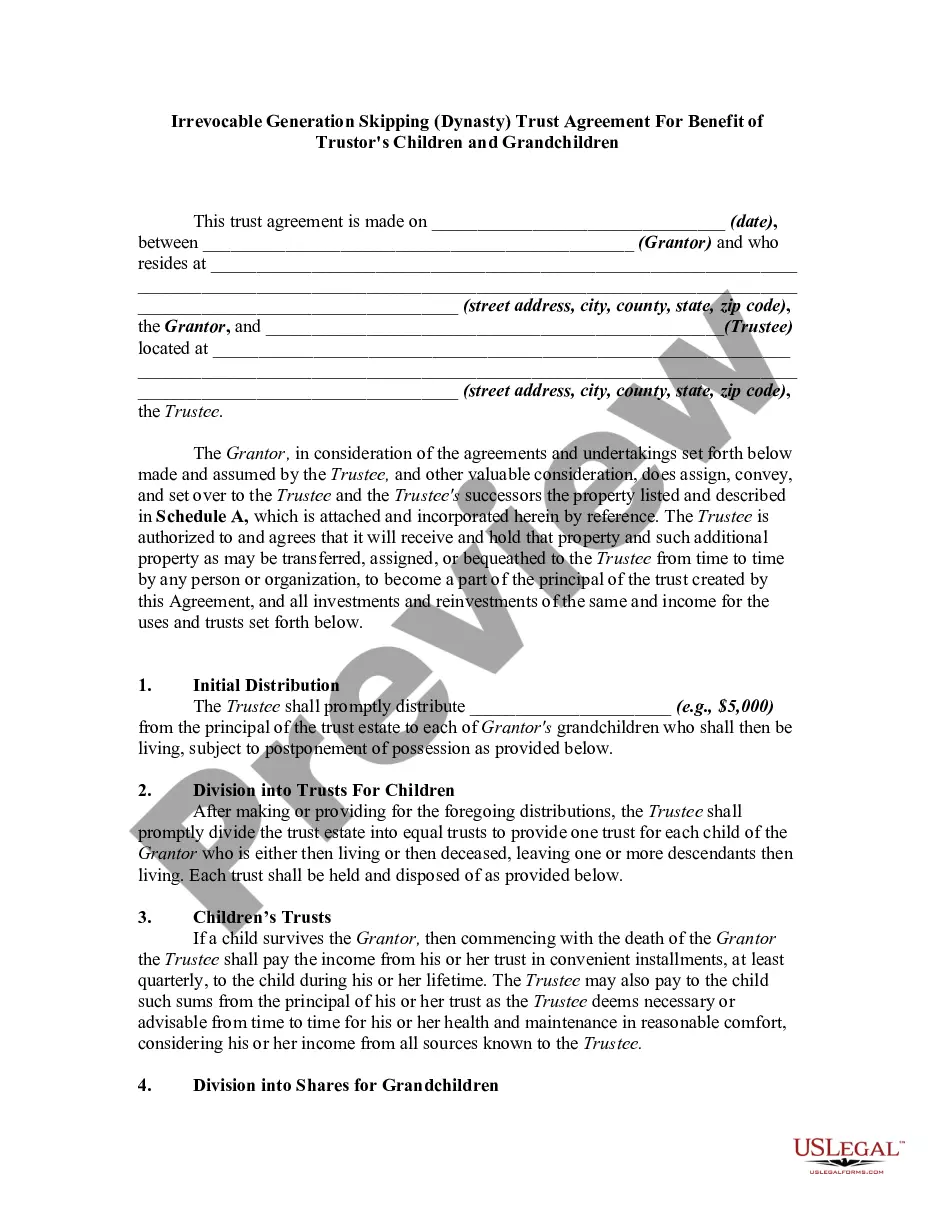

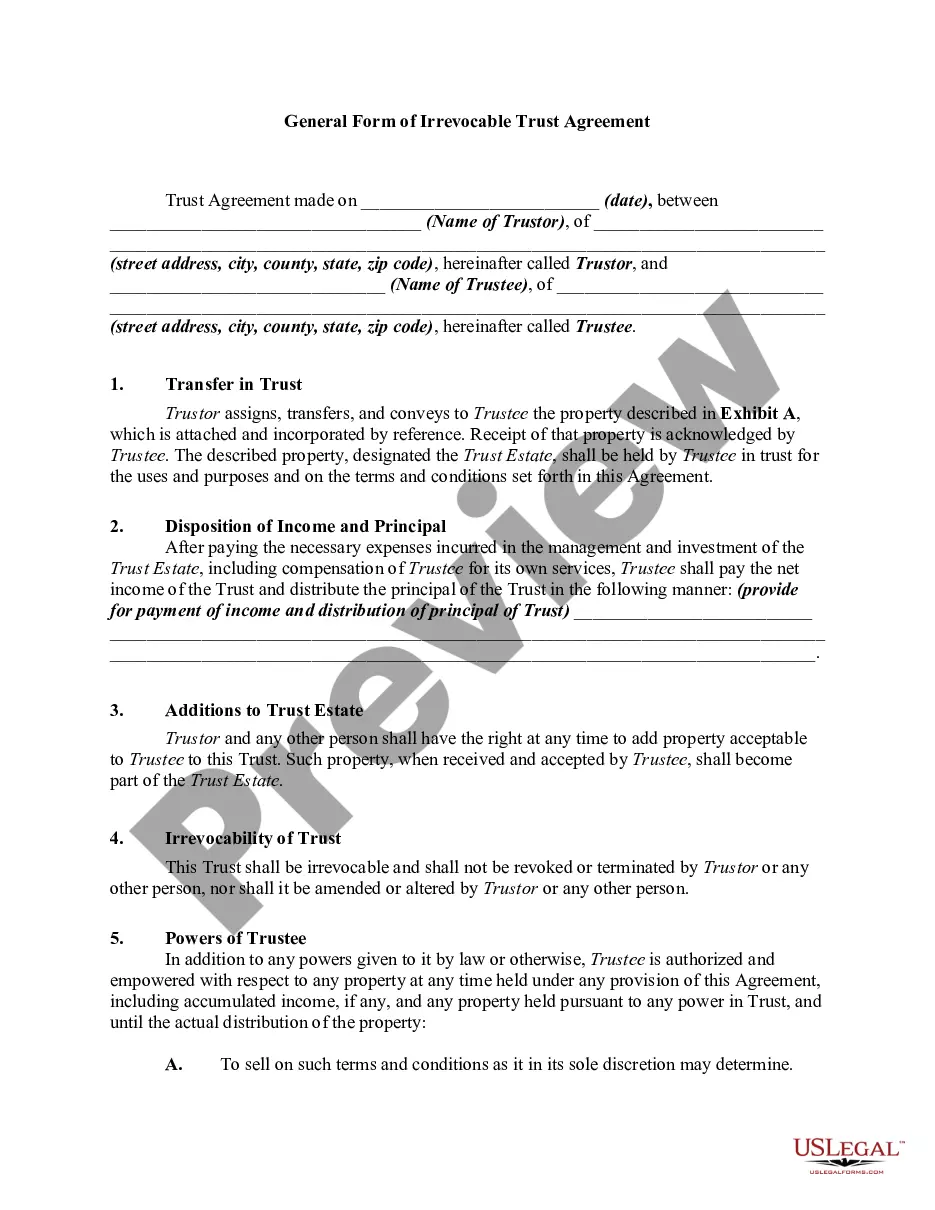
Get your form ready online
Our built-in tools help you complete, sign, share, and store your documents in one place.
Make edits, fill in missing information, and update formatting in US Legal Forms—just like you would in MS Word.
Download a copy, print it, send it by email, or mail it via USPS—whatever works best for your next step.
Sign and collect signatures with our SignNow integration. Send to multiple recipients, set reminders, and more. Go Premium to unlock E-Sign.
If this form requires notarization, complete it online through a secure video call—no need to meet a notary in person or wait for an appointment.
We protect your documents and personal data by following strict security and privacy standards.

Make edits, fill in missing information, and update formatting in US Legal Forms—just like you would in MS Word.

Download a copy, print it, send it by email, or mail it via USPS—whatever works best for your next step.

Sign and collect signatures with our SignNow integration. Send to multiple recipients, set reminders, and more. Go Premium to unlock E-Sign.

If this form requires notarization, complete it online through a secure video call—no need to meet a notary in person or wait for an appointment.

We protect your documents and personal data by following strict security and privacy standards.
Looking for another form?


How to fill out Qualified Domestic Trust Agreement?
- If you're an existing user, log in to your account and ensure your subscription is active. Download the required template immediately by clicking the Download button.
- For first-time users, begin by checking the Preview mode and description of the forms available. Confirm that your selection aligns with your specific needs and local jurisdiction.
- If you encounter any discrepancies, utilize the Search function at the top to locate the correct template that suits your requirements.
- Once the suitable document is found, click the Buy Now button and choose your preferred subscription plan. Make sure to register for an account to access the entire library.
- Proceed to purchase by entering your payment details via credit card or PayPal for seamless transaction processing.
- After your purchase, download the document and save it to your device for convenient access. You can also find it later in the My Forms section of your profile.
In conclusion, US Legal Forms offers an extensive library with over 85,000 templates, ensuring users find the right documents quickly. With the ability to access expert assistance, you can rest assured that your legal documents are precise and compliant.
Begin your hassle-free legal documentation process today by exploring the comprehensive resources at US Legal Forms!
Form popularity
FAQ
Kolam dots symbolize the cosmos and represent the universe in a simplified format. The careful placement of each dot signifies balance and harmony, reflecting the interconnectedness of all beings. By engaging in this ancient art form, individuals can express not only artistry but also a connection to nature and spirituality. It encourages reflection and insight into one’s surroundings.
Dots play a crucial role in kolam, serving as a foundation for the intricate designs that emerge. By connecting these dots, artists create patterns that embody creativity and intention. Using dot with kolam strengthens the artistic expression and allows for personal touch in artworks. This simplicity gives room for endless creativity.
Rangoli can have various names based on different regions and styles. Some popular types include 'Kolam', 'Muggu', and 'Alpana' among others. Each name reflects the unique cultural significance and artistic expression of the region. Engaging in these arts promotes sharing diverse traditions and creativity.
Yes, dots kolam often carries significant religious meaning. Many people believe that creating dot with kolam can invite divine blessings into their homes, especially during festivities. Hindu rituals commonly incorporate this practice to honor deities and mark auspicious occasions. So, it plays a crucial role in both spirituality and culture.
The name of Dots Rangoli is simply derived from its primary component—dots arranged meticulously to create stunning designs. Many artisans and enthusiasts opt for the term 'dots' in combination with 'Rangoli' when discussing this captivating art form. By incorporating dot with kolam, they evoke a sense of tradition and festivity. You can explore various patterns that can fit your style.
The art of painting dots is commonly referred to as 'Dots Rangoli.' This technique utilizes intricate patterns formed by dots arranged in various shapes. Dots Rangoli not only adds beauty to any space but also represents cultural heritage. Embracing this art can encourage community bonding through shared creativity.
Kolam symbolizes prosperity and harmony in the household. Traditionally, families create beautiful designs with dot with kolam to welcome positive energy. This art form represents the strength and unity of family bonds, enhancing the aura of the home. By regularly practicing kolam, people foster creativity and mindfulness.
To make Rangoli step by step with dots, begin by laying out an arrangement of dots on the ground. Next, outline your design by connecting these dots creatively. You can use colored powders or flower petals to fill in your design, enhancing its visual appeal. Drawing inspiration from traditional kolam practices can elevate your Rangoli-making experience.
Different styles of kolam include Padi Kolam, Kuthu Kolam, and Poo Kolam, each showcasing unique techniques and themes. For instance, Padi Kolam involves using lines and geometrical patterns, while Kuthu emphasizes intricate designs formed by connecting dots. Incorporating dots with kolam allows for creativity in each style. Exploring these styles can inspire you to experiment with your own creations.
To make kolam step by step, start by selecting a symmetrical set of dots as your base. Then, connect these dots using simple lines or curves, gradually adding details to build your design. Practicing this method of using dots with kolam will help you improve over time. You can find useful resources on platforms like US Legal Forms to guide your learning journey.