Trust Special Needs Benefit For 2018
Description

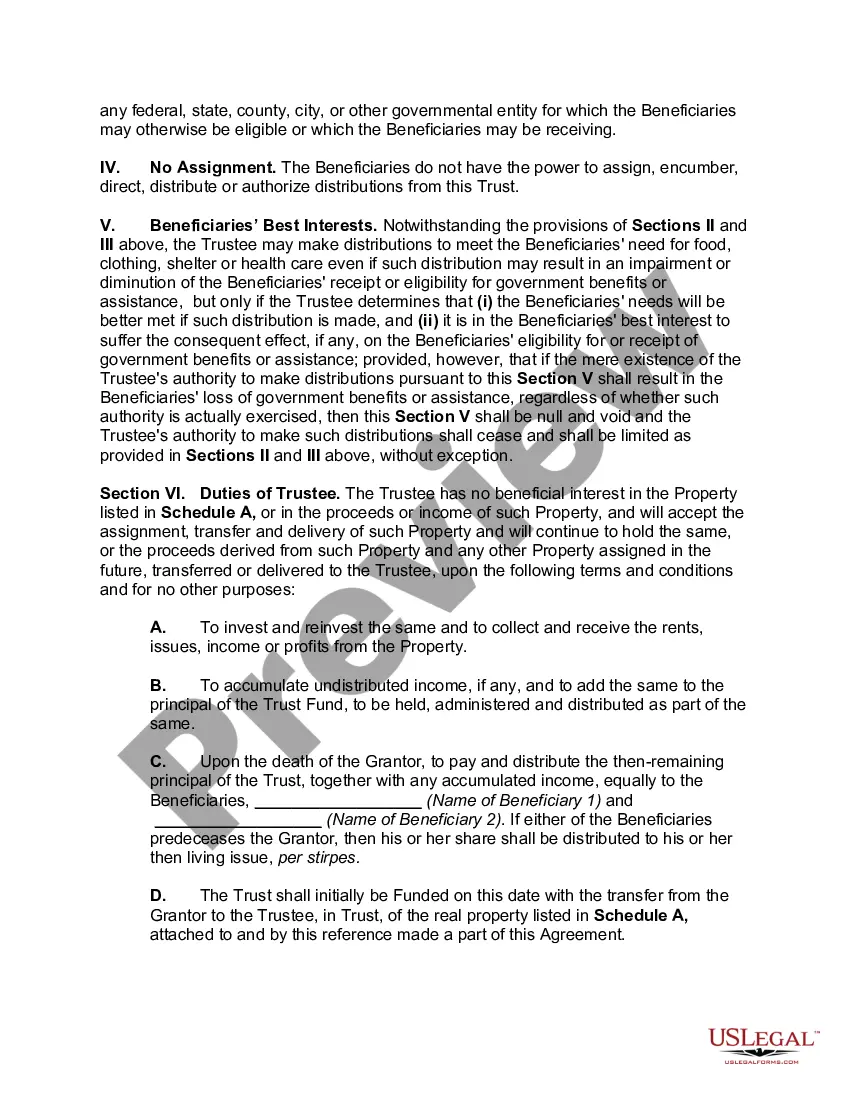
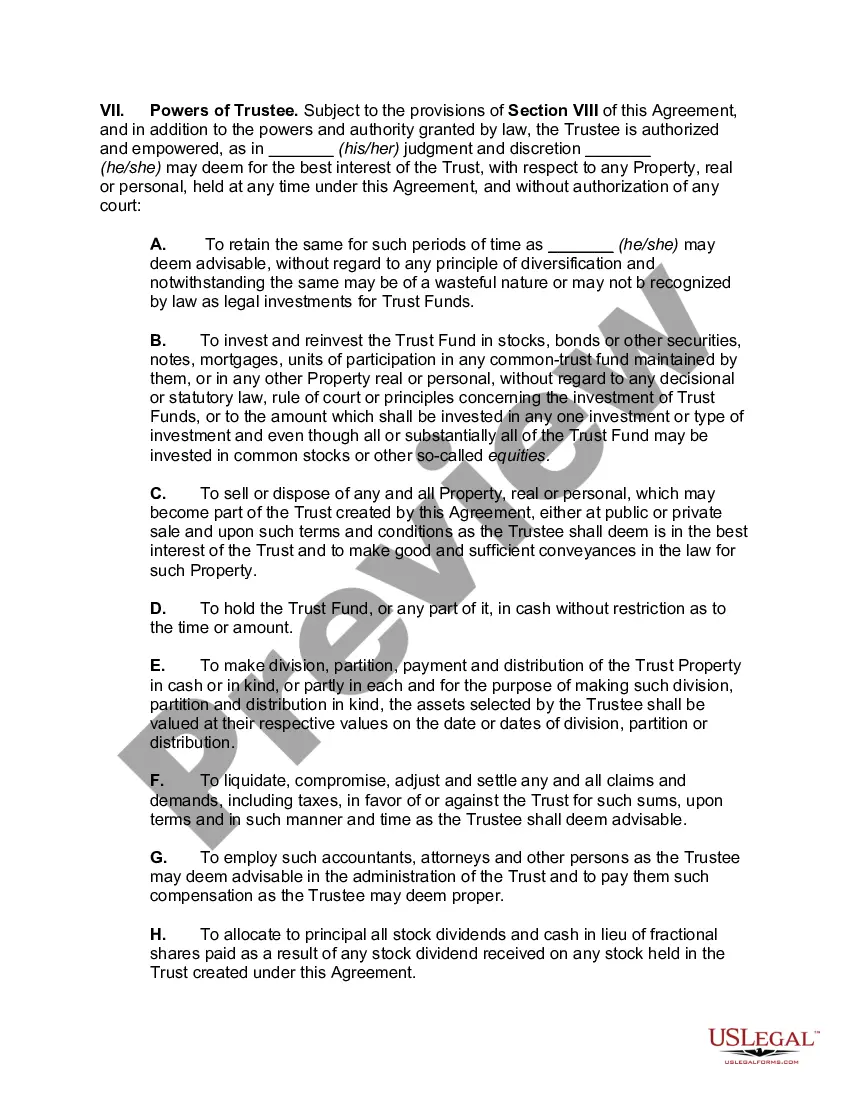
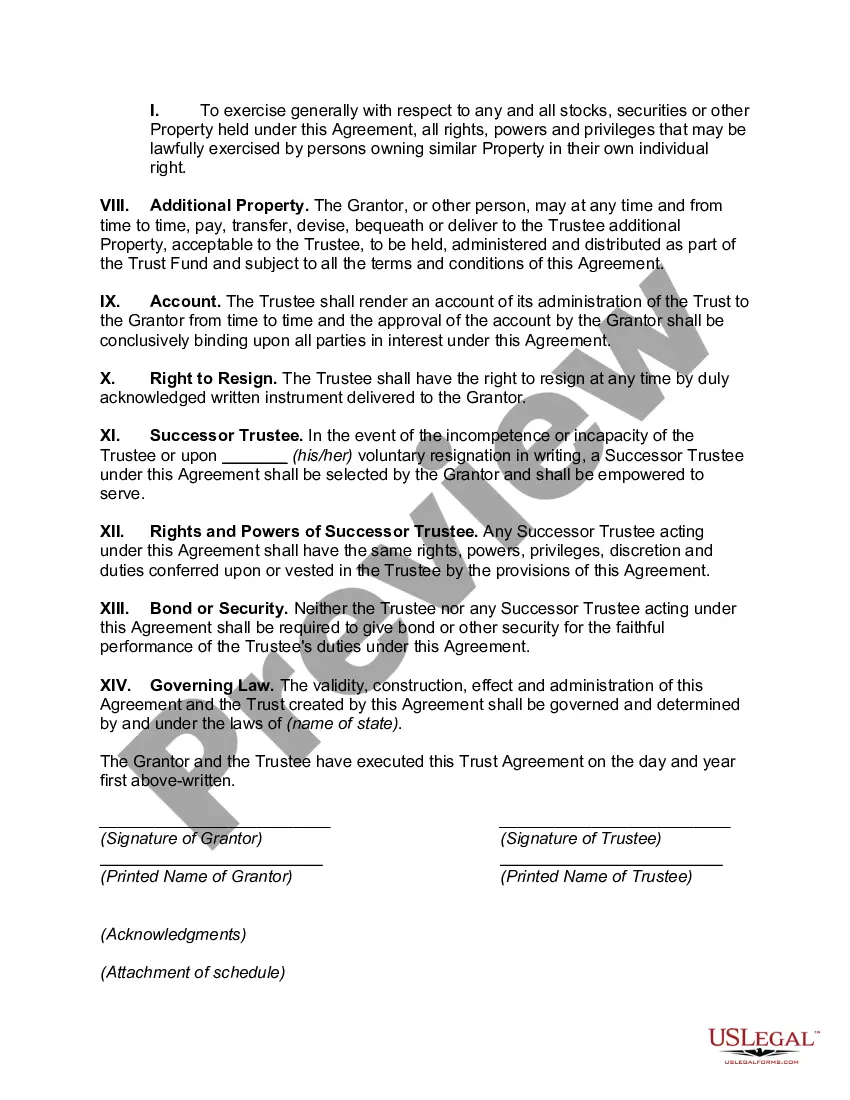

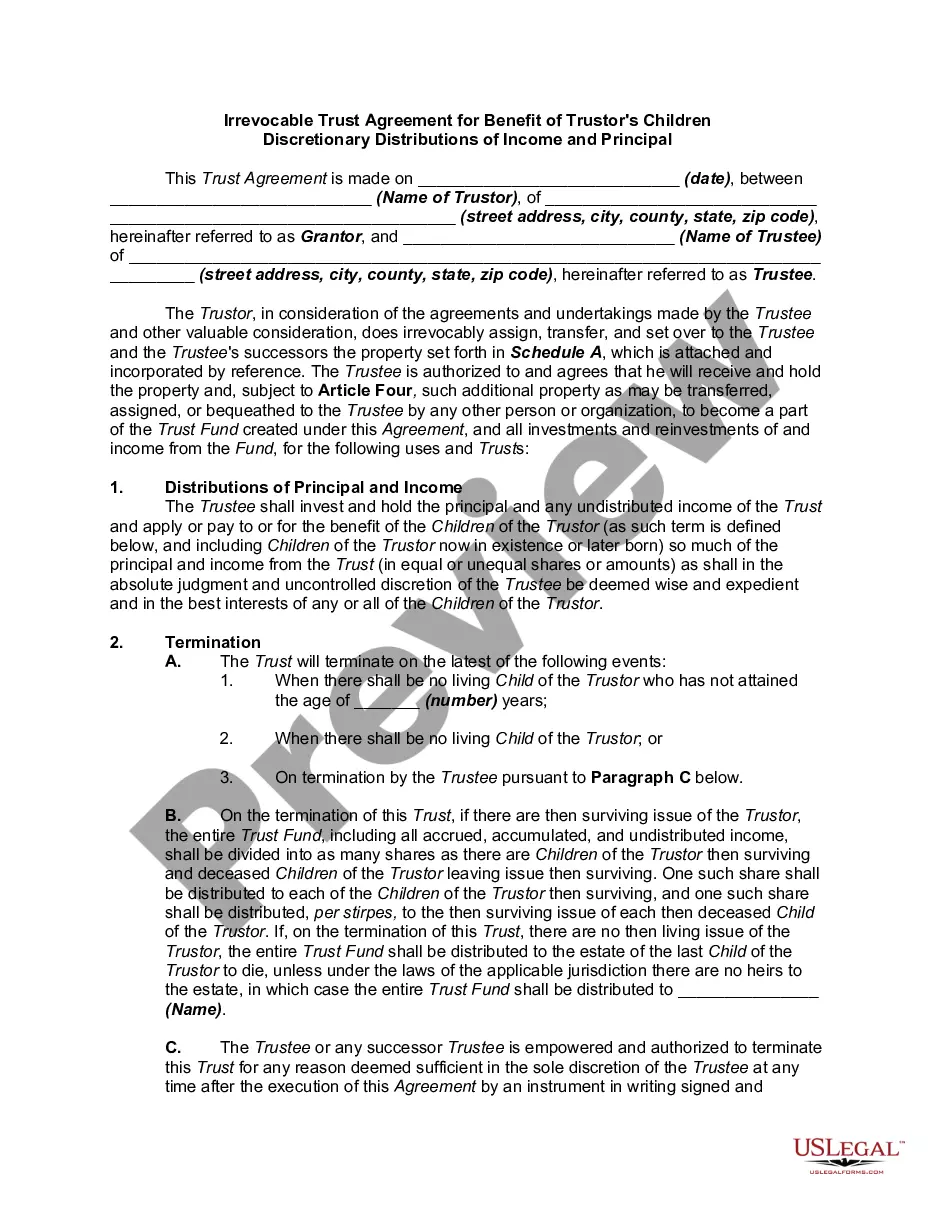

Get your form ready online
Our built-in tools help you complete, sign, share, and store your documents in one place.
Make edits, fill in missing information, and update formatting in US Legal Forms—just like you would in MS Word.
Download a copy, print it, send it by email, or mail it via USPS—whatever works best for your next step.
Sign and collect signatures with our SignNow integration. Send to multiple recipients, set reminders, and more. Go Premium to unlock E-Sign.
If this form requires notarization, complete it online through a secure video call—no need to meet a notary in person or wait for an appointment.
We protect your documents and personal data by following strict security and privacy standards.

Make edits, fill in missing information, and update formatting in US Legal Forms—just like you would in MS Word.

Download a copy, print it, send it by email, or mail it via USPS—whatever works best for your next step.

Sign and collect signatures with our SignNow integration. Send to multiple recipients, set reminders, and more. Go Premium to unlock E-Sign.

If this form requires notarization, complete it online through a secure video call—no need to meet a notary in person or wait for an appointment.

We protect your documents and personal data by following strict security and privacy standards.
Looking for another form?



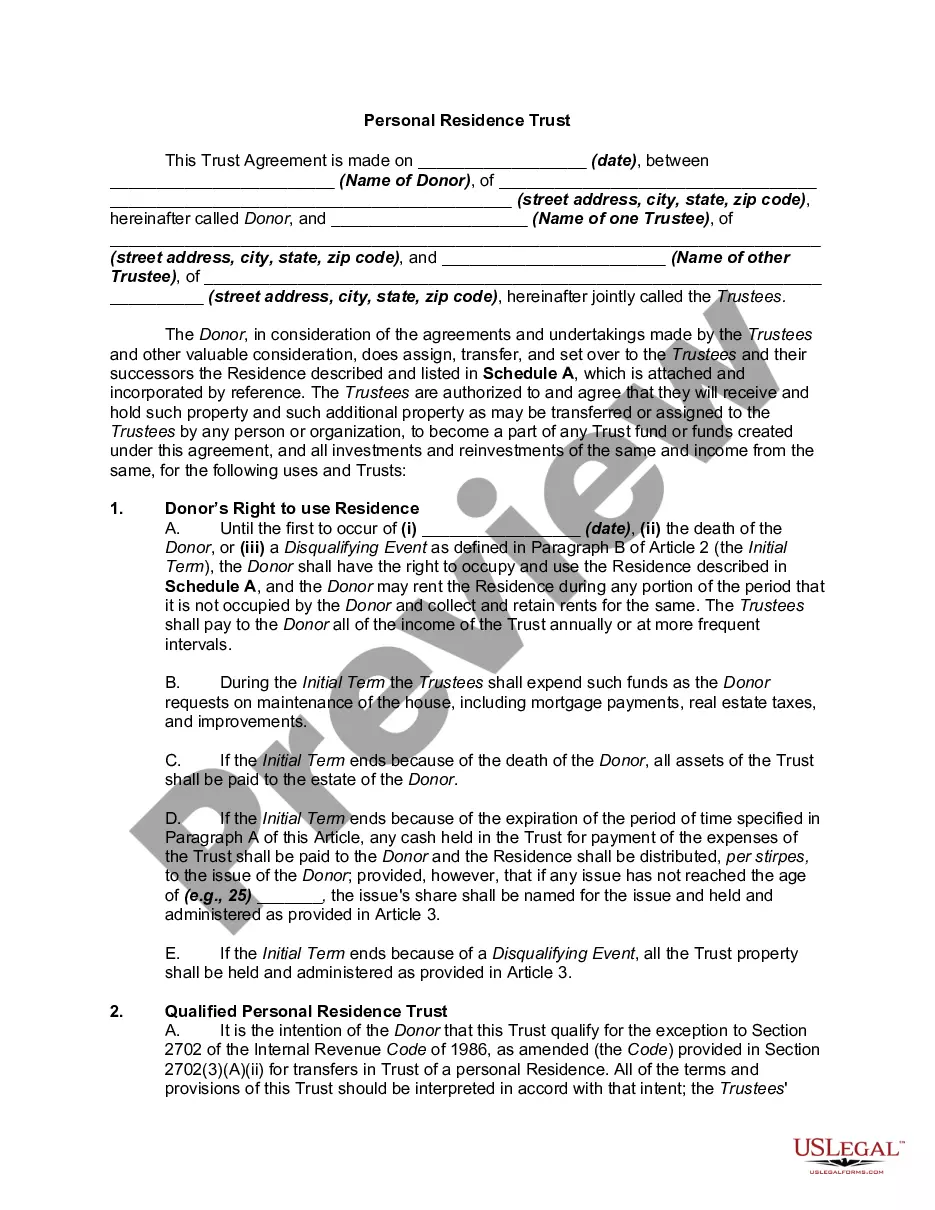

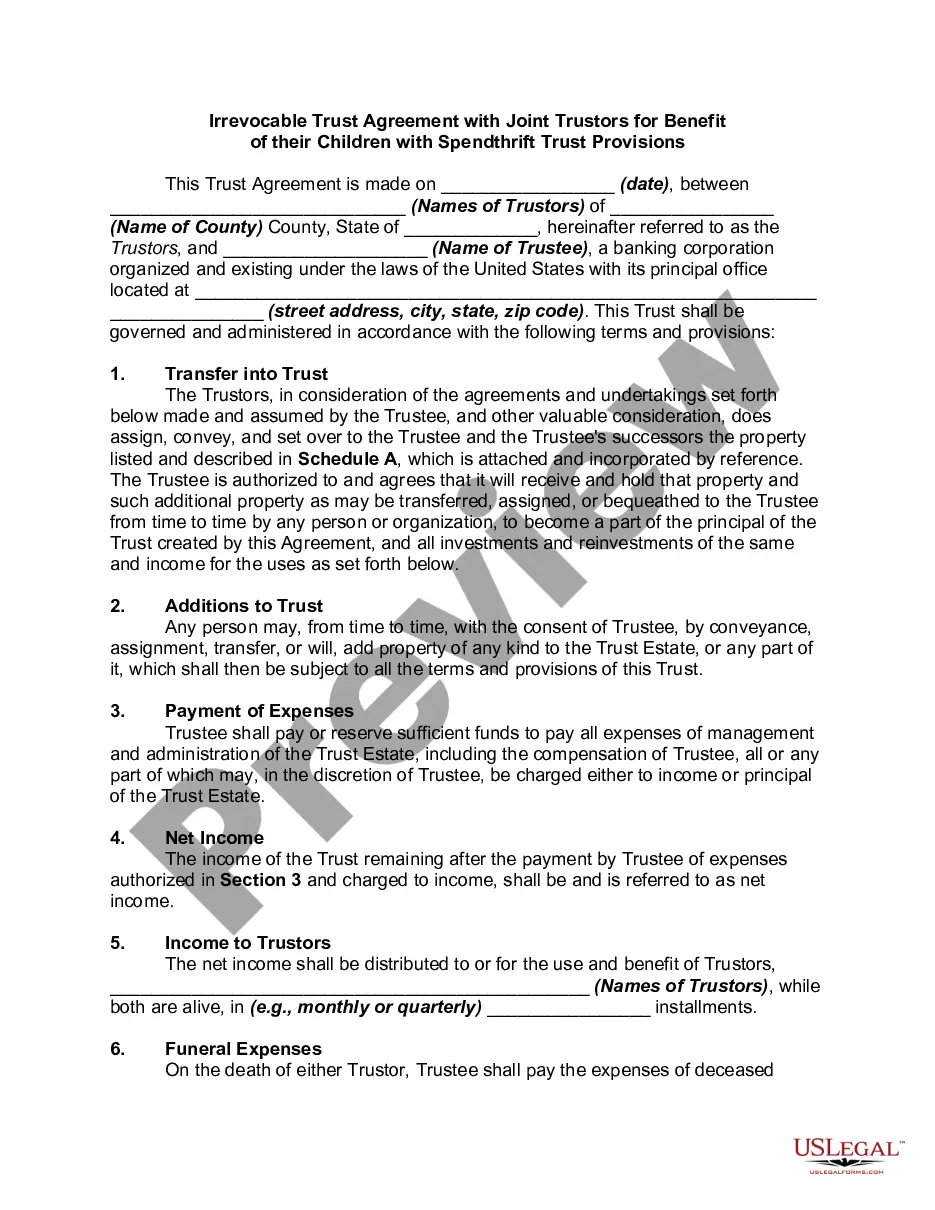
How to fill out Irrevocable Trust Agreement Setting Up Special Needs Trust For Benefit Of Multiple Children?
Creating legal documents from the ground up can often feel daunting.
Some situations may require extensive research and significant financial investment.
If you're looking for a more straightforward and budget-friendly method to prepare the Trust Special Needs Benefit For 2018 or any other paperwork without unnecessary complications, US Legal Forms is readily available for you.
Our online repository of over 85,000 current legal forms encompasses nearly every aspect of your financial, legal, and personal matters.
However, before proceeding directly to download the Trust Special Needs Benefit For 2018, please adhere to the following suggestions: Ensure you review the form preview and descriptions to confirm you have selected the correct document. Verify that the form you select meets your state and county's specifications. Choose the appropriate subscription option to obtain the Trust Special Needs Benefit For 2018. Download the file, then complete, sign, and print it out. US Legal Forms has a solid reputation and over 25 years of expertise. Join us today and simplify your form completion process!
- With just a few clicks, you can immediately access templates that are specific to your state and county, expertly assembled by our legal professionals.
- Utilize our website whenever you require dependable services enabling you to swiftly find and download the Trust Special Needs Benefit For 2018.
- If you are a returning user and have previously established an account with us, simply Log In to your account, choose the template, and download it or re-download it any time from the My documents section.
- Not registered yet? That's okay. It only takes a few minutes to sign up and browse our catalog.
Form popularity
FAQ
Third party special needs trusts are generally either considered ?complex trusts? or ?qualified disability trusts? for income tax purposes and the trust itself is responsible for reporting its own items of income, deduction, and credit.
In the case of third party special needs trusts, if the trust is considered a grantor trust, all items of income, deduction and credit are generally taxed to the individual(s) who created and funded the trust (typically parents or other relatives of the individual with a disability).
In these circumstances, the Form 1041 is very simple to complete. The trustee will check the box on Form 1041 indicating that the trust is a grantor trust and provide some general information about the trust (name, address, tax identification number, and the date the trust was established).
A special needs trust is a legal arrangement that provides access to funding to someone who is physically or mentally disabled or chronically ill. This trust allows for the additional financial support of an individual without potentially jeopardizing the benefits provided by public assistance programs.
The trustee works in very close contact with the beneficiary and/or their caregiver to manage the trust and its financial distributions to pay for these things. The main takeaway regarding distribution of SNT funds is this: The beneficiary never sees the money directly, but the money is used to pay for their needs.